
2006
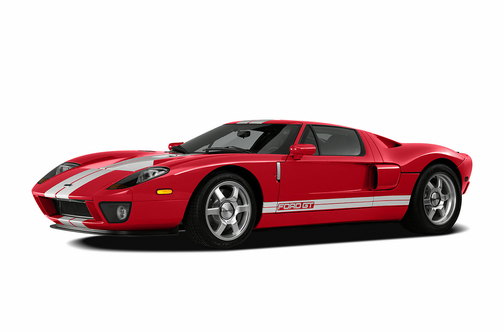
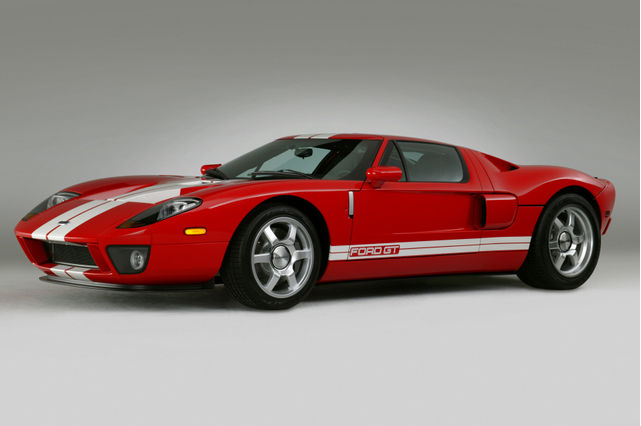
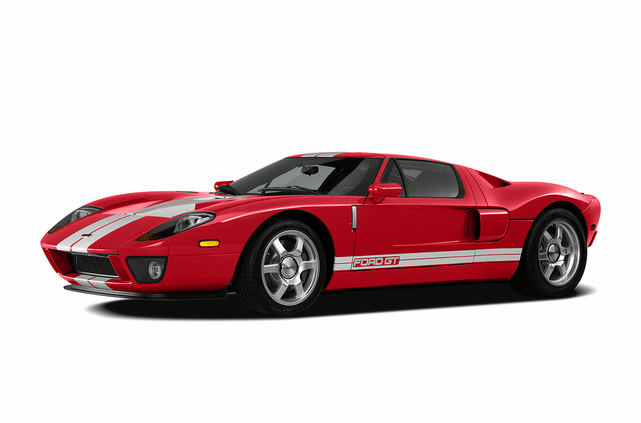
Ford GT
-
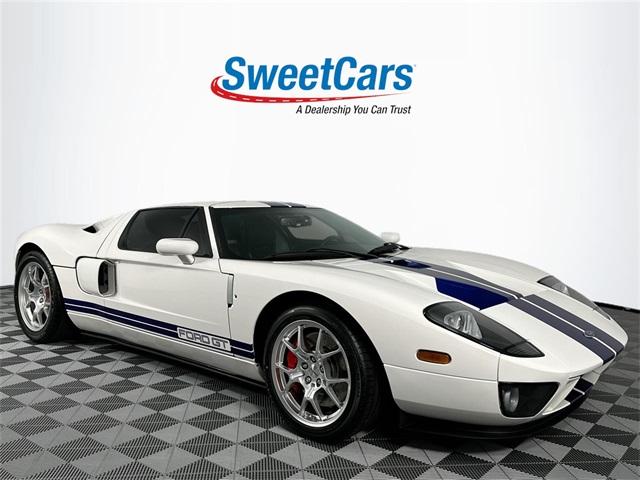 $499,995138 mi away
Photo & video gallery
The good & the bad
Available cars near you
-
$499,995138 mi away
Factory warranties
New car program benefits
Certified Pre-Owned program benefits
Compare similar vehicles
-
2006Ford GTStarts at$149,995
 13 City / 21 HwyMPG2Seat capacityGas V8EngineRear-wheel driveDrivetrain
Compare -
2011Aston Martin DBSStarts at$268,660
12 City / 18 HwyMPG4Seat capacityGas V12EngineRear-wheel driveDrivetrain
Compare -
1993Dodge ViperStarts at$52,100
-MPG-Seat capacity-Engine-Drivetrain
Compare -
2002Ford MustangStarts at$17,475
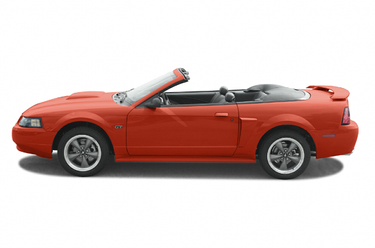 19 City / 27 HwyMPG4Seat capacityGas V6EngineRear-wheel driveDrivetrain
Compare -
2005Ford GTStarts at$149,995
13 City / 21 HwyMPG2Seat capacityGas V8EngineRear-wheel driveDrivetrain
Compare -
Compare more optionsUse our comparison tool to add any vehicle of your choice and see a full list of specifications and features side-by-side.
Try it now
Most recent
-
I purchased a used 2015 Hyundai Sonata Sport with
I purchased a used 2015 Hyundai Sonata Sport with a lot of options and under 15k miles. I'm a big guy, 6'3" and big-boned, with two younger children that require car seats. There is still some room behind me with the seat backed up all of the way. The features and smart key are a nice touch. I am used to a V-6 AWD vehicle, so- Purchased a Used car
- Does not recommend this car
-
Nice jun cs/t
Awesome fun slick looking cobra wheels and seats 5 speed transmisission very nice paint and interior- Purchased a Used car
- Used for Having fun
- Does recommend this car
-
I love this car so much I sleep in it w/ martini
Having owned a 2006 GTX1 for a number of years and really driving it Ihave to say thanks to Kip and Camilo for making this the best investment and most robust and fun car to drive I am sure I will ever own. Also believe me Lambos and ferraris do not get people running. To see you like his one. This car has appeal for everyone- Purchased a Used car
- Does recommend this car
-
Best supercar
It is overall the best supercar i know of. If this put Ferrari in its place then i know america and Ford can compete with foreign companies. The GTX1 however, has better performance, and at one point was the worlds fastest car in production with 700 horsepower and a top speed of over 220. Other than a little styling and performance- Purchased a Used car
- Used for Having fun
- Does recommend this car
-
Most Reliable Car I've Owned
Most Reliable Car I've OMinimum required characters left 72.wnSimply put, the Ford GT is an all-American supercar that was created in homage to the GT40 racecars that dominated competition at Le Mans in the mid-1960s. A supercharged, midmounted V-8 produces 550 horsepower, which is roughly equivalent to the output from the original,- Purchased a New car
- Does recommend this car
-
I LOVE IT however...
After talking my wife into a used GT, I wish I would have gone with the 2009 Z06 instead of buying a used GT that costs about 60 grand more...Having said that, she is a real head turner and the engine noise is a thrill. Ergos could be better, ride could be better, but this is a racecar...not a cadillac.- Purchased a Used car
- Used for Having fun
- Does recommend this car
-
Awesome Machine!!
I own a 'Heritage'. The one drawback to the car is getting in and out but what a small inconvenience for owning one of the true "Super Cars" in the world. It has incredible performance that's managed from a futuristic and very cool cockpit. The engine compartment is an amazing work of engineering. The body design and lines are- Purchased a Used car
- Used for Transporting family
- Does recommend this car
-
wow, its a great car.
this is a great car. its fast, it has good handling plus i do not like when you get in and out. i met a guy that said this was a good car. i hope you will enjoy this car.- Purchased a New car
- Used for Transporting family
- Does recommend this car
-
Great value, great performance, great investment!
I'll pick the Ford GT over Ferrari 360', F430's, Lambo Gallardo or Murci's any day. It's easy to drive, betterperformance, service is cheaper and easier to get done.(if needed, I haven't needed yet)- Purchased a New car
- Used for Having fun
- Does recommend this car
-
Not impressed.
Talks the talk, but does not walk the walk. On the limit, the brakes and handling are very suspect. The interior is well done. No complaints on the gear box. If you want to pose, this is the perfect car if you can afford it.- Purchased a New car
- Used for Transporting family
- Does not recommend this car
-
WOW!!!!!!!!!!!!!!!!!!
this is a great car to have. it is really fast. the top speed is well over 200mph. you well want this car for the rest of your life.- Purchased a Used car
- Used for Transporting family
- Does recommend this car
-
A very special exotic!
I bought my GT-40 new (2006), and I love it. Although I have a Ferrari 360, an NSX and a number of other great cars, this is the one that I drive the most...even to work!! I have about 3,000 miles on it, and there is nothing...nothing...than needs dealer attention (a BIG contrast with a Ferrari!).- Purchased a New car
- Used for Transporting family
- Does recommend this car
Ford dealers near you
Dick Masheter Ford 
Krieger Ford 
Valley Ford of Columbus 
Ricart Ford 
Germain Ford 
Coughlin Ford of Pataskala 
Byers Ford 
Bob-Boyd Auto Family 
Bob-Boyd Ford 
Coughlin Ford of Marysville Coughlin Circleville 
Coughlin Ford of Circleville -
Coughlin Ford of Heath -
White's Ford -
Nourse Ford 
Mathews Ford Marion 
Donley Ford of Mt. Vernon -
KEER Ford -
Integrity Ford of Bellefontaine
FAQ
What trim levels are available for the 2006 Ford GT?
The 2006 Ford GT is available in 1 trim level:
- (1 style)
What is the MPG of the 2006 Ford GT?
The 2006 Ford GT offers up to 13 MPG in city driving and 21 MPG on the highway. These figures are based on EPA mileage ratings and are for comparison purposes only. The actual mileage will vary depending on vehicle options, trim level, driving conditions, driving habits, vehicle maintenance, and other factors.
What are some similar vehicles and competitors of the 2006 Ford GT?
The 2006 Ford GT compares to and/or competes against the following vehicles:
Is the 2006 Ford GT reliable?
The 2006 Ford GT has an average reliability rating of 4.7 out of 5 according to cars.com consumers. Find real-world reliability insights within consumer reviews from 2006 Ford GT owners.
Is the 2006 Ford GT a good Coupe?
Below are the cars.com consumers ratings for the 2006 Ford GT. 84.6% of drivers recommend this vehicle.
- Comfort: 4.5
- Interior: 5.0
- Performance: 4.9
- Value: 3.9
- Exterior: 4.8
- Reliability: 4.7