



Articles by Rick Popely

Since modern automatic transmissions are generally seamless, any noticeable symptoms are important warnings that should prompt an immediate diagnosis.

When trying to get your car unstuck from ice and snow, avoid flooring the gas pedal and spin the tires until you smell rubber burning.

A car battery can freeze, but it takes truly extreme temperatures for it to happen to a fully charged battery.

To keep your car in good shape, every two to three weeks is a good rule of thumb for how often you should drive your car.

Each type of tire has strong points and weak ones, and none is probably ideal for every situation or time of year, so it pays to know their strengths and weaknesses.

If you live in a place where the temperature never gets down to freezing, you might be able to get by with plain water in place of windshield wiper fluid.

Vehicles have an adjustment screw or bolt on the headlight assembly for adjusting headlight height, and some also have a screw for horizontal aim.

Though coolant and antifreeze are often used interchangeably, they aren’t the same. Here are the differences car owners should be aware of.

If your car clicks but won't start, the problem can usually be traced to the battery, and the fix could be as simple as a jump-start or tightening a cable.

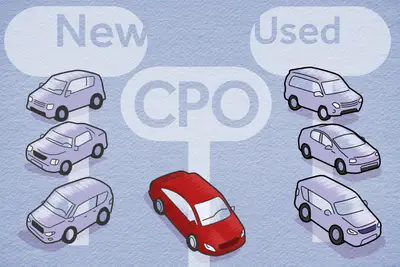
Though dealers often recondition used cars and some may add warranty coverage, slapping a “certified” label on a used car isn’t the same as certifying it under a manufacturer’s CPO program.