




What Is MPG?

What Car Shoppers Need to Know
- Miles per gallon, or mpg, is the basic measure of a vehicle’s efficiency.
- The impact of differing mpg on annual fuel costs may not be what you expect.
- Don’t expect to realize the numbers on your window sticker.
As the basic measure of a vehicle’s efficiency, mpg is fairly straightforward: One gallon of gas (or diesel) will allow your vehicle to drive that many miles. The mpg measurement can also be fascinating. Next time you hold a gallon of milk, consider: Slowly burning that much fuel will propel some two tons of metal, glass and plastic an average of around 25 miles at a speed no human can dream of achieving on foot.
Related: These SUVs Have the Best MPG for 2026
Why MPG Matters
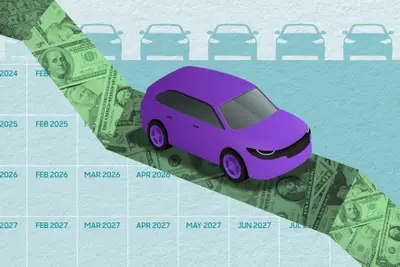
With mpg, a higher number is better, but what does that actually mean for ownership costs? For an extreme example, let’s look at the popular Honda CR-V, available with gas-only and hybrid powertrains. The gas CR-V earns a best EPA combined rating of 30 mpg; the hybrid, 40 mpg. That’s a considerable spread for a single model. At the current national average, that’s a savings of $563 per year if you drive 15,000 miles per year, or a savings of $2,815 over five years.
If you’re currently shopping for a car and want to work out these costs for two specific vehicles, the EPA has an excellent comparison tool that allows you to tweak fuel prices and annual mileage.
EPA Ratings
The EPA combined rating is a simple way to quickly compare vehicles, but the typical disclaimer applies: Your mileage will almost certainly vary. The EPA determines city and highway fuel-economy ratings for vehicles through a precise testing procedure conducted in a laboratory. The combined rating is calculated by adding 55% of the city figure to 45% of the highway figure, approximating normal driving habits.
The EPA’s lab tests, however, require the vehicle to accelerate at a rate slower than many drivers do. In the interest of consistency, the tests are also conducted without the climate control system operating in most conditions, and hills are not accounted for. And during the highway test, the vehicle spends relatively little time at the speeds most people drive on actual freeways. So, while EPA figures are useful for comparing vehicles and setting relative expectations, don’t expect to match them in your driving.
How to Find Your Car’s MPG
If you’re shopping for a new car, finding its mpg is easy: It’s likely written in the biggest font on the window sticker. For used cars, you can look them up on the EPA’s fuel economy site, which will tell you the individual ratings for most available configurations of a given vehicle: different engines, transmissions, driven wheels and so on.
If you’re curious about the fuel economy of the car you’re currently driving, many newer models have a readout somewhere in the instrument panel. Check your owner’s manual — or look up your owner’s manual online if you don’t have it — for where to find this info. Contrary to popular belief that these displays are hopelessly optimistic, a study conducted by AAA in 2021 found that most vehicles’ reported fuel economy was within a few percentage points of the actual figure.
If you doubt your car’s readout, you can always do it the old-fashioned way: Record your mileage at each fill-up and divide the distance driven between them by the amount of fuel you put in. Note that this only works if you fill the tank all the way every time, and it doesn’t account for variables such as fuel flow rate and different volumes of air left in the filler neck before the pump’s automatic cutoff engages.
What Is a Good MPG?
What counts as good mpg depends on the type of vehicle you’re shopping for. Weight and power are two main enemies of efficiency, so the larger and/or more powerful the vehicle, the lower its fuel economy will typically be. For a full-size pickup, anything approaching the mid-20s is good; for a compact SUV, you can find plenty of choices like the CR-V or Toyota RAV4 hybrids at or near 40 mpg. For more detail, check out our previous coverage of the most efficient cars and SUVs.
More From Cars.com:
- What Are the Most Fuel-Efficient Cars of 2026?
- These Hybrid SUVs Have the Best MPG
- The 12 Most Fuel-Efficient New Cars You Can Buy for Under $35,000
- What’s the Most Fuel-Efficient SUV (2025)?
- Add Cars.com as a Preferred Source on Google
Related Video:
Cars.com’s Editorial department is your source for automotive news and reviews. In line with Cars.com’s long-standing ethics policy, editors and reviewers don’t accept gifts or free trips from automakers. The Editorial department is independent of Cars.com’s advertising, sales and sponsored content departments.