



Advice
All articles

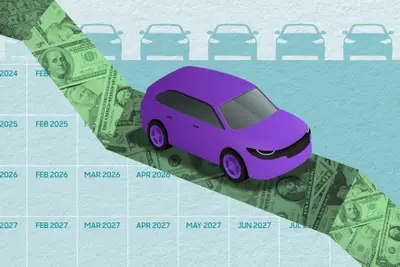
There are drawbacks to consider with long-term auto loans, such as 72- and 84-month loans, even with low, or no, interest.

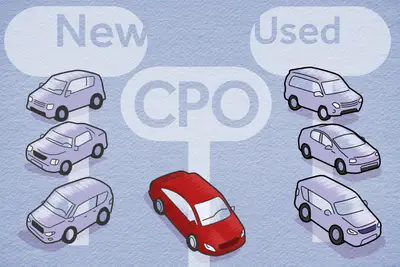
The Trump administration’s tariffs are likely to raise the prices of both new and used cars in the coming months. Here are some ways you can potentially save money on your next car purchase.

To get the best possible interest rate on a car loan, it’s important to understand the current marketplace for interest rates and your financial situation.

As EVs gain mainstream adoption, one challenge remains clear: Insuring them is significantly more expensive than traditional gasoline-powered cars.

With snow now hitting the U.S. in places that aren’t used to it, here are our top four tips for getting through it safely and effectively.

Although a typical interval is 5,000 to 10,000 miles, you may want to have tires rotated before it’s called for if you notice uneven tread wear that results in vibration or noise.

When trying to get your car unstuck from ice and snow, avoid flooring the gas pedal and spin the tires until you smell rubber burning.

Check out our personal tips developed over years of extensive driving experience to help you survive the winter with rear-wheel drive.

One indication that the power-steering fluid level should at least be checked is if the steering wheel becomes harder to turn or you hear a whining noise coming from the power-steering pump.

Though it could apply to any car, truck or SUV, 4x4 usually represents more traditional 4WD vehicles, and especially off-road-capable ones.