


Selling your car
All articles

If you’re considering shuffling out your old car to welcome in a new one, it helps to figure out your priorities ahead of time in order to best weigh the pros and cons of whether to trade in or sell yourself.

Whether you’re looking to replace your car or offload an extra one to take advantage of elevated used-car values, selling a vehicle privately can get you more money than trading it in to a dealer.

There are a few steps you should take before heading to the dealership to make the selling process go smoothly and to get the best offer.

It’s possible to sell your car when you still owe money on the loan, but your best course of action will depend on how you plan to sell it and your equity in the vehicle.

There are options for ending your lease early without sacrificing time, effort and, in some cases, money.

While internet fraud shouldn’t discourage you from selling your used car on your own, it’s important to exercise caution and educate yourself about scams.

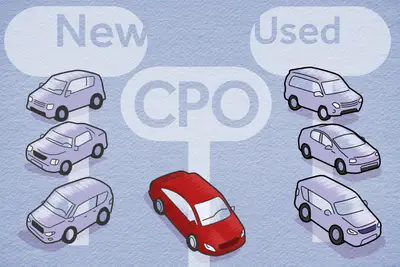
If you're trading in a low-mileage, well-maintained late-model vehicle, your car could be a candidate for a certified pre-owned program.

The estimated value of your used car should give you a good starting figure for trade-in negotiations. But remember, it’s only a starting point.

Generally, selling privately carries a financial advantage, while trading in or selling to a dealer is a faster and simpler process. See which route is best for you.

Take photos that show shoppers why they should buy your car. Fill the entire frame of the picture without your car being cut off.