


Advice
All articles

The Manufacturer’s Suggested Retail Price — also known as “sticker” price – is basically a recommended selling price that automakers give a new car.

We recommend that you shop around for a loan before you go to a dealership. Before you can shop for a loan, though, you'll need to determine a few things.

Heed these do’s and don’ts if you find yourself trapped in your car in fast-rising water.

While internet fraud shouldn’t discourage you from selling your used car on your own, it’s important to exercise caution and educate yourself about scams.

Our expert advice and tools can help you boost your negotiation skills and make the best possible decisions as a buyer.

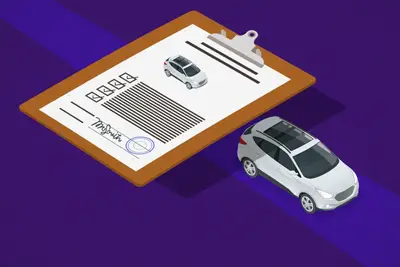
The window sticker, also known as a Monroney label, verifies the car’s make, model and year, and provides its suggested retail price and a list of equipment.

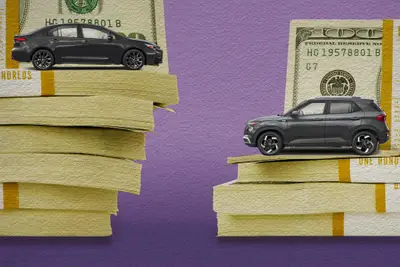
Compared to negotiable auto pricing, the main difference of a no-haggle, or one-price, approach is that the selling price is posted or advertised up front, and anyone who buys that particular vehicle should pay the same amount.

Read here to know what to prioritize when it comes time to find a dealer, negotiate and pay the fee for a new car.

Some 2.5 million fleet vehicles are purchased annually, and most of those will wind up on used-car lots or for sale online.

We recommend doing all of these things in advance of going to a dealership, especially if your goal is to get in and out as quickly as possible.