


Finance
All articles

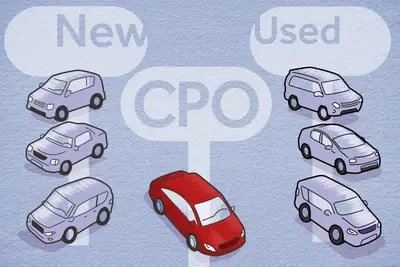
Though dealers often recondition used cars and some may add warranty coverage, slapping a “certified” label on a used car isn’t the same as certifying it under a manufacturer’s CPO program.

You can lease a car if you have spotty credit, but it won’t be easy — and you probably won’t get the alluringly low lease payments you see advertised.

Most manufacturers provide discounts on cars to current employees and retirees, and they often reduce transaction costs to near or below the price on the invoice sent to the dealer.

It’s no secret that there’s a shortage of used cars right now, but does that mean now is a good time to buy out your lease? Learn more about your options here.

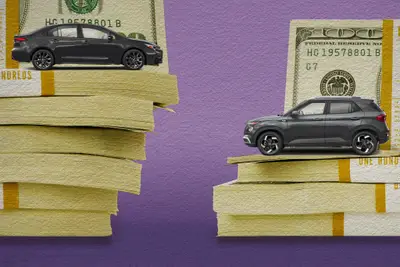
Choosing the right way to pay for your car depends on the type of car you’re getting, how long you want to own it, how much cash you have and your credit score.

There are options for ending your lease early without sacrificing time, effort and, in some cases, money.

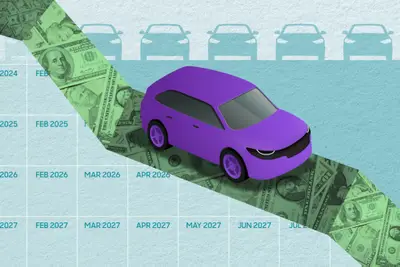
As the average length of a new-vehicle loan has increased to nearly six years, so has the number of buyers who trade in a vehicle with negative equity.

Before you move ahead with it, consider these points to learn how leasing a car works.

Although some dealers have instituted no-haggle pricing, CPO cars seldom carry such stipulations as a whole.
Most automaker finance units and third-party financial institutions will grant a one-time extension of a car lease, generally by 12 months or fewer.