


2026
Polestar 4

Starts at:
$56,400
Shop options
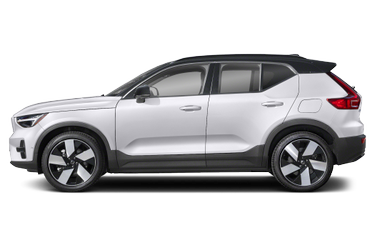
New 2026 Polestar 4
See ratings
Not rated
Consumer rating
Owner reviewed vehicle score
Not rated
Safety rating
NHTSA tested vehicle score
Not rated
Consumer rating
Owner reviewed vehicle score
Not rated
Safety rating
NHTSA tested vehicle score
Shop Cars.com
Browse cars & save your favorites
Dealers near you
Find & contact a dealership near you
Listings near 43287
Change location See all listings

Available trims

See the differences side-by-side to compare trims.
  • Long Range Single Motor
    Starts at
    $56,400
    310 mi.
    Range
    5
    Seat capacity
    48 month/50,000 miles
    Warranty
    Electric
    Engine
    Rear Wheel Drive
    Drivetrain
    See all specs
  • Long Range Dual Motor
    Starts at
    $62,900
    255 - 280 mi.
    Range
    5
    Seat capacity
    48 month/50,000 miles
    Warranty
    Electric
    Engine
    All Wheel Drive
    Drivetrain
    See all specs

Photo & video gallery

2026 Polestar 4 2026 Polestar 4 2026 Polestar 4 2026 Polestar 4 2026 Polestar 4 2026 Polestar 4 2026 Polestar 4 2026 Polestar 4

The good & the bad

This vehicle doesn't have any good or bad insights yet.

Use our comparison tool to look at this model side-by-side with other vehicles or view the full specifications list .

Start your comparison

Expert 2026 Polestar 4 review

polestar 4 2026 01 exterior front angle scaled jpg
Our expert's take
By Aaron Bragman
Full article
polestar 4 2026 01 exterior front angle scaled jpg

What Car Shoppers Need to Know

  • After getting more seat time in a 2026 Polestar 4, multiple Cars.com reviewers declare its controversial design too difficult and unpleasant for daily use.
  • Software bugs continued to plague our test vehicles, leading to additional frustration, so our recommendation is to skip the Polestar 4 for now.

If looking at this stylish electric SUV leaves you with mixed feelings, chances are you’ve probably driven one and know where the following discussion is headed. If you’re not feeling that way, know that you’re looking at the new Polestar 4, the latest offering from the Chinese-Swedish Polestar brand in an increasingly confusingly named lineup of attractive yet problematic electric vehicles. This is the SUV coupe of the lineup, smaller than the Polestar 3 mid-size luxury SUV but larger than the now-discontinued (in the U.S.) Polestar 2 compact car.

Related: 2025 Polestar 4 Review: Not Looking Backwards

Our Senior Road Test Editor Mike Hanley had a first drive and review of the Polestar 4 last year and declared the car to be quite nice to drive, luxurious and stylish — but also problematic, with controls unnecessarily consolidated in the center touchscreen and the bizarre design choice of no rear window, making it too odd for comfortable daily use.

We’ve now had additional time with the Polestar 4 in both our Chicago and Detroit offices, with more of our reviewers getting behind the wheel to see how it works. Or more accurately, how it just really doesn’t work very well.

It’s Just Not Pleasant to Use

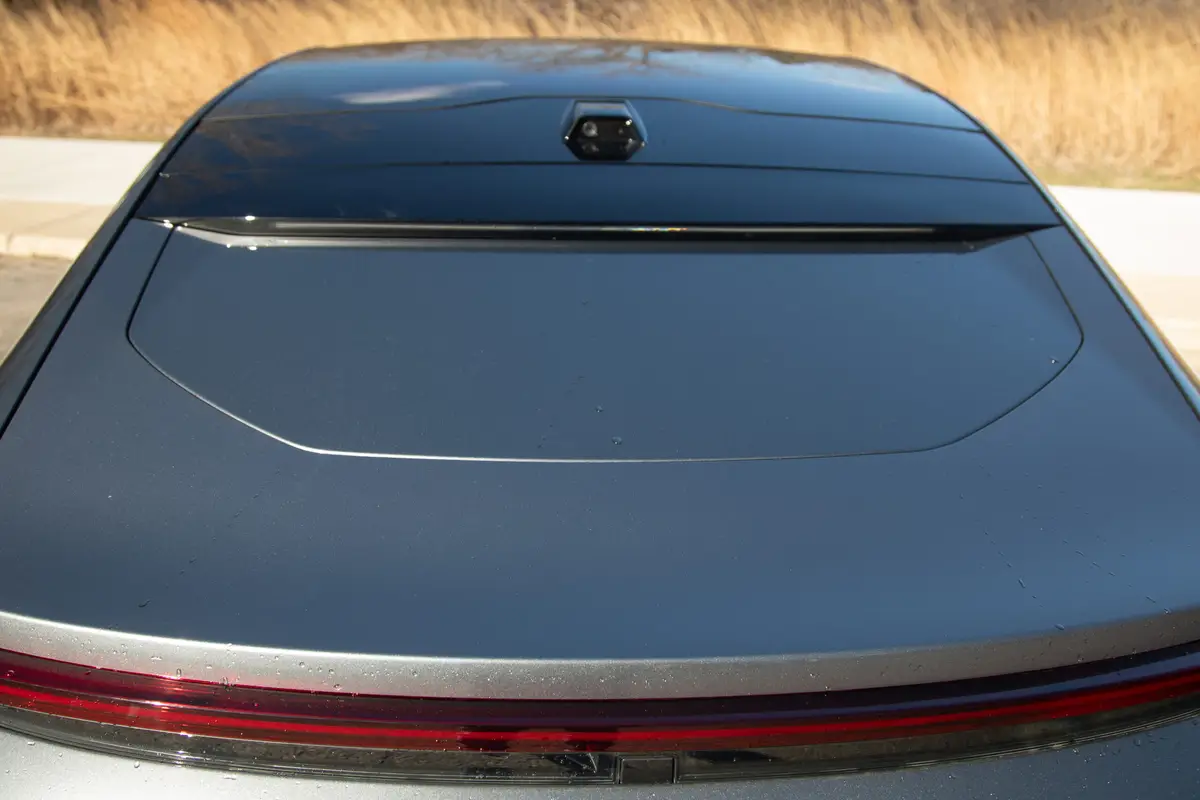
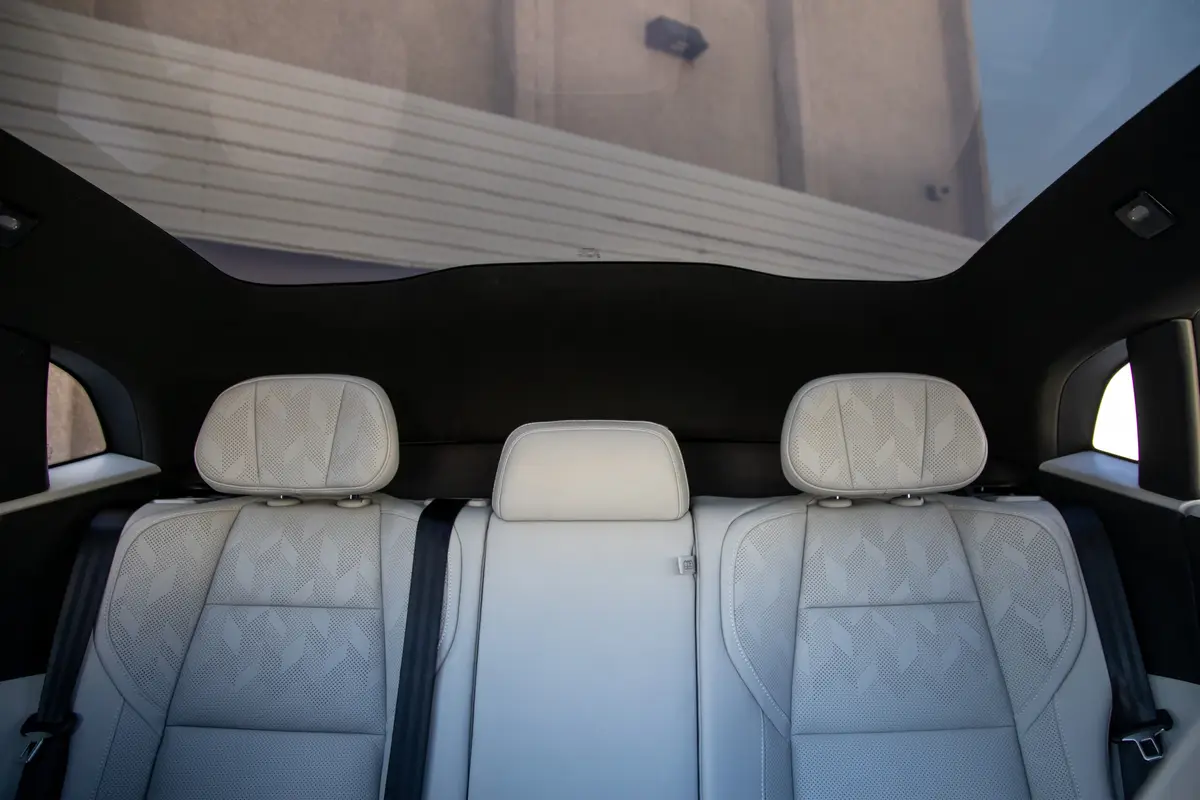
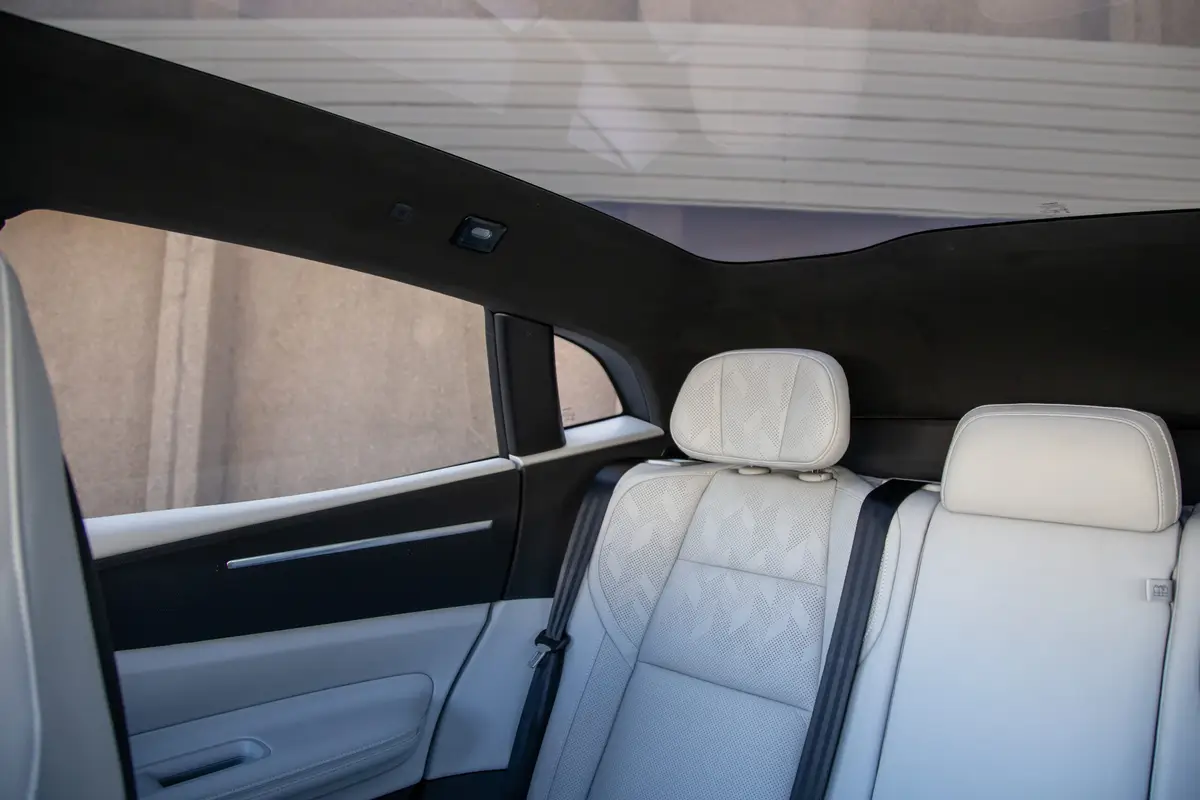
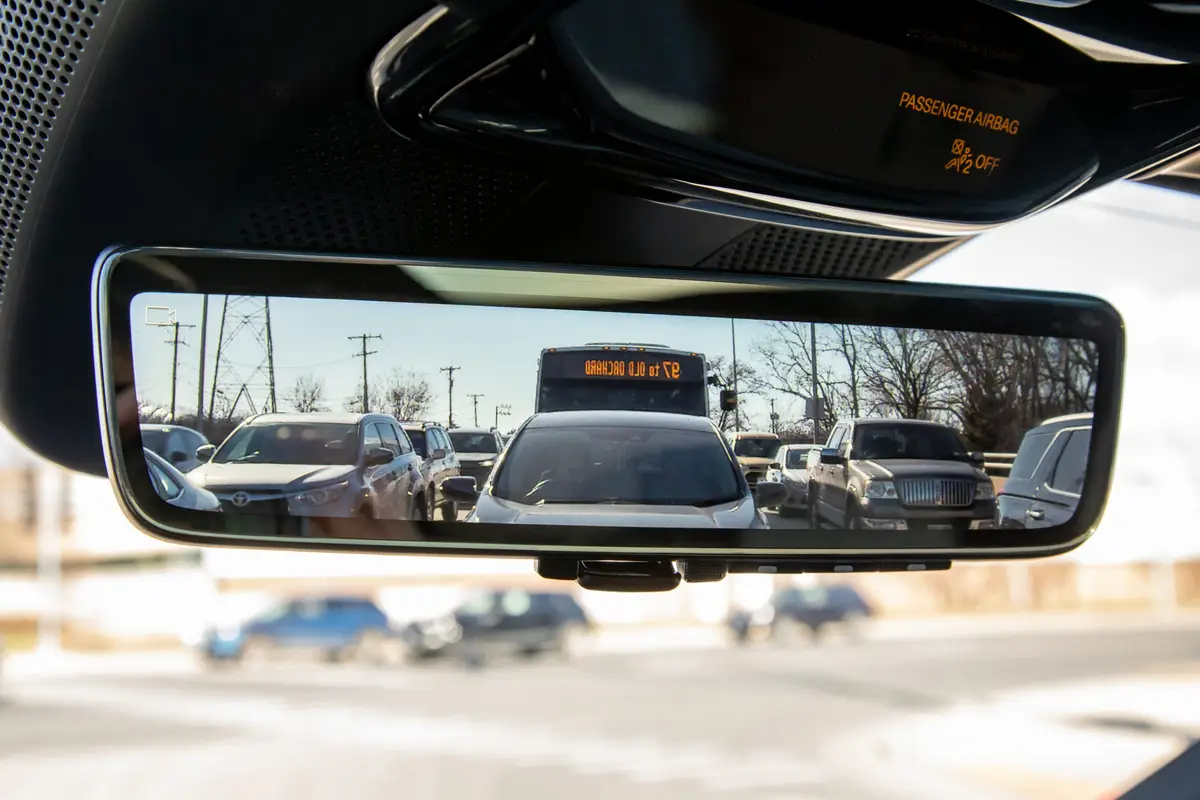
Innovation in the auto industry is a good thing. Making something different just to be different, well, that’s not the same thing as innovating. The Polestar 4 already has an uphill fight being an “SUV coupe,” joining the likes of the Audi Q8, BMW X4 and X6, Genesis GV80 Coupe, Infiniti QX65, Mercedes-Benz GLC and GLE Coupes, and Porsche Cayenne Coupe. This means that it has less headroom and cargo space than a traditional upright SUV, swapped in exchange for a swoopier roofline and racier look that some people prefer. But Polestar made an additional design choice when making the 4: deleting the rear window. You see what’s behind you using a rearview camera mirror, which is not new technology (GM has had it in cars for years now).

Our reviewers universally hated this setup, with most faulting the rearview mirror screen for being too close to your face. The problem with such devices is that they require you to refocus your eyes differently than if you were looking at a traditional rearview mirror. With an actual mirror, you switch your visual focus from 100 feet down the road in front of you to 100 feet behind you without even thinking about it. However, with a camera mirror, you switch from a forward 100-foot view to one that’s just a foot from your face, as it’s a display screen, not a mirror. This caused our editors eye strain to the point of complaint. “I’m irritated in general by the change-for-the-sake-of-change design/control-interface quirks of many EVs,” wrote Senior Research Editor Damon Bell, “but Polestar gets the ‘hold-my-beer’ award on this front. Having to look at a headache-inducing video-camera rearview mirror is a deal breaker.”

Road Test Editor Brian Normile had strong words about the decision to eliminate the back window and the subsequent requirement of a camera mirror. “Using the rearview camera mirror induces eye strain, motion sickness and maybe even disorientation; when you signal a lane change, the camera shifts to give you a ‘better’ view of the lane to which you’re indicating, and boy, let me tell you, I do not like someone or something else changing my rear view in the middle of driving,” he said. “The fact that you can also turn off the camera mirror while driving and immediately eliminate any view backward (the side mirrors are too small to serve as an adequate alternative) feels unsafe and unwise.”

Detroit Bureau Chief Aaron Bragman didn’t hate the camera mirror itself quite as much, but the lack of being able to just check around your vehicle before backing out of a spot in a busy Aldi parking lot was a nerve-wracking experience. “I can’t see to the rear three-quarters of the car in a busy lot, so who knows who might be approaching the car,” he wrote. “I can’t believe this is even allowed; it just feels massively unsafe for a passenger car.” It’s even more frustrating because you can see where a panel of glass should go — the cutout for the glass is evident in the hatchback panels. So omitting it to allow for “greater design freedom,” according to Polestar, is really more of a conscious choice than any kind of daring innovation, and all of us agree that it was the wrong, wrong choice.

The Software Hasn’t Improved

The beautiful thing about the modern idea of the “software-defined vehicle” is that it should be easy to update, quick to add features over-the-air, and simple for automakers to ensure everything is bug-free and works. But a software-defined vehicle is a bad idea if your software, well, sucks. None of us had a trouble-free experience using the Polestar 4, and it had nothing to do with how it drives. It drives beautifully; it’s quick, light on its feet, rides well, and is exceptionally quiet and comfortable. But whether you get to drive it becomes an issue when the only way to get in it is either via an app (which we did not have access to) or a key card (which only successfully unlocked the car roughly one attempt in four). “I don’t think the ridiculous key-card unlock function worked on the first try for me more than 25% of the time on the Polestar 4 or on the Polestar 3 we had last summer,” Bell reported.

Hanley didn’t have any better of an experience. “The most frustrating thing is Polestar’s software gremlins; when I went to drive the car at one point, I could unlock it with the key card, but the car wouldn’t recognize it to let me drive,” he wrote. “I tried getting in and out multiple times, locking and unlocking it again, but it would not let me shift into Drive or Reverse, leaving me stuck. Thankfully, I was parked in front of my house as opposed to away from home and was able to take another vehicle to get where I was going.” When he tried it a few days later, the problem had mysteriously resolved itself and the 4 worked normally again.

Bragman didn’t have any better luck with his car (a different vehicle than the one Bell, Normile and Hanley drove), as it wouldn’t let him save the seat and steering-wheel adjustment settings to the key card’s profile, requiring them to be readjusted every time the car was started. Creating a different profile allowed the settings to be saved, but the key card then reverted to its saved profile every time … until suddenly, one day, it allowed the new settings to be saved to the initial profile. Exiting the car after it was parked triggered the auto-locking function, but for some reason, the car’s anti-theft alarm almost always triggered when he got 20 feet away from it. It would honk for a few seconds, then stop and stay stopped when he approached it again.

Software glitches continued in the cabin, with phones that wouldn’t stay connected and screens that blanked out randomly or took a long time to load. The fact that we’ve experienced such glitches and bugginess in nearly every single Polestar test vehicle we’ve received for nearly two years now indicates that something is still very wrong in the land of Polestar.

We Had Our Second Look, and …

With multiple editors sharing numerous complaints after spending time in the new Polestar 4, we sadly have to give it a thumbs-down. The software issues are bad enough, but at least those can hopefully be addressed by over-the-air updates. However, the design choice of omitting the rear window and requiring the use of a rearview camera mirror is not something that can be fixed after the act, and it’s not something any of us would want to live with. “No vehicle I’ve driven has infuriated me quite like the Polestar 4 — and yes, I’m including the Tesla Cybertruck in that accounting,” wrote Normile.

There are lots of competitors to the Polestar 4, making alternatives easy to come by. Until things improve at Polestar, this one’s staying off our recommendation list.

More Electric Vehicle News From Cars.com:

Related Video:

We cannot generate a video preview. See the full review to watch it.

Cars.com’s Editorial department is your source for automotive news and reviews. In line with Cars.com’s long-standing ethics policy, editors and reviewers don’t accept gifts or free trips from automakers. The Editorial department is independent of Cars.com’s advertising, sales and sponsored content departments.

Detroit Bureau Chief
Aaron Bragman

Detroit Bureau Chief Aaron Bragman has had over 25 years of experience in the auto industry as a journalist, analyst, purchasing agent and program manager. Bragman grew up around his father’s classic Triumph sports cars (which were all sold and gone when he turned 16, much to his frustration) and comes from a Detroit family where cars put food on tables as much as smiles on faces. Today, he’s a member of the Automotive Press Association and the Midwest Automotive Media Association. His pronouns are he/him, but his adjectives are fat/sassy.

2026 Polestar 4 review: Our expert's take
By Aaron Bragman

What Car Shoppers Need to Know

  • After getting more seat time in a 2026 Polestar 4, multiple Cars.com reviewers declare its controversial design too difficult and unpleasant for daily use.
  • Software bugs continued to plague our test vehicles, leading to additional frustration, so our recommendation is to skip the Polestar 4 for now.

If looking at this stylish electric SUV leaves you with mixed feelings, chances are you’ve probably driven one and know where the following discussion is headed. If you’re not feeling that way, know that you’re looking at the new Polestar 4, the latest offering from the Chinese-Swedish Polestar brand in an increasingly confusingly named lineup of attractive yet problematic electric vehicles. This is the SUV coupe of the lineup, smaller than the Polestar 3 mid-size luxury SUV but larger than the now-discontinued (in the U.S.) Polestar 2 compact car.

Related: 2025 Polestar 4 Review: Not Looking Backwards

Our Senior Road Test Editor Mike Hanley had a first drive and review of the Polestar 4 last year and declared the car to be quite nice to drive, luxurious and stylish — but also problematic, with controls unnecessarily consolidated in the center touchscreen and the bizarre design choice of no rear window, making it too odd for comfortable daily use.

We’ve now had additional time with the Polestar 4 in both our Chicago and Detroit offices, with more of our reviewers getting behind the wheel to see how it works. Or more accurately, how it just really doesn’t work very well.

It’s Just Not Pleasant to Use

Innovation in the auto industry is a good thing. Making something different just to be different, well, that’s not the same thing as innovating. The Polestar 4 already has an uphill fight being an “SUV coupe,” joining the likes of the Audi Q8, BMW X4 and X6, Genesis GV80 Coupe, Infiniti QX65, Mercedes-Benz GLC and GLE Coupes, and Porsche Cayenne Coupe. This means that it has less headroom and cargo space than a traditional upright SUV, swapped in exchange for a swoopier roofline and racier look that some people prefer. But Polestar made an additional design choice when making the 4: deleting the rear window. You see what’s behind you using a rearview camera mirror, which is not new technology (GM has had it in cars for years now).

2026 Polestar 4 2026 Polestar 4 2026 Polestar 4

Our reviewers universally hated this setup, with most faulting the rearview mirror screen for being too close to your face. The problem with such devices is that they require you to refocus your eyes differently than if you were looking at a traditional rearview mirror. With an actual mirror, you switch your visual focus from 100 feet down the road in front of you to 100 feet behind you without even thinking about it. However, with a camera mirror, you switch from a forward 100-foot view to one that’s just a foot from your face, as it’s a display screen, not a mirror. This caused our editors eye strain to the point of complaint. “I’m irritated in general by the change-for-the-sake-of-change design/control-interface quirks of many EVs,” wrote Senior Research Editor Damon Bell, “but Polestar gets the ‘hold-my-beer’ award on this front. Having to look at a headache-inducing video-camera rearview mirror is a deal breaker.”

Road Test Editor Brian Normile had strong words about the decision to eliminate the back window and the subsequent requirement of a camera mirror. “Using the rearview camera mirror induces eye strain, motion sickness and maybe even disorientation; when you signal a lane change, the camera shifts to give you a ‘better’ view of the lane to which you’re indicating, and boy, let me tell you, I do not like someone or something else changing my rear view in the middle of driving,” he said. “The fact that you can also turn off the camera mirror while driving and immediately eliminate any view backward (the side mirrors are too small to serve as an adequate alternative) feels unsafe and unwise.”

2026 Polestar 4 2026 Polestar 4

Detroit Bureau Chief Aaron Bragman didn’t hate the camera mirror itself quite as much, but the lack of being able to just check around your vehicle before backing out of a spot in a busy Aldi parking lot was a nerve-wracking experience. “I can’t see to the rear three-quarters of the car in a busy lot, so who knows who might be approaching the car,” he wrote. “I can’t believe this is even allowed; it just feels massively unsafe for a passenger car.” It’s even more frustrating because you can see where a panel of glass should go — the cutout for the glass is evident in the hatchback panels. So omitting it to allow for “greater design freedom,” according to Polestar, is really more of a conscious choice than any kind of daring innovation, and all of us agree that it was the wrong, wrong choice.

The Software Hasn’t Improved

The beautiful thing about the modern idea of the “software-defined vehicle” is that it should be easy to update, quick to add features over-the-air, and simple for automakers to ensure everything is bug-free and works. But a software-defined vehicle is a bad idea if your software, well, sucks. None of us had a trouble-free experience using the Polestar 4, and it had nothing to do with how it drives. It drives beautifully; it’s quick, light on its feet, rides well, and is exceptionally quiet and comfortable. But whether you get to drive it becomes an issue when the only way to get in it is either via an app (which we did not have access to) or a key card (which only successfully unlocked the car roughly one attempt in four). “I don’t think the ridiculous key-card unlock function worked on the first try for me more than 25% of the time on the Polestar 4 or on the Polestar 3 we had last summer,” Bell reported.

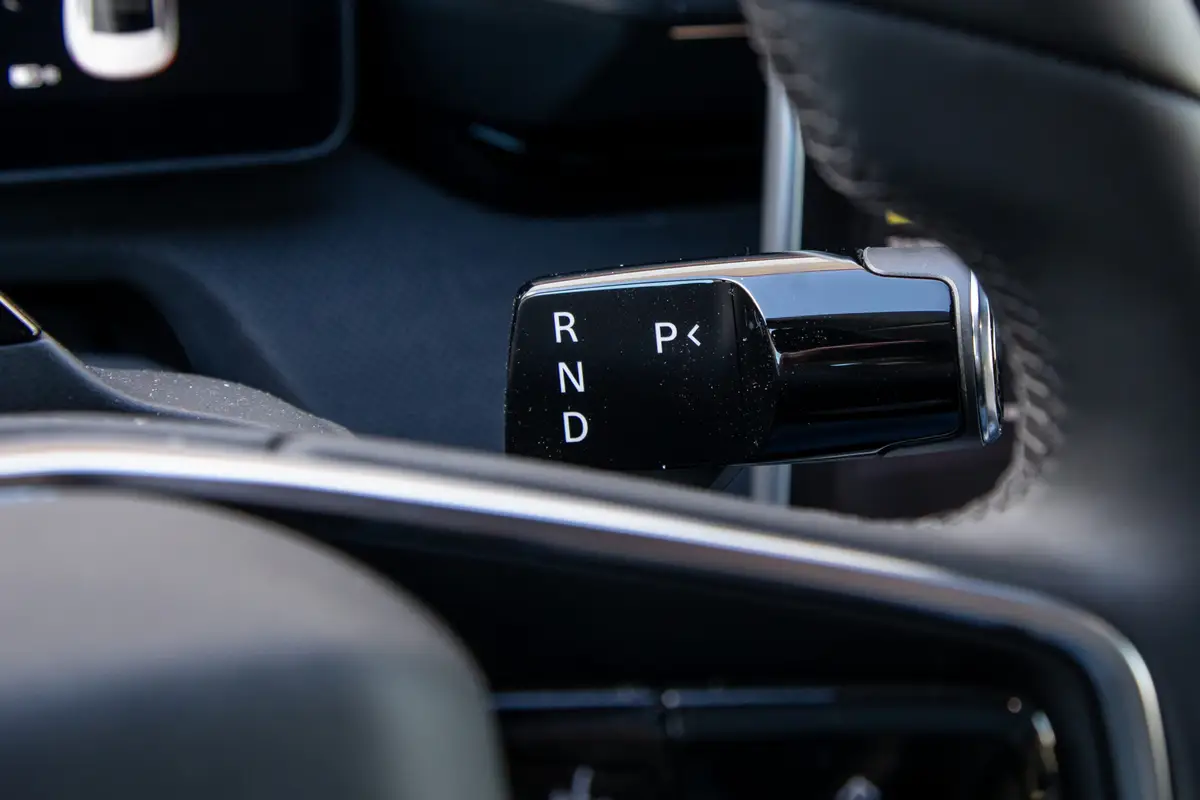
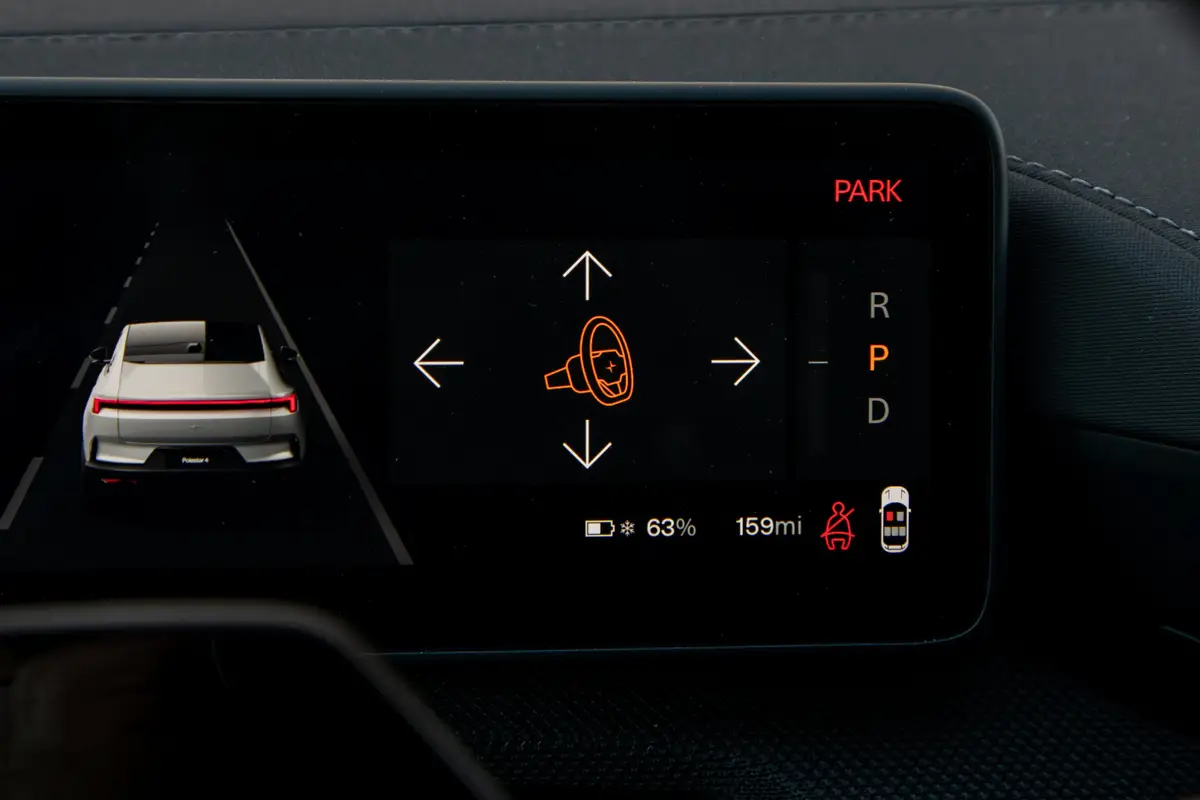
Hanley didn’t have any better of an experience. “The most frustrating thing is Polestar’s software gremlins; when I went to drive the car at one point, I could unlock it with the key card, but the car wouldn’t recognize it to let me drive,” he wrote. “I tried getting in and out multiple times, locking and unlocking it again, but it would not let me shift into Drive or Reverse, leaving me stuck. Thankfully, I was parked in front of my house as opposed to away from home and was able to take another vehicle to get where I was going.” When he tried it a few days later, the problem had mysteriously resolved itself and the 4 worked normally again.

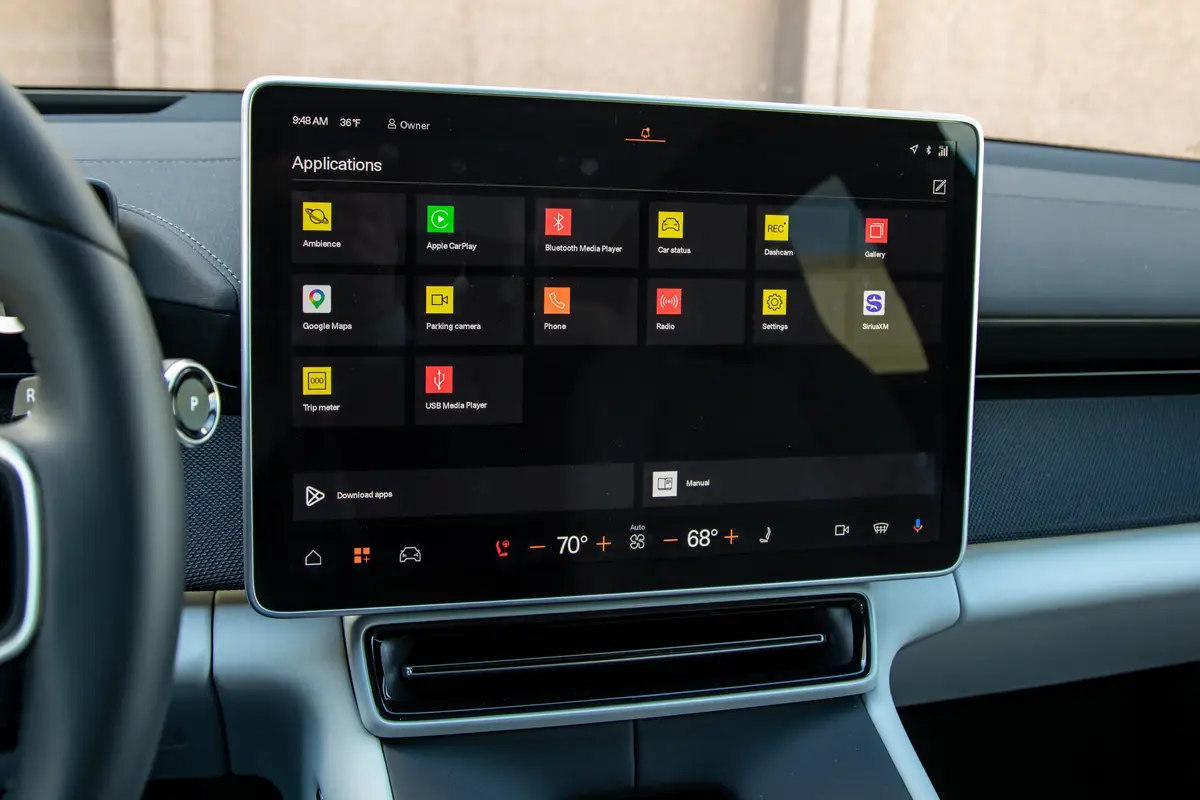
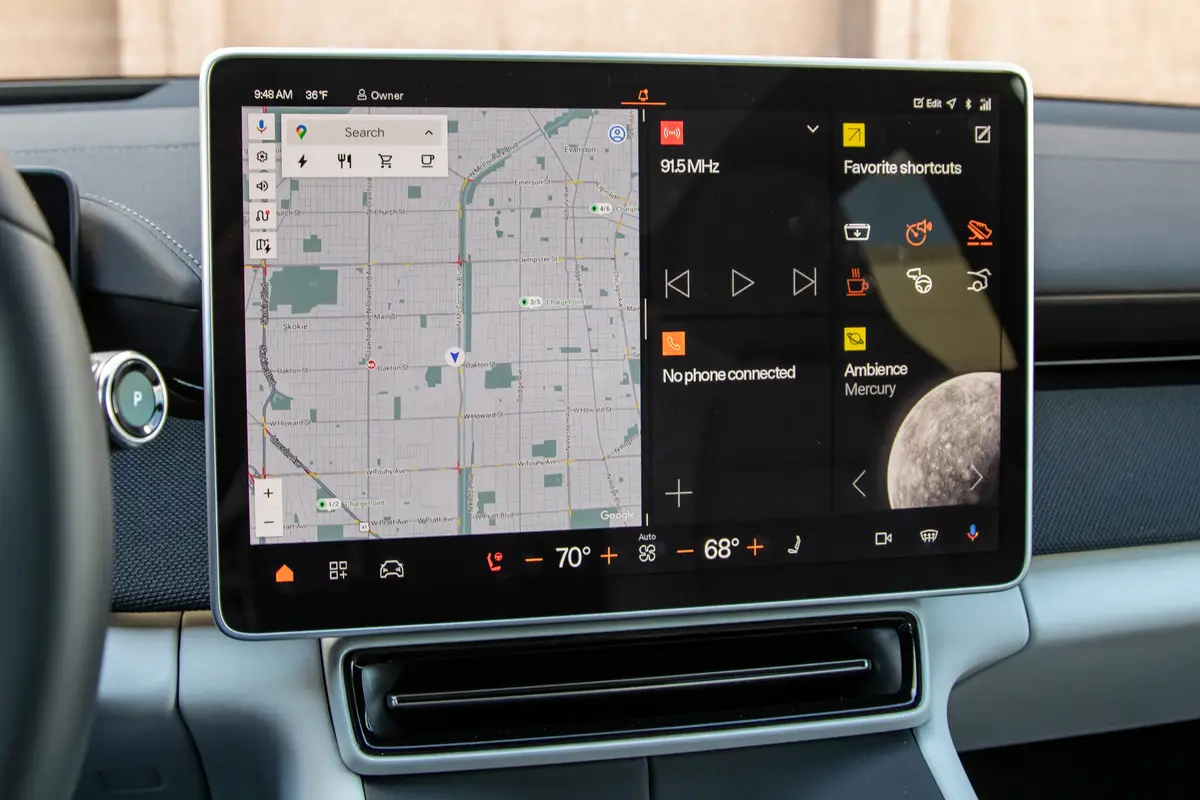
2026 Polestar 4 2026 Polestar 4 2026 Polestar 4 2026 Polestar 4 2026 Polestar 4

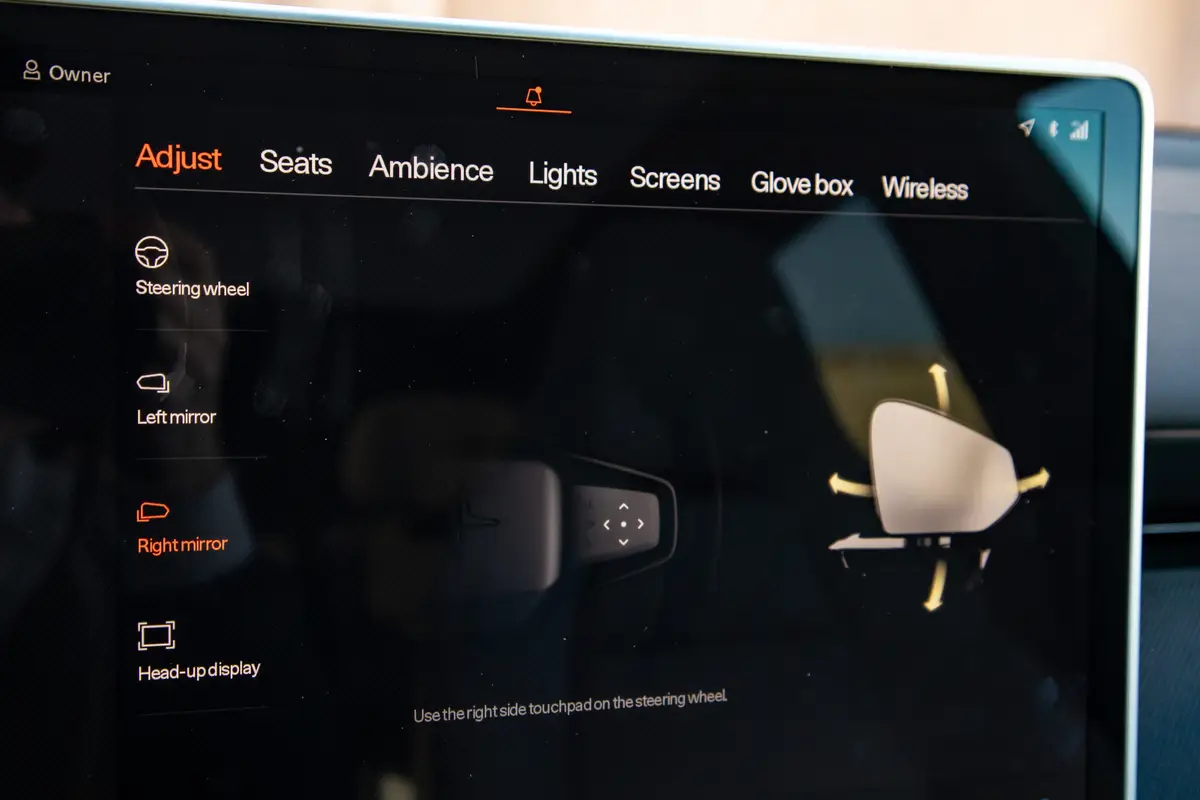
Bragman didn’t have any better luck with his car (a different vehicle than the one Bell, Normile and Hanley drove), as it wouldn’t let him save the seat and steering-wheel adjustment settings to the key card’s profile, requiring them to be readjusted every time the car was started. Creating a different profile allowed the settings to be saved, but the key card then reverted to its saved profile every time … until suddenly, one day, it allowed the new settings to be saved to the initial profile. Exiting the car after it was parked triggered the auto-locking function, but for some reason, the car’s anti-theft alarm almost always triggered when he got 20 feet away from it. It would honk for a few seconds, then stop and stay stopped when he approached it again.

Software glitches continued in the cabin, with phones that wouldn’t stay connected and screens that blanked out randomly or took a long time to load. The fact that we’ve experienced such glitches and bugginess in nearly every single Polestar test vehicle we’ve received for nearly two years now indicates that something is still very wrong in the land of Polestar.

We Had Our Second Look, and …

With multiple editors sharing numerous complaints after spending time in the new Polestar 4, we sadly have to give it a thumbs-down. The software issues are bad enough, but at least those can hopefully be addressed by over-the-air updates. However, the design choice of omitting the rear window and requiring the use of a rearview camera mirror is not something that can be fixed after the act, and it’s not something any of us would want to live with. “No vehicle I’ve driven has infuriated me quite like the Polestar 4 — and yes, I’m including the Tesla Cybertruck in that accounting,” wrote Normile.

There are lots of competitors to the Polestar 4, making alternatives easy to come by. Until things improve at Polestar, this one’s staying off our recommendation list.

More Electric Vehicle News From Cars.com:

Related Video:

Cars.com’s Editorial department is your source for automotive news and reviews. In line with Cars.com’s long-standing ethics policy, editors and reviewers don’t accept gifts or free trips from automakers. The Editorial department is independent of Cars.com’s advertising, sales and sponsored content departments.
Design your vehicle

Black 2026 Polestar 4
Continue your design

Your message was sent. You'll receive a response shortly.

Available cars near you

Polestar incentives for 43287

  • Dealer cash
    $10,000 Polestar US Clean Vehicle Incentive - Promotional Finance
    Best cash offer on Polestar 4 2026 Long Range Dual Motor Pilot SUV
    See details
    Expires 06/01/2026
  • Bonus cash
    $1,000 Polestar US Conquest Bonus - Lease or Purchase
    Conquest bonus cash on Polestar 4 2026 Long Range Dual Motor Pilot SUV
    See details
    Expires 06/01/2026
  • Loyalty offer
    $3,000 Polestar US Loyalty Program - Lease or Purchase
    Loyalty bonus cash on Polestar 4 2026 Long Range Dual Motor Pilot SUV
    See details
    Expires 06/01/2026

Factory warranties

Basic
4 years / 50,000 miles
Corrosion
12 years
Powertrain
4 years / 50,000 miles
Battery
8 years / 100,000 miles
Roadside Assistance
4 years

Compare similar vehicles

Select cars to compare for more detailed info.
  • 2026
    Polestar 4
    Starts at
    $56,400
    310 mi.
    Range
    5
    Seat capacity
    48 month/50,000 miles
    Warranty
    Electric
    Engine
    Rear-wheel drive
    Drivetrain
    Compare
  • 2026
    Toyota bZ Woodland
    Starts at
    $45,300
    260 - 281 mi.
    Range
    5
    Seat capacity
    60 month/60,000 miles
    Warranty
    Electric
    Engine
    All-wheel drive
    Drivetrain
    Compare
  • 2023
    Volvo XC40 Recharge Pure Electric
    Starts at
    $48,250
    223 mi.
    Range
    5
    Seat capacity
    48 month/50,000 miles
    Warranty
    -
    Engine
    Front-wheel drive
    Drivetrain
    Compare
  • 2025
    Polestar 2
    Starts at
    $64,800
    247 - 276 mi.
    Range
    5
    Seat capacity
    48 month/50,000 miles
    Warranty
    Electric
    Engine
    All-wheel drive
    Drivetrain
    Compare
  • 2025
    Volvo EX30
    Starts at
    $44,900
    -
    MPG
    5
    Seat capacity
    48 month/50,000 miles
    Warranty
    Electric
    Engine
    All-wheel drive
    Drivetrain
    Compare
  • 2025
    Toyota bZ4X
    Starts at
    $37,070
    222 - 228 mi.
    Range
    5
    Seat capacity
    60 month/60,000 miles
    Warranty
    Electric
    Engine
    Front-wheel drive
    Drivetrain
    Compare
  • 2025
    Polestar 4
    Starts at
    $54,900
    -
    MPG
    5
    Seat capacity
    -
    Warranty
    Electric
    Engine
    Rear-wheel drive
    Drivetrain
    Compare
  • 2026
    4.0
    Toyota bZ
    Starts at
    $34,900
    299 - 314 mi.
    Range
    5
    Seat capacity
    60 month/60,000 miles
    Warranty
    Electric
    Engine
    Front-wheel drive
    Drivetrain
    Compare
  • 2025
    3.5
    Polestar 3
    Starts at
    $67,500
    -
    MPG
    5
    Seat capacity
    48 month/50,000 miles
    Warranty
    -
    Engine
    Rear-wheel drive
    Drivetrain
    Compare
  • Compare more options
    Use our comparison tool to add any vehicle of your choice and see a full list of specifications and features side-by-side.
    Try it now

Consumer reviews

No reviews yet

This car doesn’t have a consumer review yet.
Write the first review

Latest news from Cars.com

See all news

Polestar dealers near you

FAQ

What trim levels are available for the 2026 Polestar 4?

The 2026 Polestar 4 is available in 1 trim level:

  • (2 styles)

What is the electric range of the 2026 Polestar 4?

The 2026 Polestar 4 can travel 310 miles on a single charge depending on electric motor and battery options.

EPA-estimated range is the distance, or predicted distance, a new plug-in vehicle will travel on electric power before its battery charge is exhausted. Actual range will vary depending on driving conditions, trim level, driving habits, elevation changes, weather, accessory usage (lights, climate control), vehicle condition and other factors.

What are some similar vehicles and competitors of the 2026 Polestar 4?

The 2026 Polestar 4 compares to and/or competes against the following vehicles:

Polestar 4 history

Your list was successfully saved.


Save list Compare
[{"cat":"ev_suv_midsize","stock_type":"new","bodystyle":"SUV","page_type":"research/make-model-year","oem_page":false,"search_fuel_types":["Electric Fuel System"]}]