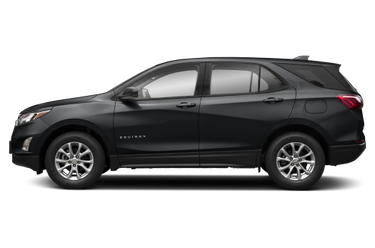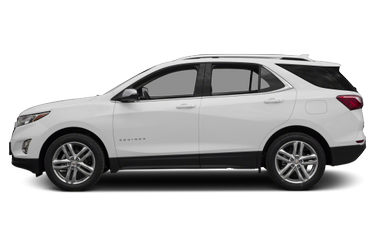






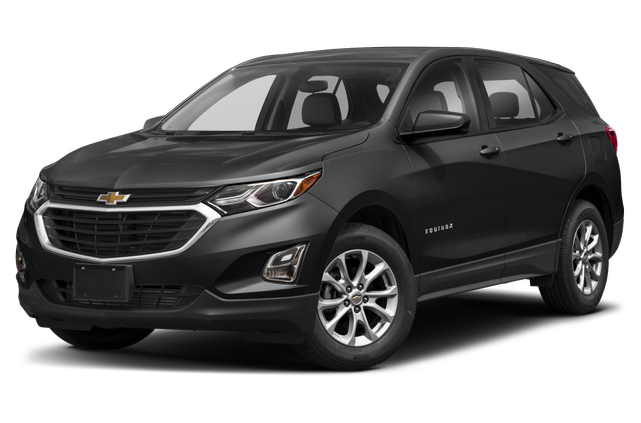


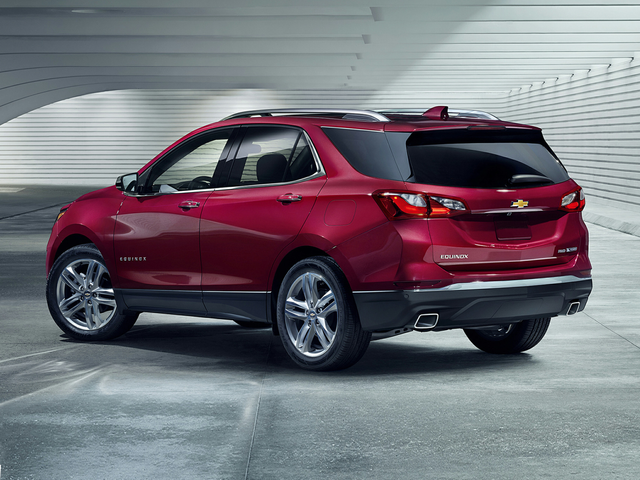




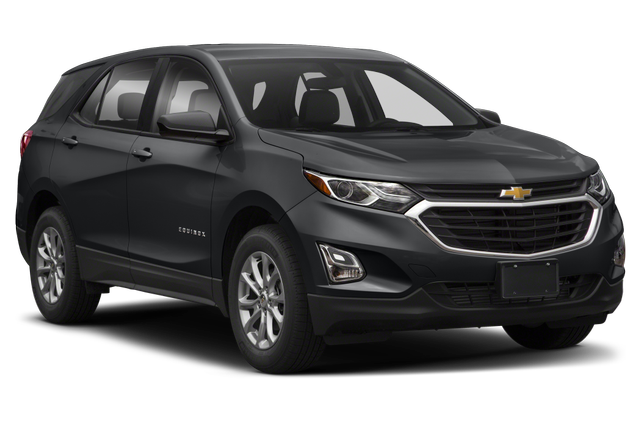

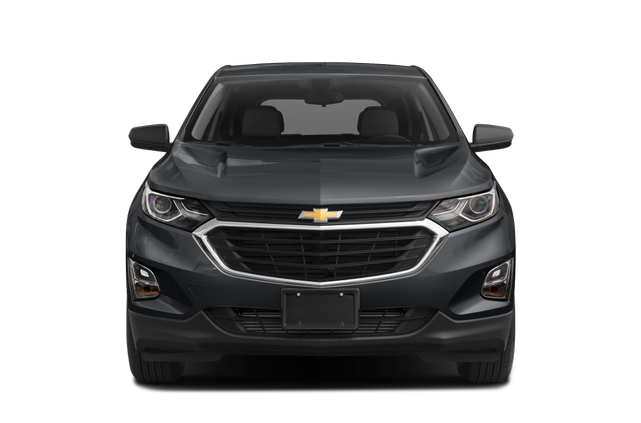
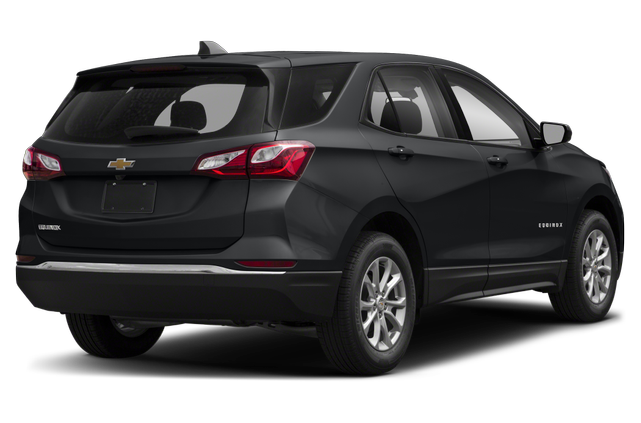
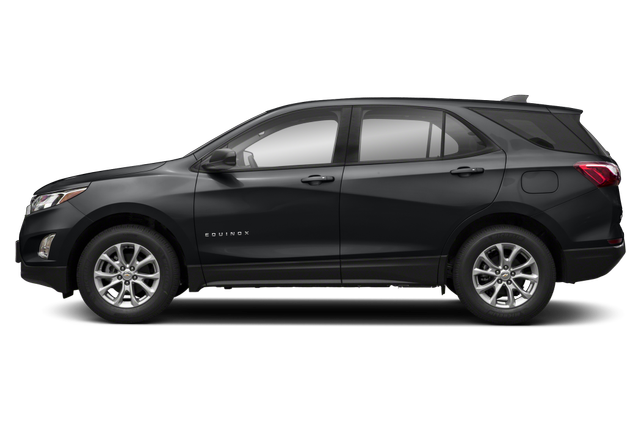






The Chevrolet Equinox comes with front- or all-wheel drive in four trim levels (L, LS, LT and Premier) and three engines: two gasoline and one diesel four-cylinder, all turbocharged. We tested both gasoline engines in several FWD and AWD vehicles — one of them back-to-back against six other SUVs in Cars.com’s 2017 Compact SUV Challenge.
Exterior & Styling
Gone is the old Equinox’s wide-eyed expression and vertical taillights, replaced by thin lights at both ends that evoke the redesigned Chevrolet Malibu and Cruze. The new Equinox profile carries over a lot of elements, including the arched-forward C-pillars, even though it’s nearly 5 inches shorter than before — the product of a new platform shared with the redesigned GMC Terrain and no other GM models in the U.S. (GM’s stateside brands are Buick, Cadillac, Chevrolet and GMC).
How It Drives
The new platform helps shed about 400 pounds — more than 10 percent of the Equinox’s weight — and it’s immediately noticeable. The new base engine is a turbo 1.5-liter four-cylinder with 170 horsepower, and it moves the Equinox with a punchiness its underpowered four-cylinder predecessor lacked. It’s a noisy climb to higher revs, but the drivetrain’s 203 pounds-feet of torque makes the ascent brisk enough.
There’s still room for improvement, especially on the highway, where accelerator lag and a transmission that resists downshifting conspire against passing. But in a class known for modest power, this is more than adequate.
The Inside
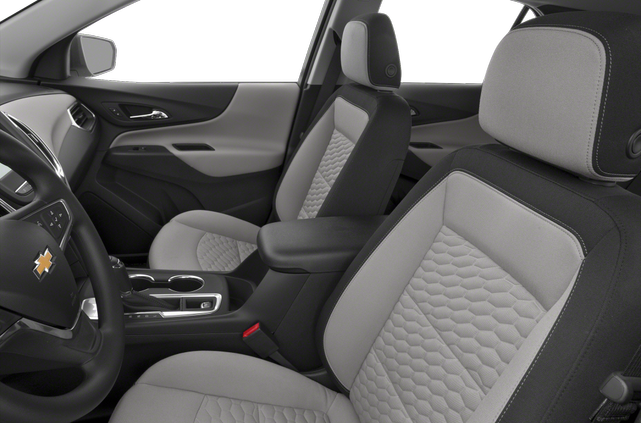
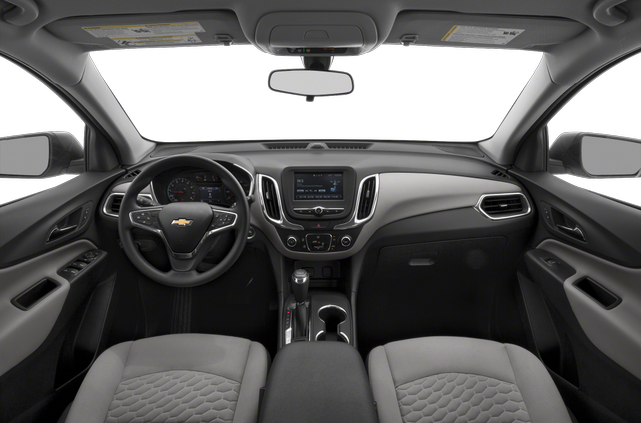
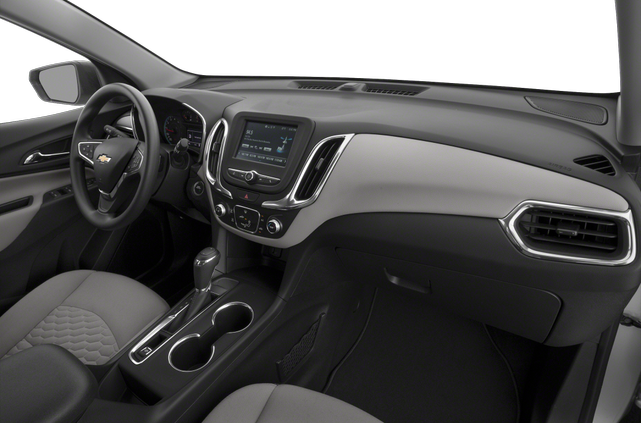
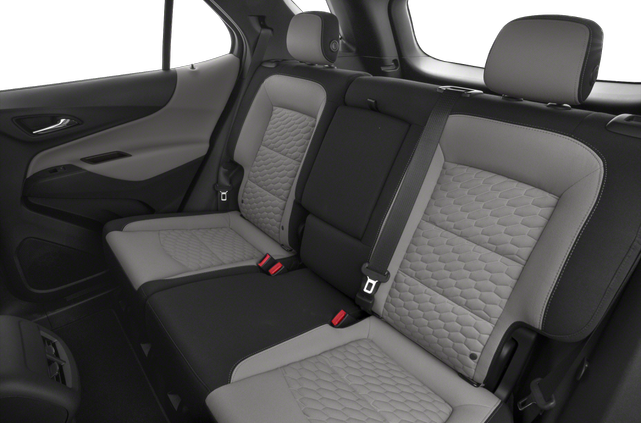
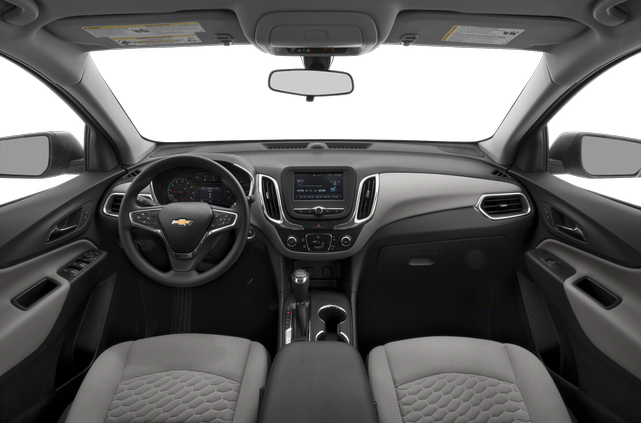
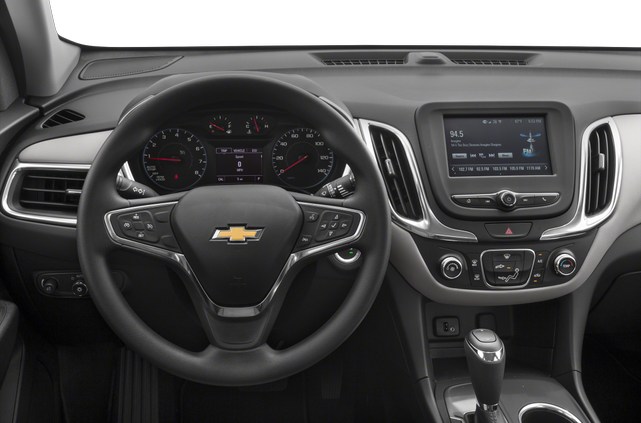
The dashboard is thematically similar to the redesigned Malibu’s, which is a good place to start. But two days’ driving confirmed one of our initial takeaways: The Equinox’s new seats are a step backward. As compact SUVs go, the old Equinox had exceptionally big, comfy seats, while these ones are, well, ordinary. Headroom and seat height are good across the board, but the optional panoramic moonroof takes away nearly 2 inches of headroom front and rear. Get a car with this feature, and tall passengers in back will have to slouch.
The rear seats reclines a few clicks and collapses level with the cargo floor when you fold them forward, but doesn’t slide like it once did. GM claims customer indifference toward the sliding function, but if you’re in the minority and still want sliders, check out the Volkswagen Tiguan or Nissan Rogue. (Or White Castle.)
Behind the backseat is about 30 cubic feet of cargo room; there’s a maximum of 63.5 cubic feet with the seats folded. That’s roughly unchanged versus last year despite the truncated exterior, but anyone with serious cargo needs should look at the Honda CR-V, Toyota RAV4 and Rogue. All three max out (on paper, at least) in the 70s.
Like before, bulky C- and D-pillars limit rear visibility, earning the new Equinox a last-place finish in our comparison of blind spot visibility among small SUVs. Still, the redesign traded last year’s Stonehenge-sized head restraints for smaller ones you can flip down, which helps considerably.
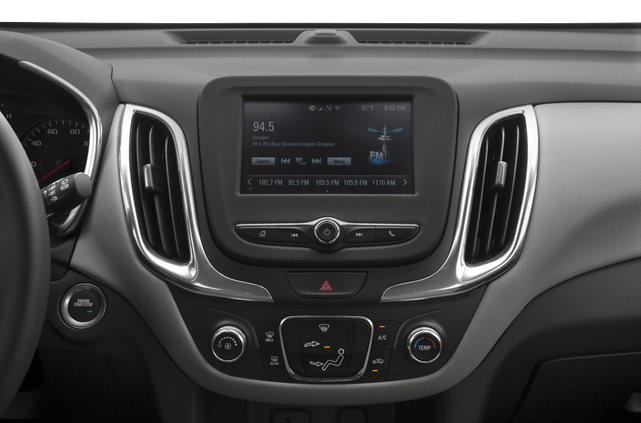
Cabin materials are attractive overall, with stitched vinyl on the upper dash in higher trim levels and padded sections of the upper doors, front and rear, where your elbows rest. That’s a rarity in back, where most competitors slap on some cheap plastic and call it a day. Some flatter plastics on portions of the doors and dashboard drew criticism from certain editors, and the flimsy turn-signal stalks don’t inspire confidence. But other controls have a well-crafted look and feel, and a 7- or 8-inch MyLink infotainment system touchscreen sits on a raised plane for a subtle layered effect. Android Auto and Apple CarPlay are standard, and higher trim levels have up to six USB ports and a 120-volt household outlet — enough to charge a small army of mobile devices.
Value in the Market
Entry-level pricing starts around $25,000 for the Chevrolet Equinox L (which GM officials insist you can really buy, as opposed to it being a fleet-only model seldom stocked by dealers), while a loaded Equinox Premier tops out in the low $40,000s. You’ll have to pay close to the latter price to get must-have safety features like forward collision warning with automatic emergency braking, which Chevrolet confines to an options package on the Premier. Even at that, the system works only at low speeds, versus rival systems that work across greater speed ranges.
As of this writing, the Insurance Institute for Highway Safety (IIHS) has yet to evaluate the Equinox’s crash-avoidance technology or subject it to other crash tests. It passed our evaluation of car-seat accommodations with flying colors.
The Chevrolet Equinox’s limited safety-feature availability conspired with other factors to relegate it to a middling finish in our comparison of compact SUVs. GM’s redesign is compelling in certain areas, but the class includes strong alternatives — from the CR-V and Tiguan, both champions of practicality, to the luxurious CX-5 and fun-to-drive Escape. Those are all must-drives for any compact SUV shopper; whether the Equinox ends up winning your wallet will depend on what you value.