






What SUV Shoppers Need to Know
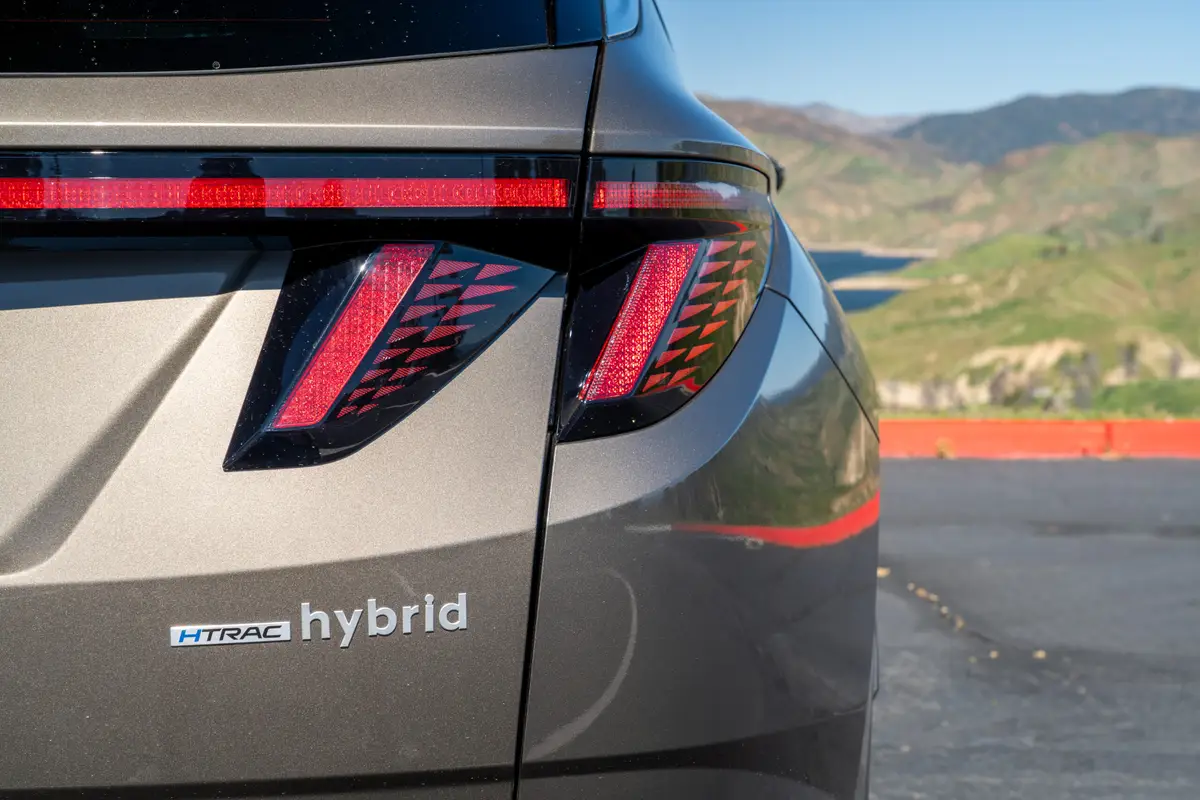
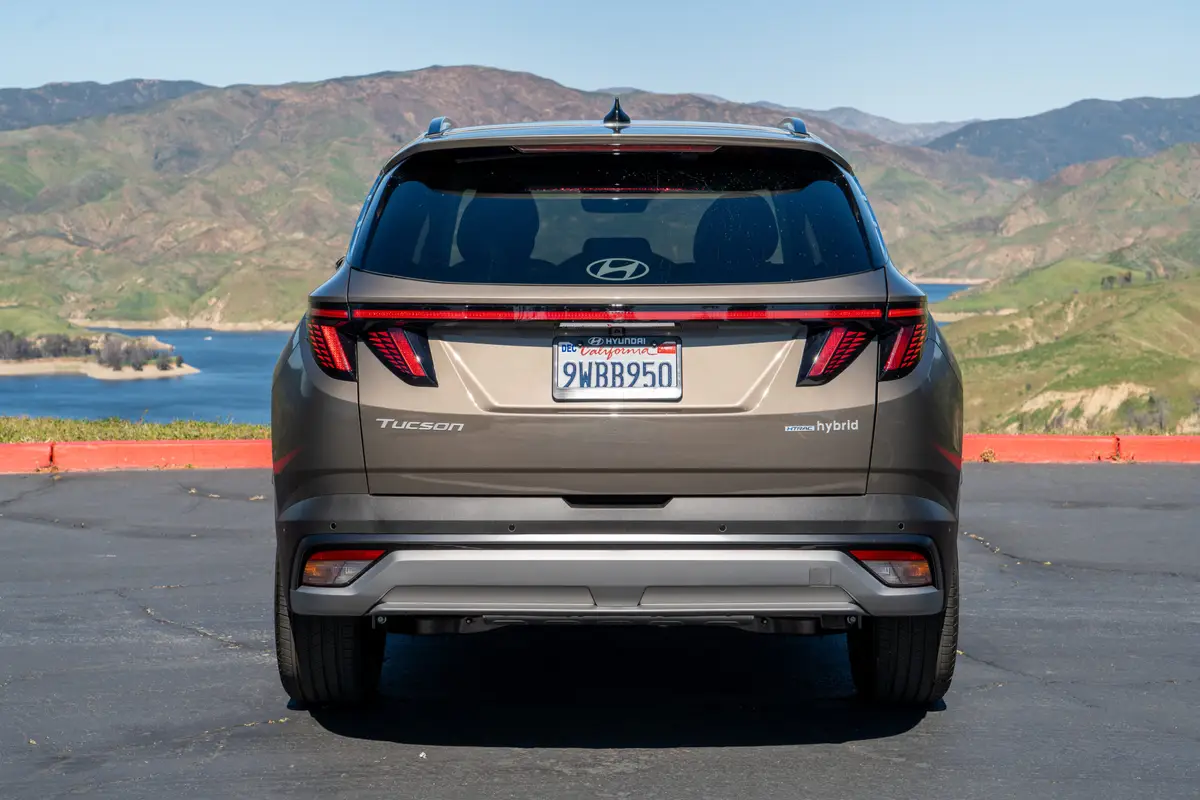
- The 2026 Hyundai Tucson Hybrid is largely unchanged following a refresh for the 2025 model year.
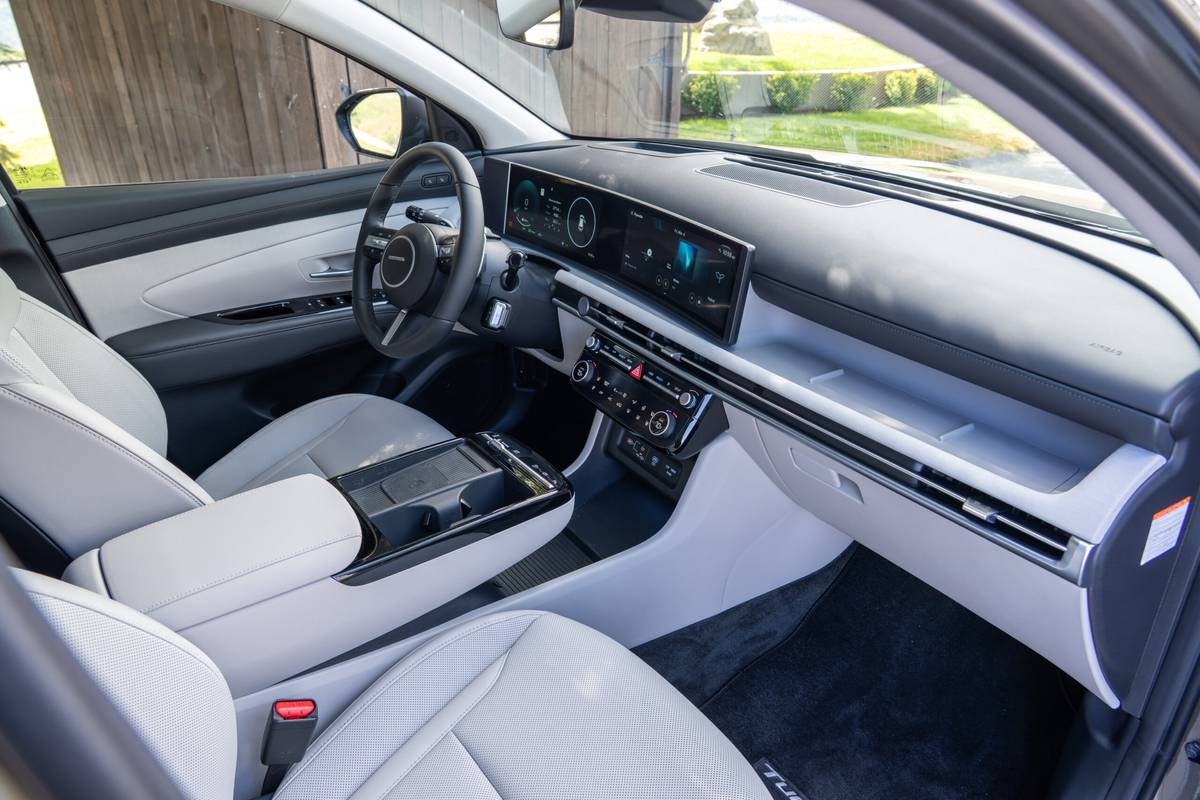
- Its stylish cockpit is surprisingly utilitarian and well thought out.
- Rival hybrid compact SUVs offer better gas mileage and a more pleasant driving experience.
- Despite its driving-related shortcomings, the Tucson Hybrid managed a third-place finish in our most recent compact SUV comparison test.
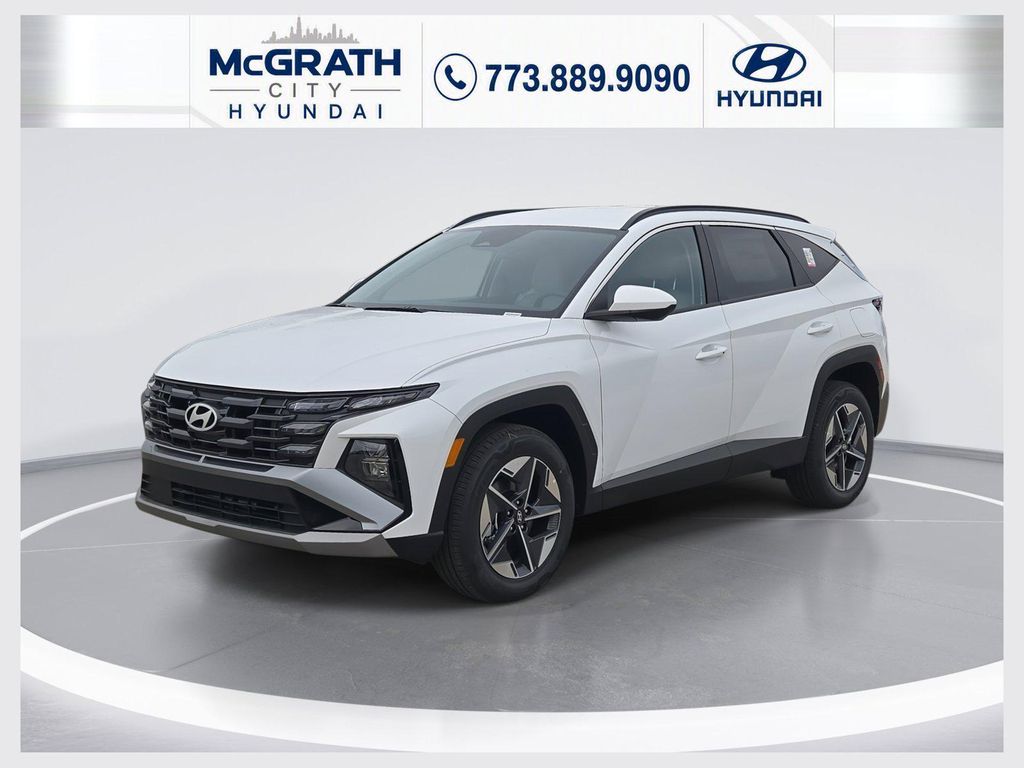
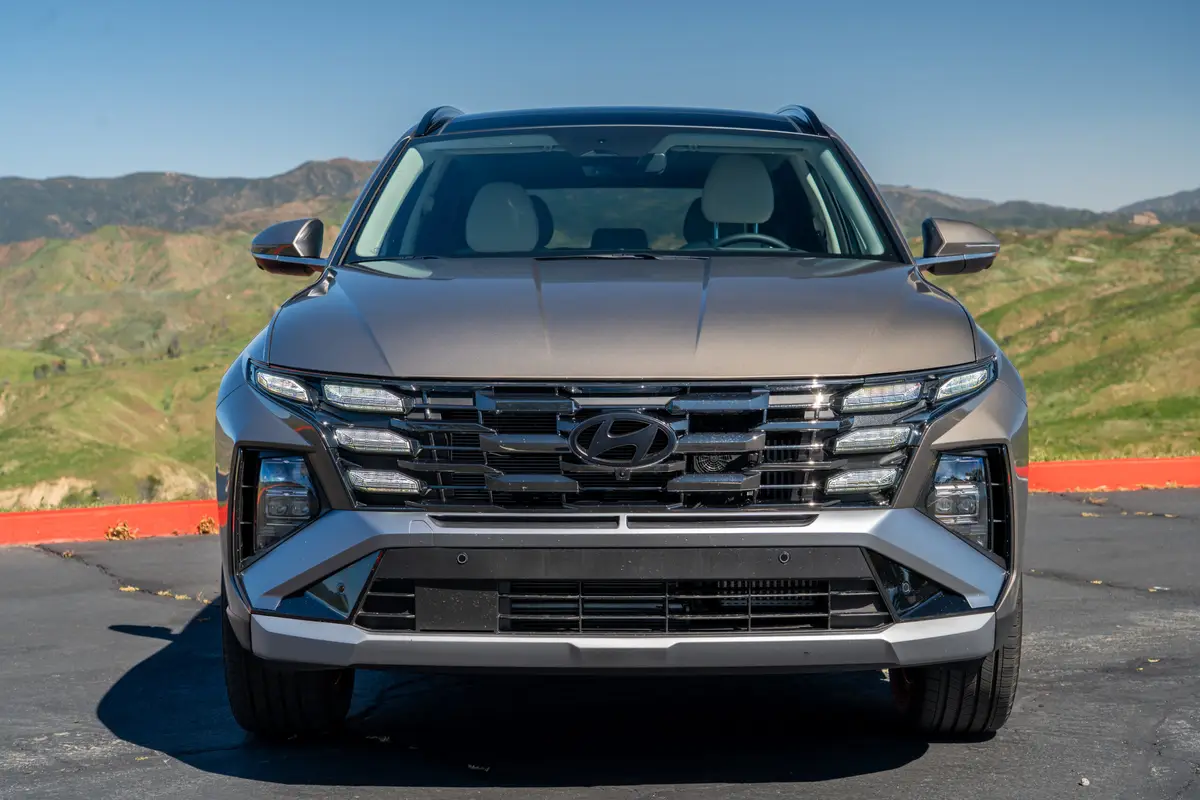
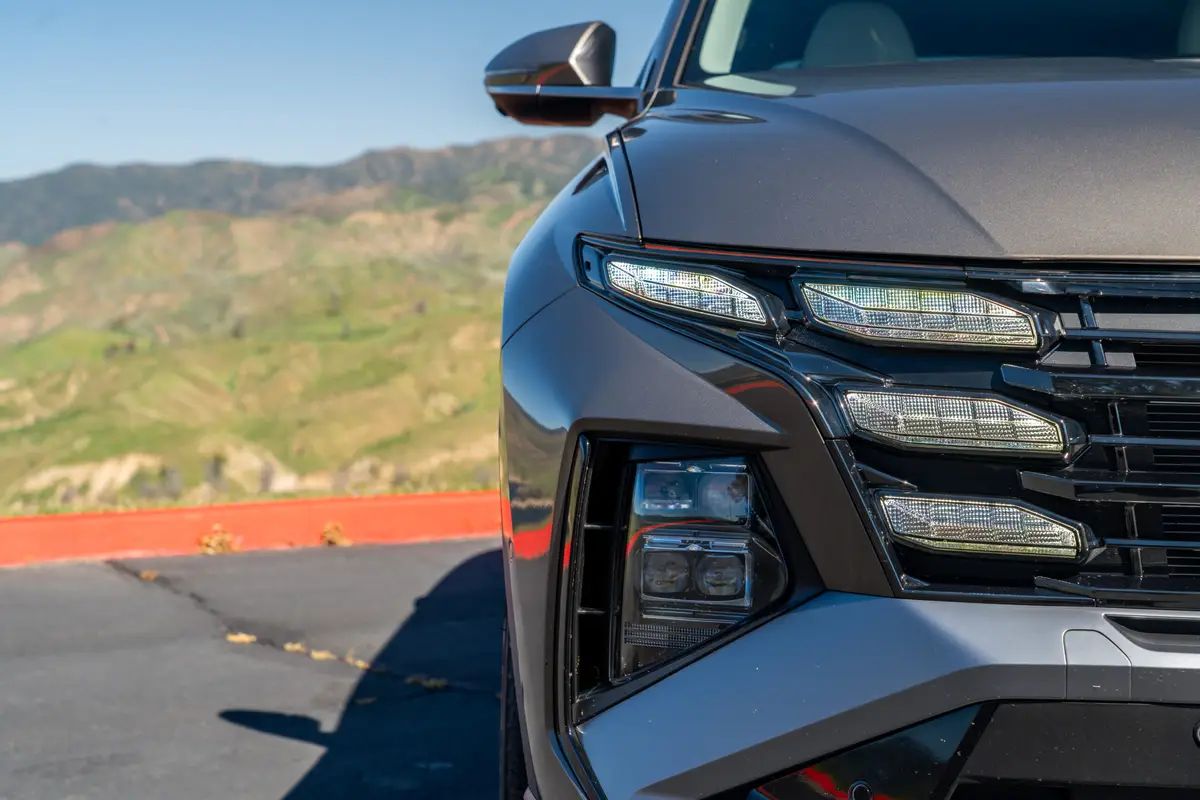
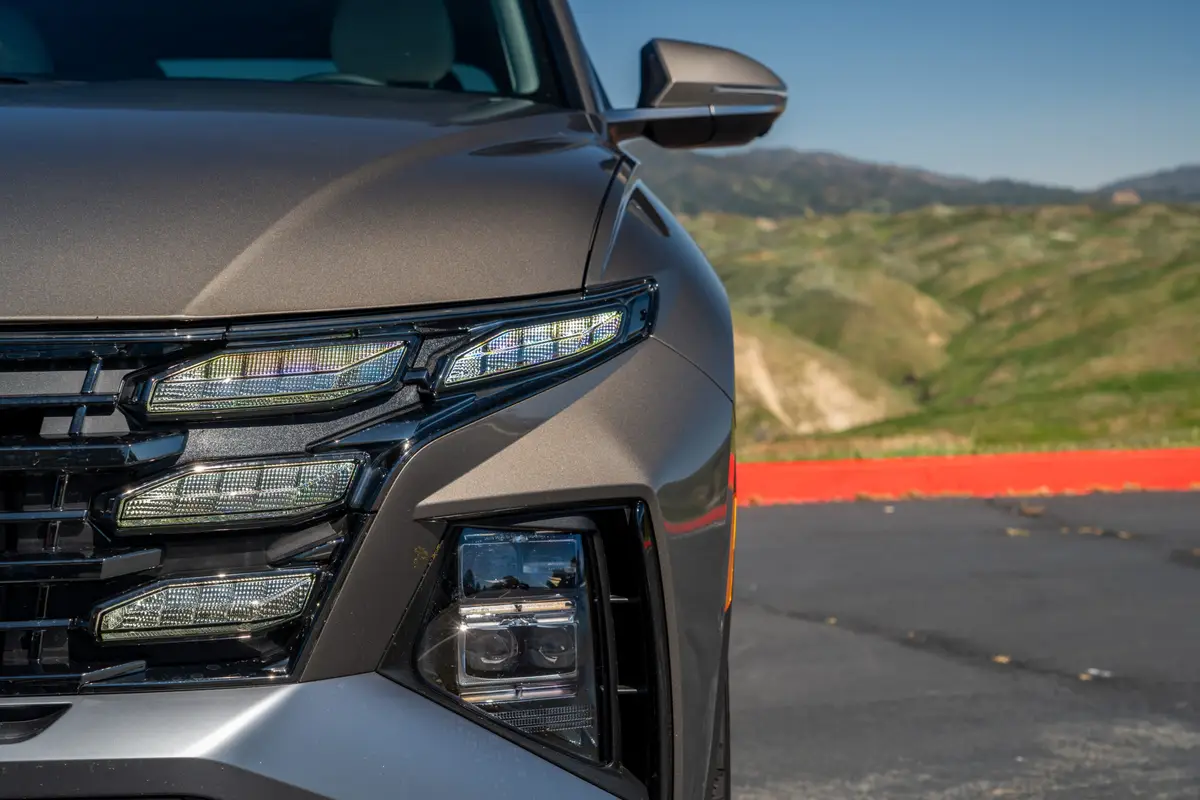
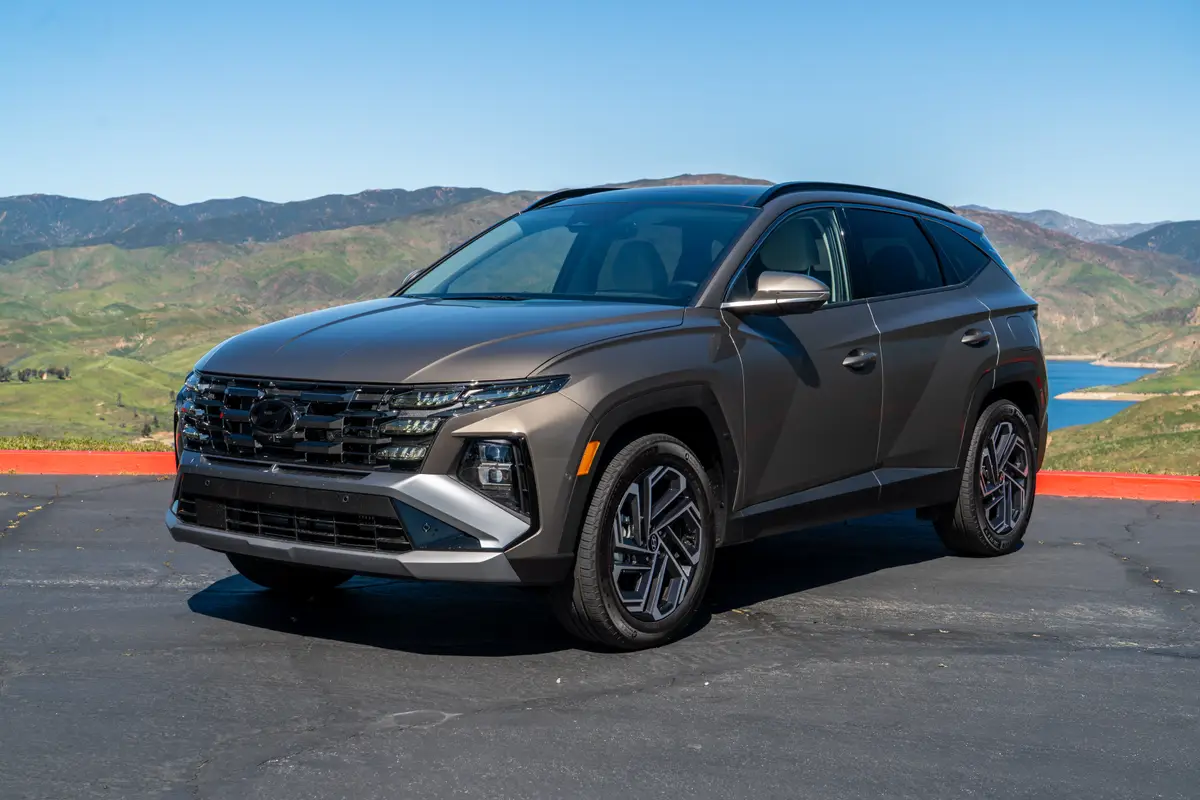
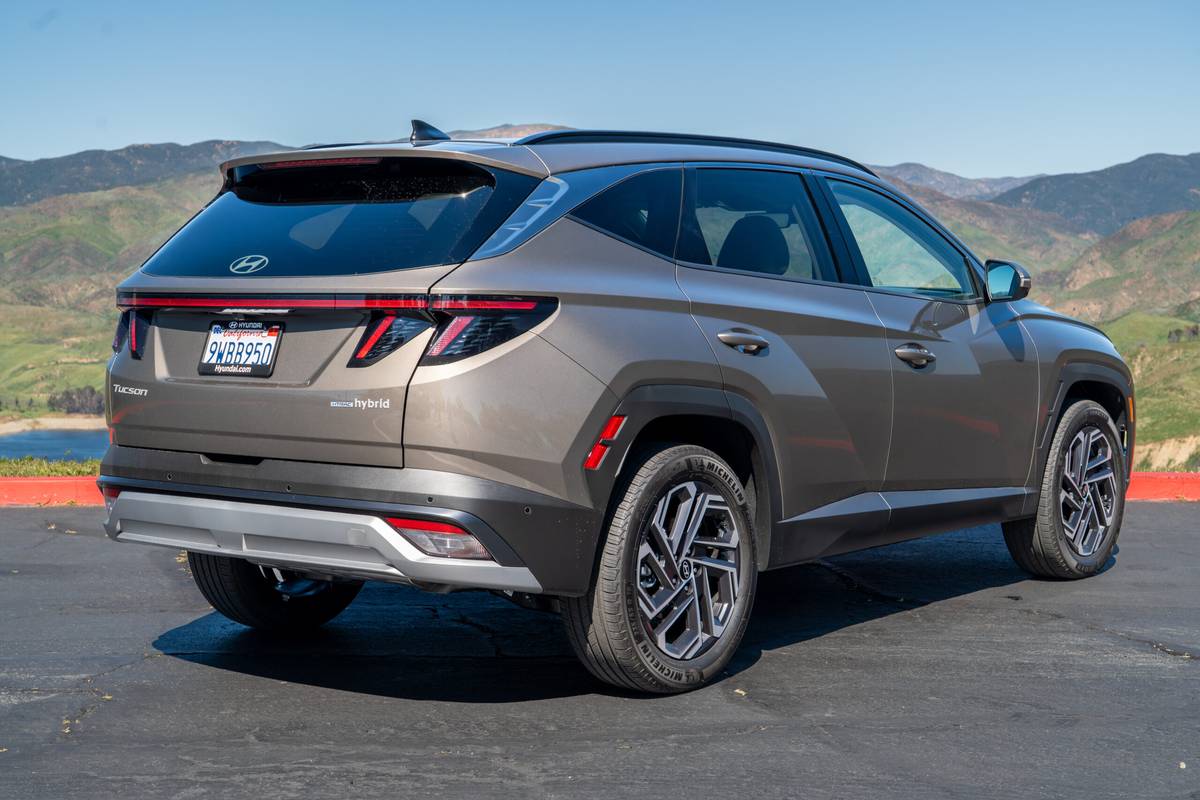
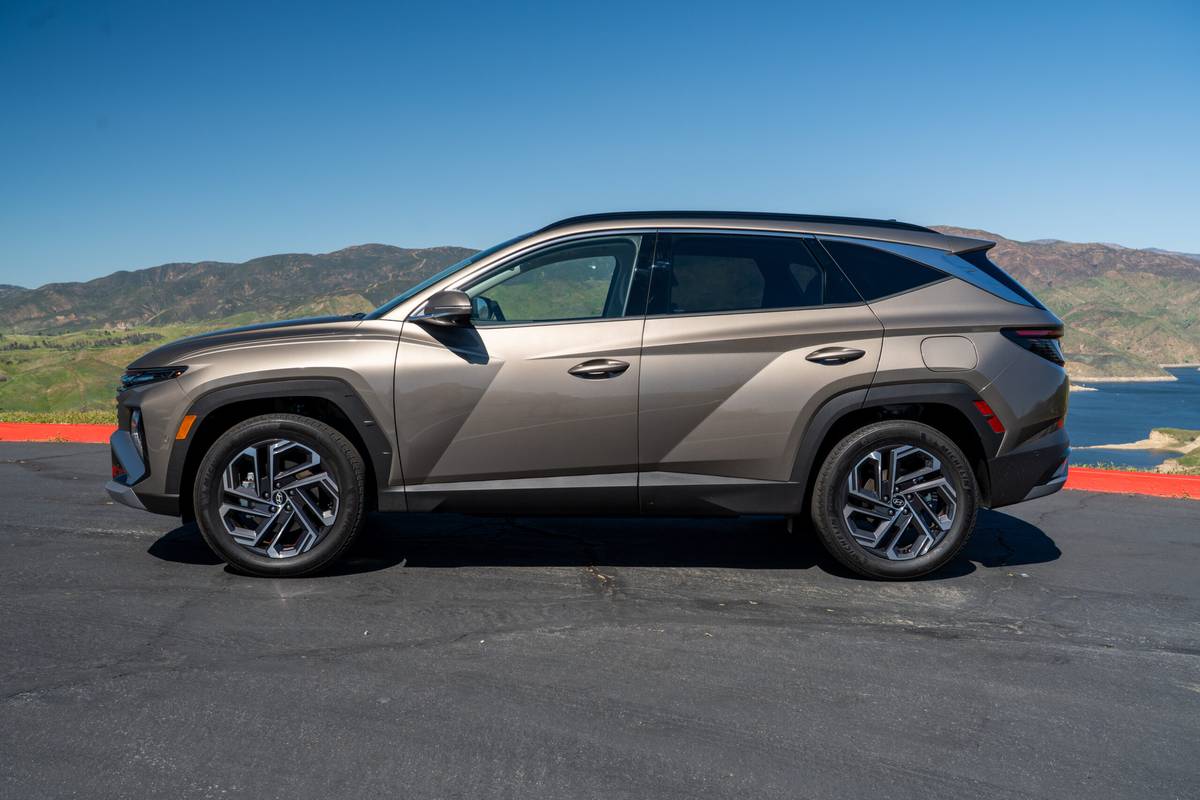
Hyundai refreshed its Tucson compact SUV for the 2025 model year, giving it updated exterior styling and an all-new interior, as well as making small changes to its available hybrid powertrain. For 2026, the Tucson Hybrid is largely unchanged, and we recently tested a top-of-the-line Limited trim level as part of an eight-vehicle comparison of compact SUVs. The Tucson managed a third-place finish, with impressive scores in our static subjective judging and excellent value and cargo-space scores. Once our judges got behind the wheel, though, it started to disappoint. Read on to find out what’s good and not so good about the 2026 Hyundai Tucson Hybrid Limited. Related: What’s the Best Compact SUV for 2026?
Our Test Vehicle: 2026 Hyundai Tucson Hybrid Limited
- As-tested price: $43,915 (including destination)
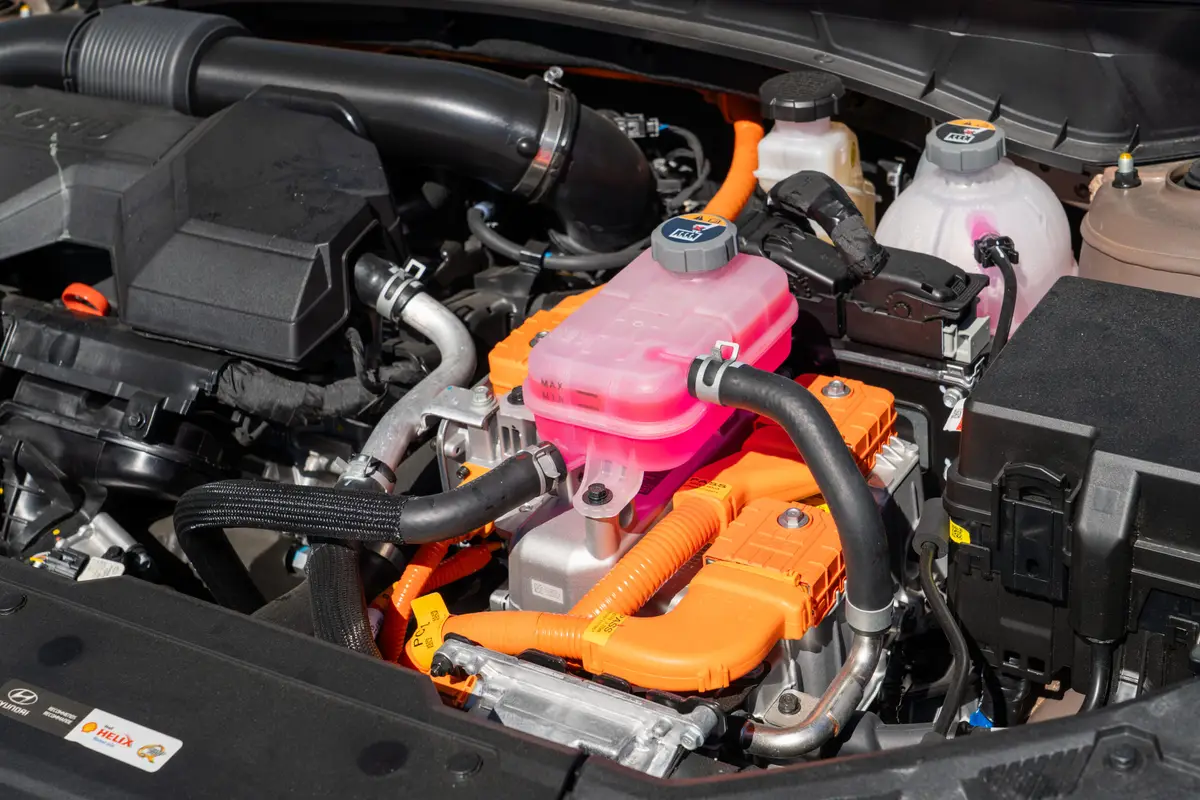
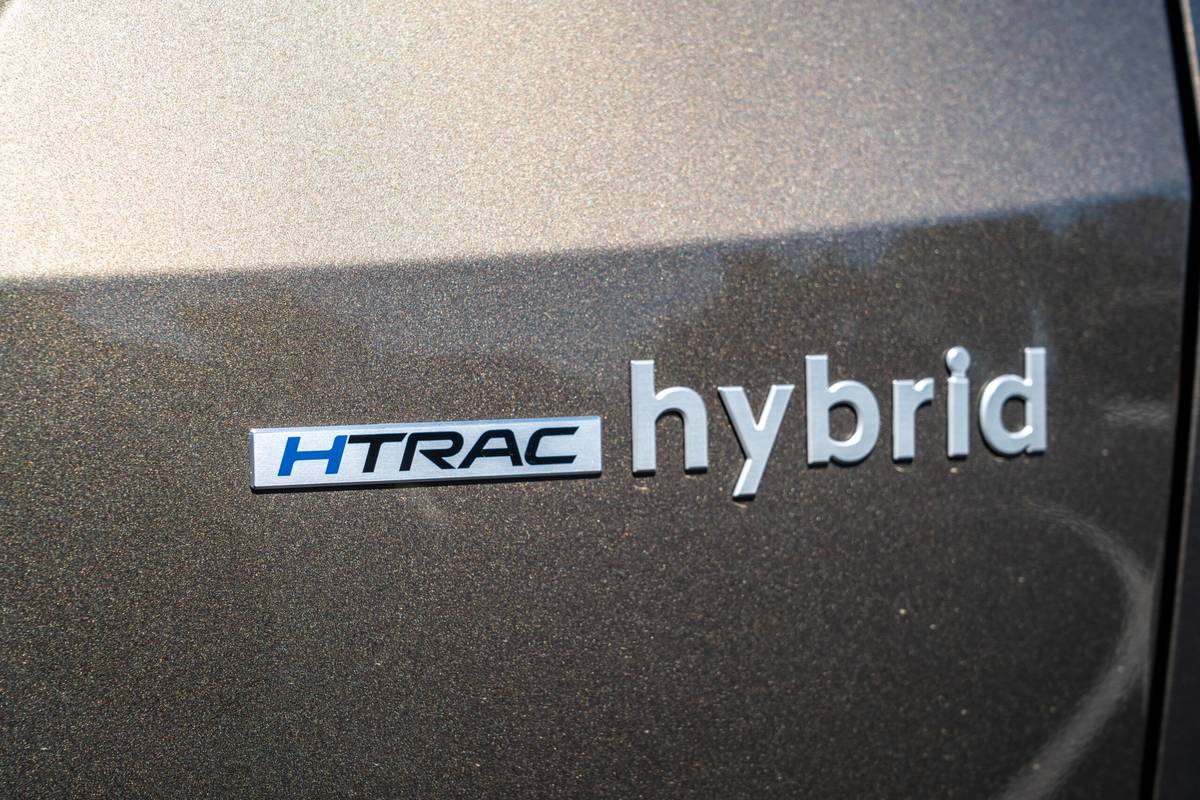
- Powertrain: 231-horsepower, gas-electric hybrid system with turbo 1.6-liter four-cylinder engine and six-speed automatic transmission
- Observed fuel economy (mpg): 32.7
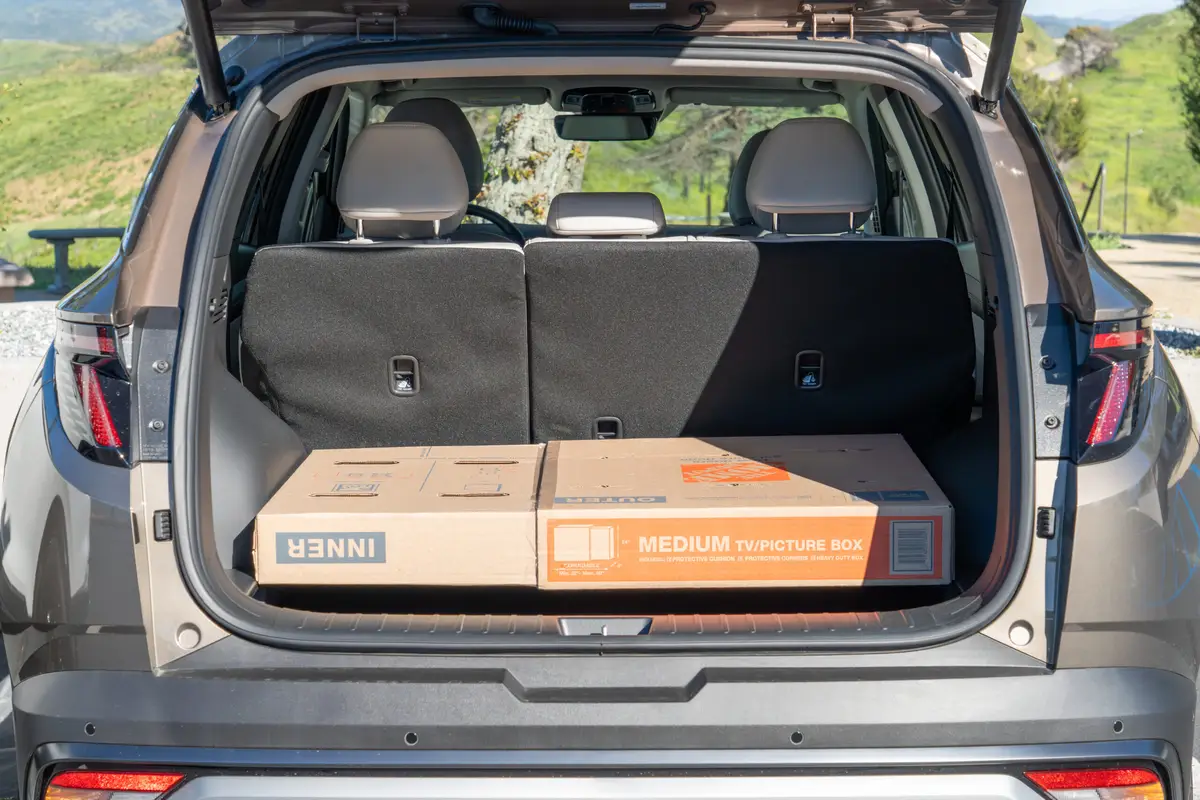
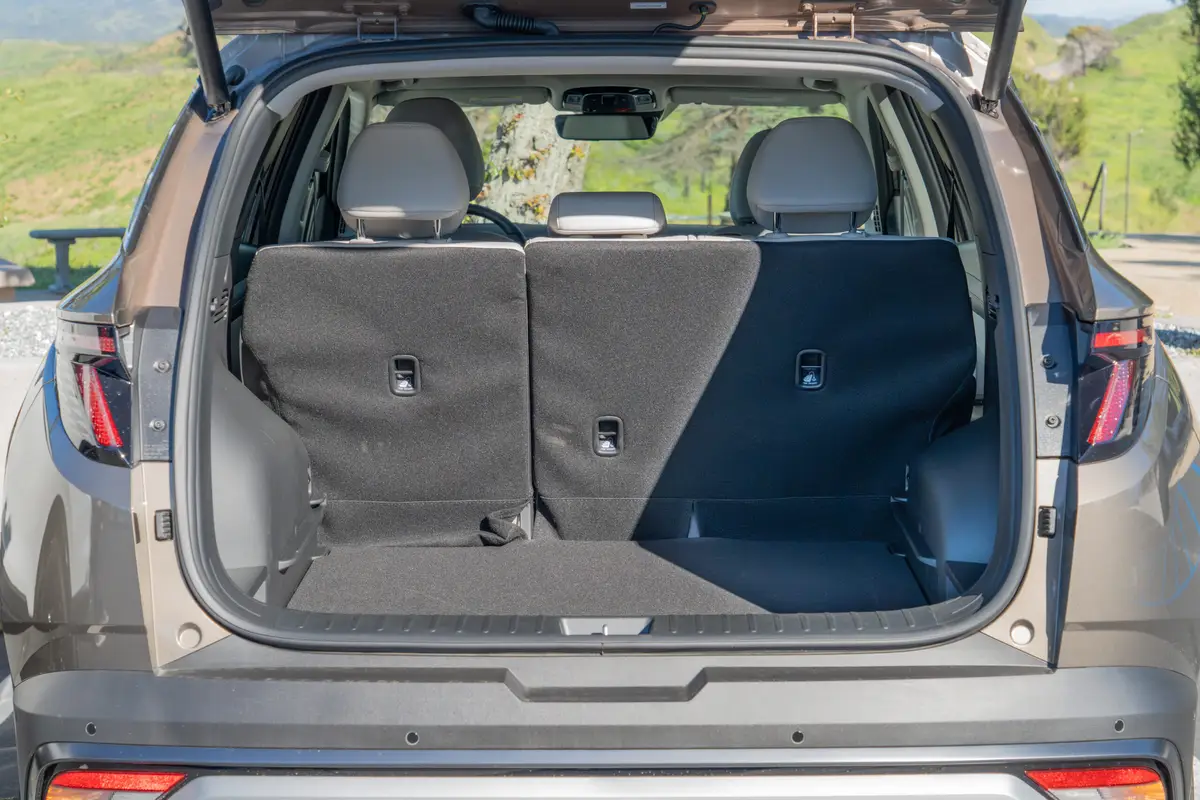
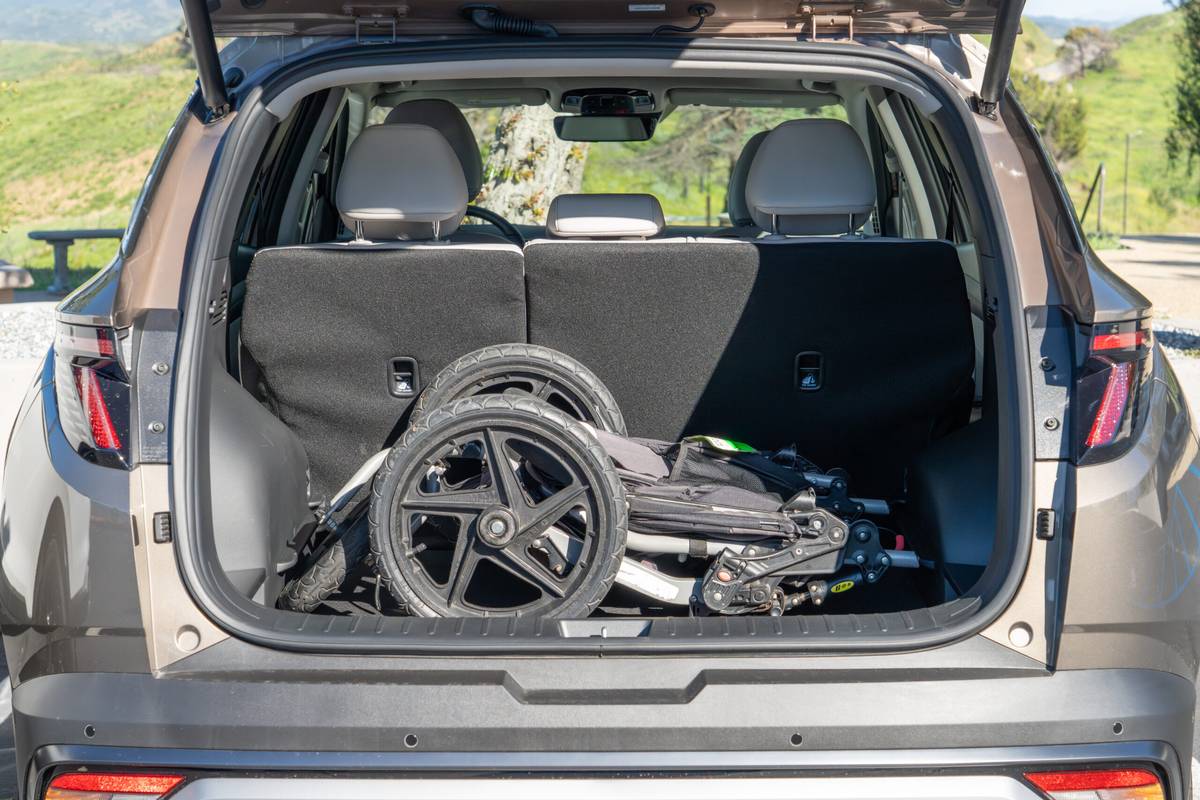
- Measured cargo space (cubic feet): 21.8
If You Stand Still, It Can’t Really Disappoint You
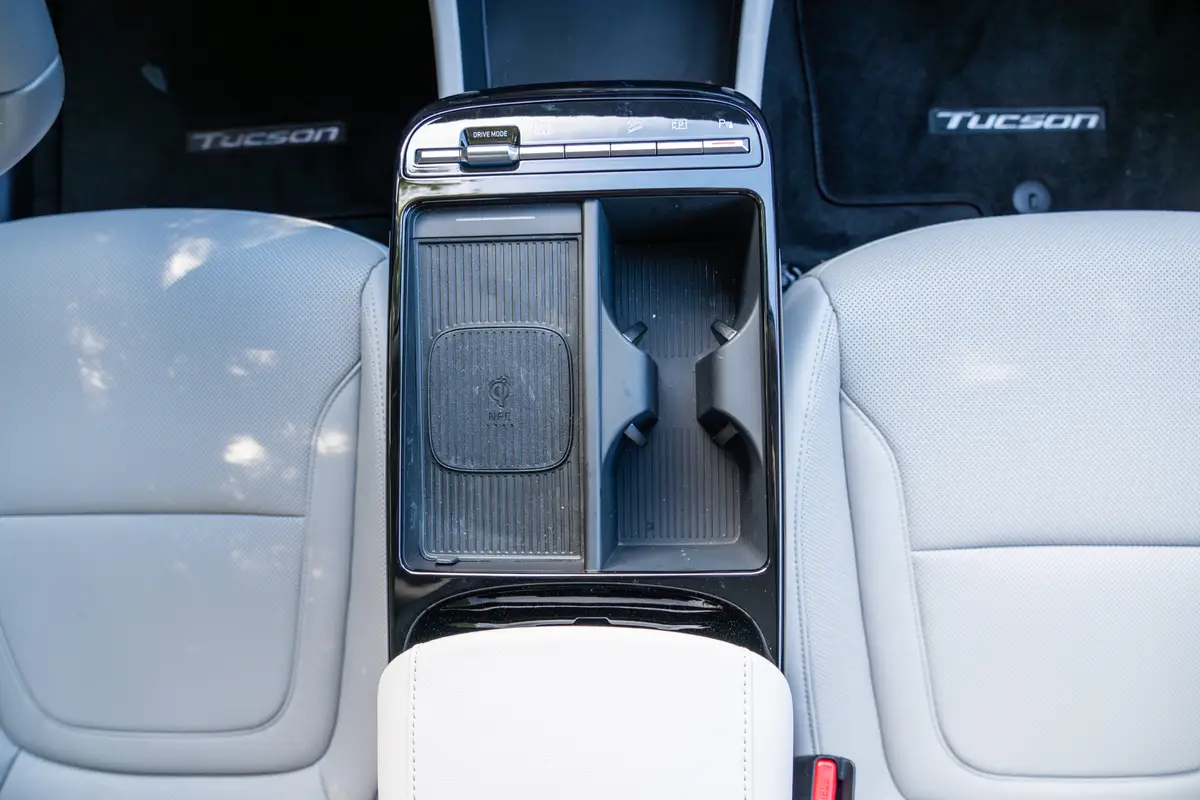
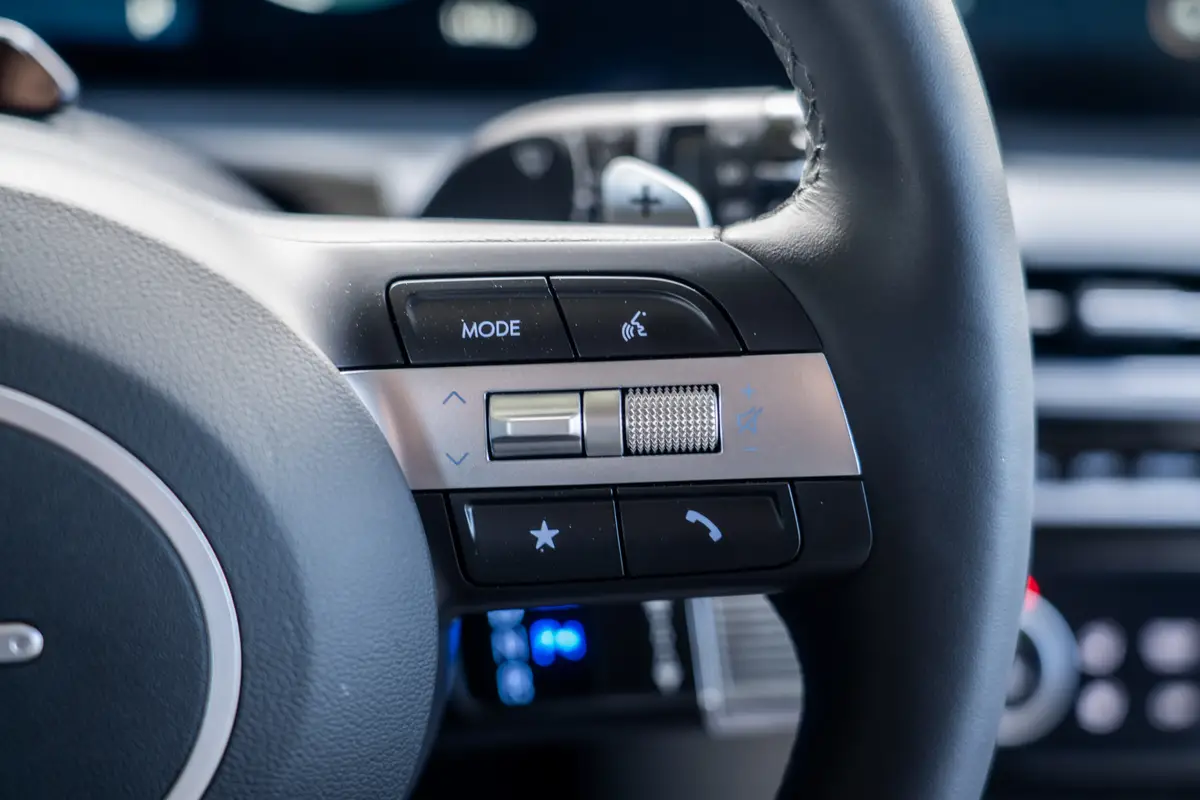
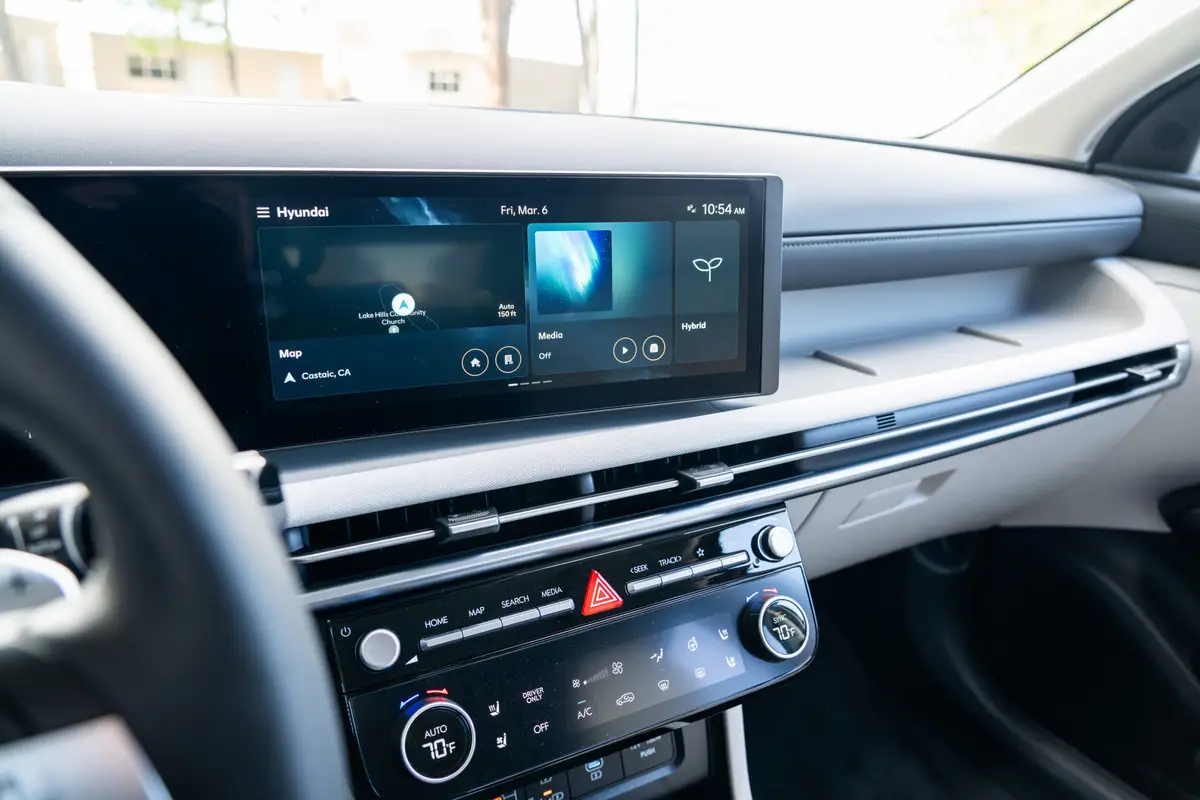
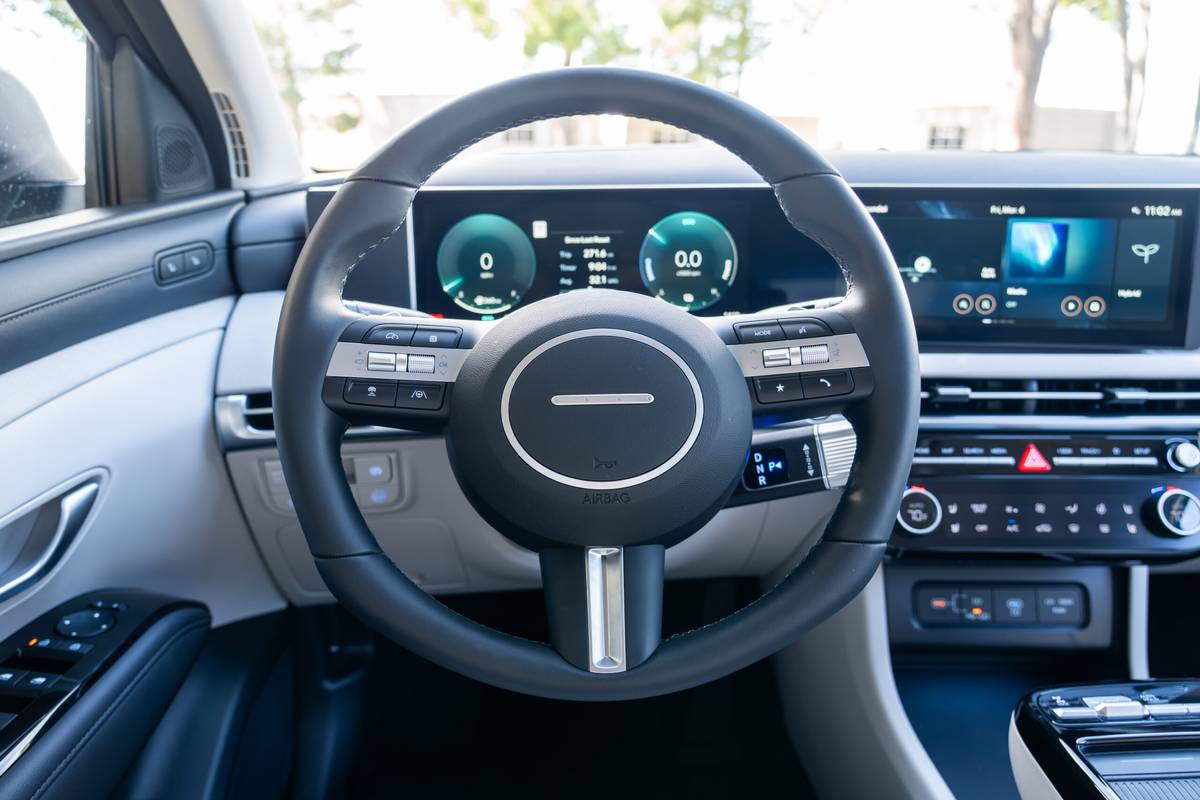
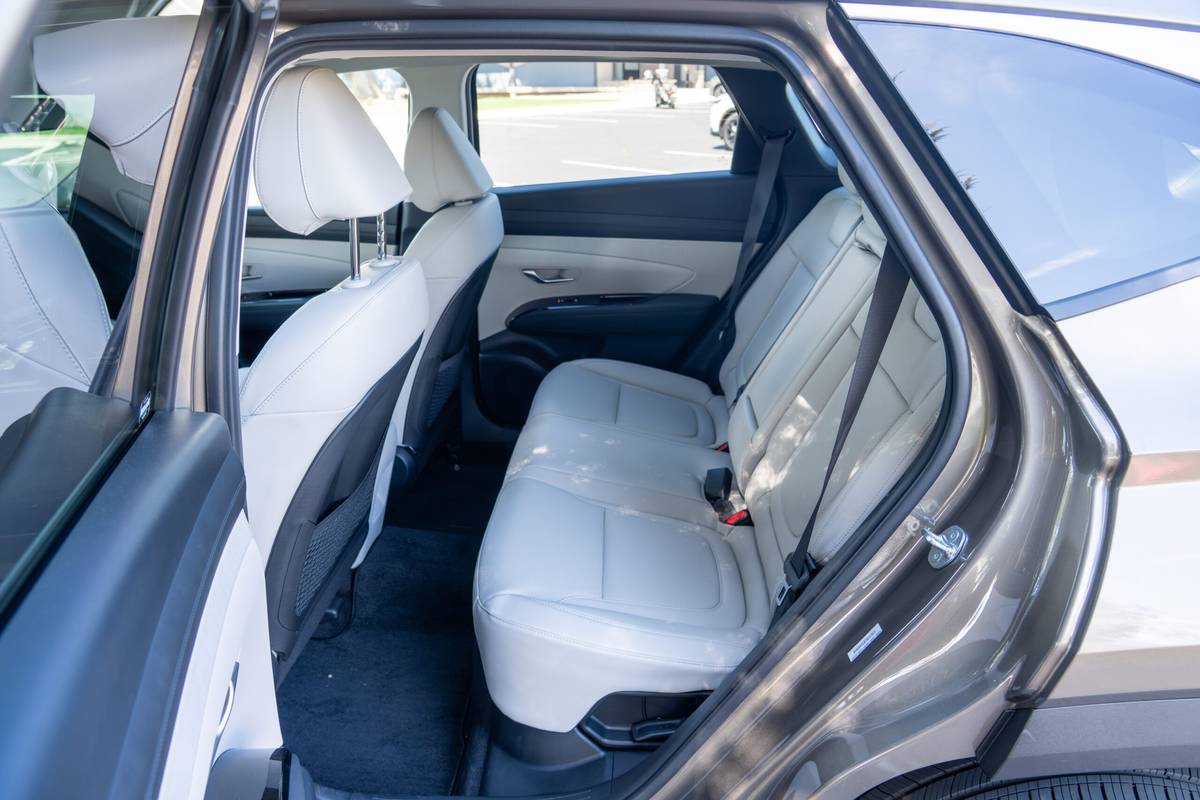
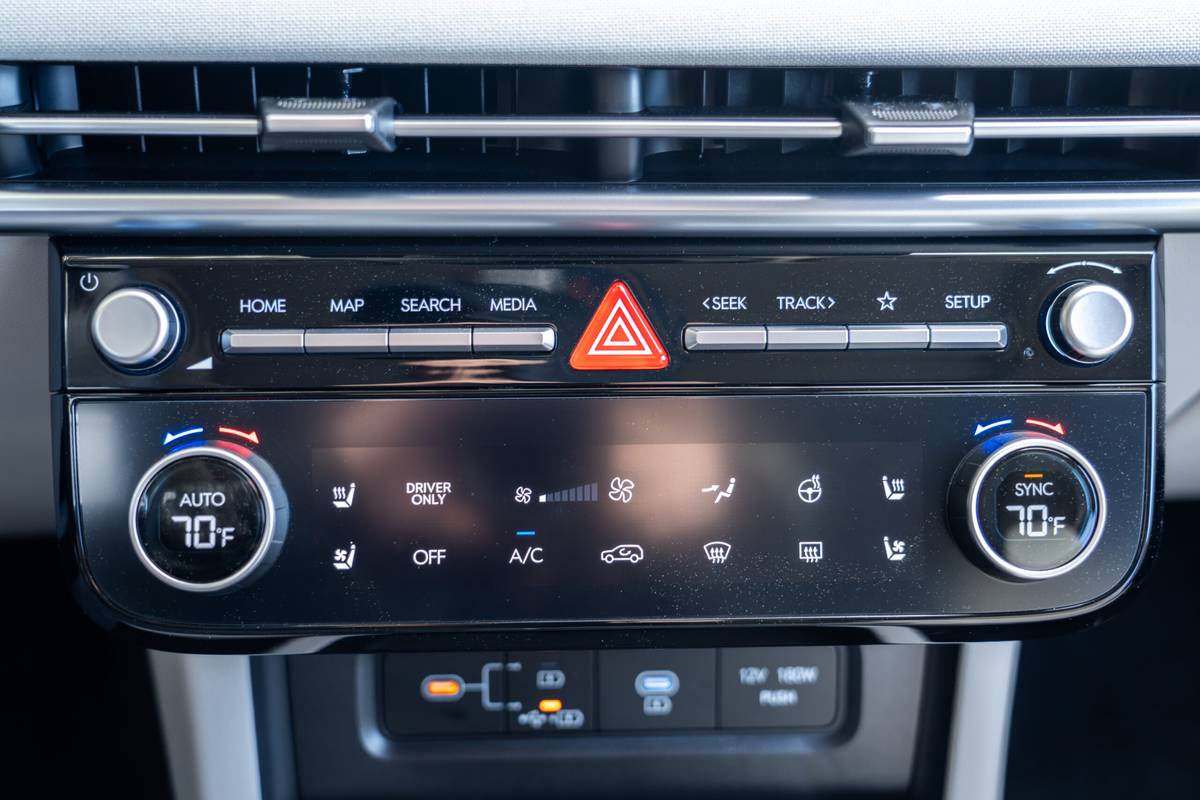
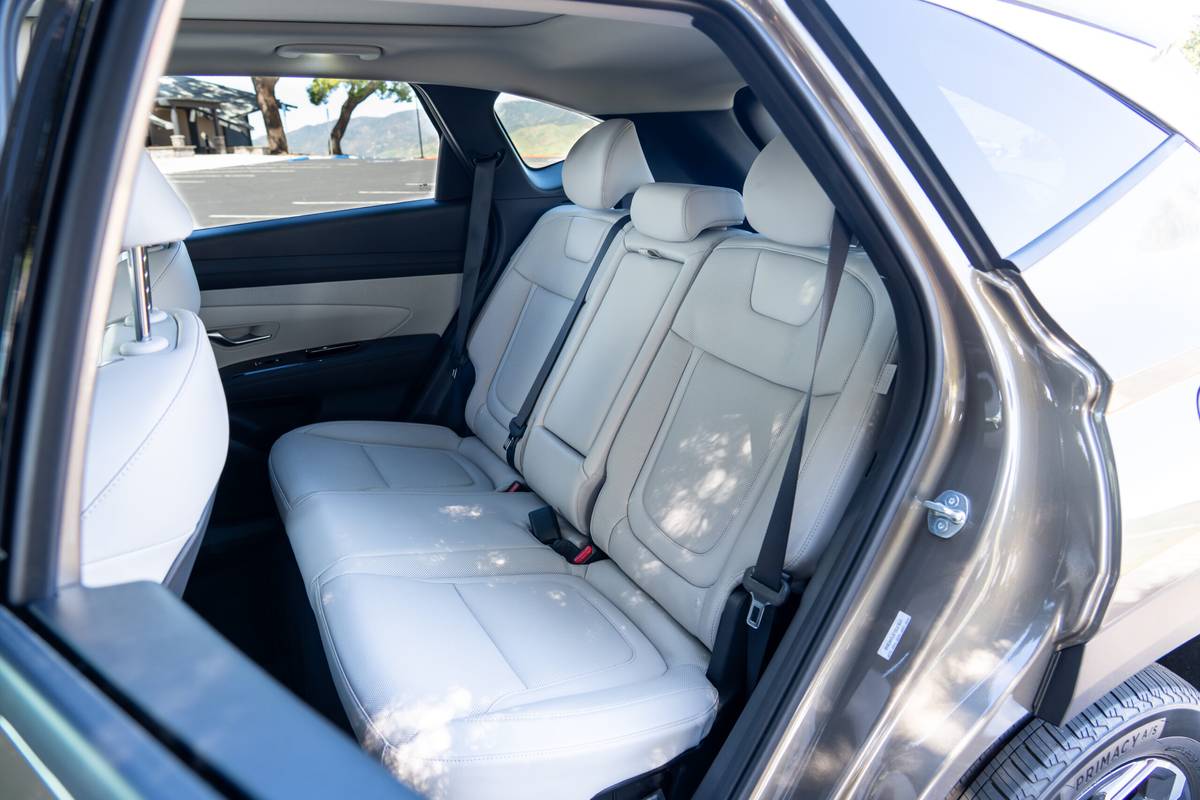
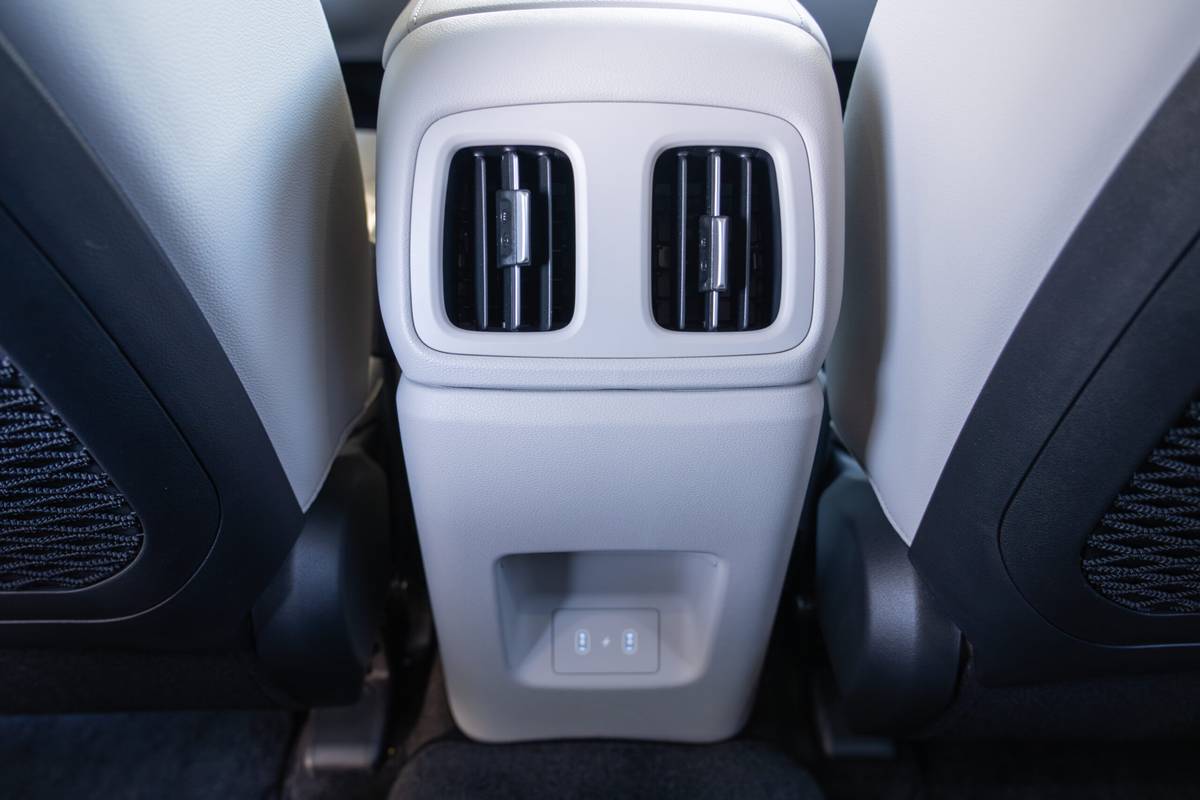
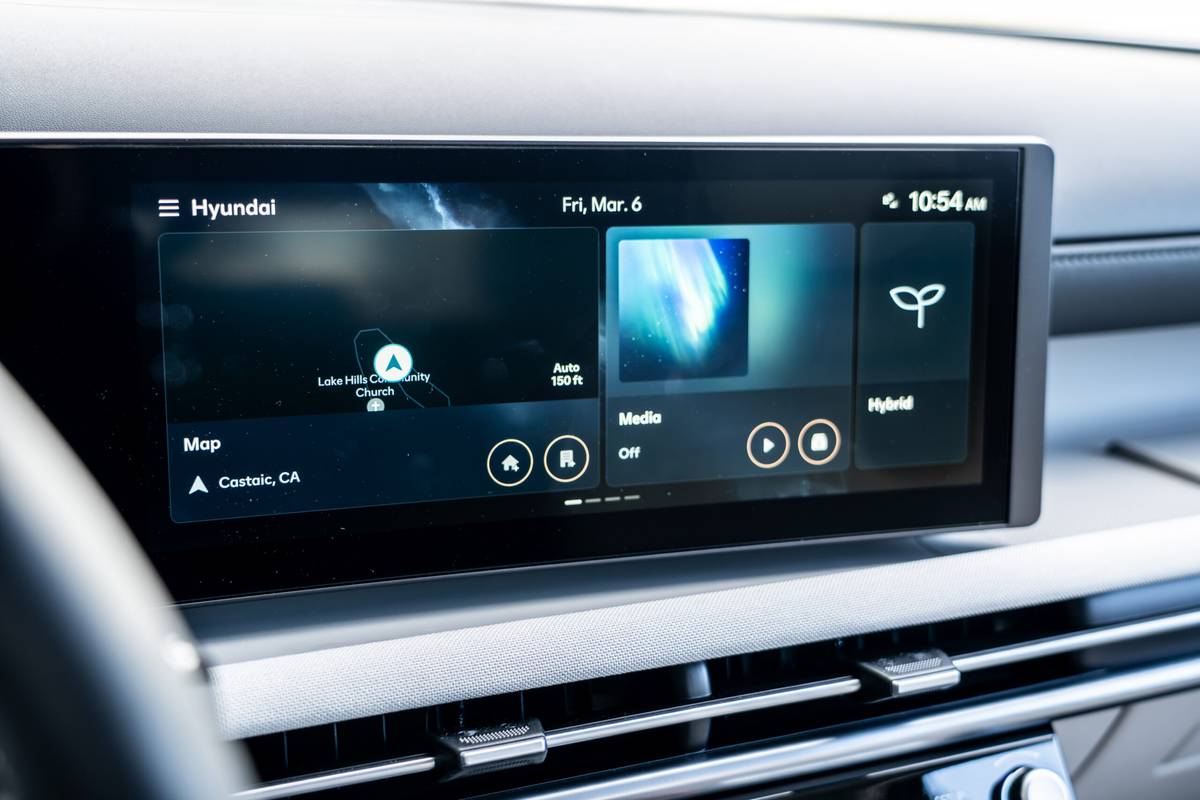
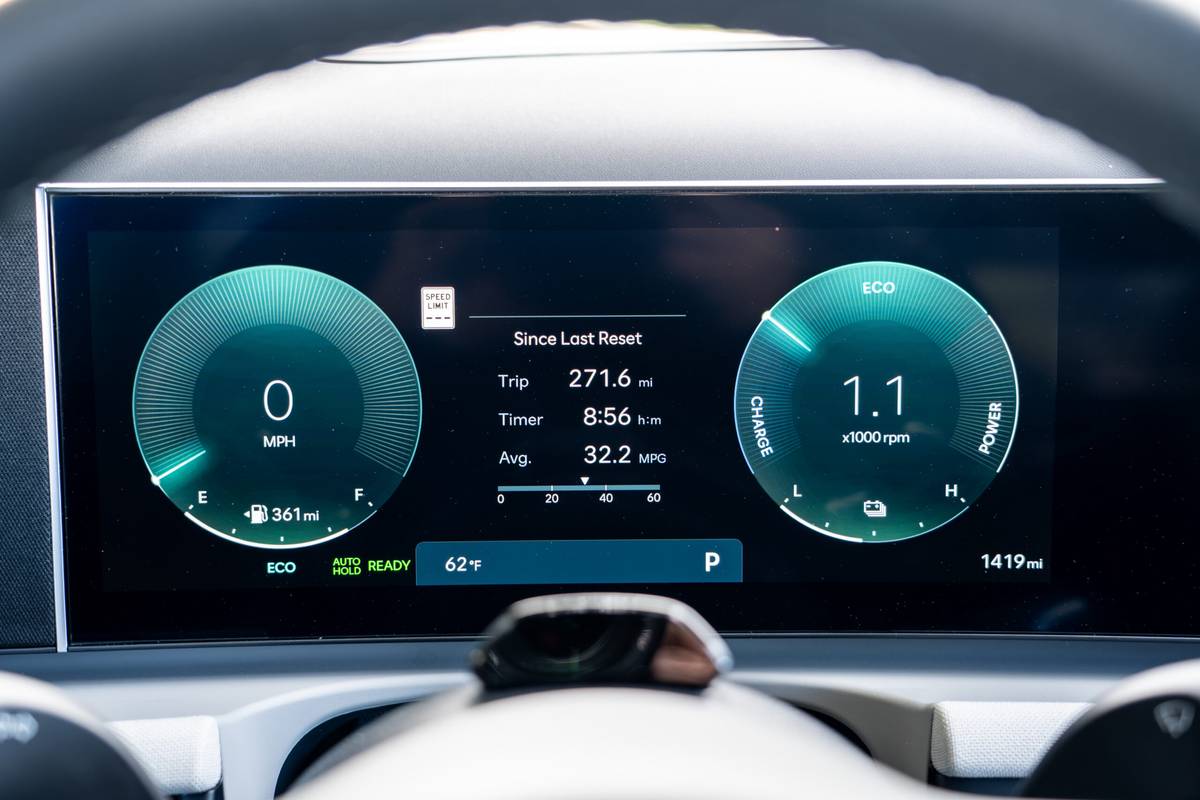
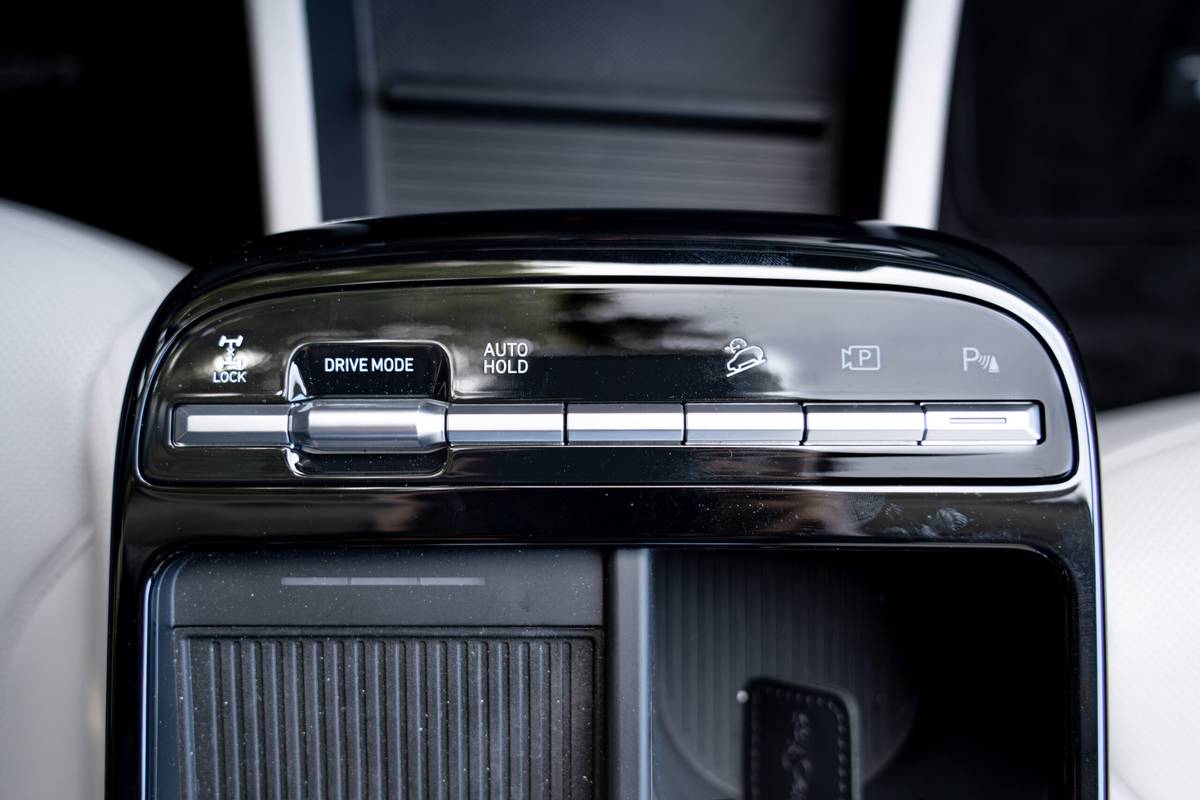
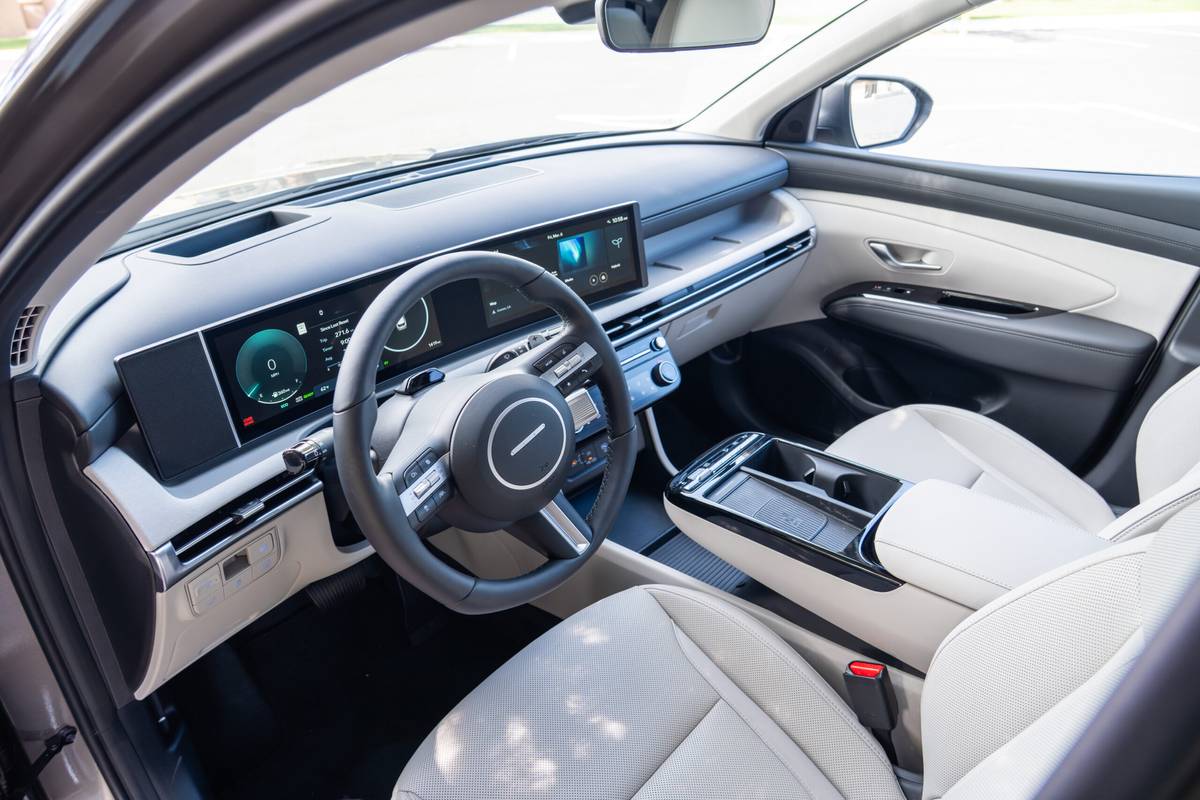
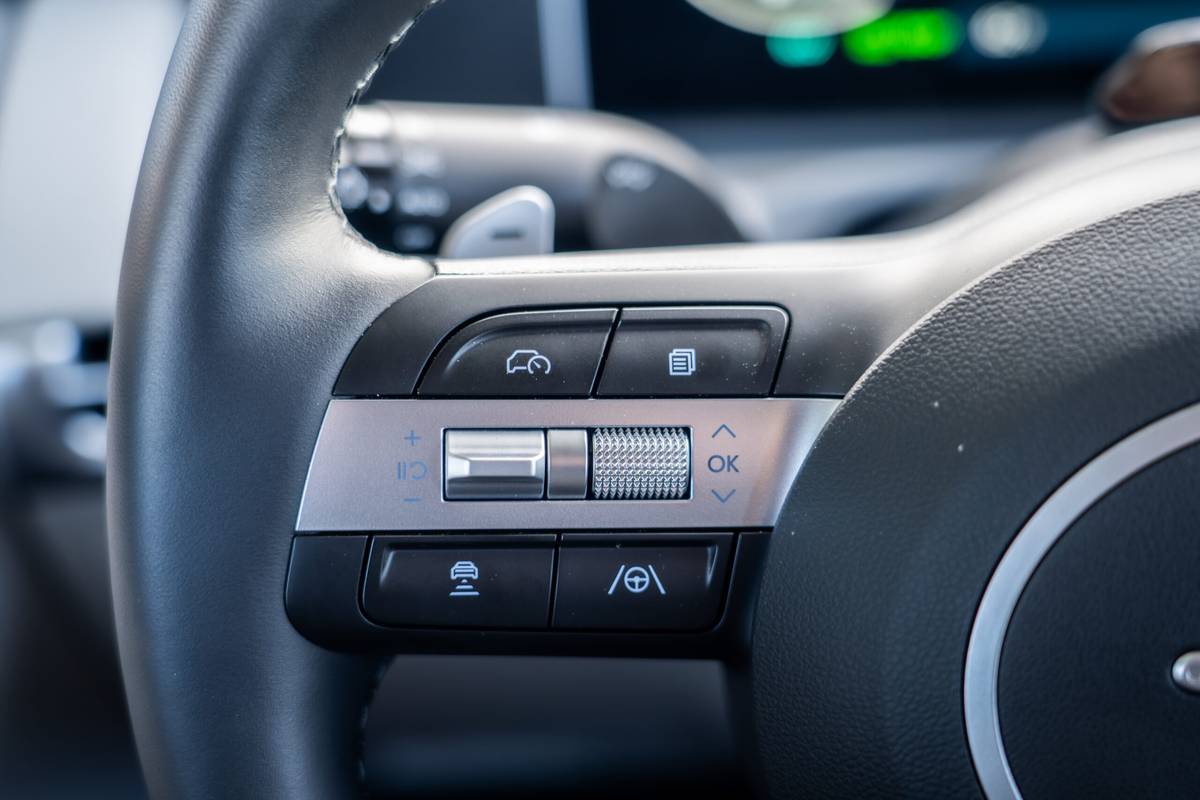
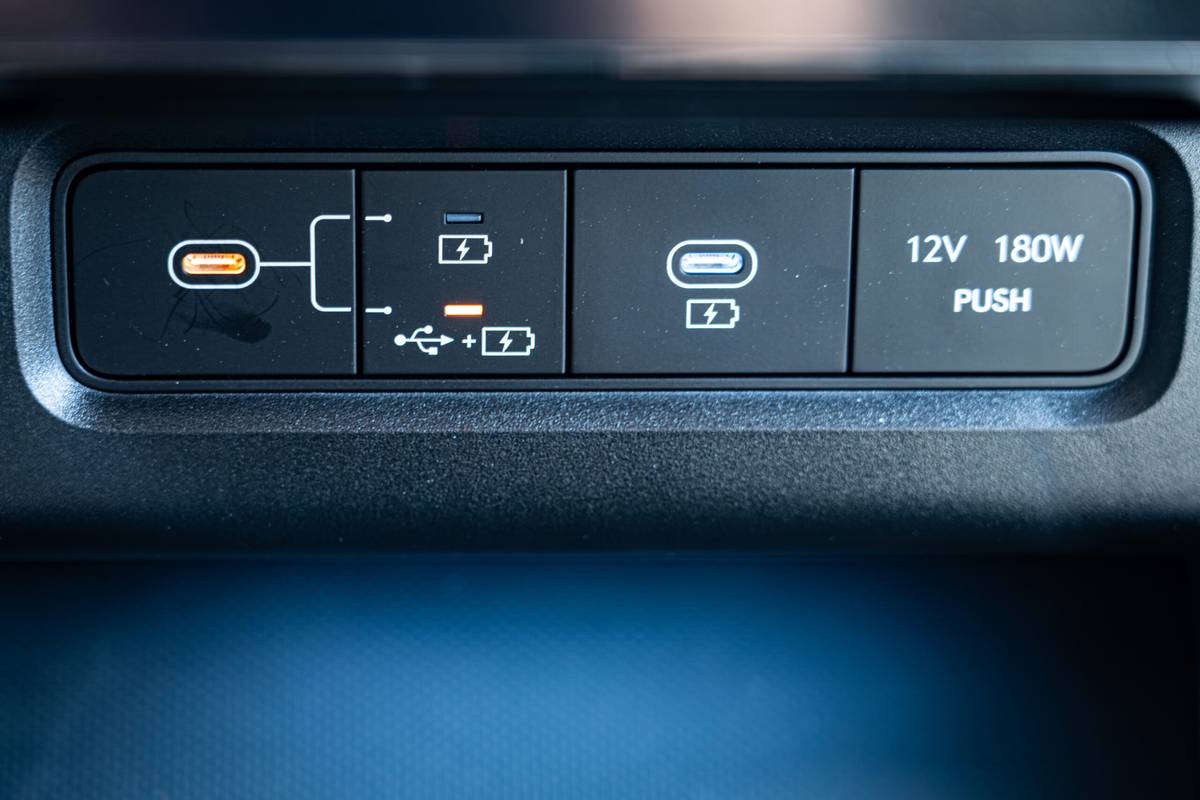
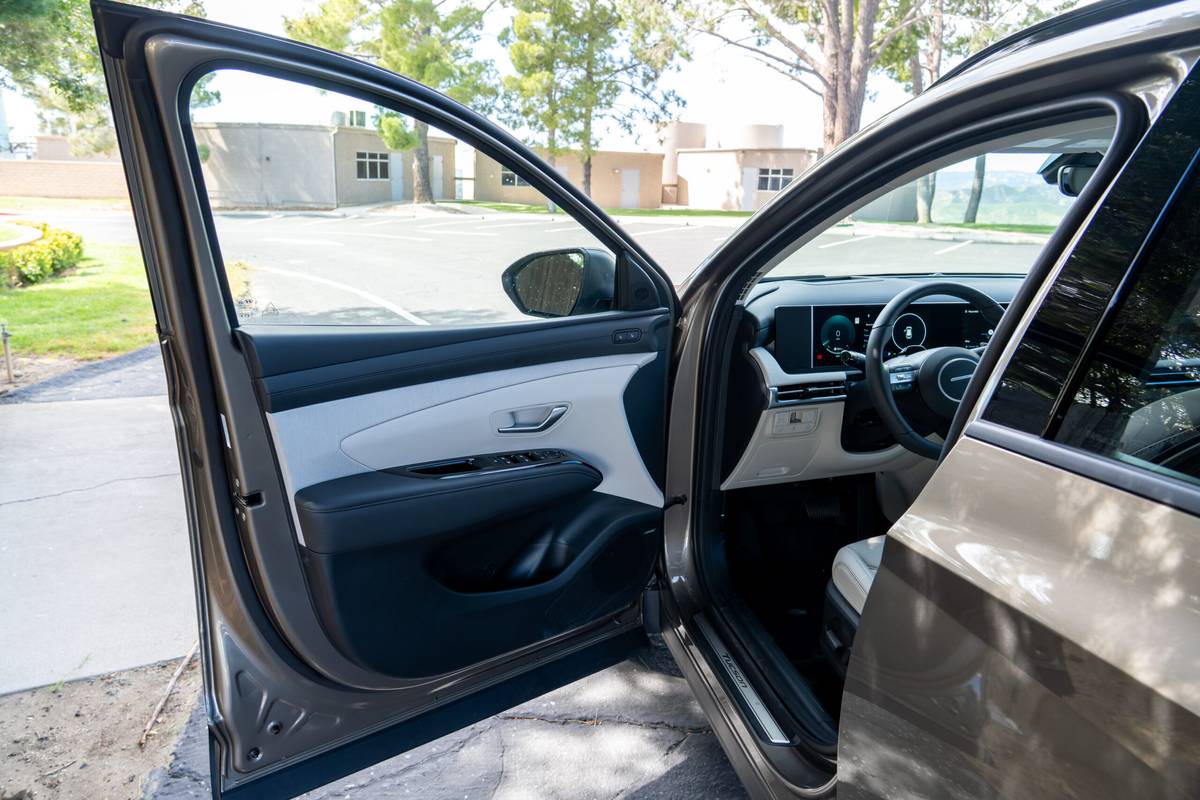
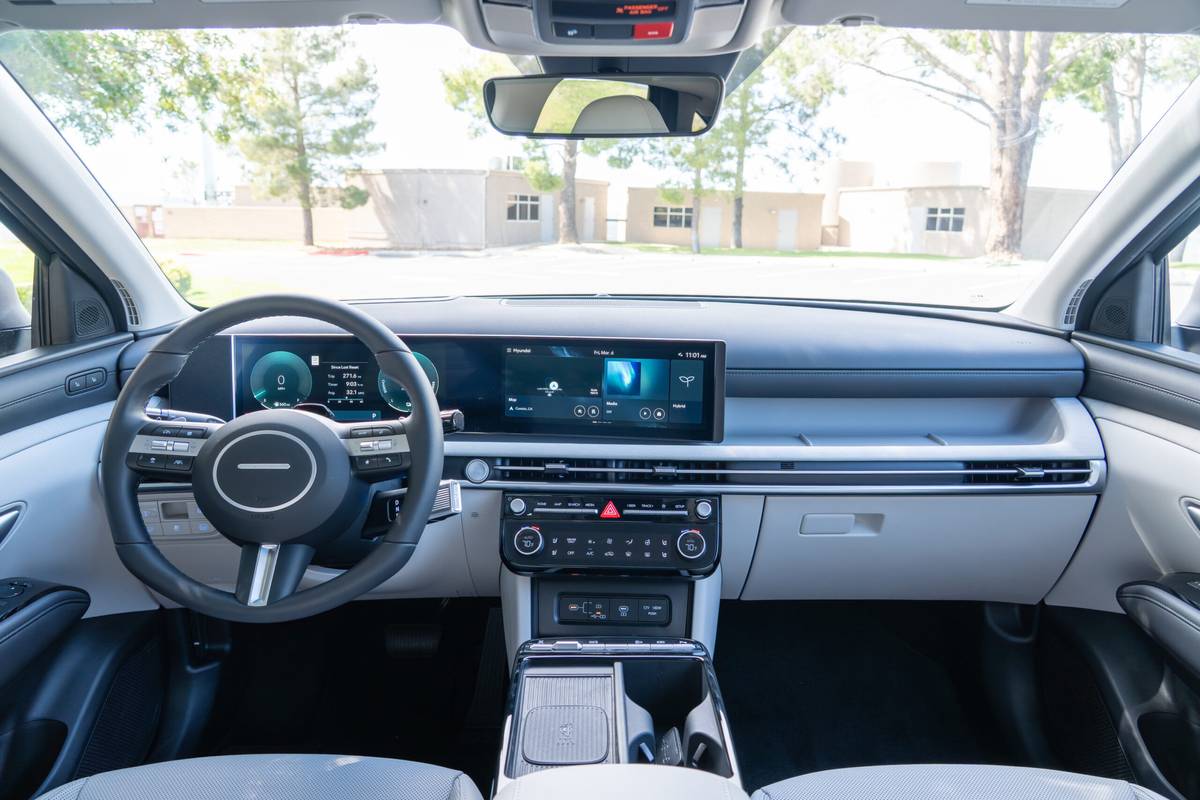
On paper — and in a parking space — the Tucson Hybrid has a lot to offer. It had the most cargo space of the eight SUVs in our test, and its cabin is well designed for additional storage, particularly in the cockpit: The 2025 model gained a column-mounted gear selector and a peninsular center console that has a handy wireless device charger and tons of space below for larger bags. It also opens up space for the right knee of a taller driver. On top of all that, materials quality in the Tucson Hybrid is near the top of its class, and the interior design itself is stylish — anything but the rental-car-bland interiors many competitors offer. Dual 12.3-inch displays — one for the instrument panel and a touchscreen for the infotainment system — are among the best in the compact SUV class in terms of user interface, graphics and ease of use. A row of physical buttons and knobs for audio controls and navigating within the screen is a welcome feature, especially as more and more vehicles move to touch-sensitive or touchscreen controls for everything. Hyundai, too, is guilty of this in another area of the Tucson: Its climate controls are on a low-mounted touch panel that can be hard to see and difficult to use while driving. The Tucson performed well in our value scoring, offering upscale features for a relatively low price. As tested, the Tucson Hybrid Limited was just under $44,000, and it’s loaded not just with gizmos to show off, but with useful safety features, including a 360-degree camera system and Hyundai’s excellent Blind Spot View Monitor. There’s a lot to like about the Tucson Hybrid Limited … until you start driving it, which is when the waters get muddier. Related Video:
We cannot generate a video preview.
A Letdown in Motion
In our comparison test, every judge had complaints about the Tucson Hybrid’s driving experience. Its hybrid powertrain is smooth, and it transitions between electric and gas power seamlessly, but driving both around town and on the highway, we all noticed a wallowy ride quality that made the Tucson feel like it was tilting side to side as we moved down the road. It’s not necessarily a deal breaker, but many of the SUVs in the Tucson’s class have much better on-road composure and handling — and even a hint of sportiness in some cases. In our real-world fuel-economy testing, the Tucson Hybrid performed the worst of the five hybrid SUVs in the comparison, and it was only about 1 mpg better than the most efficient gas-only SUV. The Tucson’s hybrid powertrain is different from most others in that it utilizes a traditional six-speed automatic transmission; most hybrid compact SUVs use continuously variable automatic transmissions. The result in the Tucson is smoother operation but reduced gas mileage: We observed 32.7 mpg in our testing. That’s nothing to sneeze at in the face of today’s high gas prices, but a 2026 Toyota RAV4 achieved 39 mpg over the same route.
Is the Tucson Hybrid Right for You?
A podium finish in this highly competitive segment is impressive, but there’s quite a chasm between second and third place. The winning Volkswagen Tiguan SEL R-Line Turbo and second-place Honda CR-V hybrid exist in a higher tier than their competitors in this segment. Both are more enjoyable to drive than the Hyundai, with the CR-V offering better fuel efficiency and the Tiguan having significantly more power. The third- and fourth-place Tucson Hybrid and Kia Sportage Hybrid, which are fairly interchangeable, exist on a lower tier. If you want a stylish interior with premium amenities and tons of storage space, the Tucson Hybrid is worth a look. If you’re interested in a more buttoned-up driving experience — or even some genuine sportiness — you should look elsewhere. Cars.com’s Editorial department is your source for automotive news and reviews. In line with Cars.com’s long-standing ethics policy, editors and reviewers don’t accept gifts or free trips from automakers. The Editorial department is independent of Cars.com’s advertising, sales and sponsored content departments.



 Latch
Latch
 Infant
 Rear-facing Convertible
 Front-facing Convertible
 Booster