






What Car Shoppers Need to Know
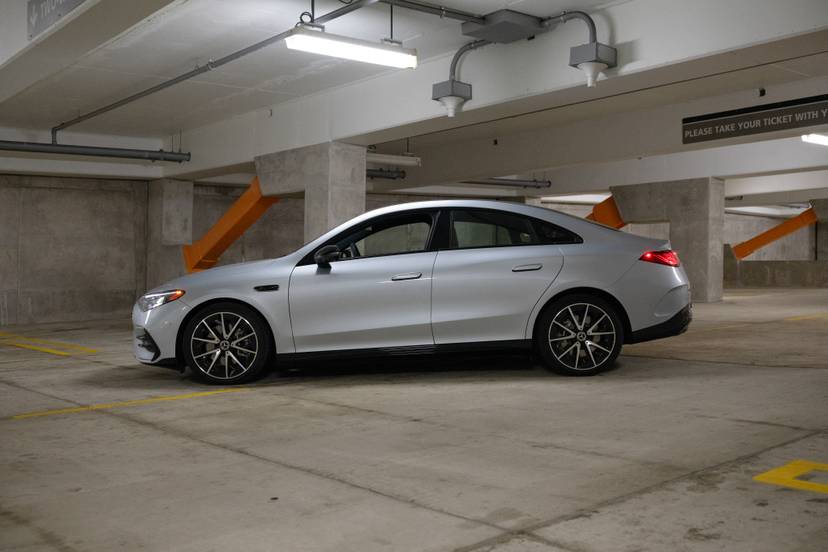
- After rethinking its EV strategy, Mercedes-Benz is now making electric versions of its conventional vehicles, starting with the new 2027 CLA sedan.
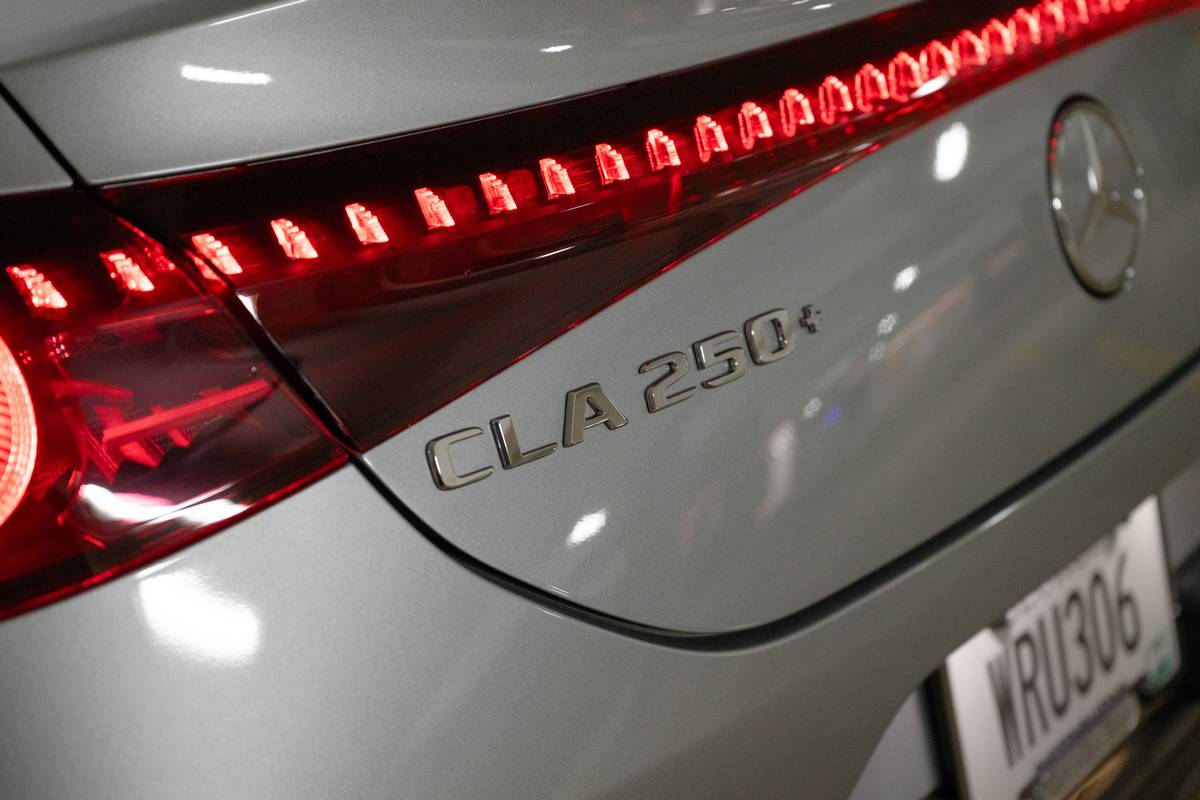
- The CLA250+ With EQ Technology is a much more approachable, conventional and easy-to-use electric vehicle than Mercedes’ first-round attempt, but it still has some odd flaws and design quirks.
- The CLA is a fun-to-drive, uniquely styled and impressively long-range electric compact sedan that gives Mercedes-Benz a competitive entry in the luxury electric sedan class.
Let’s be real here: Mercedes-Benz’s first attempt at mainstream electric cars aren’t doing so well. The automaker’s EQS and EQE sedans and SUVs are a little too oddly styled, they drive too strangely, and they have some offputting interior packaging — and shoppers have responded by largely ignoring them (and driving down prices of used models to eye-popping levels). Mercedes rival BMW, meanwhile, took a different path to electrification: Keep the vehicles the same, but offer an electric powertrain underneath the sheet metal — the BMW i7 looks like the gas-powered 7 Series and the i5 looks like a 5 Series sedan.
Related: See Mercedes-Benz CLA250+ With EQ Technology Inventory Near Me
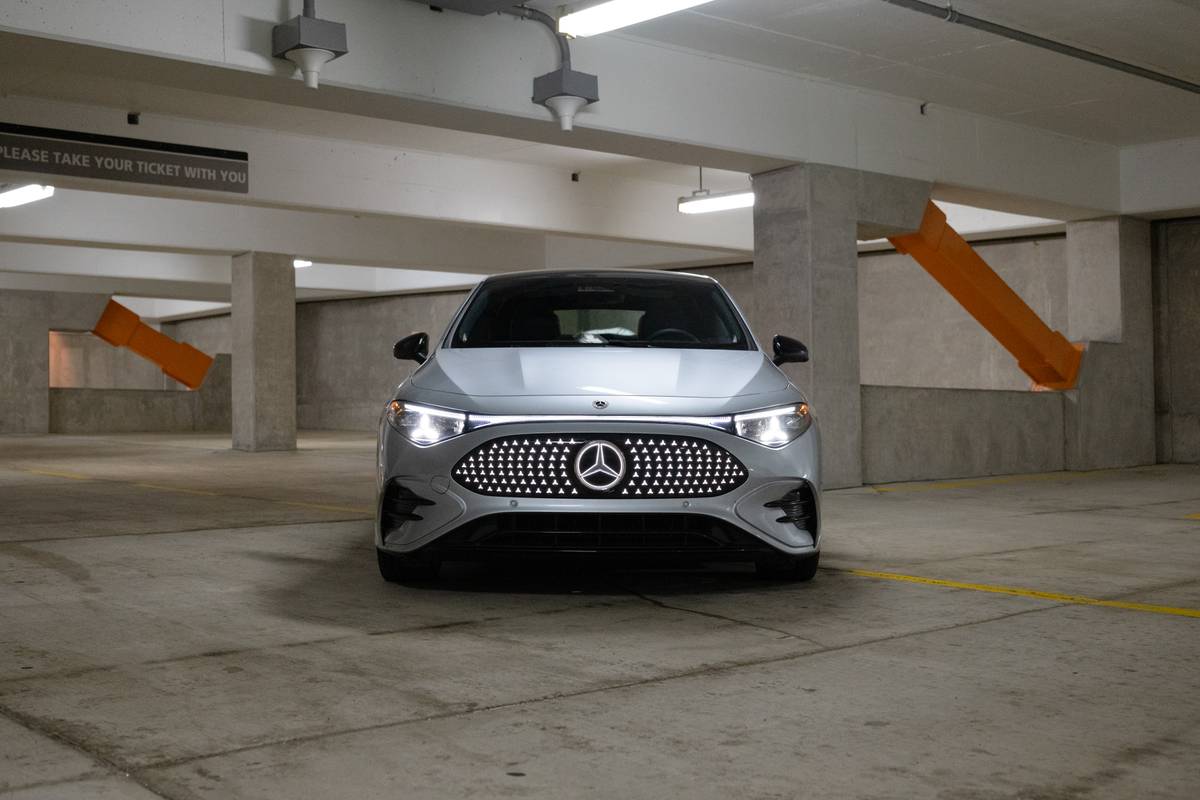
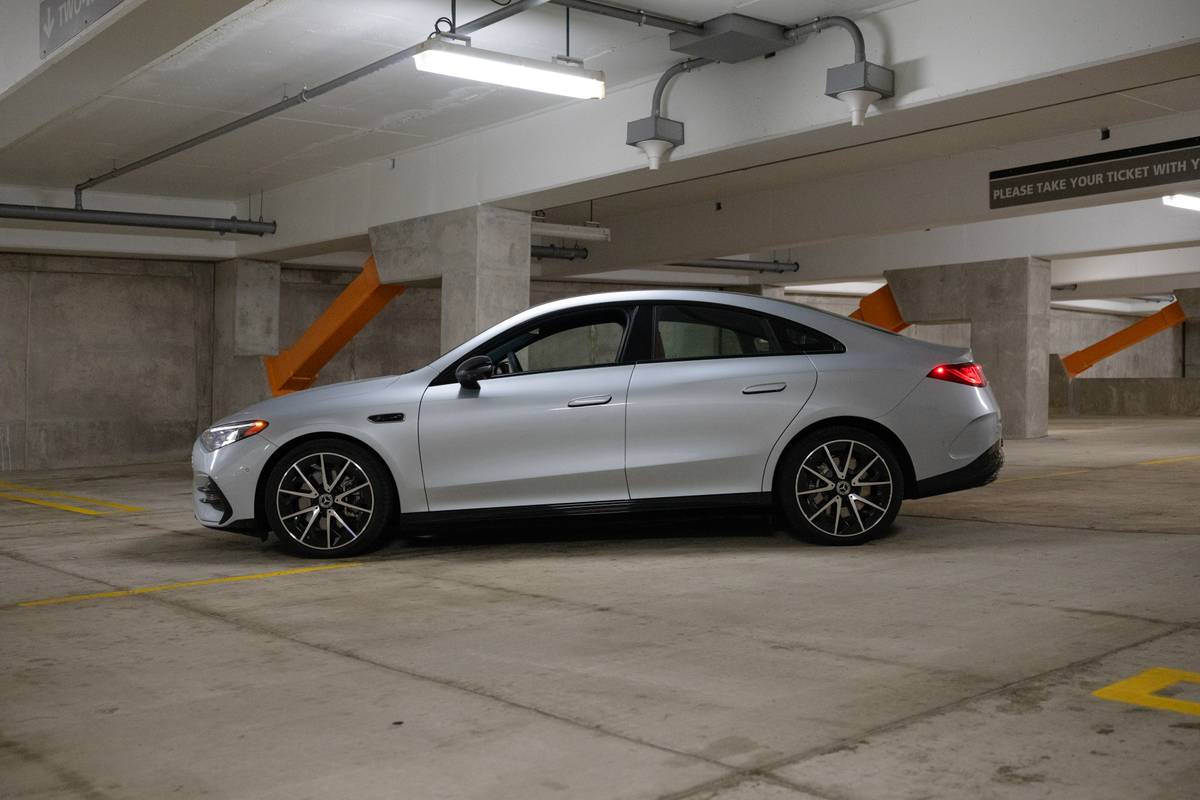
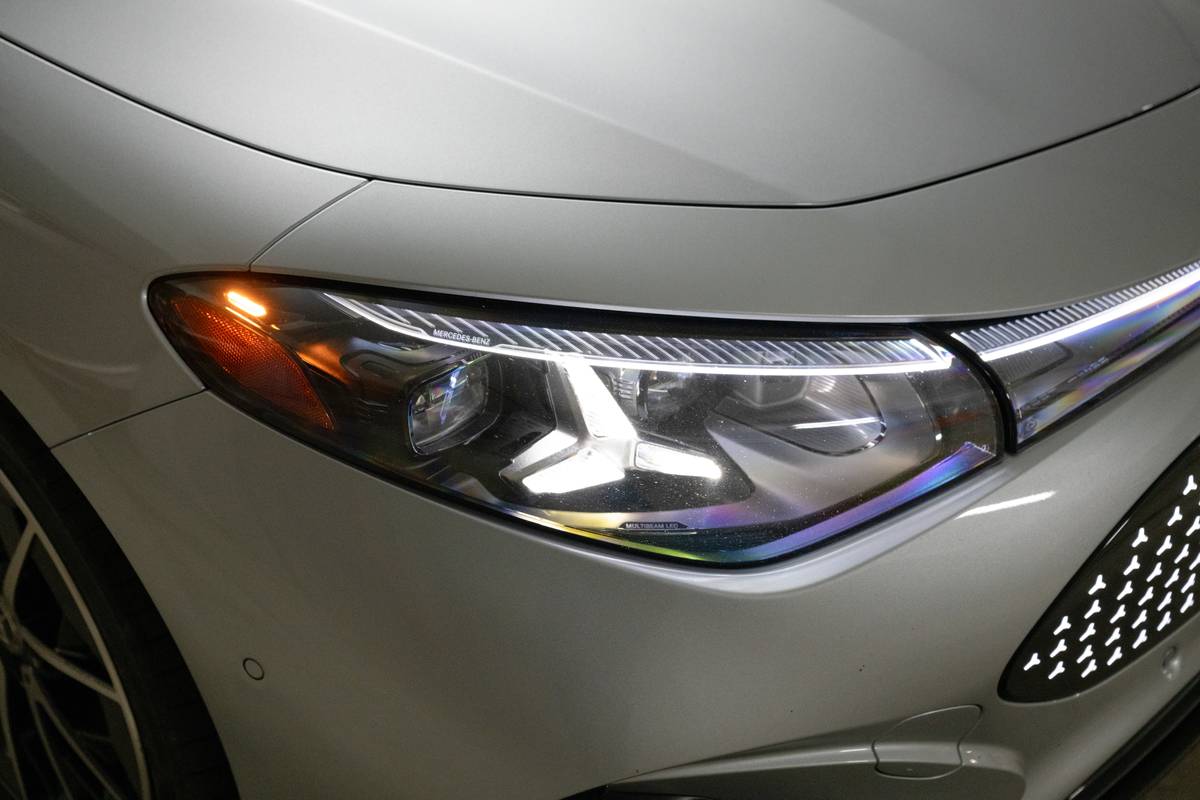
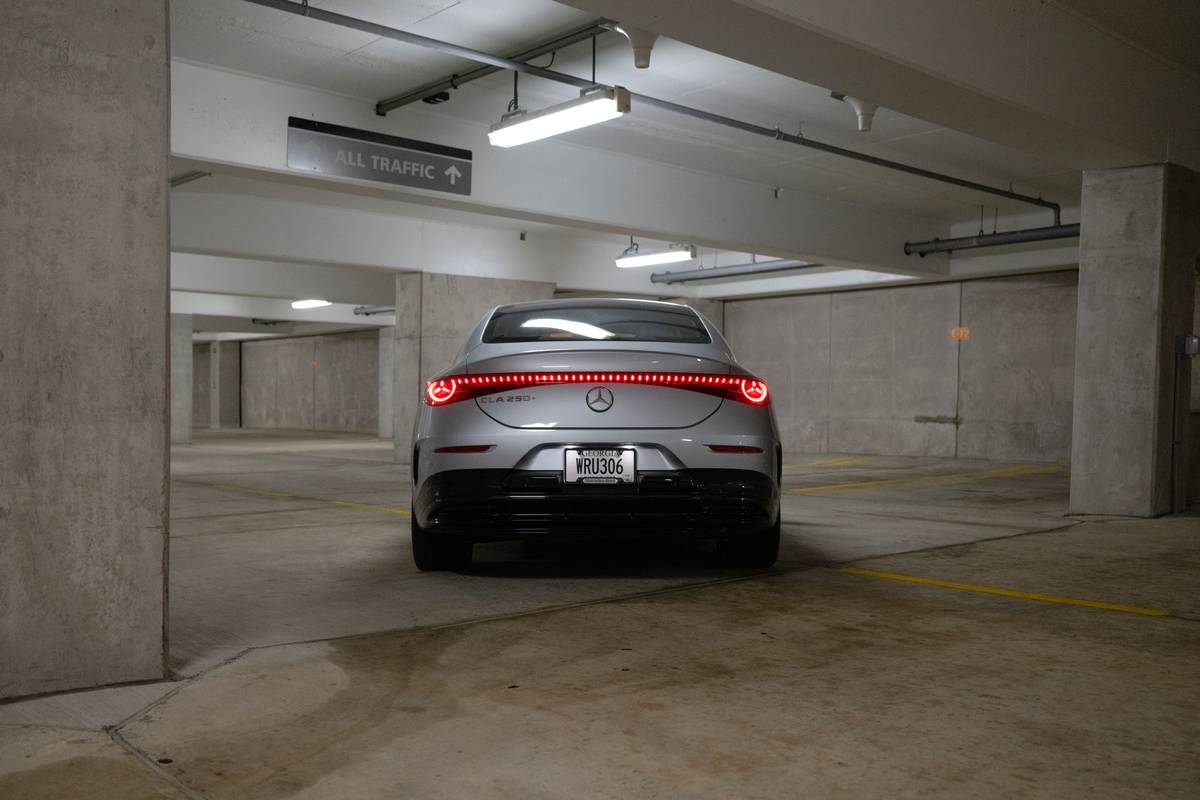
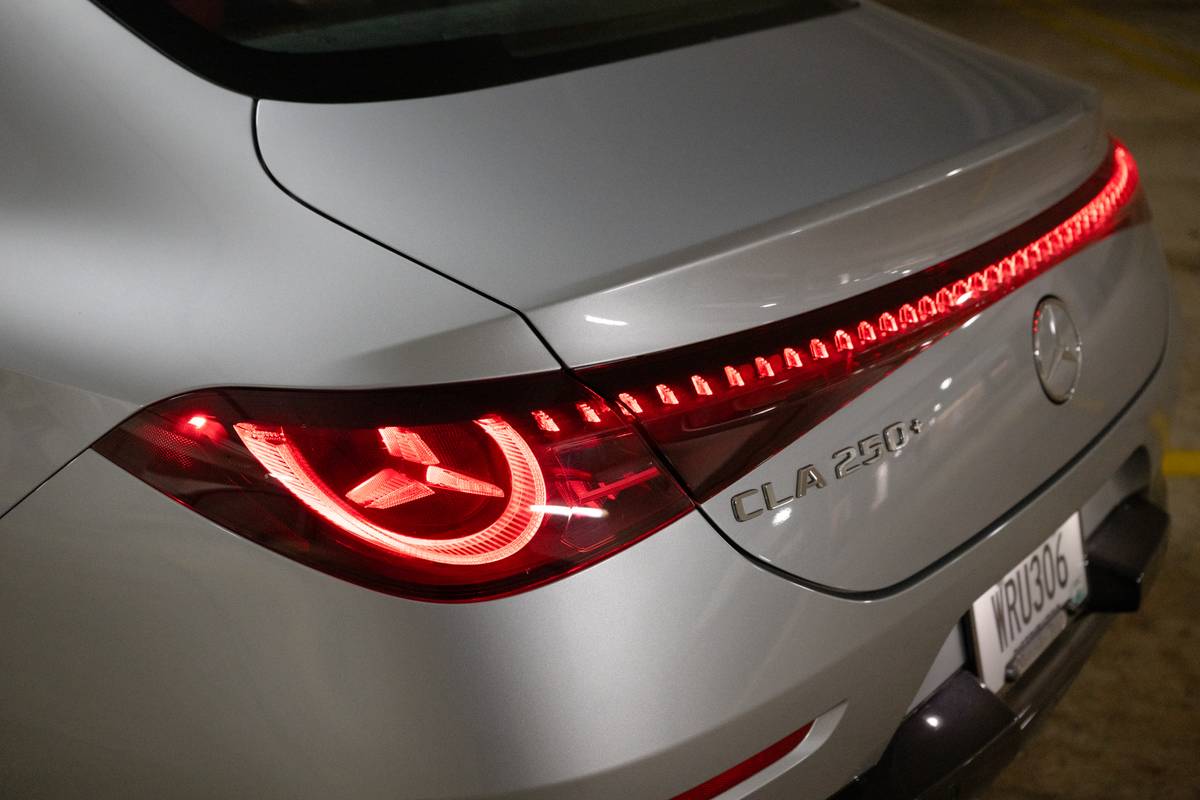
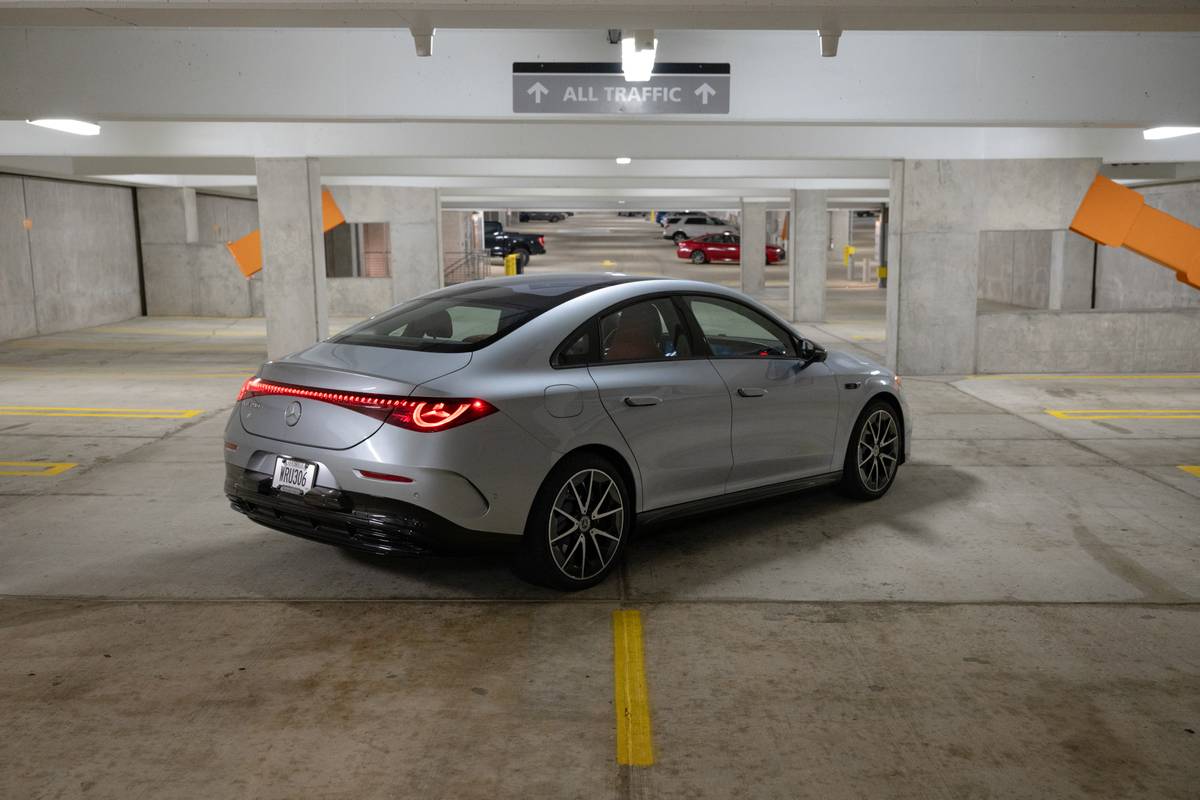
Now, Mercedes-Benz has shifted gears and decided to try the same approach, and the result is the 2027 Mercedes-Benz CLA With EQ Technology sedan. It’s the first in a wave of second-generation EVs from the German luxury marque that promise a more “normal” ownership experience, building on what the brand learned from its first efforts with electron power. The result is a slick little sedan that feels a lot more normal than Mercedes’ prior EV efforts, though it still exhibits some odd and confusing quirks.
Expert Rating: 7.4/10
- Powertrain: 9/10
- Ride quality: 9/10
- Driver comfort: 9/10
- Passenger comfort: 6/10
- Interior quality: 6/10
- User interface: 5/10
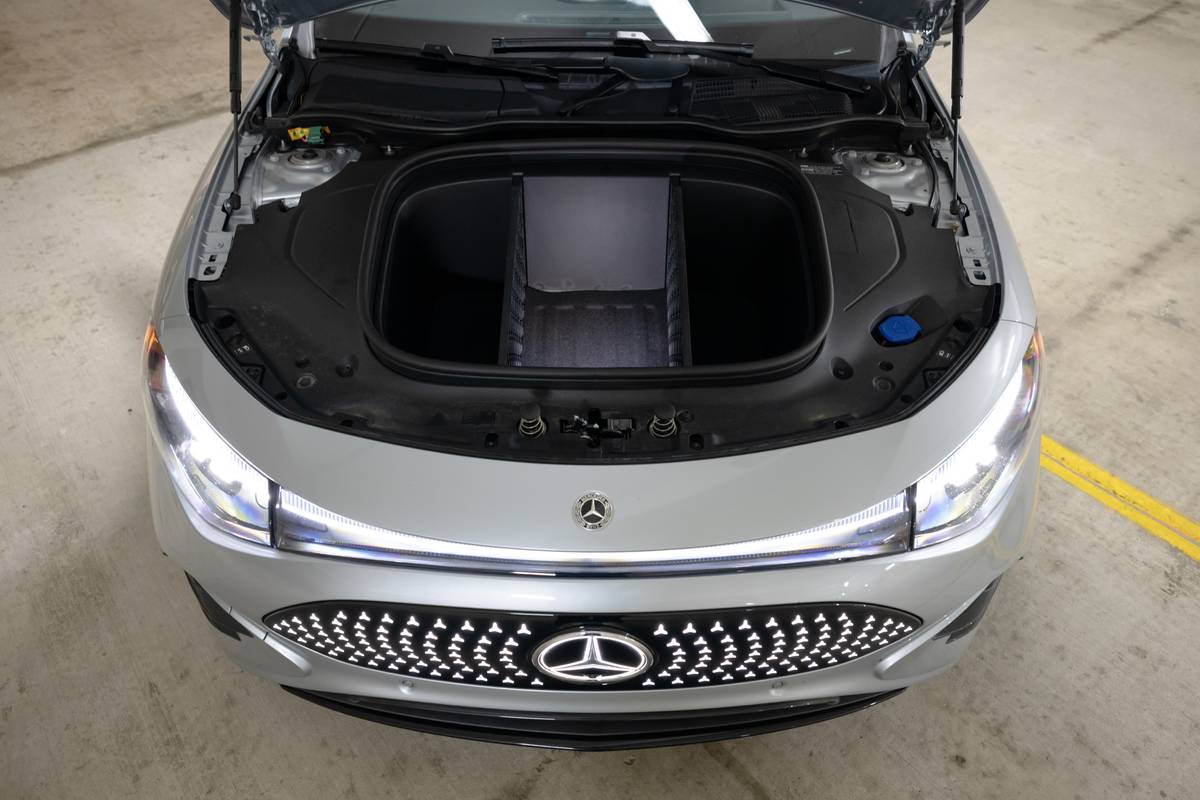
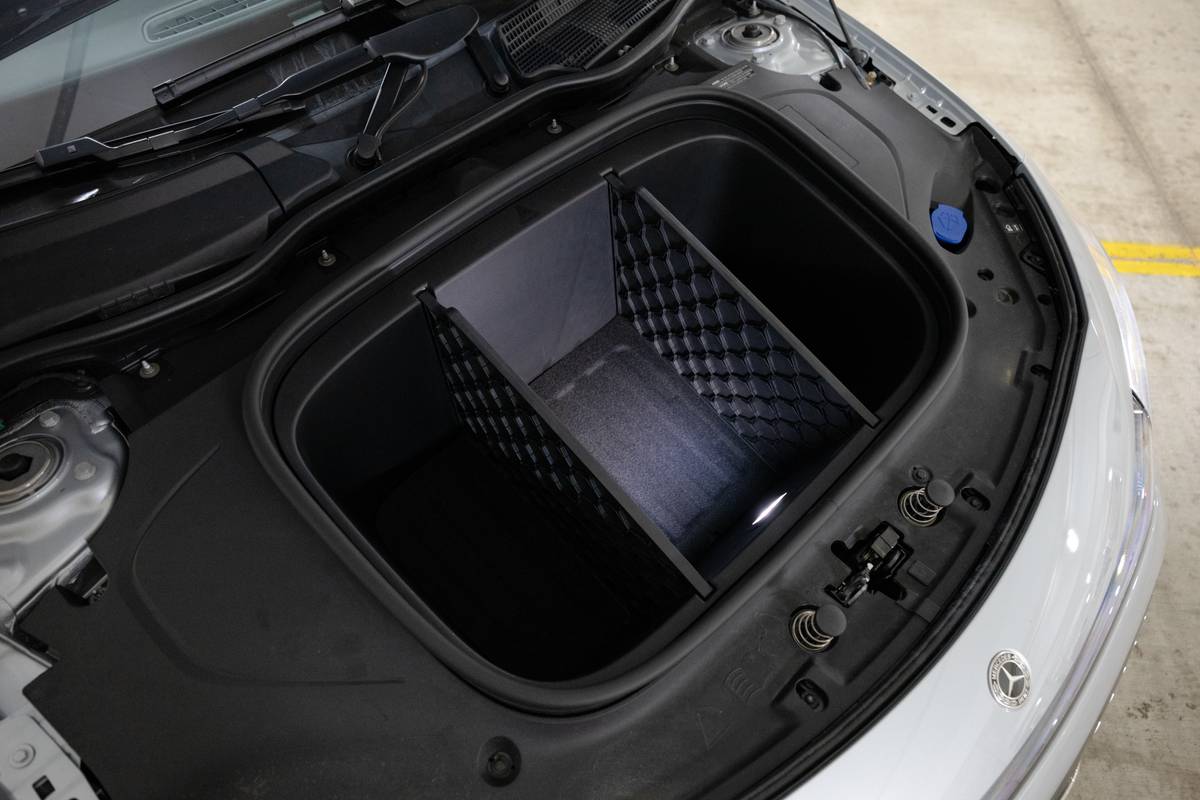
- Cargo space: 7/10
- Value: 7/10
- Overall appeal: 7/10
- Driving range: 9/10
- Charging speed: 7/10
- Efficiency: 8/10
What Does a 2027 Mercedes-Benz CLA Cost?
In the U.S. market, the new 2027 CLA will initially come only as an EV, with gas-electric hybrid variants expected to follow. At the time of this writing, there are two electric-only choices: the CLA250+ and CLA350 (the starting prices listed below include a $1,450 destination charge).
- CLA250+ With EQ Technology: $49,400
- CLA350 4Matic With EQ Technology: $51,950
What’s the difference between the two? Motors. The CLA250+ features a single electric motor that drives the rear wheels through a unique two-speed transmission. (The gearbox is present for efficiency purposes, as around-town use is different from high-speed freeway use.) The CLA250+ makes 268 horsepower and 247 pounds-feet of torque, which Mercedes says is good for a 0-60 mph time of 6.6 seconds. It has an EPA-rated driving range of 374 miles from its decently sized 85-kilowatt-hour battery pack. Stepping up to the slightly more expensive CLA350 4Matic brings a second electric motor on the front axle, good for all-wheel drive and a combined output of 349 hp and 380 pounds-feet of torque. It can go from 0-60 mph in 4.8 seconds, and its estimated driving range is 312 miles.
Both CLA cars use an 800-volt electrical architecture and can DC fast-charge at up to 320 kilowatts, which Mercedes-Benz says should allow owners to add up to 202 miles of range in 10 minutes in optimal conditions. Both of these new CLAs have solid range and performance; it’s a good mix of the right amount of range to be competitive and the right amount of performance to be entertaining for drivers who are used to quick, torquey cars. From a powertrain standpoint, the improvements over Mercedes’ prior EV efforts are solid.
New Interior Tech, Same Interior Issues
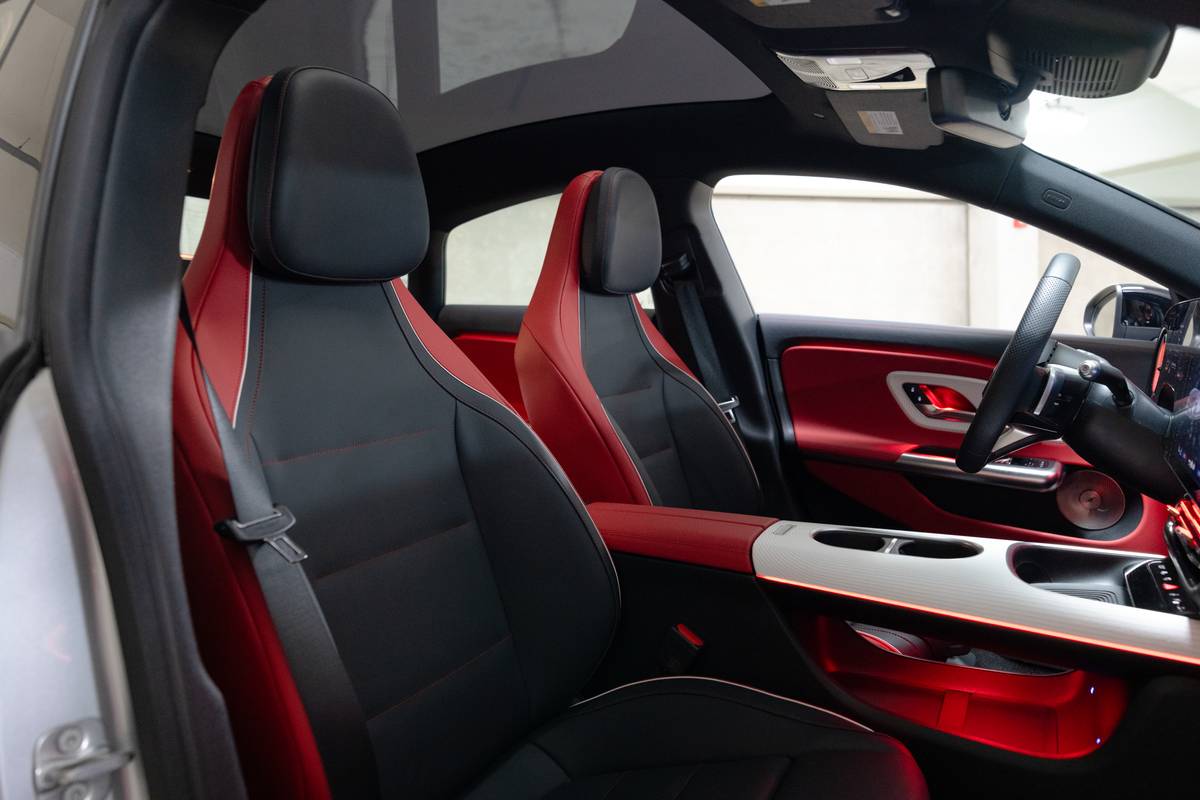
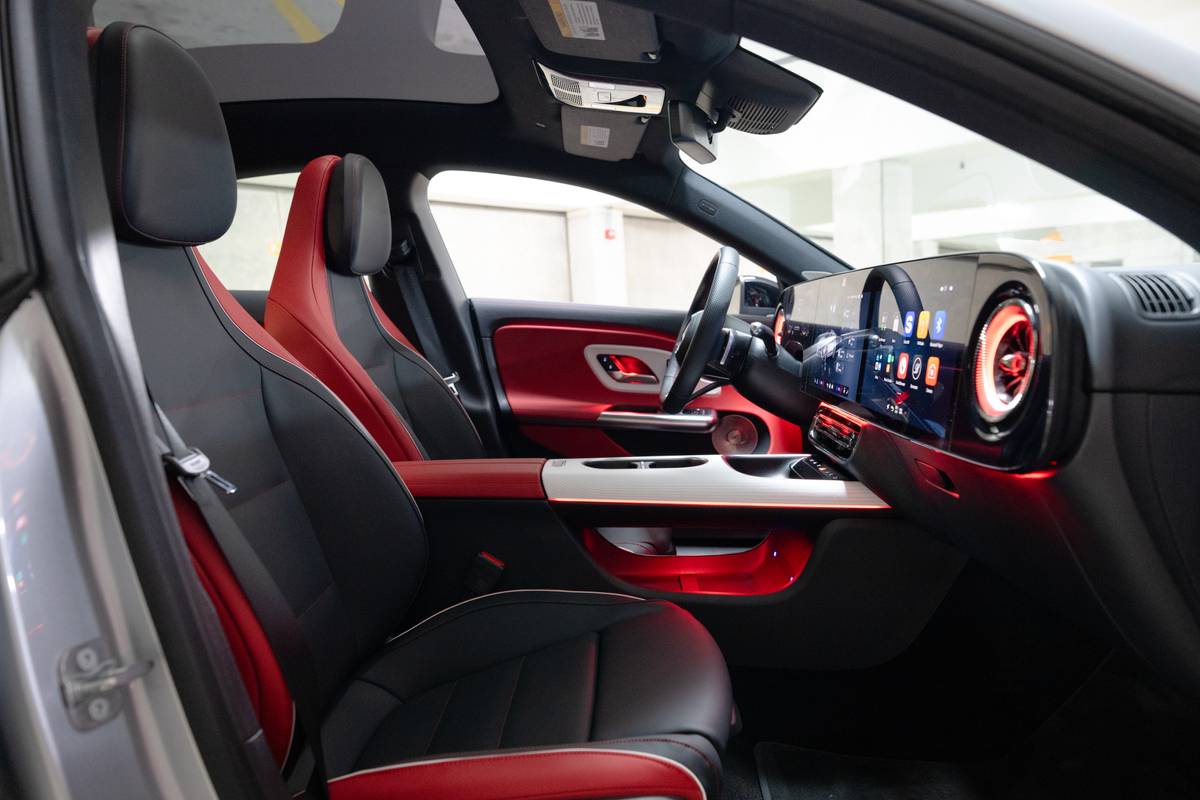
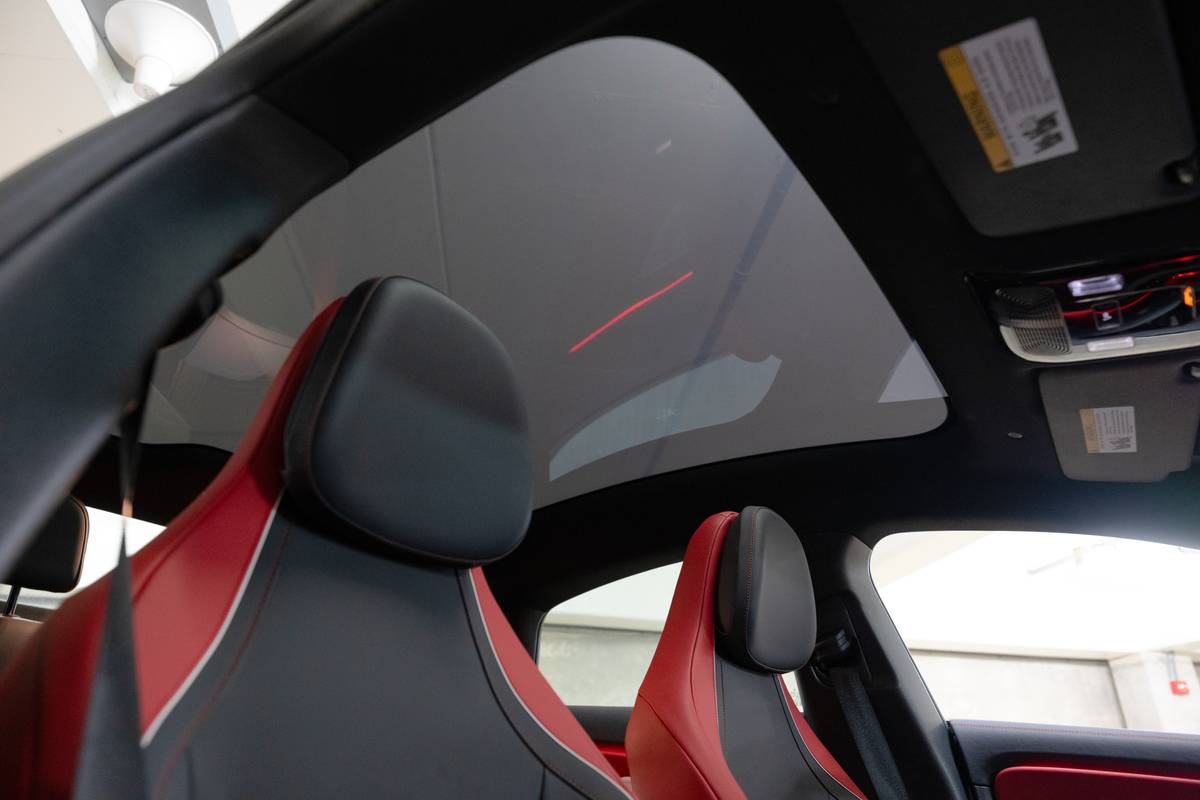
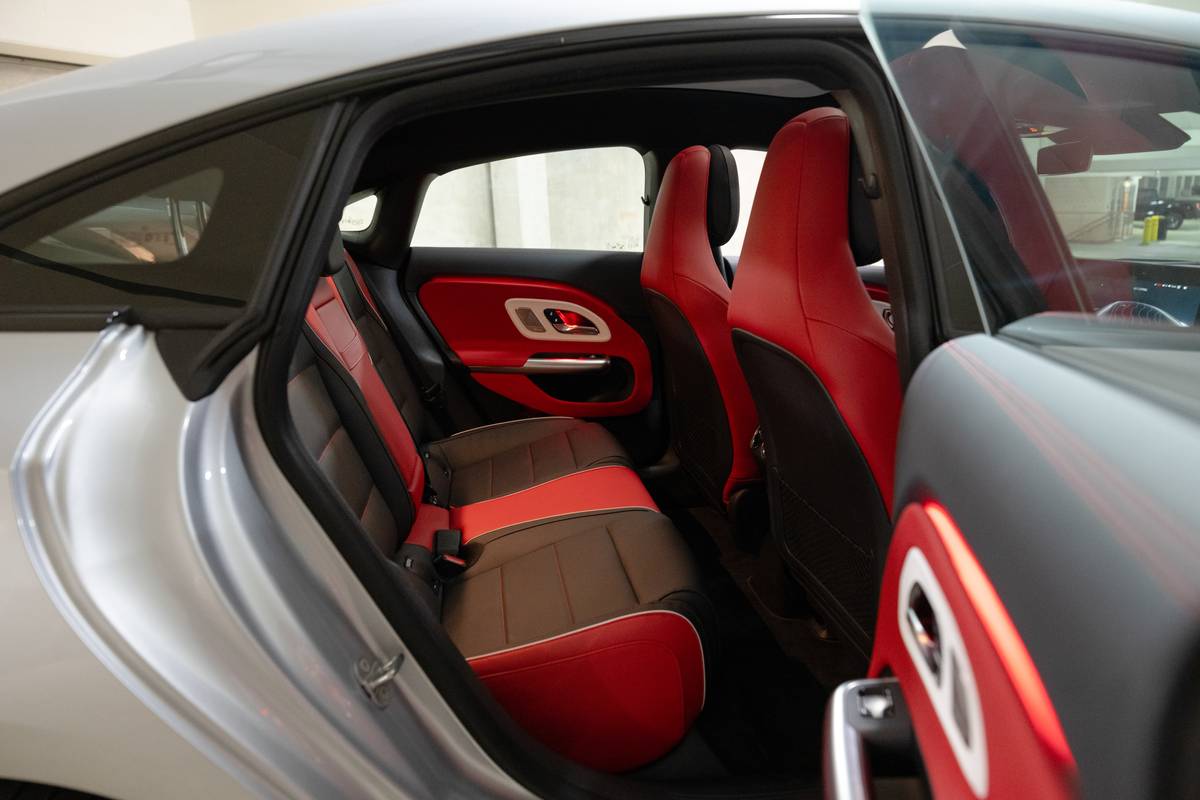
With automakers favoring SUVs of all sizes, it’s harder and harder to find a sedan these days, but luxury brands are keeping them around. The CLA is Mercedes’ entry-level offering in the U.S., meant to draw in new Benz buyers and start them on a path of upgrades and trade-ins over their lifetimes. This new CLA is a little larger than the outgoing one, and that’s not a bad thing — increased interior room allows for a slightly more comfortable, better-packaged cabin that’s more passenger-friendly. You no longer have to try and scooch around the middle roof pillar to get into the driver’s seat, and it’s not always bumping you in the side anymore, either. Headroom is plentiful, too.
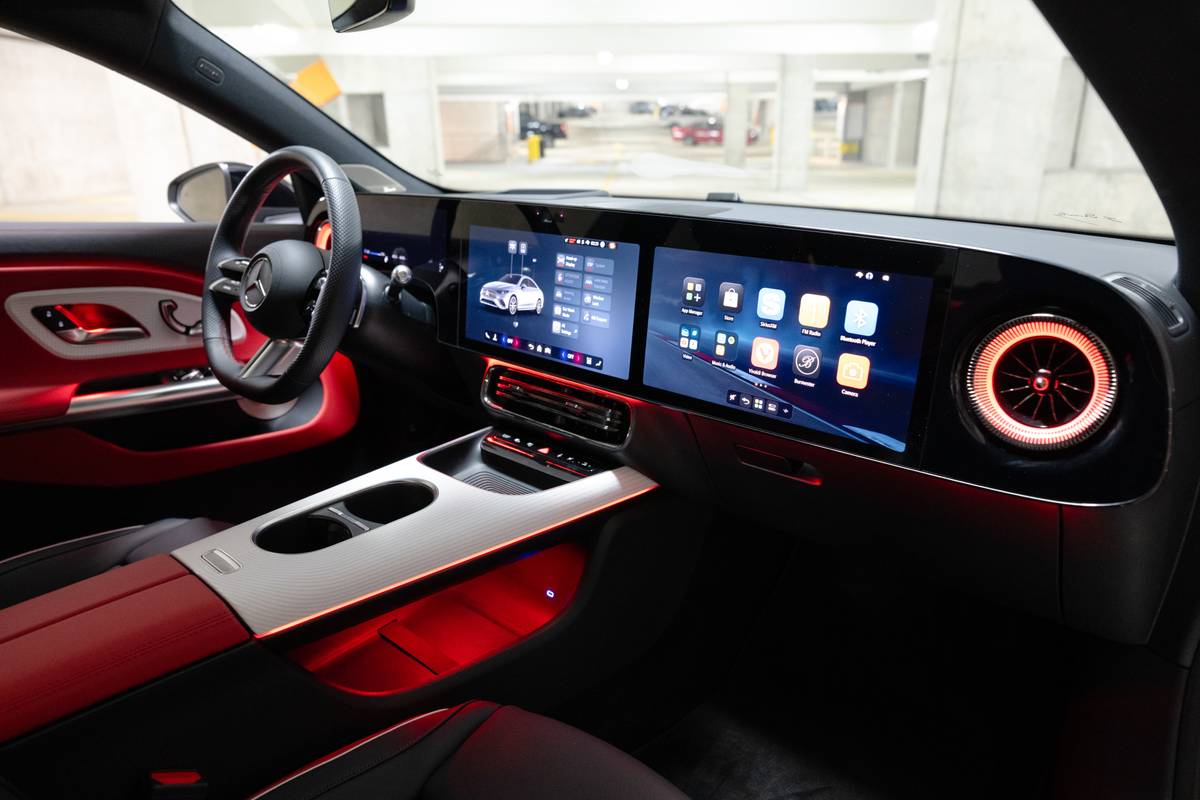
The new CLA’s interior design, however, is questionable. Mercedes-Benz is going all in on wild materials for the dash and door trim; it looks a little avant-garde now, but I wonder how well it will age. Most of the interior still feels cheap; tapping various panels reveals just how thin some of them are. This is presumably meant to keep costs and weight down given batteries are heavy, expensive components that comprise a lot of the cost of an EV for manufacturers.
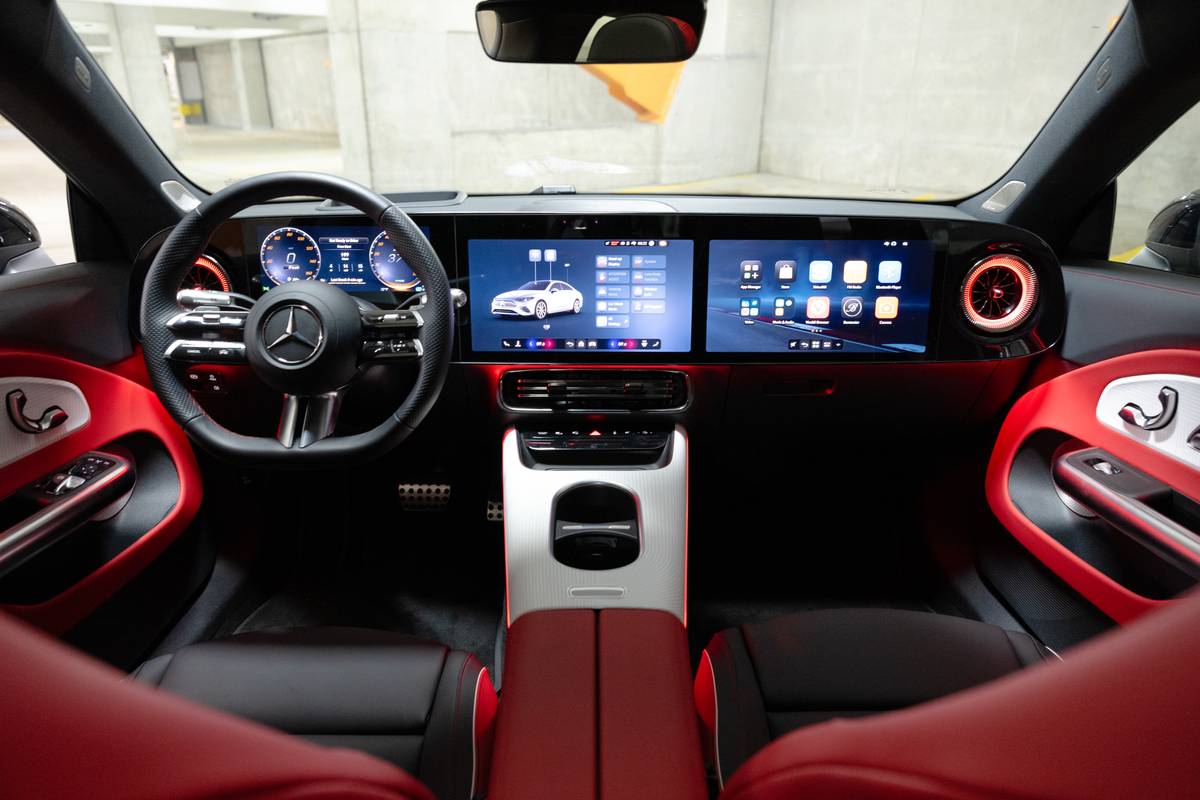
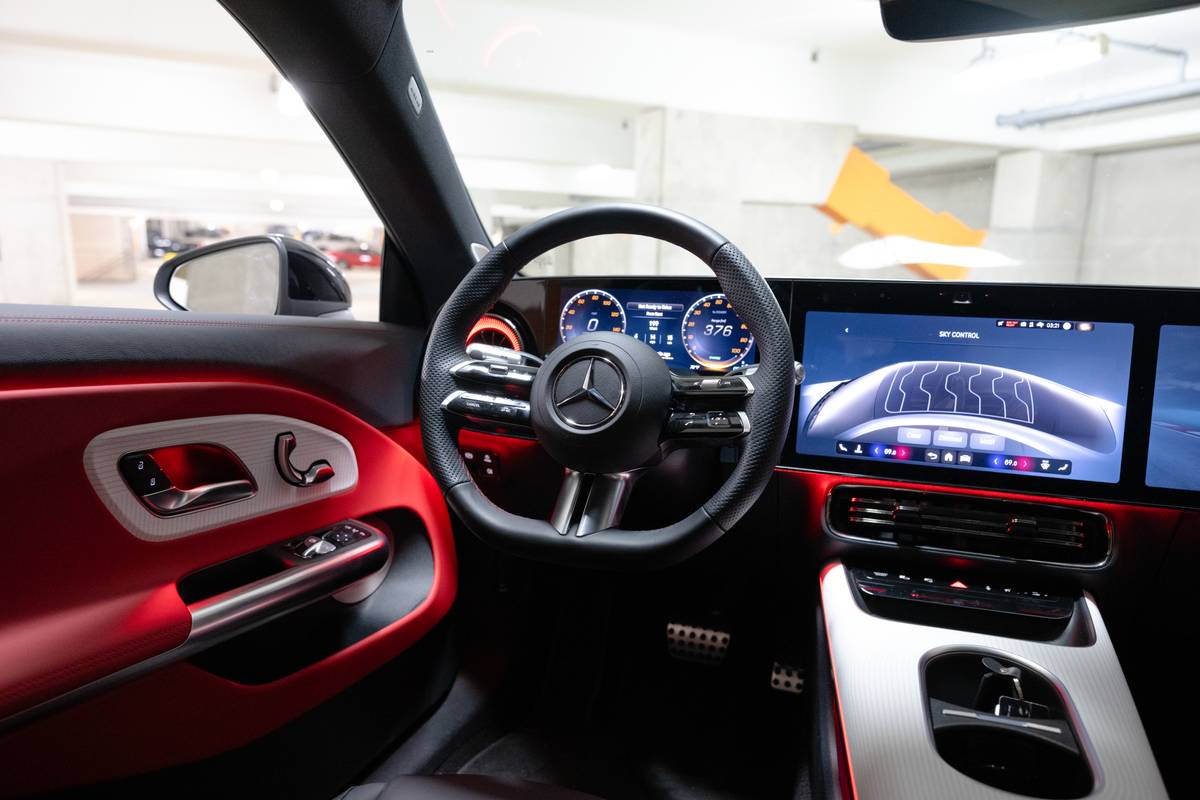
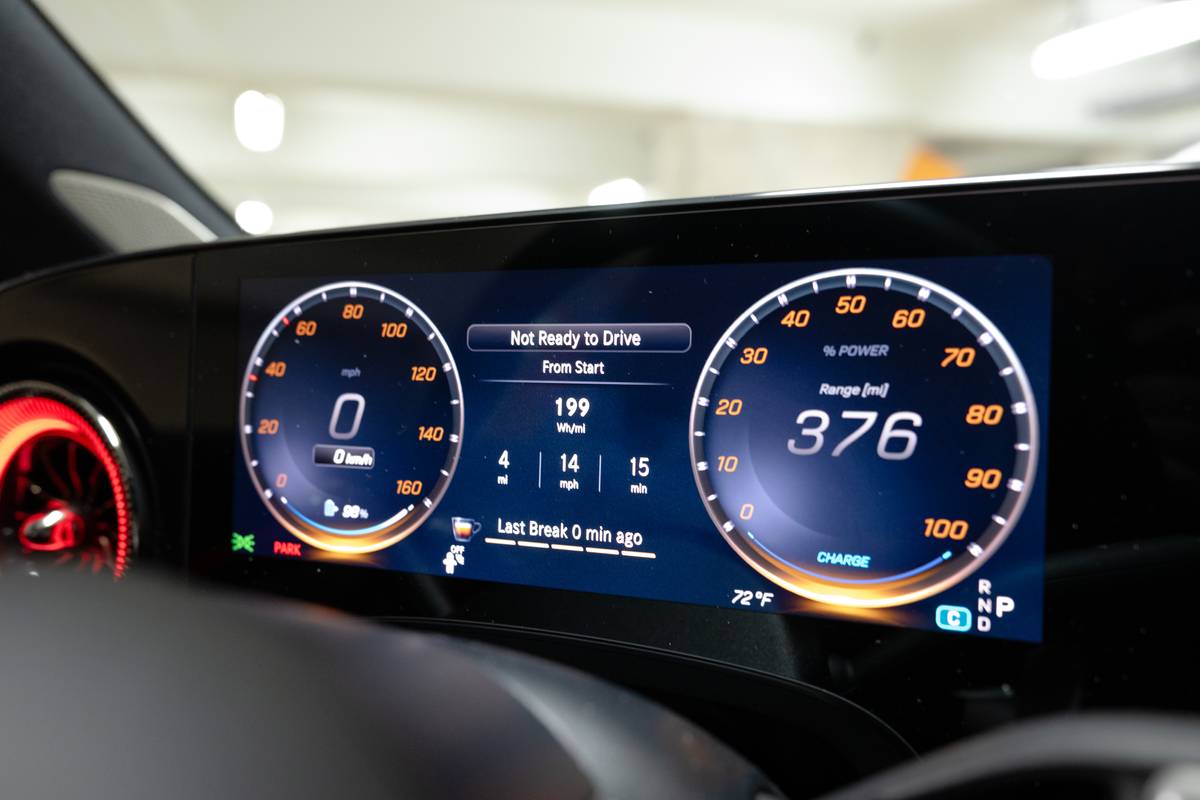
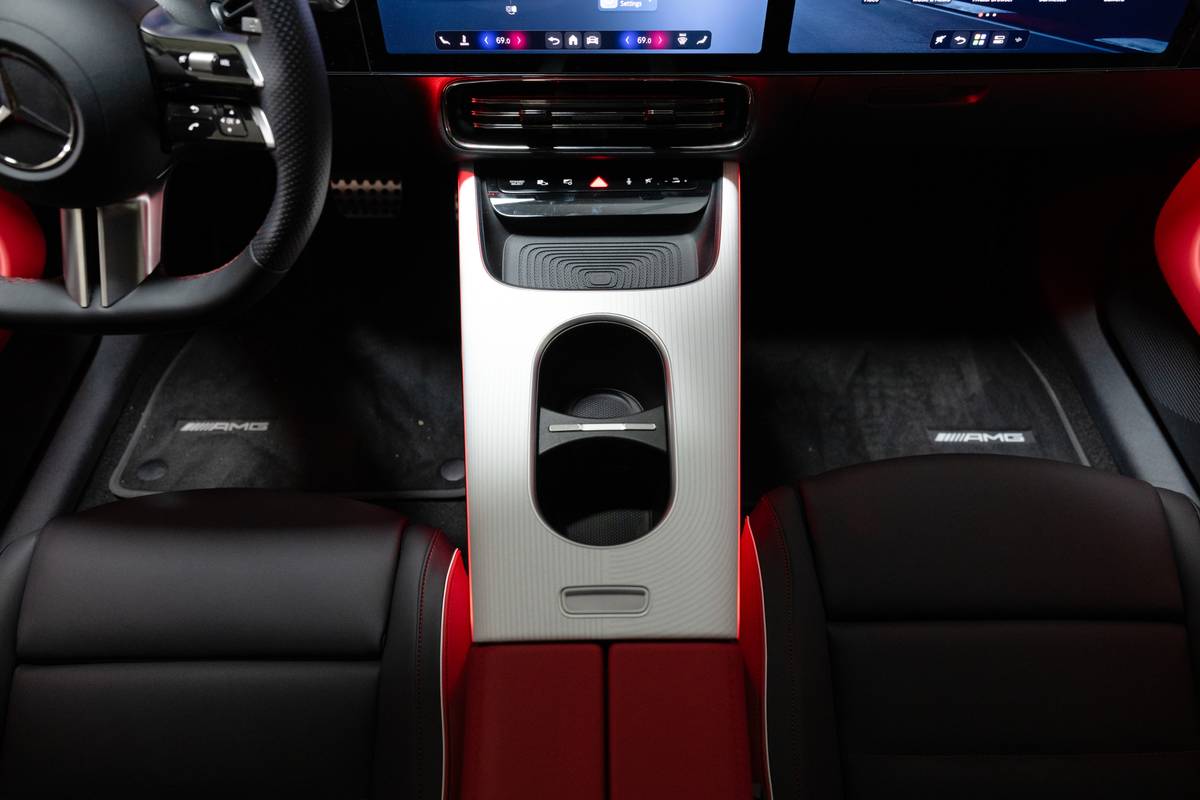
An optional pillar-to-pillar MBUX Superscreen in the CLA is made up of three screens: a display for the driver that includes gauges and vehicle information; a central touchscreen that controls ancillary systems like climate, audio, settings, navigation, etc.; and a passenger screen that’s the same size as the central touchscreen and duplicates most of what’s on that screen. This allows the front passenger to do just about everything the driver can do on the central screen. Interestingly, it’s not blacked out for the driver. Most other cars with passenger screens use a polarized display to avoid distracting the driver, but not the CLA. The usefulness of such a screen is still somewhat lost on us — don’t passengers use their phone for their own entertainment? But this approach does allow for additional customization, with various selectable themes that change the cabin environment. None of this feels especially luxurious, however, but rather like overly technologized gimmickry.
It would be better if the latest MBUX infotainment system were simpler or easier to use, but it’s not. All controls are now in the center touchscreen, including climate controls; doing anything in the car requires multiple touches of a screen that provides no tactile feedback, which is a trend that refuses to die despite customer distaste for it. The steering wheel does also have controls, but for some reason, Mercedes-Benz has removed most audio system controls from it — all you can do is adjust the volume.
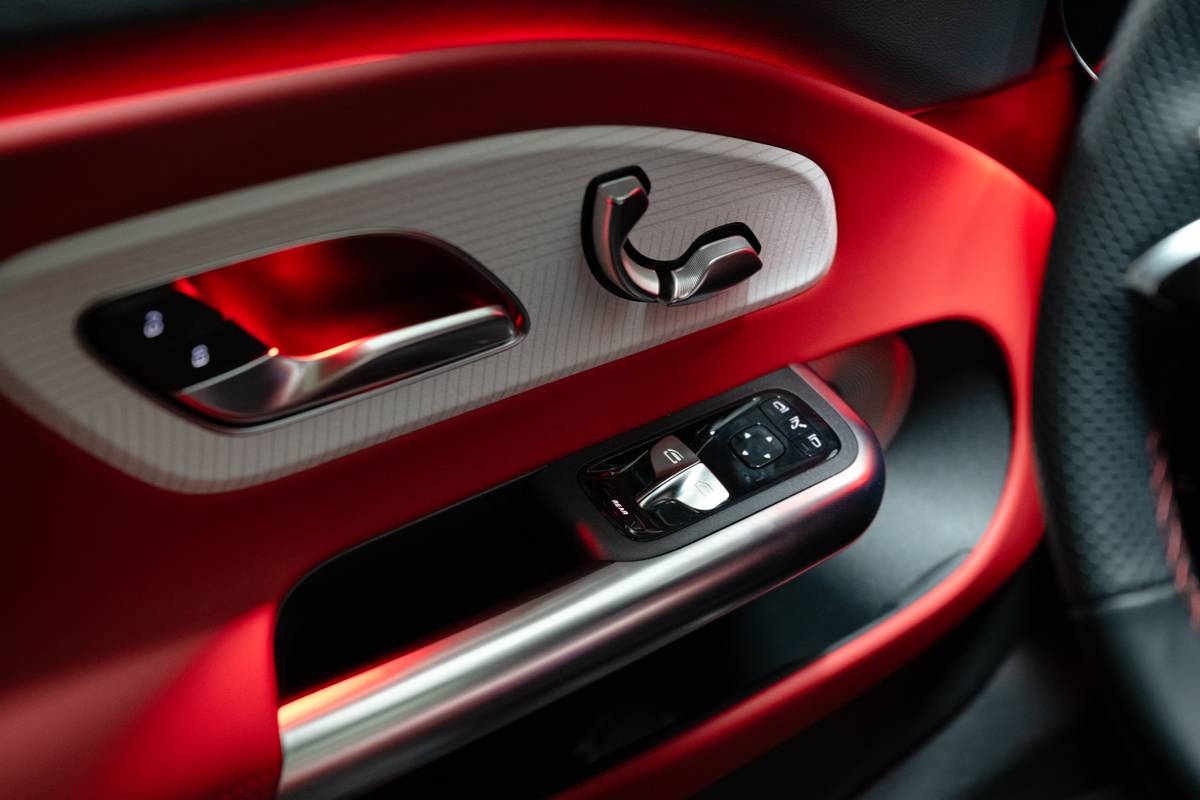
Other controls in the cabin are similarly unnecessarily difficult to use, such as the window switches on the driver’s door: There are only two for the car’s four windows. To operate the rear windows, the driver must first push a “rear” button next to the front window switches. Again, multiple touches for a simple function — likely in order to save money. Volkswagen recently tried this same approach in its EVs, and customer distaste was so great that VW went back to a four-switch layout. I don’t expect it to be any better received here.
Mercedes Fixed the Driving Experience
Once you’re settled and have figured out how the interior controls work, it’s time to set off — and this is where you’ll see the progress Mercedes-Benz has made on the EV front. The brand’s EQS and EQE sedans and SUVs always drove a little oddly. The brakes felt … unusual; the pedal would sometimes move itself in response to driving systems, and it felt a little unnatural. The new CLA, by comparison, feels far more natural and familiar: There are no odd acceleration quirks, no strange braking characteristics. It feels like a properly sorted small electric sports sedan, and that’s a welcome development.
Acceleration feels extremely quick and eager in the CLA250+ even with its single motor and considerably less than 300 horsepower. That’s true of most EVs thanks to the torque curve they come with, but the CLA feels quicker than its manufacturer-reported 0-60 mph time of 6.6 seconds. It also turns, stops and rides beautifully. It has an agility that I’ve really only experienced in Tesla EVs, but a ride quality that’s more Mercedes-Benz-appropriately luxurious. Whether you’re flying down back roads, cruising at interstate speeds or navigating urban stop-and-go traffic, the electric CLA’s newfound normalcy is excellent.
Its range is also quite impressive. The official rating for this car is an excellent 374 miles, but with moderate driving, my test vehicle routinely showed significantly more than 400 miles of range on a full charge. I wasn’t able to fully empty the battery in my time with it, but the CLA consistently displayed better-than-rated range regardless of driving style or conditions. Overdelivering on range is a surprise-and-delight feature that I can get behind, and it’s a trait that previous Mercedes EVs I’ve tested have also exhibited.
A Solid Triple, But Not a Home Run
The second generation of Mercedes-Benz EVs is a definite improvement, with better functionality, superior driving dynamics, a more familiar feel to everything, and outstanding range and charging. It’s even competitively priced … for the most part. My test vehicle’s starting price of $49,400 ballooned quickly with options, bringing its as-tested price to $62,880 (with destination) — far less of a screaming deal than where it started. I’d assume most of these cars will be leased, though, making that price potentially more palatable. With other next-generation EVs starting to appear, though — including the new BMW i3 — the competition is about to get even more fierce.
More EV News From Cars.com:
- Mercedes-Benz Debuts All-Electric 2026 CLA With EQ Technology
- Mercedes-Benz EVs to Access Tesla Supercharger Network in February
- Electric Cars With the Longest Range
- 2024 Mercedes-EQ EQS450+ Sedan Review: Not Quite an Electric S-Class
- How Do Car Seats Fit in a 2024 Mercedes-EQ EQS450+ Sedan?
Cars.com’s Editorial department is your source for automotive news and reviews. In line with Cars.com’s long-standing ethics policy, editors and reviewers don’t accept gifts or free trips from automakers. The Editorial department is independent of Cars.com’s advertising, sales and sponsored content departments.