







What Car Shoppers Need to Know
- The Chevrolet Equinox EV is more than capable of going on a road trip provided the route offers charging infrastructure and you’re prepared to be patient.
- Keep an eye out for Equinox EV incentives directly from parent company GM.
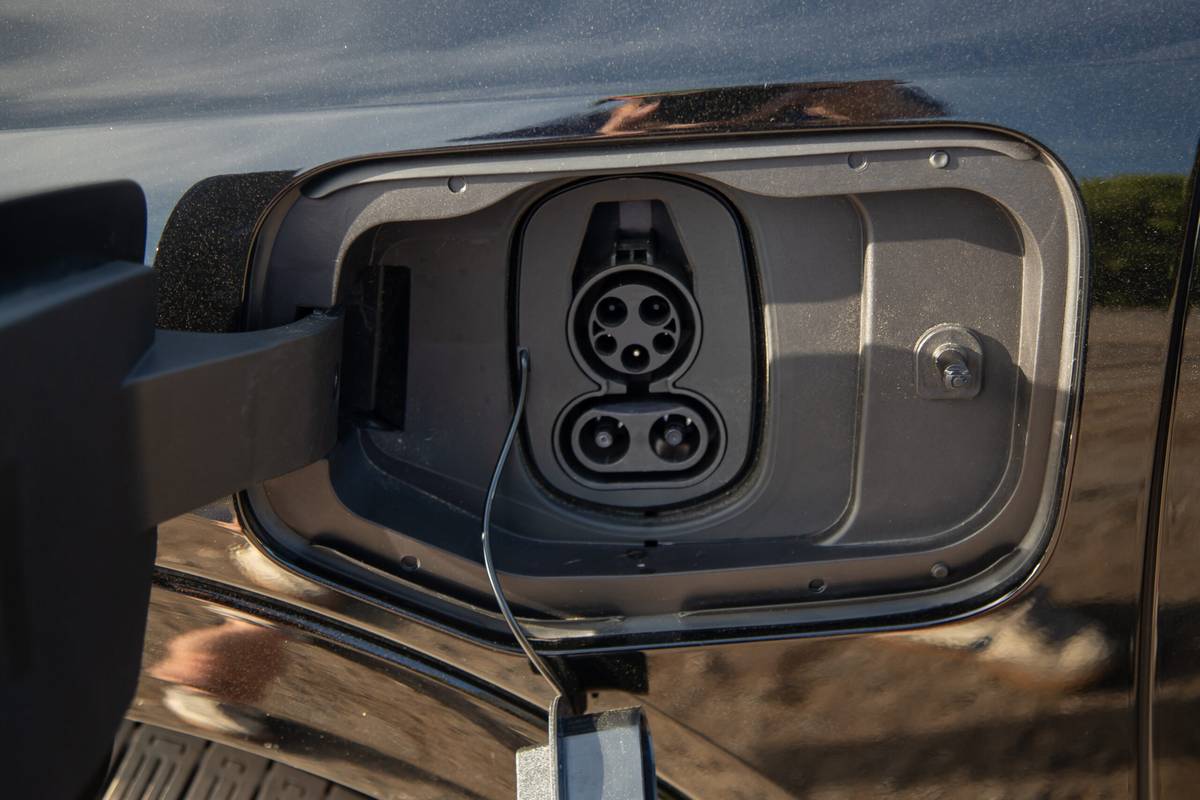
- A 150-kilowatt peak DC fast-charge rate is the minimum acceptable for road trips, and the Equinox EV (technically) delivers.
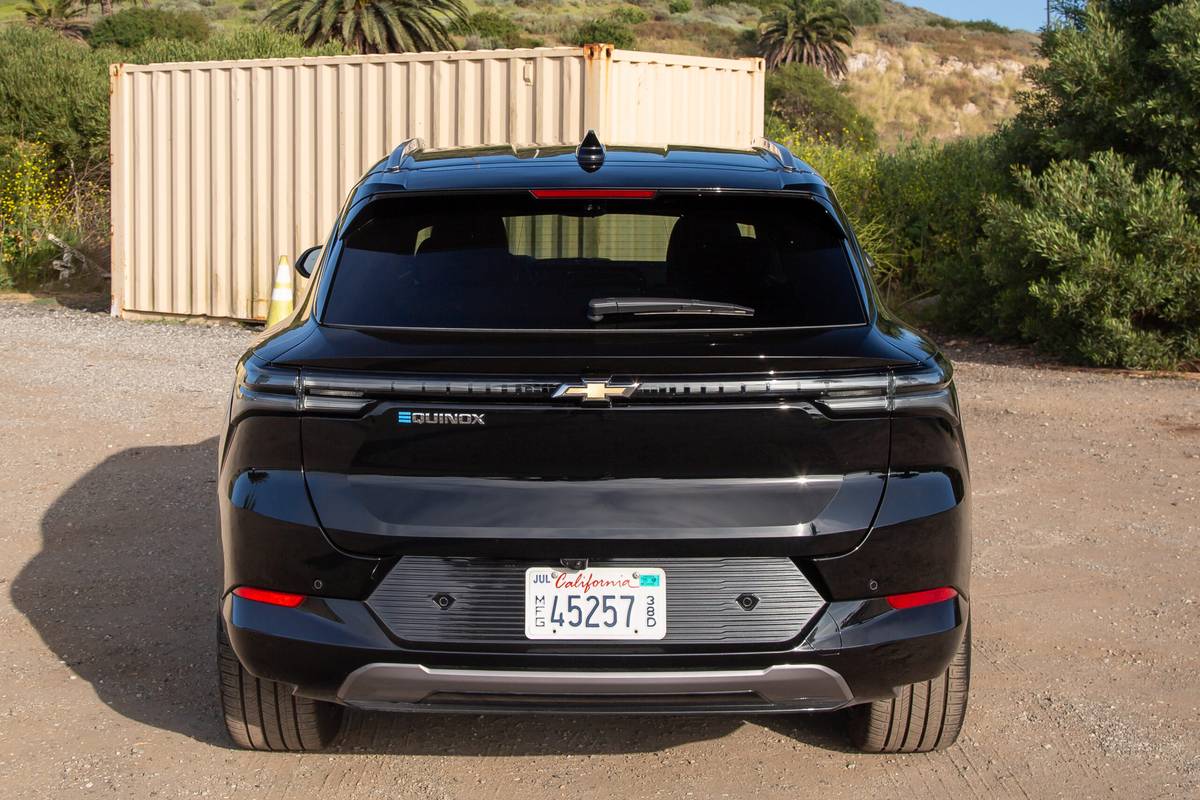
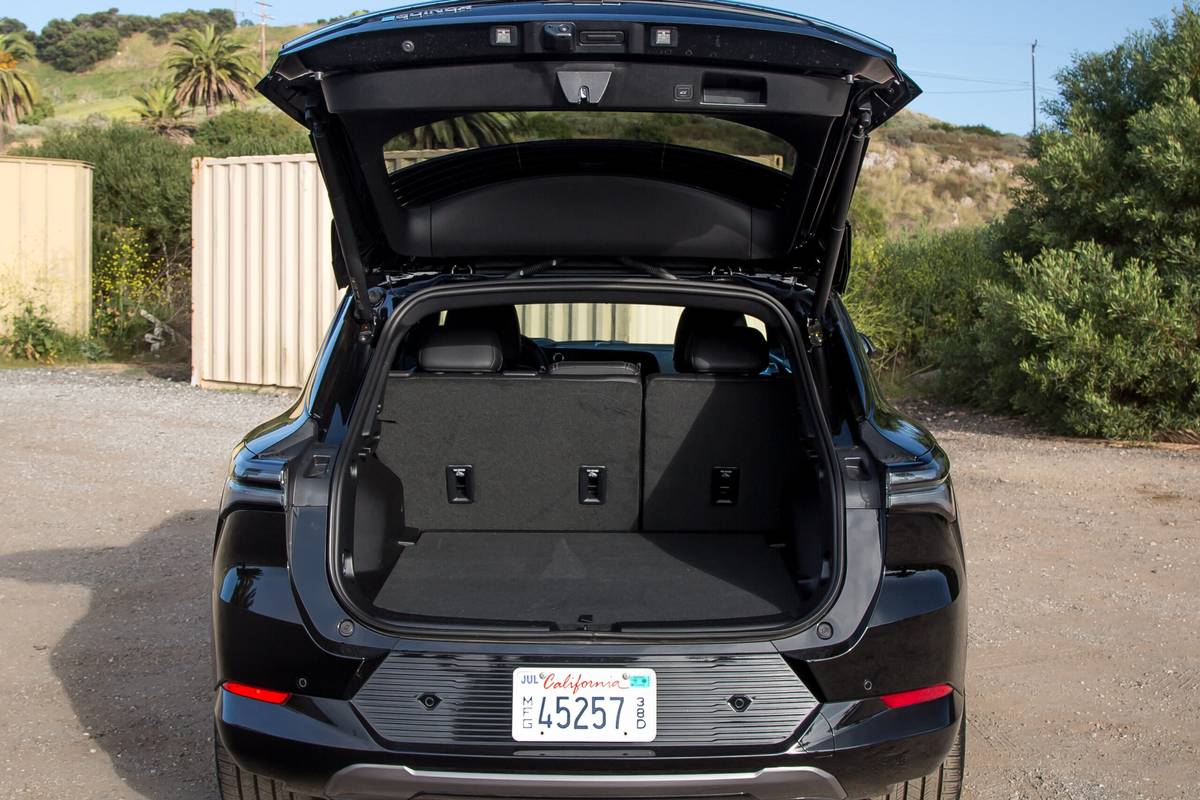
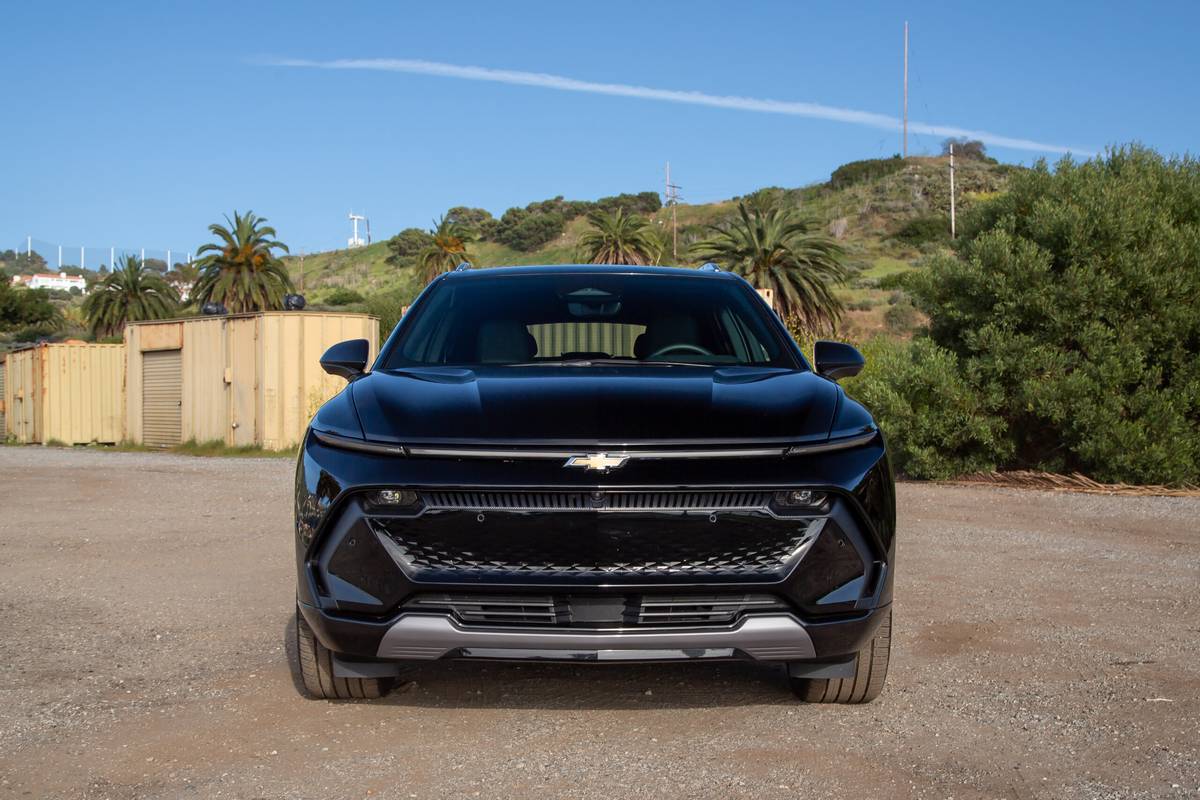
For most car shoppers, the Chevrolet Equinox and its competitors are no-brainer purchases. Need a compact SUV for pretty much any purpose — commuting, kid hauling, shopping, airport runs, cross-country road trips? Stop by your local Toyota RAV4/Subaru Forester/Nissan Rogue dealer or nab a new Honda CR-V/Mazda CX-5/Hyundai Tucson in your choice of color and trim, and don’t fret as long as the price starts with a three or a four. But the 2026 Chevrolet Equinox EV? That’s a part-brainer purchase. Does your home have a Level 2 charger? What’s your commute like? Do you take many road trips? Can you afford to spend $50,000-plus? These aren’t questions I can answer for you, but I did take Chevy’s bread-and-butter electric SUV on a roughly 650-mile round-trip blast from L.A. to Pahrump, Nev., and I can tell you how that went.
Related: How Much Is the 2026 Chevrolet Equinox EV?
Spoiler alert: It wasn’t a great experience, but that was more a symptom of the system, route and driver than the Equinox EV itself. For drivers who will primarily use this zippy Chevy within a 75-mile radius of home, it’s a fine choice. If you have home charging, it’s likely to prove a not-insignificant lifestyle improvement over a standard crossover with an internal combustion engine. Like the majority of current-gen EVs, it’s a quiet, smooth, somewhat-premium driving experience that has a leg up in terms of refinement and materials over its gas counterpart.
The Equinox EV’s price certainly reflects those improvements, but I’ll talk about that later. After an uneventful but enlightening road trip in a Kia EV9 from L.A. to Las Vegas a couple of years ago, I immediately issued a moratorium on road tripping in any EV over a distance that would require more than a single 80% fast charge of the battery. It’s not that EV road trips are bad, it’s that they’re a bit annoying and require more planning, foresight and personal moderation than I prefer.
What’s the Range of the Chevrolet Equinox EV?
- Takeaway: The single-motor Equinox EV’s EPA-rated range is 307-319 miles depending on powertrain configuration.
Depending on the chosen route, it’s 288-325 miles from my southern Los Angeles apartment to Pahrump, which averages out to nearly match the EPA-rated 319-mile range of my front-wheel-drive single-motor Equinox EV LT 2 test car. Great, I guess; a charge at the halfway point was an absolute guarantee, not just because I like to play things safe (which I do), but because that EPA-rated range is highly idealized. Estimated ranges are more of a general average than a gospel figure, achieved through regular commuting and normal highway driving. What they don’t necessarily account for is the range-sucking 5,200-ish feet of elevation gained between my sea-level apartment and the peak height of my route to the 2,700-foot elevation of Pahrump. Also affecting an EV’s range is the use of air conditioning and accessories, both of which were genuine requirements as I cut through Death Valley: The famously hot patch of the Mojave Desert spun my dash thermometer until it hit 106 degrees Fahrenheit — in March!
There’s also the matter of the goof behind the keyboard (and steering wheel). When testing cars, I drive them as I would if they were mine; I zip around in wheezy four-cylinder SUVs like they’re rally cars and drive trucks like they’re Mini Coopers. I don’t try to preserve fuel economy for the sake of a good story … so you can see where this is going. Venturing far beyond your home turf in the typical EV requires mindfulness that I don’t enjoy, and the Equinox EV didn’t make it any easier.
Expert Rating: 7.2/10
- Powertrain: 7/10
- Ride quality: 7/10
- Driver comfort: 8/10
- Passenger comfort: 7/10
- Interior quality: 7/10
- User interface: 9/10
- Cargo space: 8/10
- Value: 6/10
- Overall appeal: 7/10
- Driving range: 8/10
- Charging speed: 6/10
- Efficiency: 6/10
What’s the Difference Between the Single- and Dual-Motor Chevrolet Equinox EV?
- Takeaway: The single-motor Equinox is FWD and has 220 horsepower and 243 pounds-feet of torque, while the all-wheel-drive dual-motor version boosts power to 300 hp and torque to 355 pounds-feet.
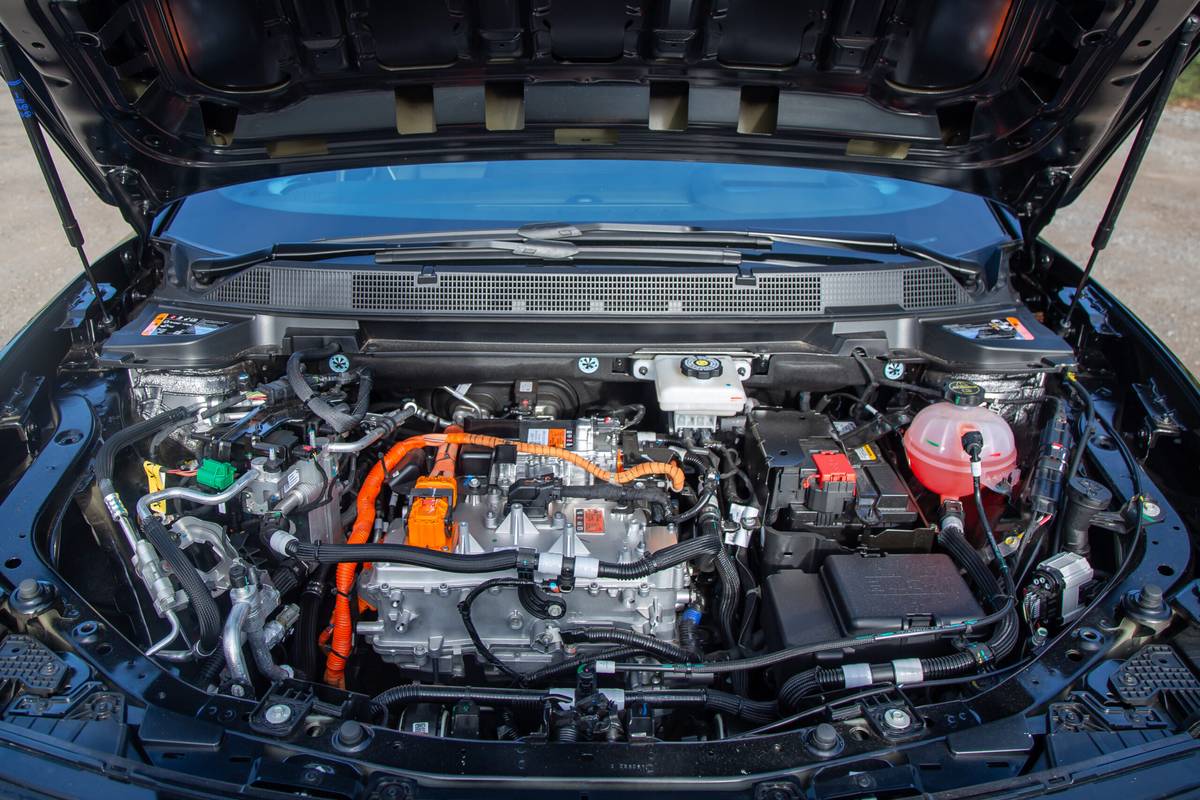
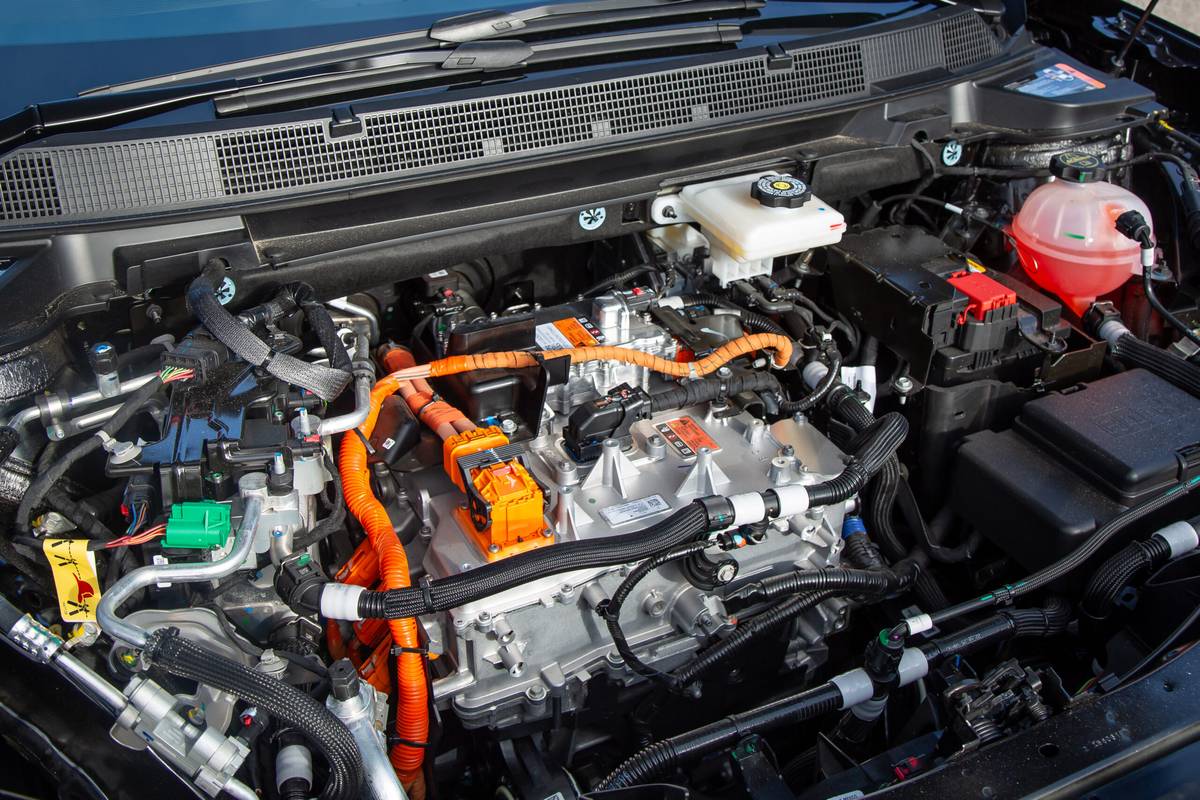
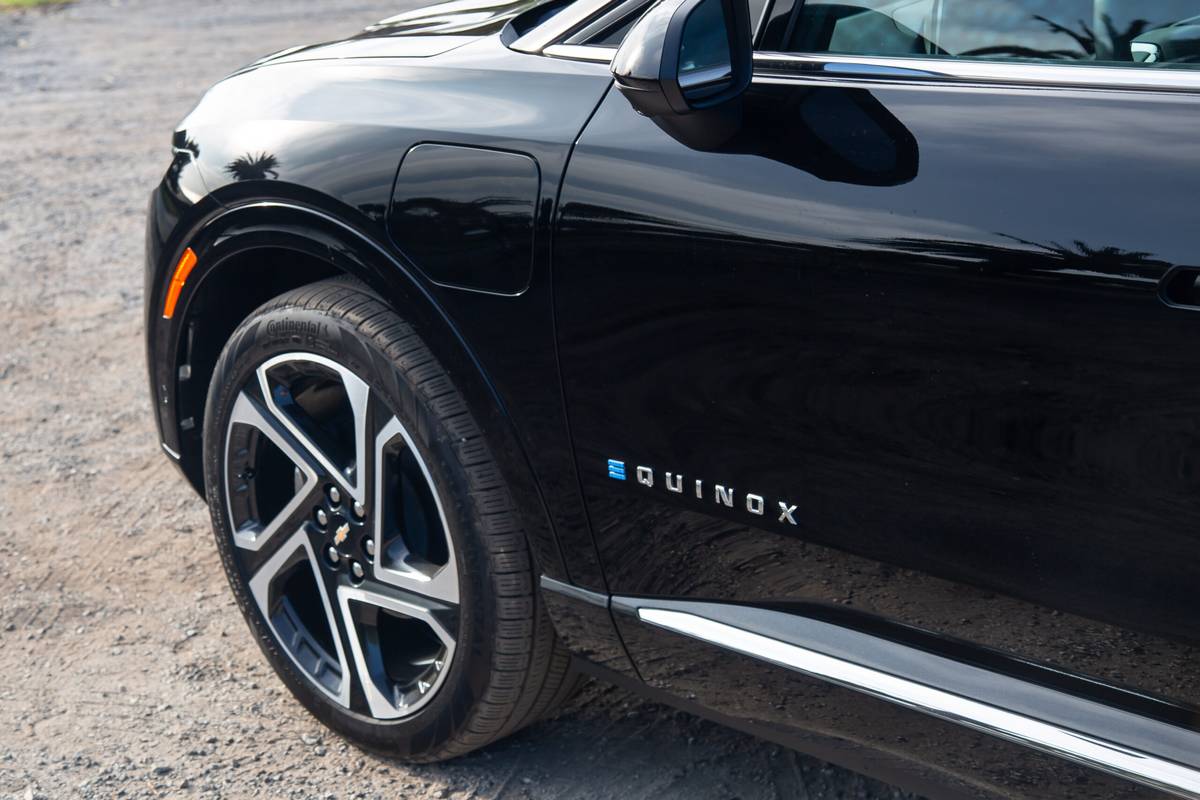
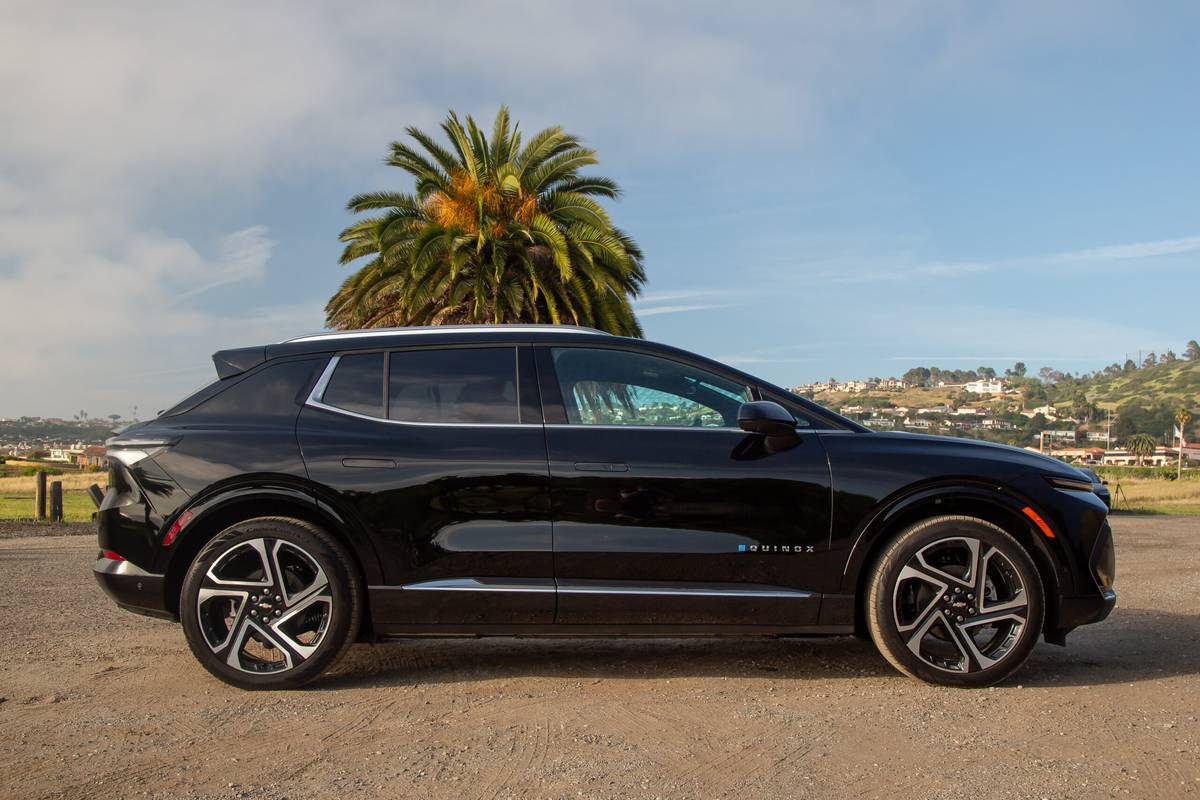
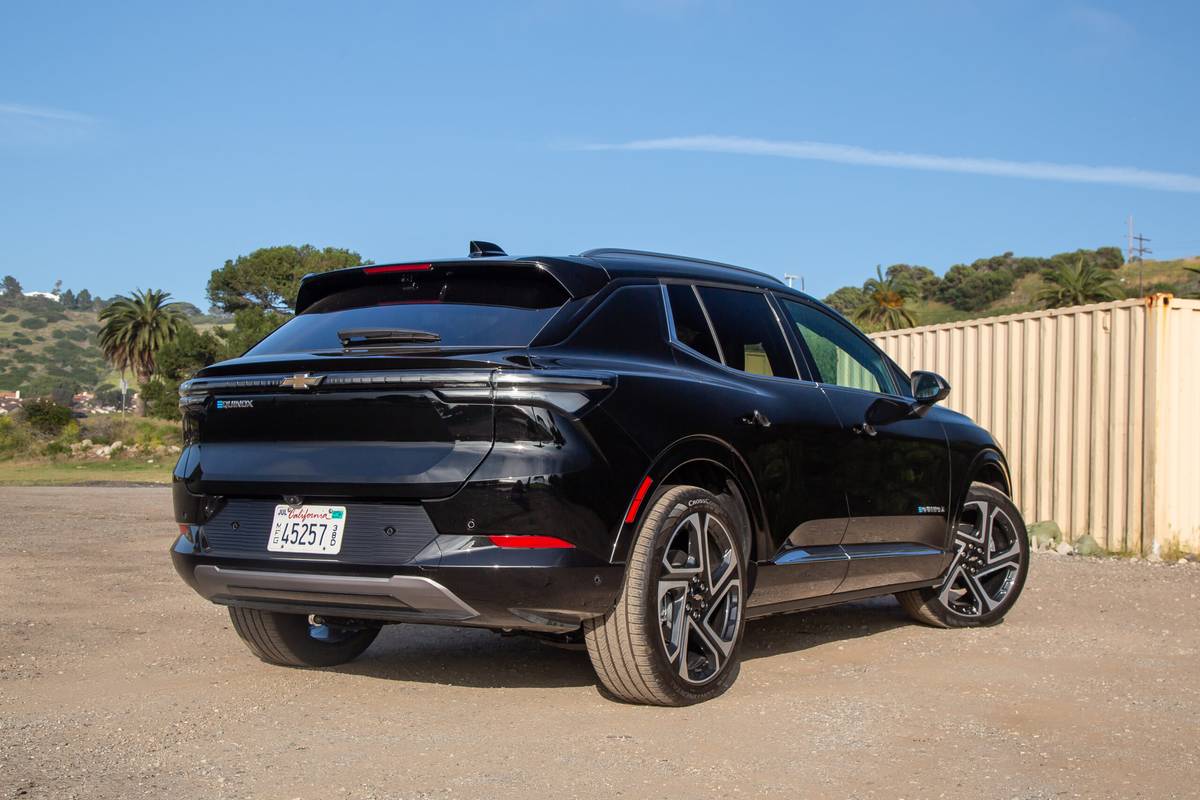
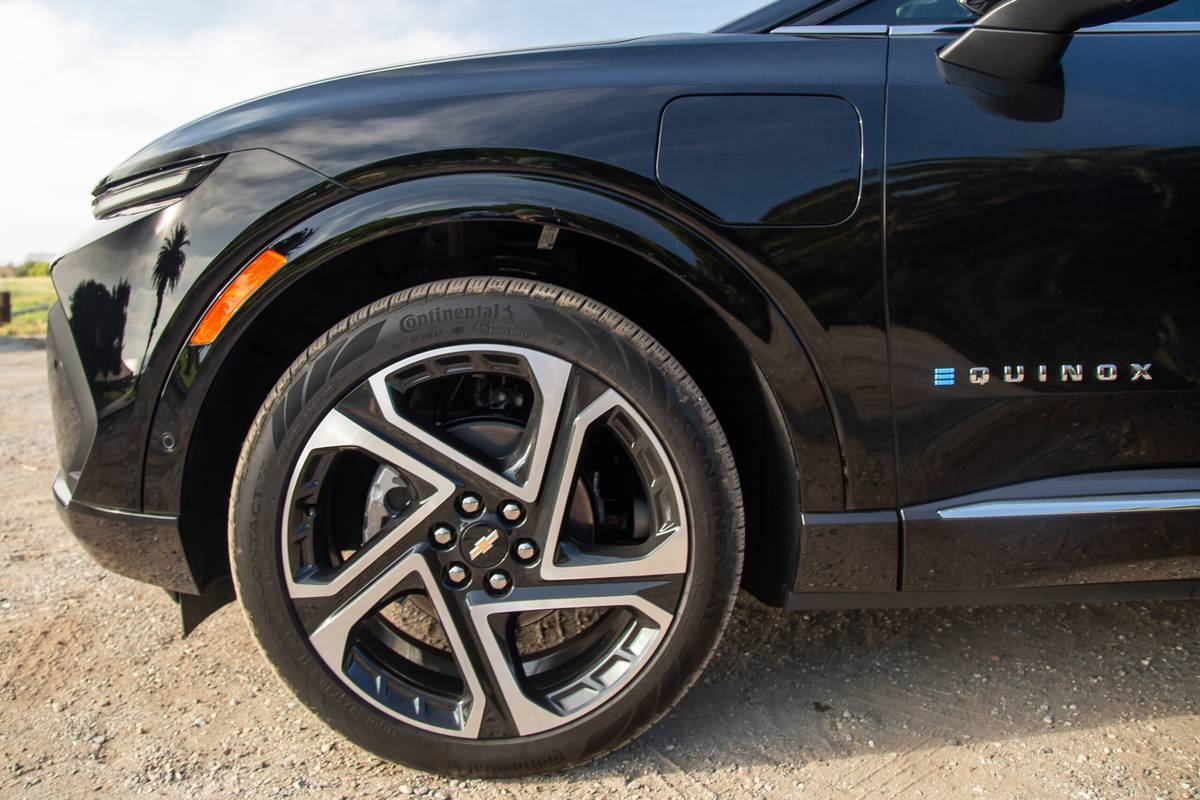
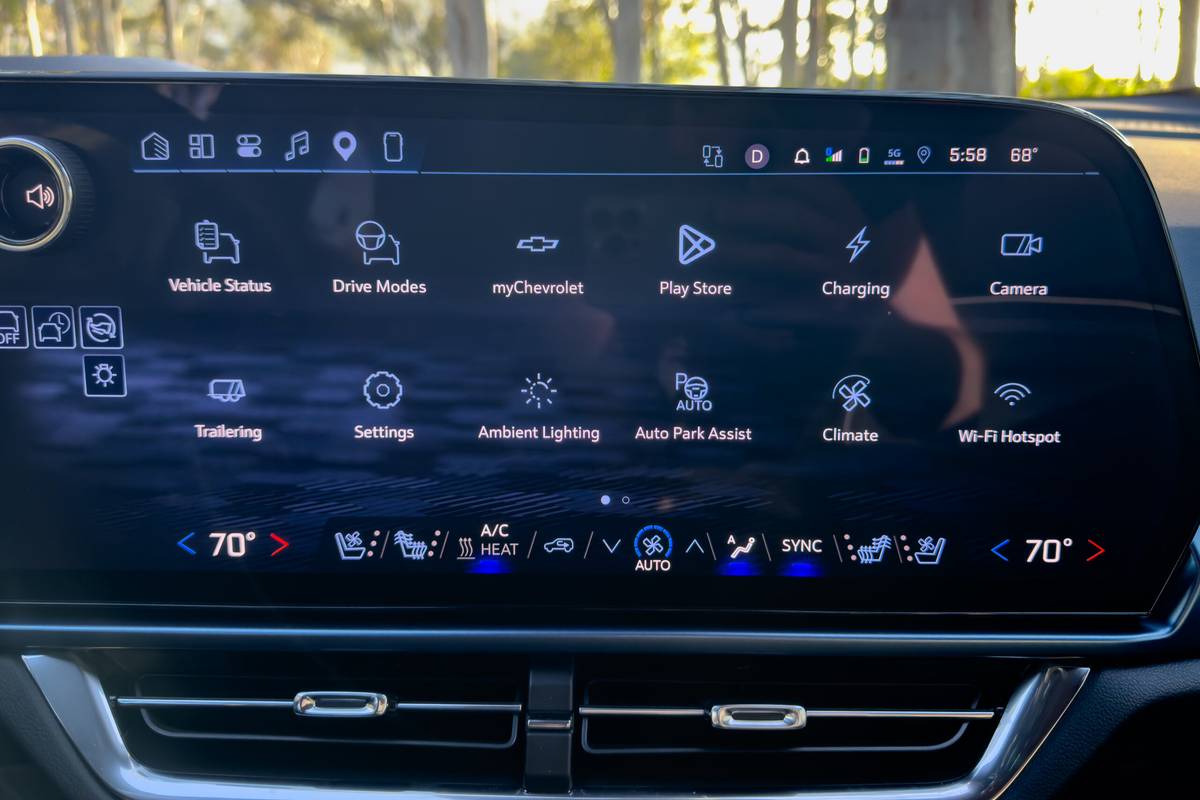
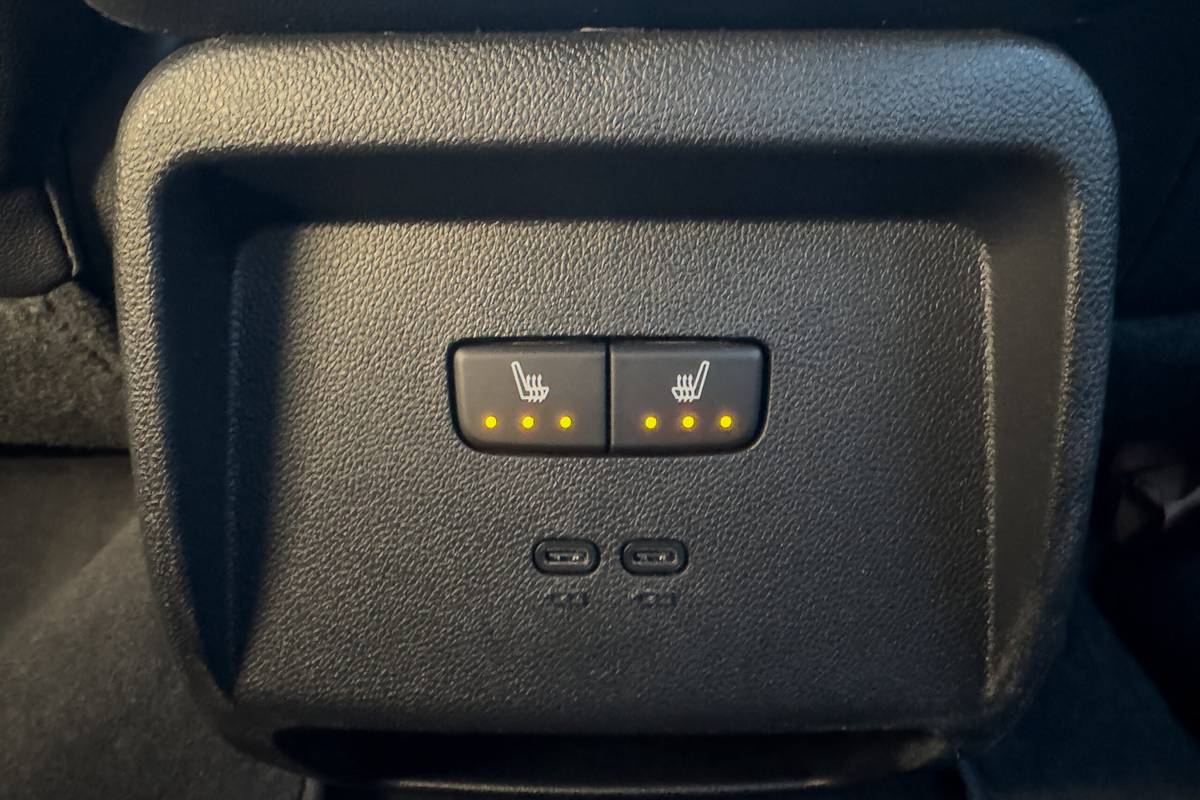
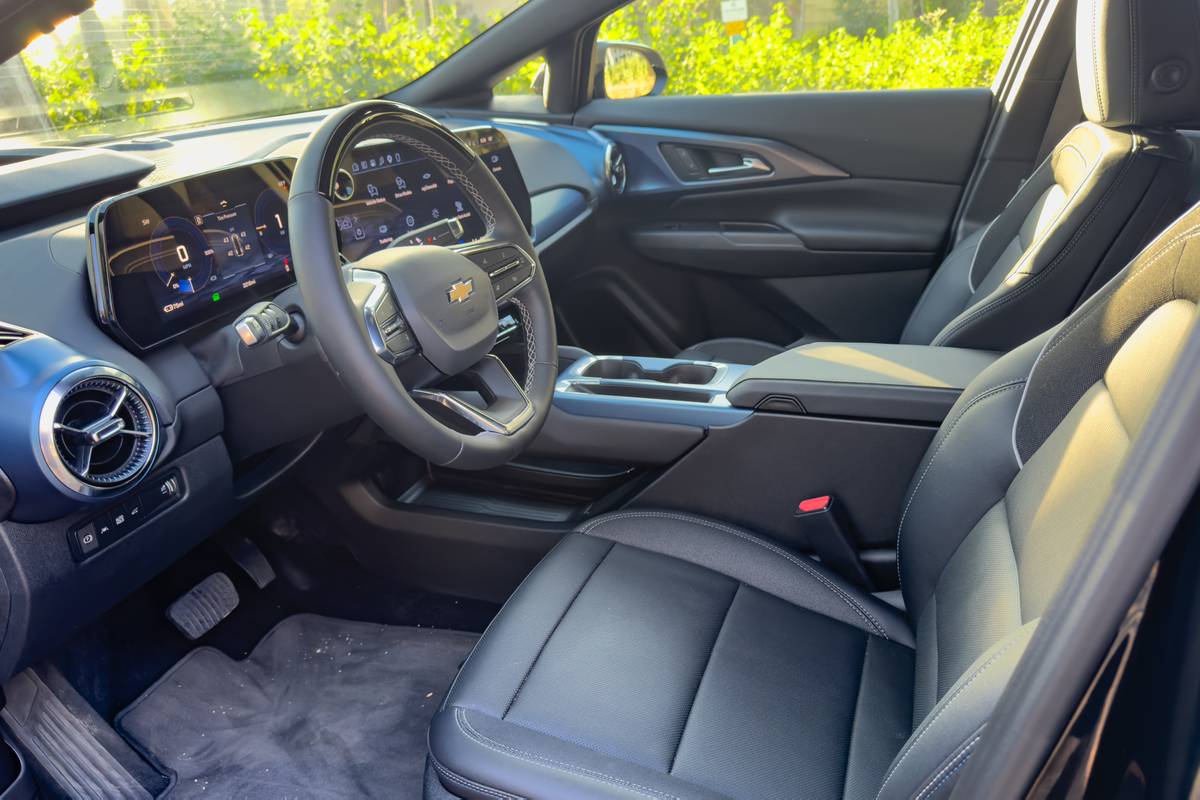
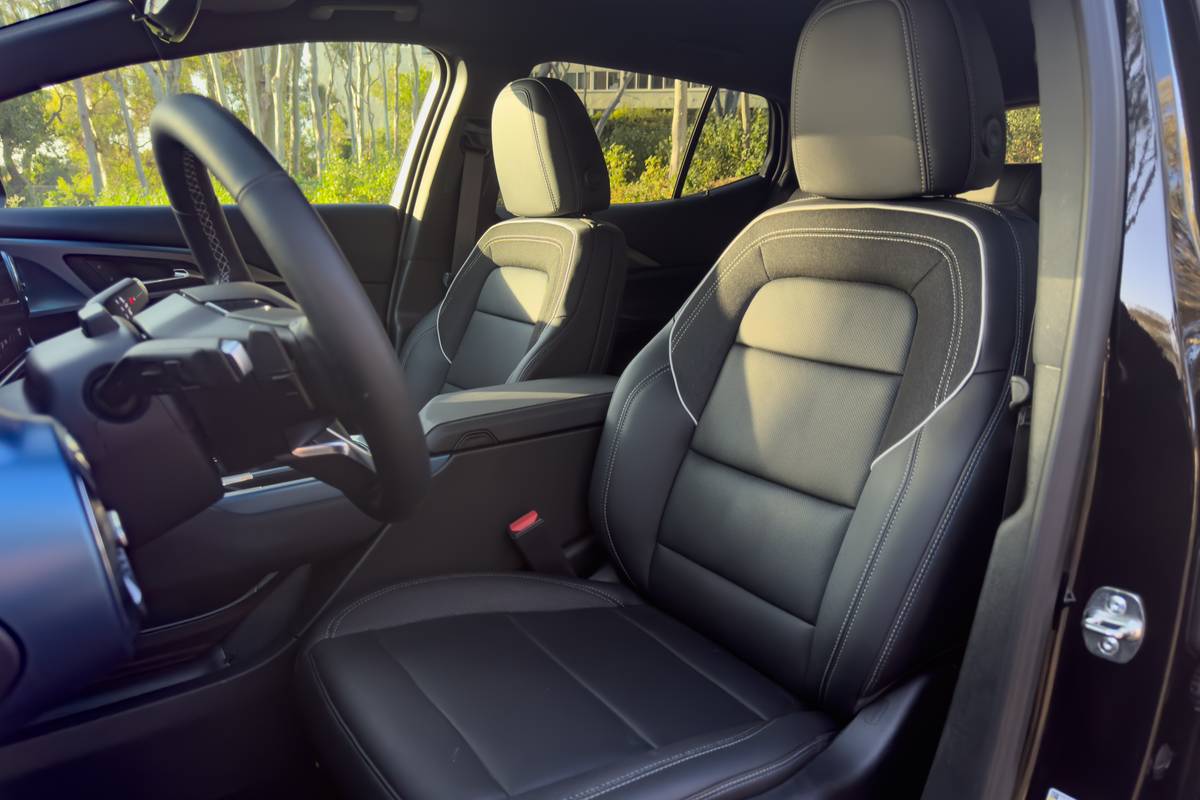
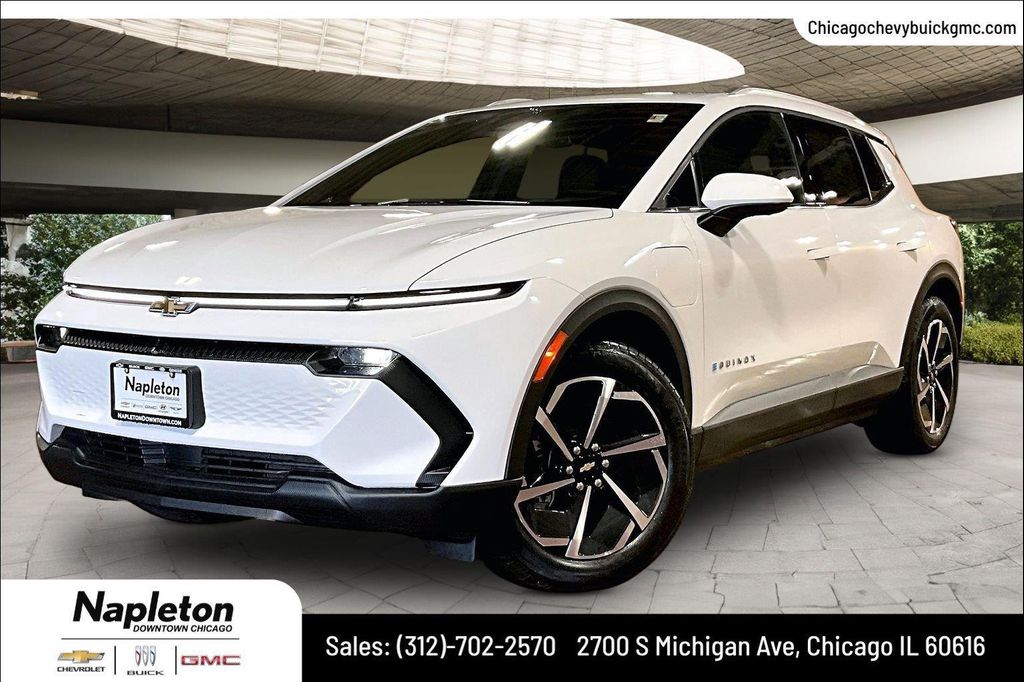
Lemme get all my raw drive impressions out of the way first: The Equinox EV stops, steers and scoots beyond the needs of anyone short of a driving enthusiast, and it has a fine, firm ride and a quiet composure that a gas-powered Cadillac would struggle to match. I also enjoyed Chevy’s infotainment system with Google Built-In and its available Super Cruise hands-free driving system and ventilated front seats. I also think this SUV looks rather sharp; it’s an aesthetic and utilitarian improvement over the (still good!) Chevrolet Blazer EV. The 220 hp and 243 pounds-feet of torque from the base Equinox EV’s single front-mounted motor is enough, but I found myself matting the accelerator to merge, pass and climb mountain grades, so keep that in mind if you frequently find yourself in rural or alpine environments.
The biggest annoyance in this EV was easily its baked-in off-pedal regenerative braking that doesn’t allow for coasting, as you can in most EVs. In Normal drive mode with the one-pedal driving function toggled entirely off, lifting off the accelerator sees up to 25% regenerative resistance (per the SUV’s regen readout), cutting speed as if you were moderately dragging the brakes. I found this fatiguing; the Equinox EV’s regen proved too aggressive even for my trip down the mountain — at essentially no point was I able to coast. I found myself constantly oscillating between my desired speed and some 10 mph below that number. The solution is to lean on GM’s excellent Super Cruise hands-free driving tech, but doing so cut into my range so severely that I felt it necessary to charge twice en-route to my destination.
What Affects the Range of EVs?
- Takeaway: Driving uphill, air-conditioning use, cruise control and highway speeds degrade driving range.
Baker, Calif., serves as a gateway to Death Valley and the two-thirds point of my road trip. Its combo Electrify America and sprawling Tesla Supercharger station is a natural recharge point for essentially anyone shuttling an EV from L.A. to Vegas, and I assumed the Equinox’s rated 319-mile range would be perfect for the 200-mile journey from my front door to Baker. Nope. As I entered the outskirts of Barstow some 140 miles into my journey, the built-in range estimate on Google Maps predicted I’d roll into Baker with 5% battery remaining. Too close for my comfort, so I opted to charge the battery to 90% at an Electrify America station at a Walmart, hoping I could bypass Baker and shoot straight for Pahrump. Wrong again! Thanks to air conditioning, elevation and a cruising speed between 65 and 80 mph, the SUV now projected a landing in Pahrump with 15% battery after the remaining 150 miles. I stopped in Baker for a second and final charge. Now, in defense of the EV road trip, a 15- or 20-minute DC fast-charge session is not that big of a deal. I find the typical routine of stretching, going to the bathroom and stocking up on snacks kills the majority of the wait, and it genuinely serves as a refreshing break. But those numbers assume a working charger and a mild climate; I had the working charger, but temps in Baker hovered close to 90 degrees Fahrenheit, necessitating sitting in the air-conditioned Equinox EV while it kept charging after my break was handled.
I consider the Equinox EV’s max 150-kW DC fast-charge rate to be the minimum acceptable rate for road trips; Chevy says a 10%-80% charge will take 35-40 minutes. But remember, that’s in ideal conditions; I believe my use of air conditioning while charging zapped my rate down to 50 kW on account of the cooling system working overtime to balance charging temps and my A/C use. No good. Once I realized I’d killed my charge rate with another 30% to go before reaching 80%, I turned the car off and lounged in the stuffy shade. The damage was done, however, with my charge rate only climbing back to a 75-80 kW flow for the remainder of the session and extended the total charge time closer to 40 minutes against the planned 20 minutes. After sifting through internet chatter, I’ve learned this scenario is reported to happen only occasionally and in specific environments. Could it have also been the charger? Sure, but only a third of the Electrify America station was in use, and the car hummed along at 115-150 kW prior to my turning on the A/C. Minus the air-conditioning fiasco, the same scenario occurred for my trip home a few days later. Even after charging in Pahrump the night before, a charge in Baker was followed by a charge in Victorville, Calif. — where the chargers mustered a peak of only 75 kW. Please consider this less of an indictment of the Equinox EV and more a state of the union on the EV road trip. Yes, your mileage and charge experience will vary drastically depending on the route, region and season, but consider this a warning against a one-EV-fits-all approach to your lifestyle. My main gripe fell to the Chevy’s 150-kW peak fast-charge rate; if its peak rate had been in the 200-250-kW range, I’d have been fine with the apparent A/C vampirism dropping it to 125 or 150 kW instead of a piddling 50 kW.
What Is the Base Price of the 2026 Chevrolet Equinox EV?
- Takeaway: Prices start at $36,795 for the base single-motor 2026 Equinox EV (including destination fee).
Pricing! All right: A base Equinox EV LT 1 stickers for $36,795 including destination fee but not any incentives. We rarely mention incentives in our reviews given their temporary nature, but my single-motor test car stickered at an eye-watering $50,250 with options. Even considering the $6,000 worth of active-safety and convenience packages it included, that is, in my opinion, a bit much for what you get. It’s a little reductive, but the LT 2 I drove felt more like a low-$40,000 car than a $50,000 car.
When I tested this SUV back in March, Chevy had close to $7,000 on the hood of the Equinox EV, according to the brand’s configurator. Those incentive numbers are sure to change, but they made this vehicle significantly more intriguing. As of this writing, however, GM is offering just $1,000, and only on LT 2 and RS trims. Available incentives can significantly change the value equation, so know they very well may be greater toward the end of the year. That’s my ultimate takeaway from 750 or so miles in a 2026 Chevrolet Equinox EV. Shop smart, assess your needs, get a home charger, and make sure you don’t take a whole lotta road trips. And when you do, I suggest renting a Suburban. Or perhaps a gas-powered Equinox?
Related Video:
We cannot generate a video preview.
Cars.com’s Editorial department is your source for automotive news and reviews. In line with Cars.com’s long-standing ethics policy, editors and reviewers don’t accept gifts or free trips from automakers. The Editorial department is independent of Cars.com’s advertising, sales and sponsored content departments.