






2026
Hyundai VENUE

Starts at:
$20,550
Shop options
New 2026 Hyundai VENUE
See ratings
Consumer rating
Owner reviewed vehicle score
Safety rating
NHTSA tested vehicle score
Consumer rating
Owner reviewed vehicle score
Safety rating
NHTSA tested vehicle score
Shop the 2026 Hyundai VENUE
Browse cars & save your favorites
Dealers near you
Find & contact a dealership near you
Listings near 43287
Change location See all listings

Available trims

See the differences side-by-side to compare trims.
  • SE FWD
    Starts at
    $20,550
    MPG
    29 City / 33 Hwy
    Seat capacity
    5
    Engine
    Regular Gasoline I-4
    Drivetrain
    Front Wheel Drive
    Shop this trim See all specs
  • SEL FWD w/Two-Tone Roof
    Starts at
    $22,600
    MPG
    29 City / 33 Hwy
    Seat capacity
    5
    Engine
    Regular Gasoline I-4
    Drivetrain
    Front Wheel Drive
    Shop this trim See all specs
  • SEL FWD
    Starts at
    $22,825
    MPG
    29 City / 33 Hwy
    Seat capacity
    5
    Engine
    Regular Gasoline I-4
    Drivetrain
    Front Wheel Drive
    Shop this trim See all specs

Photo & video gallery

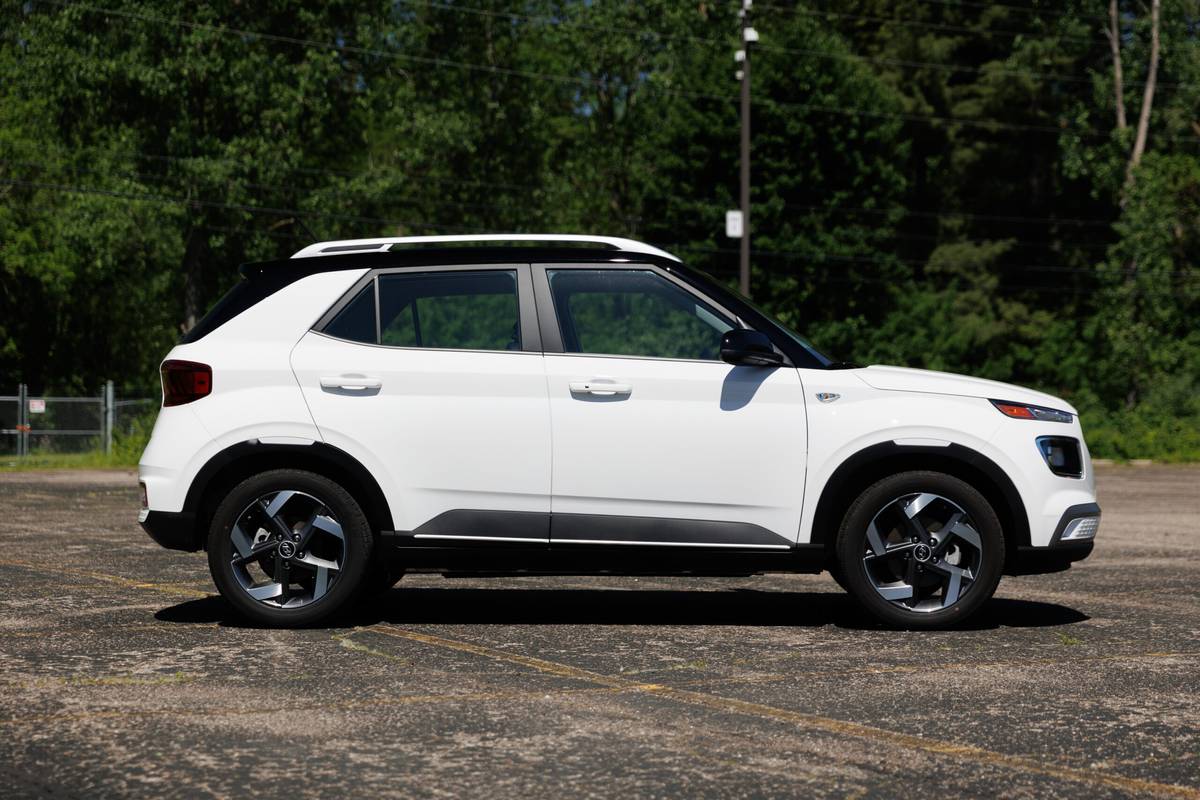
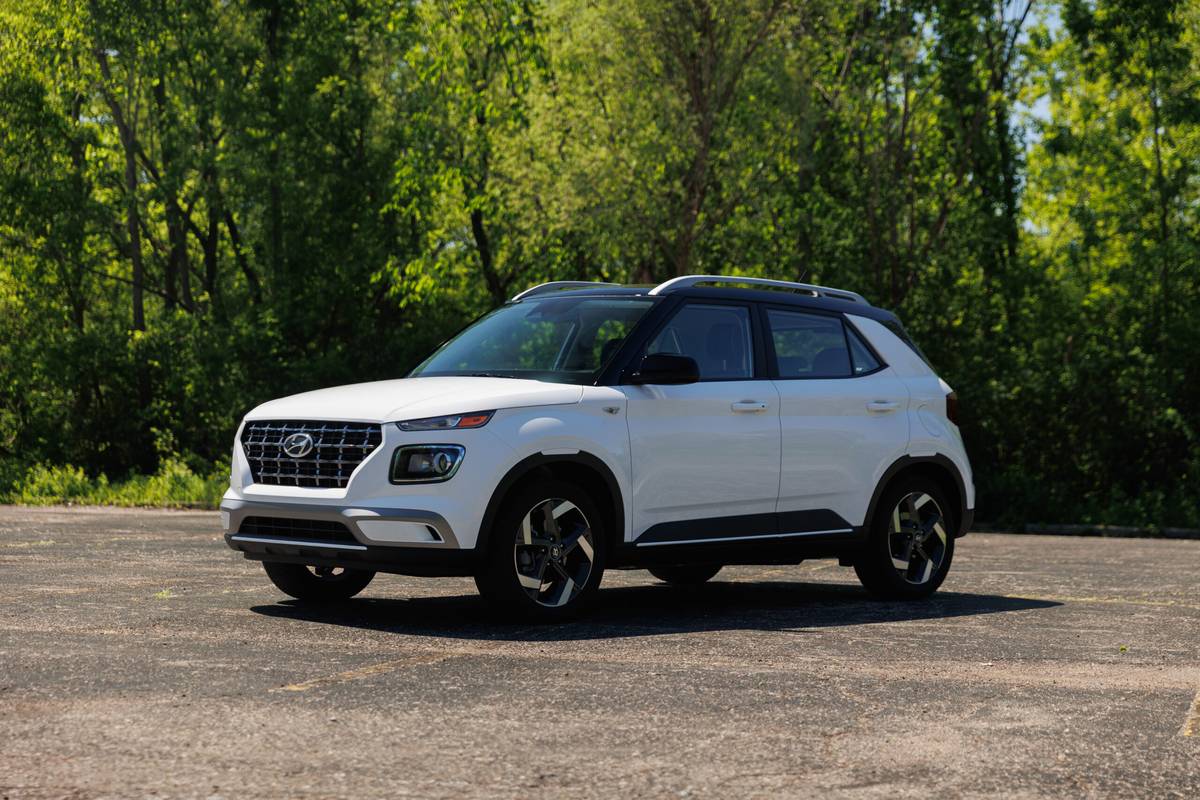
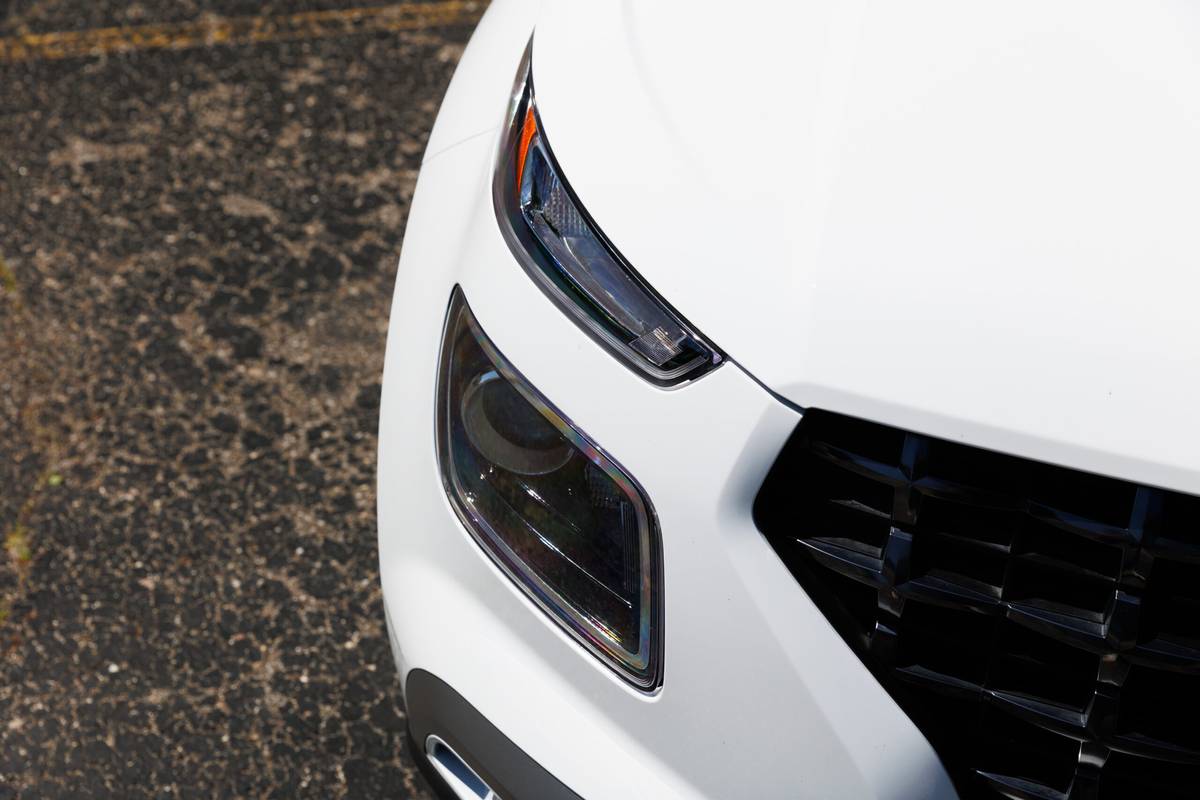
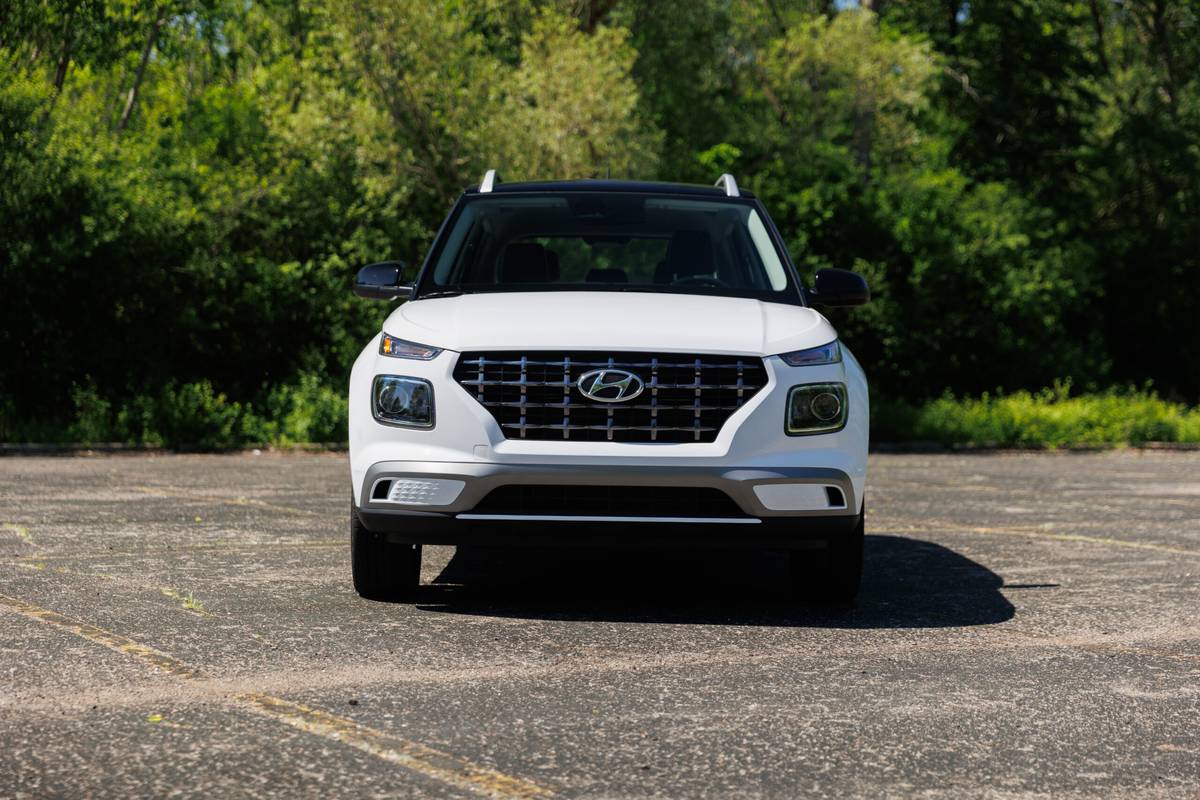
2026 Hyundai VENUE 2026 Hyundai VENUE 2026 Hyundai VENUE 2026 Hyundai VENUE 2026 Hyundai VENUE 2026 Hyundai VENUE 2026 Hyundai VENUE 2026 Hyundai VENUE 2026 Hyundai VENUE 2026 Hyundai VENUE 2026 Hyundai VENUE 2026 Hyundai VENUE 2026 Hyundai VENUE 2026 Hyundai VENUE 2026 Hyundai VENUE 2026 Hyundai VENUE 2026 Hyundai VENUE 2026 Hyundai VENUE 2026 Hyundai VENUE 2026 Hyundai VENUE 2026 Hyundai VENUE

Notable features

  • Five-seat subcompact SUV
  • 121-hp, 1.6-liter four-cylinder engine
  • Continuously variable automatic transmission
  • Front-wheel drive only
  • Standard 8-inch touchscreen with wireless Apple CarPlay and Android Auto
  • Available two-tone exterior with contrasting roof

The good & the bad

The good

  • Packed with features for a low price
  • Reasonable space for four
  • Good headroom
  • Surprisingly peppy around-town acceleration
  • Decent interior quality

The bad

  • Missing some modern conveniences
  • Struggles on the highway with passengers onboard
  • Fuel economy is just OK
  • Tight cargo room with backseat in place
  • No all-wheel drive

Expert 2026 Hyundai VENUE review

Our expert's take
Full article

What Car Shoppers Need to Know

One of the least expensive new cars you can buy is the 2026 Hyundai Venue — but inexpensive doesn’t mean cheap.
Loaded with features, comfortable for four, reasonably efficient and well built, the Venue represents an excellent new-car value for half the price of the average new car.
Thanks to a low price, new-car warranty and escalating used-car prices, it’s a good buy versus a used car.

Nothing is cheap these days. You can choose your favorite explanation as to why things cost what they do, but the fact of the matter is that the average cost of a new car currently tops $50,000. A new pickup truck tops $60,000 on average. And while you should probably be glad your car doesn’t run on milk, gas prices are also painfully high. Making matters worse is the fact that most automakers have abandoned the inexpensive new-car market in the U.S., instead shunting first-time or lower-income buyers into used-car showrooms.

Most automakers, but not all: Hyundai still offers something relatively inexpensive in the form of the 2026 Venue SUV, a front-wheel-drive-only econobox that you can have in its top trim for the relatively meager sum of $24,475 (including destination fee). That makes it one of the least expensive new vehicles you can buy in America.

Related: Here’s What’s New at Hyundai for 2026

But cheap doesn’t necessarily mean good, so we wanted to see how livable, how tolerable and just how flat-out good the Venue is — and whether it’s worth spending your money on one instead of a used car.

Related Video: 

We cannot generate a video preview. See the full review to watch it.

How Much Does a 2026 Hyundai Venue Cost, and What Do You Get?

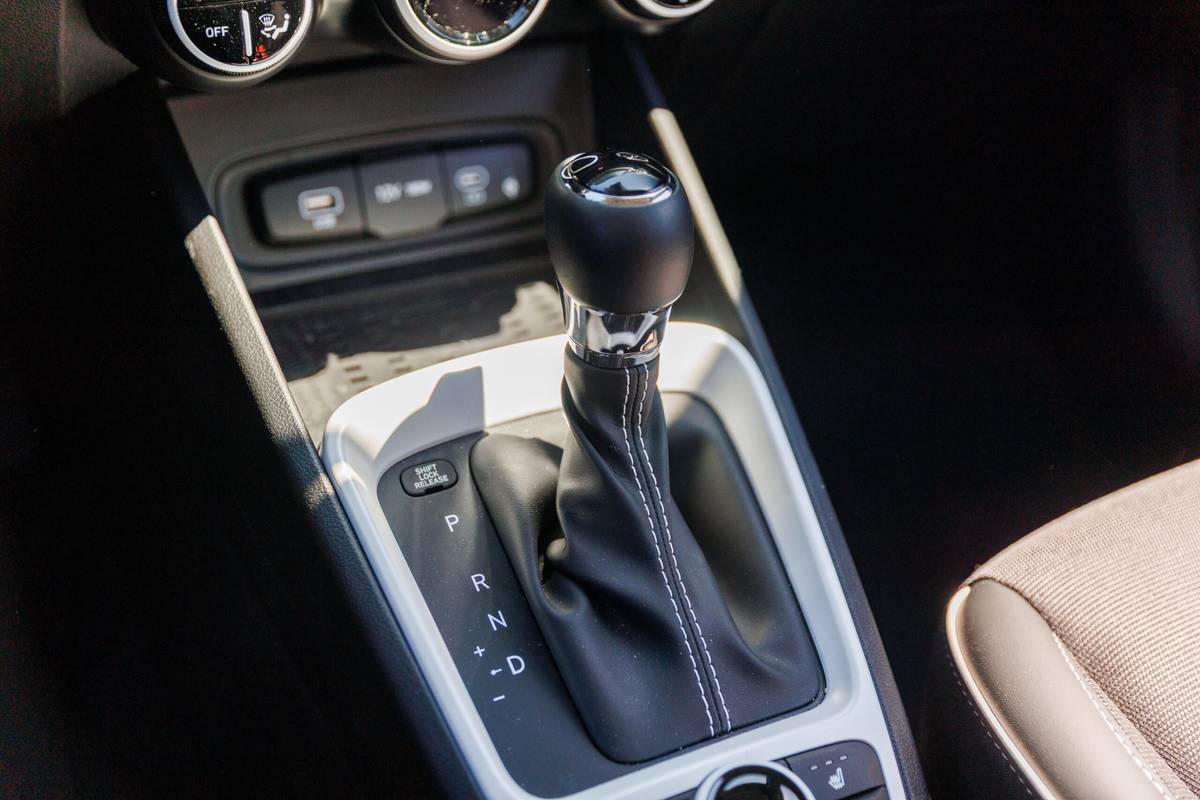
First, know that the model we tested here, with its $24,000-ish sticker price, isn’t the cheapest Venue available. There are three trims on tap: SE, SEL With 2-Tone Roof (yes, that’s what it’s called), and SEL. The tip-top Limited trim has been dropped for 2026, but Hyundai put some of the Limited’s equipment into the SEL trim. Every trim comes in a subcompact four-door SUV configuration with a diminutive 1.6-liter four-cylinder engine that makes all of 121 horsepower and 113 pounds-feet of torque. It’s mated to a continuously variable automatic transmission that drives the front wheels; all-wheel drive is not an option.

2026 Hyundai Venue Trim Levels

Trim Starting Price*
SE $22,200
SEL With 2-Tone Roof $24,250
SEL $24,475
*Includes $1,650 destination fee

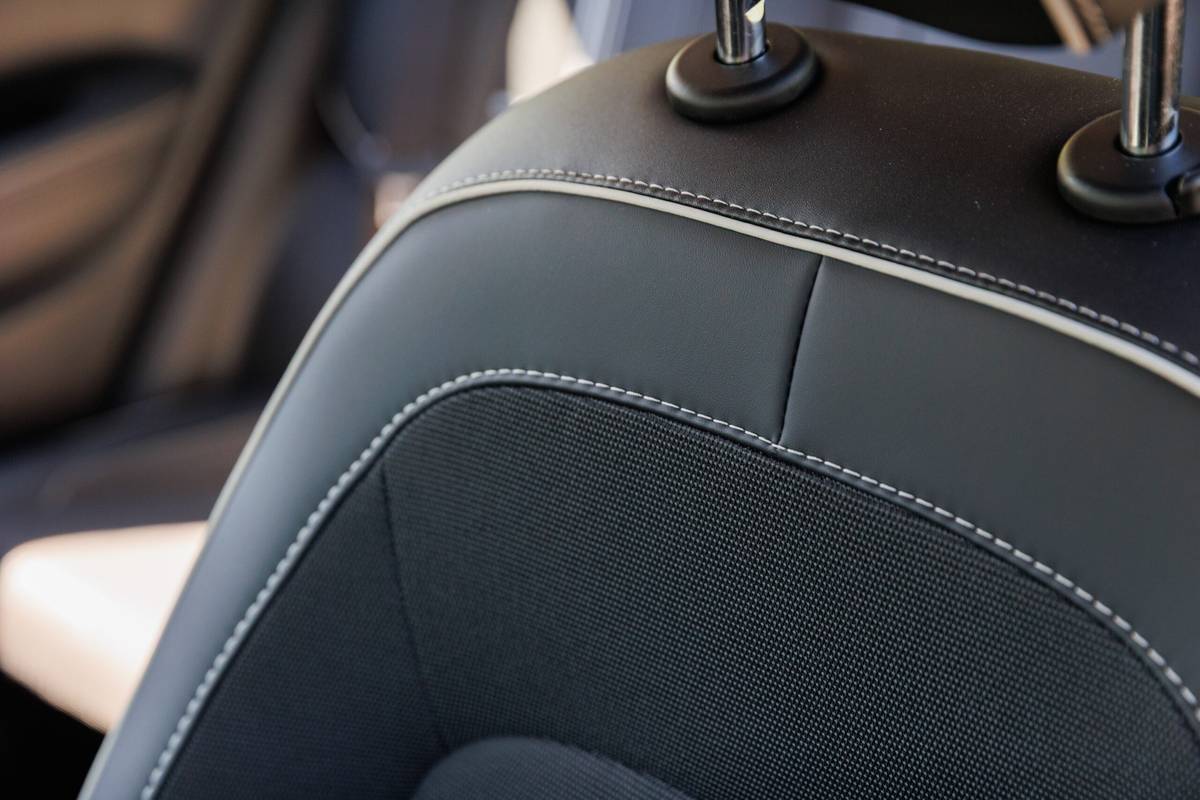
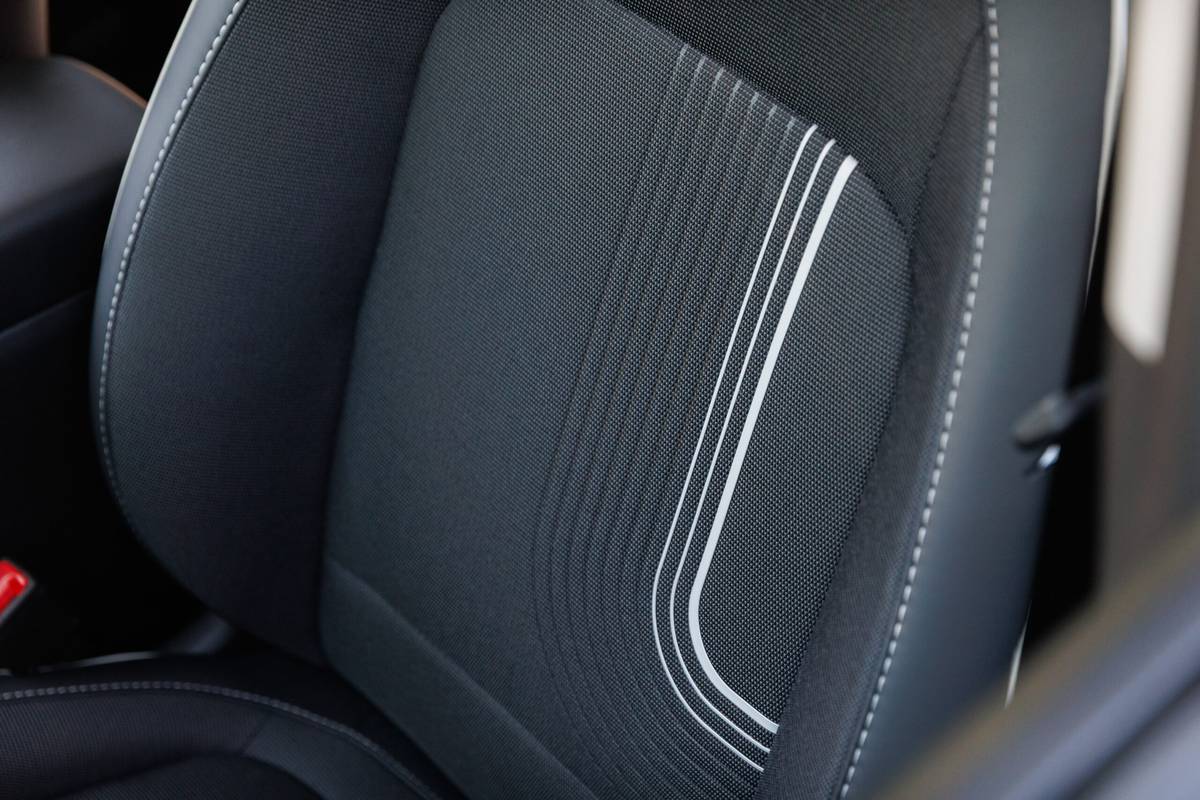
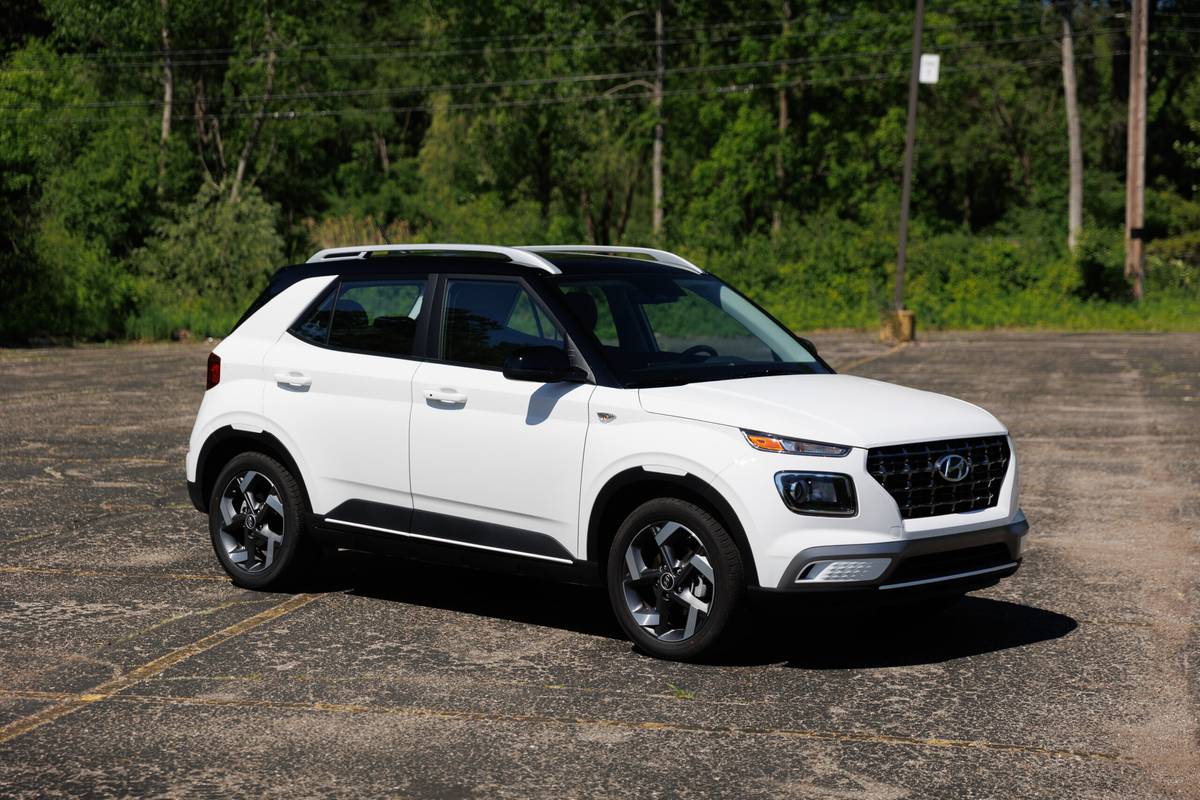
While the Venue technically comes in three trim levels, it’s actually just two: SE and SEL, with the SEL coming with either a moonroof or a two-tone roof that eliminates the moonroof in favor of a contrasting painted roof — plus an inch more headroom in the front seats. The SEL also has a cloth interior, while the SEL With 2-Tone Roof gets a cloth and simulated-leather treatment. Standard items across all trims include an 8-inch touchscreen infotainment system with wireless Apple CarPlay and Android Auto, plus forward collision warning, projector-beam headlamps with automatic high-beam assist, and a large suite of airbags that includes front-seat-mounted side impact airbags and side curtain airbags for both rows of seats.

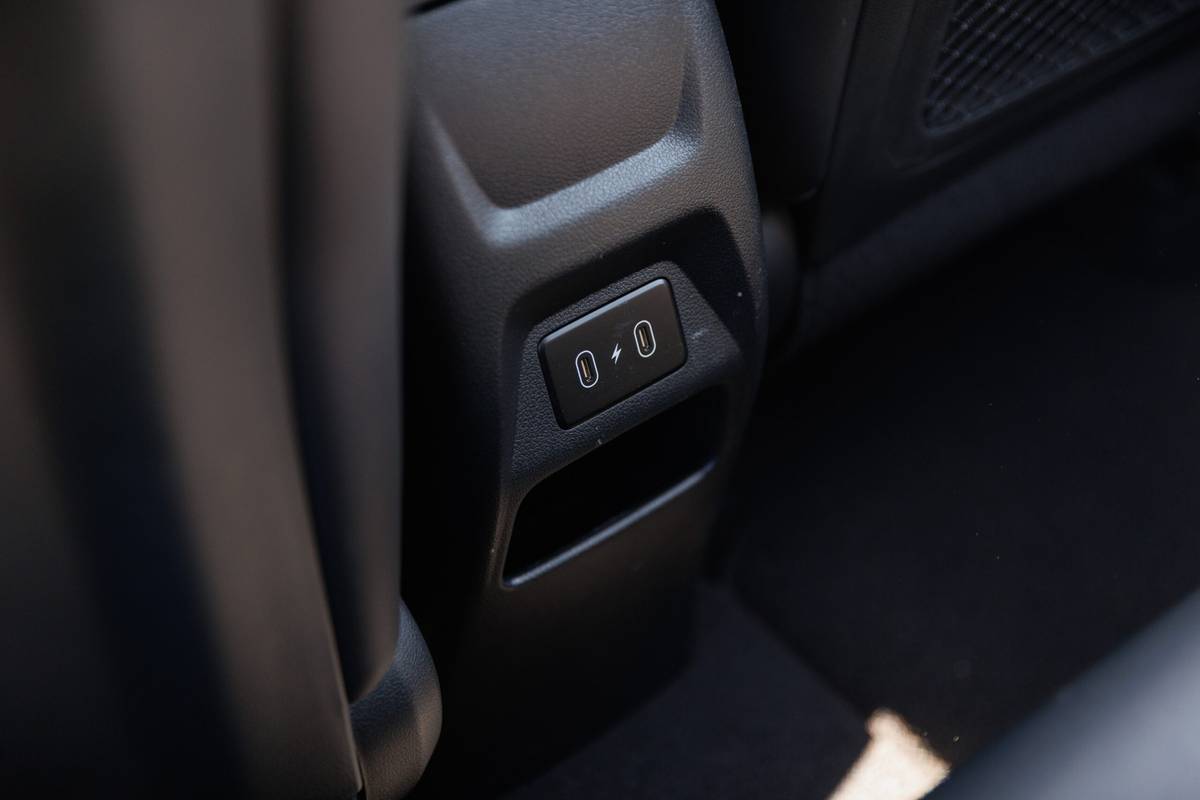
The biggest differences in equipment are between the SE and SEL. It starts outside, where the SE gets 15-inch wheels and tires versus the SEL’s 17-inchers. The rear brakes on the SE are cheaper drum-type designs, while the SEL versions get four-wheel disc brakes. The SEL trims also get more standard electronic features, including blind spot warning, rear cross-traffic alert, automatic climate control, backseat USB ports, wireless device charging, heated front seats and push-button start (the SE makes you twist a key to start the vehicle). The SEL is basically the same car underneath (with the exception of the brakes) but with more features for a little more money.

What’s the 2026 Hyundai Venue Like Inside?

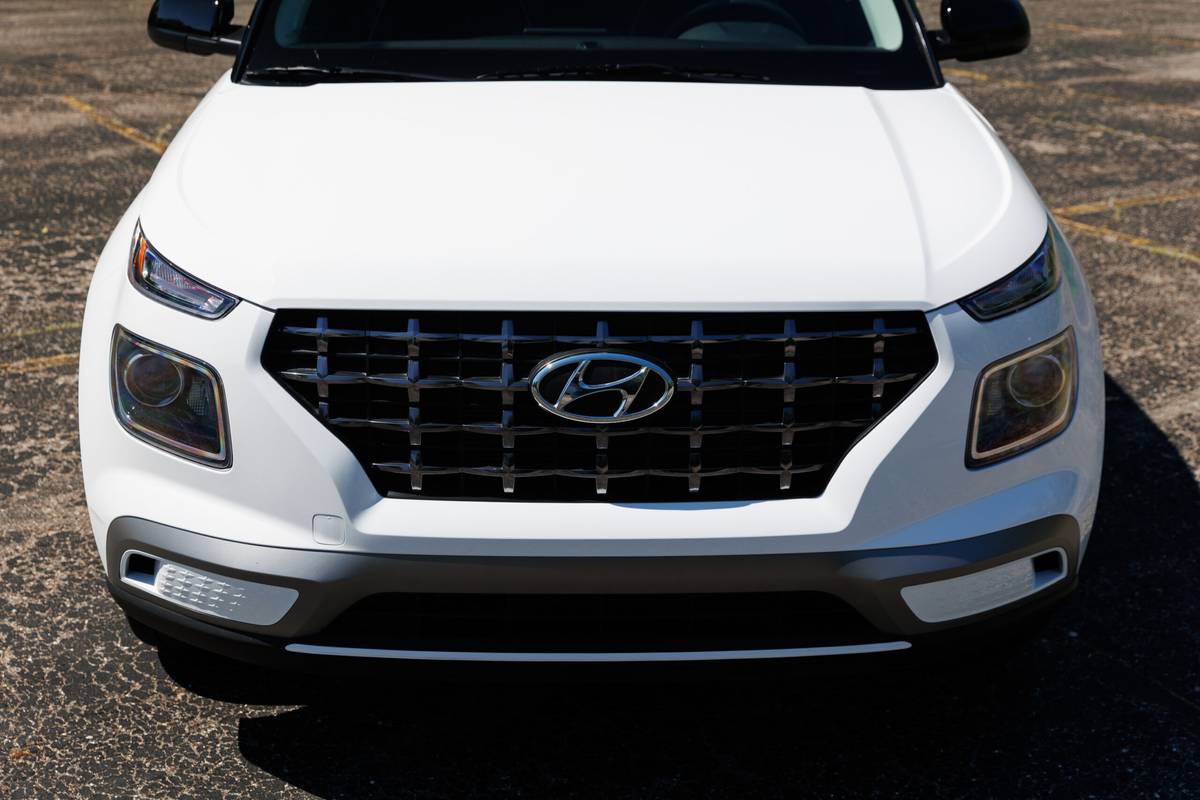
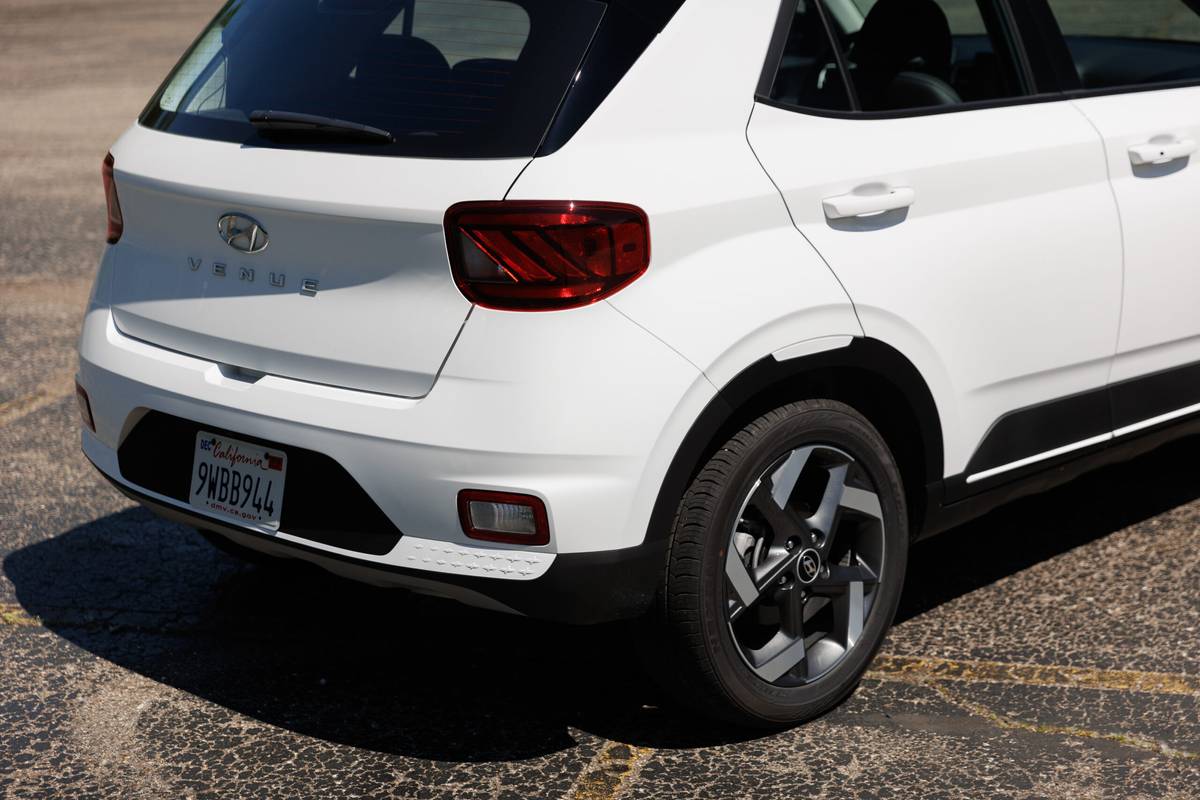
When you approach the Venue, you definitely start to appreciate that this is something you don’t see much anymore: a genuinely small car. This is no high-riding SUV, it’s a subcompact hatchback of the kind we sometimes cringe at calling “SUV” because it doesn’t offer AWD. Its body style means you sit a little higher in it than a car, and it provides its occupants excellent headroom. It might cost more than an old Hyundai Accent subcompact sedan did when it was new, but you do get more for your money in terms of space and comfort.

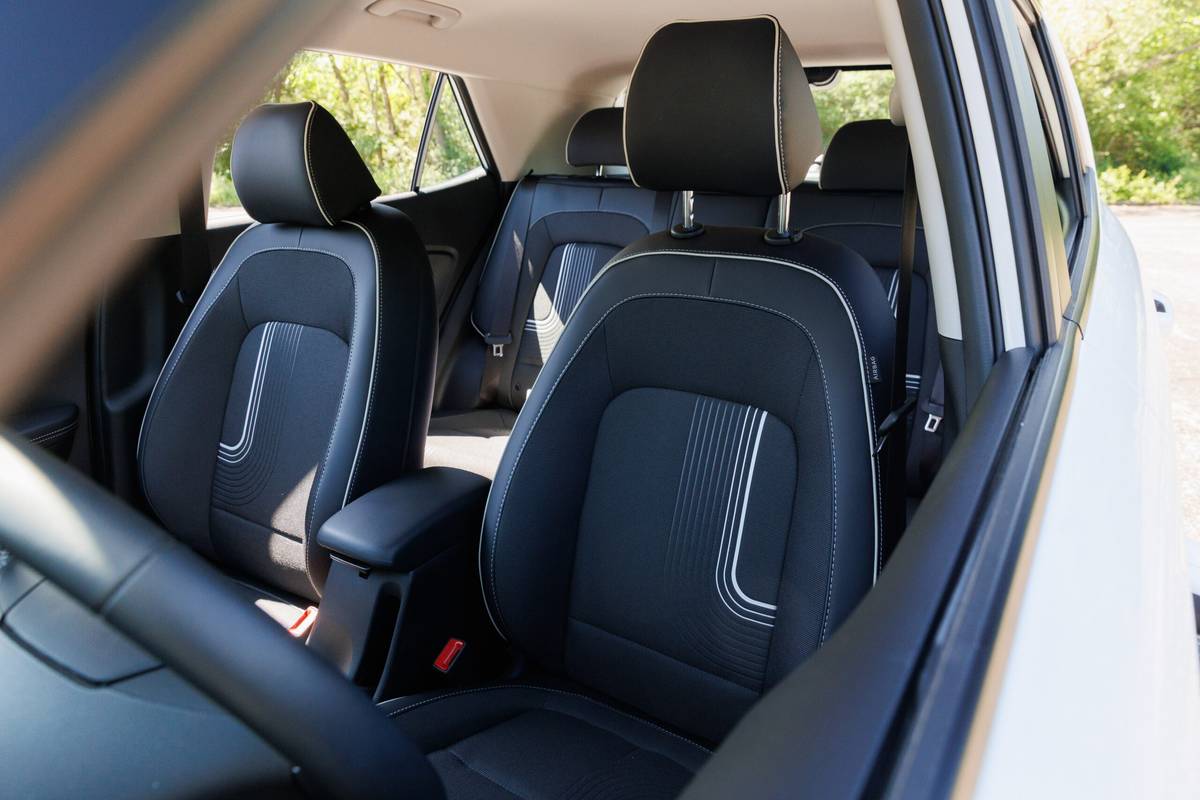
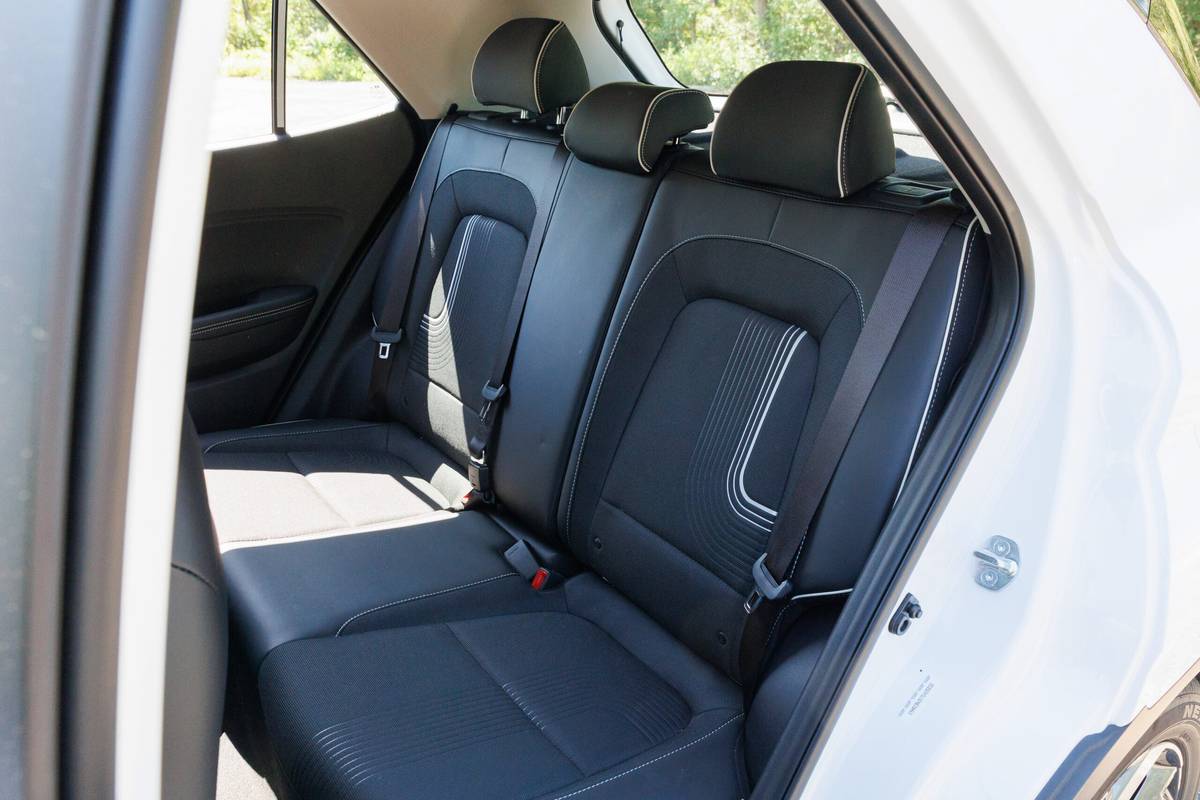
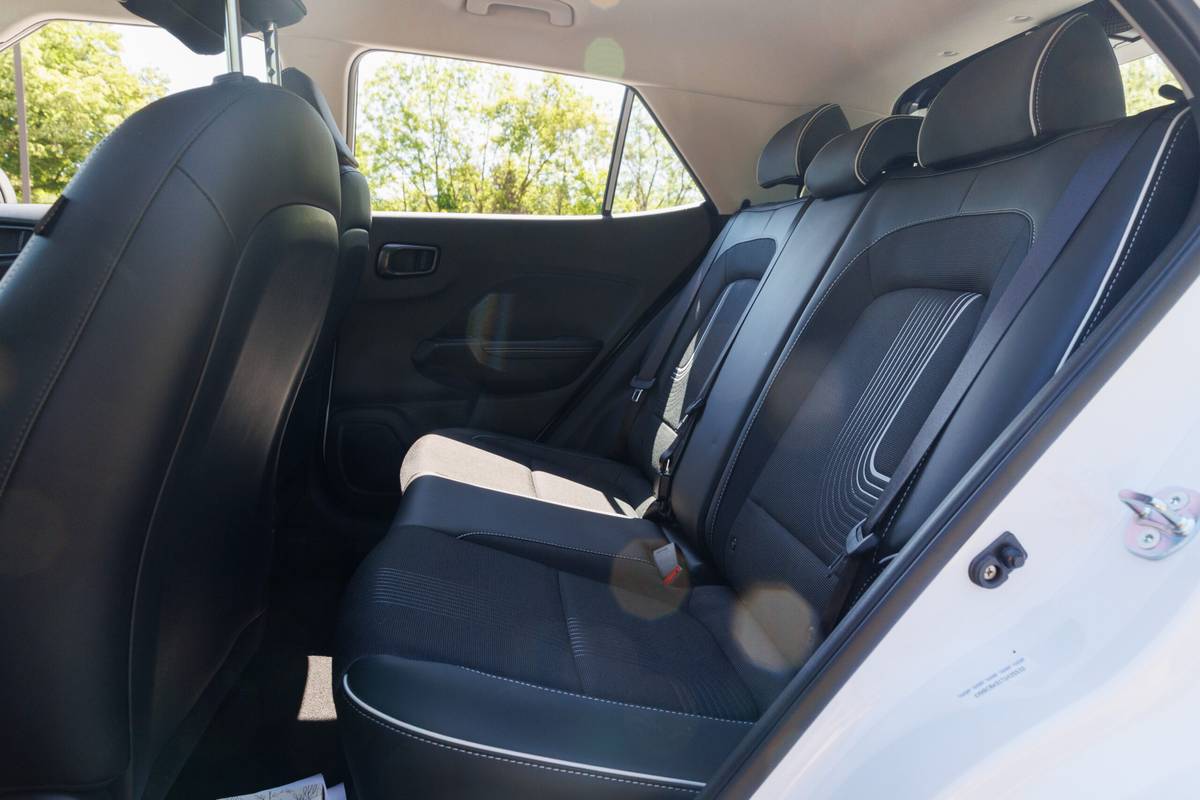
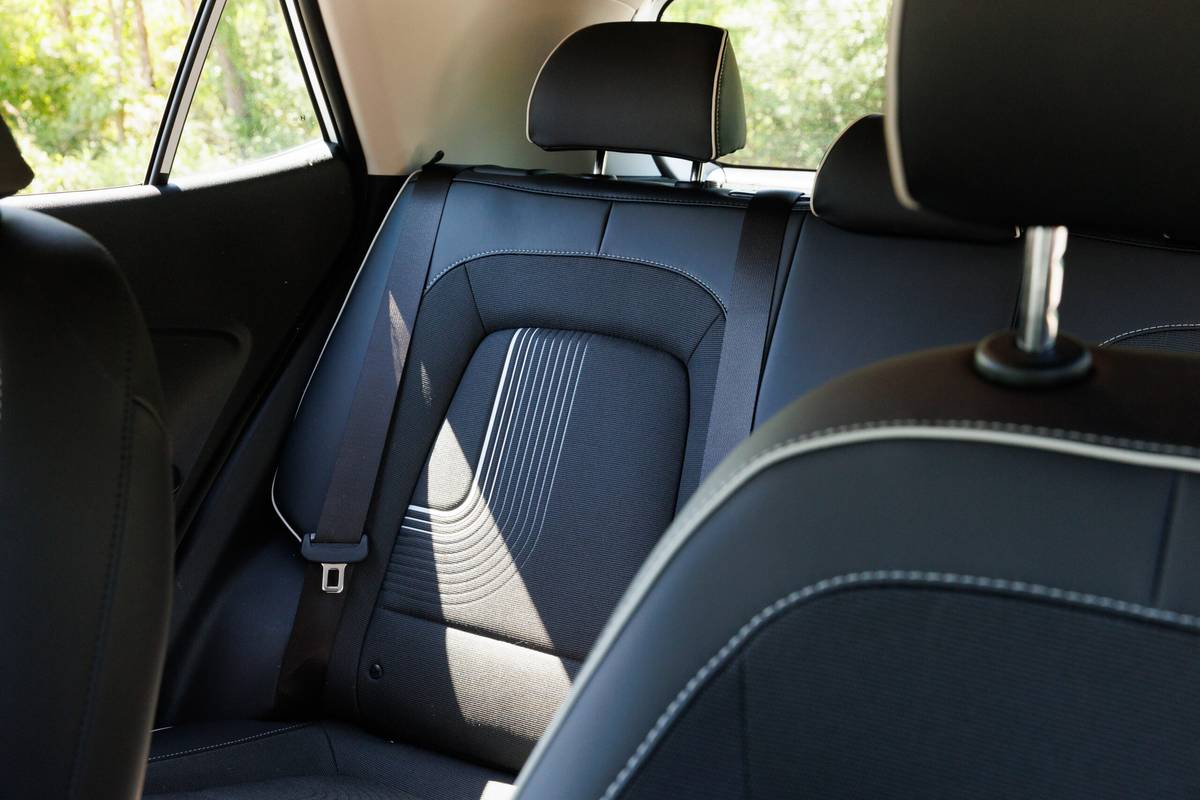
The Venue has both space and comfort in surprising amounts. Upfront, there’s plenty of width for two people to sit without touching elbows, and headroom is plentiful without the moonroof. The backseat has a decent amount of legroom, as well; you might not want to do a cross-country trip back there, but there’s plenty of space for tootling around town to dinner. It’s a perfectly sized commuter car, and upright windows with lots of glass mean outward visibility is excellent in every direction. It feels like a more substantial vehicle than its small size suggests.

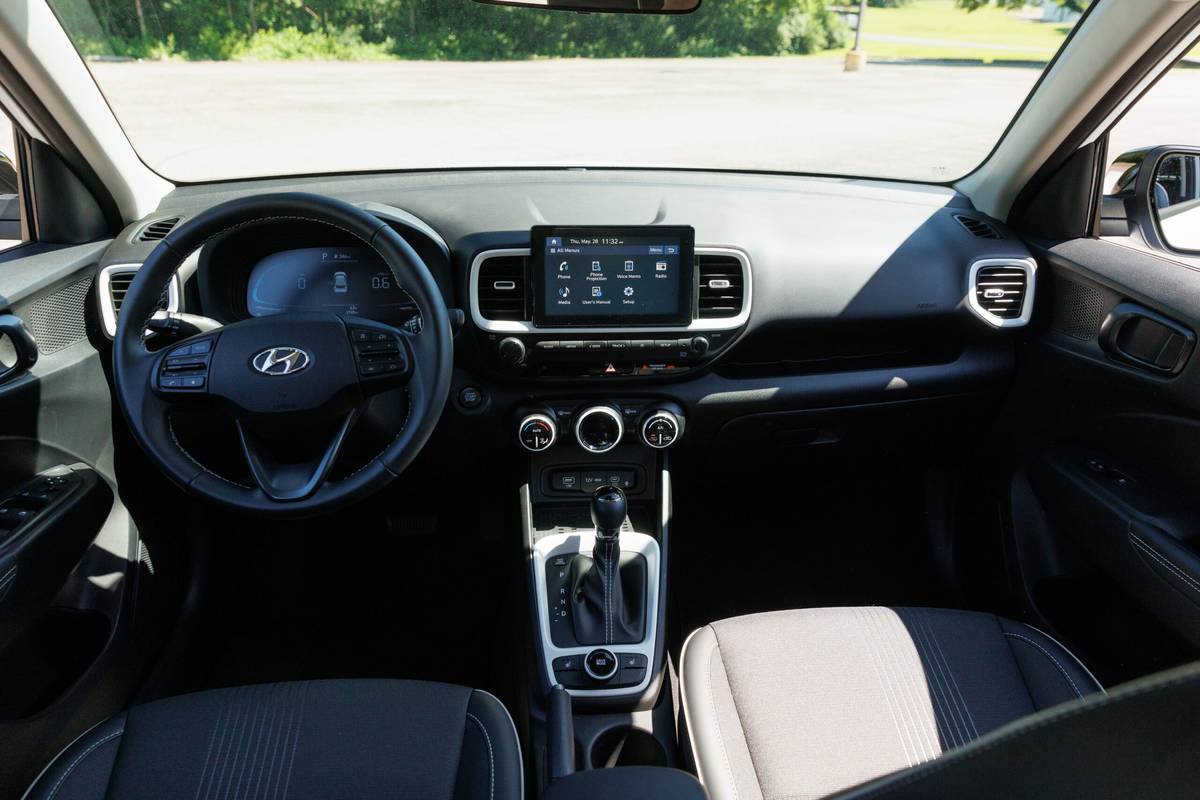
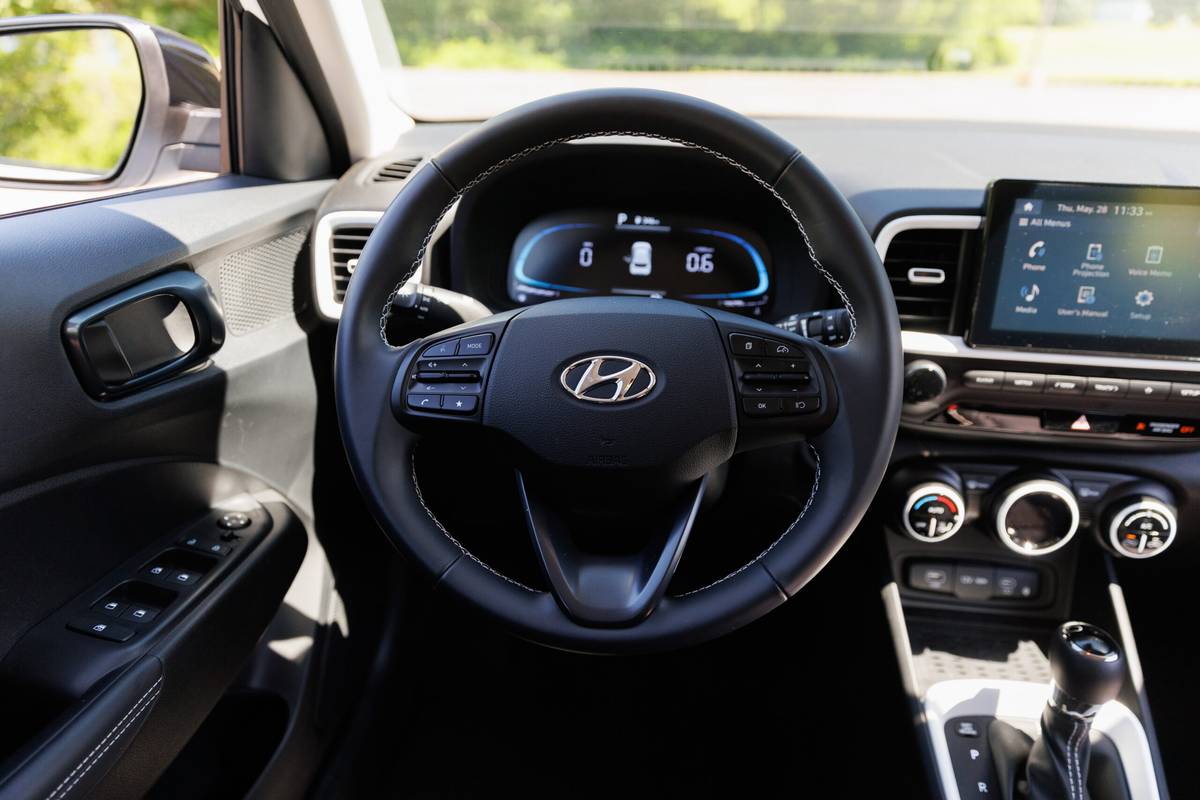
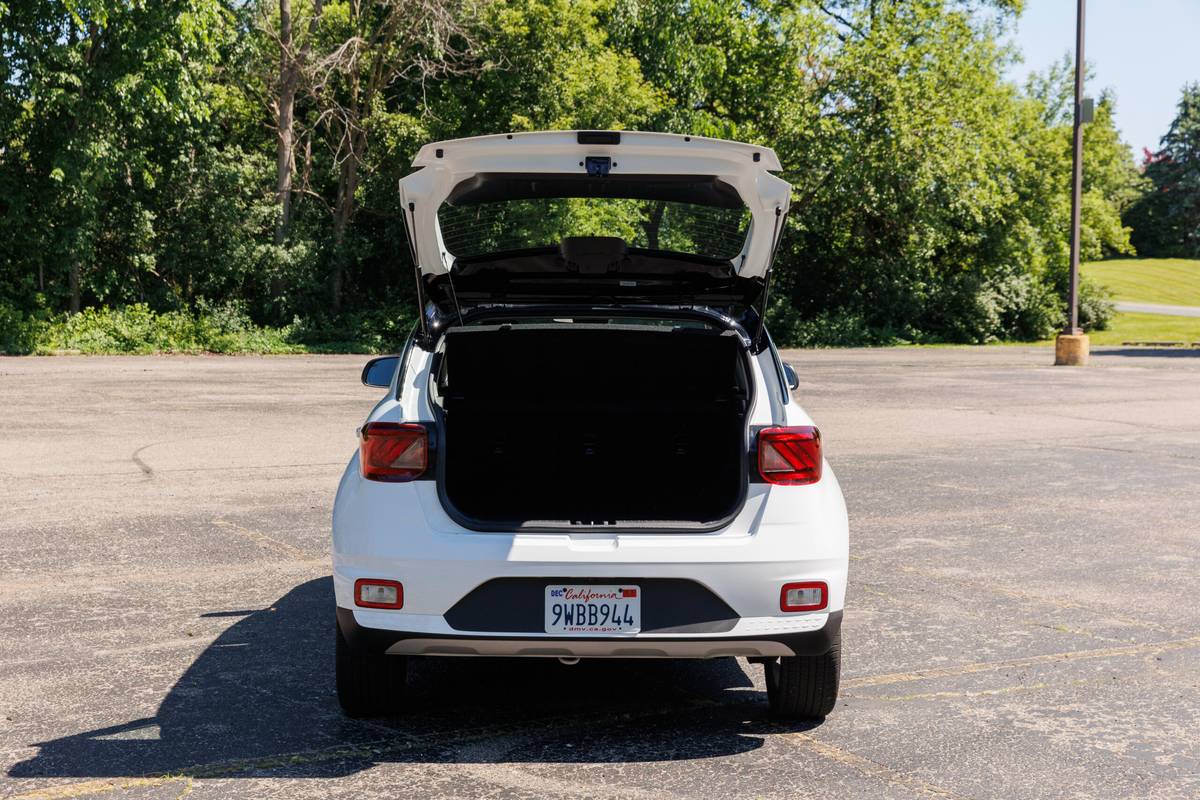
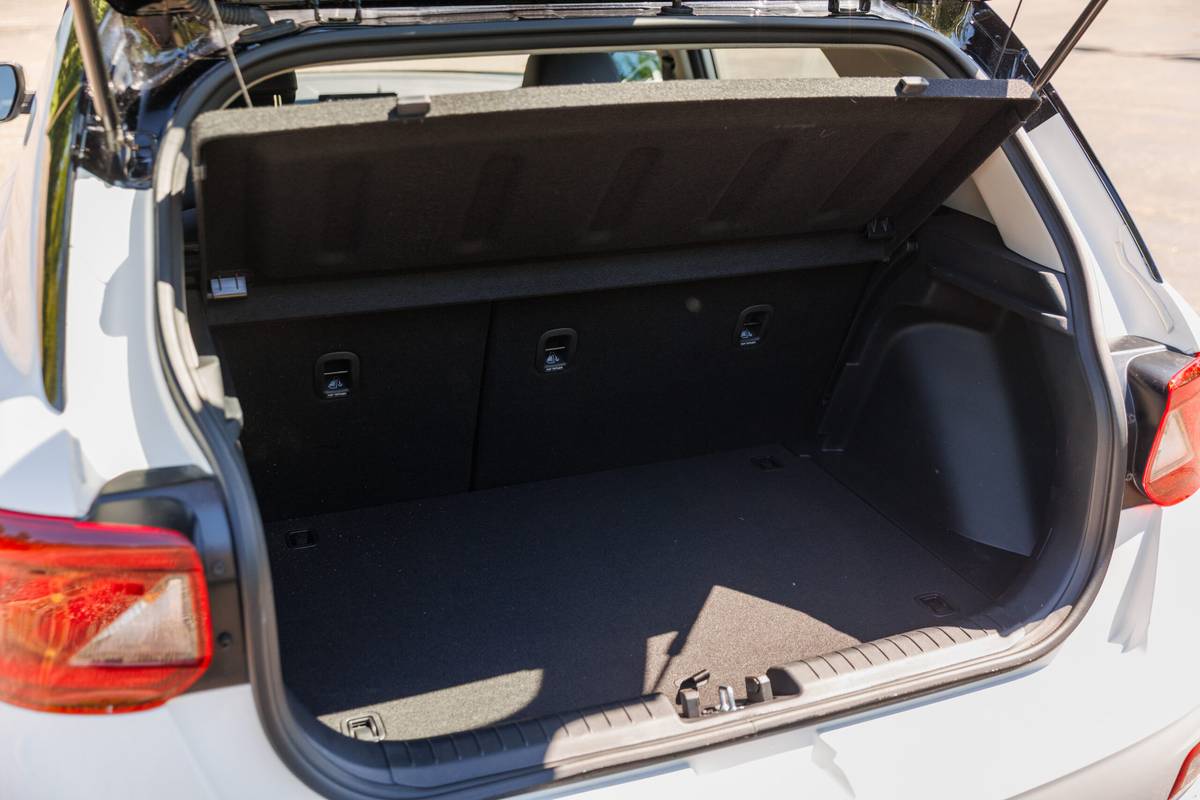
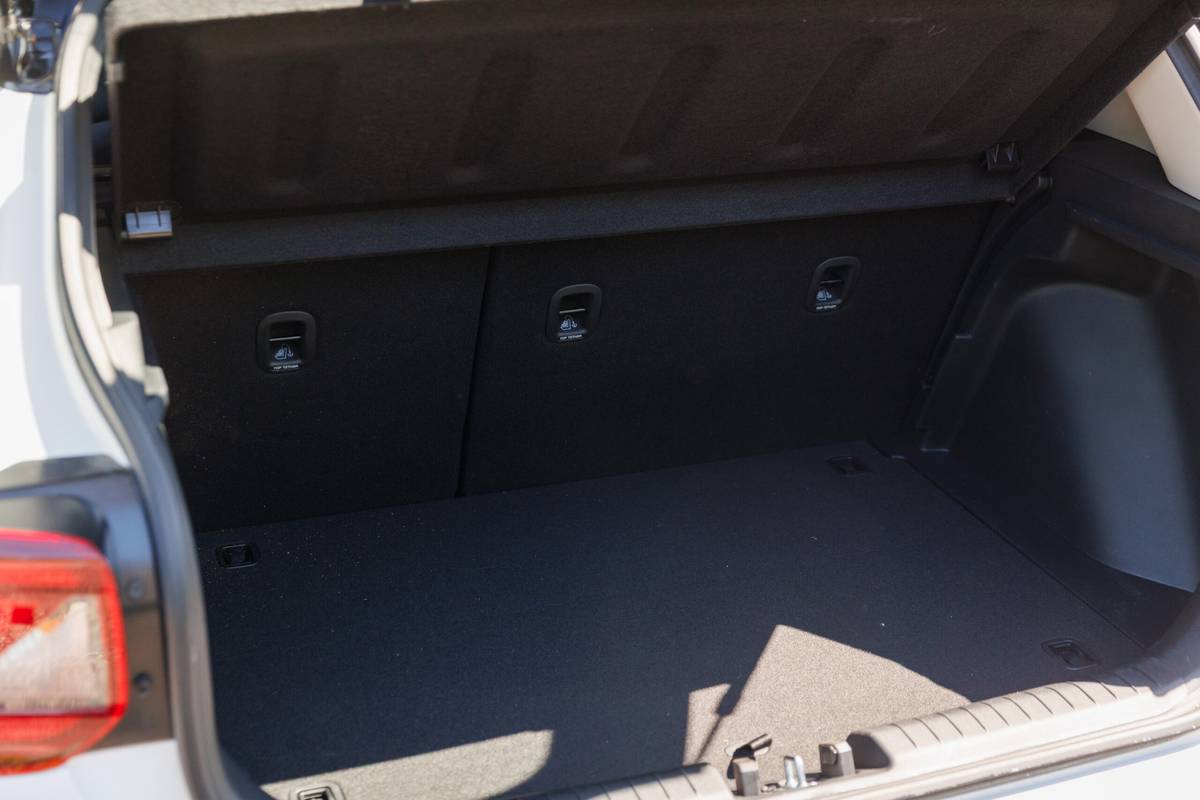
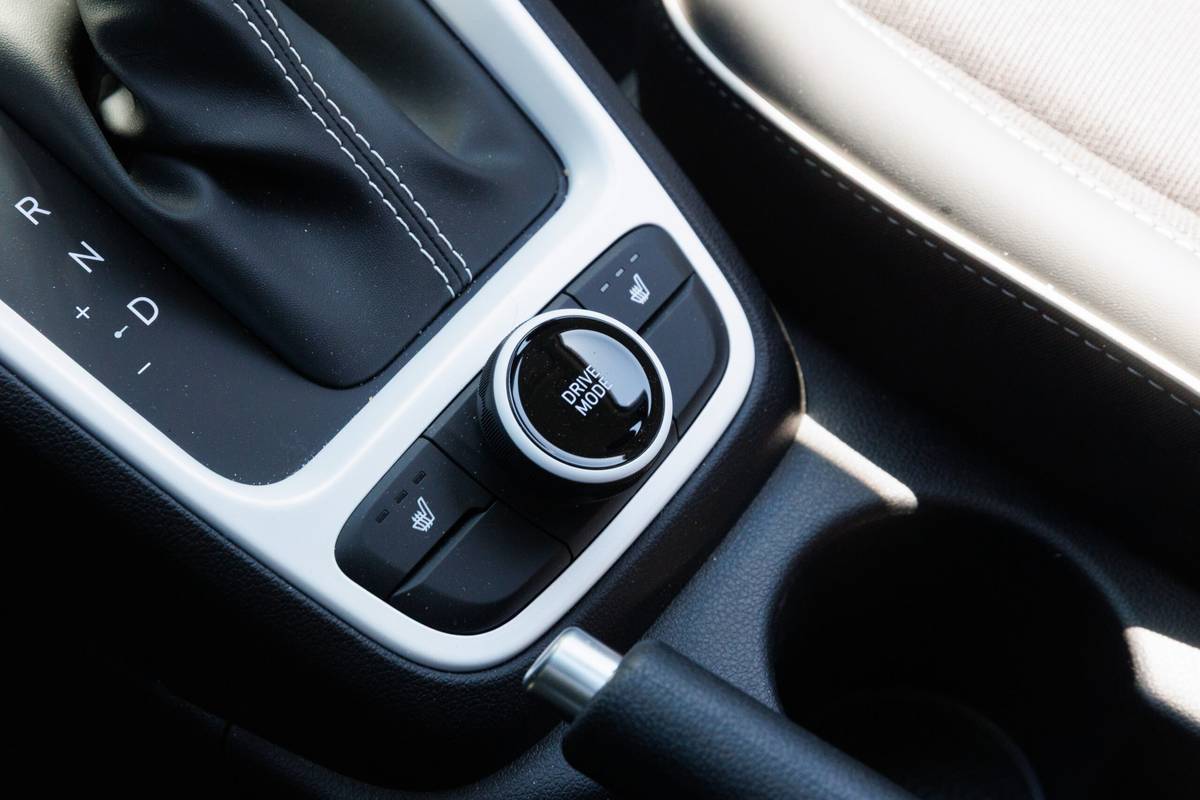
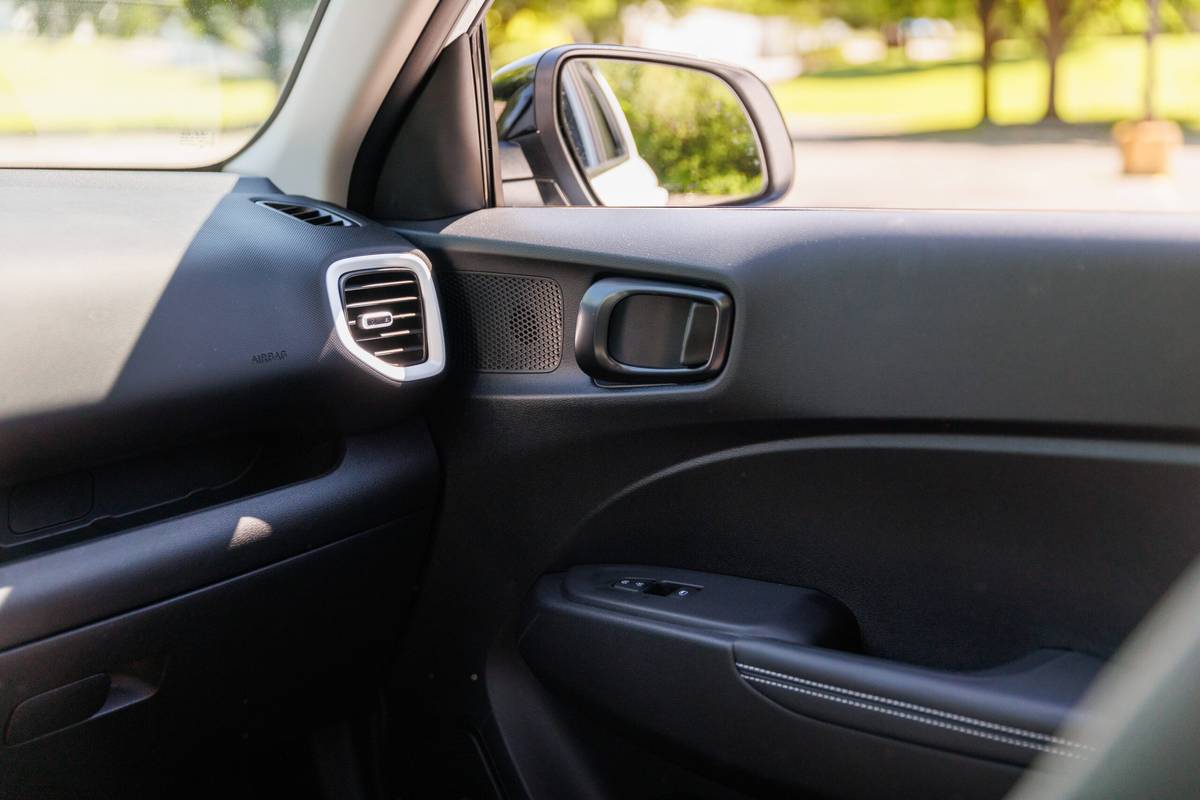
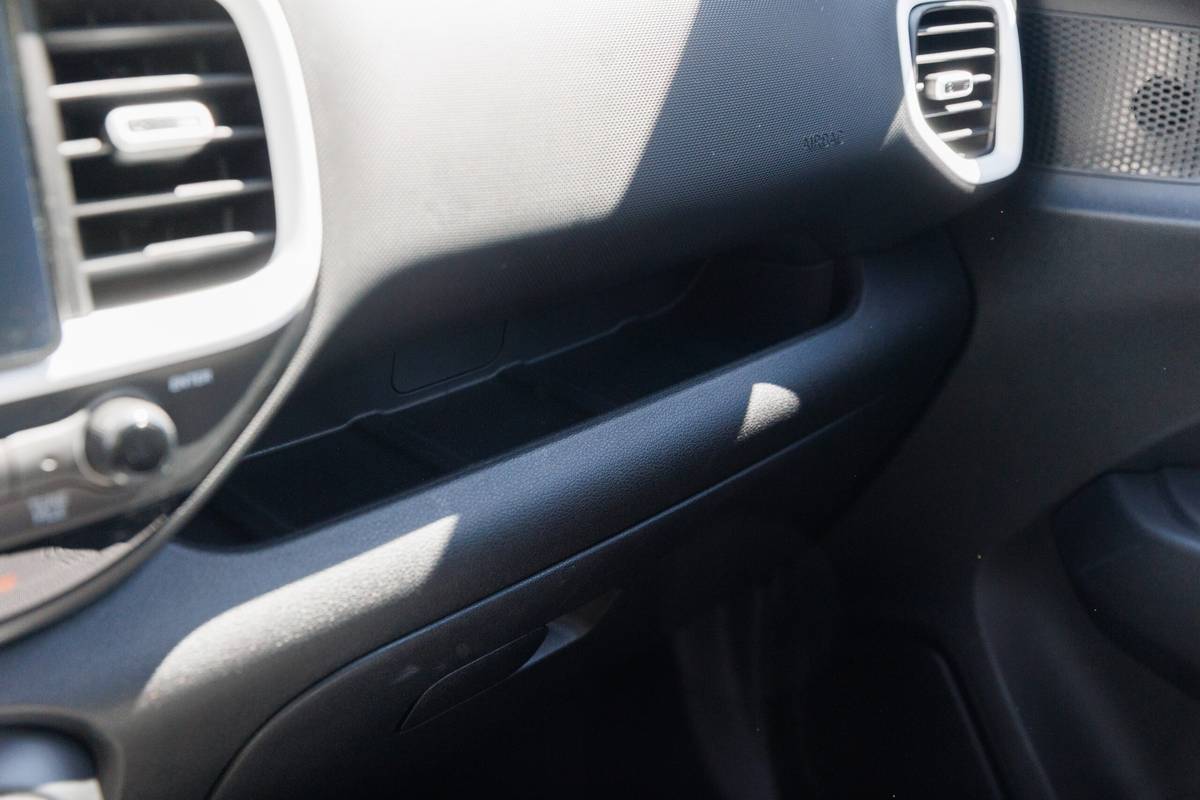
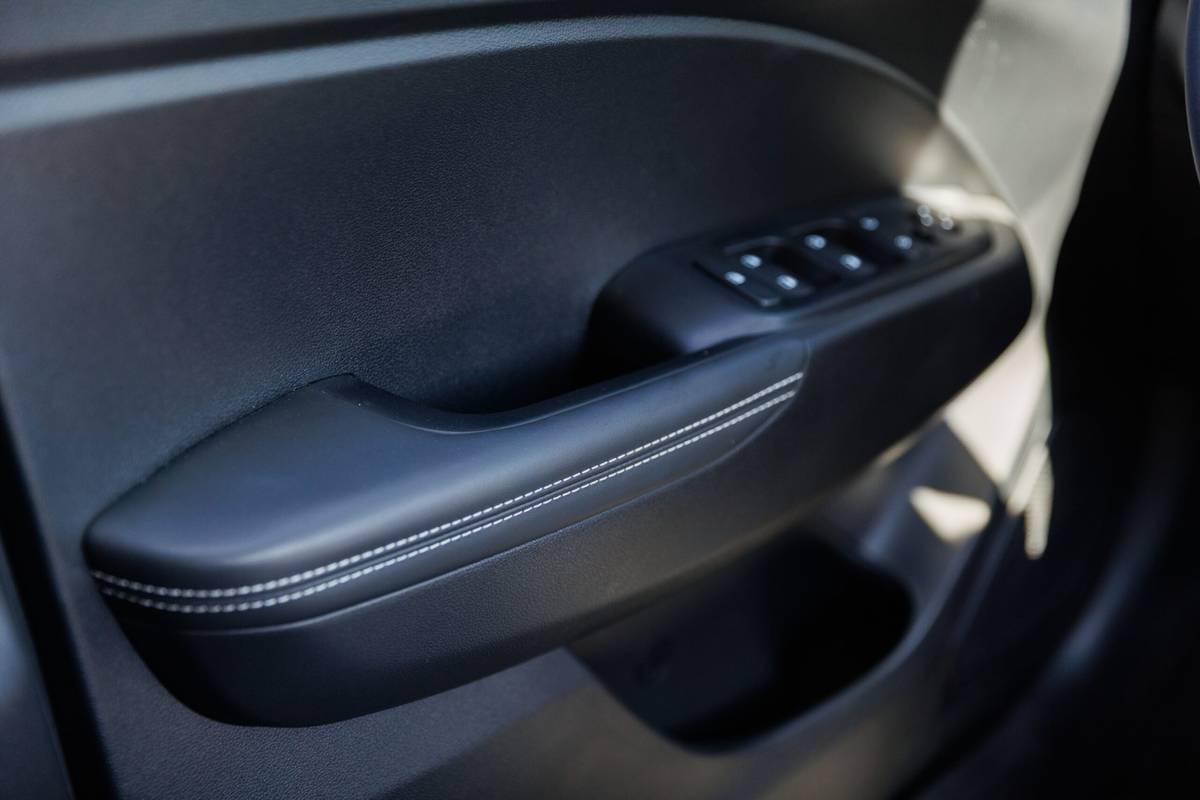
The interior is also very well done. Materials quality isn’t luxury-level stuff, but it feels perfectly acceptable and well constructed. It doesn’t feel “premium,” but it certainly doesn’t feel cheap inside, either. And there are still switches and knobs for the controls; Hyundai hasn’t put everything into a touchscreen (yet), so you get tactile feedback and easy-to-use systems that are, frankly, lacking in many much more expensive cars. Cargo room isn’t exactly massive, but if you put the backseat down, it will easily swallow a big Costco run. I never once felt the need for more passenger room or cargo space in my week with the Venue.

What’s the Venue Like to Drive?

Strangely enough, I never felt the need for more power from the Venue’s tiny, naturally aspirated engine, either. While 121 hp isn’t a lot by any stretch of the imagination —  a turbocharged motor with a 50-hp bump in output would definitely be met with applause — the Venue’s continuously variable automatic transmission is well matched to the engine. It feels sprightly and quick around town, only running out of steam when you’re on a freeway on-ramp with passengers aboard. For about 75% of everyday use in urban environments, this Hyundai’s performance is perfectly acceptable.

Small cars with small engines usually offer superior fuel economy as compensation for not being terribly powerful, but that’s not really the case with the Venue. It earns an EPA-rated 29/33/31 mpg city/highway/combined, which is just OK for a vehicle this size with an engine this small. My week of testing saw it return 29 mpg, but I suspect that was due to me needing to put my foot down more heavily on the accelerator pedal than the government’s testing cycle requires. The problem with a small car like this is that you find yourself driving it more aggressively in order to keep up with traffic; the Venue’s CVT means it revs its heart out to keep the engine in its power band, and keeping an engine at higher rpm for protracted periods means fuel economy suffers. There’s no hybrid or electrified powertrain for the Venue, either; your next best option for a small and truly efficient vehicle from Hyundai would be a Kona EV, which is larger and more expensive.

My SEL With 2-Tone Roof test car had a surprisingly well-damped ride, well-controlled body motions and steering feel that was reasonably communicative. It’s no sports car, but it’s not supposed to be one. It’s a transportation appliance, and it fills that role perfectly well, with a minimum of fuss for its driver and passengers.

Sufficient Onboard Tech, But Only Just

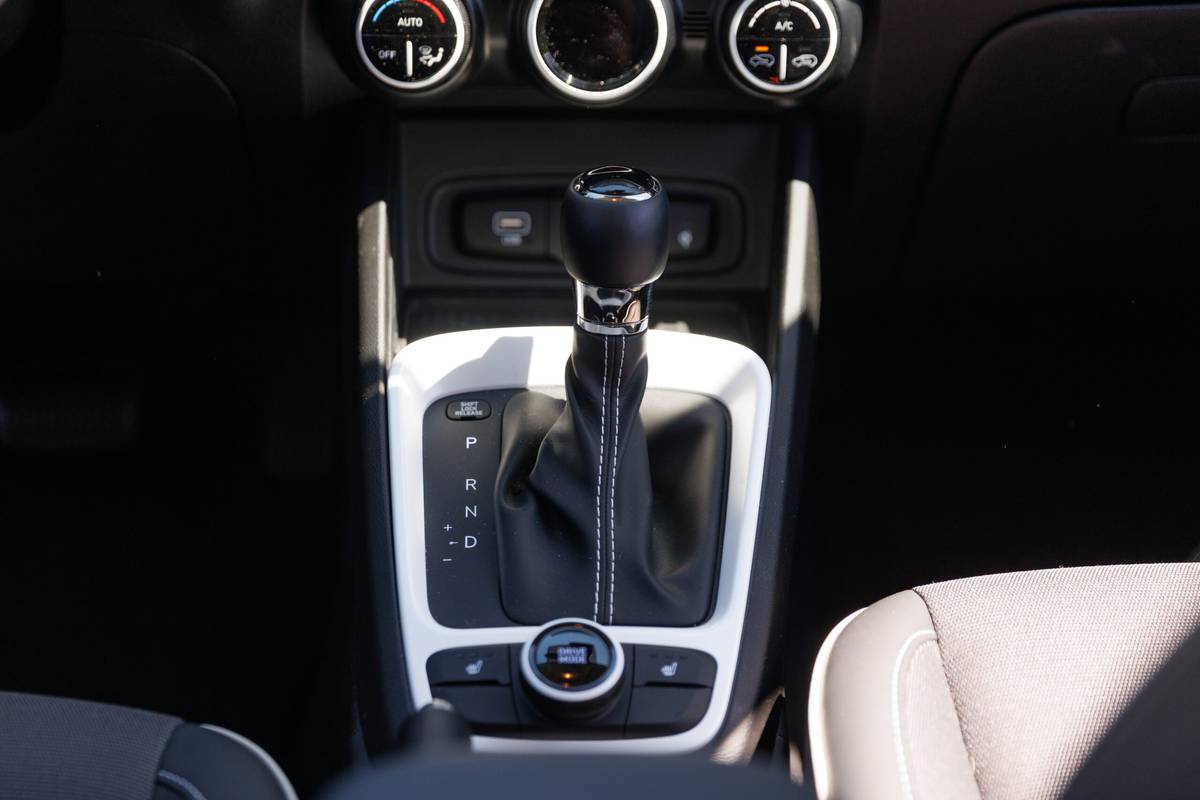
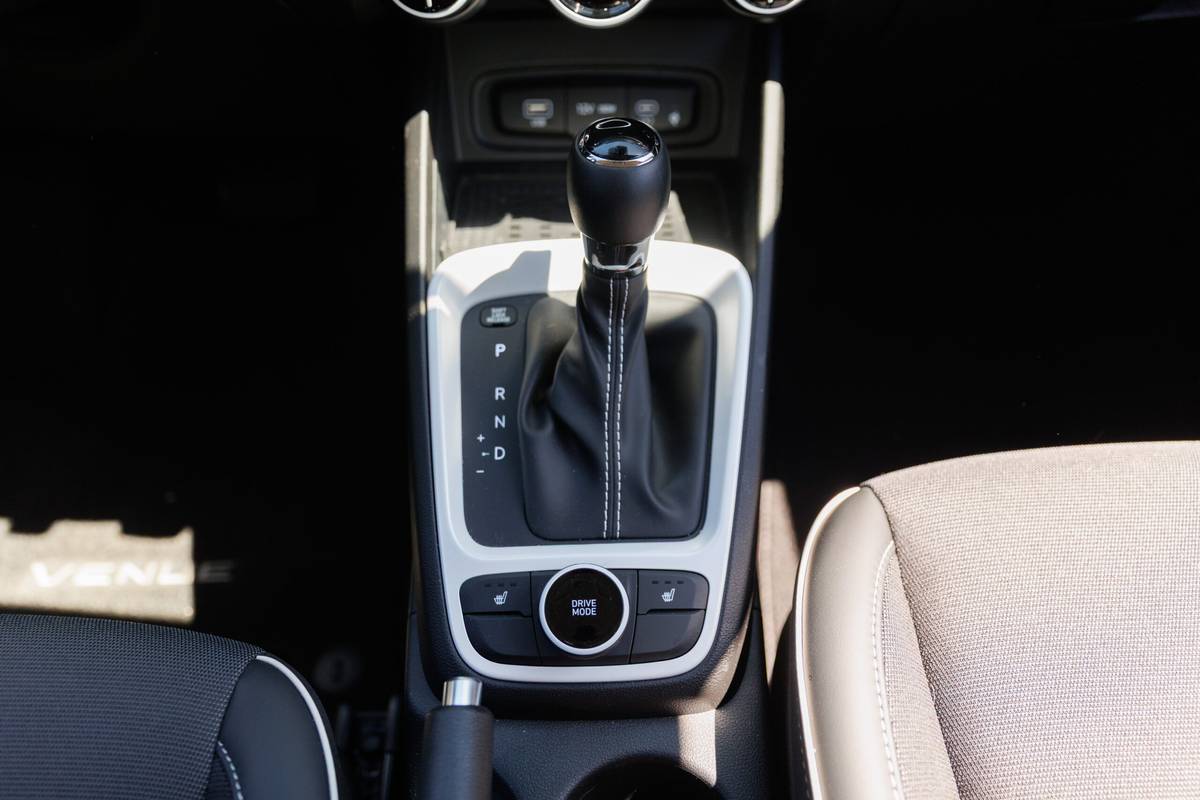
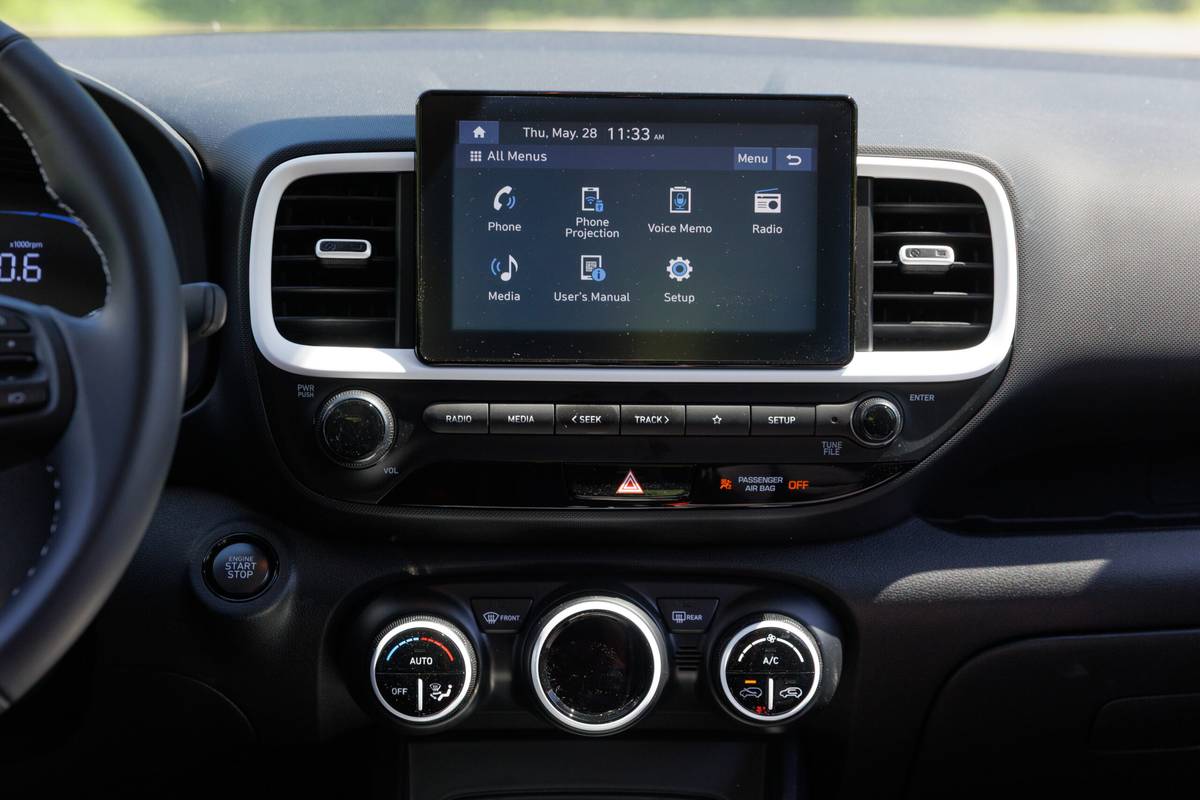
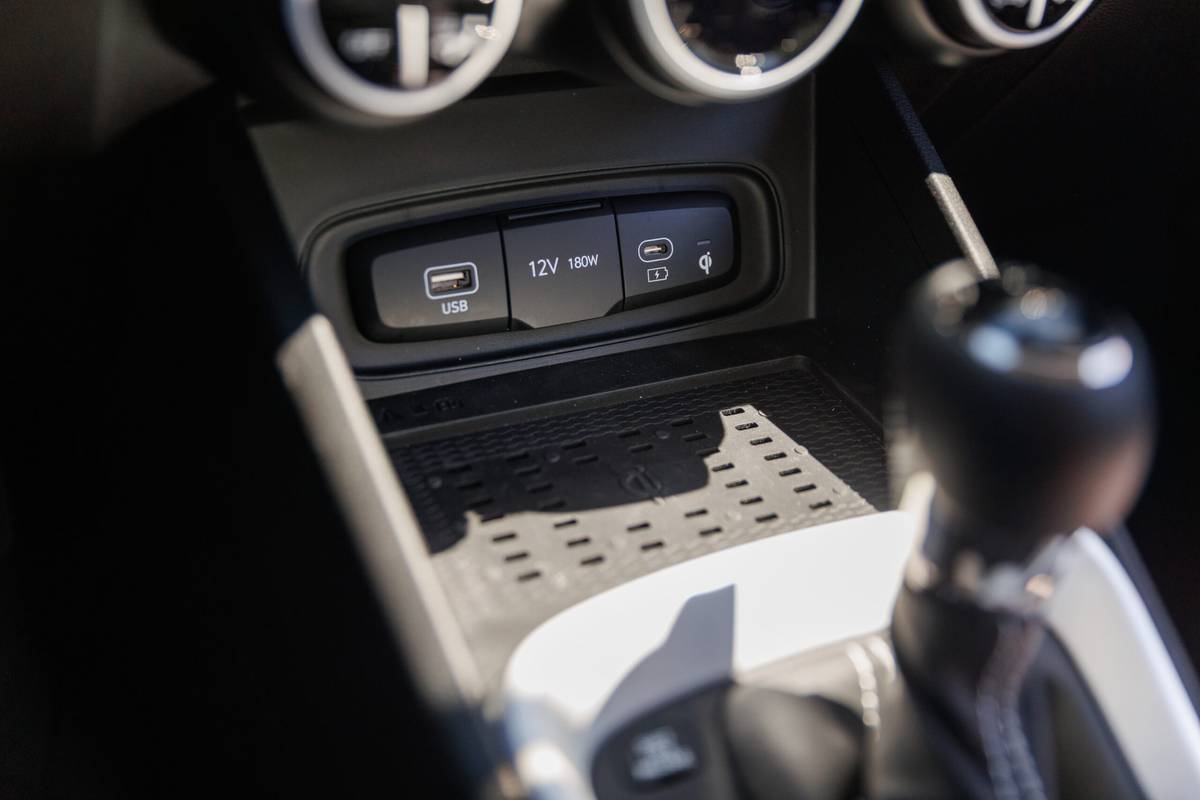
The Venue debuted for the 2020 model year, and its age shows in its systems, controls and entertainment features. Even so, this might just be the best, most user-friendly layout Hyundai has produced; later ones have started to complicate functions and place too many controls in the touchscreen. That’s not a problem here. The Venue has all of the necessities, including an 8-inch touchscreen and wireless Apple CarPlay and Android Auto. If you need to charge, just pop your phone into the wireless charger that comes on the SEL, or use the USB ports in the front or rear seats. Climate controls use a simple design with dedicated knobs, and the standard digital gauge display is clear and easy to read. Lane departure steering assist is standard, but more advanced features (like distance-keeping cruise control) are not offered. Gotta keep costs down somehow.

Is a Used Car a Good Alternative?

You have to accept that a few things will be missing in a vehicle this (relatively) inexpensive, but the Venue isn’t missing anything critical. The fact that it has as much content, comfort, utility and quality as it does for what it costs should make it a slam-dunk success in this day of skyrocketing prices. Costing half as much as a typical new car but with perhaps 80% of those cars’ features is an absolute bargain. It’s worth looking into if a new car is what you seek.

But is a used car a good alternative? Honestly, no, not anymore. The average price of even a used car these days is over $30,000 for one that’s just a few years old. In order to find price-competitive vehicles for the cost of a new Venue, you’ll have to look at even older models that bring their own issues, including out-of-warranty repairs, reliability and other costs. Finding a certified pre-owned vehicle adds more cost, too. The only reason to go for a used vehicle is if you need something with more space or cargo room, or more towing capability. If you’re looking for basic transportation that’s decently efficient and comes with a new-car warranty, the Venue is really hard to beat.

Expert Rating: 7.1/10

  • Powertrain: 6/10
  • Ride quality: 7/10
  • Driver comfort: 7/10
  • Passenger comfort: 7/10
  • Interior quality: 7/10
  • User interface: 8/10
  • Cargo space: 6/10
  • Value: 10/10
  • Overall appeal: 7/10
  • Fuel economy: 6/10

More Hyundai News From Cars.com:

Cars.com’s Editorial department is your source for automotive news and reviews. In line with Cars.com’s long-standing ethics policy, editors and reviewers don’t accept gifts or free trips from automakers. The Editorial department is independent of Cars.com’s advertising, sales and sponsored content departments.

Detroit Bureau Chief

I handle new car reviews, news, events, auto shows, and contribute to special projects and multicar comparisons while representing our team in the heart of the U.S. auto industry. I’ve been a part of the industry my whole life, growing up in an automotive family, spending the past 30 years working for Bosch and Nissan, and serving as an industry analyst for years before coming to Cars.com in 2012. I’m a graduate of the University of Michigan (Go Blue!), have an MBA from Wayne State University in Detroit with a focus on international business strategy, and I’m a member of both the Automotive Press and the Midwest Automotive Media associations. My personal fun car is a pristine 2002 Ford Thunderbird, which I love because it is not an SUV, has zero touchscreens, and nothing dings at you all the time. My pronouns are he/him, but my adjectives are fat/sassy.

2026 Hyundai VENUE review: Our expert's take

What Car Shoppers Need to Know

One of the least expensive new cars you can buy is the 2026 Hyundai Venue — but inexpensive doesn’t mean cheap.
Loaded with features, comfortable for four, reasonably efficient and well built, the Venue represents an excellent new-car value for half the price of the average new car.
Thanks to a low price, new-car warranty and escalating used-car prices, it’s a good buy versus a used car.

Nothing is cheap these days. You can choose your favorite explanation as to why things cost what they do, but the fact of the matter is that the average cost of a new car currently tops $50,000. A new pickup truck tops $60,000 on average. And while you should probably be glad your car doesn’t run on milk, gas prices are also painfully high. Making matters worse is the fact that most automakers have abandoned the inexpensive new-car market in the U.S., instead shunting first-time or lower-income buyers into used-car showrooms.

Most automakers, but not all: Hyundai still offers something relatively inexpensive in the form of the 2026 Venue SUV, a front-wheel-drive-only econobox that you can have in its top trim for the relatively meager sum of $24,475 (including destination fee). That makes it one of the least expensive new vehicles you can buy in America.

Related: Here’s What’s New at Hyundai for 2026

But cheap doesn’t necessarily mean good, so we wanted to see how livable, how tolerable and just how flat-out good the Venue is — and whether it’s worth spending your money on one instead of a used car.

Related Video: 

How Much Does a 2026 Hyundai Venue Cost, and What Do You Get?

First, know that the model we tested here, with its $24,000-ish sticker price, isn’t the cheapest Venue available. There are three trims on tap: SE, SEL With 2-Tone Roof (yes, that’s what it’s called), and SEL. The tip-top Limited trim has been dropped for 2026, but Hyundai put some of the Limited’s equipment into the SEL trim. Every trim comes in a subcompact four-door SUV configuration with a diminutive 1.6-liter four-cylinder engine that makes all of 121 horsepower and 113 pounds-feet of torque. It’s mated to a continuously variable automatic transmission that drives the front wheels; all-wheel drive is not an option.

2026 Hyundai Venue Trim Levels

Trim Starting Price*
SE $22,200
SEL With 2-Tone Roof $24,250
SEL $24,475
*Includes $1,650 destination fee

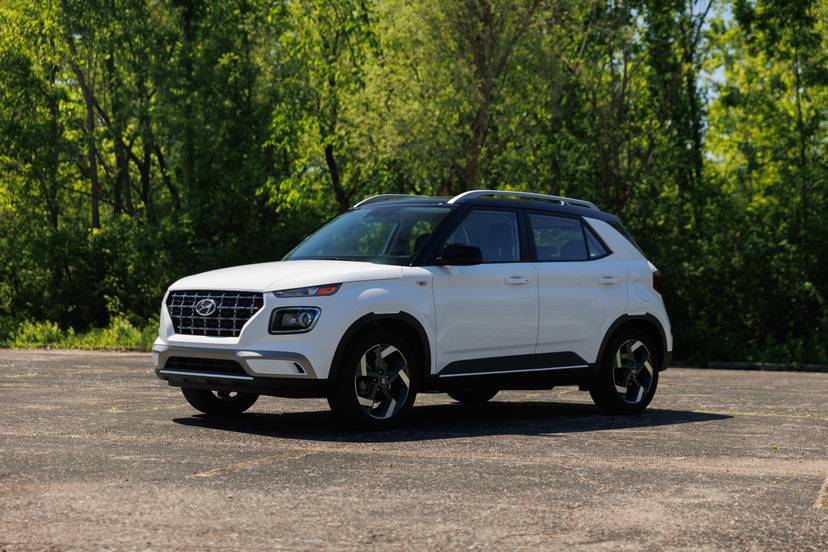
While the Venue technically comes in three trim levels, it’s actually just two: SE and SEL, with the SEL coming with either a moonroof or a two-tone roof that eliminates the moonroof in favor of a contrasting painted roof — plus an inch more headroom in the front seats. The SEL also has a cloth interior, while the SEL With 2-Tone Roof gets a cloth and simulated-leather treatment. Standard items across all trims include an 8-inch touchscreen infotainment system with wireless Apple CarPlay and Android Auto, plus forward collision warning, projector-beam headlamps with automatic high-beam assist, and a large suite of airbags that includes front-seat-mounted side impact airbags and side curtain airbags for both rows of seats.

2026 Hyundai VENUE 2026 Hyundai VENUE 2026 Hyundai VENUE 2026 Hyundai VENUE 2026 Hyundai VENUE 2026 Hyundai VENUE 2026 Hyundai VENUE 2026 Hyundai VENUE 2026 Hyundai VENUE 2026 Hyundai VENUE 2026 Hyundai VENUE

The biggest differences in equipment are between the SE and SEL. It starts outside, where the SE gets 15-inch wheels and tires versus the SEL’s 17-inchers. The rear brakes on the SE are cheaper drum-type designs, while the SEL versions get four-wheel disc brakes. The SEL trims also get more standard electronic features, including blind spot warning, rear cross-traffic alert, automatic climate control, backseat USB ports, wireless device charging, heated front seats and push-button start (the SE makes you twist a key to start the vehicle). The SEL is basically the same car underneath (with the exception of the brakes) but with more features for a little more money.

What’s the 2026 Hyundai Venue Like Inside?

When you approach the Venue, you definitely start to appreciate that this is something you don’t see much anymore: a genuinely small car. This is no high-riding SUV, it’s a subcompact hatchback of the kind we sometimes cringe at calling “SUV” because it doesn’t offer AWD. Its body style means you sit a little higher in it than a car, and it provides its occupants excellent headroom. It might cost more than an old Hyundai Accent subcompact sedan did when it was new, but you do get more for your money in terms of space and comfort.

2026 Hyundai VENUE 2026 Hyundai VENUE 2026 Hyundai VENUE 2026 Hyundai VENUE 2026 Hyundai VENUE 2026 Hyundai VENUE 2026 Hyundai VENUE 2026 Hyundai VENUE

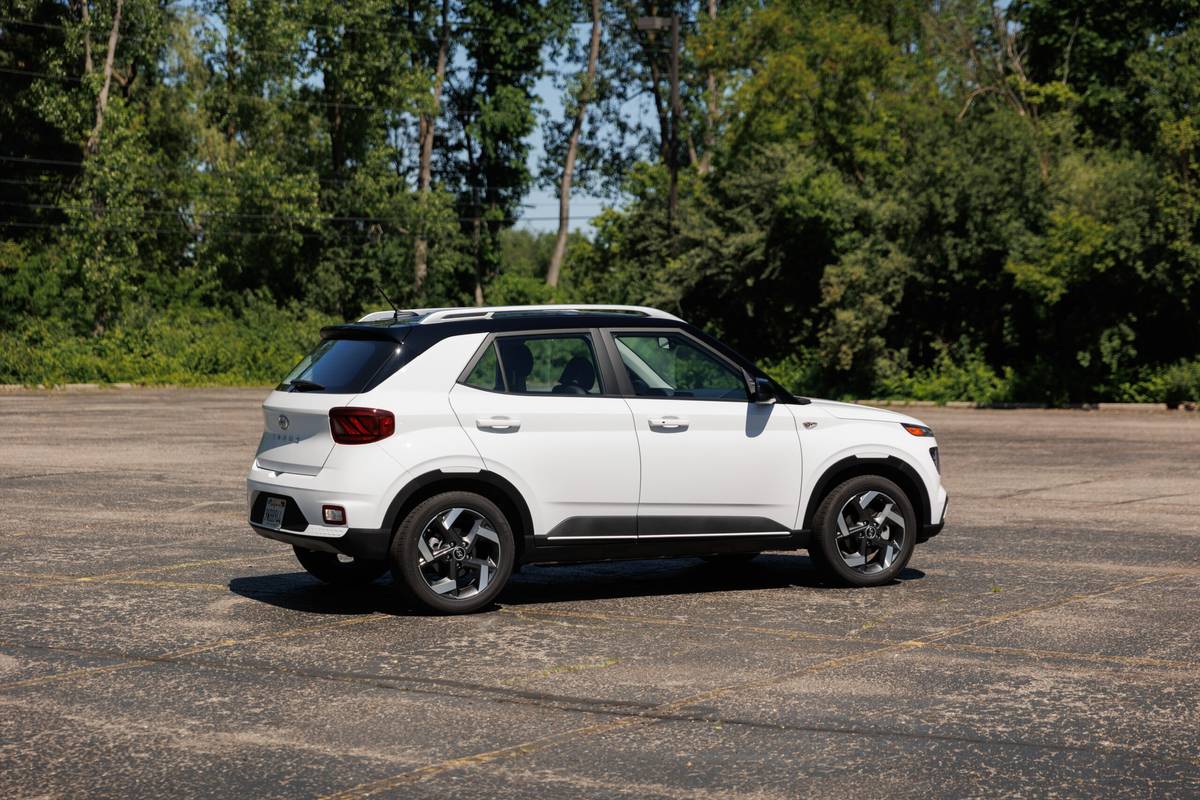
The Venue has both space and comfort in surprising amounts. Upfront, there’s plenty of width for two people to sit without touching elbows, and headroom is plentiful without the moonroof. The backseat has a decent amount of legroom, as well; you might not want to do a cross-country trip back there, but there’s plenty of space for tootling around town to dinner. It’s a perfectly sized commuter car, and upright windows with lots of glass mean outward visibility is excellent in every direction. It feels like a more substantial vehicle than its small size suggests.

The interior is also very well done. Materials quality isn’t luxury-level stuff, but it feels perfectly acceptable and well constructed. It doesn’t feel “premium,” but it certainly doesn’t feel cheap inside, either. And there are still switches and knobs for the controls; Hyundai hasn’t put everything into a touchscreen (yet), so you get tactile feedback and easy-to-use systems that are, frankly, lacking in many much more expensive cars. Cargo room isn’t exactly massive, but if you put the backseat down, it will easily swallow a big Costco run. I never once felt the need for more passenger room or cargo space in my week with the Venue.

What’s the Venue Like to Drive?

Strangely enough, I never felt the need for more power from the Venue’s tiny, naturally aspirated engine, either. While 121 hp isn’t a lot by any stretch of the imagination —  a turbocharged motor with a 50-hp bump in output would definitely be met with applause — the Venue’s continuously variable automatic transmission is well matched to the engine. It feels sprightly and quick around town, only running out of steam when you’re on a freeway on-ramp with passengers aboard. For about 75% of everyday use in urban environments, this Hyundai’s performance is perfectly acceptable.

2026 Hyundai VENUE 2026 Hyundai VENUE 2026 Hyundai VENUE

Small cars with small engines usually offer superior fuel economy as compensation for not being terribly powerful, but that’s not really the case with the Venue. It earns an EPA-rated 29/33/31 mpg city/highway/combined, which is just OK for a vehicle this size with an engine this small. My week of testing saw it return 29 mpg, but I suspect that was due to me needing to put my foot down more heavily on the accelerator pedal than the government’s testing cycle requires. The problem with a small car like this is that you find yourself driving it more aggressively in order to keep up with traffic; the Venue’s CVT means it revs its heart out to keep the engine in its power band, and keeping an engine at higher rpm for protracted periods means fuel economy suffers. There’s no hybrid or electrified powertrain for the Venue, either; your next best option for a small and truly efficient vehicle from Hyundai would be a Kona EV, which is larger and more expensive.

My SEL With 2-Tone Roof test car had a surprisingly well-damped ride, well-controlled body motions and steering feel that was reasonably communicative. It’s no sports car, but it’s not supposed to be one. It’s a transportation appliance, and it fills that role perfectly well, with a minimum of fuss for its driver and passengers.

Sufficient Onboard Tech, But Only Just

The Venue debuted for the 2020 model year, and its age shows in its systems, controls and entertainment features. Even so, this might just be the best, most user-friendly layout Hyundai has produced; later ones have started to complicate functions and place too many controls in the touchscreen. That’s not a problem here. The Venue has all of the necessities, including an 8-inch touchscreen and wireless Apple CarPlay and Android Auto. If you need to charge, just pop your phone into the wireless charger that comes on the SEL, or use the USB ports in the front or rear seats. Climate controls use a simple design with dedicated knobs, and the standard digital gauge display is clear and easy to read. Lane departure steering assist is standard, but more advanced features (like distance-keeping cruise control) are not offered. Gotta keep costs down somehow.

2026 Hyundai VENUE 2026 Hyundai VENUE 2026 Hyundai VENUE 2026 Hyundai VENUE 2026 Hyundai VENUE 2026 Hyundai VENUE 2026 Hyundai VENUE 2026 Hyundai VENUE 2026 Hyundai VENUE 2026 Hyundai VENUE 2026 Hyundai VENUE

Is a Used Car a Good Alternative?

You have to accept that a few things will be missing in a vehicle this (relatively) inexpensive, but the Venue isn’t missing anything critical. The fact that it has as much content, comfort, utility and quality as it does for what it costs should make it a slam-dunk success in this day of skyrocketing prices. Costing half as much as a typical new car but with perhaps 80% of those cars’ features is an absolute bargain. It’s worth looking into if a new car is what you seek.

But is a used car a good alternative? Honestly, no, not anymore. The average price of even a used car these days is over $30,000 for one that’s just a few years old. In order to find price-competitive vehicles for the cost of a new Venue, you’ll have to look at even older models that bring their own issues, including out-of-warranty repairs, reliability and other costs. Finding a certified pre-owned vehicle adds more cost, too. The only reason to go for a used vehicle is if you need something with more space or cargo room, or more towing capability. If you’re looking for basic transportation that’s decently efficient and comes with a new-car warranty, the Venue is really hard to beat.

Expert Rating: 7.1/10

  • Powertrain: 6/10
  • Ride quality: 7/10
  • Driver comfort: 7/10
  • Passenger comfort: 7/10
  • Interior quality: 7/10
  • User interface: 8/10
  • Cargo space: 6/10
  • Value: 10/10
  • Overall appeal: 7/10
  • Fuel economy: 6/10

More Hyundai News From Cars.com:

Cars.com’s Editorial department is your source for automotive news and reviews. In line with Cars.com’s long-standing ethics policy, editors and reviewers don’t accept gifts or free trips from automakers. The Editorial department is independent of Cars.com’s advertising, sales and sponsored content departments.
Design your vehicle

Black 2026 Hyundai VENUE
Continue your design

Your message was sent. You'll receive a response shortly.

Available cars near you

Hyundai incentives for 43287

  • First responder
    $500 Hyundai US First Responders Program
    Best cash offer on Hyundai Venue 2026 SEL w/Two-Tone Roof SUV
    See details
    Expires 09/30/2026
  • Government
    $500 Hyundai US Military Incentive
    Military bonus cash on Hyundai Venue 2026 SEL w/Two-Tone Roof SUV
    See details
    Expires 09/30/2026
  • Loyalty offer
    $250 Hyundai US Hyundai Rewards - Gold Tier
    Loyalty bonus cash on Hyundai Venue 2026 SEL w/Two-Tone Roof SUV
    See details
    Expires 12/31/2026
  • Education
    $400 Hyundai US College Grad Program
    College/Student bonus cash on Hyundai Venue 2026 SEL w/Two-Tone Roof SUV
    See details
    Expires 01/02/2027

Safety review

Based on the 2026 Hyundai VENUE base trim
NHTSA crash test and rollover ratings, scored out of 5.
Overall rating
4 out of 5
Combined side rating front seat
5 out of 5
Combined side rating rear seat
5 out of 5
Frontal barrier crash rating driver
4 out of 5
Frontal barrier crash rating passenger
4 out of 5
Overall frontal barrier crash rating
4 out of 5
Overall side crash rating
5 out of 5
Rollover rating
4 out of 5
Side barrier rating
5 out of 5
Side barrier rating driver
5 out of 5
Side barrier rating passenger rear seat
5 out of 5
Side pole rating driver front seat
5 out of 5
14.3%
Risk of rollover
Side barrier rating driver
5 out of 5
Side barrier rating passenger rear seat
5 out of 5
Side pole rating driver front seat
5 out of 5
14.3%
Risk of rollover

Factory warranties

Basic
5 years / 60,000 miles
Corrosion
7 years
Powertrain
10 years / 100,000 miles
Roadside Assistance
5 years

Consumer reviews

5.0 out of 5
Based on 2 reviews
Write a review
Comfort
5.0 out of 5
Interior
5.0 out of 5
Performance
5.0 out of 5
Value
5.0 out of 5
Exterior
5.0 out of 5
Reliability
5.0 out of 5

Most recent

  • The Venue is a fantastic small car, perfect for driving

    The Venue is a fantastic small car, perfect for driving around town. It's easy to park, maneuver, and drive. It has great visibility, without big blind spots. It's very comfortable and drives very, very well - far better than I expected for its price. My 6'2" husband fits in it easily, as driver or as passenger. It has quite decent power, and it accelerates faster than our old Honda Civic did. It has great storage capacity for its size, and I love the two-tone styling on the SEL model I bought. It's not a luxury car. It is small, the interior is basic, and there are certainly cars available with more horsepower. Nonetheless, it is an absolutely fabulous car for its size price - I truly don't understand why I don't see more of these on the road! I LOVE my new Hyundai Venue!
    • Purchased a New car
    • Used for Having fun
    • Does recommend this car
    Comfort
    5.0 out of 5
    Interior
    5.0 out of 5
    Performance
    5.0 out of 5
    Value
    5.0 out of 5
    Exterior
    5.0 out of 5
    Reliability
    5.0 out of 5
    0 people out of 0 found this review helpful. Did you?
    Yes No
  • My name is Michael Payne I am 6 ft 5 in tall.

    My name is Michael Payne I am 6 ft 5 in tall. I test drove the mirage green Hyundai venue I had plenty of Head room and leg room during my test drive. Loved it. Car shopping didn't purchase anything yet.
    • Purchased a New car
    • Used for Commuting
    • Does recommend this car
    Comfort
    5.0 out of 5
    Interior
    5.0 out of 5
    Performance
    5.0 out of 5
    Value
    5.0 out of 5
    Exterior
    5.0 out of 5
    Reliability
    5.0 out of 5
    0 people out of 0 found this review helpful. Did you?
    Yes No

Latest news from Cars.com

See all news

Hyundai dealers near you

FAQ

What trim levels are available for the 2026 Hyundai VENUE?

The 2026 Hyundai VENUE is available in 2 trim levels:

  • SE (1 style)
  • SEL (2 styles)

What is the MPG of the 2026 Hyundai VENUE?

The 2026 Hyundai VENUE offers up to 29 MPG in city driving and 33 MPG on the highway. These figures are based on EPA mileage ratings and are for comparison purposes only. The actual mileage will vary depending on vehicle options, trim level, driving conditions, driving habits, vehicle maintenance, and other factors.

Is the 2026 Hyundai VENUE reliable?

The 2026 Hyundai VENUE has an average reliability rating of 5.0 out of 5 according to cars.com consumers. Find real-world reliability insights within consumer reviews from 2026 Hyundai VENUE owners.

Is the 2026 Hyundai VENUE a good SUV?

Below are the cars.com consumers ratings for the 2026 Hyundai VENUE. 100.0% of drivers recommend this vehicle.

5.0 / 5
Based on 2 reviews
  • Comfort: 5.0
  • Interior: 5.0
  • Performance: 5.0
  • Value: 5.0
  • Exterior: 5.0
  • Reliability: 5.0

Hyundai VENUE history

Your list was successfully saved.


Save list Compare
[{"cat":"crossover_compact","stock_type":"new","bodystyle":"SUV","page_type":"research/make-model-year","oem_page":true,"search_fuel_types":["Gasoline Fuel"]}]