







What SUV Shoppers Need to Know |
||
| Expert Rating: 7.6/10 | Quick Specs | |
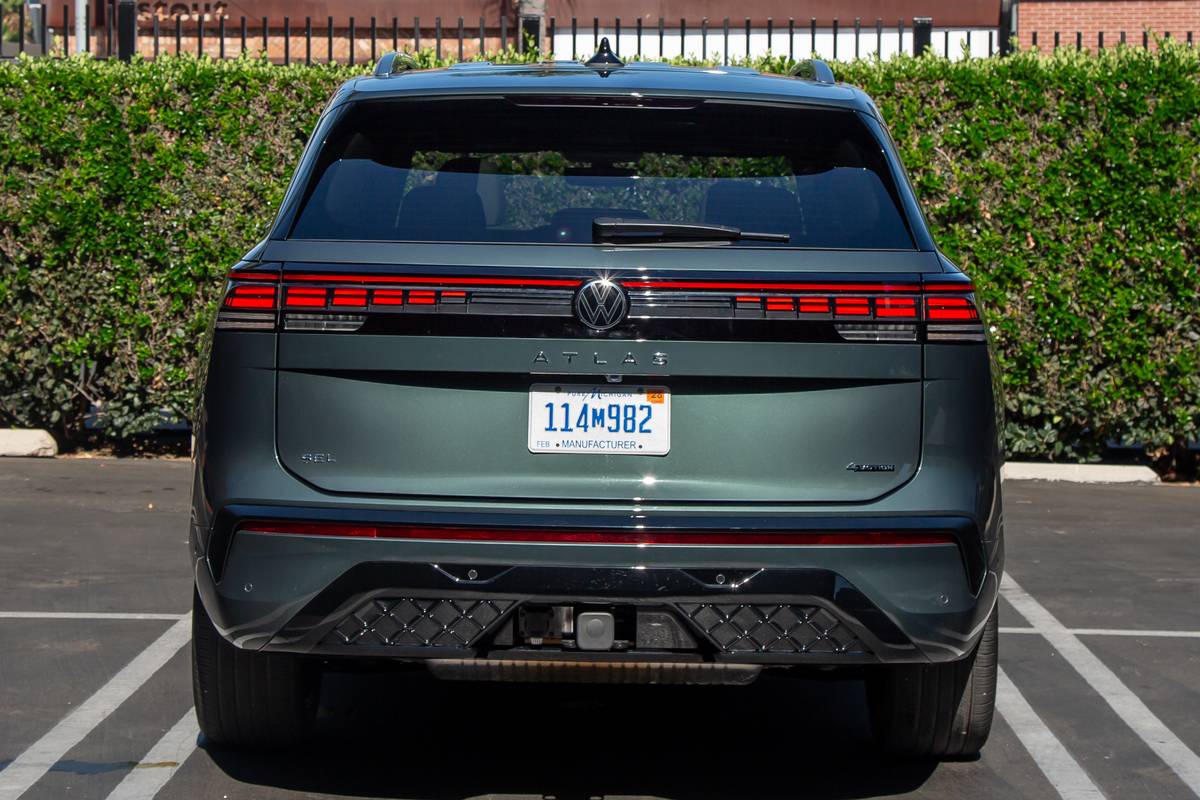
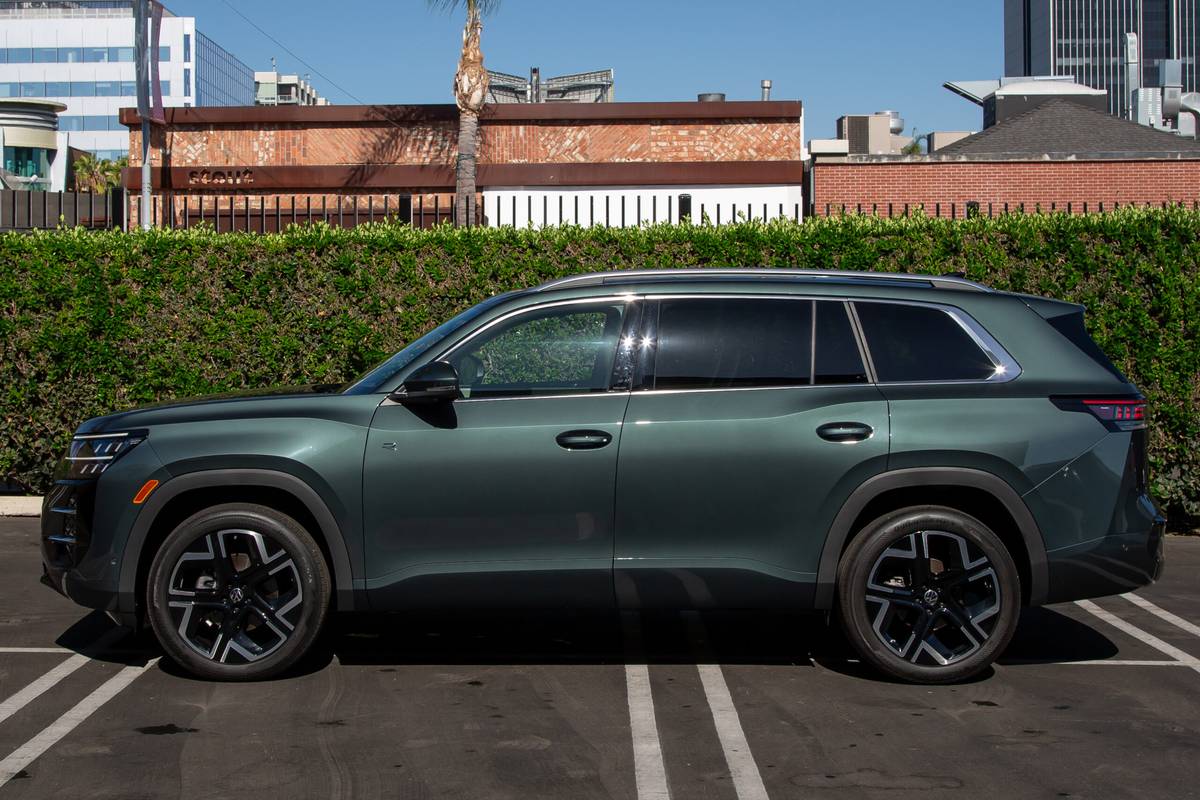
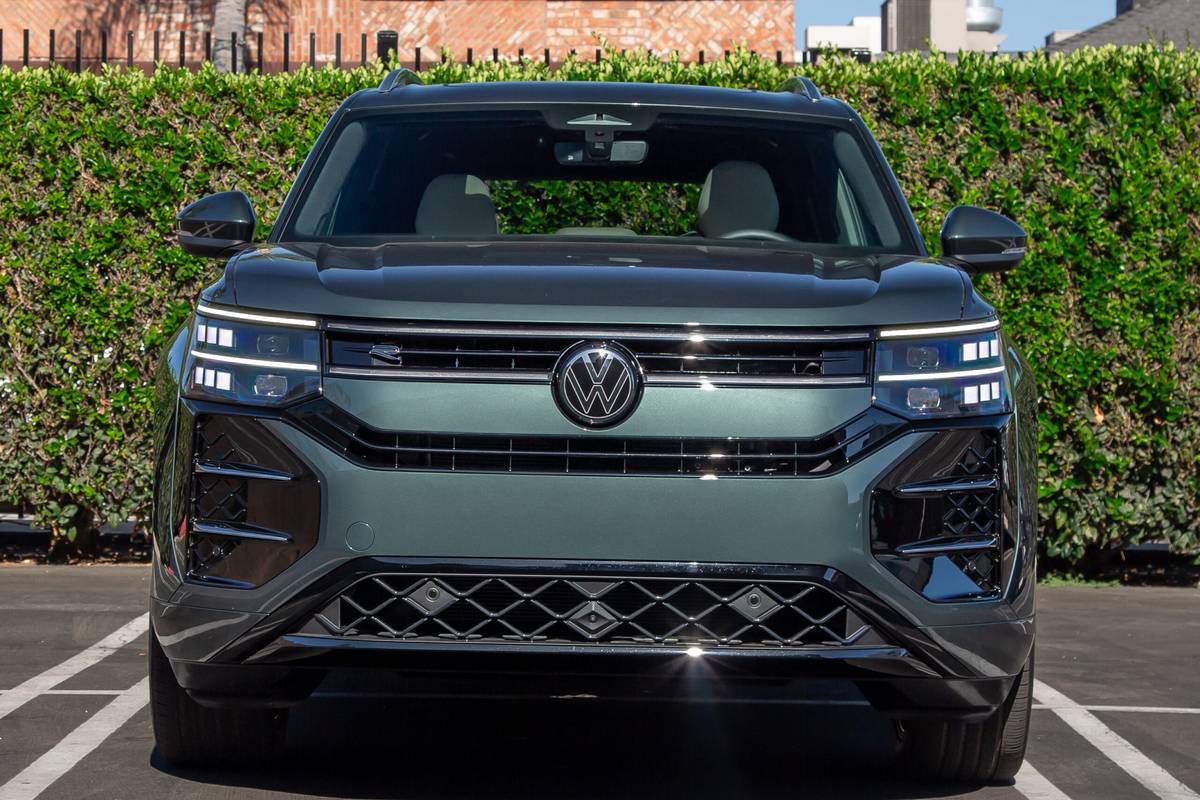
| Cars.com says: The redesigned 2027 Volkswagen Atlas is positioned to be one of the ritziest, most visually impressive mid-size three-row SUVs on the market. | Test vehicle: | 2027 Volkswagen Atlas SEL Premium R-Line |
| Starting price (including destination): | $58,135 | |
| Engine: | 282-horsepower, turbo 2.0-liter four-cylinder | |
| Max. seating capacity: | 7 | |
| Fuel economy: | Up to 22/29/25 mpg city/highway/combined | |
It’s hard to believe it’s been nine model years since the production debut of the Volkswagen Atlas. Stranger still is the fact that we’re just now getting an all-new second-generation SUV, with the first (and up till now only) generation of Atlas receiving two notable refreshes in its life cycle.
Related: 2027 Volkswagen Atlas Up Close: Please Welcome the Lovely New Biguan
Much like the dearly departed V-8-powered Dodge Charger, you get the sneaking feeling VeeDub could’ve kept the existing Atlas going for even a while longer, especially since its age did little to tamp it landing a stellar second-place finish in Cars.com’s 3-Row SUV Challenge back in 2024. Clearly, we didn’t have many complaints, but after some hands-on wheeltime in the all-new second-generation Atlas, it’s clear Volkswagen’s attempted renaissance is well underway.
Expert Rating: 7.6/10
- Powertrain: 7/10
- Ride quality: 7/10
- Driver comfort: 8/10
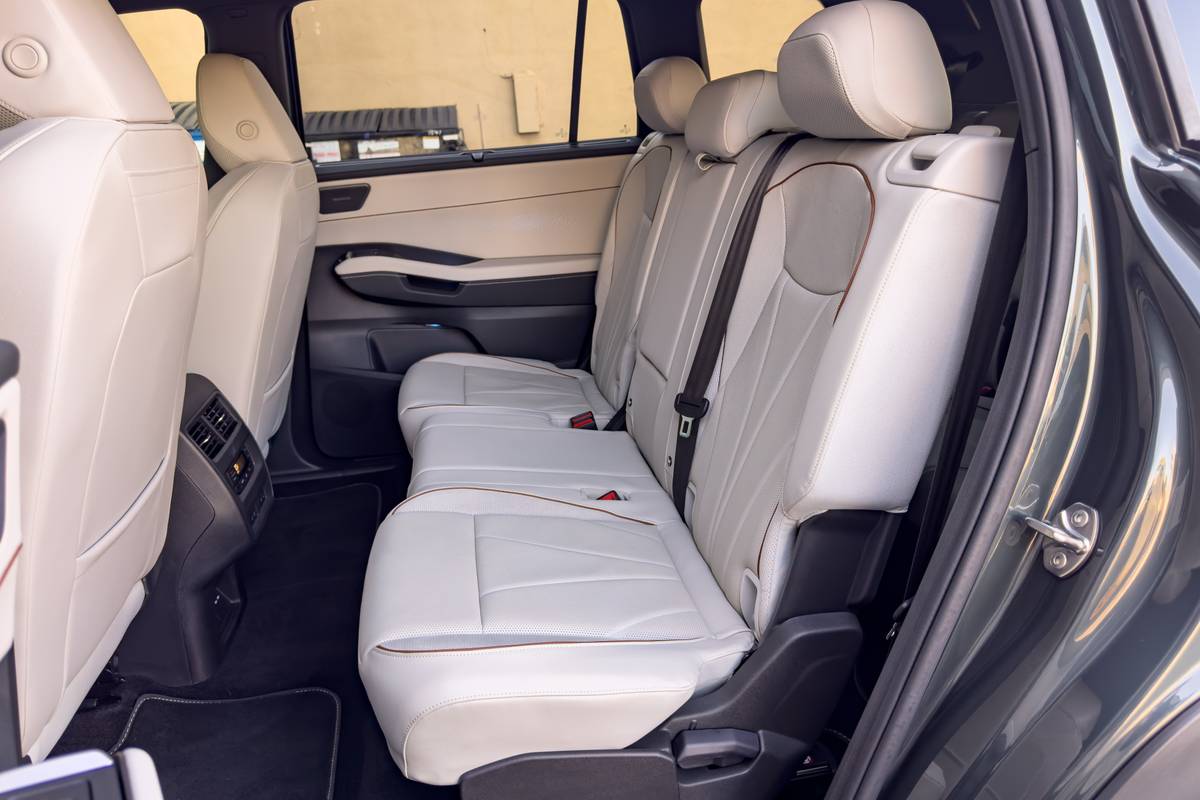
- Passenger comfort: 8/10
- Interior quality: 8/10
- User interface: 7/10
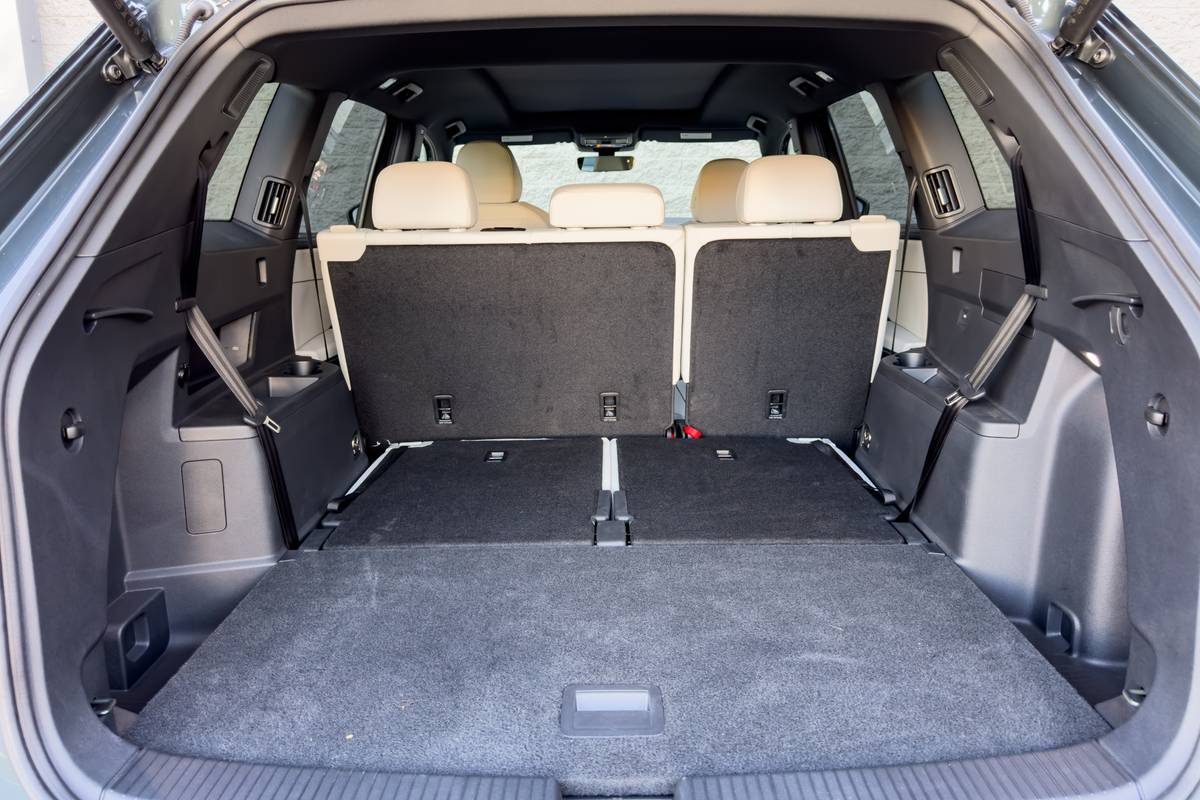
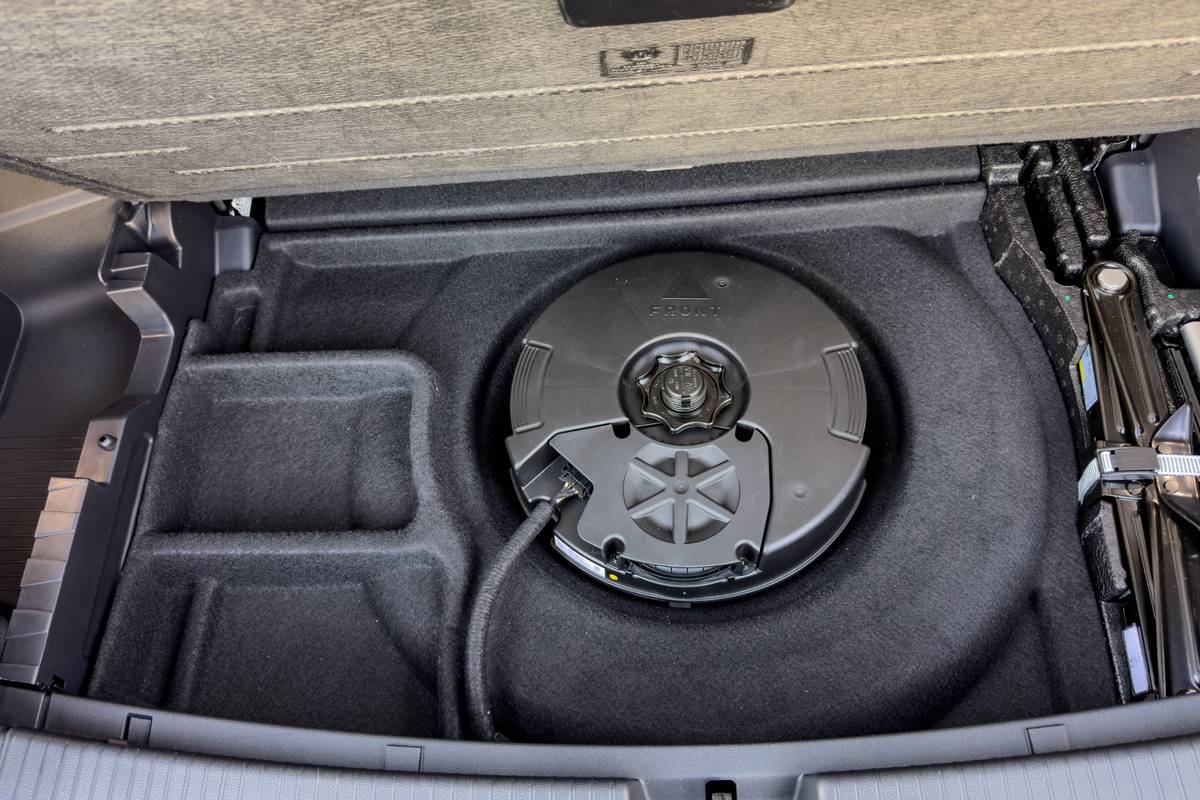
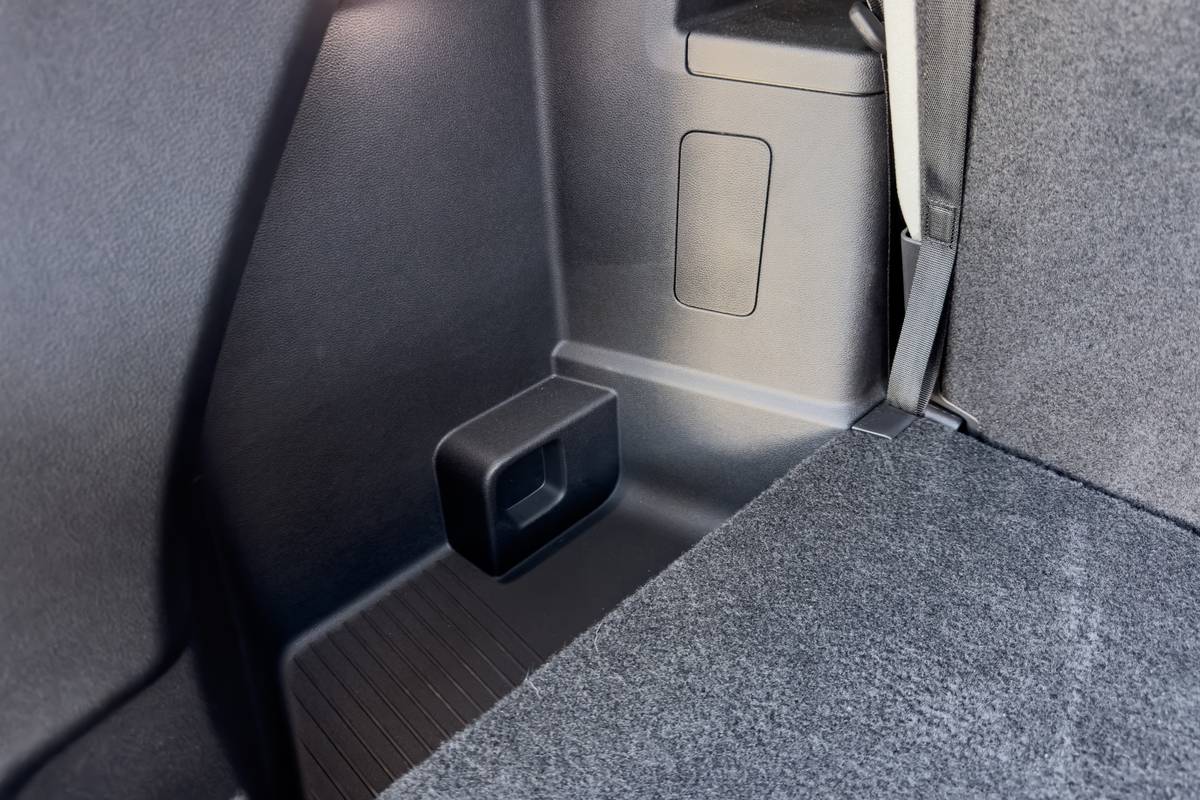
- Cargo space: 9/10
- Value: 8/10
- Overall appeal: 7/10
- Fuel economy: 7/10
Intrigued? Here are four things I liked about the redesigned 2027 Volkswagen Atlas and three things I didn’t.
What Do We Like About the 2027 Volkswagen Atlas?
1. More Power
According to VW, this is a ground-up redesign, but that’s certainly (and thankfully) not the case for the powertrain. VW’s perennial turbocharged 2.0-liter four-cylinder returns, now with 13 more horsepower at the cost of 15 less torques for a total of 282 hp and 258 pounds-feet of torque.
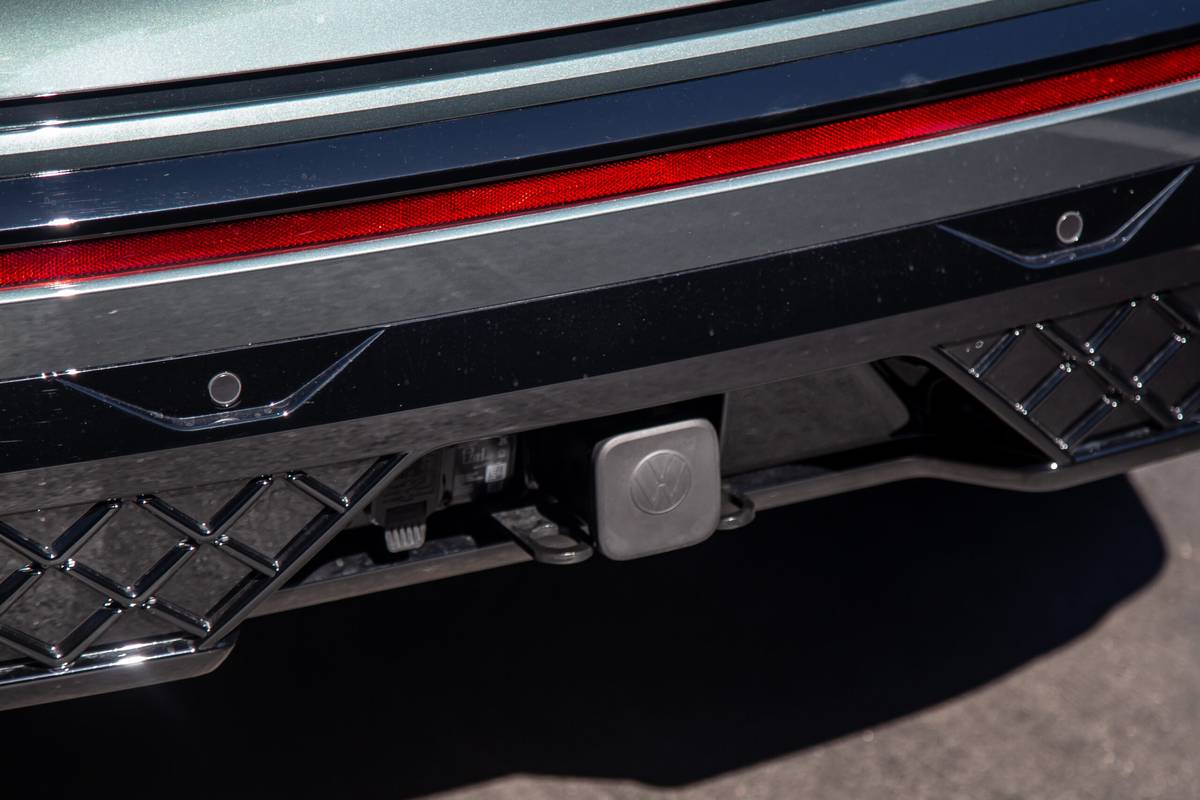
Great, but I can assure you even with a direct back-to-back drive in this and its predecessor, there’s a fat chance you’ll be able to tell the difference. I sure couldn’t on my relatively short interurban cruise, but that’s not a bad thing considering the Atlas’ drivetrain was never the issue. Here, hauling a full house of folks and furniture to and beyond highway speeds is no issue at all, nor is extending cargo to a trailer; despite the output shuffle, the 2027 Atlas’ impressive 5,000-pound tow rating carries over.
2. Interior Quality and Presentation
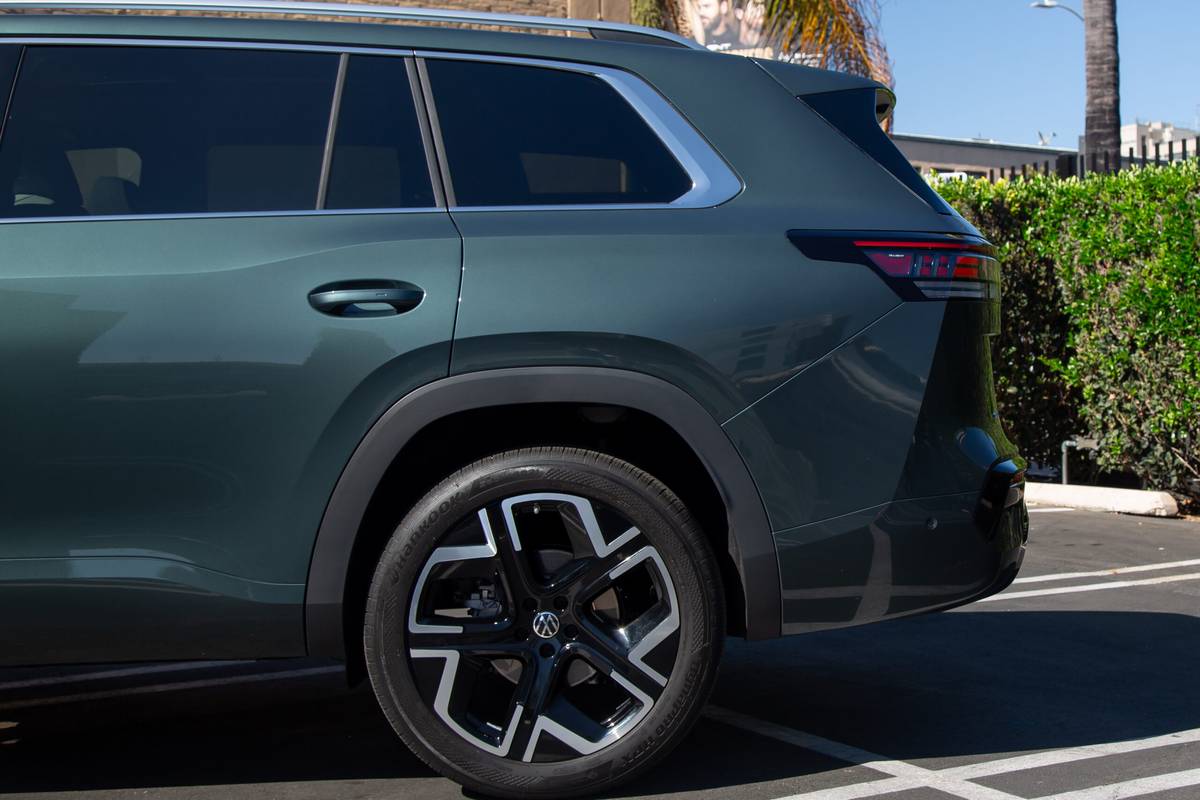
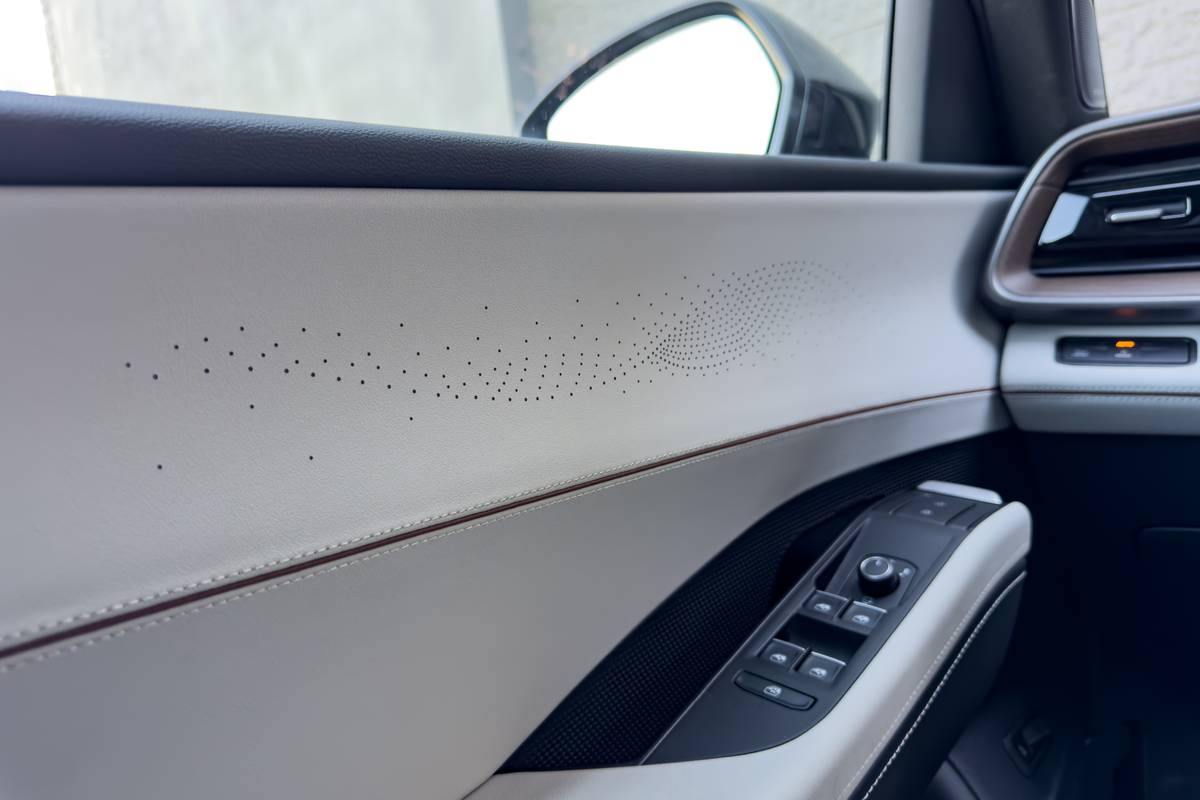
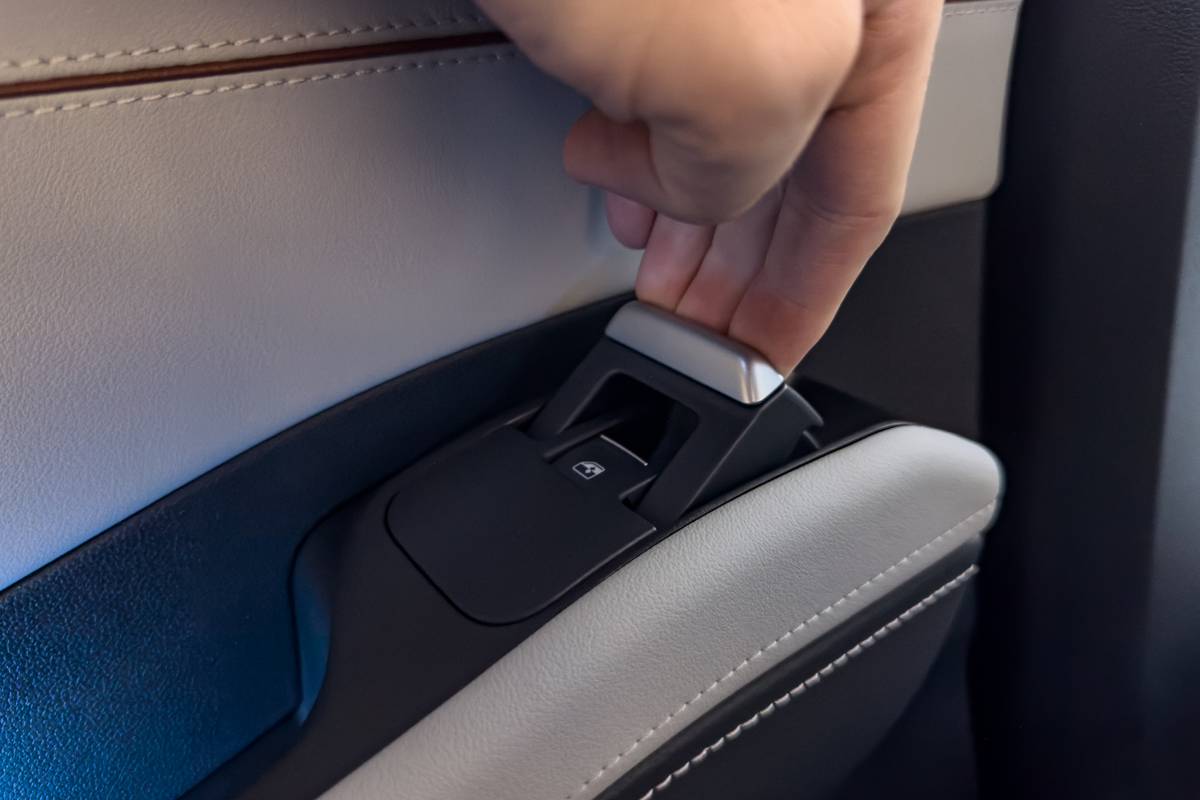
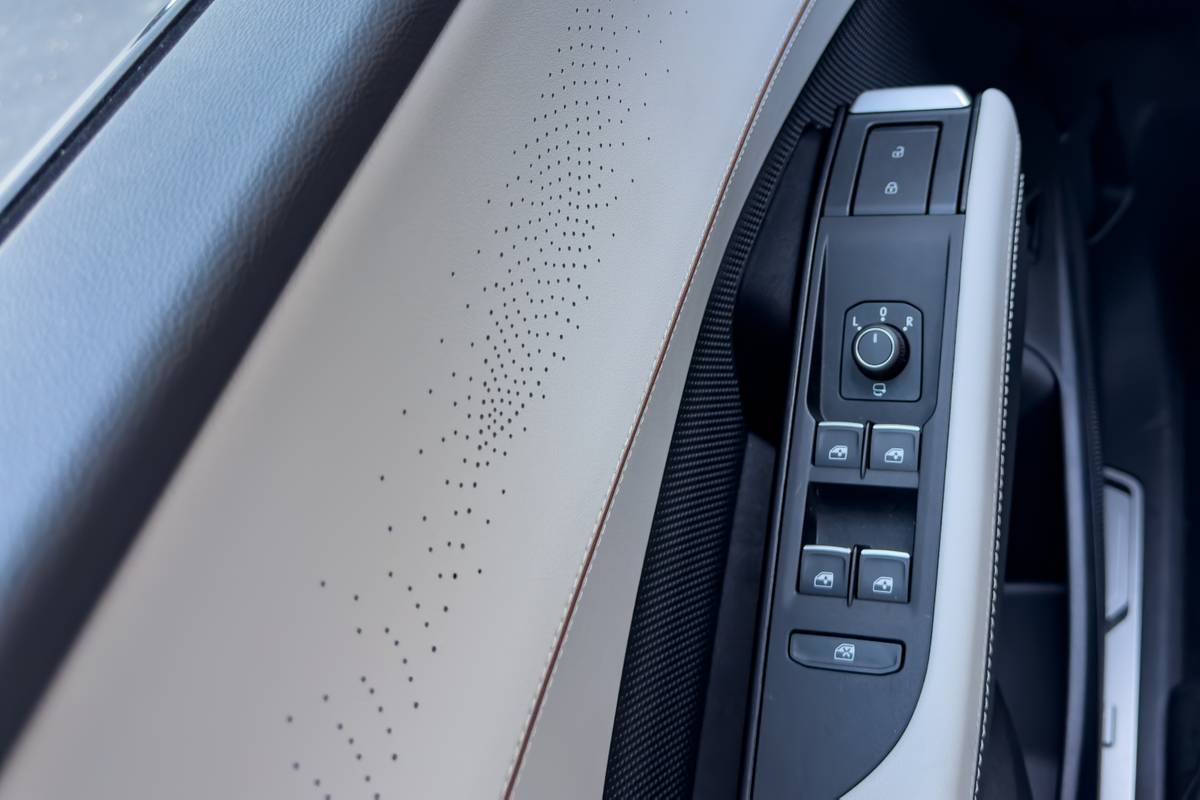
It’s clear VW intends to return to its halcyon Audi-lite days from a decade ago; the Atlas is requisitely primo, at least in my top-spec SEL Premium R-Line test vehicle. Actually, with genuine wood trim, Nappa leather and massaging front seats, it’s more “Audi” than it is “lite” at this point. But we’re not surprised; the new Atlas is affectionately known as the “Biguan” among the Cars.com Editorial staff on account of this new interior very much appearing as the scaled-up duds found in the recently redesigned Tiguan compact SUV.
If we quite liked the last Atlas, we love the current-gen Tiguan. So much so that we crowned it Best Compact SUV for 2026, with much of the adulation levied toward its comprehensively upscale and stylish interior that isn’t so much inspiration for the new Atlas as it is the half-sized taproot. Great style, excellent materials and solid powertrain refinement place the upper trim of the Atlas at the top of the class in presentation alone.
3. Killer Tech
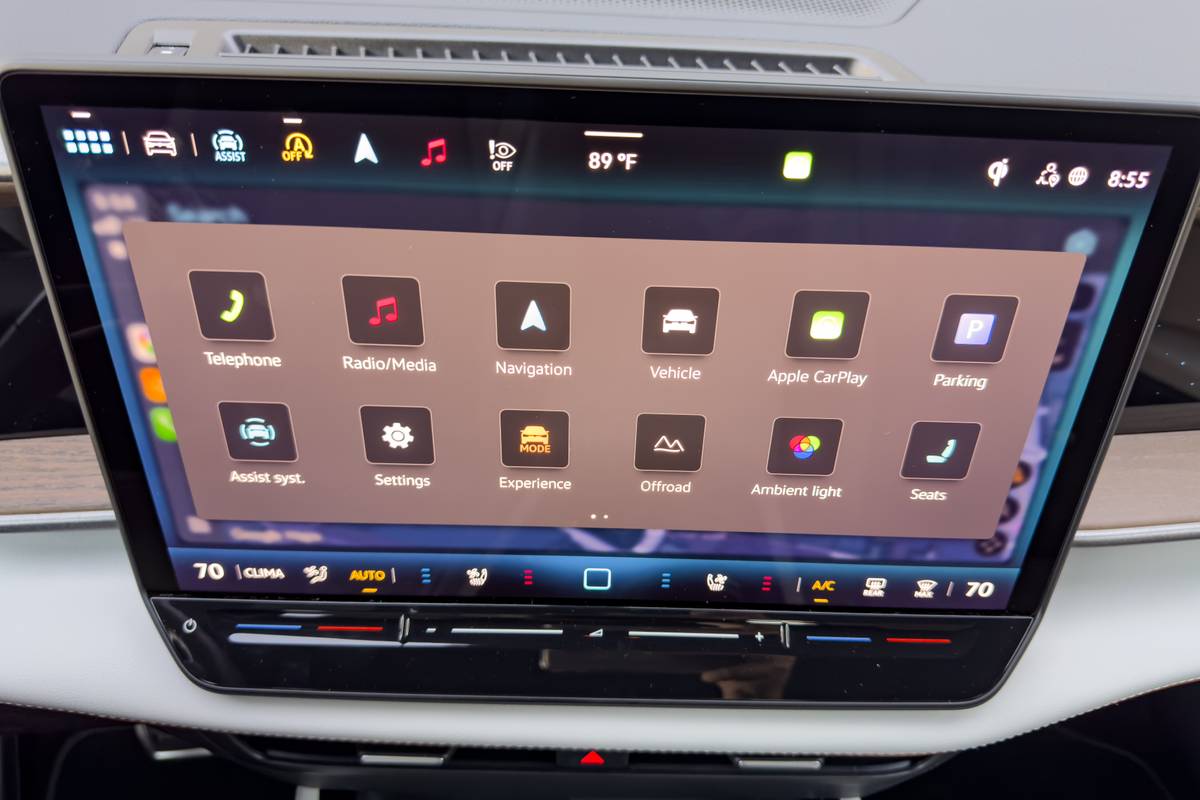
A family SUV is only worth its weight in tech these days, and the Atlas delivers the digital distractions en masse. A 15-inch center infotainment touchscreen is standard on all but the base trim — as if you could call the base model’s 12.9-inch screen “small”— while a 10.25-inch digital driver’s display is standard across the board.
A frustrating, sluggish and obtuse user interface was the primary cause of the last-gen Atlas’ second-place comparison test finish, and I’m glad to say it’s been improved for the new SUV. Nothing too complex here, just a reasonably easy-to-use digital architecture with impressive reaction times and a returned emphasis on physical controls, though I do wish the admittedly much-improved touch-capacitive sliders for temperature and volume control would go the way of the Beetle — that is, kaput.
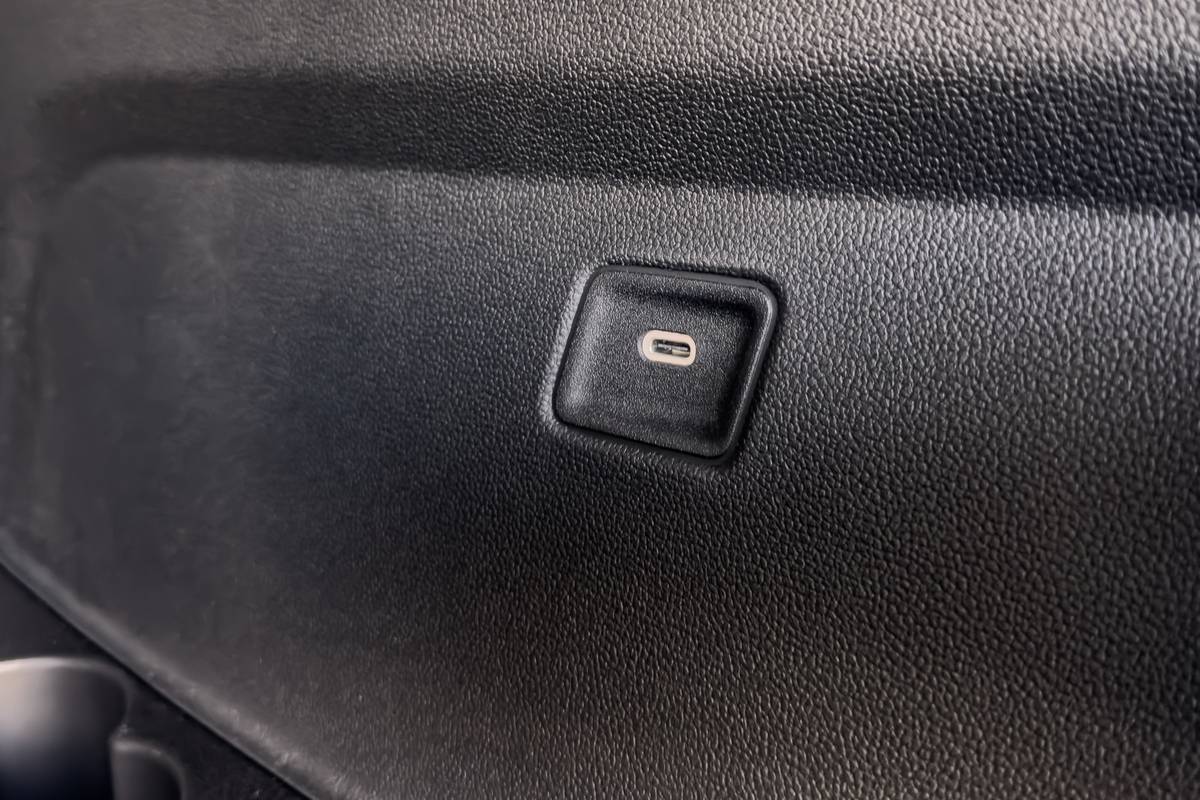
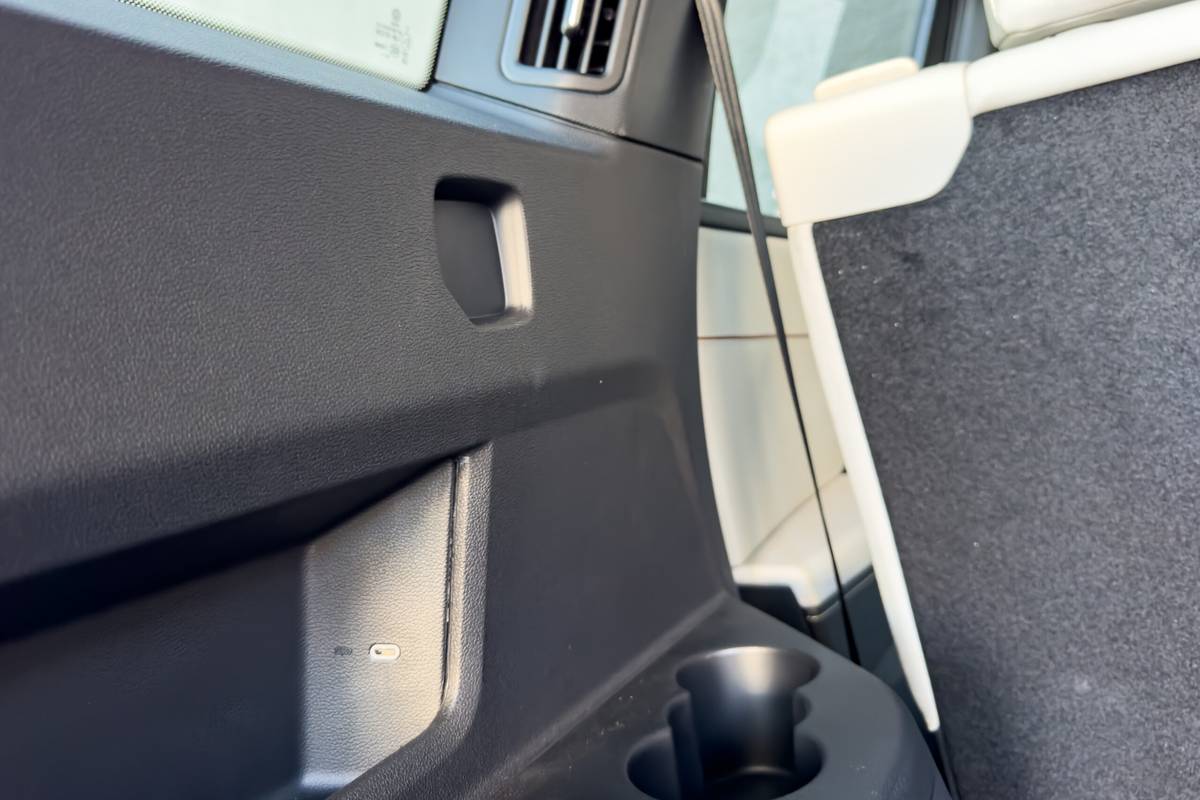
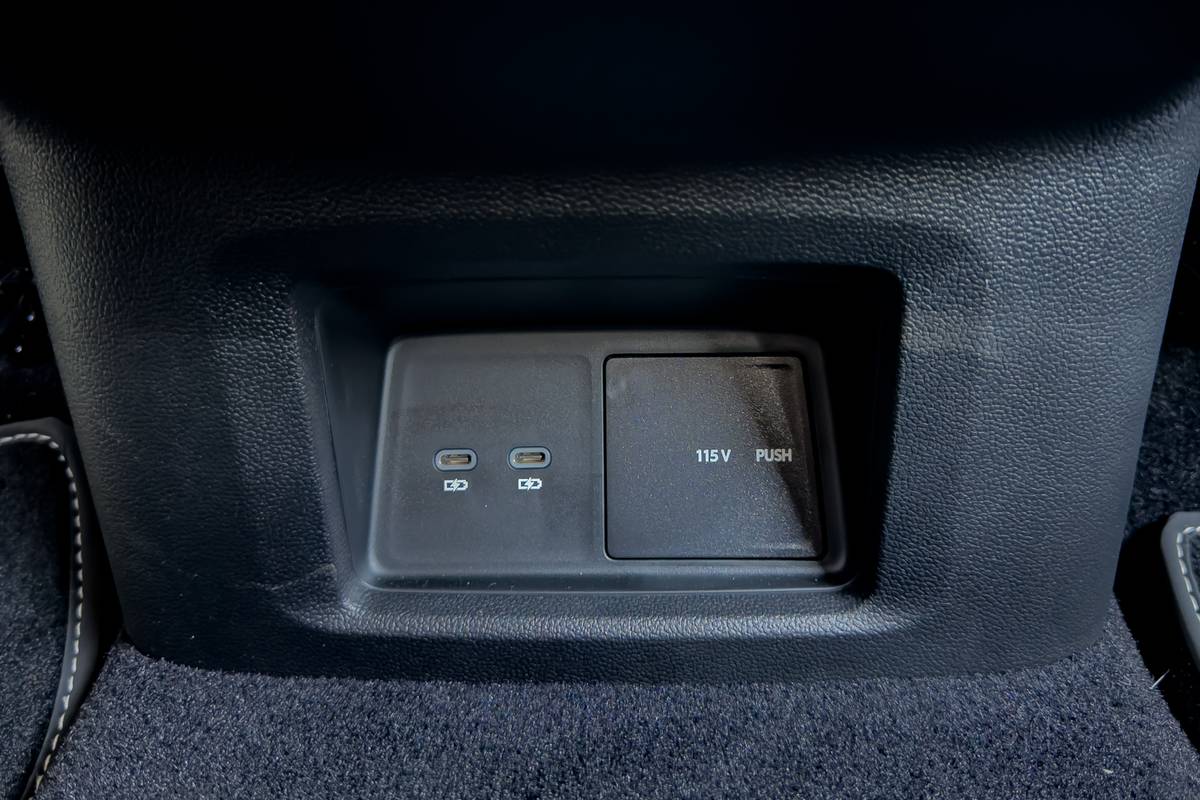
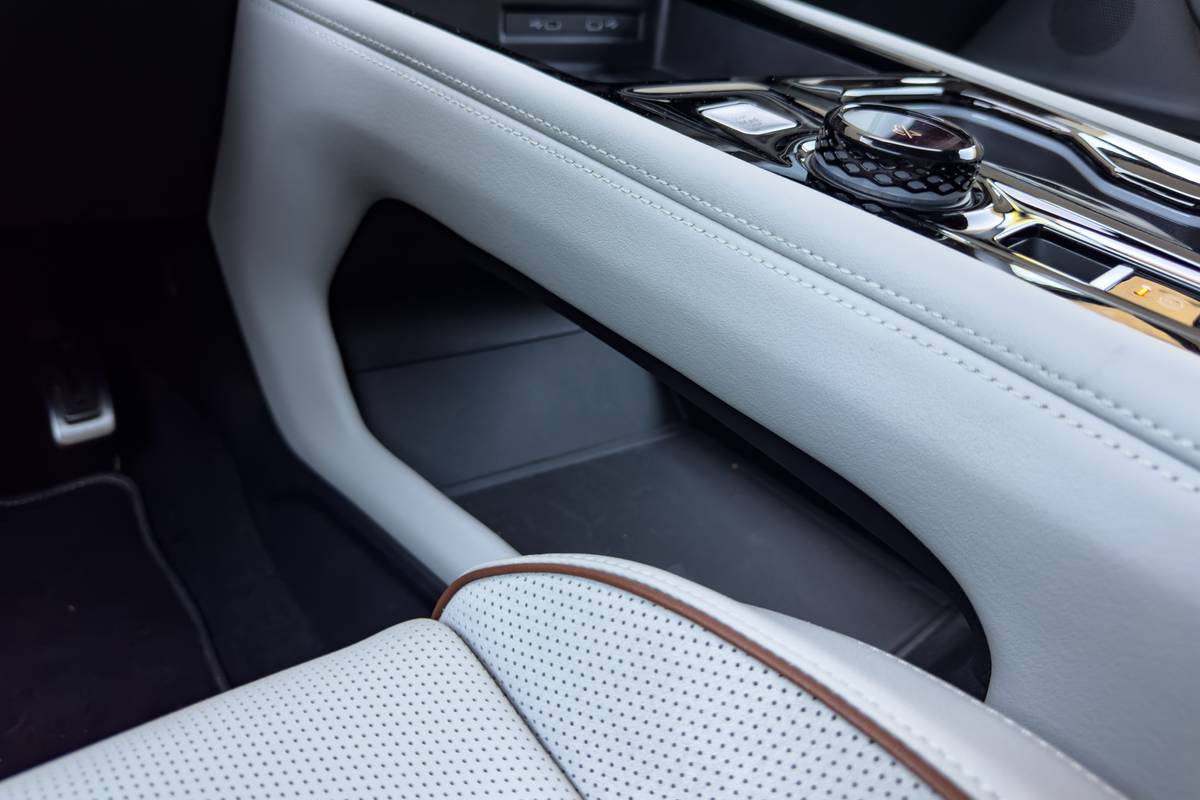
For the many, many other screens in your life, seven standard USB-C charge ports mean they’ll never go dark. Too lazy to plug in? Just slap your latest smartphone on one of the twin wireless device charging pads that deliver up to 15 watts of charge. My favorite gizmo? I’m a big fan of the dual-function knob on the center console that toggles between oversized volume knob and drive mode selector, so accessed via the slick integrated display.
4. Standard Passenger Comfort
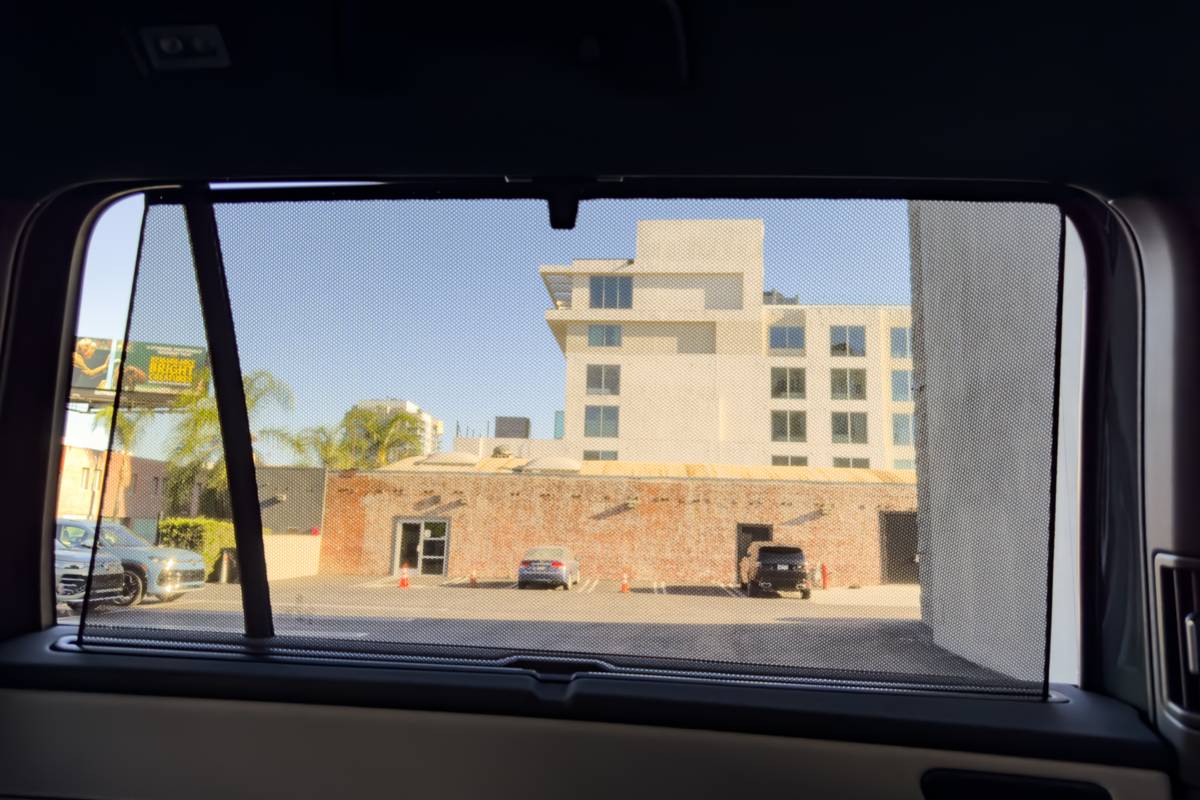
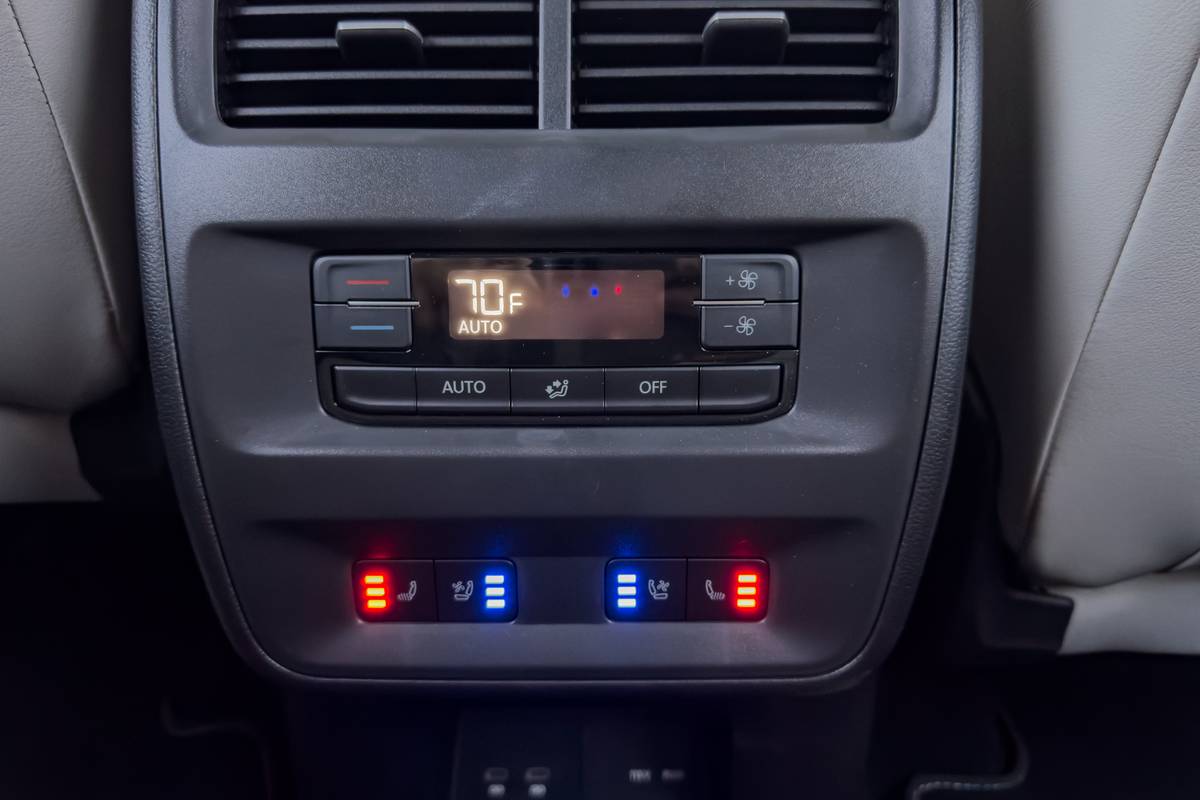
Boy, is this a nice family sled. Even if you don’t hit the window-sticker hi-score, heated and ventilated front seats, a heated steering wheel, three-zone automatic climate control, a power-adjustable driver’s seat, a power liftgate, second-row window sunshades, that wireless device charging pad and keyless entry are all standard fare.
Related Video:
We cannot generate a video preview.
What Do We Dislike About the 2027 Volkswagen Atlas?
1. Lots of LEDs
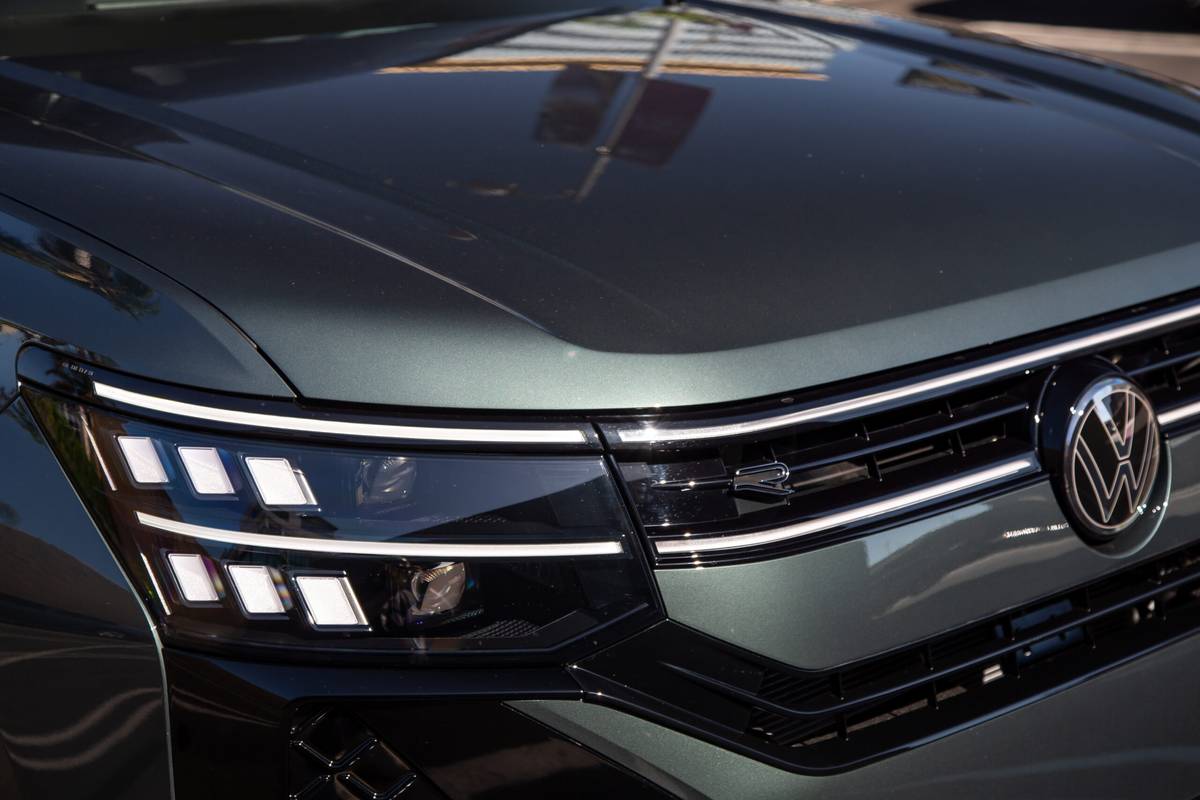
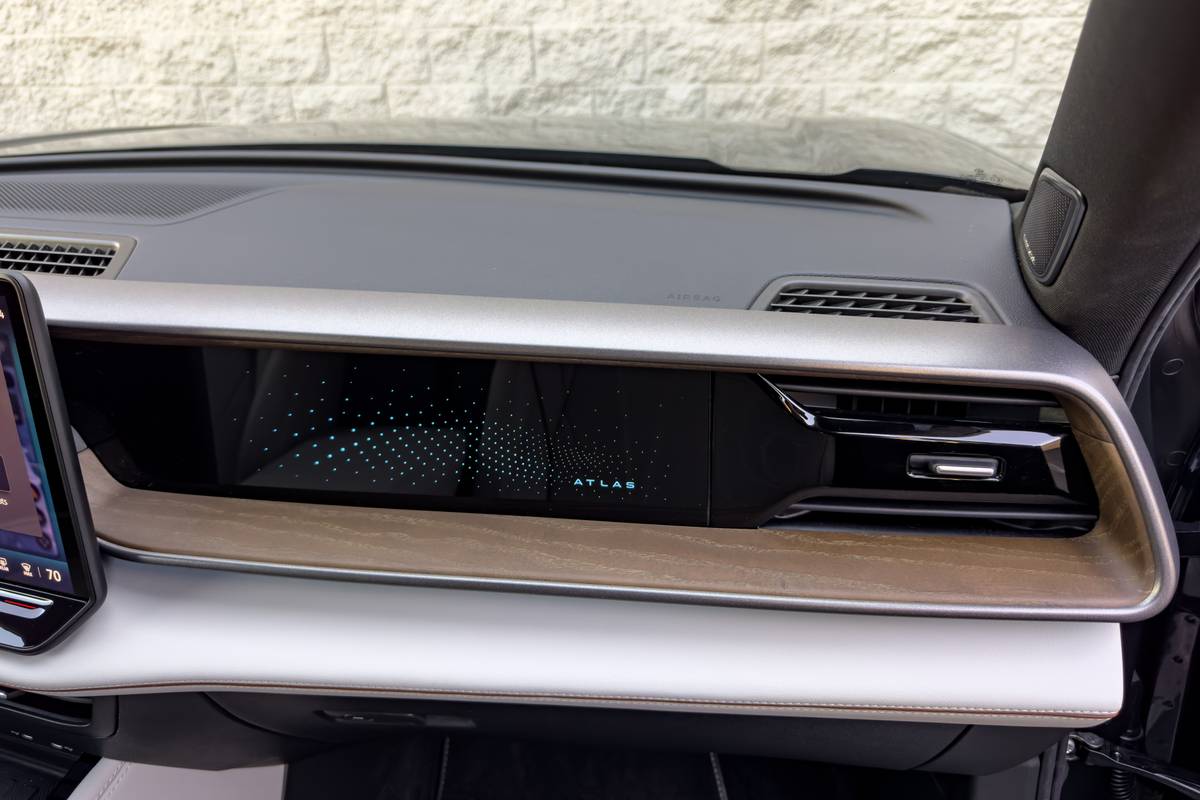
You’ll note that a common theme in this “cons” section is how mild my annoyances are. I like the Atlas quite a bit, but the extensive use of LED accent lighting is sometimes a bit much, not unlike Mercedes’ ongoing LED-induced nightclub vibe. Hey, I bet it’ll keep the youths entertained.
2. Potential Transmission Tuning
The updated powertrain is undeniably the most familiar bit of the Atlas’ kit, and though both power and general refinement are impressive, the eight-speed automatic transmission occasionally hiccupped at inopportune times, especially if prodded for a particularly aggressive downshift or a three-point turn. Nothing truly concerning, and potentially something explained away by the pre-production nature of my test vehicle.
3. No Hybrid — Yet
I’m an all-gas man myself, but it’s high-time VW offered a hybrid drivetrain for its largest and thirstiest SUV. Well, good news: Though it isn’t available at launch, the German automaker confirms a hybrid powertrain is indeed en route.
How Does the 2027 Volkswagen Atlas Compare to the Prior SUV?
The biggest difference absolutely boils down to design, standard features and finishing, but there’s more than enough to call it next gen. Both power and efficiency are up, with the new front-wheel-drive Atlas EPA-rated 22/29/25 mpg city/highway/combined, a boost of 2 mpg combined compared to its predecessor.
Interior volume is nearly a wash, with well less than half-an-inch gain in all passenger categories. Ditto for that 5,000-pound tow rating. Interior tech is one of the biggest differences, with even the standard 12.9-inch infotainment touchscreen a sizable upgrade over the prior 12-inch display, let alone the optional 15-inch touchscreen.
2027 Volkswagen Atlas Versus the Competition
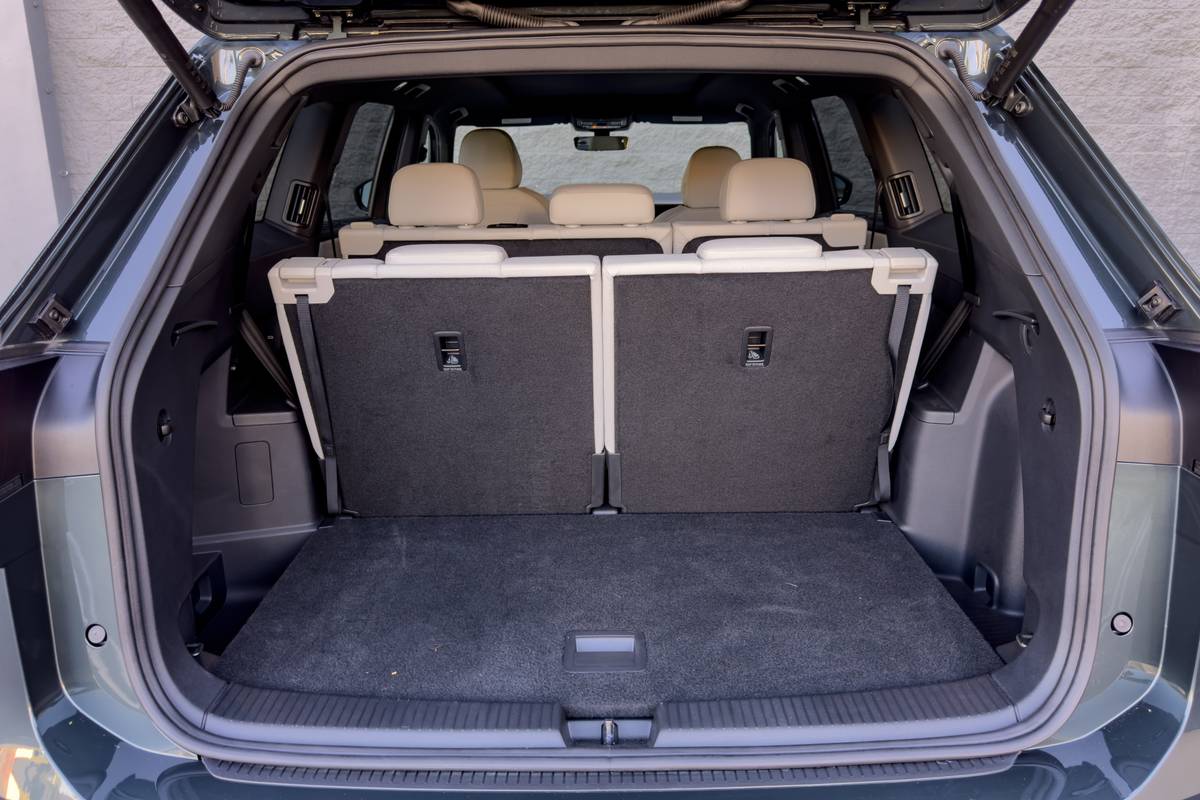
Surprise, surprise — automakers have gotten quite good at fitting into a specific segment, resulting in minimal dimensional differentiation. Still, you’ll note the Atlas offers a moderate improvement in cargo volume, along with solid fuel economy numbers versus other non-hybrids.
| Model | Engine | Cargo Volume, First/Second/Third Row (Cubic Feet) | Max. Seating Capacity | City/High/Combined MPG |
| 2027 Volkswagen Atlas | Turbo 2.0-liter four-cylinder | 95.4/55.9/21.2 | 7 | Up to 22/29/25 |
| 2027 Hyundai Palisade | 3.5-liter V-6 orTurbo 2.5-liter hybrid | 86.7/46.3/19.1 | 8 | Up to 19/26/22 (gas); up to 33/35/34 (hybrid) |
| 2027 Kia Telluride | Turbo 2.5-liter four-cylinder orTurbo 2.5-liter hybrid | 89.3/48.7/22.3 | 8 | Up to 20/26/22 (gas); up to 34/36/35 (hybrid) |
| 2026 Honda Pilot | 3.5-liter V-6 | 87/48.5/18.6 | 8 | Up to 19/27/22 |
| 2026 Toyota Grand Highlander | Turbo 2.4-liter four-cylinder,2.5-liter hybrid orturbo 2.4-liter hybrid | 97.5/57.9/20.6 | 8 | Up to 21/28/24 (gas); up to 37/34/36 (hybrid); up to 26/27/27 (turbo hybrid) |
| 2026 Chevrolet Traverse | Turbo 2.5-liter four-cylinder | 97.6/56.6/22.9 | 8 | Up to 20/26/22 |
Frequently Asked Questions (FAQs)
- How much does the 2027 Volkswagen Atlas cost, and what trims are available? The 2027 Atlas starts at $43,135, including destination fee, for the FWD SE trim level, with AWD available for an additional $2,000. The SE With Technology is next ($47,135 to start), followed by the SEL R-Line ($53,635) and SEL Premium R-Line ($58,135).
- When does the 2027 Atlas go on sale? The new Atlas will hit dealers in fall 2026.
- How many people does the 2027 Atlas seat? The Atlas has seating for up to seven in three rows.
More Volkswagen Atlas News From Cars.com:
- 2027 Volkswagen Atlas Cross Sport Up Close: (Do Not) Raise the Roof
- How Much Is the 2027 Volkswagen Atlas?
- 2026 Volkswagen Atlas Peak Edition Review: Wait Till Next Model Year
- Volkswagen Unveils Second-Generation 2027 Atlas 3-Row SUV
- Which Cars Fit 3 Car Seats?
Cars.com’s Editorial department is your source for automotive news and reviews. In line with Cars.com’s long-standing ethics policy, editors and reviewers don’t accept gifts or free trips from automakers. The Editorial department is independent of Cars.com’s advertising, sales and sponsored content departments.