







What Car Shoppers Need to Know
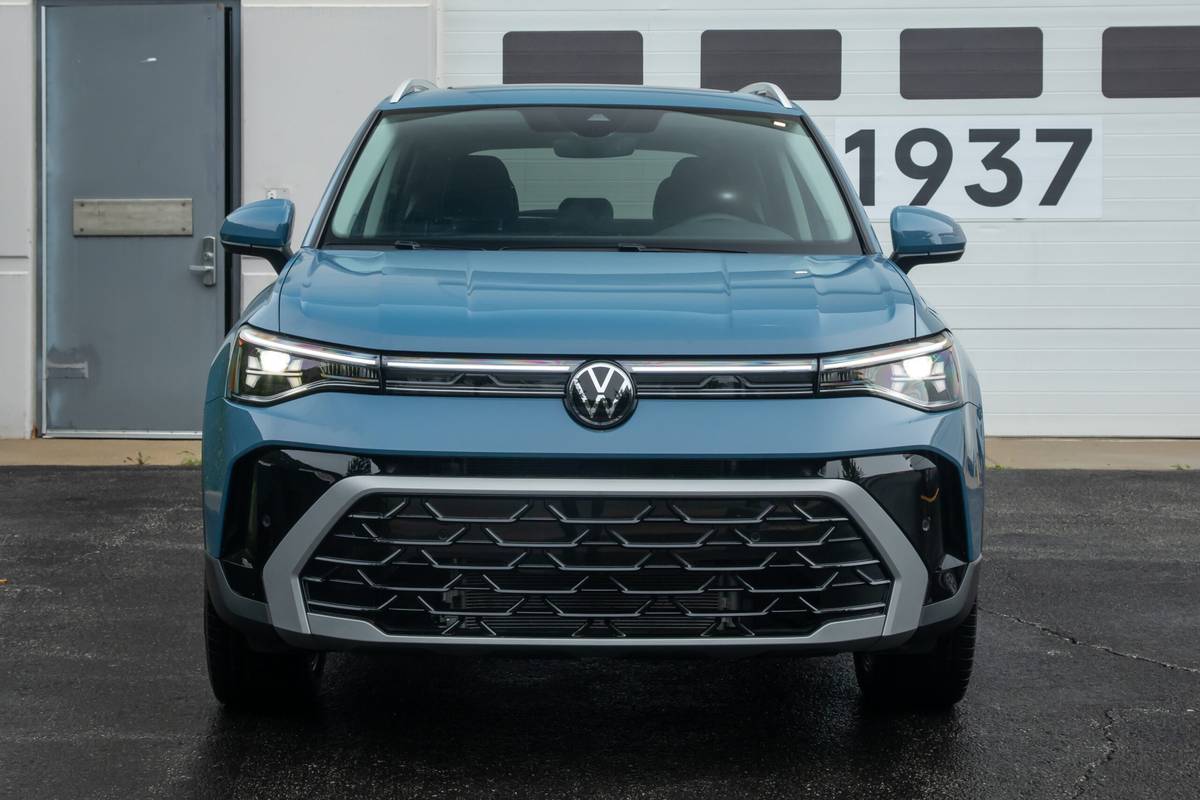
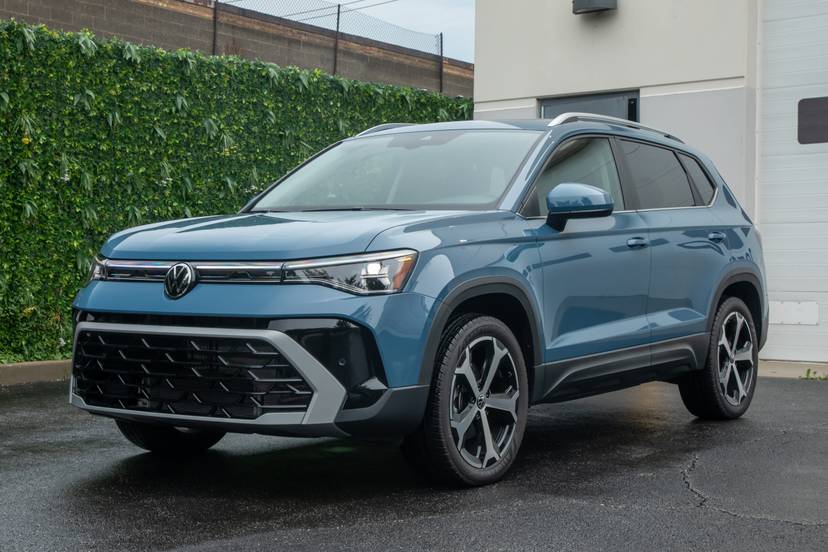
- After a thorough refresh for 2025, the Volkswagen Taos gets minor updates for 2026.
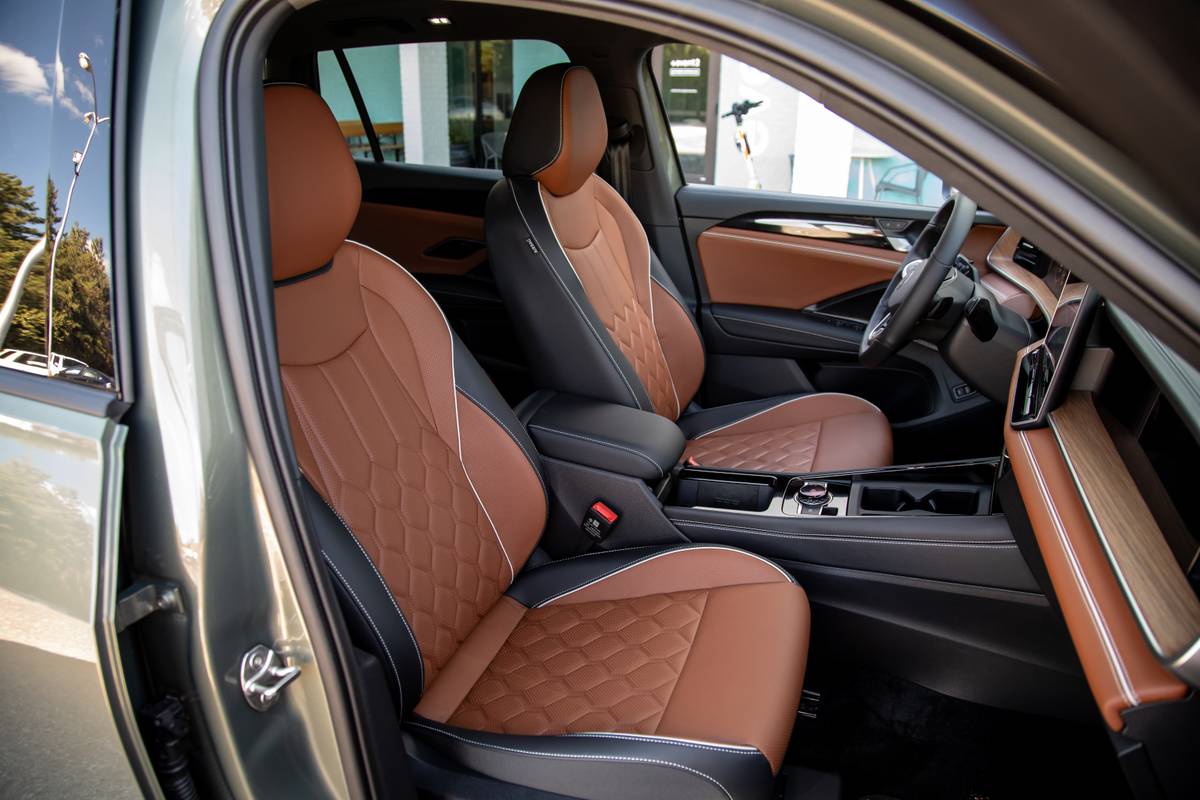
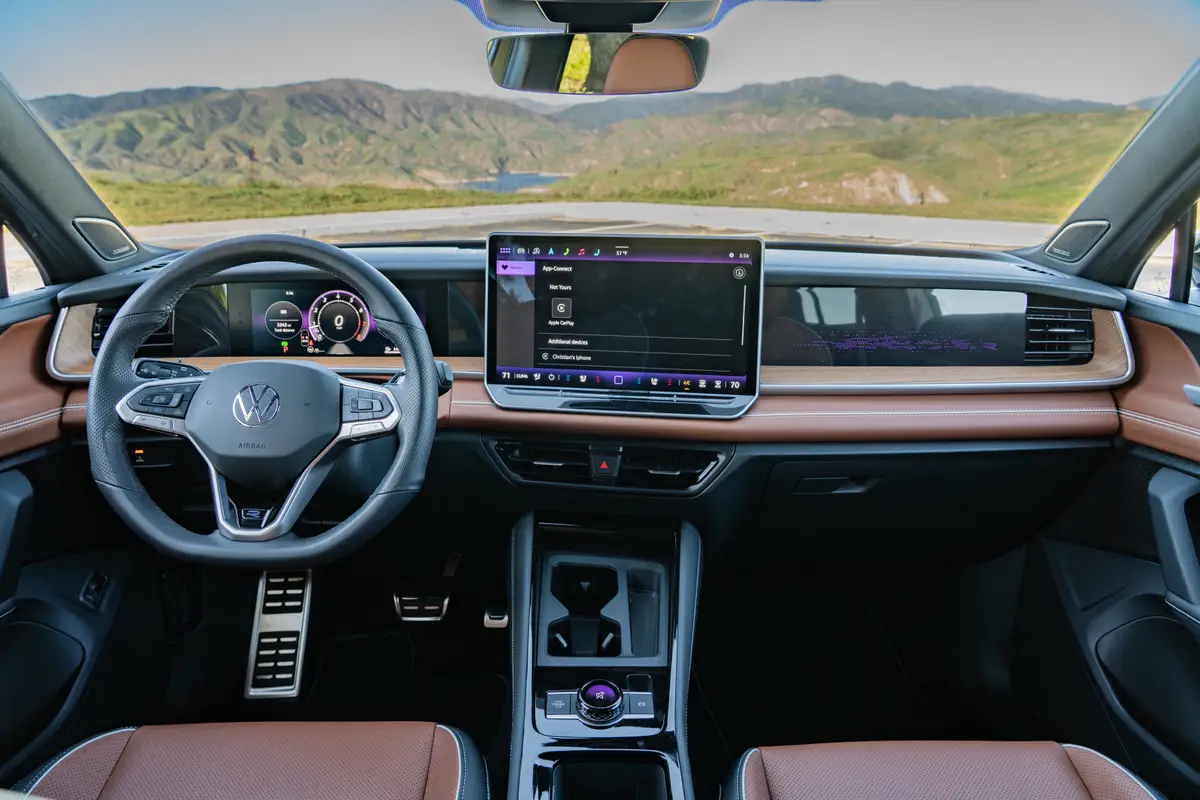
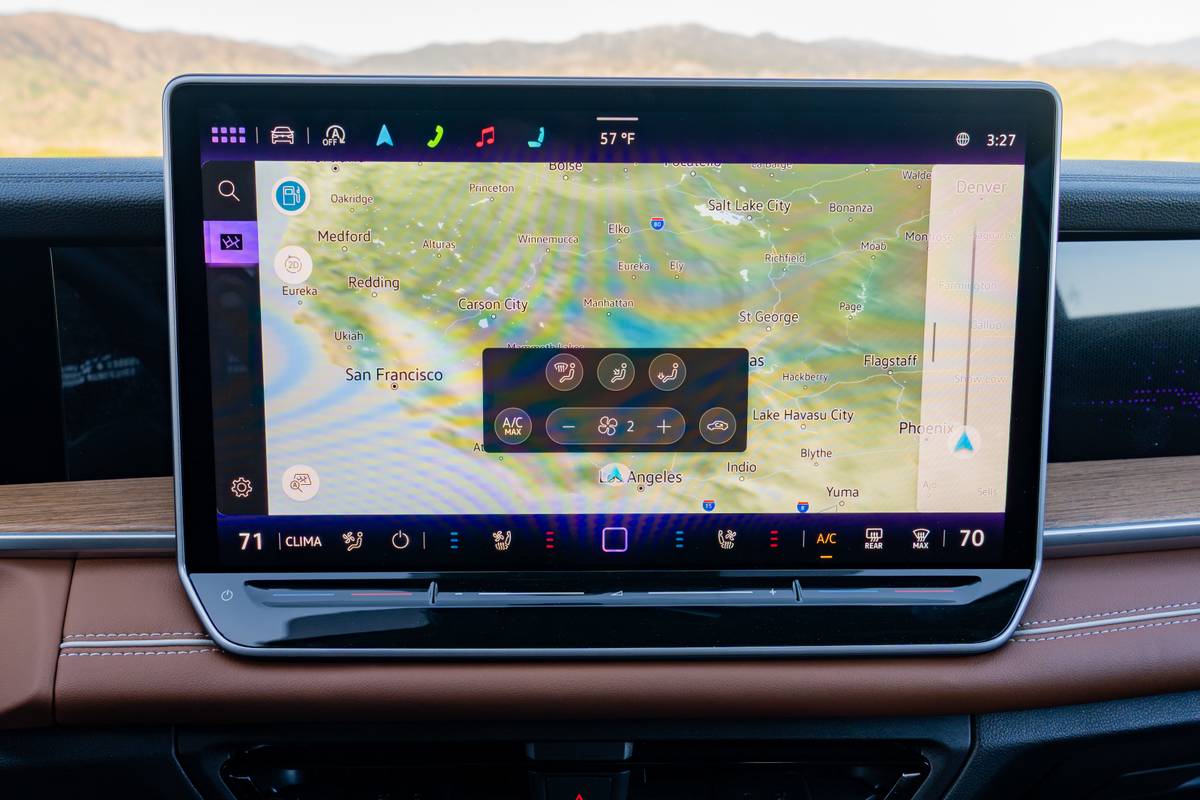
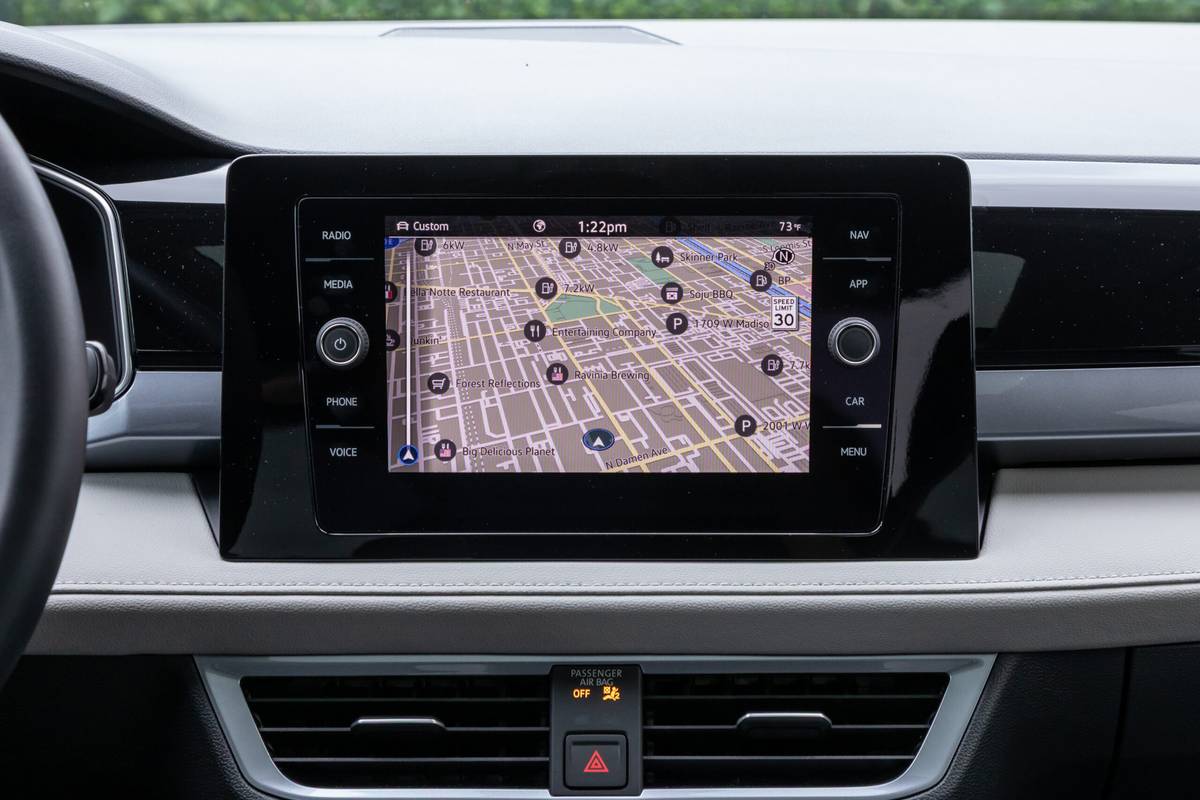
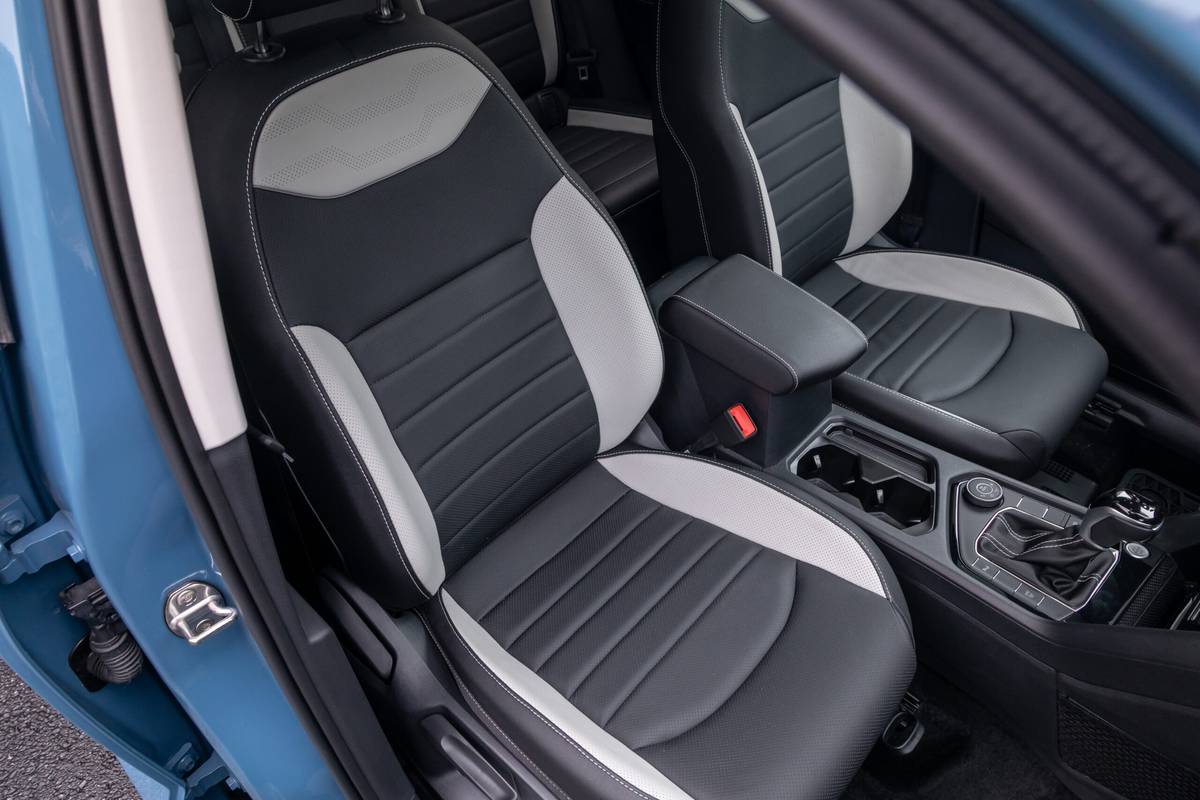
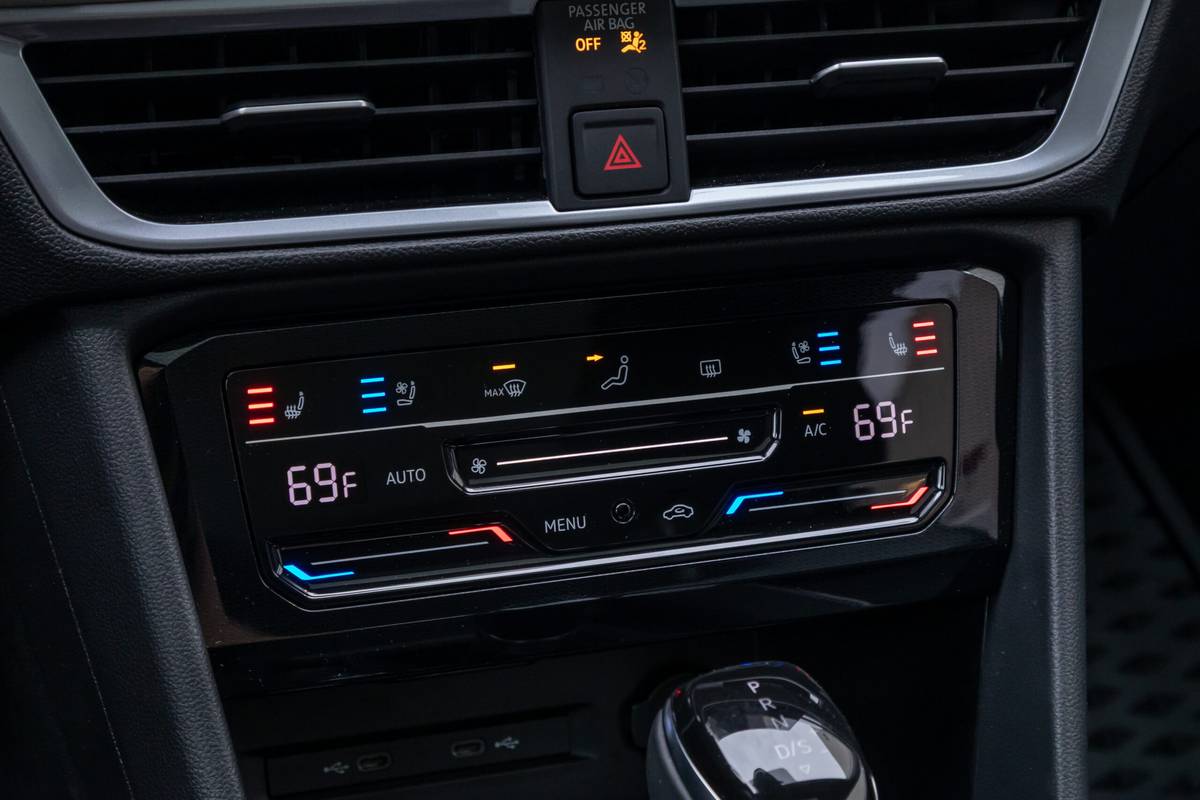
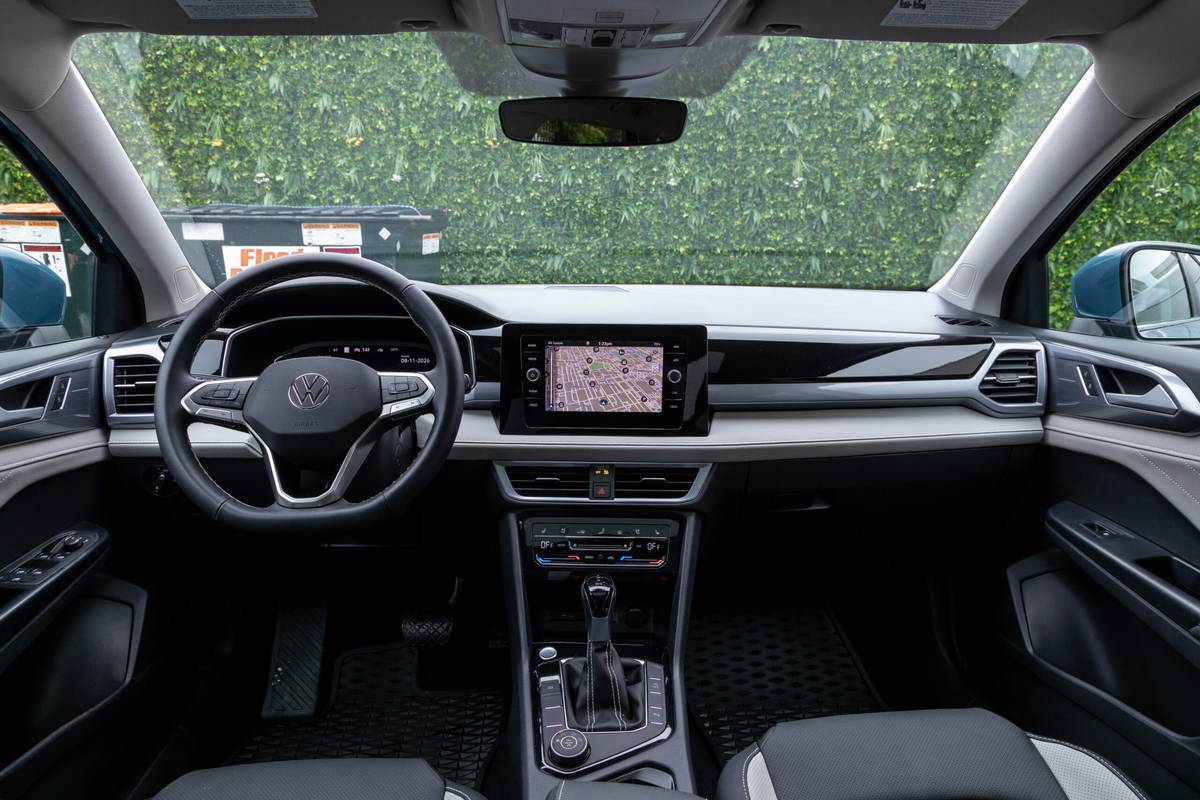
- In its line-topping SEL trim, the Taos comes nicely equipped with features including a panoramic moonroof, heated and ventilated front seats, leather upholstery and a 15-inch multimedia display with navigation.
- The Taos’ passenger and cargo room are generous enough that it might not be necessary for value-focused shoppers to step up to the larger, pricier VW Tiguan.
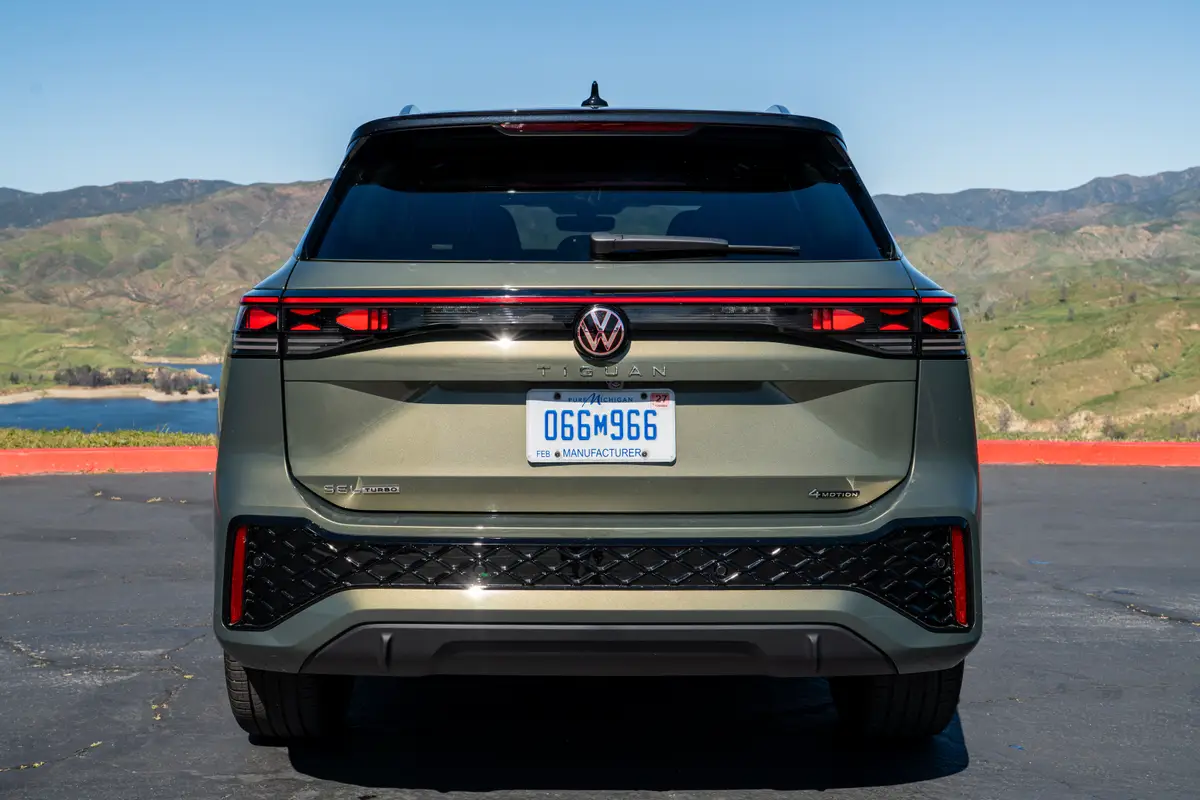
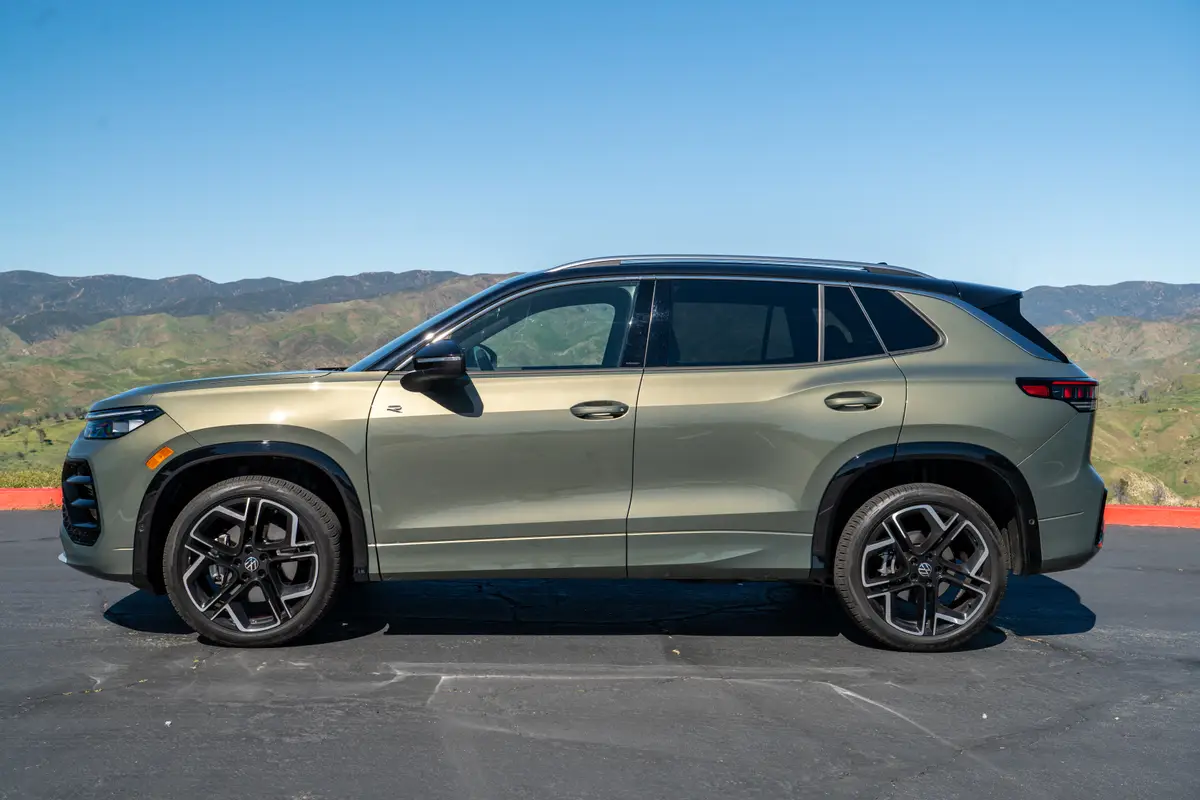
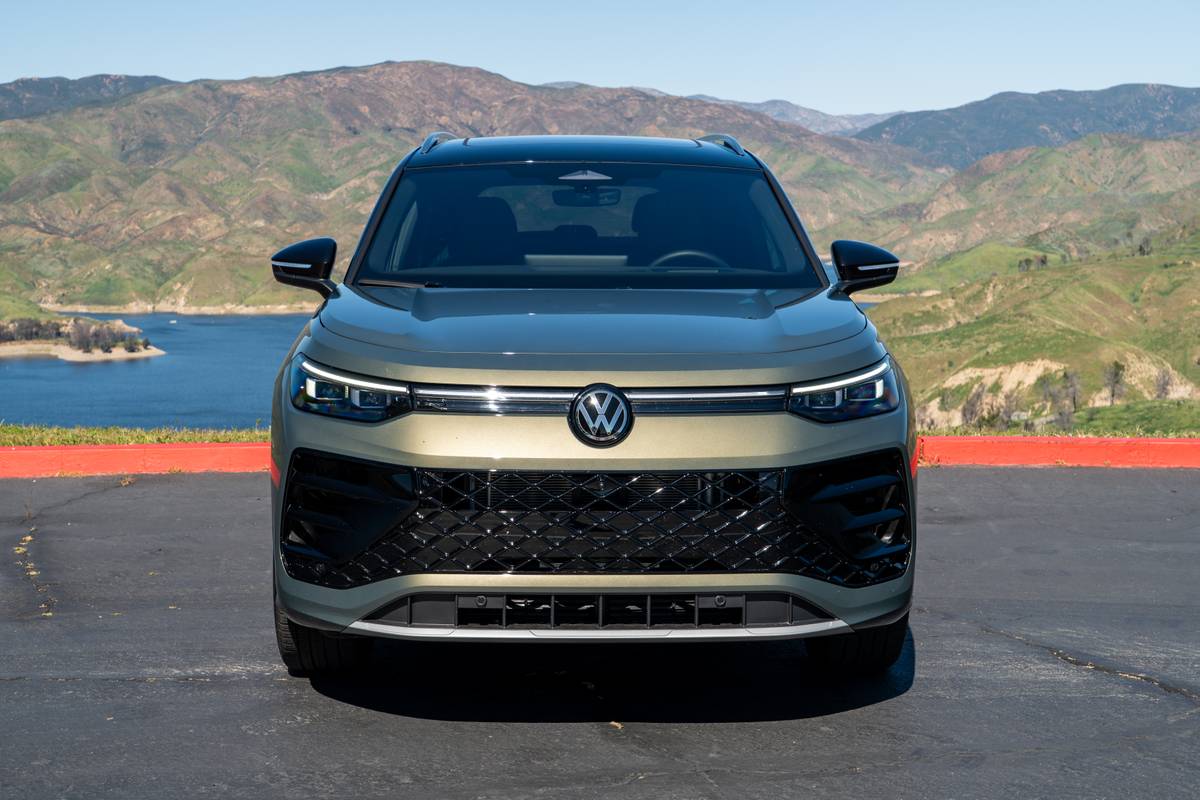
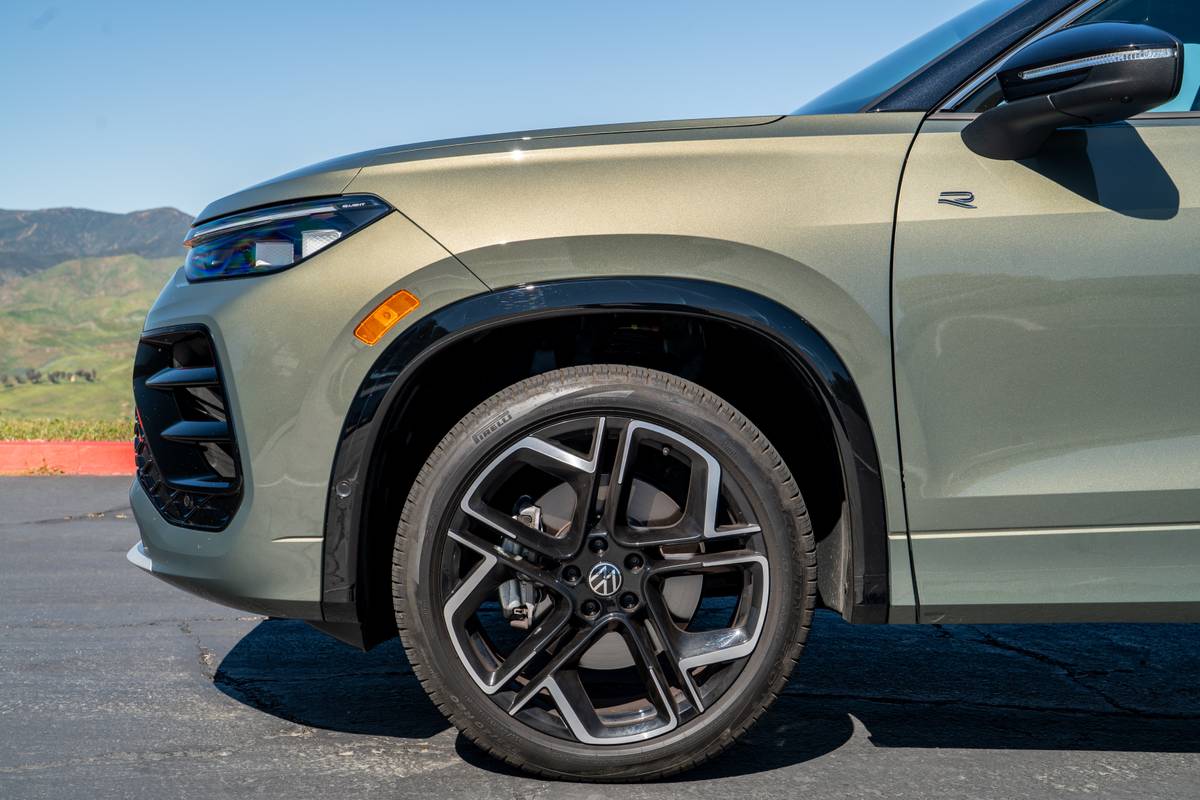
Volkswagen’s small SUV game is strong. The subcompact Taos got a smart refresh for 2025 that fixed some of its shortcomings, and the compact Tiguan’s excellent 2025 redesign helped propel it to a first-place finish in our 2026 Compact SUV Challenge. Both are solid choices in their respective segments, but they’re also worth comparing against each other.
Related: How Much Is the 2026 Volkswagen Taos?
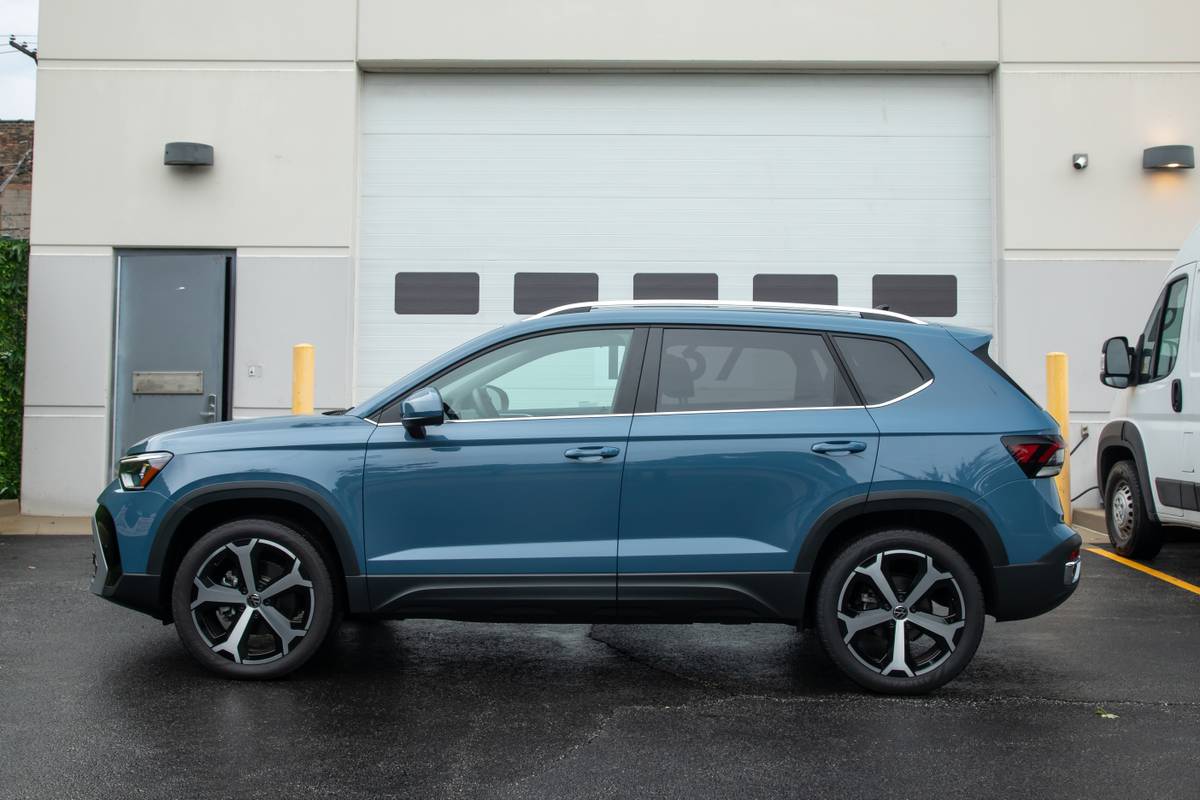
The respective trim levels of the two vehicles line up quite closely, and since the Taos is one of the biggest vehicles in the subcompact SUV class, its passenger space and cargo volume compare more favorably to the larger Tiguan than you might expect.
What’s New for the 2026 Volkswagen Taos?
After its 2025 refresh, the Taos got a couple of touch-ups for 2026: Wireless Apple CarPlay and Android Auto are now standard, and the range-topping SEL trim gets an eight-speaker sound system in place of a six-speaker system.
Minor changes are also the story for the 2027 Taos: The lineup gains a Sport trim that slots above the entry-level S and includes dark-finish exterior trim and yellow interior stitching. The S itself gets a higher level of standard equipment that includes an upgraded infotainment system, six speakers (instead of four) and keyless entry.
Expert Rating: 7.2/10
- Powertrain: 8/10
- Ride quality: 8/10
- Driver comfort: 7/10
- Passenger comfort: 10/10
- Interior quality: 7/10
- User interface: 3/10
- Cargo space: 10/10
- Value: 6/10
- Overall appeal: 7/10
- Fuel economy: 6/10
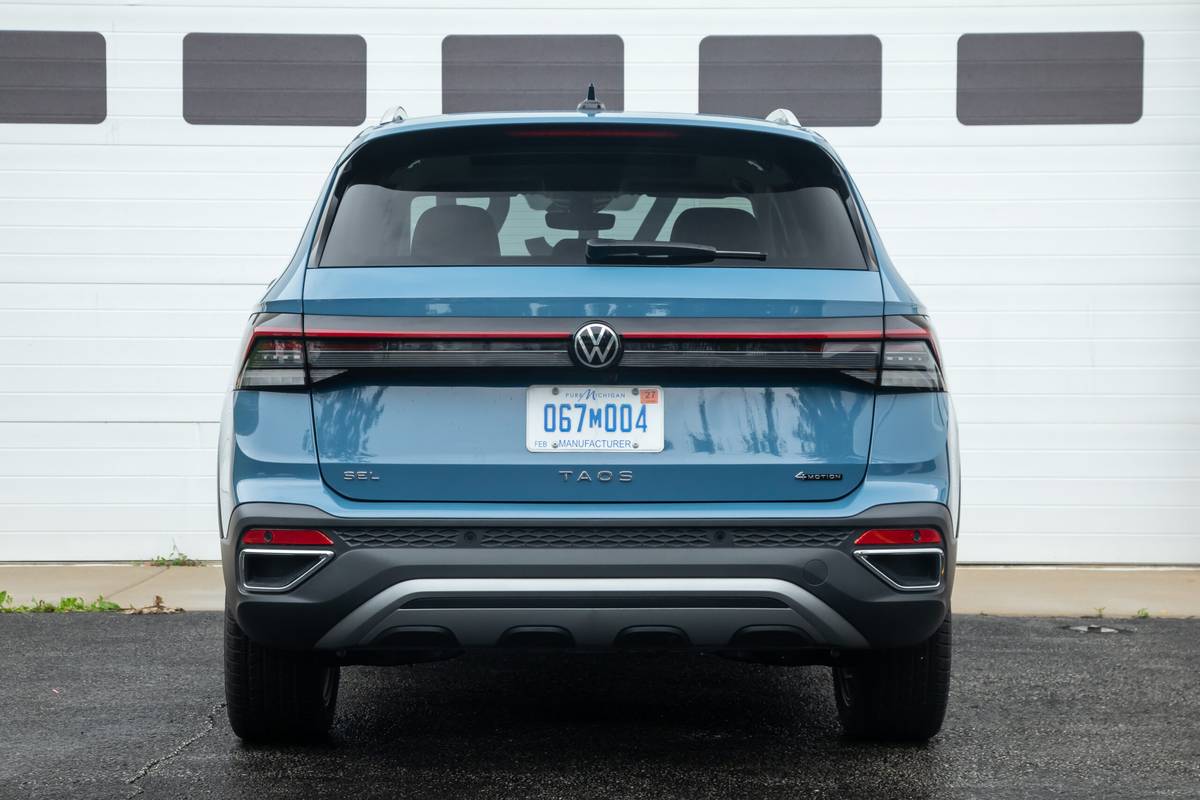
Our test vehicle: 2026 Volkswagen Taos SEL
Starting price (all prices include destination fee): $37,375
As-tested price: $37,375
Powertrain: 174-horsepower, turbocharged 1.5-liter four-cylinder; all-wheel drive; eight-speed automatic transmission
EPA fuel-economy ratings: 25/33/28 mpg city/highway/combined (front-wheel-drive versions are rated at 28/36/31 mpg)
The Case for the Taos
Notably cheaper than a comparably equipped Tiguan: The Taos is around $4,000 cheaper to start than a Tiguan, and that gap grows larger as you move up the trim ladder. Though the levels of standard equipment don’t line up exactly between the comparable trims of the two vehicles, in general, a Taos delivers more features for the money than a Tiguan. Pricing below is for AWD trims.
| Trim | Taos | Tiguan |
| S | $29,675 | $33,780 ($4,105 more) |
| SE | $32,435 | $36,580 ($4,145 more) |
| SE Black (Taos), SE R-Line Black (Tiguan) | $34,685 | $40,220 ($5,535 more) |
| SEL (Taos), SEL R-Line Turbo (Tiguan) | $37,375 | $44,560 ($7,185 more) |
Better fuel efficiency than a Tiguan: A smaller exterior size and smaller engine usually mean better fuel economy, and so it is with the Taos versus the Tiguan. The Taos’ EPA ratings are around 3 mpg better than the Tiguan’s across the board.
| Trim and Drivetrain | EPA Rating (City/Highway/Combined MPG) |
| Taos FWD | 28/36/31 |
| Taos AWD | 25/33/28 |
| Tiguan S FWD | 26/34/29 |
| Tiguan FWD | 25/32/28 |
| Tiguan AWD | 22/30/25 |
| Tiguan SEL R-Line Turbo AWD | 22/29/25 |
Excellent backseat space and cargo room for a subcompact SUV: The Taos is one of the most spacious subcompact SUVs, particularly in its backseat. Its rear legroom is a couple of inches shy of the Tiguan’s (which also boasts outstanding rear legroom for its class), but its rear headroom is nearly identical to its larger sibling’s. The Taos’ cargo volume is similarly generous for its class, though AWD Taos models have less cargo space than the front-drive versions because the AWD hardware raises the load floor in the cargo area.
| 2026 Taos | 2026 Tiguan | |
| Front headroom (inches) | 40.7; 39.5 with moonroof | 39.5; 38.2 with moonroof |
| Rear headroom(inches) | 39.8; 38.8 with moonroof | 39.7; 38.4 with moonroof |
| Front legroom(inches) | 40.1 | 40.2 |
| Rear legroom(inches) | 37.9 | 40.2 |
| Cargo volume behind second-row seats (cubic feet*) | 27.9 FWD, 24.9 AWD | 33.8 |
| Cargo volume with second-row seats folded (cubic feet*) | 65.9 FWD, 60.2 AWD | 69.8 |
*Volkswagen estimate
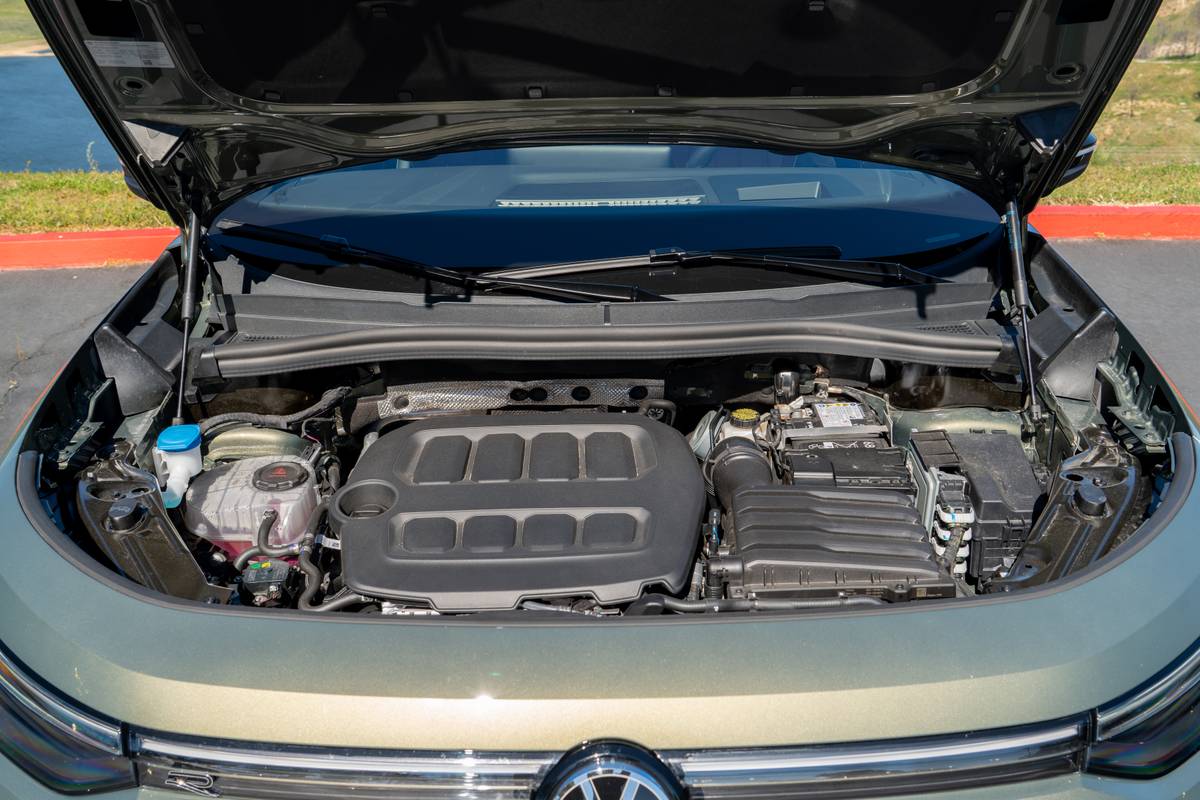
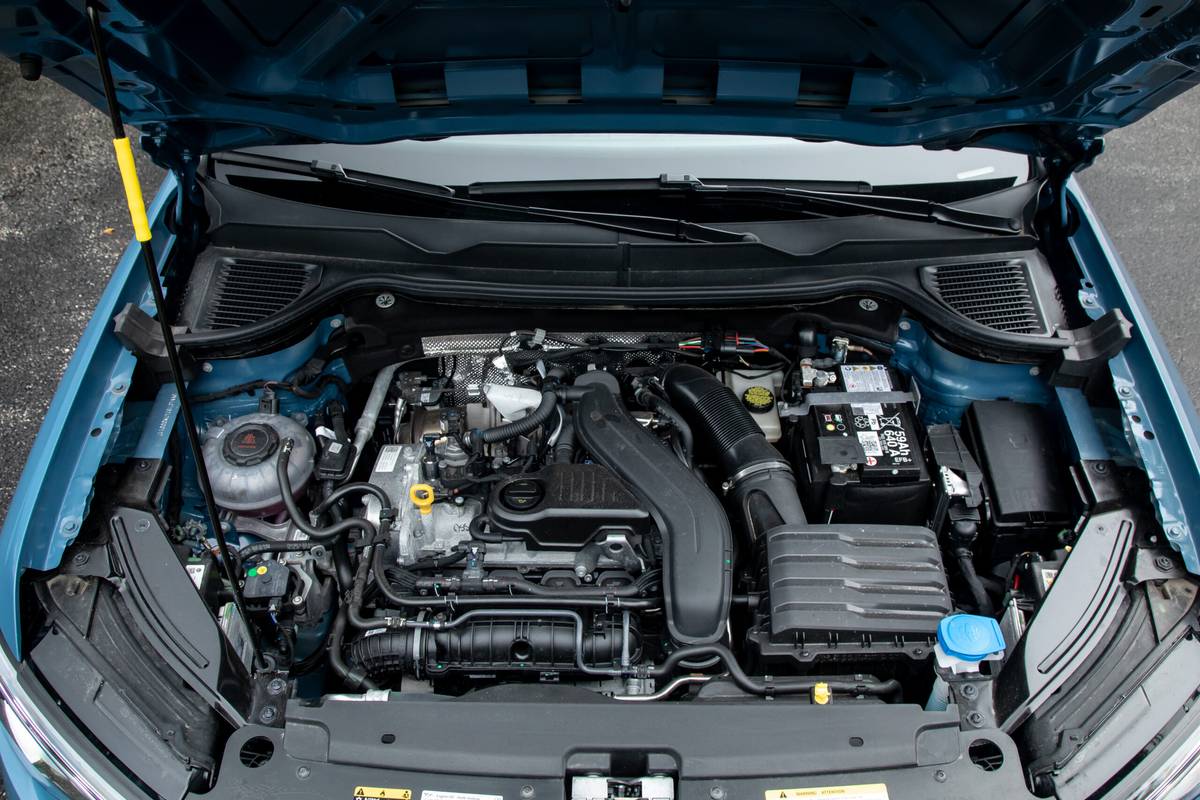
Decently peppy acceleration: The Taos’ standard (and only) engine makes 174 hp and is paired to an eight-speed automatic transmission; the base engines in most class rivals range from around 140-160 hp and are coupled to continuously variable automatic transmissions. Though stronger turbocharged engines are available in some rivals, the Taos feels peppier and more responsive than most of its competitors.
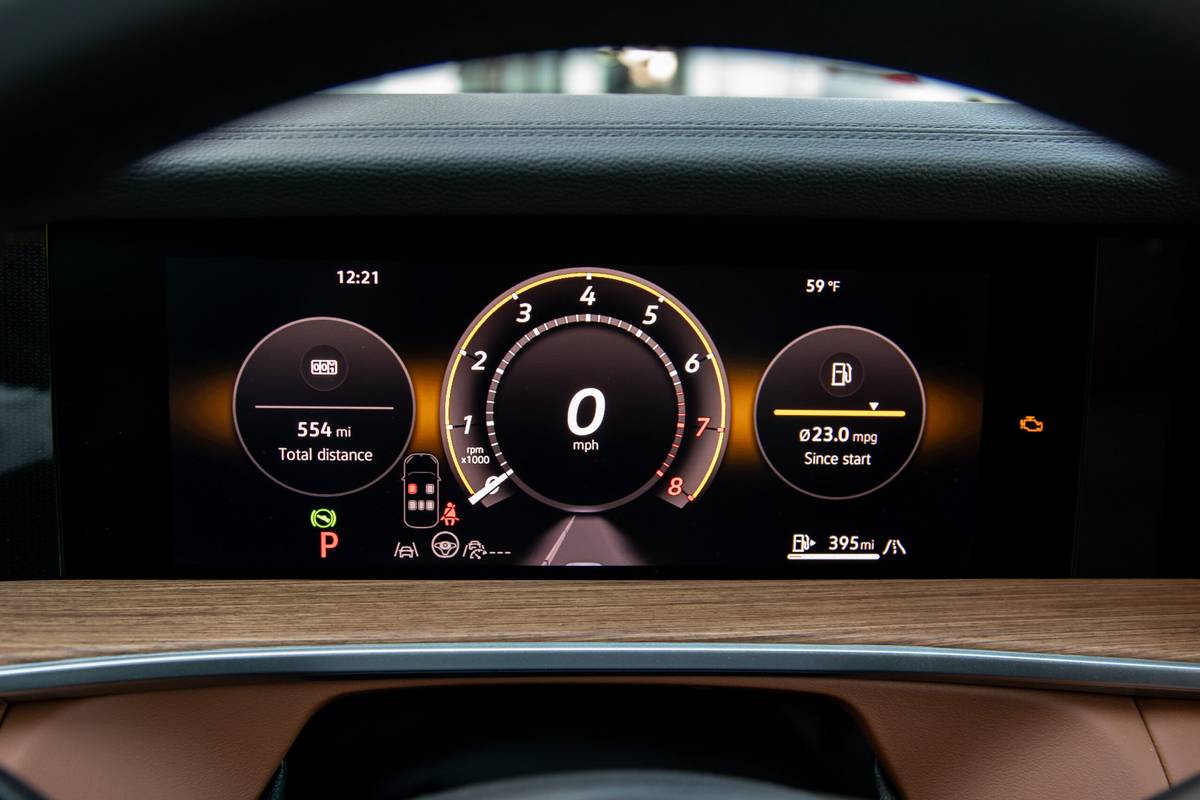
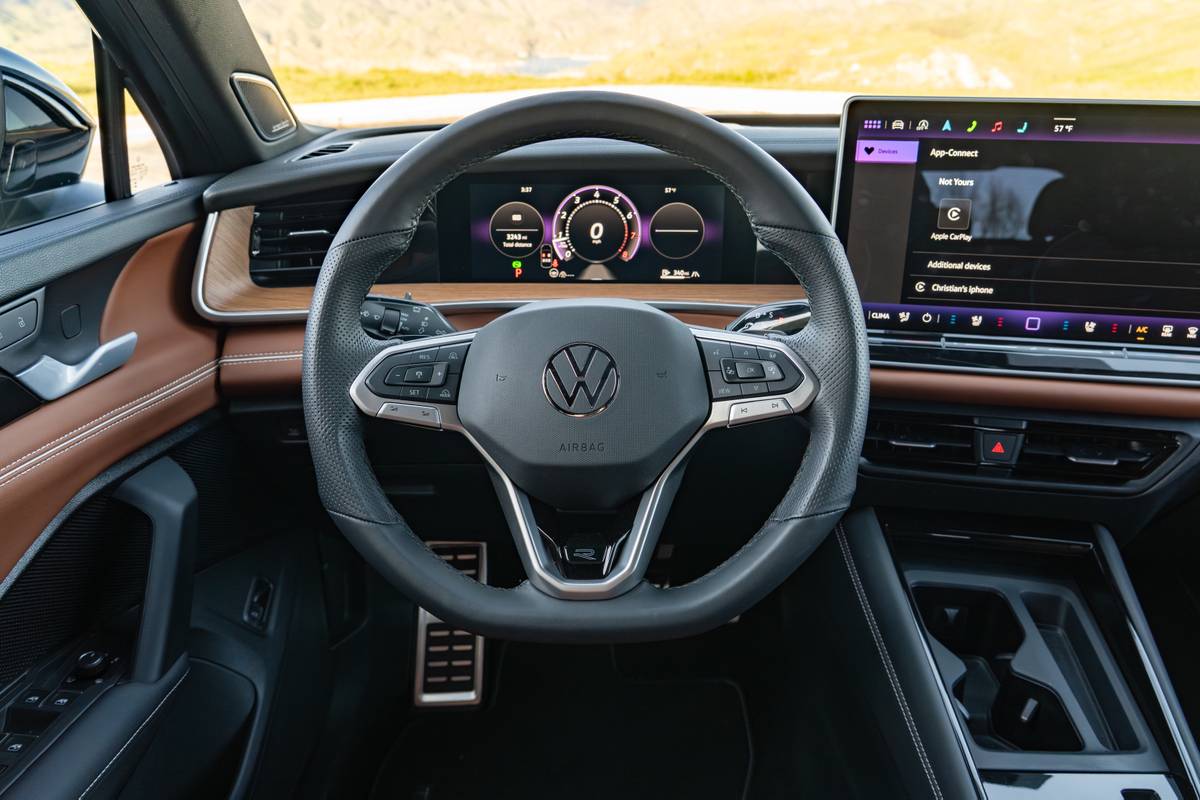
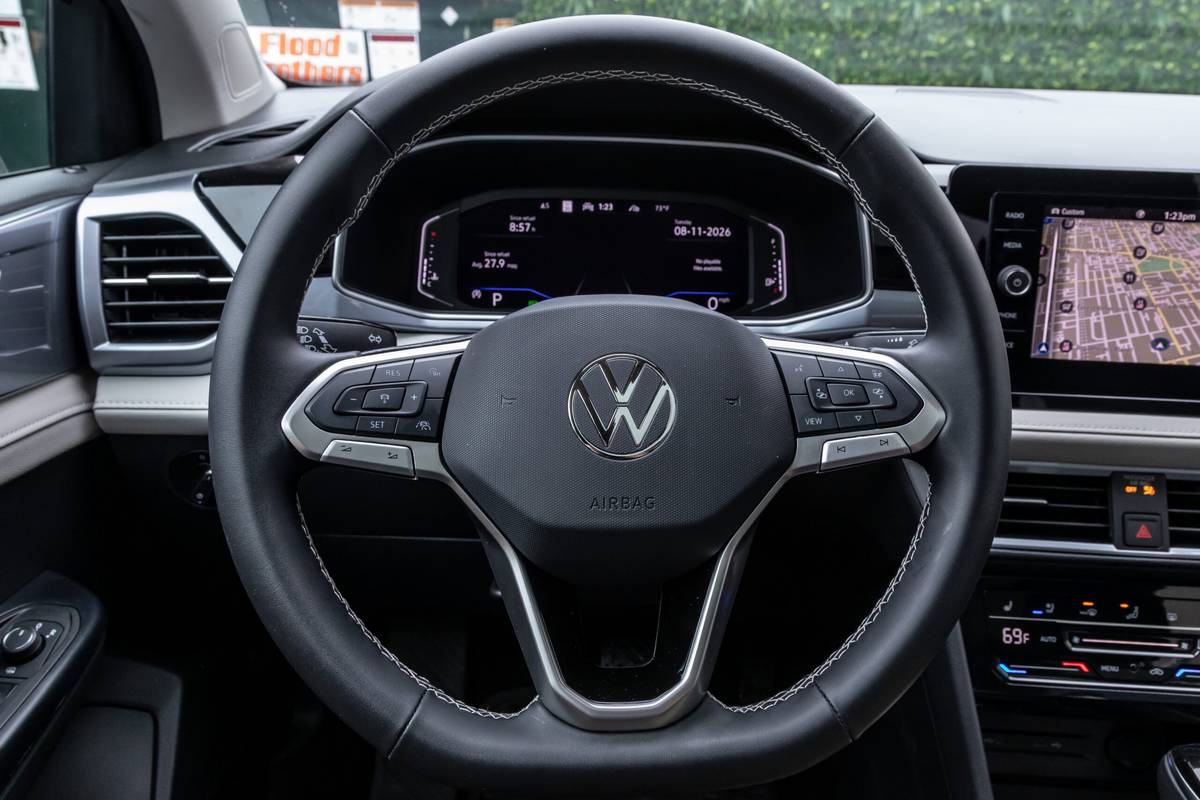
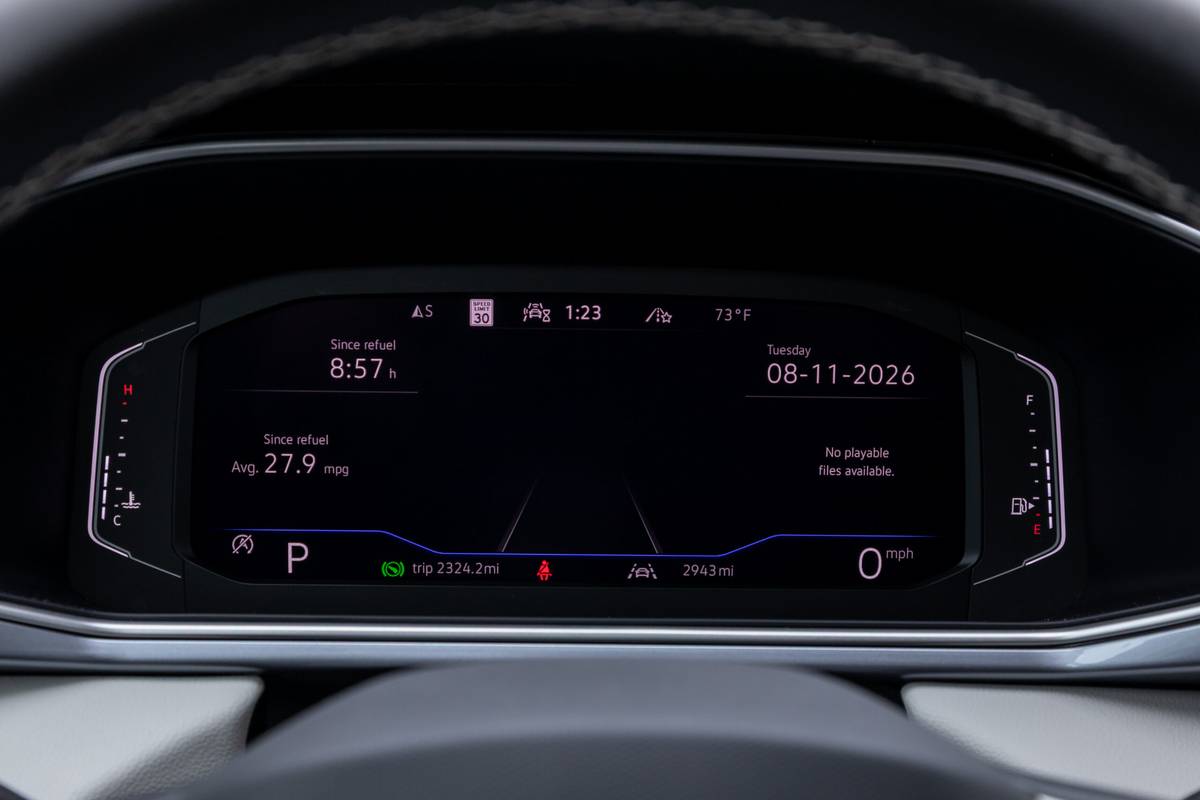
Available upscale features: The Taos’ SEL trim gets several upscale features, some of which are rare for the subcompact SUV class; they include a 10.25-inch digital gauge cluster, a panoramic moonroof, leather upholstery and ventilated (in addition to heated) front seats.
Related Video:
We cannot generate a video preview.
The Case for the Tiguan
More power to start and a lot more power available: The Taos’s 174-hp, 1.5-liter four-cylinder delivers respectable acceleration, but it’s not as quick as the Tiguan’s 201-hp, 2.0-liter four-cylinder. Plus, the Tiguan’s top SEL R-LIne Turbo has a 268-hp version that’s truly zippy.
Quieter and more composed: In part because of its 4-inch-longer wheelbase, the Tiguan rides more smoothly than the Taos, and it’s quieter, too.
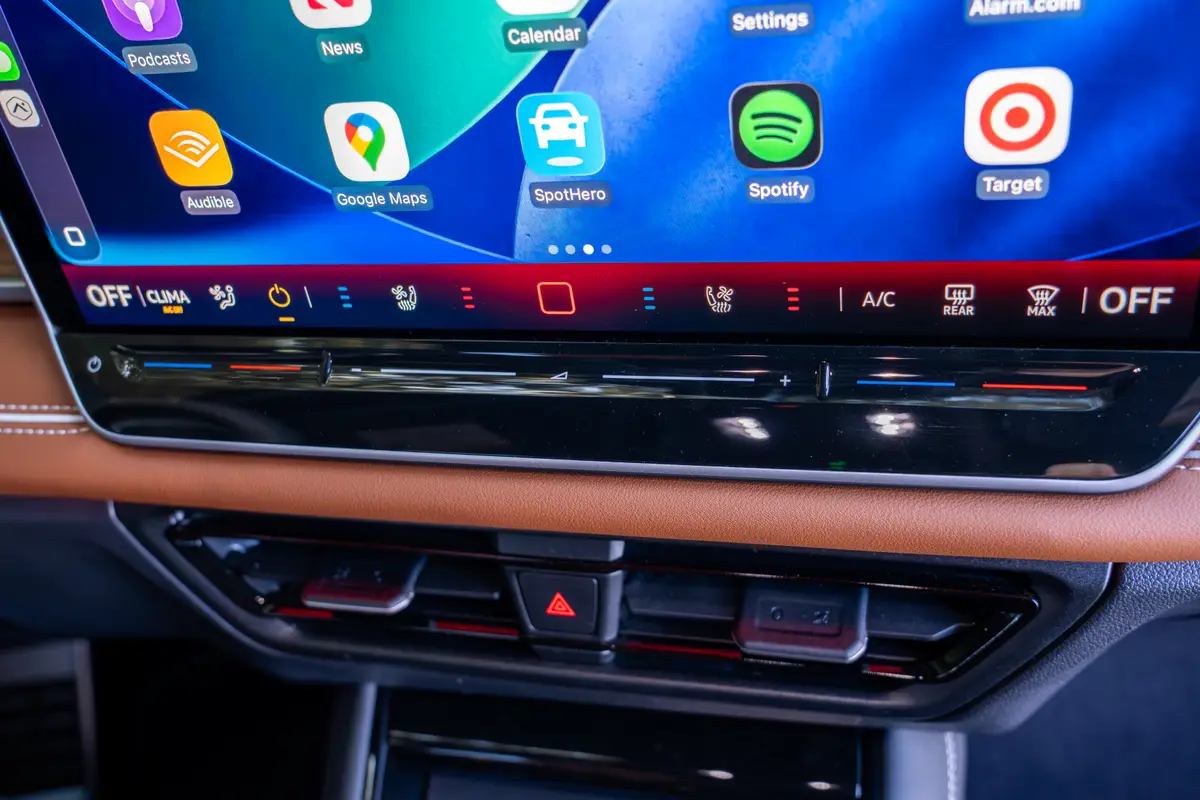
Boasts a few features that aren’t available on the Taos: The Tiguan comes standard with a 12.9-inch infotainment touchscreen, and the SEL R-LIne Turbo upgrades to a 15-inch touchscreen; the Taos comes only with an 8-inch touchscreen. The Taos’ biggest convenience-feature omission is its lack of an available power liftgate. The Tiguan has one on every trim save for the entry-level S, and most of the Taos’ subcompact rivals offer one, too.
The Tiguan’s line-topping trim tops the Taos’: The Tiguan SEL R-Line Turbo costs over $7,000 more than the Taos SEL, but it’s loaded with a host of upscale features that elevate it to near-luxury level and justify its premium price. In addition to its gutsy engine, the R-Line Turbo comes standard with real walnut wood trim, a Harman Kardon premium audio system, quilted leather, massaging front seats, tri-zone automatic climate control, a head-up display, a surround-view camera, 30-color ambient lighting and a self-parking feature.
The Choice Is Yours
If price and features for the money are primary concerns, the Taos might have the edge over the Tiguan. If you’re looking for a little more power, comfort and available features, the Tiguan might be worth its higher price.
Read More About the Volkswagen Taos on Cars.com:
- 2025 Volkswagen Taos Review: Good Things in a Not-So-Small Package
- 2025 Volkswagen Taos Up Close: Atlas Shrunked
- 2025 Volkswagen Taos Packs More Power, Smoother Shifts
- Here Are the 10 Cheapest New SUVs You Can Buy Right Now
- Research the Volkswagen Taos
Cars.com’s Editorial department is your source for automotive news and reviews. In line with Cars.com’s long-standing ethics policy, editors and reviewers don’t accept gifts or free trips from automakers. The Editorial department is independent of Cars.com’s advertising, sales and sponsored content departments.