




2026
Nissan Leaf

Price unavailable
Shop options
New 2026 Nissan Leaf
See ratings
Not rated
Consumer rating
Owner reviewed vehicle score
Not rated
Safety rating
NHTSA tested vehicle score
Not rated
Consumer rating
Owner reviewed vehicle score
Not rated
Safety rating
NHTSA tested vehicle score
Shop Cars.com
Browse cars & save your favorites
Dealers near you
Find & contact a dealership near you
Listings near 43272
Change location See all listings

Available trims

See the differences side-by-side to compare trims.
  • S FWD *Ltd Avail*
    Price unavailable
    149 - 303 mi.
    Range
    5
    Seat capacity
    60 month/60,000 miles
    Warranty
    Electric
    Engine
    Front Wheel Drive
    Drivetrain
    See all specs
  • S+ FWD
    Starts at
    $29,990
    259 - 303 mi.
    Range
    5
    Seat capacity
    60 month/60,000 miles
    Warranty
    Electric
    Engine
    Front Wheel Drive
    Drivetrain
    See all specs
  • SV+ FWD
    Starts at
    $34,230
    259 - 288 mi.
    Range
    5
    Seat capacity
    60 month/60,000 miles
    Warranty
    Electric
    Engine
    Front Wheel Drive
    Drivetrain
    See all specs
  • PLATINUM+ FWD
    Starts at
    $38,990
    259 mi.
    Range
    5
    Seat capacity
    60 month/60,000 miles
    Warranty
    Electric
    Engine
    Front Wheel Drive
    Drivetrain
    See all specs

Photo & video gallery

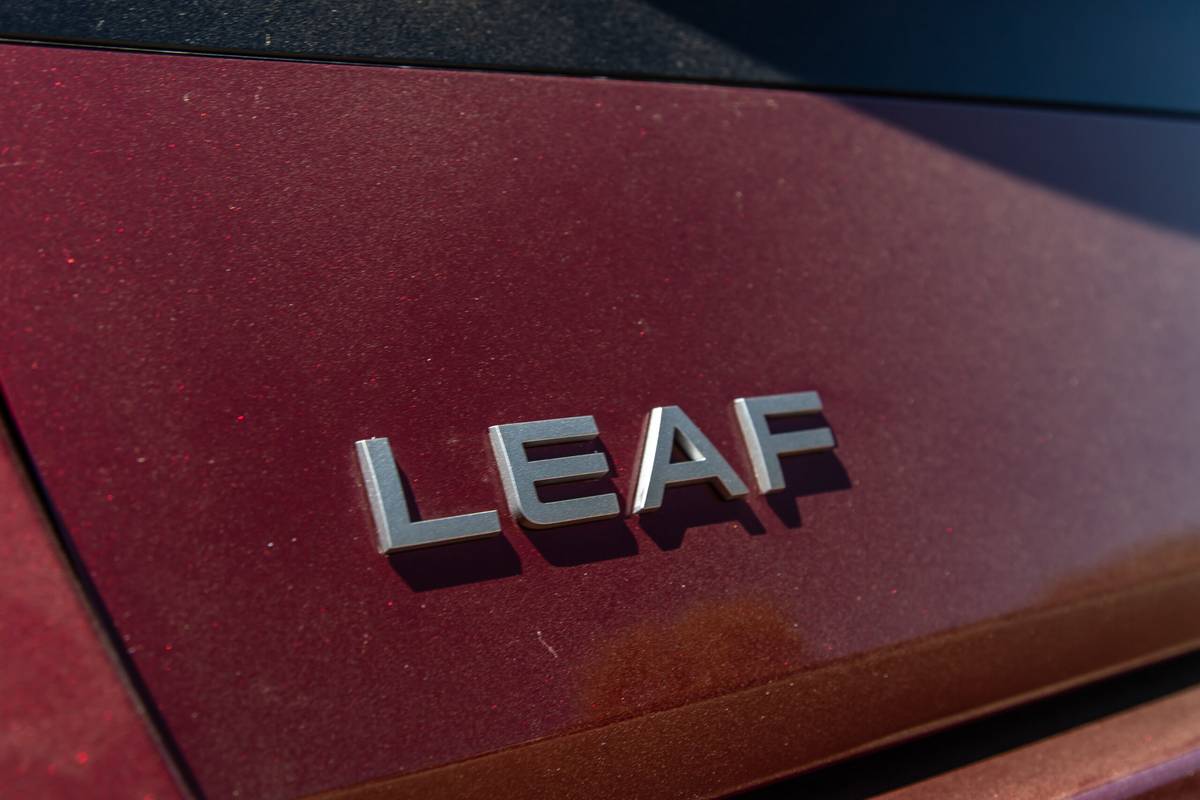
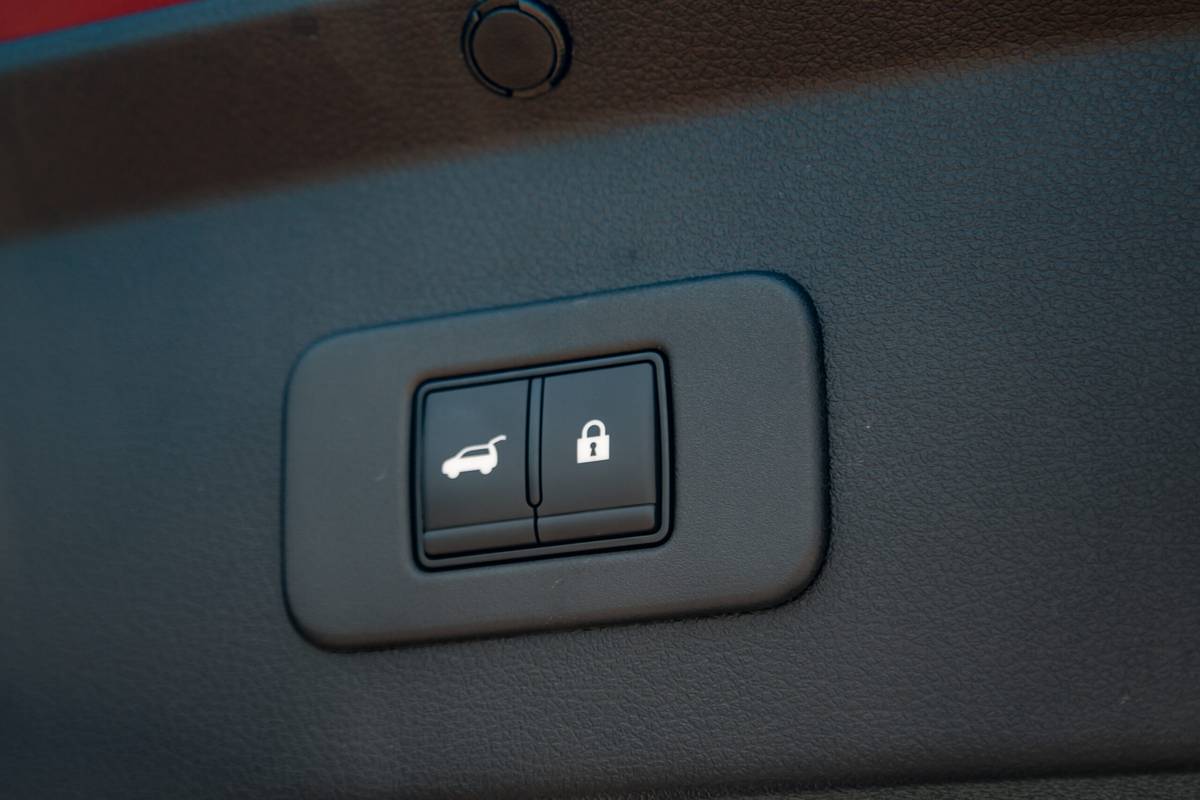
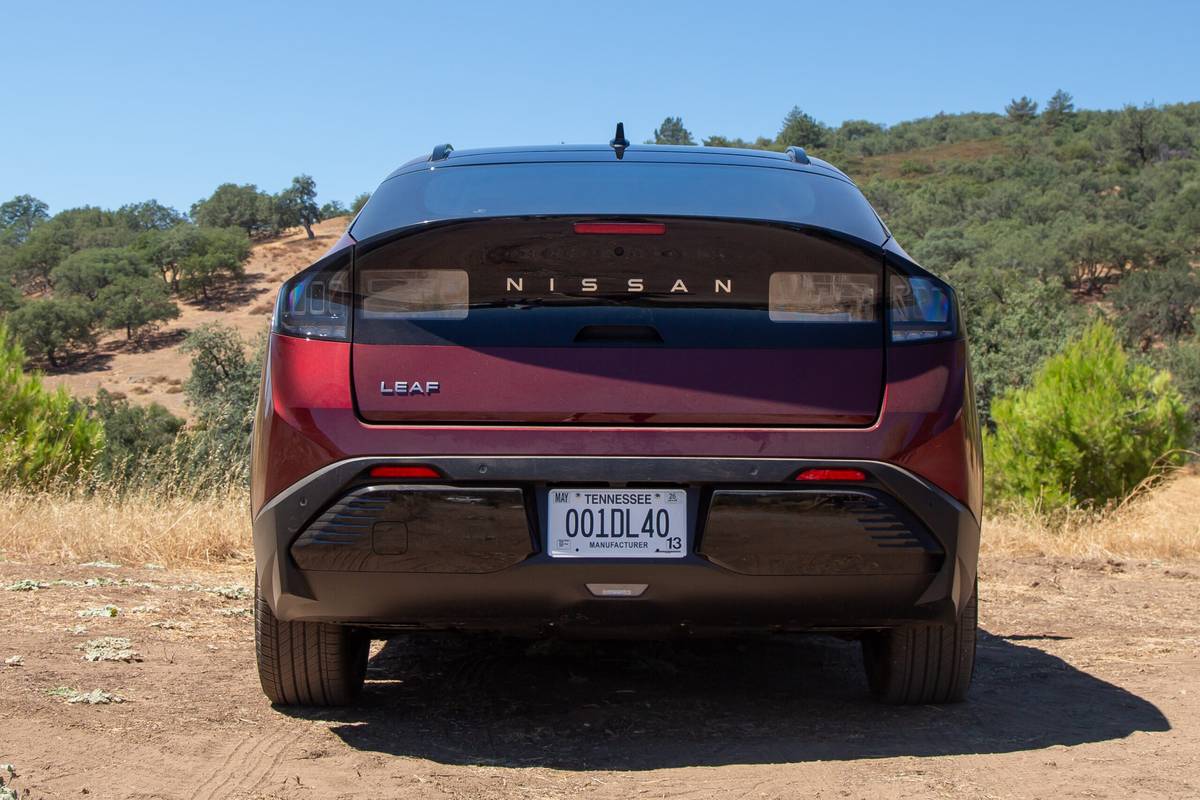
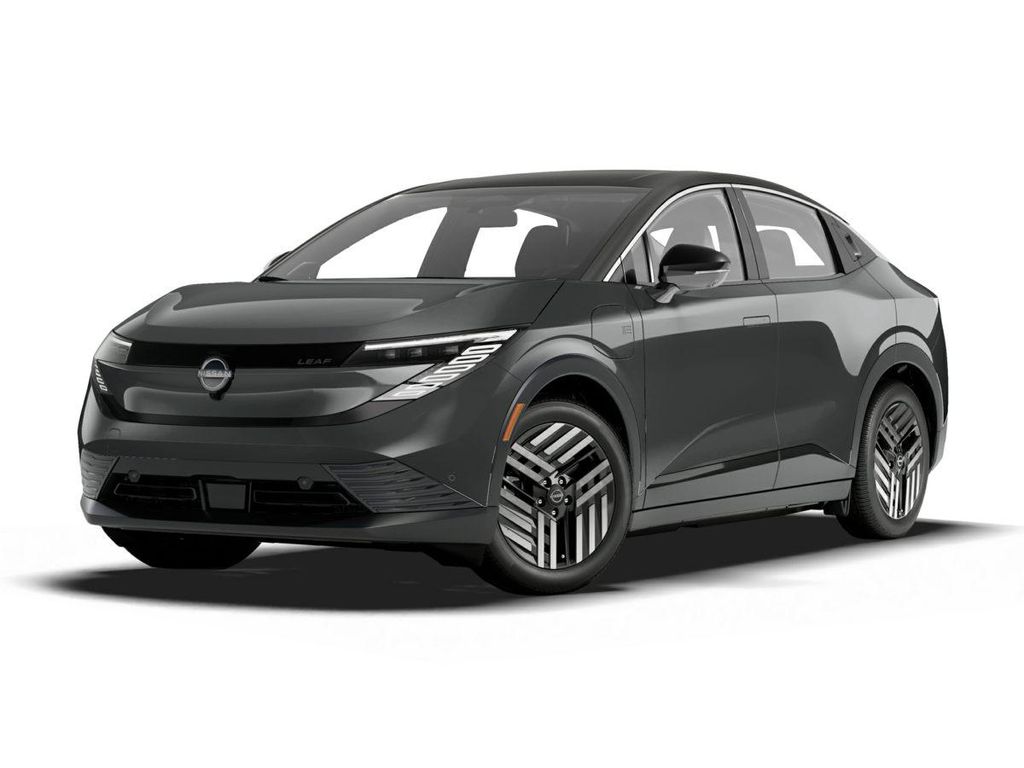
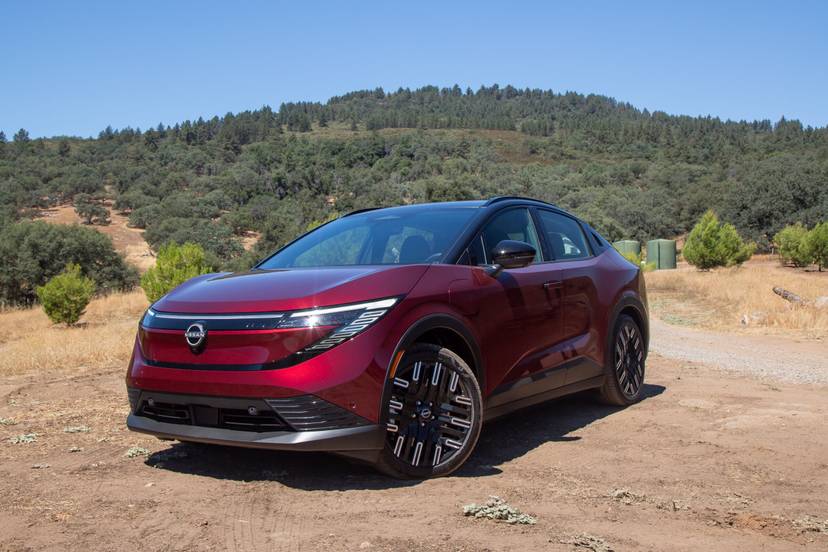
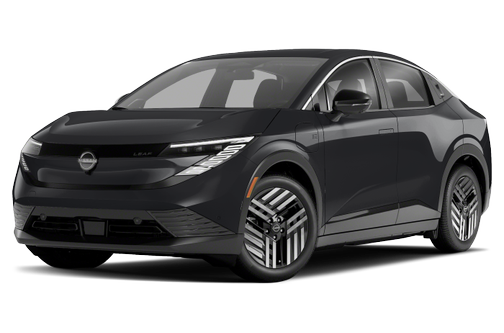
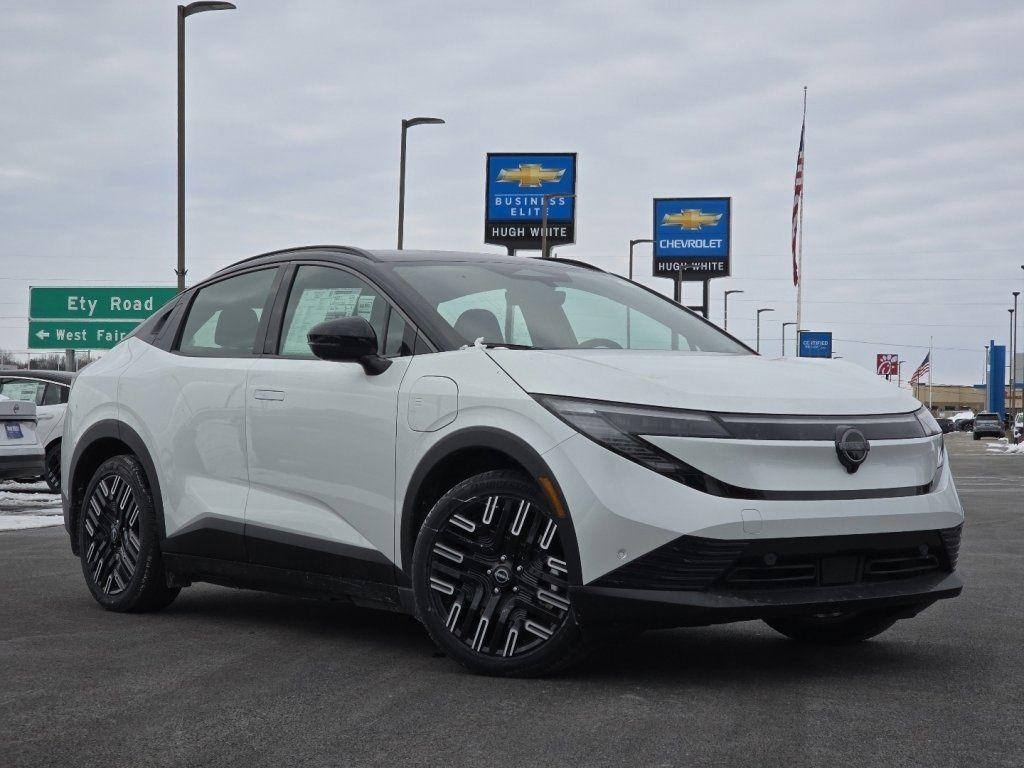
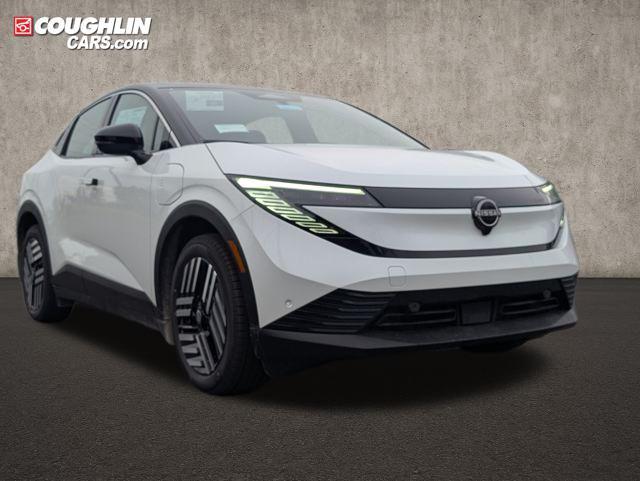
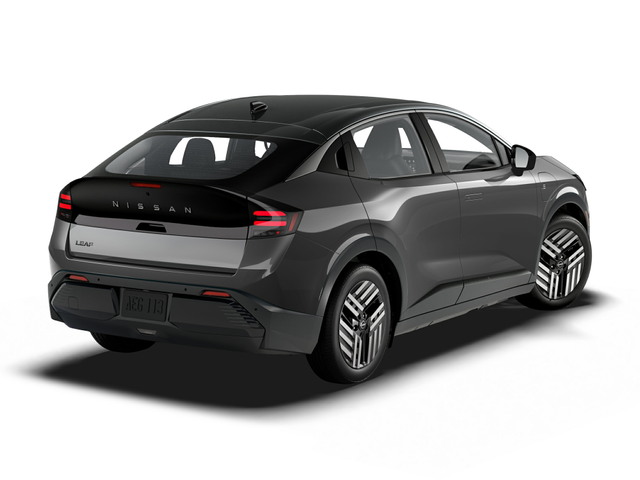
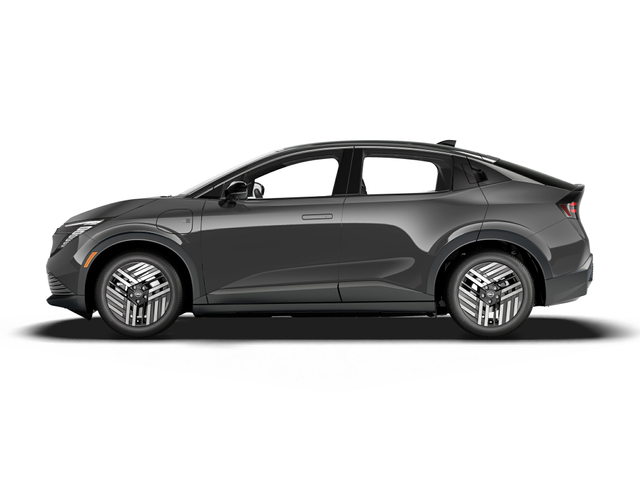
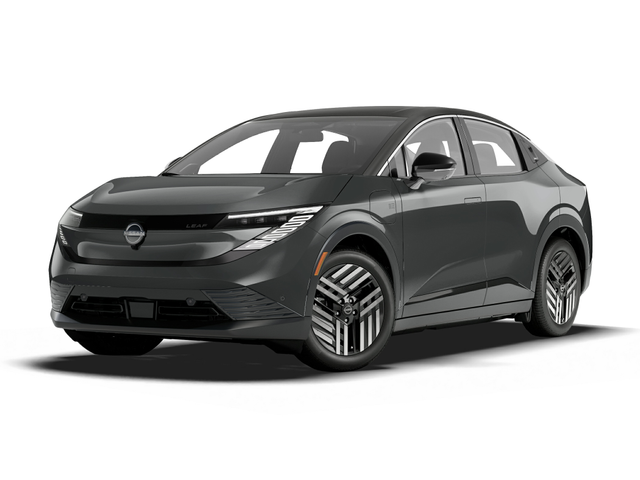
2026 Nissan Leaf 2026 Nissan Leaf 2026 Nissan Leaf 2026 Nissan Leaf

Notable features

Redesigned for 2026
Five-seat electric SUV-coupe
Single front electric motor
Up to 214 hp, 261 pounds-feet of torque
Up to 303 miles of estimated range
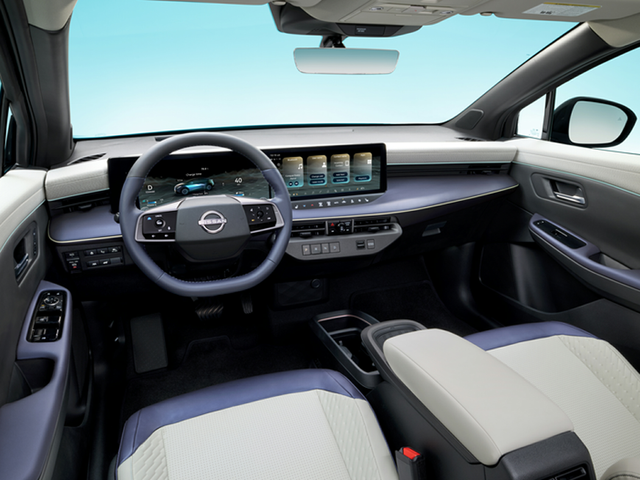
Available dual 14.3-inch displays
Available 10-speaker Bose sound system

The good & the bad

The good

Visually sharper than previous Leafs
Clean, modernist interior
Standard dual charge ports, including Tesla-style NACS port
Good power and brake-regen functions

The bad

Poor handling and ride composure
Lack of rear passenger legroom
No true one-pedal driving mode available

Expert 2026 Nissan Leaf review

nissan leaf 2026 01 exterior front angle red scaled jpg
Our expert's take
By Conner Golden
Full article
nissan leaf 2026 01 exterior front angle red scaled jpg

How Much Does the 2026 Nissan Leaf Cost?

  • When it goes on sale later in the fall, the Nissan Leaf S+ trim level will start at $31,485 (including destination), making it the most affordable electric vehicle on the American market, beating out the Hyundai Kona Electric and Chevrolet Equinox EV.

How Does the 2026 Nissan Leaf Compare With Other Electric SUVs?

  • Against the Equinox EV and Kona, the 2026 Leaf falls between them in charging, range and performance but beats both on price. It’s also one of the smaller electric SUVs available, with a footprint that’s closer to subcompact than compact.

It’s 2025 — electric vehicles are no longer novel. Folks don’t buy EVs just because they’re electric, and they especially won’t slide in the seat if there’s still a whiff of the dorky EV of yesteryear that carried a trunk brimming with cultural baggage. The Nissan Leaf? Oh, that’s one of the original EVs, right down to its dowdy hatch appearance and interior that managed to be boring, funky and outdated all at the same time.

Mind you, I’m talking the first- and second-generation Leaf, the latter replaced for the 2026 model year with the third gen of Nissan’s electric bread and butter. I’d never accuse the latest Leaf of being granola, as its scaled-up, sleekened exterior and genuine stylistic flair indicates it ain’t your weird aunt’s EV anymore.

Related: 2026 Nissan Leaf Goes Crossover, Finally Gets the Range It Deserves

Even before you set butt to seat, you can tell Nissan spent considerable effort to distance the redesigned 2026 Leaf from both its immediate ancestors and the workaday Nissan lineup as a whole. The minimalist interior offers a mature, measured translation of the familiar funky-futuristic design language found on so many EVs, surprisingly taking more inspiration from the current Nissan Murano than the Ariya, Nissan’s other electric SUV.

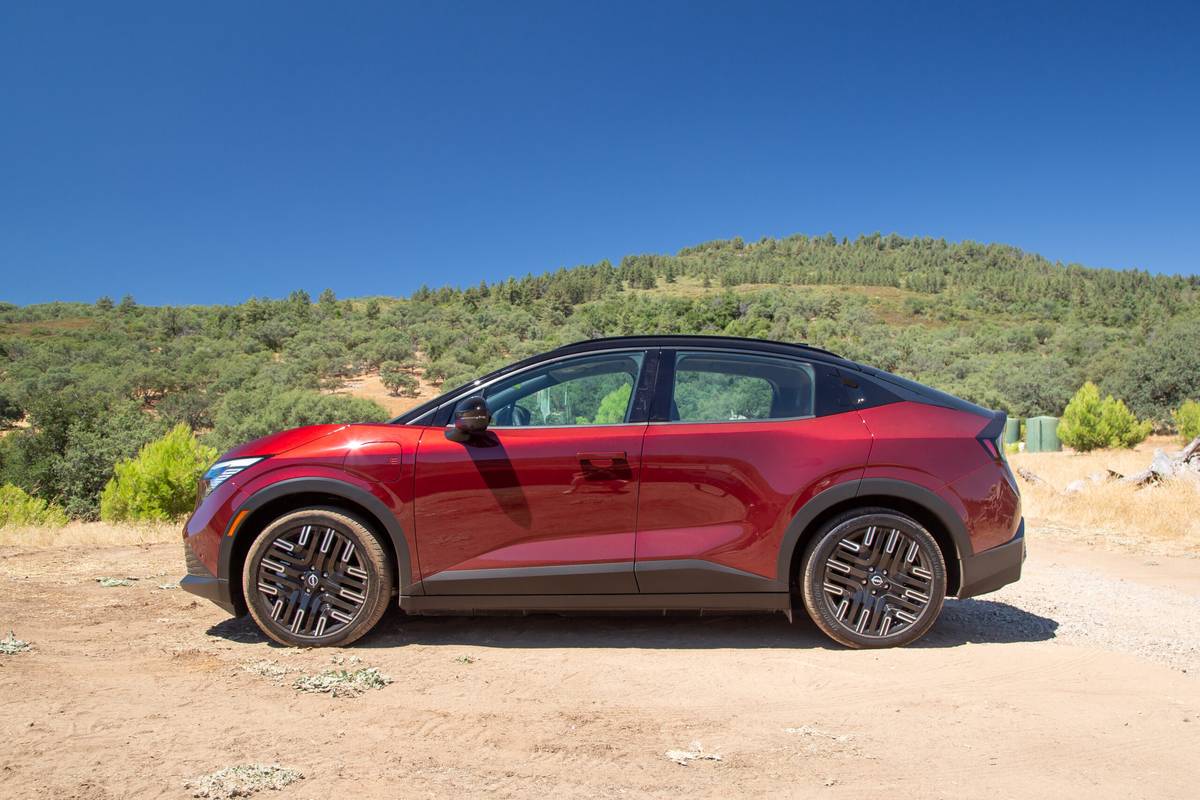
It’s a sharp-looking space to match the Leaf’s fastback exterior, which is a clear attempt to capture the enduring popularity of the SUV-style “coupe.” Emphasis there is on “SUV,” as the Leaf sheds its familiar compact-hatch skin for that of a (slightly) lifted, cladded crossover, an identity shift that slots right in with what’s popular among U.S. consumers.

Related Video:

We cannot generate a video preview. See the full review to watch it.

How Big Is the 2026 Nissan Leaf?

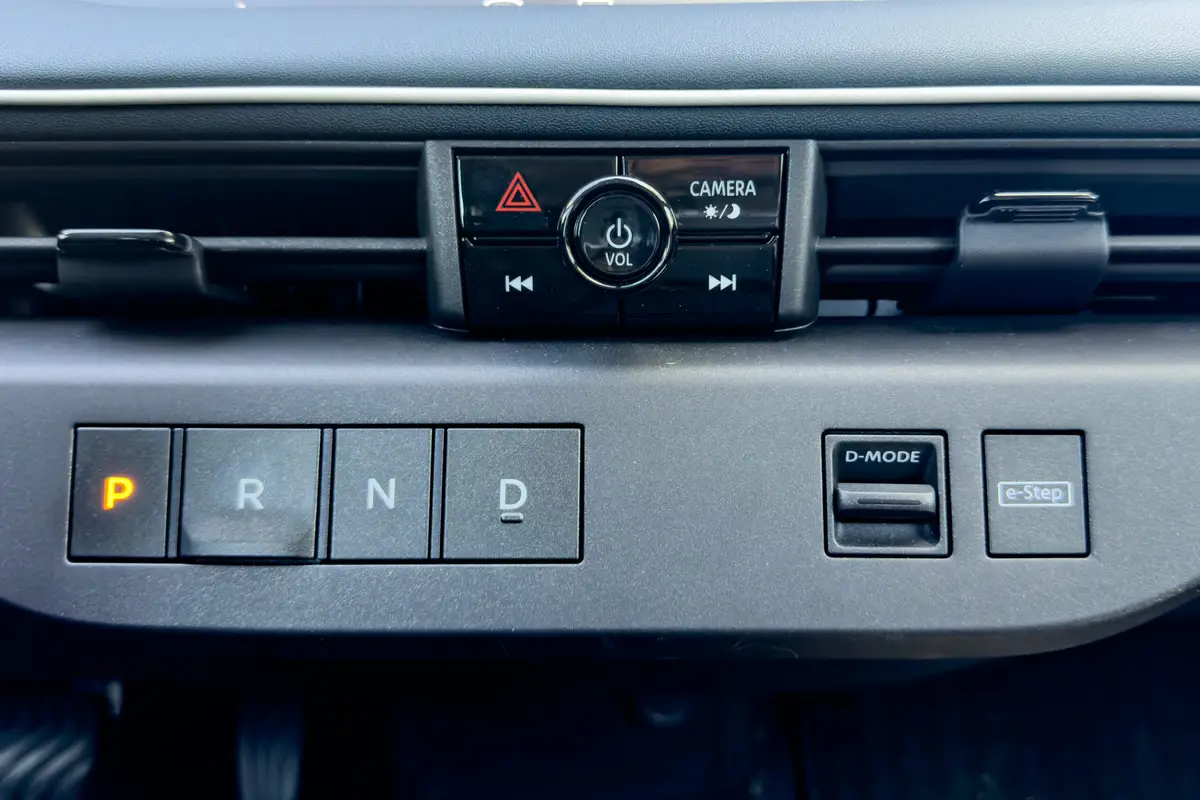
It’s a crossover, but quite a compact one. At Nissan’s first-drive event for automotive media, my Leaf test vehicle was loaded with three people, with Cars.com’s 6-foot-tall videographer sitting behind my 5-foot-11-inch frame as I rode shotgun to my drive partner. (Cars.com pays for its own travel and lodging when attending such manufacturer-sponsored events.) This arrangement required that I scoot the front passenger seat relatively far forward so as to not crush my colleague’s legs. The happy medium found my legs moderately bent against the slanted passenger footwell, with my knee resting against the hard edge of the protruding panel on the dash for the push-button gear selector.

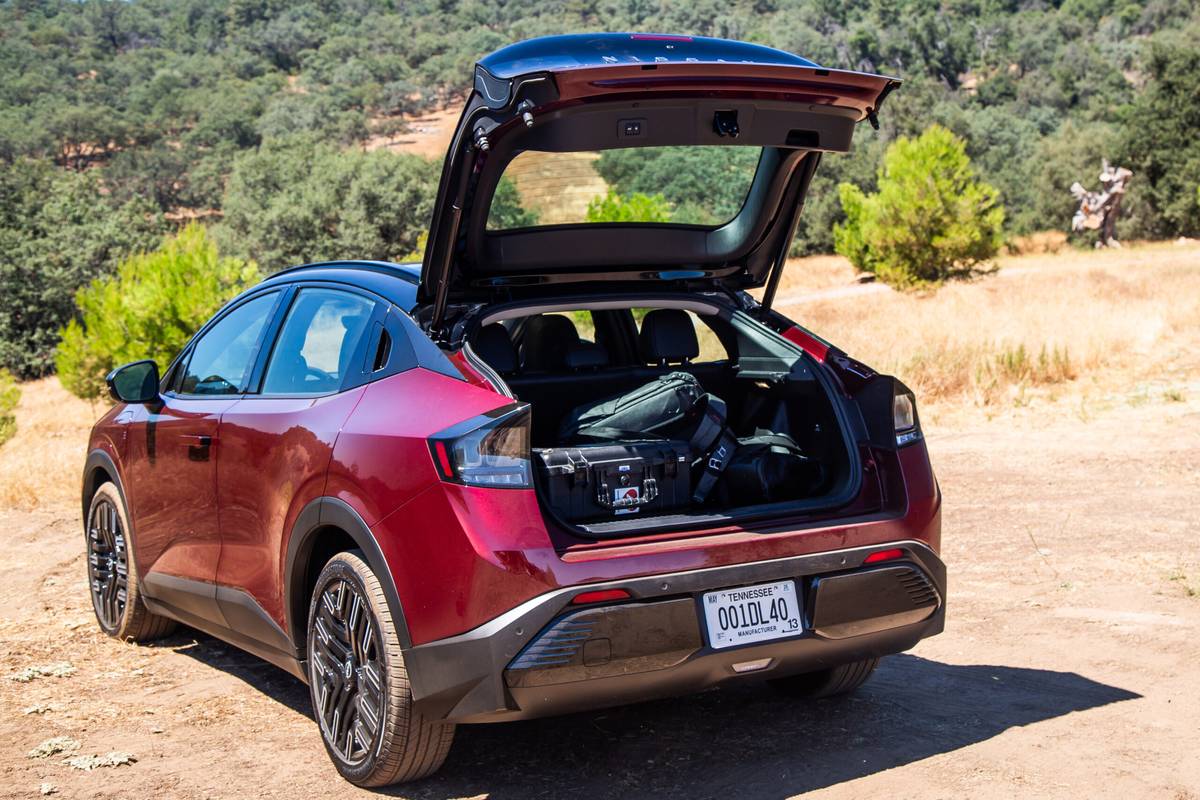
Comparing manufacturer-listed interior dimensions between the new and previous Leaf tells the full story. For the new car, front legroom remains nearly unchanged, with an extra 0.3 inch, but it cuts a substantial 1.7 inches from rear legroom that, in turn, leeches space from the front as passengers compensate. Checking over exterior dimensions reveals more shrinkage, with the 2026 Leaf actually cutting 0.4 inch from the wheelbase and 3 inches from the overall length. Nissan-measured cargo space of 20 cubic feet behind the backseat is slightly less than it was before, but maximum cargo capacity with the backseat folded blooms by 25.5 cubic feet to 55.5.

It gets stranger the more you compare. The new Leaf is wider than the old hatch but is both shorter in height and ground clearance. That’s no typo: If you plan on tackling the Rubicon, perhaps spring for a last-gen Leaf and its additional 0.6 inch of ground clearance over the new model’s 5.3 inches. (Editor’s note: Don’t take any Leaf on the Rubicon Trail.)

What Is the 2026 Nissan Leaf’s Interior Like?

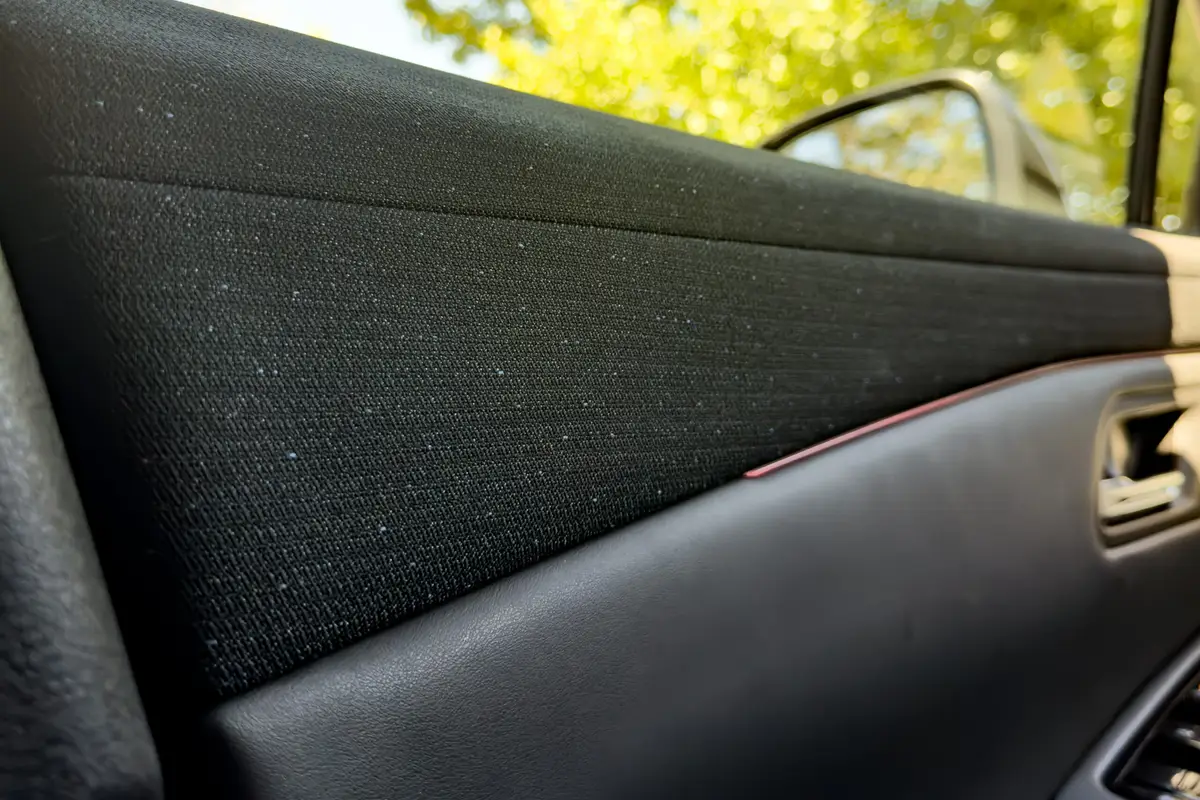
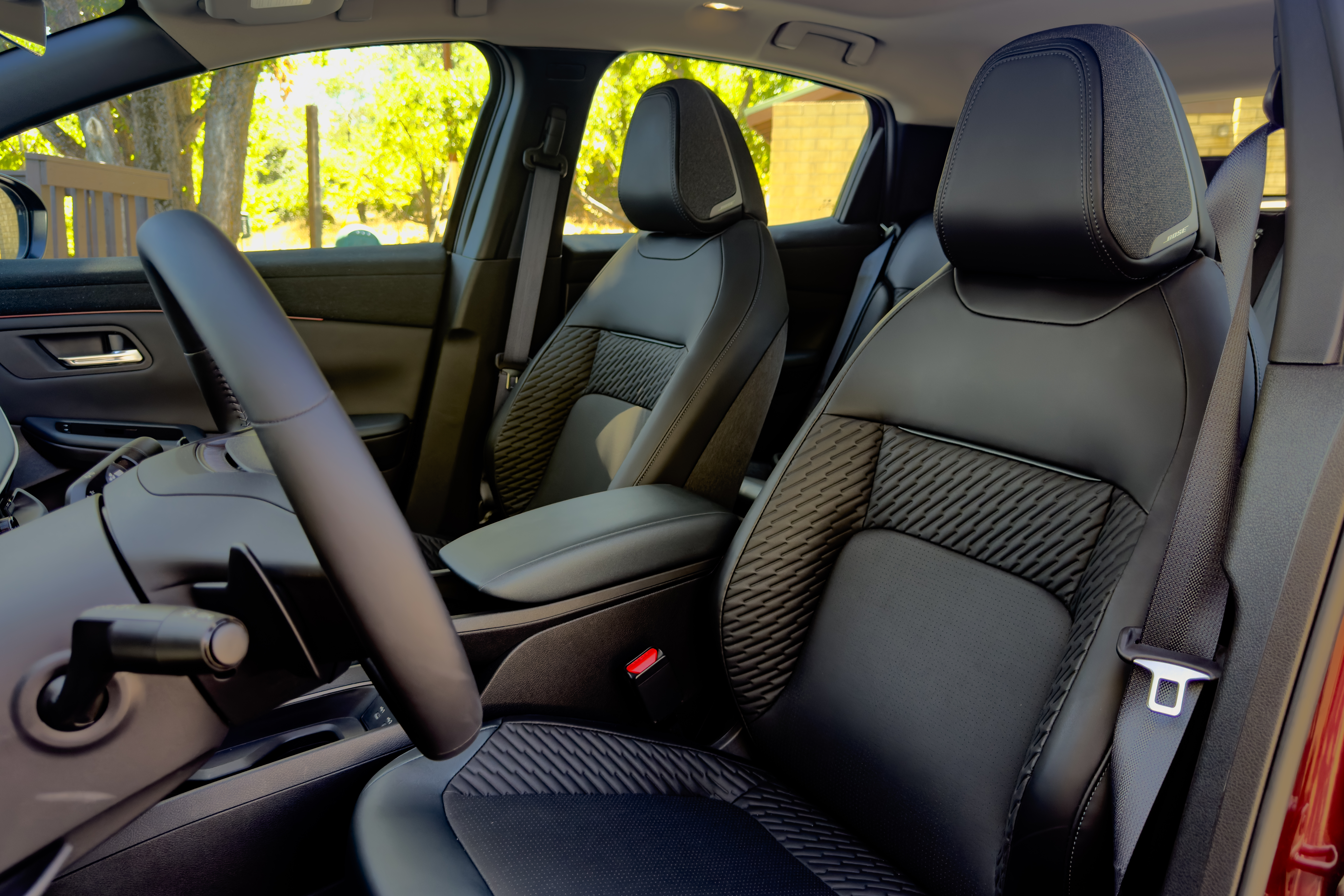
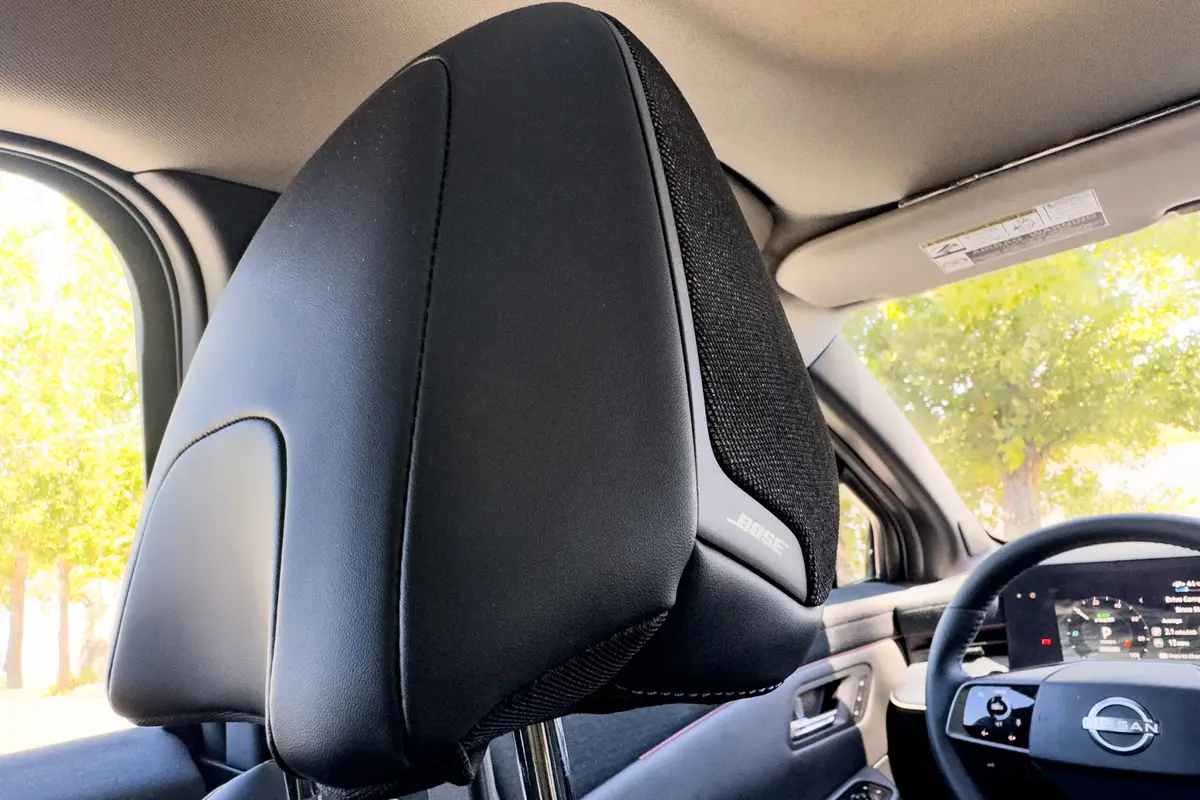
Materials are the biggest conversation piece here; frosted plastic dash trim and controls give way to a neat textile panel that runs the perimeter of the cabin, lending a flat, matte appearance to the interior that’s a welcome change from gloss-black and faux carbon-fiber surfaces. Top-of-the-line Platinum+ grade features include heated seats and steering wheel, a 10-speaker Bose sound system, a wireless device charger, a head-up display, rain-sensing wipers and a hands-free power liftgate.

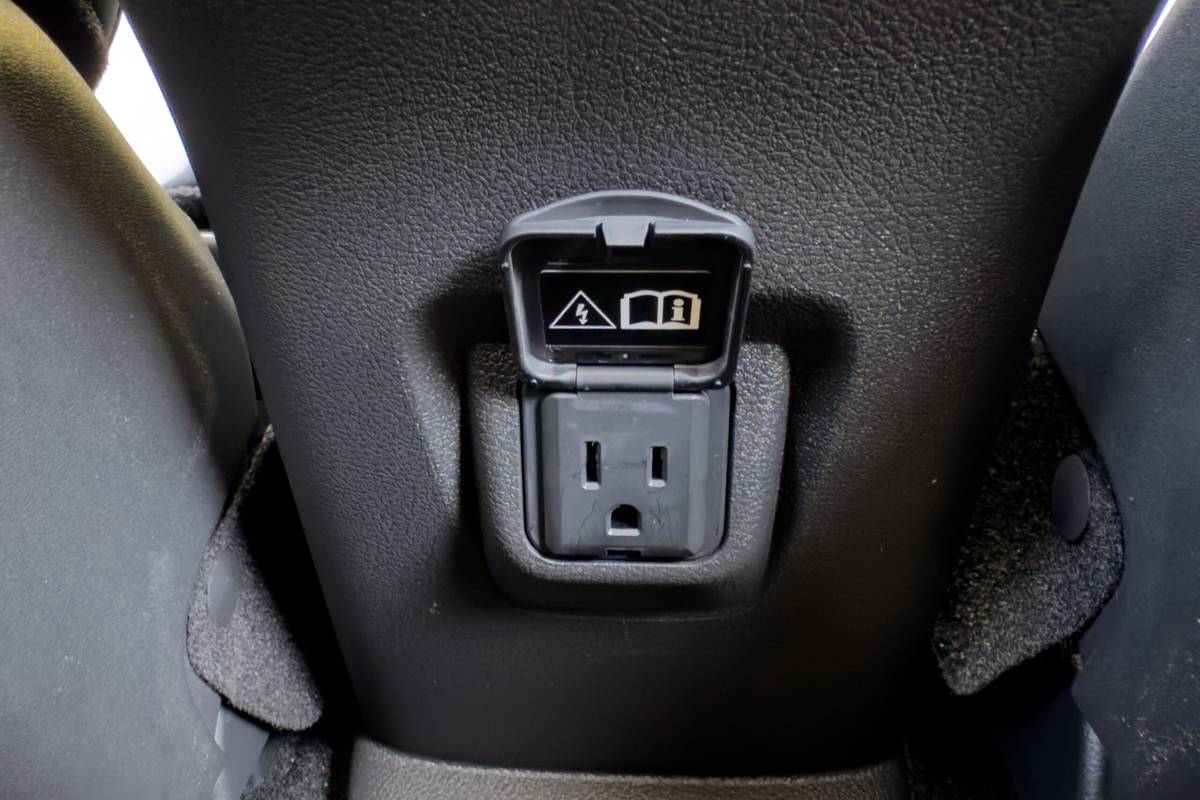
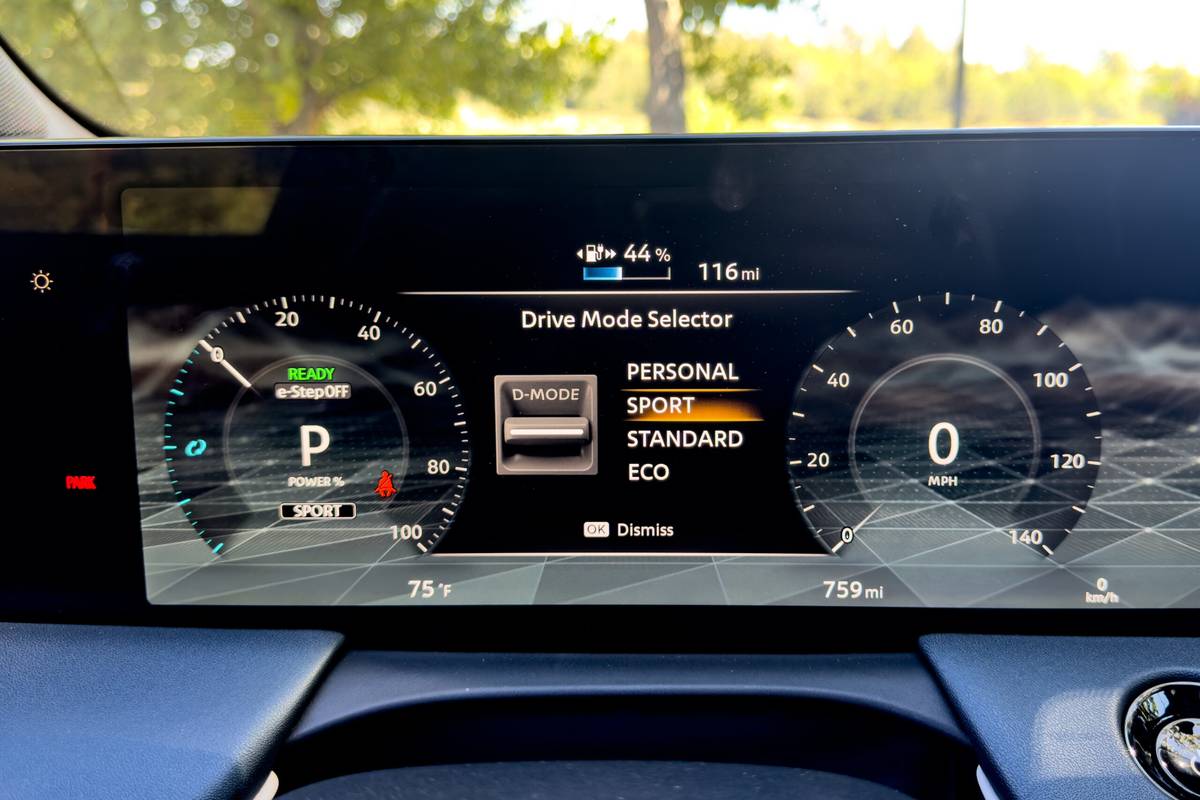
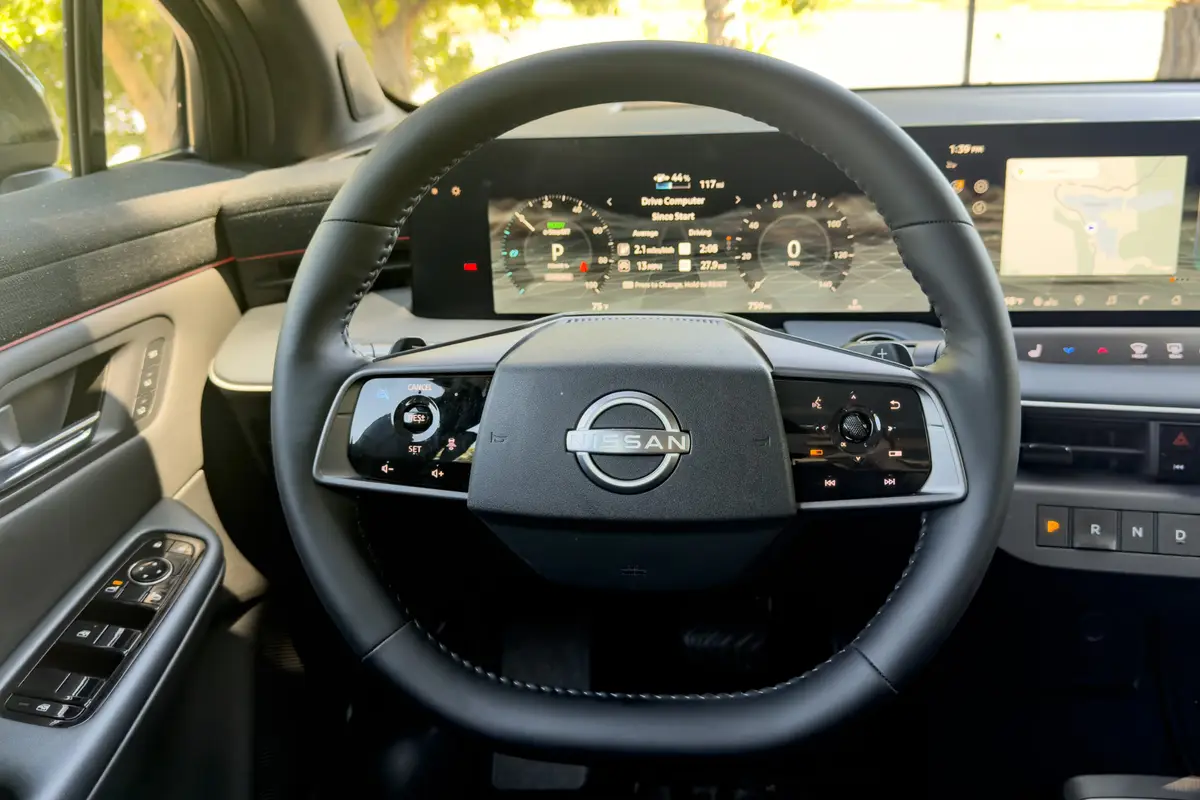
Dual 14.3-inch driver and infotainment displays arrive at the second-from-the-top SV+ trim, and they’re both responsive and high-fidelity — ditto for the current iteration of the NissanConnect infotainment system. It’s worth mentioning that some of the Leaf’s most practical goodies are reserved for the higher trims, including Google Built-In infotainment tech with route planning, a heat pump and a vehicle-to-load outlet in the cargo area.

How Does the 2026 Nissan Leaf Drive?

You’d think that this ground-huggin’ stance and new rakish profile indicates the new Leaf is some manner of electro hot hatch, but you’d be dead wrong. Out on some moderately snaked California mountain roads, the 2026 Leaf was remarkably uncomposed, with a weird amount of squirminess and continued rebound from the suspension over bumps. Slow steering and an incongruously firm ride combined with those body motions for a noxious carsickness concoction that had all three of us separately remarking at just how jostling the ride can be over pavement that really didn’t seem that broken or undulating.

It can’t corner or coddle worth a darn, but you can ignore everything — everything — mentioned above if you restrict the third-gen Leaf to urban surface streets or arrow-straight highways. Through the short portions of downtown San Diego and its network of wide interstates, the Leaf was utterly and entirely acceptable from a ride quality perspective, only returning a bit of squiggle through slow road dips and over speed bumps.

Stay away from the countryside, I guess. On the other end of the spectrum, the Leaf’s brake blend — or the balance between purely regenerative resistance and the physical brakes — is well tuned. All four levels of regen braking were both usable and effective, and while Nissan’s max e-Step regen mode isn’t quite one-pedal driving, it wicks away a significant amount of speed before tapering and eventually disengaging around 5-6 mph.

How Much Power Does the 2026 Nissan Leaf Have?

Power and performance from the single front-mounted electric motor is more impressive than its 214 horsepower and 261 pounds-feet of torque might indicate. Even with three dudes and a load of camera gear, the electric drivetrain’s insta-torque was more than enough for safe passing and highway merging. My test vehicle was a top-of-the-line Platinum+ grade, which comes with the more powerful motor and larger battery that most trims have; stick with the basest-of-base S grade, and power drops to 174 hp and 254 pounds-feet.

More Nissan Leaf News From Cars.com:

How Fast Does the 2026 Nissan Leaf Charge?

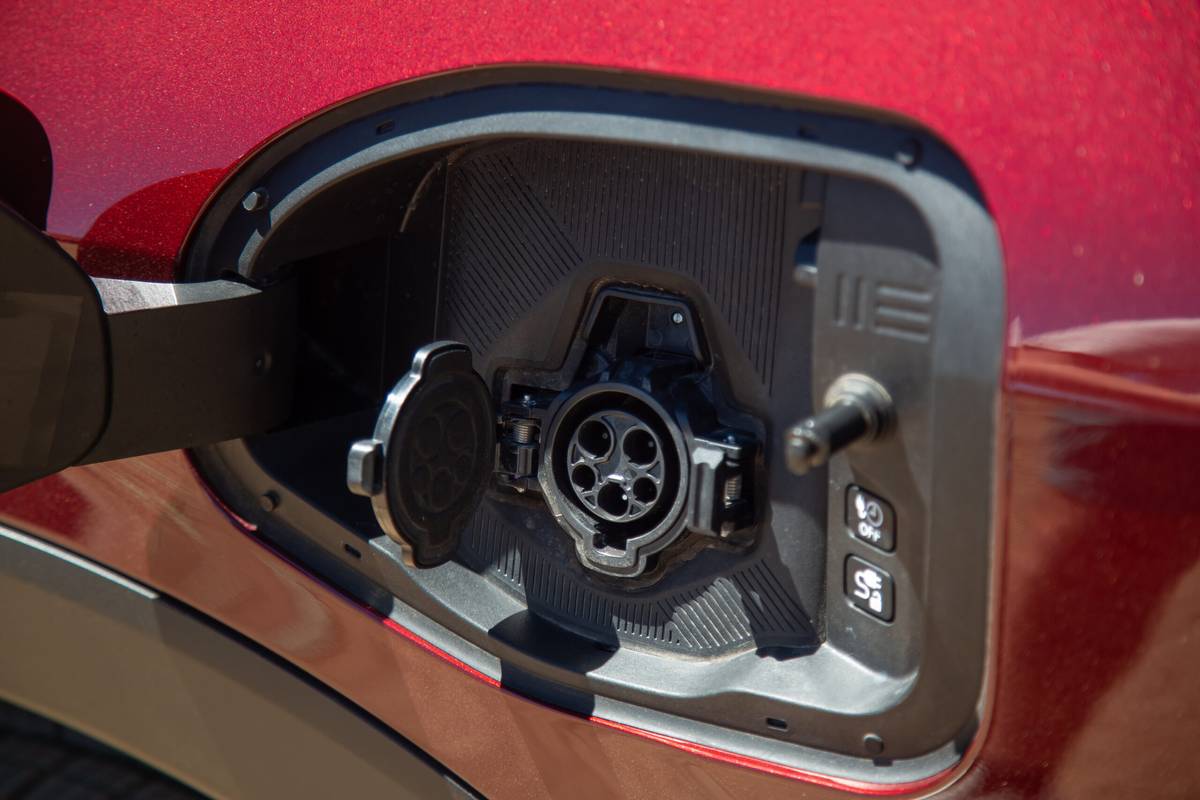
There are dual charge ports — a J1772-style port that supports Level 2 charging and a Tesla-style North American Charging Standard port that supports DC fast-charging at up to 150 kilowatts. Under ideal conditions, road trippers can expect to juice the Leaf from 10% to 80% in 35 minutes, according to Nissan, but make sure you pick the right trim for your needs, as range varies greatly. For now, Nissan only has range estimates for the bigger 75-kilowatt-hour battery that goes in every trim save the base S, with the S+ offering 303 miles of range, 288 miles for the SV+ and the heaviest Platinum+ having a still-solid 259 miles.

But here’s the best part: As of this writing, the 2026 Leaf is still the most affordable EV available on the U.S market. As previously mentioned, the S+ lands at $31,485 (including destination), undercutting both the Hyundai Kona Electric and Chevrolet Equinox EV as the bargain champion, with the as-of-yet-unrevealed Leaf S presumably coming in around the $29,000 or $30,000 mark. The new Leaf is a no-brainer at its low-to-middle pricing, but the value proposition becomes foggy as you reach the $40,000 mark with a top trim.

It ain’t perfect, but this third-generation Leaf slingshots Nissan’s O.G. EV into the modern electric era while still retaining the affordability that made the nameplate so well liked in the first place. Look for your local Nissan dealer to stock them sometime later in the fall, but just make sure you absolutely, positively don’t have a curvy road on your morning commute.

Cars.com’s Editorial department is your source for automotive news and reviews. In line with Cars.com’s long-standing ethics policy, editors and reviewers don’t accept gifts or free trips from automakers. The Editorial department is independent of Cars.com’s advertising, sales and sponsored content departments.

West Coast Bureau Chief
Conner Golden

Conner Golden joined Cars.com in 2023 as an experienced writer and editor with almost a decade of content creation and management in the automotive and tech industries. He lives in the Los Angeles area.

2026 Nissan Leaf review: Our expert's take
By Conner Golden

How Much Does the 2026 Nissan Leaf Cost?

  • When it goes on sale later in the fall, the Nissan Leaf S+ trim level will start at $31,485 (including destination), making it the most affordable electric vehicle on the American market, beating out the Hyundai Kona Electric and Chevrolet Equinox EV.

How Does the 2026 Nissan Leaf Compare With Other Electric SUVs?

  • Against the Equinox EV and Kona, the 2026 Leaf falls between them in charging, range and performance but beats both on price. It’s also one of the smaller electric SUVs available, with a footprint that’s closer to subcompact than compact.

It’s 2025 — electric vehicles are no longer novel. Folks don’t buy EVs just because they’re electric, and they especially won’t slide in the seat if there’s still a whiff of the dorky EV of yesteryear that carried a trunk brimming with cultural baggage. The Nissan Leaf? Oh, that’s one of the original EVs, right down to its dowdy hatch appearance and interior that managed to be boring, funky and outdated all at the same time.

Mind you, I’m talking the first- and second-generation Leaf, the latter replaced for the 2026 model year with the third gen of Nissan’s electric bread and butter. I’d never accuse the latest Leaf of being granola, as its scaled-up, sleekened exterior and genuine stylistic flair indicates it ain’t your weird aunt’s EV anymore.

Related: 2026 Nissan Leaf Goes Crossover, Finally Gets the Range It Deserves

Even before you set butt to seat, you can tell Nissan spent considerable effort to distance the redesigned 2026 Leaf from both its immediate ancestors and the workaday Nissan lineup as a whole. The minimalist interior offers a mature, measured translation of the familiar funky-futuristic design language found on so many EVs, surprisingly taking more inspiration from the current Nissan Murano than the Ariya, Nissan’s other electric SUV.

It’s a sharp-looking space to match the Leaf’s fastback exterior, which is a clear attempt to capture the enduring popularity of the SUV-style “coupe.” Emphasis there is on “SUV,” as the Leaf sheds its familiar compact-hatch skin for that of a (slightly) lifted, cladded crossover, an identity shift that slots right in with what’s popular among U.S. consumers.

Related Video:

How Big Is the 2026 Nissan Leaf?

It’s a crossover, but quite a compact one. At Nissan’s first-drive event for automotive media, my Leaf test vehicle was loaded with three people, with Cars.com’s 6-foot-tall videographer sitting behind my 5-foot-11-inch frame as I rode shotgun to my drive partner. (Cars.com pays for its own travel and lodging when attending such manufacturer-sponsored events.) This arrangement required that I scoot the front passenger seat relatively far forward so as to not crush my colleague’s legs. The happy medium found my legs moderately bent against the slanted passenger footwell, with my knee resting against the hard edge of the protruding panel on the dash for the push-button gear selector.

Comparing manufacturer-listed interior dimensions between the new and previous Leaf tells the full story. For the new car, front legroom remains nearly unchanged, with an extra 0.3 inch, but it cuts a substantial 1.7 inches from rear legroom that, in turn, leeches space from the front as passengers compensate. Checking over exterior dimensions reveals more shrinkage, with the 2026 Leaf actually cutting 0.4 inch from the wheelbase and 3 inches from the overall length. Nissan-measured cargo space of 20 cubic feet behind the backseat is slightly less than it was before, but maximum cargo capacity with the backseat folded blooms by 25.5 cubic feet to 55.5.

nissan leaf 2026 10 exterior rear angle red scaled jpg 2026 Nissan Leaf, rear angle | Cars.com photo by Conner Golden

It gets stranger the more you compare. The new Leaf is wider than the old hatch but is both shorter in height and ground clearance. That’s no typo: If you plan on tackling the Rubicon, perhaps spring for a last-gen Leaf and its additional 0.6 inch of ground clearance over the new model’s 5.3 inches. (Editor’s note: Don’t take any Leaf on the Rubicon Trail.)

What Is the 2026 Nissan Leaf’s Interior Like?

Materials are the biggest conversation piece here; frosted plastic dash trim and controls give way to a neat textile panel that runs the perimeter of the cabin, lending a flat, matte appearance to the interior that’s a welcome change from gloss-black and faux carbon-fiber surfaces. Top-of-the-line Platinum+ grade features include heated seats and steering wheel, a 10-speaker Bose sound system, a wireless device charger, a head-up display, rain-sensing wipers and a hands-free power liftgate.

Dual 14.3-inch driver and infotainment displays arrive at the second-from-the-top SV+ trim, and they’re both responsive and high-fidelity — ditto for the current iteration of the NissanConnect infotainment system. It’s worth mentioning that some of the Leaf’s most practical goodies are reserved for the higher trims, including Google Built-In infotainment tech with route planning, a heat pump and a vehicle-to-load outlet in the cargo area.

nissan leaf 2026 16 interior front row wide jpg 2026 Nissan Leaf, front row | Cars.com photo by Conner Golden

How Does the 2026 Nissan Leaf Drive?

You’d think that this ground-huggin’ stance and new rakish profile indicates the new Leaf is some manner of electro hot hatch, but you’d be dead wrong. Out on some moderately snaked California mountain roads, the 2026 Leaf was remarkably uncomposed, with a weird amount of squirminess and continued rebound from the suspension over bumps. Slow steering and an incongruously firm ride combined with those body motions for a noxious carsickness concoction that had all three of us separately remarking at just how jostling the ride can be over pavement that really didn’t seem that broken or undulating.

It can’t corner or coddle worth a darn, but you can ignore everything — everything — mentioned above if you restrict the third-gen Leaf to urban surface streets or arrow-straight highways. Through the short portions of downtown San Diego and its network of wide interstates, the Leaf was utterly and entirely acceptable from a ride quality perspective, only returning a bit of squiggle through slow road dips and over speed bumps.

Stay away from the countryside, I guess. On the other end of the spectrum, the Leaf’s brake blend — or the balance between purely regenerative resistance and the physical brakes — is well tuned. All four levels of regen braking were both usable and effective, and while Nissan’s max e-Step regen mode isn’t quite one-pedal driving, it wicks away a significant amount of speed before tapering and eventually disengaging around 5-6 mph.

nissan leaf 2026 06 exterior wheel red scaled jpg 2026 Nissan Leaf, wheel | Cars.com photo by Conner Golden

How Much Power Does the 2026 Nissan Leaf Have?

Power and performance from the single front-mounted electric motor is more impressive than its 214 horsepower and 261 pounds-feet of torque might indicate. Even with three dudes and a load of camera gear, the electric drivetrain’s insta-torque was more than enough for safe passing and highway merging. My test vehicle was a top-of-the-line Platinum+ grade, which comes with the more powerful motor and larger battery that most trims have; stick with the basest-of-base S grade, and power drops to 174 hp and 254 pounds-feet.

More Nissan Leaf News From Cars.com:

How Fast Does the 2026 Nissan Leaf Charge?

There are dual charge ports — a J1772-style port that supports Level 2 charging and a Tesla-style North American Charging Standard port that supports DC fast-charging at up to 150 kilowatts. Under ideal conditions, road trippers can expect to juice the Leaf from 10% to 80% in 35 minutes, according to Nissan, but make sure you pick the right trim for your needs, as range varies greatly. For now, Nissan only has range estimates for the bigger 75-kilowatt-hour battery that goes in every trim save the base S, with the S+ offering 303 miles of range, 288 miles for the SV+ and the heaviest Platinum+ having a still-solid 259 miles.

2026 Nissan Leaf 2026 Nissan Leaf 2026 Nissan Leaf 2026 Nissan Leaf 2026 Nissan Leaf 2026 Nissan Leaf 2026 Nissan Leaf 2026 Nissan Leaf 2026 Nissan Leaf 2026 Nissan Leaf 2026 Nissan Leaf 2026 Nissan Leaf 2026 Nissan Leaf 2026 Nissan Leaf 2026 Nissan Leaf 2026 Nissan Leaf 2026 Nissan Leaf 2026 Nissan Leaf 2026 Nissan Leaf 2026 Nissan Leaf 2026 Nissan Leaf 2026 Nissan Leaf 2026 Nissan Leaf 2026 Nissan Leaf 2026 Nissan Leaf

But here’s the best part: As of this writing, the 2026 Leaf is still the most affordable EV available on the U.S market. As previously mentioned, the S+ lands at $31,485 (including destination), undercutting both the Hyundai Kona Electric and Chevrolet Equinox EV as the bargain champion, with the as-of-yet-unrevealed Leaf S presumably coming in around the $29,000 or $30,000 mark. The new Leaf is a no-brainer at its low-to-middle pricing, but the value proposition becomes foggy as you reach the $40,000 mark with a top trim.

It ain’t perfect, but this third-generation Leaf slingshots Nissan’s O.G. EV into the modern electric era while still retaining the affordability that made the nameplate so well liked in the first place. Look for your local Nissan dealer to stock them sometime later in the fall, but just make sure you absolutely, positively don’t have a curvy road on your morning commute.

Cars.com’s Editorial department is your source for automotive news and reviews. In line with Cars.com’s long-standing ethics policy, editors and reviewers don’t accept gifts or free trips from automakers. The Editorial department is independent of Cars.com’s advertising, sales and sponsored content departments.

Available cars near you

2026 Report Card

Car Seat Safety

Latch
A
Infant
C
Rear-facing Convertible
C
Front-facing Convertible
B
Booster
B
See more details
award winner

Factory warranties

Basic
3 years / 36,000 miles
Corrosion
5 years
Powertrain
5 years / 60,000 miles
Battery
5 years / 60,000 miles
Roadside Assistance
3 years / 36,000 miles

Consumer reviews

No reviews yet

This car doesn’t have a consumer review yet.
Write the first review

Latest news from Cars.com

See all news

Nissan dealers near you

FAQ

What trim levels are available for the 2026 Nissan Leaf?

The 2026 Nissan Leaf is available in 4 trim levels:

  • PLATINUM+ (1 style)
  • S (1 style)
  • S+ (1 style)
  • SV+ (1 style)

What is the electric range of the 2026 Nissan Leaf?

The 2026 Nissan Leaf can travel 149 - 303 miles on a single charge depending on electric motor and battery options.

EPA-estimated range is the distance, or predicted distance, a new plug-in vehicle will travel on electric power before its battery charge is exhausted. Actual range will vary depending on driving conditions, trim level, driving habits, elevation changes, weather, accessory usage (lights, climate control), vehicle condition and other factors.

Nissan Leaf history

Your list was successfully saved.


Save list Compare
[{"cat":"ev_wagonhatchback_hatchback","stock_type":"new","bodystyle":"Hatchback","page_type":"research/make-model-year","oem_page":false,"search_fuel_types":["Electric Fuel System"]}]