






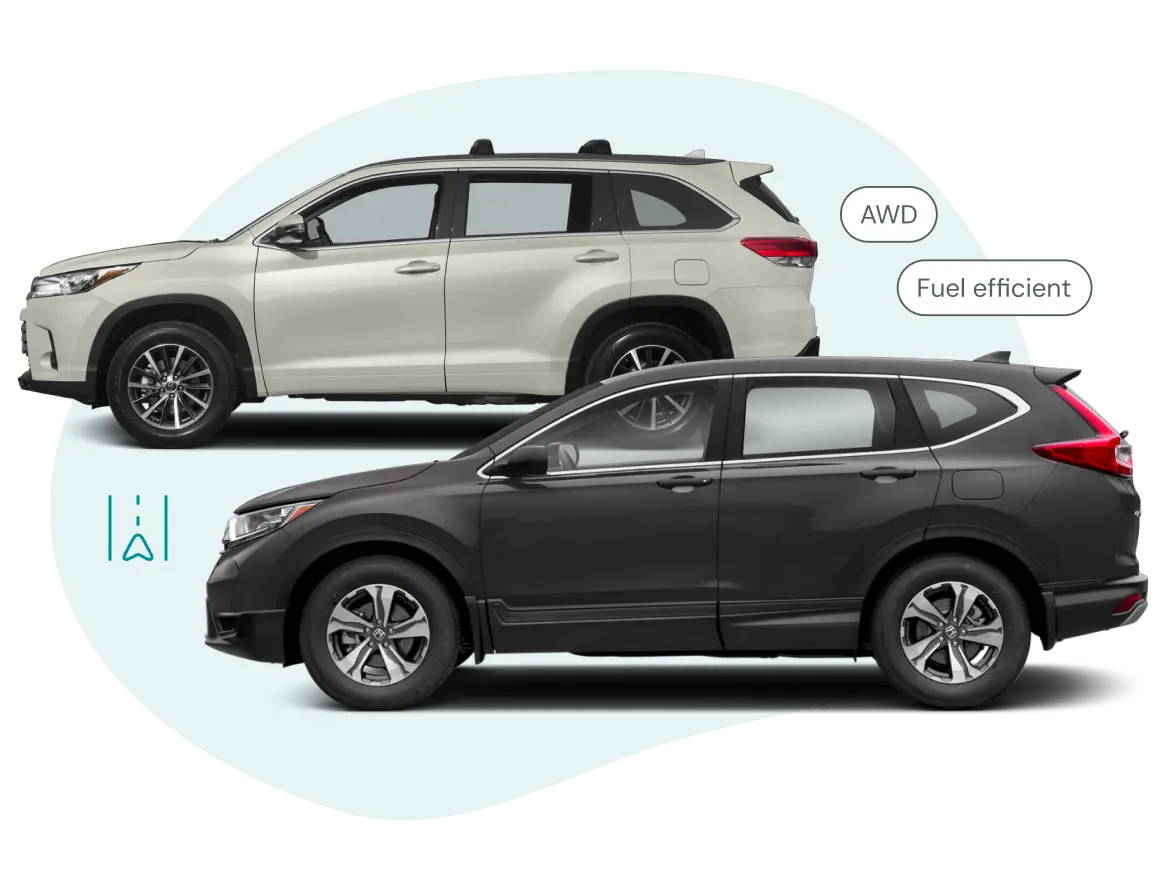
Find your perfect SUV
Compare SUVs to discover the model that matches your needs and budget. See expert recommendations on the best new and used SUVs as well as what you need to know before buying an SUV.
Best SUV picks
-

2026 Nissan Armada
2 reviews $58,840 starting price
16 city / 20 hwy MPG
Versatile, luxurious and capable with 8,500-pound towing at a lower base price than full-size rivals.
Expert review Shop now for 2026 Nissan Armada -

2026 Honda Passport
10 reviews $44,950 starting price
19 city / 25 hwy MPG
Rugged redesign with serious off-road chops and one of the roomiest backseats in its class.
Expert review Shop now for 2026 Honda Passport -

2026 Toyota RAV4
4 reviews $31,900 starting price
47 city / 40 hwy MPG
Now hybrid-only with up to 43 mpg combined and upgraded tech.
Expert review Shop now for 2026 Toyota RAV4 -

2026 Ford Expedition
$57,700 starting price
15 city / 22 hwy MPG
Three-row comfort meets 9,600-pound towing and a punchy 400-hp twin-turbo V-6 with impressive tech.
Expert review Shop now for 2026 Ford Expedition -

2026 Hyundai IONIQ 5
6 reviews $35,000 starting price
245 mile range
Fast charging, a spacious cabin and newly slashed pricing make it one of the best EVs available.
Expert review Shop now for 2026 Hyundai IONIQ 5 -

2026 Hyundai PALISADE
7 reviews $39,435 starting price
19 city / 25 hwy MPG
Redesigned with near-luxury quality, seating for eight and premium comfort that rivals vehicles costing thousands more.
Expert review Shop now for 2026 Hyundai PALISADE -

2026 Hyundai SANTA FE
4 reviews $35,050 starting price
20 city / 29 hwy MPG
Bold styling, three-row seating and an upscale cabin at a right-size price.
Expert review Shop now for 2026 Hyundai SANTA FE -
Best SUVs of 2026
See the full list
-

2026 Chevrolet Trax
8 reviews $21,700 starting price
28 city / 32 hwy MPG
Subcompact SUV with budget-friendly pricing, good fuel economy and comfortable seating for five.
Expert review Shop now for 2026 Chevrolet Trax -

2026 Kia Sportage Hybrid
5 reviews $30,490 starting price
41 city / 44 hwy MPG
Efficient compact SUV with stylish design, spacious cabin and impressive tech at competitive price.
Expert review Shop now for 2026 Kia Sportage Hybrid -
2026 Hyundai PALISADE
7 reviews $39,435 starting price
19 city / 25 hwy MPG
Three-row family SUV with premium feel, spacious interior and value-packed lower trim levels.
Expert review Shop now for 2026 Hyundai PALISADE -

2026 Hyundai KONA
1 reviews $25,500 starting price
29 city / 34 hwy MPG
Subcompact SUV with sporty styling, seating for five, good fuel economy and tech features at an accessible price.
Expert review Shop now for 2026 Hyundai KONA -

2026 Chevrolet Equinox
14 reviews $28,800 starting price
26 city / 29 hwy MPG
Practical compact SUV offering spacious five-occupant seating, solid fuel economy and user-friendly features for families.
Expert review Shop now for 2026 Chevrolet Equinox -
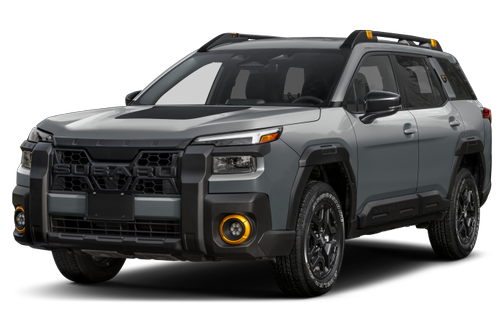
2026 Subaru Outback
9 reviews $34,995 starting price
25 city / 31 hwy MPG
Standard AWD, generous ground clearance, and wagonlike versatility built for adventure and everyday comfort.
Expert review Shop now for 2026 Subaru Outback -
2026 Hyundai SANTA FE
4 reviews $35,050 starting price
20 city / 29 hwy MPG
Three-row seating, a potent engine and an upscale cabin all starting around $36,000.
Expert review Shop now for 2026 Hyundai SANTA FE -
These 8 New Cars Have the Best Value
See the full list
-

2026 Kia EV9
$54,900 starting price
230 mile range
Up to 305 miles of range, three-rows of seating and Tesla Supercharger access.
Expert review Shop now for 2026 Kia EV9 -

2026 Chevrolet Equinox EV
5 reviews $34,995 starting price
319 mile range
Practical, well designed and one of the most affordable electric SUVs on the market.
Expert review Shop now for 2026 Chevrolet Equinox EV -
2026 Hyundai IONIQ 5
6 reviews $35,000 starting price
245 mile range
Fast charging, a spacious cabin and newly slashed pricing make it one of the best EV values available.
Expert review Shop now for 2026 Hyundai IONIQ 5 -

2026 Hyundai Palisade Hybrid
4 reviews $44,160 starting price
31 city / 32 hwy MPG
Premium three-row comfort with over 30 mpg and up to 619 miles of range per tank.
Expert review Shop now for 2026 Hyundai Palisade Hybrid -

2026 Hyundai SANTA FE HEV
2 reviews $36,400 starting price
37 city / 36 hwy MPG
Bold design meets efficiency with up to 36 mpg combined and three-row seating for the family.
Expert review Shop now for 2026 Hyundai SANTA FE HEV -
2026 Toyota RAV4
4 reviews $31,900 starting price
47 city / 40 hwy MPG
Now hybrid-only, adding more power, better tech and a "no-brainer" value proposition.
Expert review Shop now for 2026 Toyota RAV4 -

2026 Honda CR-V Hybrid
9 reviews $35,630 starting price
43 city / 36 hwy MPG
Practical, efficient and smooth SUV with intuitive controls and a spacious cabin.
Expert review Shop now for 2026 Honda CR-V Hybrid
-
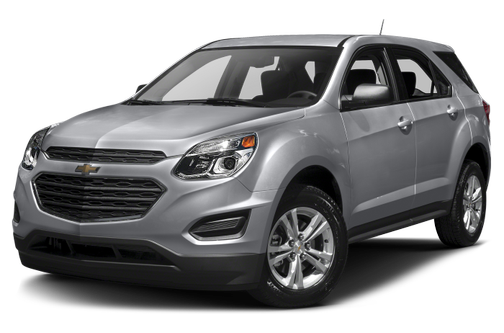
2016 Chevrolet Equinox
210 reviews $10,500 avg. price
22 city / 32 hwy MPG
Compact SUV with standard four-cylinder or gutsy available V-6 engine
Expert review Shop now for 2016 Chevrolet Equinox -
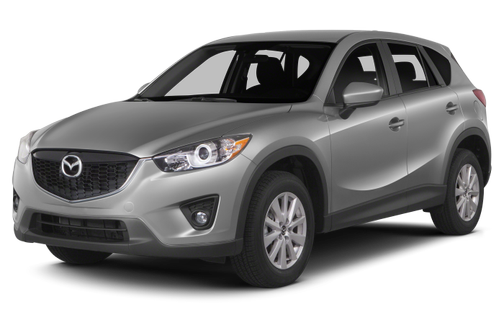
2014 Mazda CX-5
207 reviews $11,500 avg. price
26 city / 35 hwy MPG
Nimble-handling compact SUV with available 184-hp four-cylinder engine
Expert review Shop now for 2014 Mazda CX-5 -

2015 Subaru Outback
170 reviews $12,000 avg. price
25 city / 33 hwy MPG
Outdoor-adventure-focused mid-size wagon with standard all-wheel drive
Expert review Shop now for 2015 Subaru Outback -
What Are the Best Used SUVs for $10,000?
See the full list
What you need to know before buying an SUV
Before purchasing an SUV, evaluate your specific needs and wants. Price, seating capacity and cargo room are primary concerns, but how you’ll be using your SUV matters, too. Some SUVs are fortified for towing or rugged off-road terrain, some are designed mainly for on-road comfort, and others land somewhere in between.
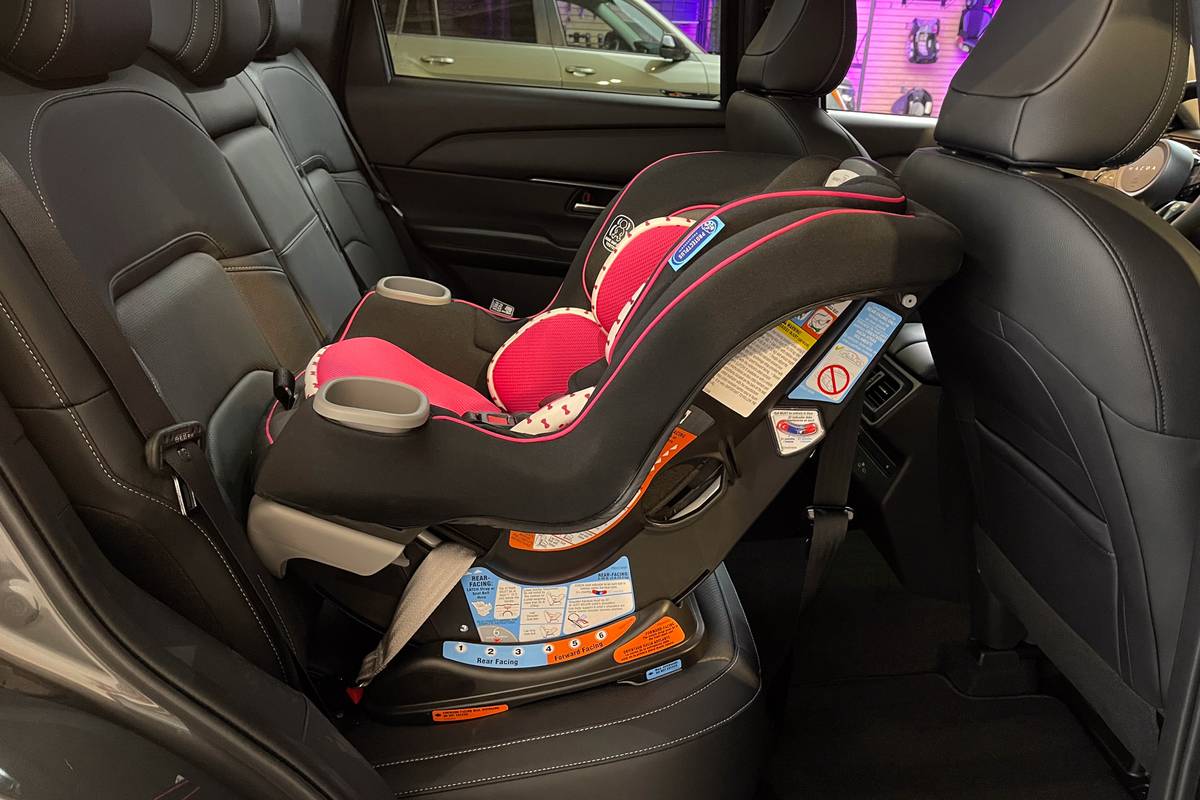
Parents should consider safety ratings and ease of car-seat fitment, both of which vary from vehicle to vehicle. And with efficiency becoming increasingly important to SUV shoppers, the roster of hybrid, plug-in hybrid or all-electric SUVs has grown accordingly. Read on for commonly asked questions on SUV buying.
FAQ
What are the different types of SUVs, and which one is right for me?
SUVs come in four main size classes: subcompact, compact, mid-size and full-size.
- Subcompacts like the Chevrolet Trax and Hyundai Venue are city-friendly and budget-conscious.
- Compact SUVs like the Toyota RAV4 and Hyundai Tucson balance space, efficiency and price for most buyers.
- Mid-size SUVs split into two-row models, like the Honda Passport, for maximum cargo and three-row models, like the Hyundai Palisade and Kia Telluride, for families needing extra seating.
- Full-size SUVs like the Nissan Armada and Ford Expedition offer maximum occupant and cargo space plus serious towing capability.
Most buyers find their needs met by a compact or mid-size three-row SUV.
What should I know about three-row SUVs before buying?
Not all third rows are created equally. Full-size SUVs like the Ford Expedition and Nissan Armada offer genuinely adult-friendly third rows but come in a large size (and price), with towing capability many don’t need.
The best balance of third-row space comes in larger mid-size three-row SUVs like the Hyundai Palisade, Toyota Grand Highlander and Volkswagen Atlas. Smaller mid-size three-row SUVs like the Hyundai Santa Fe and Kia Sorento have a third row that works best for children or occasional use.
Most three-row SUVs also have an available captain’s-chair second-row configuration for easy third-row access. Before buying, be sure to check third-row passenger comfort, ease of access and cargo space behind the third row.
What are the most fuel-efficient new SUVs?
For hybrid SUVs that don’t require plugging in, the 2026 Kia Niro has up to 53 mpg combined, though this SUV-styled hatchback doesn’t offer all-wheel drive. A more traditional SUV like the 2026 Toyota RAV4, which is now a standard hybrid, has up to 43 mpg combined. The Kia Sportage Hybrid also delivers up to 43 mpg combined with front-wheel drive.
Among three-row SUVs, the Toyota Grand Highlander Hybrid and Hyundai Santa Fe Hybrid both exceed 35 mpg combined.
Electric SUVs dominate being efficient and something like the Tesla Model Y with rear-wheel drive has an mpg-equivalent rating of 138 mpg-e, while the Toyota bZ has a 134 mpg-e combined rating.
What are the cheapest new SUVs I can buy right now?
Subcompact SUVs offer the lowest entry point:
- Hyundai Venue SE: $22,150
- Chevrolet Trax LS: $23,495
- Nissan Kicks S: $24,275
- Chevrolet Trailblazer LS: $25,095
- Kia Seltos LX: $25,285
All prices include destination charges but exclude taxes, fees and incentives.
What SUV features should I prioritize?
Start with safety: Look for automatic emergency braking with pedestrian detection, blind spot monitoring and rear cross-traffic alert — many SUVs now include these as standard.
For families, check Latch connector access, rear-seat legroom and cargo space with all rows in use.
If you tow, confirm the specific towing capacity for your trim and configuration, not just the manufacturer's maximum claim.
All-wheel drive is worth considering for inclement weather but isn't necessary for everyone.
Finally, test the multimedia system and controls, which you'll use every day, so make sure they’re intuitive.
Used SUVs near you
-

$27,514
Used 2022 Tesla Model Y 27 mi away
-

$34,041
Used 2023 Tesla Model Y 12 mi away
-

$11,695
Used 2015 Volvo XC60 45 mi away
-

$201,944
Used 2022 Lamborghini Urus 12 mi away
-

$28,441
Used 2024 Jeep Wrangler 12 mi away
-

$24,741
Used 2026 Mitsubishi Outlander Sport 12 mi away
-

$36,073
Used 2020 BMW X5 13 mi away
-

$52,433
Used 2026 Cadillac XT5 8 mi away
-

$47,607
Used 2023 Audi Q7 45 mi away
-

$25,992
Used 2023 Kia Sorento 8 mi away
Tips on buying a used SUV
FAQ
What are the best used SUVs under $30,000?
For compact SUVs, a 2022-23 Toyota RAV4 or Honda CR-V offers strong reliability and resale value in the $25,000-$29,000 range.
The 2022-23 Hyundai Tucson provides a more feature-rich interior for less.
Mid-size shoppers should look at the 2021-22 Kia Telluride or Hyundai Palisade, though three-row models hold their value well and may require higher mileage at this price.
For those wanting capability, a 2020-22 Ford Bronco Sport or Subaru Outback offers solid off-road readiness.
Always check vehicle history reports and consider a pre-purchase inspection.
How many miles is too many for a used SUV?
The average driver puts about 12,000 miles per year on a vehicle, so a 5-year-old SUV with around 60,000 miles is typical. Well-maintained SUVs can reliably exceed 200,000 miles, so the odometer alone doesn't tell the full story.
A vehicle driven 20,000 highway miles per year generally experiences less wear than one with half as many miles from stop-and-go city driving. Similarly, a low-mileage SUV that was neglected on maintenance may be in worse shape than a higher-mileage one with complete service records.
Rather than fixating on a specific number, consider the SUV's age, maintenance history, driving conditions and overall condition. A pre-purchase inspection by an independent mechanic provides a far more meaningful assessment than mileage alone.
What should I look for when inspecting a used SUV?
Start with a thorough exterior check for rust, uneven panel gaps or mismatched paint that may indicate crash damage. Examine tires for uneven wear, which can signal alignment or suspension issues.
Inside, test every electronic feature, check seat mechanisms and inspect upholstery condition. Under the hood, look for fluid leaks, and check oil and coolant levels. Test the all- or four-wheel-drive system if equipped.
For any used SUV, a professional pre-purchase inspection by an independent mechanic is well worth the investment — it can catch issues that aren't visible during a test drive.
Is a certified pre-owned SUV worth the extra cost?
CPO SUVs typically cost 4%-5% more than comparable noncertified used models, but they include manufacturer-backed warranties, multipoint inspections and reconditioning.
For SUVs with complex AWD systems, turbo engines or hybrid drivetrains, the extended warranty coverage can provide meaningful peace of mind.
Whether it's worth the premium depends on what you prioritize — if you value warranty protection and peace of mind, CPO is a solid choice.
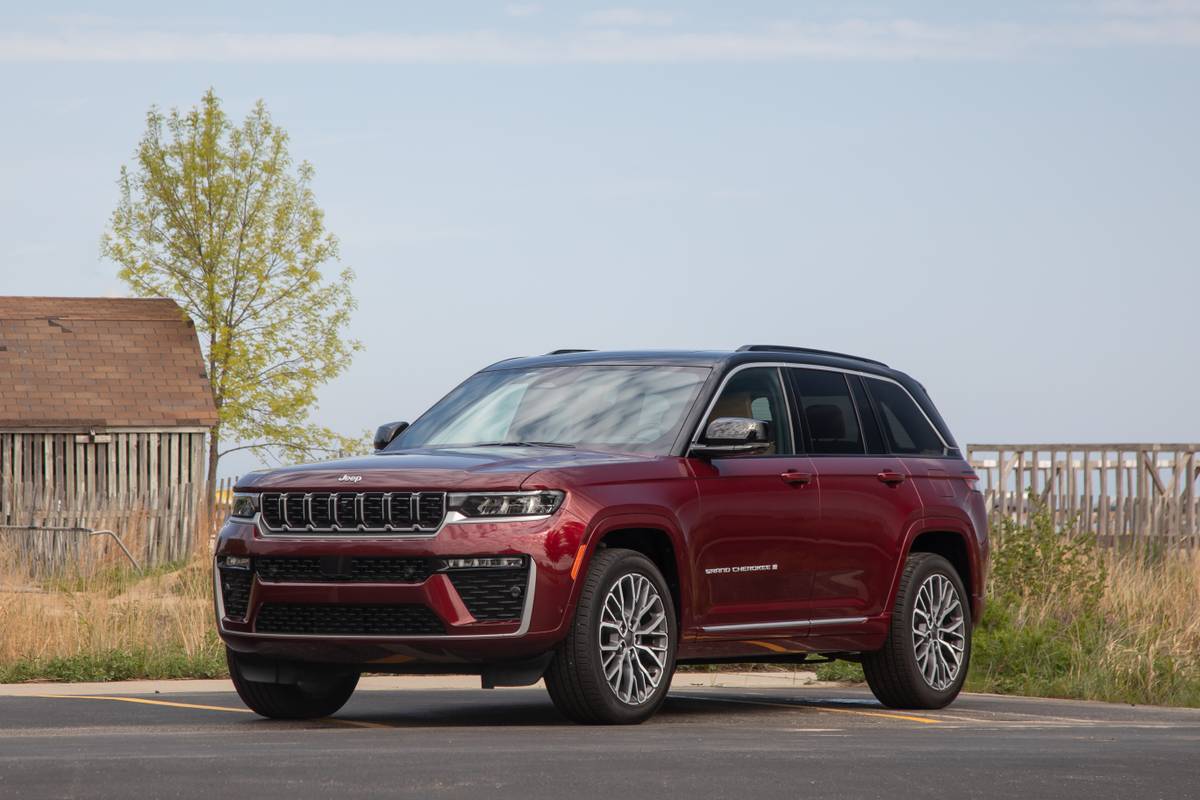
SUV size classes
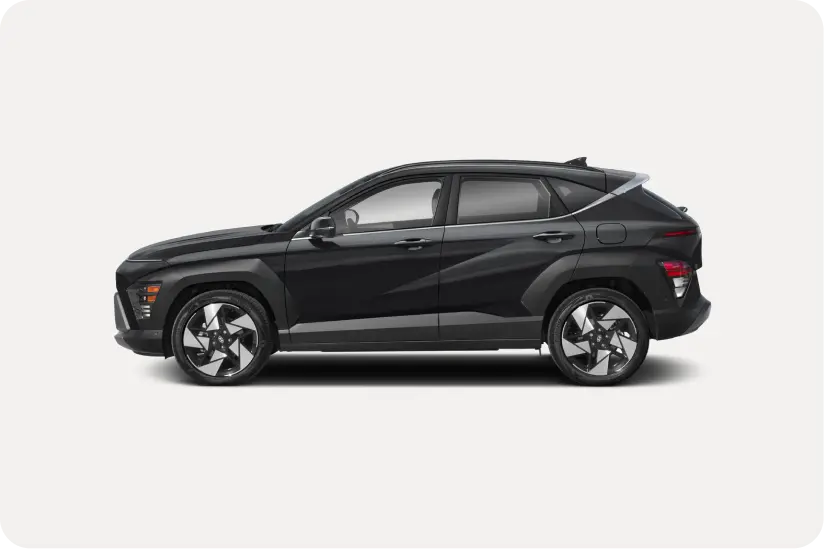
Best for city driving and tight budgets. Seats up to five with limited cargo space.
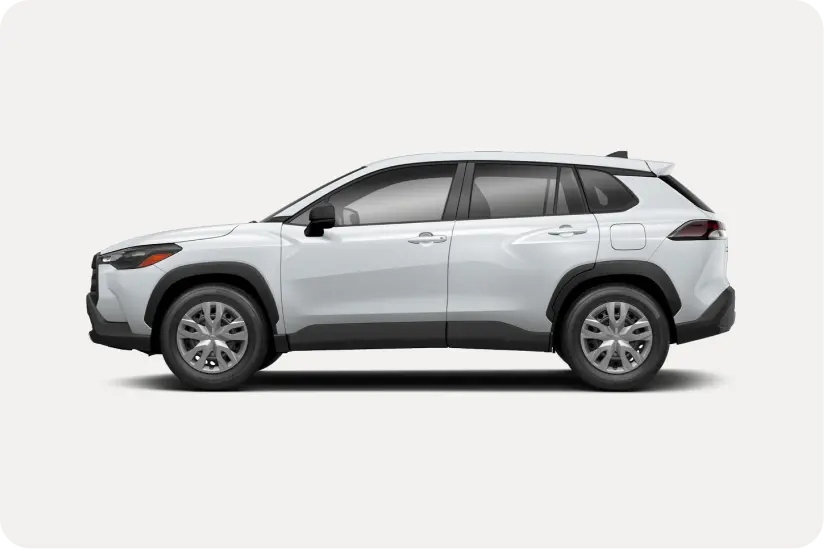
The sweet spot for most buyers. Room for five with solid cargo space and available AWD.
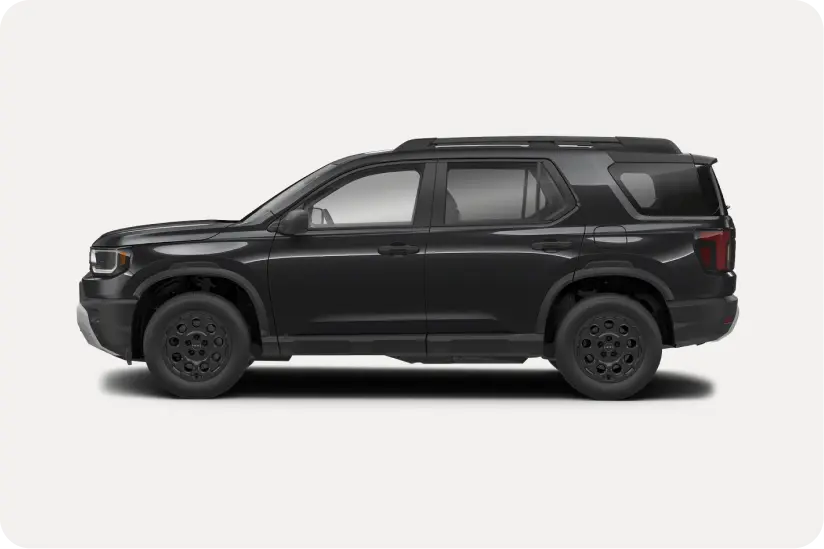
Ideal for families. Available in two- (more cargo) or three-row (more occupants) configurations.
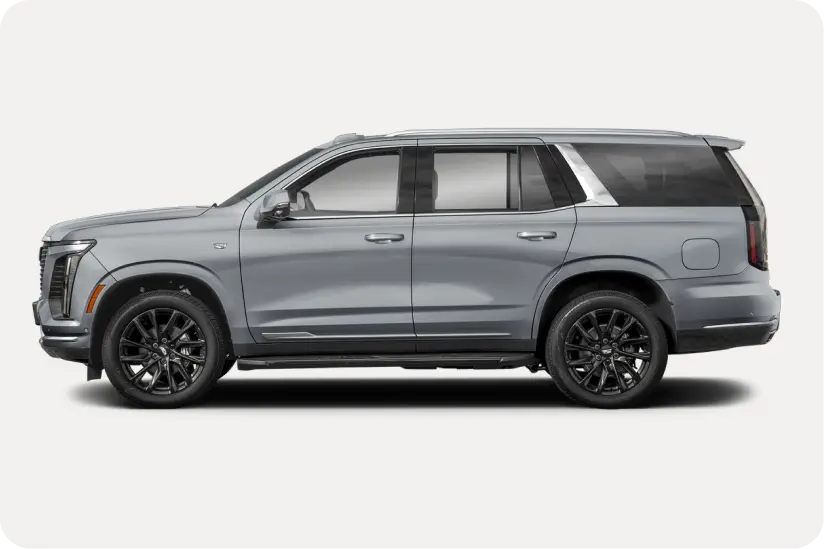
Maximum space, towing and capability. Seats up to eight with room to spare.
SUV seating configurations
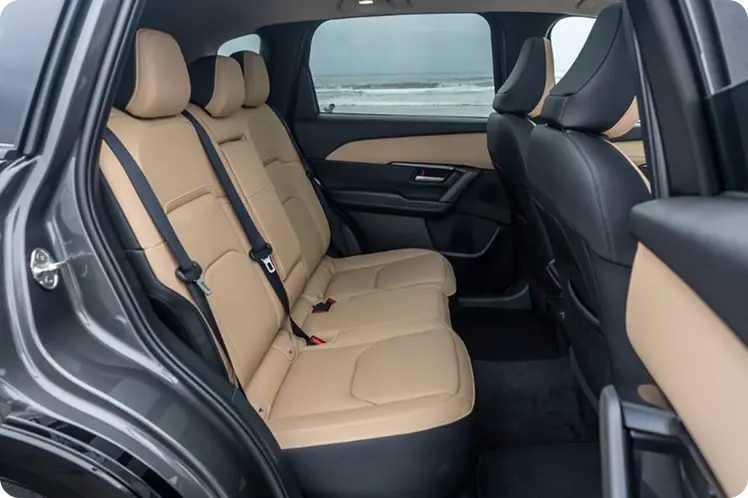
Maximizes cargo space and keeps the price lower. Best for couples, small families or anyone who values trunk space over extra seats.
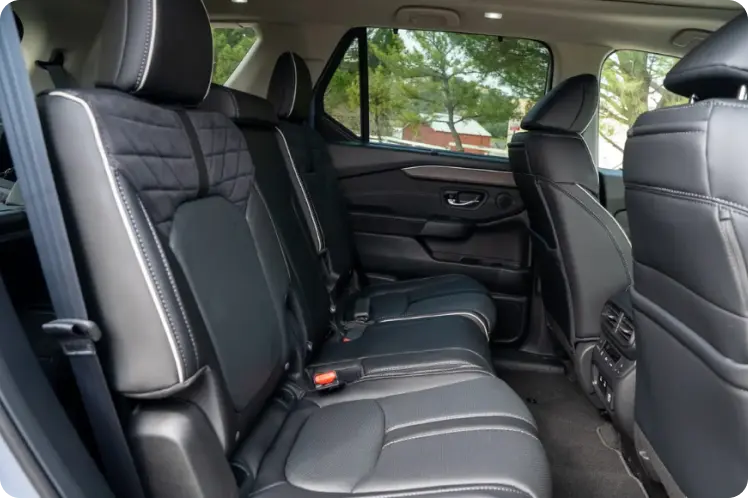
Seats up to eight and allows three-across seating in the second row. Great for large families or frequent carpooling.
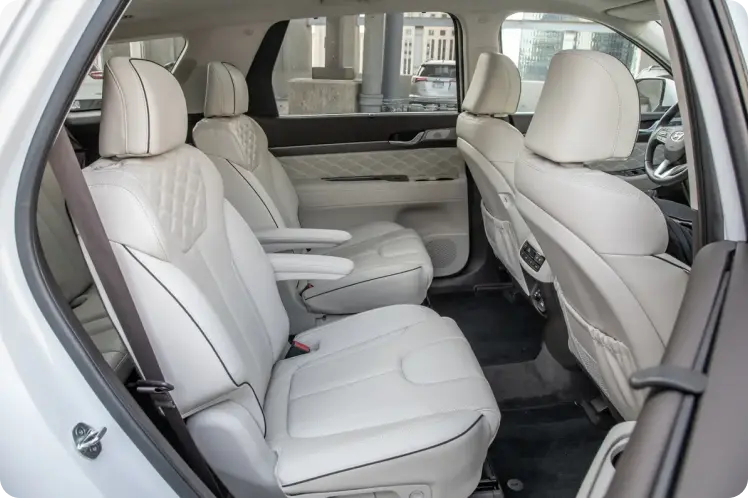
Seats up to seven with easier third-row access and a more premium feel. Popular on mid-level and higher trims.
SUV drivetrains

Best fuel economy and lowest price. Handles most driving conditions well. Ideal for warmer climates and mostly on-road use.

Automatically sends power to all four wheels for improved traction in rain, snow and off-road conditions. The most popular choice for SUV buyers.

Designed for serious off-road use and heavy towing. Uses a transfer case for maximum low-speed traction.
SUV news
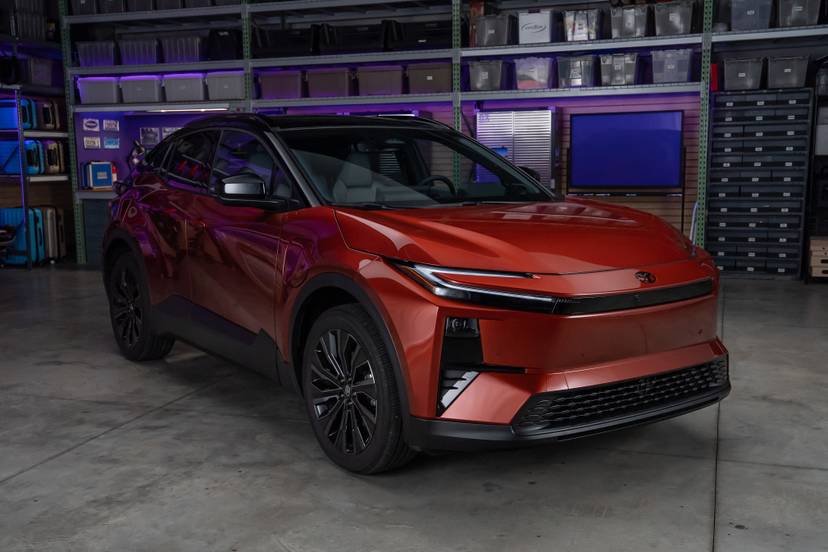
The 2026 Toyota C-HR Is Sleek and Speedy, But Interior Quirks Annoy
48,000-Plus Alfa Romeo Tonales, Dodge Hornets Recalled for Seat Belts
You Can Now Unlock Access to a Bespoke Cadillac Escalade IQ for $54,995
How Much Is the 2027 Kia EV3?
Shop SUVs
Shop SUVs by size
Shop SUVs by fuel type
Shop SUVs by make
- Jeep SUVs
- Ford SUVs
- Chevrolet SUVs
- Toyota SUVs
- Nissan SUVs
- Honda SUVs
- Subaru SUVs
- Hyundai SUVs
- BMW SUVs
- Kia SUVs
- Mercedes-Benz SUVs
- GMC SUVs
- Volkswagen SUVs
- Mazda SUVs
- Audi SUVs
- Lexus SUVs
- Cadillac SUVs
- Buick SUVs
- Land Rover SUVs
- Volvo SUVs
- Acura SUVs
- Lincoln SUVs
- Dodge SUVs
- INFINITI SUVs
- Porsche SUVs
- Mitsubishi SUVs
- Tesla SUVs
- Genesis SUVs
- MINI SUVs
- Jaguar SUVs
- Alfa Romeo SUVs
- Maserati SUVs
- Lamborghini SUVs
- Rivian SUVs
- Bentley SUVs
- Hummer SUVs
- Rolls-Royce SUVs
- INEOS SUVs
- Aston Martin SUVs
- FIAT SUVs
- Chrysler SUVs
- Saturn SUVs
- Ferrari SUVs
- Mercury SUVs
- Polestar SUVs
- Fisker SUVs
- AM General SUVs
- VinFast SUVs
- Suzuki SUVs
- Pontiac SUVs
Shop SUVs by popular city
Shop SUVs by price
- SUVs for sale under $1,000
- SUVs for sale under $2,000
- SUVs for sale under $2,500
- SUVs for sale under $3,000
- SUVs for sale under $4,000
- SUVs for sale under $5,000
- SUVs for sale under $6,000
- SUVs for sale under $7,000
- SUVs for sale under $8,000
- SUVs for sale under $9,000
- SUVs for sale under $10,000
- SUVs for sale under $15,000
- SUVs for sale under $20,000
- SUVs for sale under $25,000
- SUVs for sale under $30,000
- SUVs for sale under $40,000
- SUVs for sale under $50,000
- SUVs for sale under $100,000