











What SUV Shoppers Need to Know
- A new automatic transmission for the 2026 model year makes the gas-powered Hyundai Santa Fe one of the top SUVs in its class.
- The XRT trim is well priced and decently equipped for $44,140 (including $1,600 destination fee).
- The Santa Fe’s available hybrid drivetrain is well-tuned, but be careful with your right foot.
One down, two to go. We’re almost there, folks! With the Santa Fe’s updates for the 2026 model year, the only non-N Hyundais in production with that no-good, dirty, rotten dual-cutch transmission are the Elantra N-Line and Elantra Hybrid. Gone is the Santa Fe’s chalky, balky eight-speed dual-clutch, replaced with a conventional and rather excellent eight-speed automatic.
It’s still baffling to me, some 14 years on, why Hyundai/Kia stuck with their dual-clutch transmission tech this long. It’s always been the worst part of any Hyundai’s driving experience, from rough low-speed behavior, notable drivetrain lash, long Drive-to-Reverse delay and generally poor mechanical longevity. Such a shame, since the DCT is a revelation elsewhere in the industry; some companies (like Porsche) dialed in their dual clutches and never looked back.
Related: Best Family Car of 2026
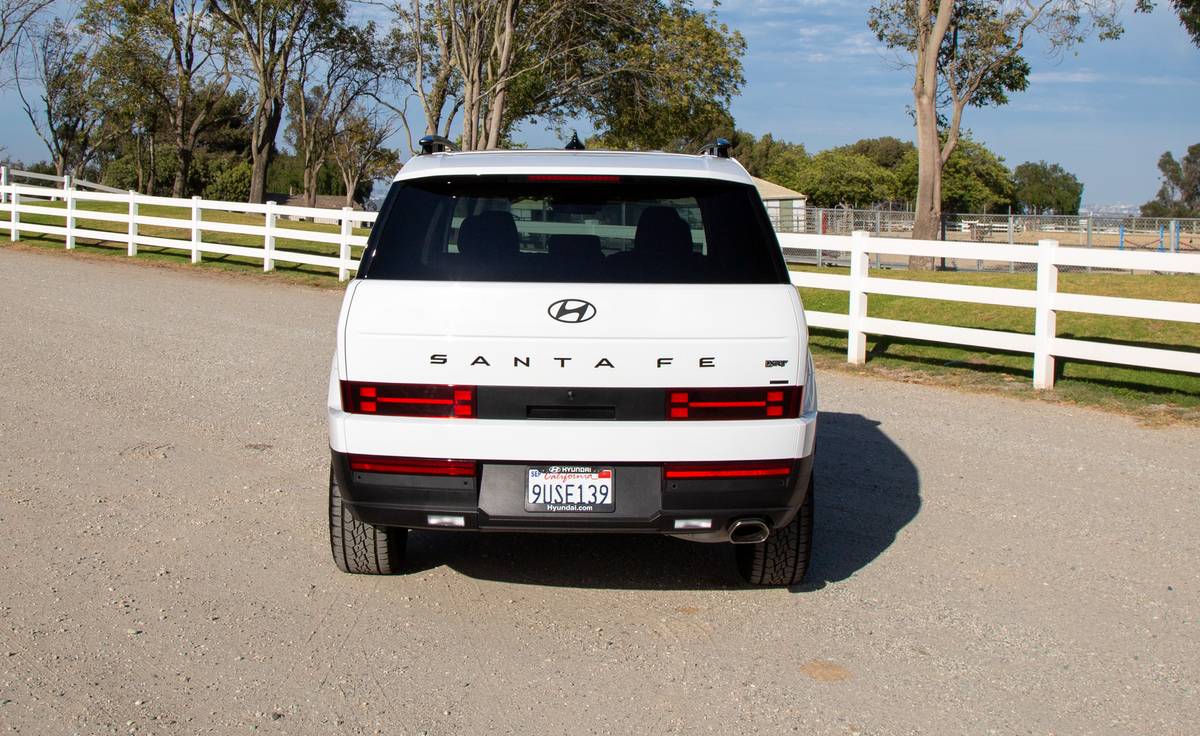
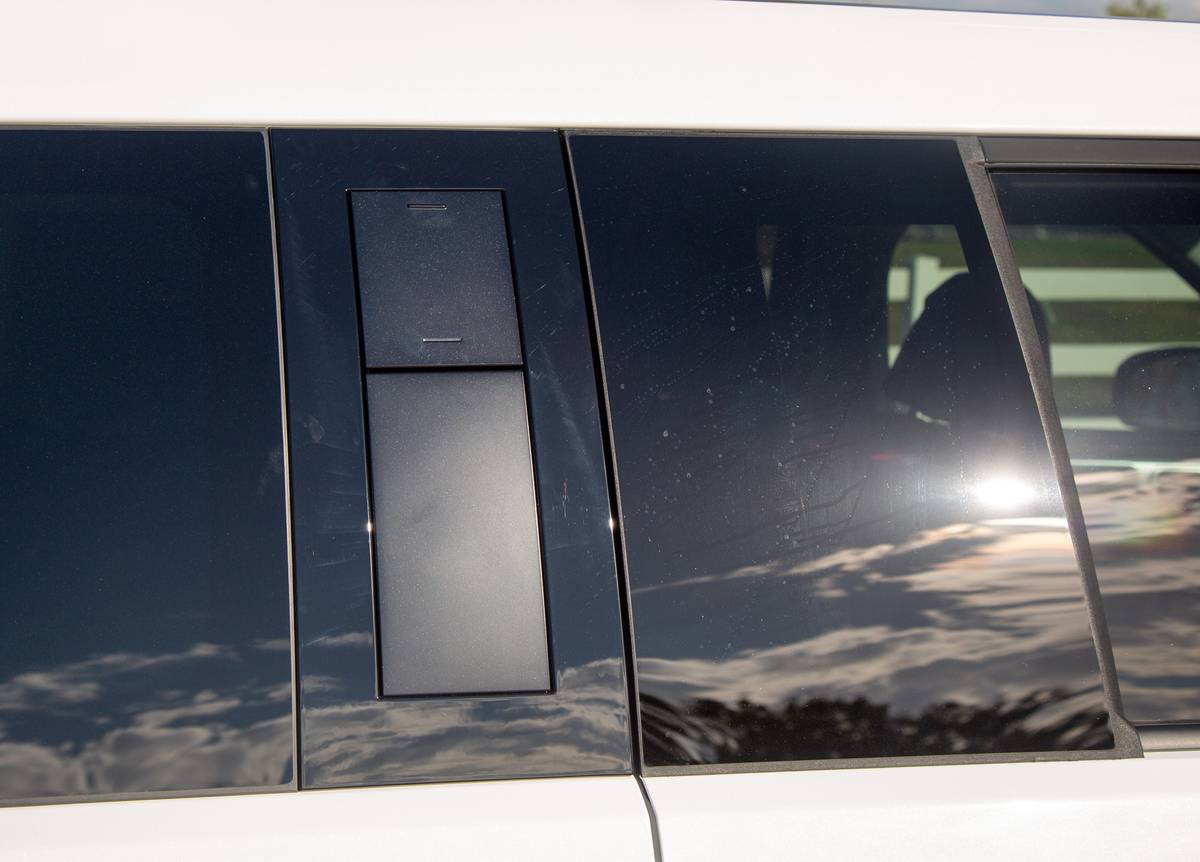
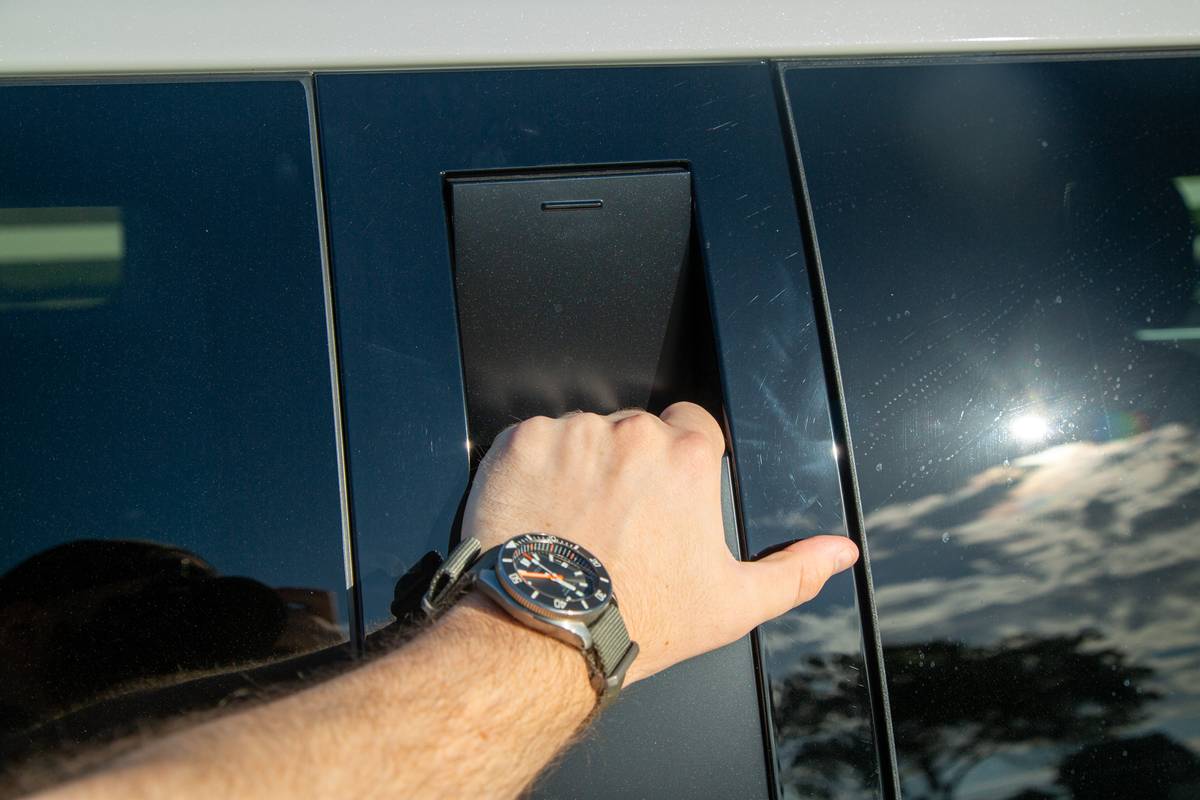
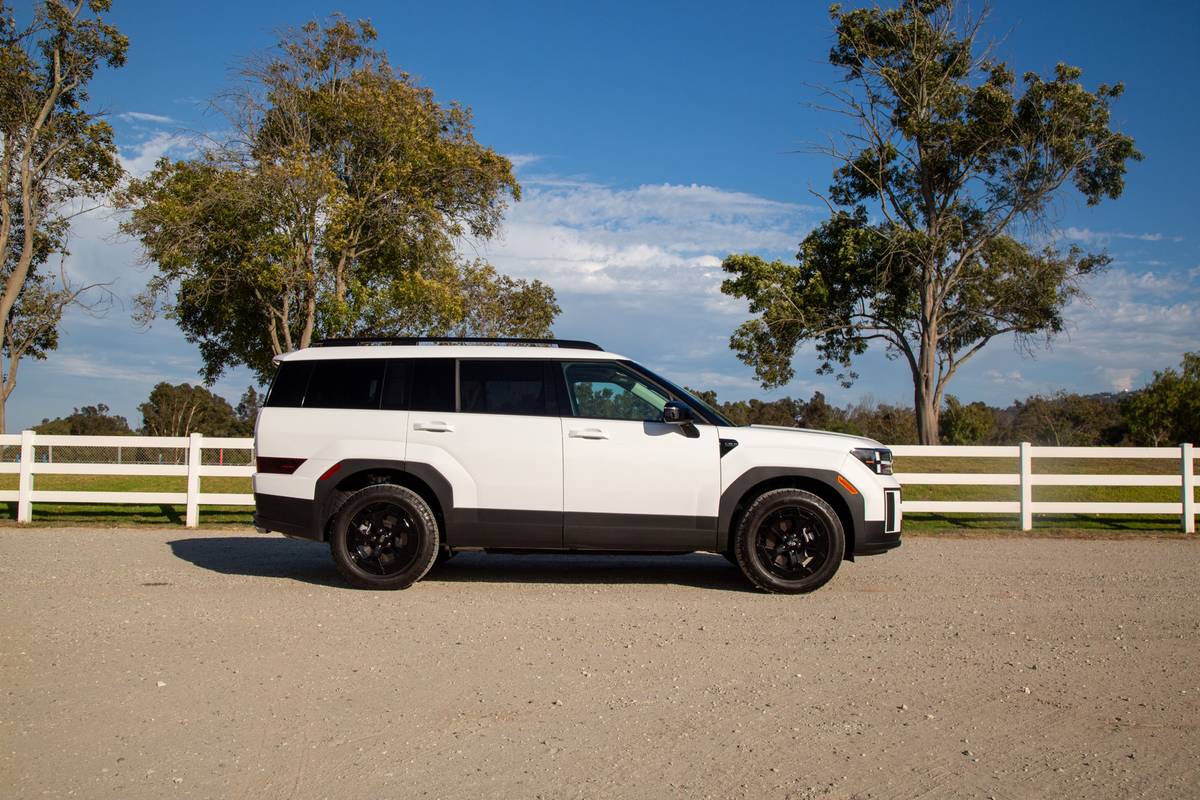
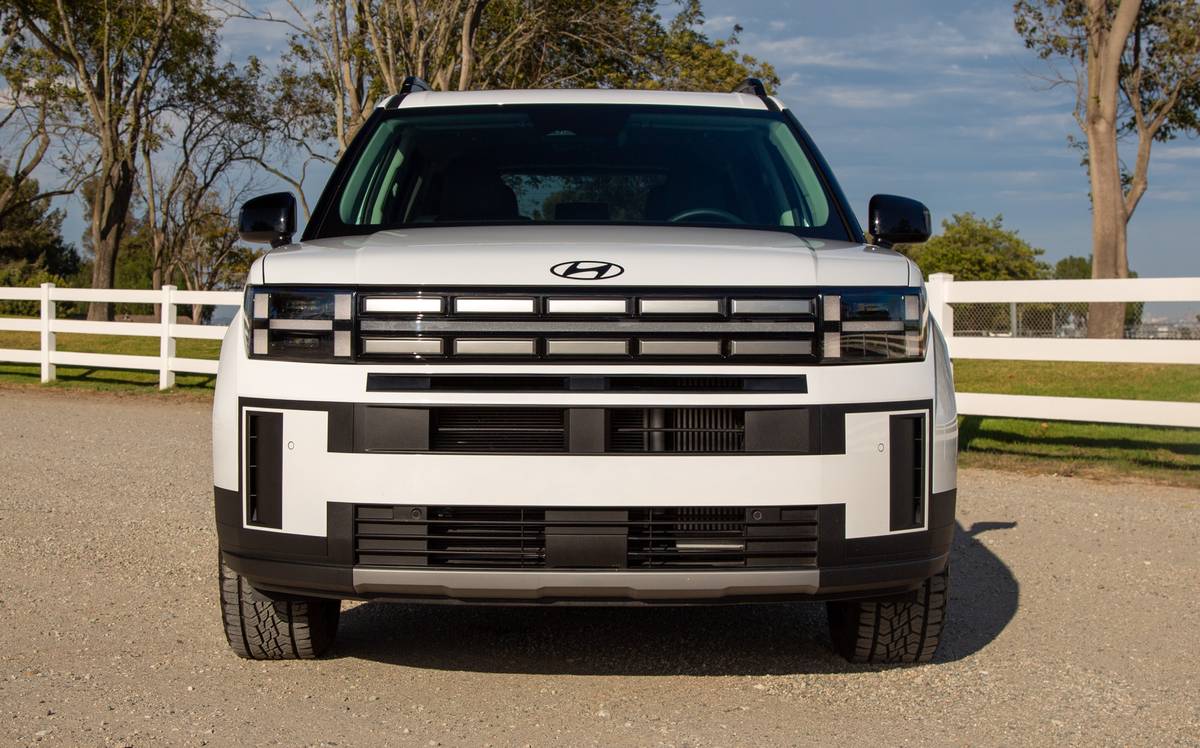
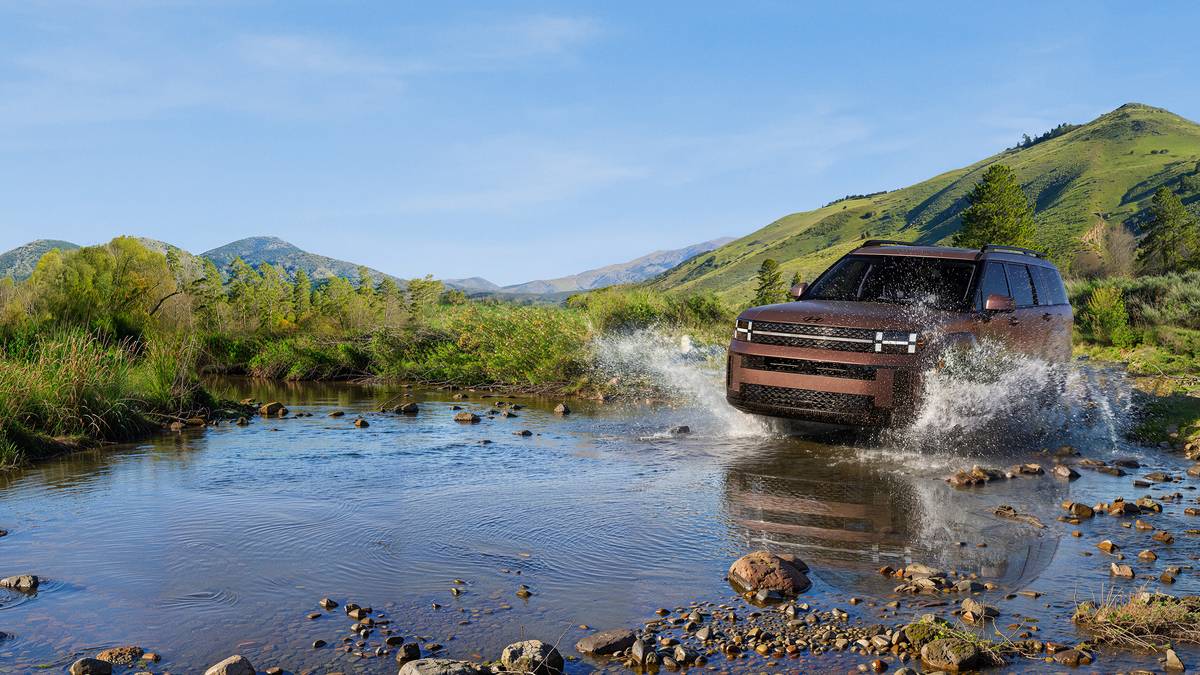
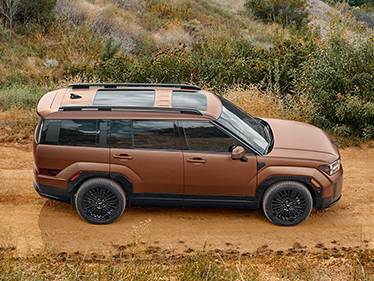
I got my first crack at the current-generation Santa Fe back in 2024. Both then and now, I quite enjoyed the automaker’s cyber-box aesthetic, and the freshest version of its three-row mid-size SUV remains striking to look at and interact with inside and out. As part of the welcome reversal of the anodyne, sexless crossover profiles of the past quarter century, the Santa Fe trucks it up in the best way while remaining as comfortable and easy to drive as a (very) large sedan.
Expert Rating: 7.6/10
- Powertrain: 7/10
- Ride quality: 7/10
- Driver comfort: 8/10
- Passenger comfort: 8/10
- Interior quality: 7/10
- User interface: 7/10
- Cargo space: 9/10
- Value: 8/10
- Overall appeal: 7/10
- Fuel economy: 7/10
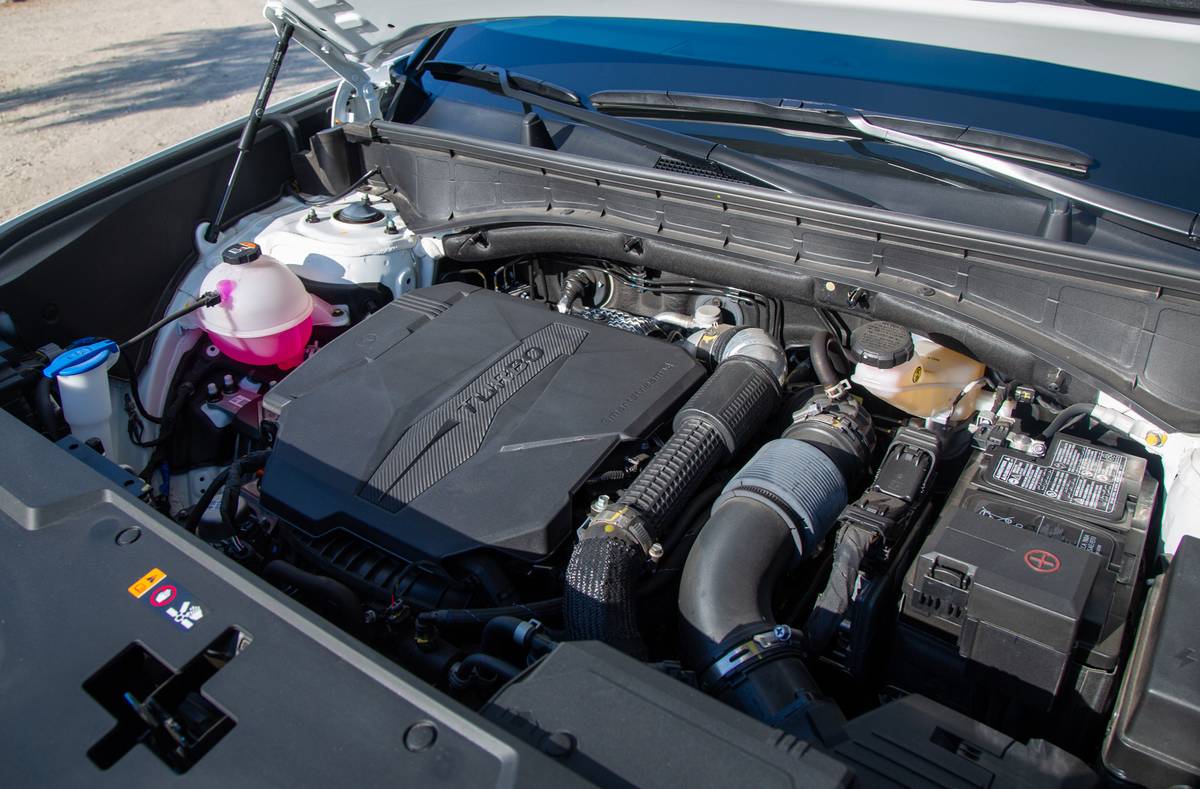
Well, I liked most of it. My earlier test car’s stinky eight-speed DCT felt as if it were genuinely in need of a clutch pack as it juttered and slipped its way through Los Angeles traffic. Quick crosslane turns had to be well timed, especially if making a three-point turn, and the transmission sapped an impressive portion of the turbocharged 2.5-liter four-cylinder’s guts; the engine’s 277 horsepower and 311 pounds-feet of torque felt down by some 30 or 40 units if you caught the transmission unawares — which was often.
I clearly poked my own bruise there. So, you can imagine my pleasure when I learned the DCT was no mo’ and it was a standard automatic from here on out. I had to see for myself and spent a week in a 2026 Santa Fe XRT with which I commuted, (mildly) road-tripped, explored and hauled both just myself and a full house of six folks. In a word? Fabulous. I shan’t wax poetic about the new transmission because there’s nothing to wax about — it just “is,” in the best way. You don’t think about the automatic in your Toyota Camry or Ford F-150, right? Exactly. Non-performance-oriented automatic transmissions should be nonentities in your life save for the few daily seconds spent browsing PRNDL.
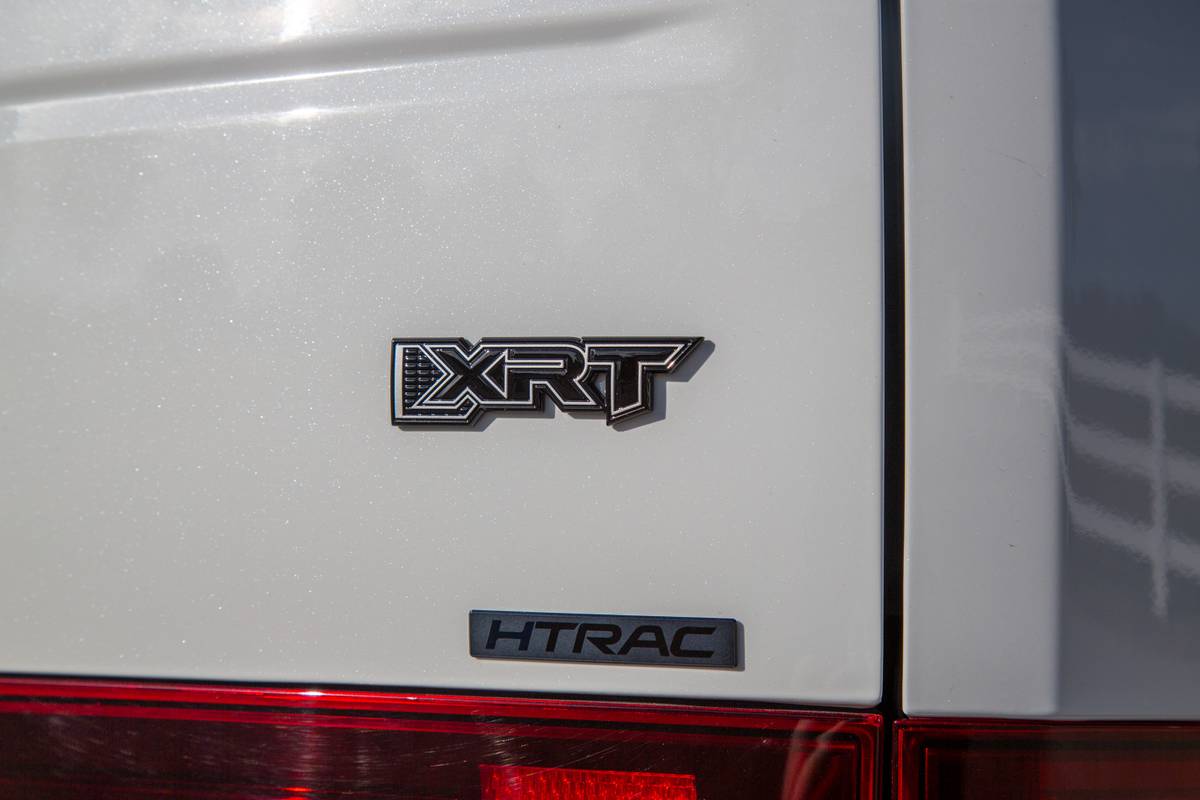
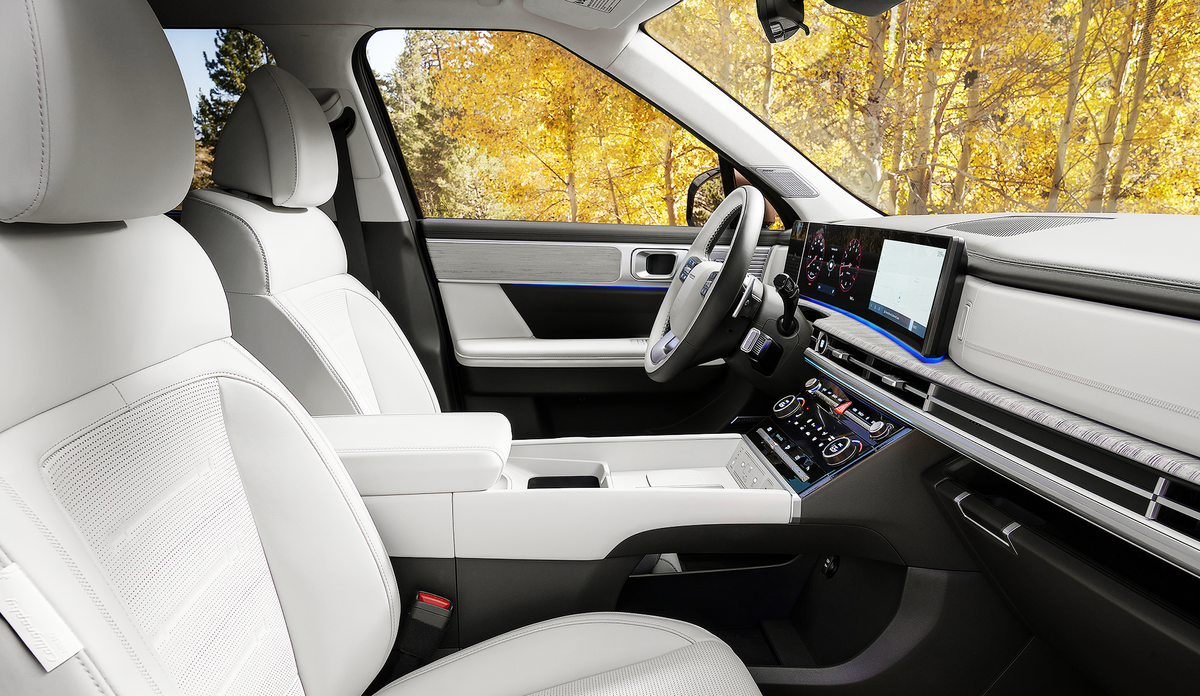
With its transmission nicely patched, the Santa Fe is one of the top picks of the mid-size class. There’s genuine character in its blocky, Neo-Seoul vibes, even if it’s absolutely skin-deep. Interior materials are above average, as are the number of physical controls available between the center of the dashboard and steering wheel — which, I might add, is satisfyingly chunky. Aside from the color, I’d equip my personal SF just like my test car, specifically in the off-road-oriented XRT trim.
Third up from the base SE and right in the middle below the Limited and loaded Calligraphy, the XRT has (nearly) all that I want: turbo powertrain, moisture-resistant synthetic leather, wireless Apple CarPlay and Android Auto, heated front seats, a power driver’s seat, auto brake hold and a physical button for the automatic engine stop-start function. Some of those are painfully specific and standard across trim levels, but just about the only two things missing on the XRT from my checklist are ventilated seats and a heated steering wheel — hardly a deal breaker.
What Makes the Hyundai Santa Fe’s XRT Trim Different?
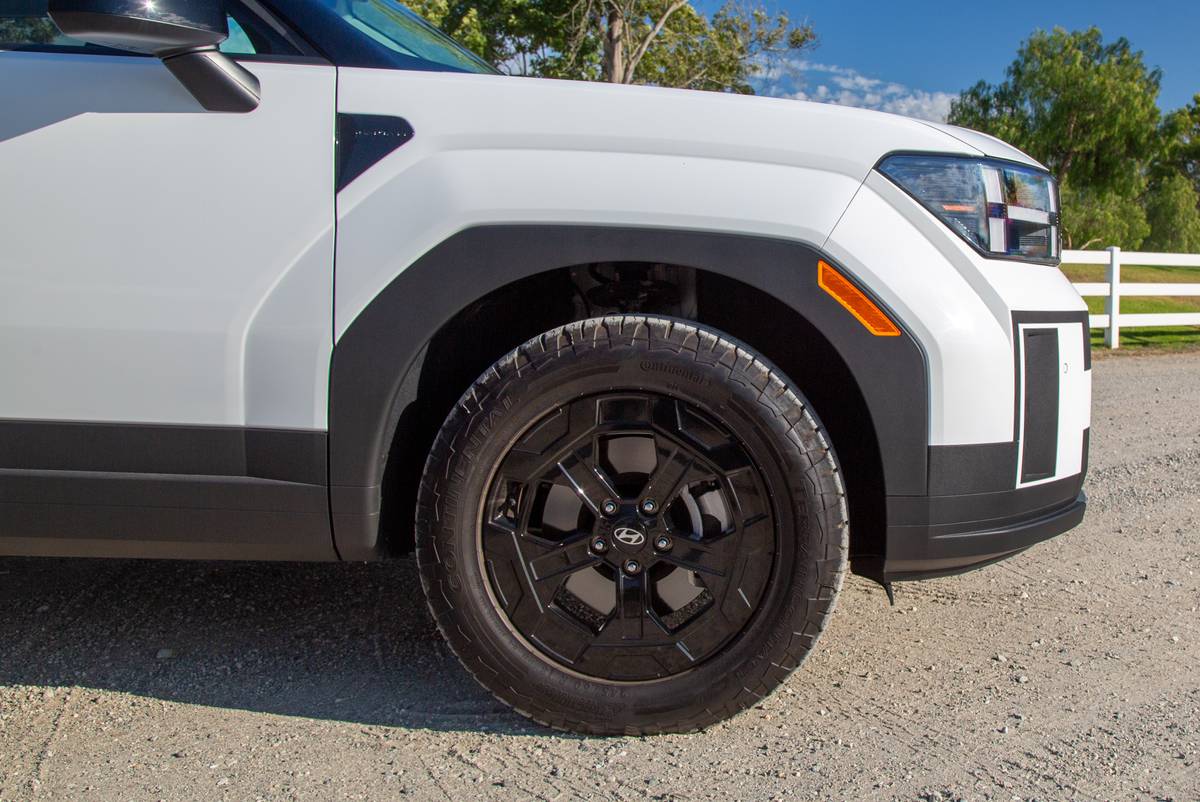
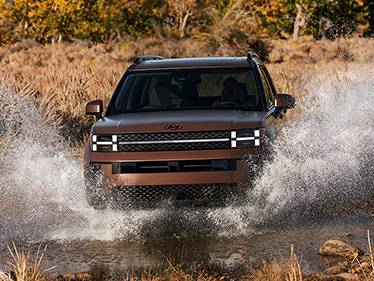
I also must commend the choice of the XRT’s standard all-terrain tires, with said Continental TerrainContact A/T shoes neither intrusively loud nor overly squishy. Half the time, I would forget about those extra tread blocks, and I’d only be reminded during unnecessarily aggressive entry speeds on curved on-ramps (as I’m wont to do). Ground clearance and pothole resilience is more important for navigating the greater L.A. metroplex than you might think, and the XRT’s meaty rubber and additional 1.3 inches of ride height paid dividends as I carelessly ramped over fractured pavement, surprise drainage dips and steep lot entrances.
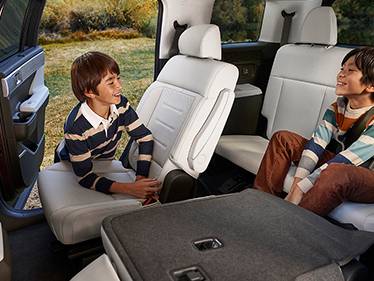
All the while, my various passengers were flush with oohs and aahs over the Santa Fe’s appointments even if second-row amenities didn’t extend beyond climate control and 100-watt USB-C chargeports. Really, what a comfortable, adequately powerful and solidly equipped family cruiser with a very competitive $44,140 all-in price tag.
What Is the EPA-Rated Gas Mileage of the 2026 Hyundai Santa Fe Hybrid?
The XRT is available exclusively with the turbo 2.5-liter engine, but I also had a later loan of a Santa Fe Hybrid Limited. All of the above applies save the bits about the turbo power — the little turbo 1.6-liter hybridized four-cylinder merges and passes more than adequately with its 231 hp and 271 pounds-feet of torque. It’s my experience that those figures are fleeting, with spurts of the 271 pounds-feet that drop off as speed climbs.
But who cares? You’re here for the efficiency, not exhilaration. Over my 136.8 miles covered, I averaged 26.3 mpg. Not great considering the EPA-estimated 35/34/34 mpg city/highway/combined for the all-wheel-drive variant, but do consider who’s writing this. I don’t floor it everywhere, but I certainly don’t drive to conserve fuel; that 26 mpg figure is a worst-case average, with your typical driver likely achieving low 30s without any thought toward efficiency.
Get it turbo, get it hybrid — you can’t go wrong with the 2026 Hyundai Santa Fe.
Related Video:
We cannot generate a video preview.
Cars.com’s Editorial department is your source for automotive news and reviews. In line with Cars.com’s long-standing ethics policy, editors and reviewers don’t accept gifts or free trips from automakers. The Editorial department is independent of Cars.com’s advertising, sales and sponsored content departments.