









What Truck Shoppers Need to Know
- The Honda Ridgeline is built differently from other mid-size pickup trucks; it uses a unibody platform instead of the body-on-frame construction of most rivals.
- The Ridgeline’s architecture gives it better on-road driving manners than other mid-size trucks, but it isn’t as capable off-road and its towing capacity is lower.
- The Ridgeline’s core design dates back to the 2017 model year. Despite subsequent updates, it feels dated in several respects compared with the competition.
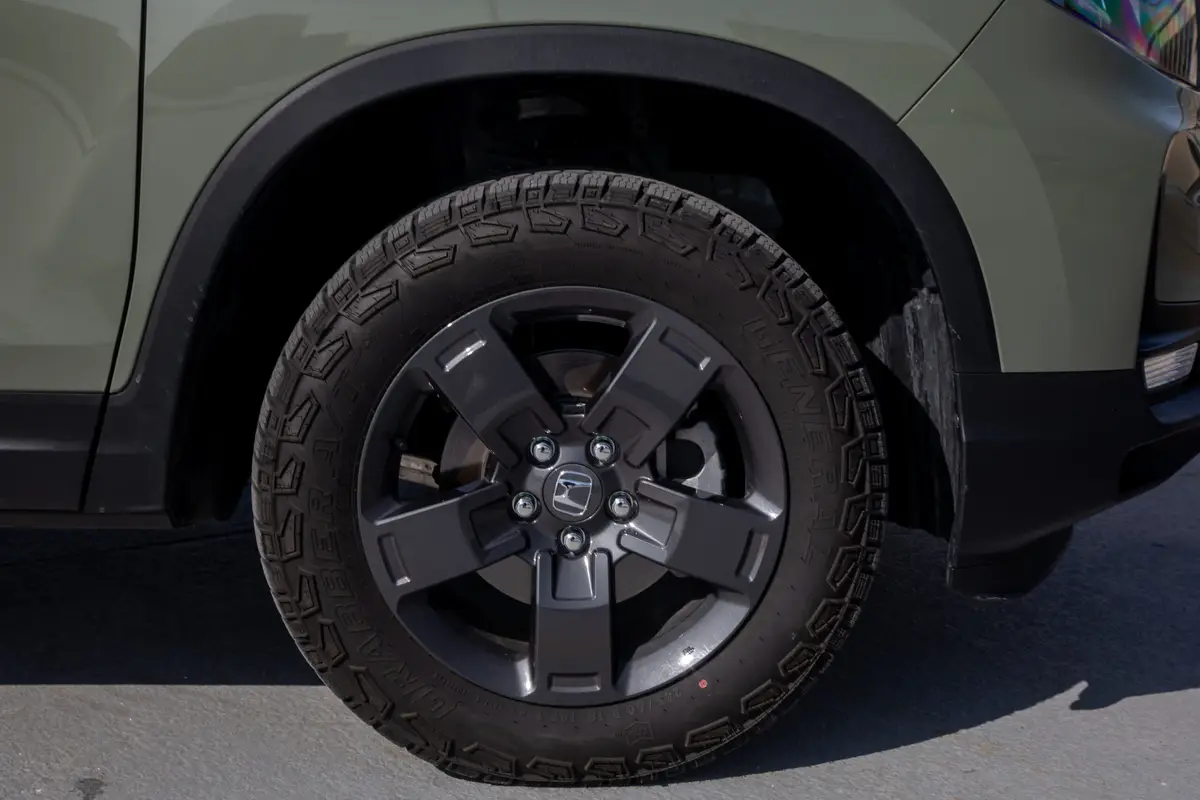
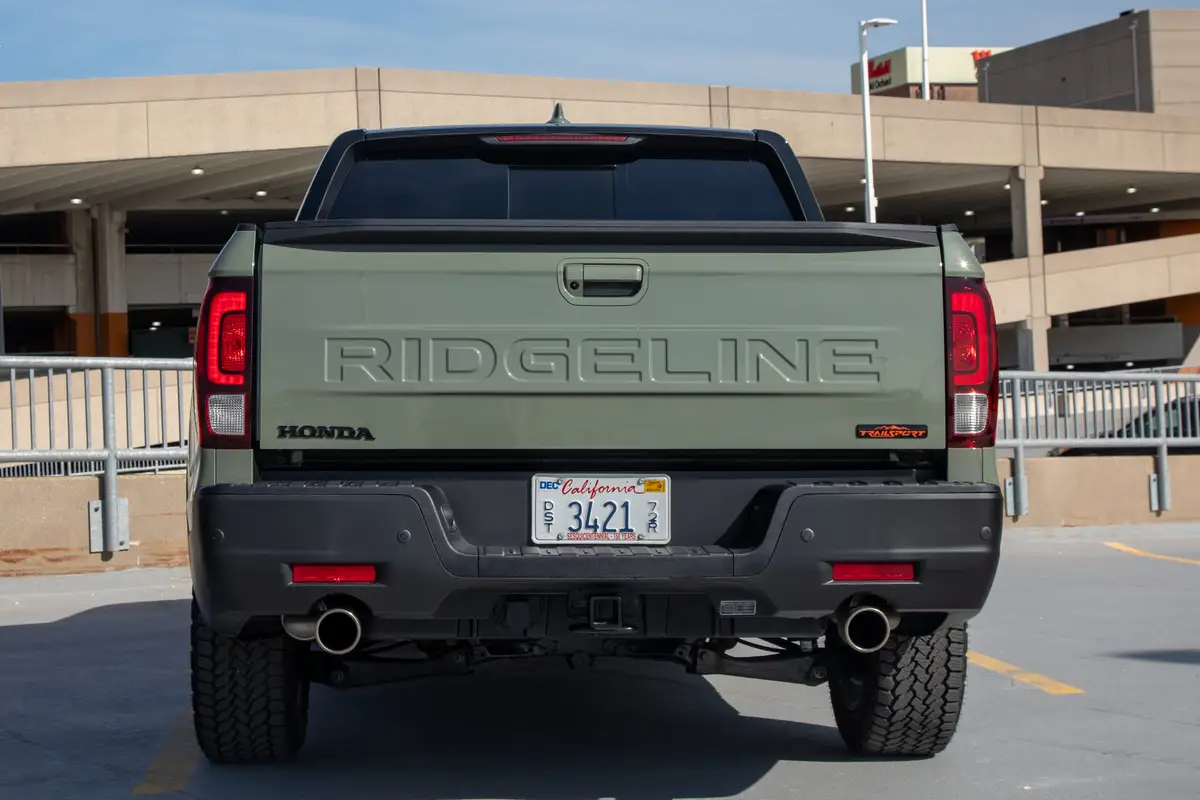
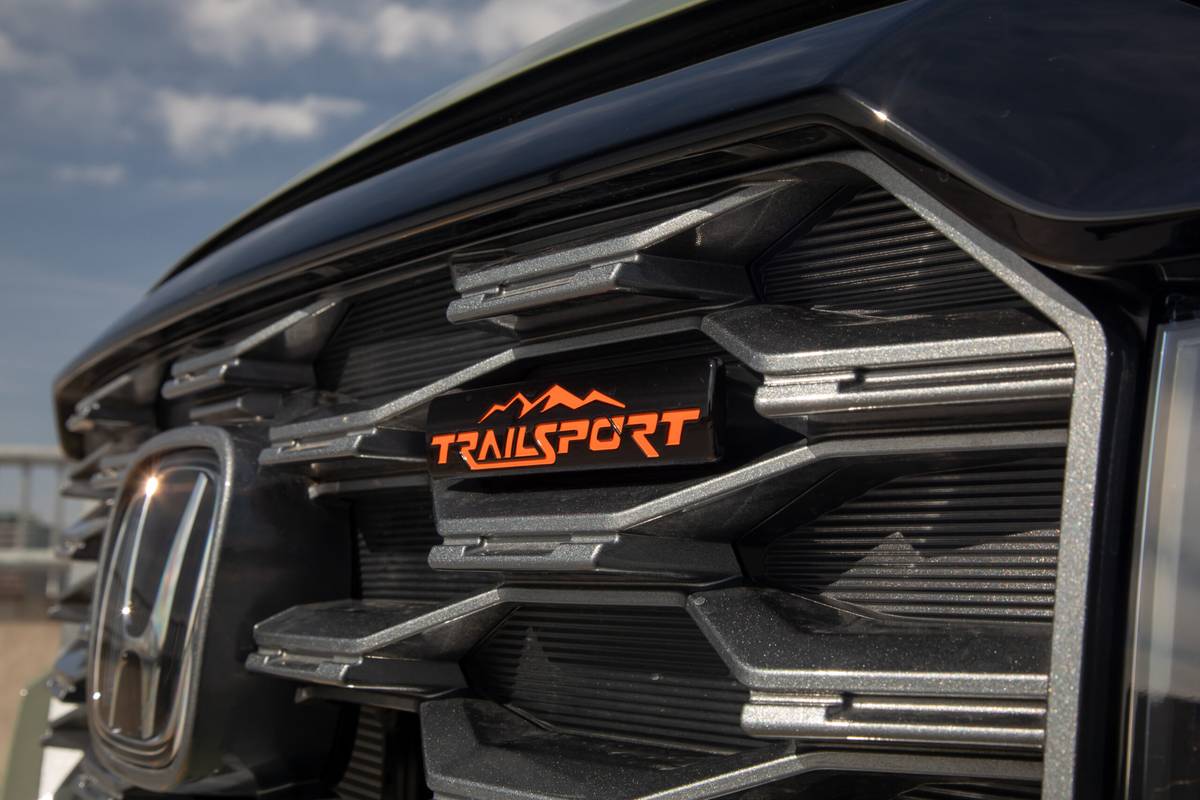
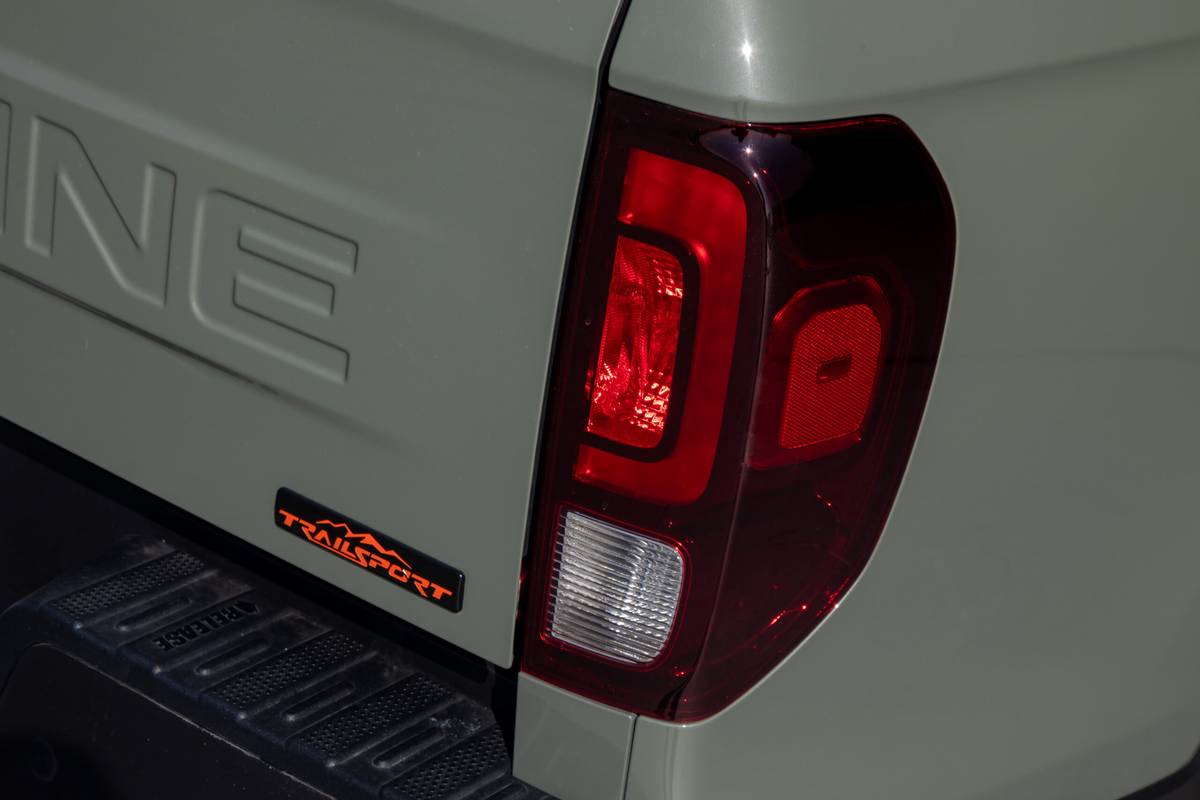
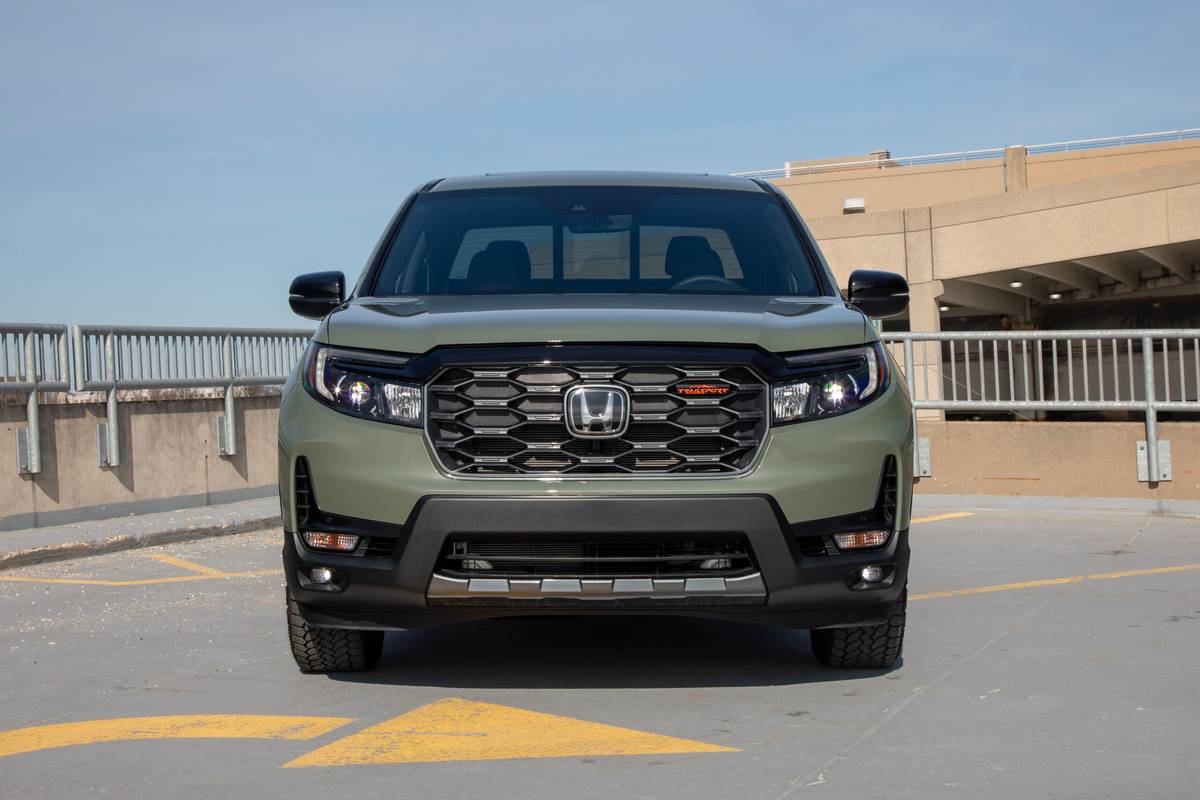
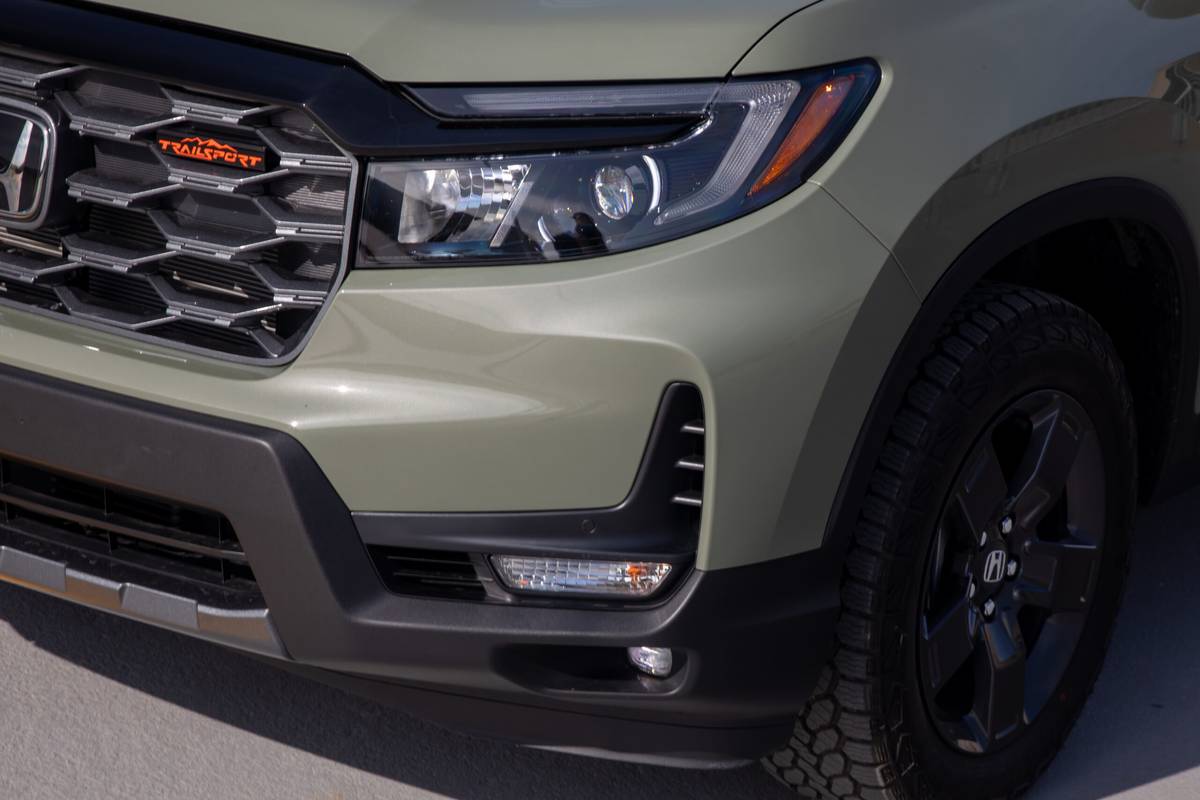
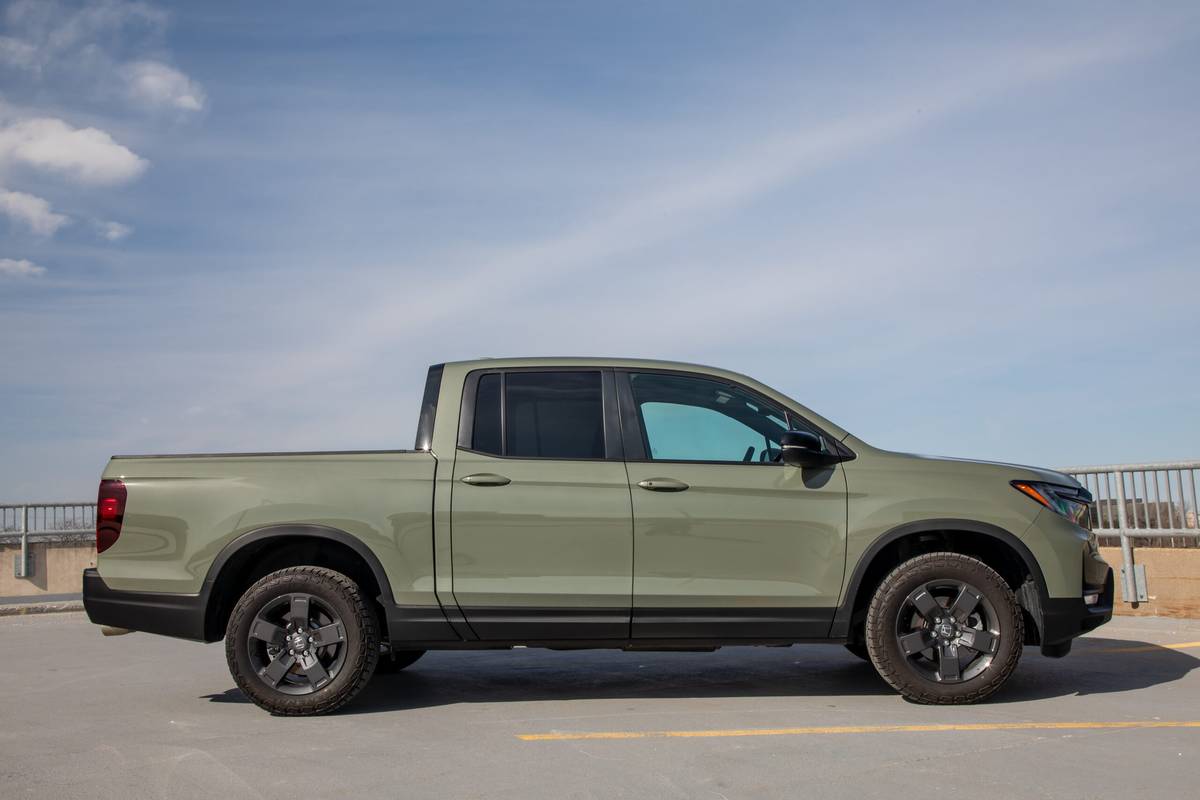
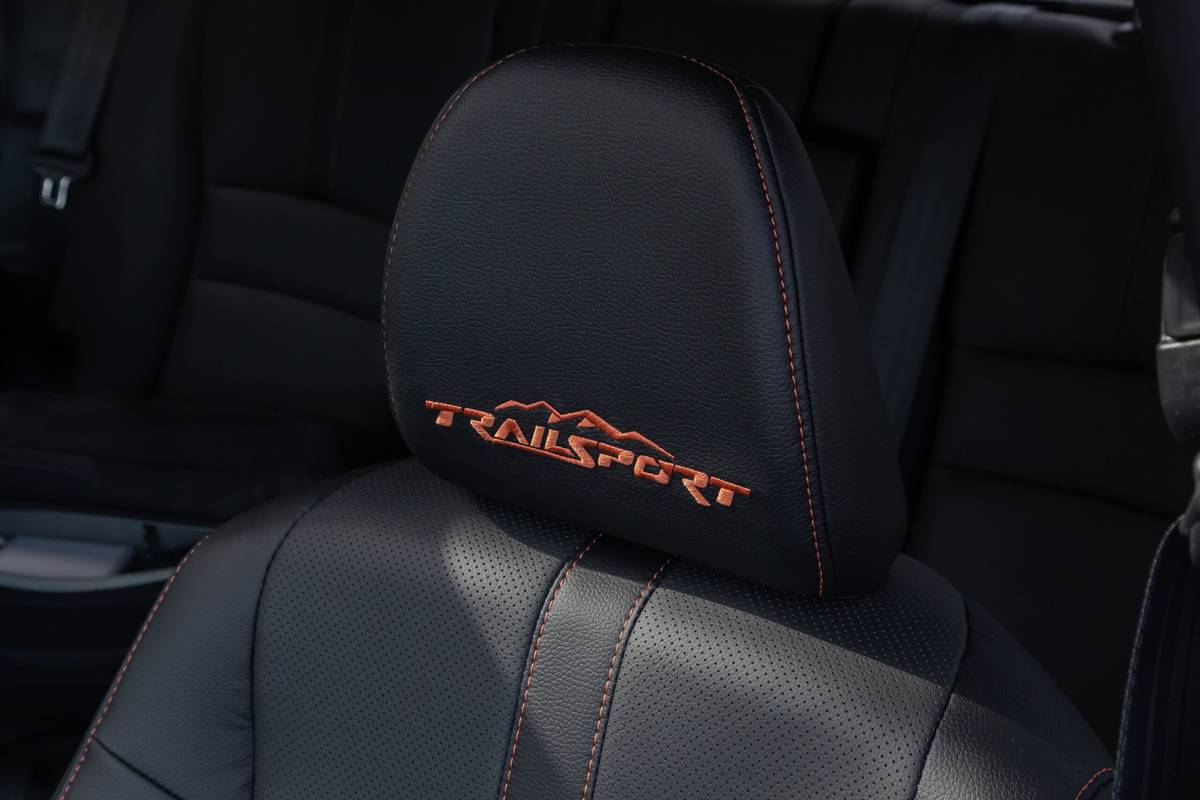
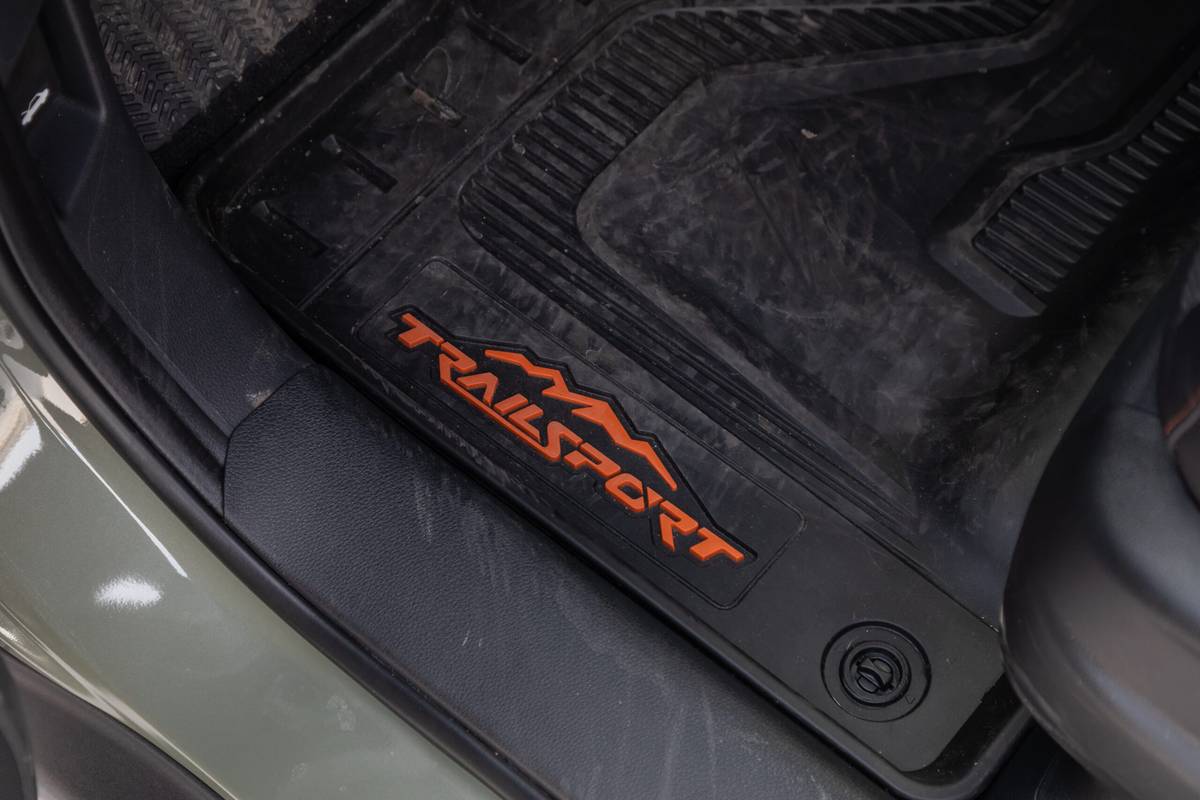
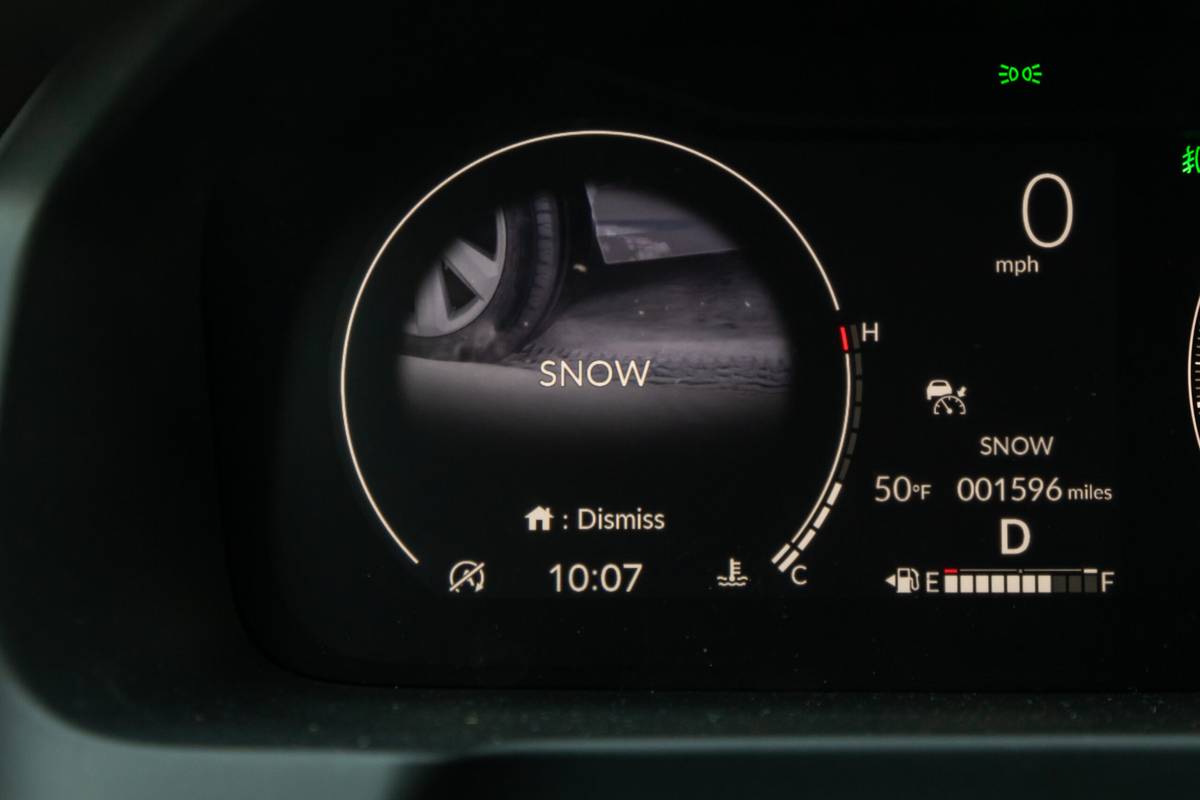
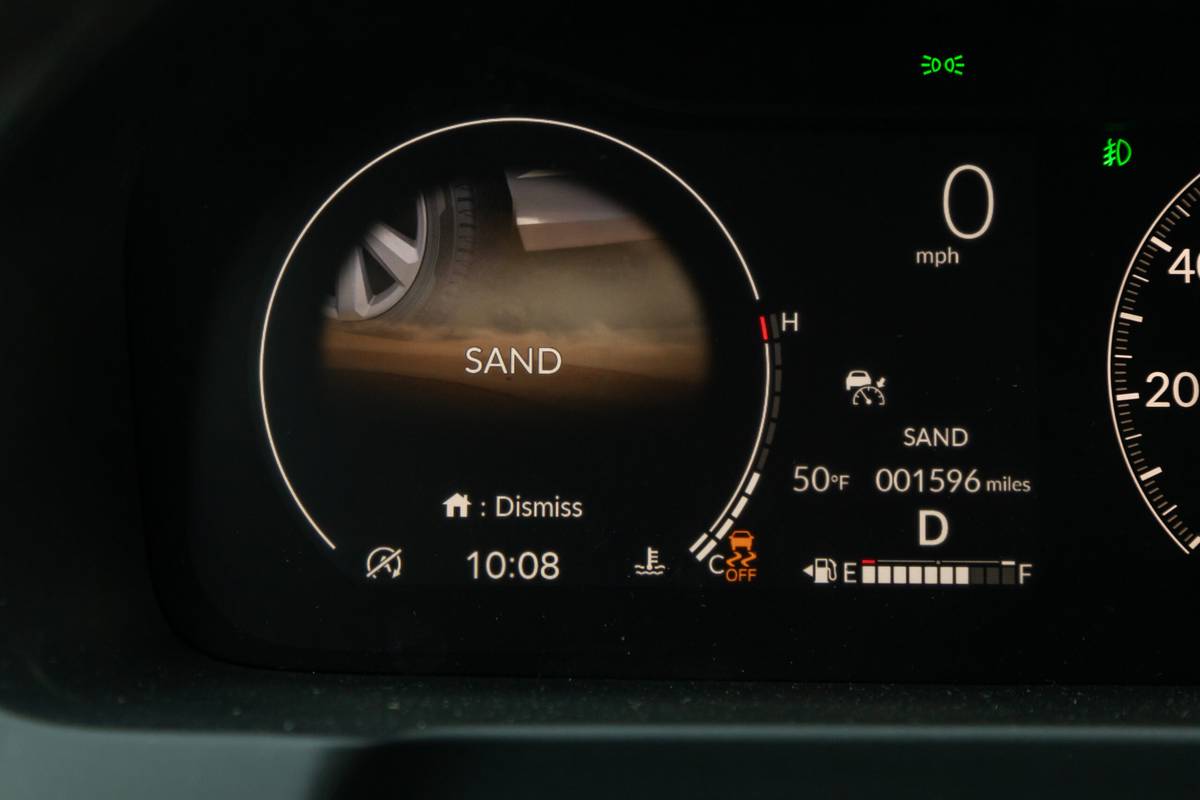
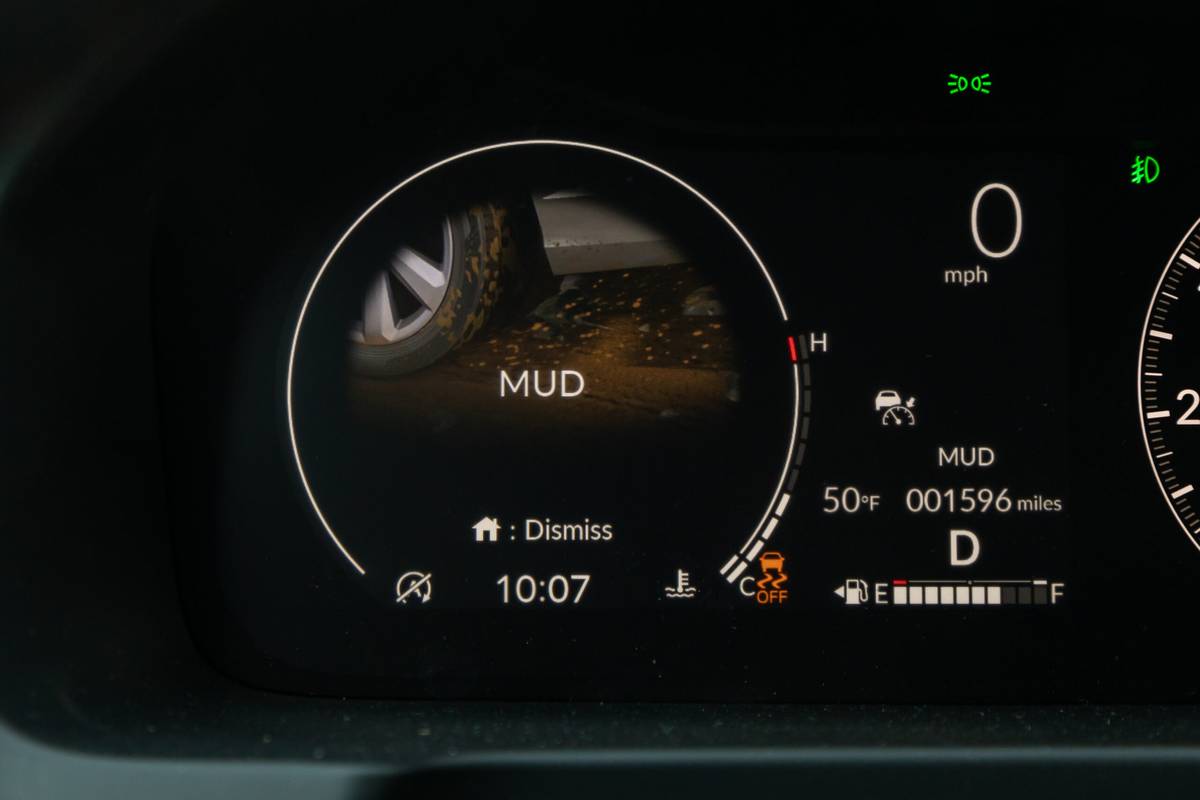
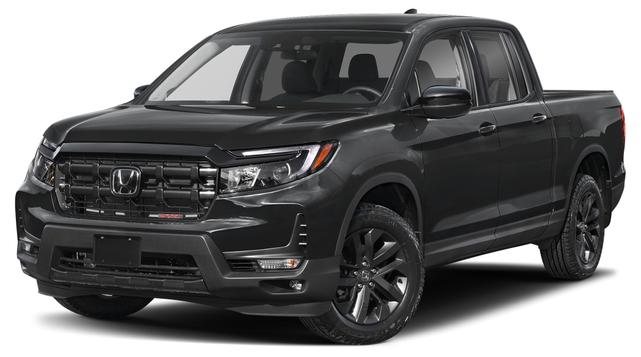
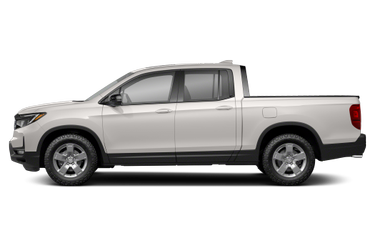
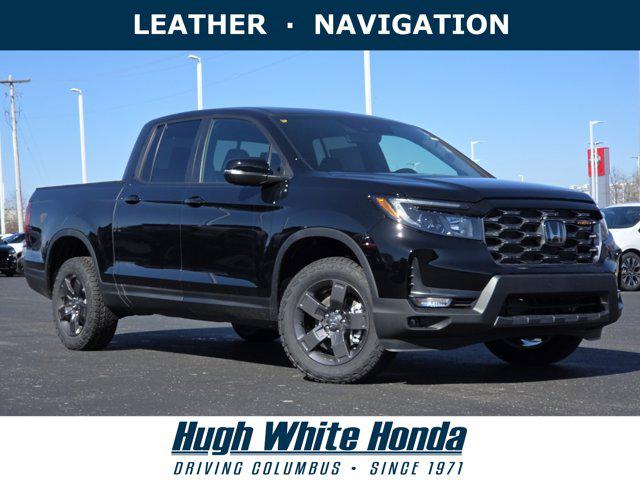
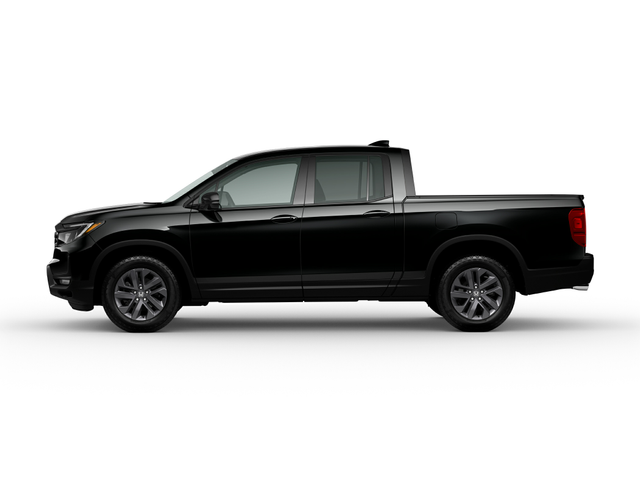
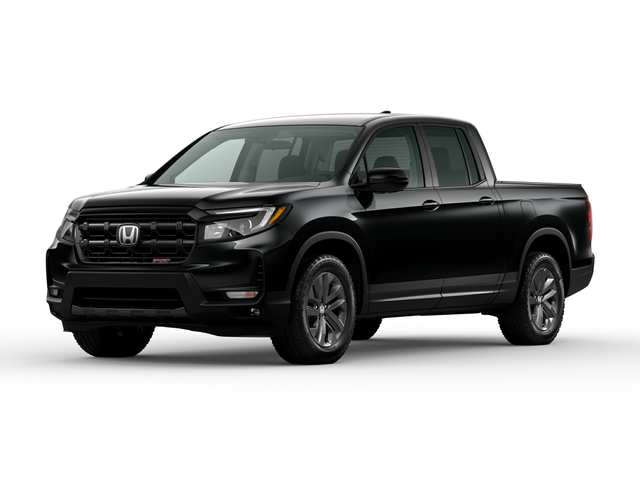
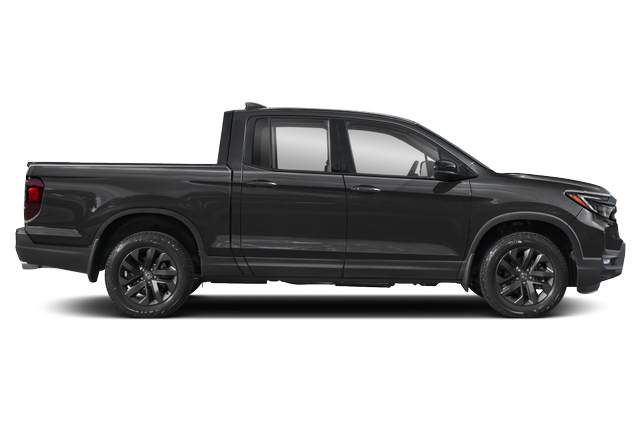
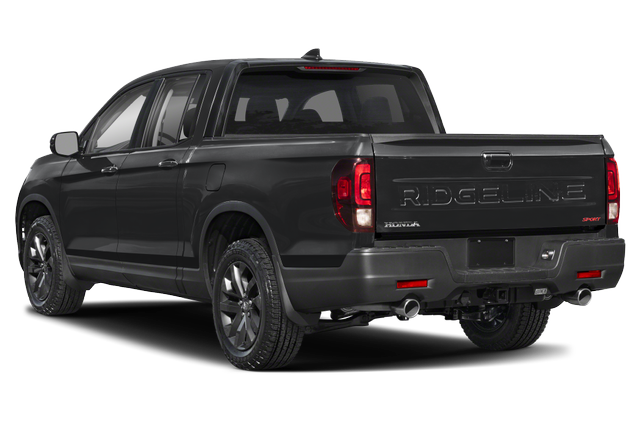
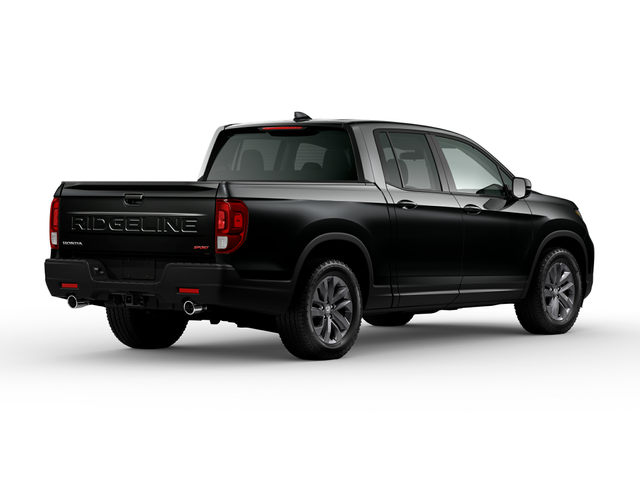
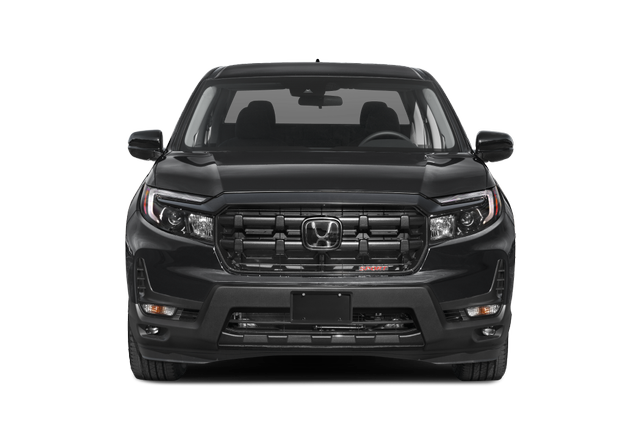
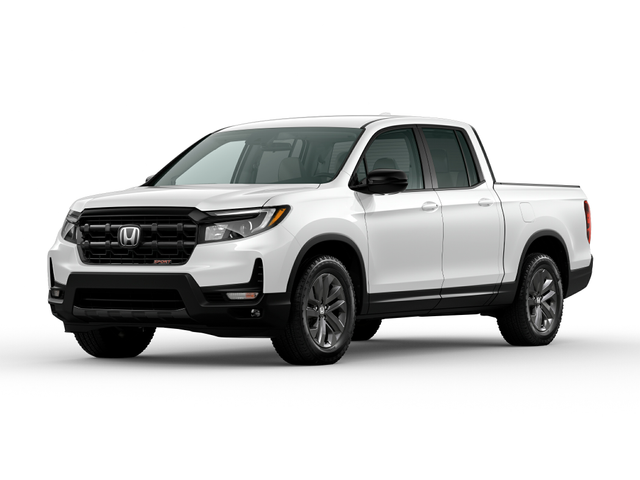
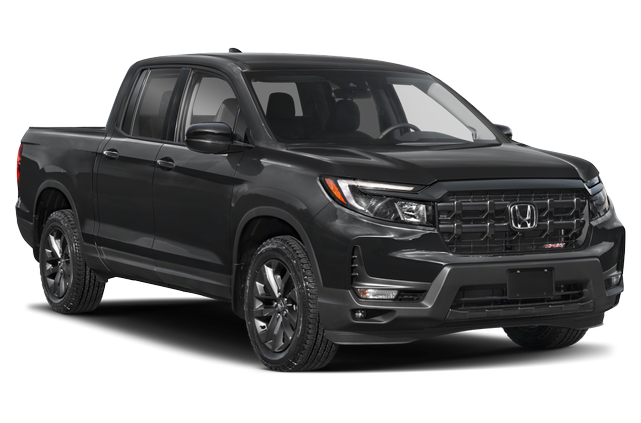
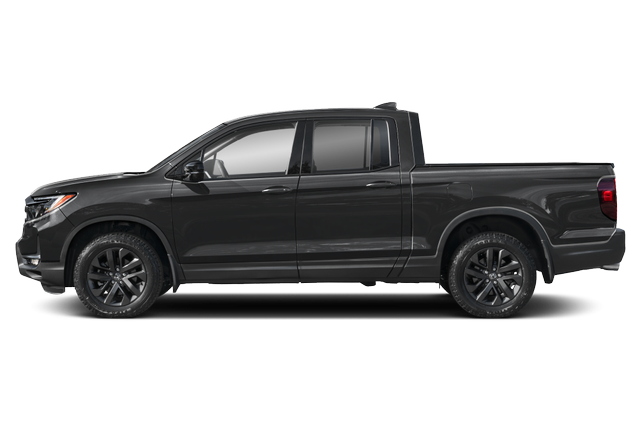
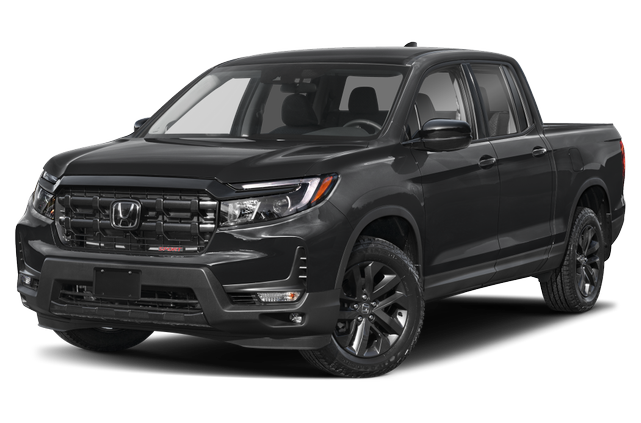
The mid-size pickup class is a fairly homogeneous one, with the notable exception of the Honda Ridgeline. Instead of the body-on-frame architecture of most mid-size pickups, the Ridgeline is built on a unibody platform that’s shared with the third-generation Honda Passport and Pilot SUVs. As a result, the Ridgeline trumps its class rivals when it comes to on-road driving manners and cabin comfort, but it can’t match them in towing capacity or capability in challenging off-road terrain. That holds true even in its beefed-up TrailSport trim, which adds an off-road-tuned suspension, all-terrain tires and an underbody skid plate.
Related: How Much Is the 2026 Honda Ridgeline?
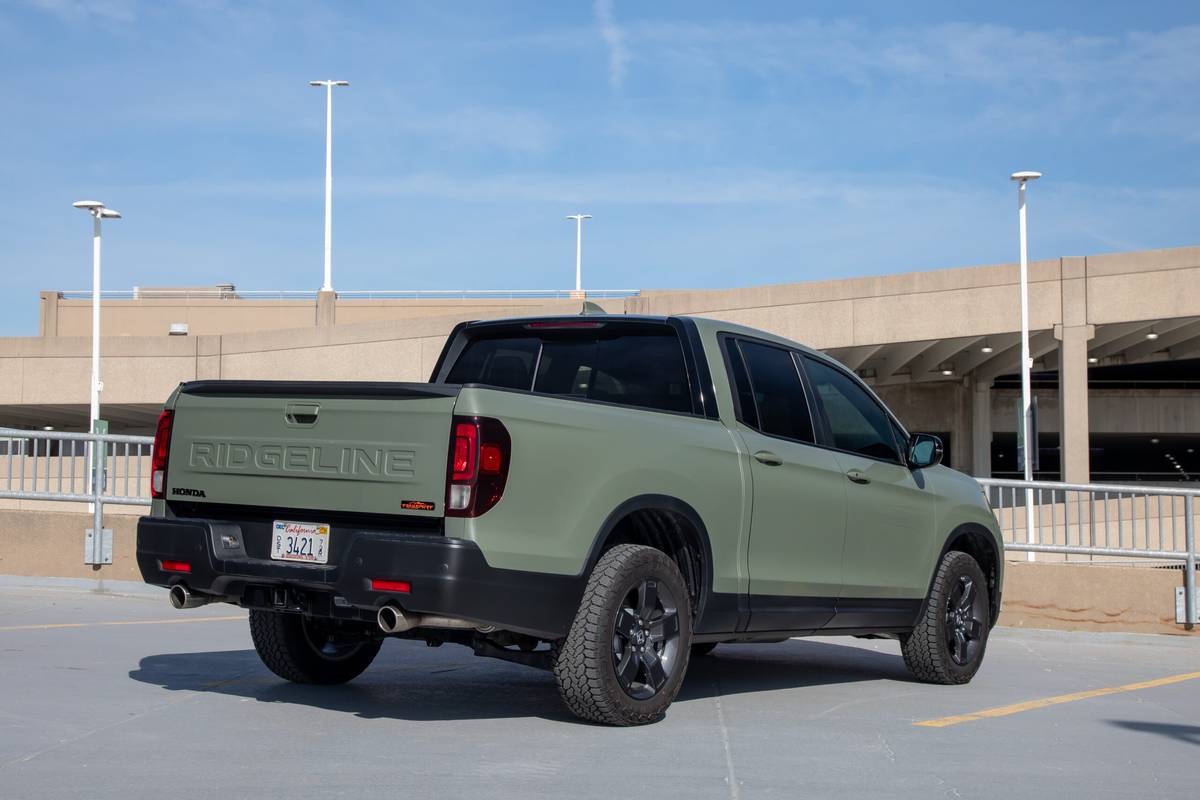
I recently tested a 2026 Ridgeline TrailSport and very much appreciated its superior ride quality, cabin space and cargo versatility compared with a traditional mid-size pickup. That said, I also understand why most mid-size-pickup shoppers prefer the more rugged structure (and beefier look and feel) of a traditional pickup — even if they don’t regularly tow or go off-road — and are willing to tolerate some compromises in comfort and ergonomics to get it. And as Cars.com Road Test Editor Brian Normile noted when he reviewed the then-new TrailSport trim, the Ridgeline’s recently redesigned competition has made strides toward closing that comfort gap.
Even so, the Ridgeline is certainly “trucky” enough for the average mid-size-pickup shopper, and its various advantages make it worth considering — even if it is overdue for a redesign (more on that later).
How Does the Honda Ridgeline Drive?
- Takeaway: The Ridgeline has better on-road driving manners and a more comfortable ride than any of its body-on-frame competitors.
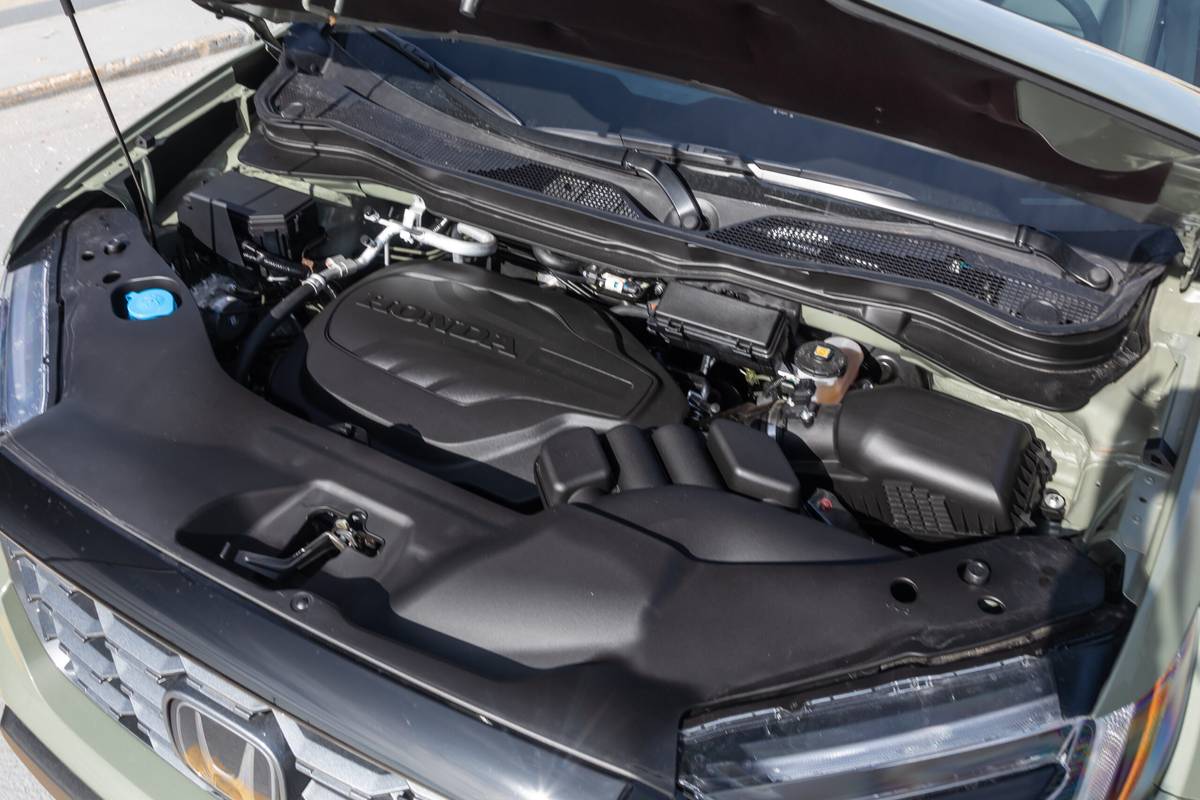
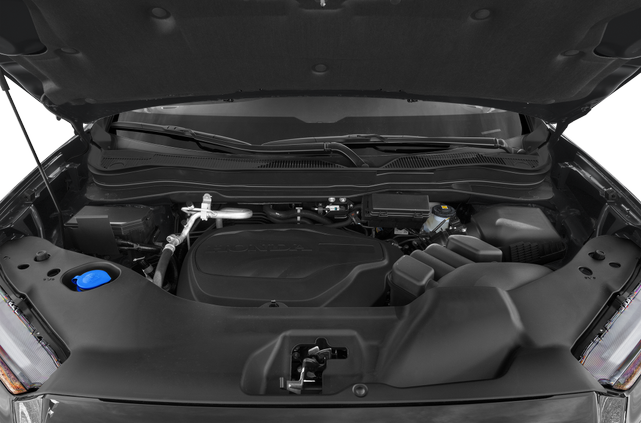
Beyond a switch from a six-speed automatic transmission to a nine-speed automatic for the 2020 model year, the Ridgeline’s powertrain hasn’t really changed since the second generation debuted for 2017. It’s still powered by a 280-horsepower, 3.5-liter V-6 at a time when most mid-size pickups have pivoted to gutsy turbocharged four-cylinder engines with horsepower ratings comparable to the Ridgeline’s V-6. The Nissan Frontier still comes only with a V-6, and Ford offers a pair of optional V-6s in its Ranger (including a 405-hp, twin-turbo 3.0-liter in the high-performance Raptor version). The Ridgeline’s naturally aspirated V-6 provides smooth, linear power both around town and on the highway, though Senior Road Test Editor Mike Hanley noted the truck can feel slow off the line and wished the accelerator-pedal tip-in was a bit quicker.
Its competitors may have made inroads with their recent redesigns, but the Ridgeline’s on-road comfort and composure is still notably better than the rest of the class. Its four-wheel independent suspension soaks up bumps and road imperfections in a way the solid rear-axle setups of its competitors can’t. Overall quietness is another strong point; the TrailSport’s all-terrain tires might cause a tad more road noise on the highway, but the cabin is laudably hushed overall. I had no objections to the Ridgeline’s steering feel, but both Hanley and Normile have called out vague, numb steering feel in older Ridgelines we’ve tested.
Related Video:
We cannot generate a video preview.
How is the Honda Ridgeline’s Gas Mileage?
- Takeaway: The Ridgeline’s naturally aspirated V-6 engine doesn’t deliver standout fuel economy, but its EPA ratings are on par with other mid-size pickups.
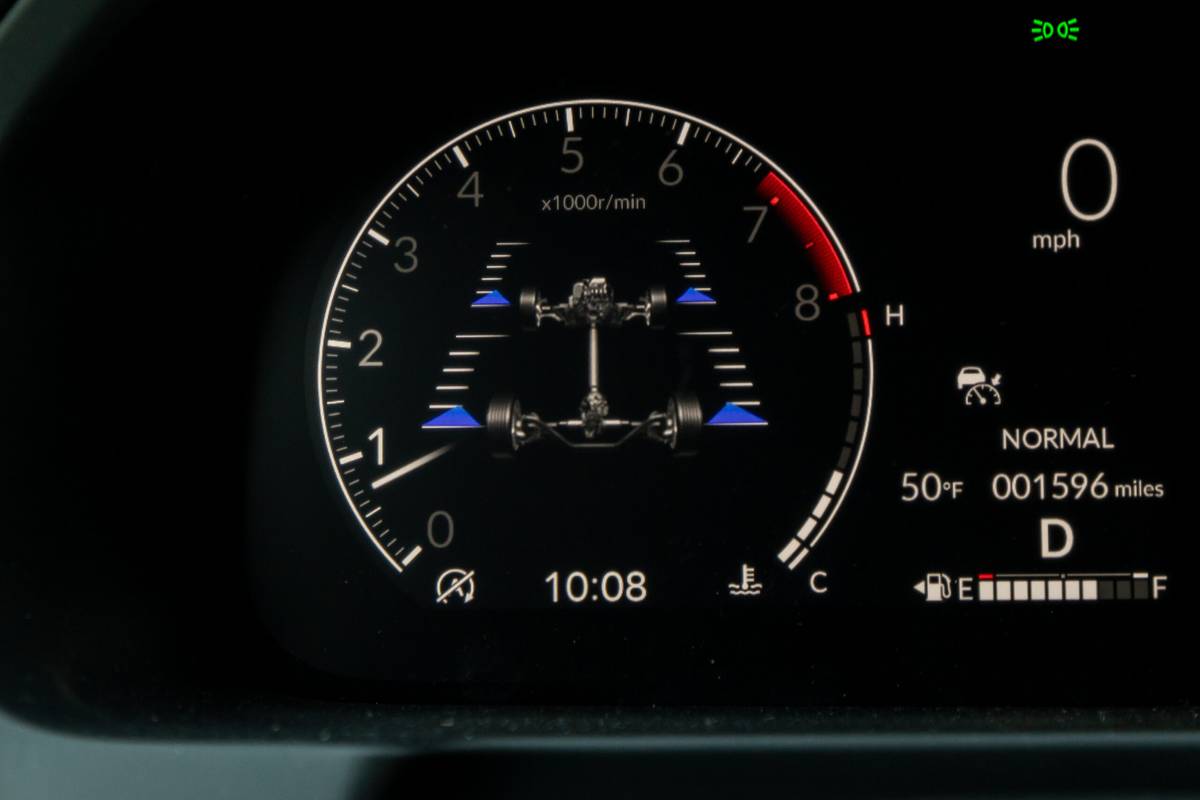
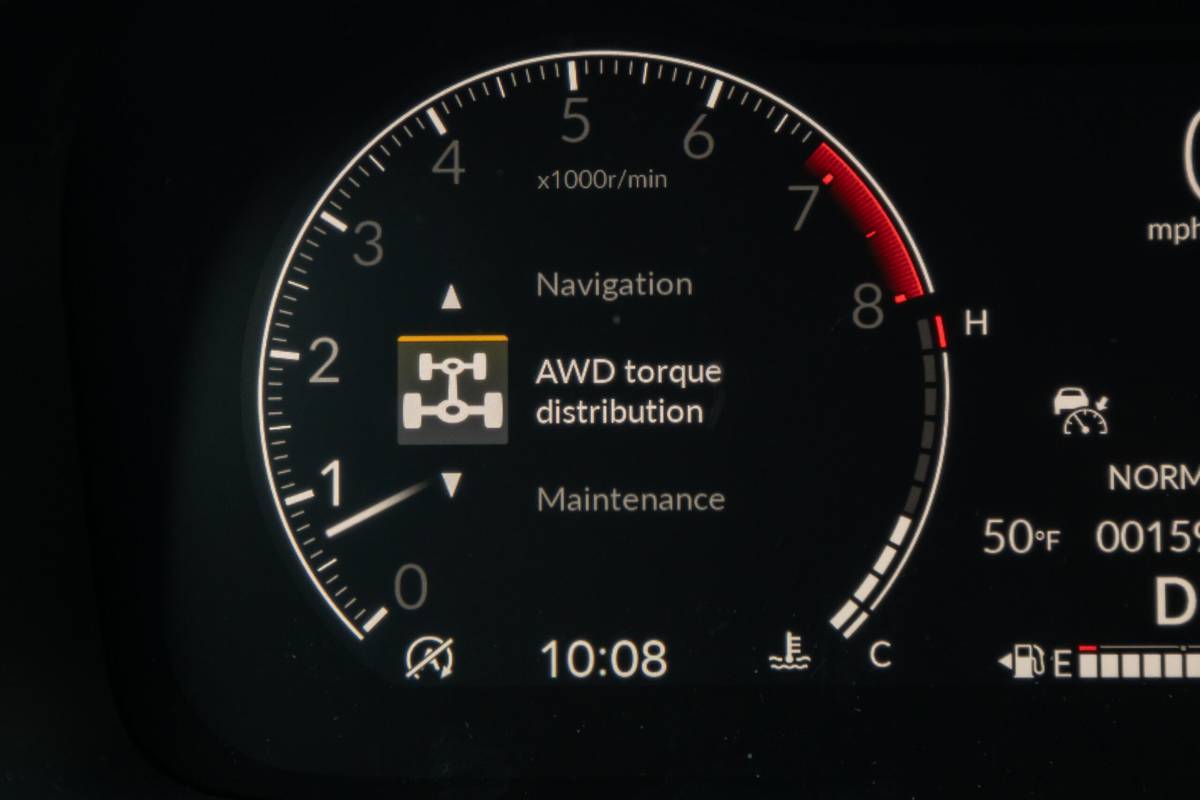
Most of the 2026 Ridgeline trims earn an EPA-estimated 18/24/21 mpg city/highway/combined, while the TrailSport trim’s terrain-focused features drop its highway and combined numbers by 1 mpg compared with the rest of the line. Other mid-size pickups offer rear-wheel drive or four-wheel drive, but the Ridgeline comes exclusively with all-wheel drive; front-wheel drive was previously available on some trims, but it was discontinued after the 2020 model year.
The Ridgeline’s EPA numbers aren’t outstanding, but they are similar to both four-cylinder and regular-line V-6 rivals with 4WD. The hot-selling Toyota Tacoma is easily the most popular mid-size pickup, and every one of its gas-only, automatic-transmission 4WD versions earn an EPA rating of 21 mpg combined. The Tacoma’s available four-cylinder hybrid powertrain is focused on power as much as efficiency, so it doesn’t deliver big fuel-economy gains: It earns an EPA-rated 23 mpg combined.
Because it’s sometimes cross-shopped with mid-size pickups, the Ford Maverick compact pickup is worth mentioning, too. It’s also built on a unibody platform, and it’s available with a fuel-sipping four-cylinder hybrid powertrain that’s rated an impressive 37 mpg combined with AWD (36 mpg in the upscale Lariat trim). That hybrid powertrain makes 191 hp and provides decently peppy acceleration, but even the Maverick’s available 250-hp turbo four-cylinder is rated between 24-26 mpg combined, trim depending.
Excellent Interior Room, Some Dated Controls
- Takeaway: Even though the Ridgeline’s infotainment system is a bit behind the times, its passenger room and comfort are the best in the segment.
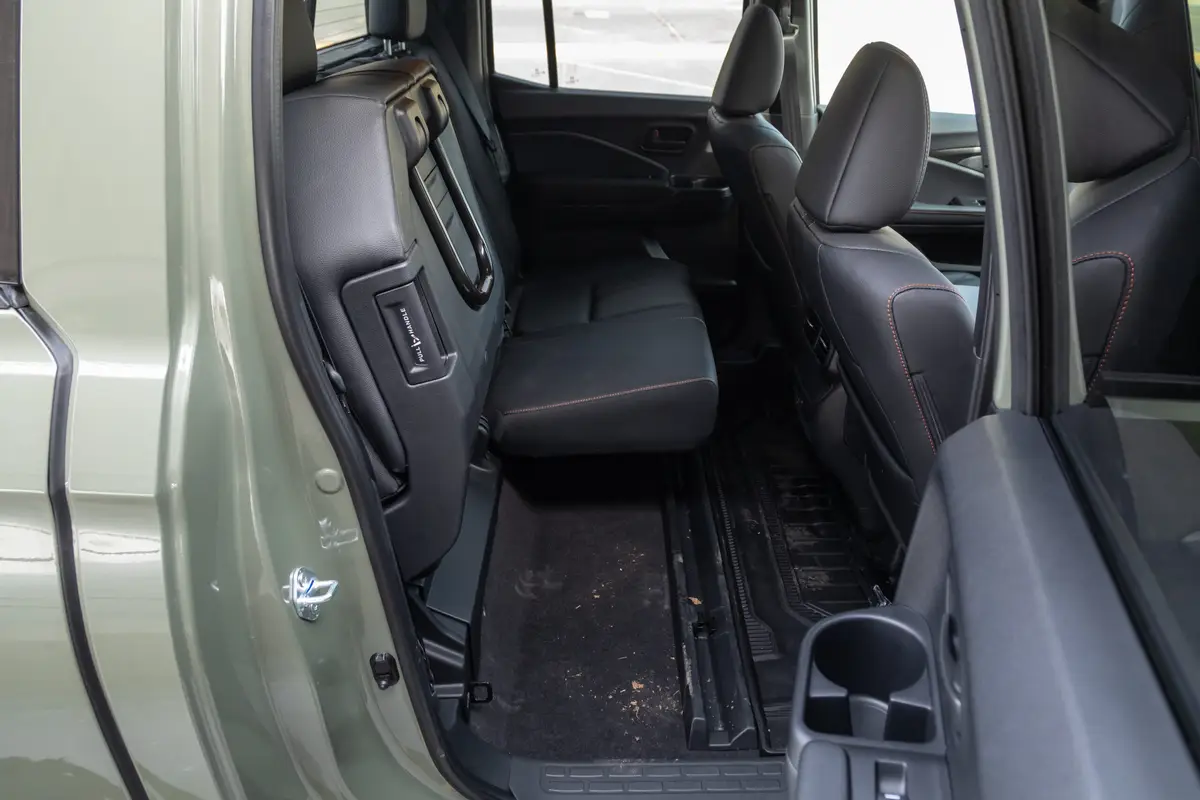
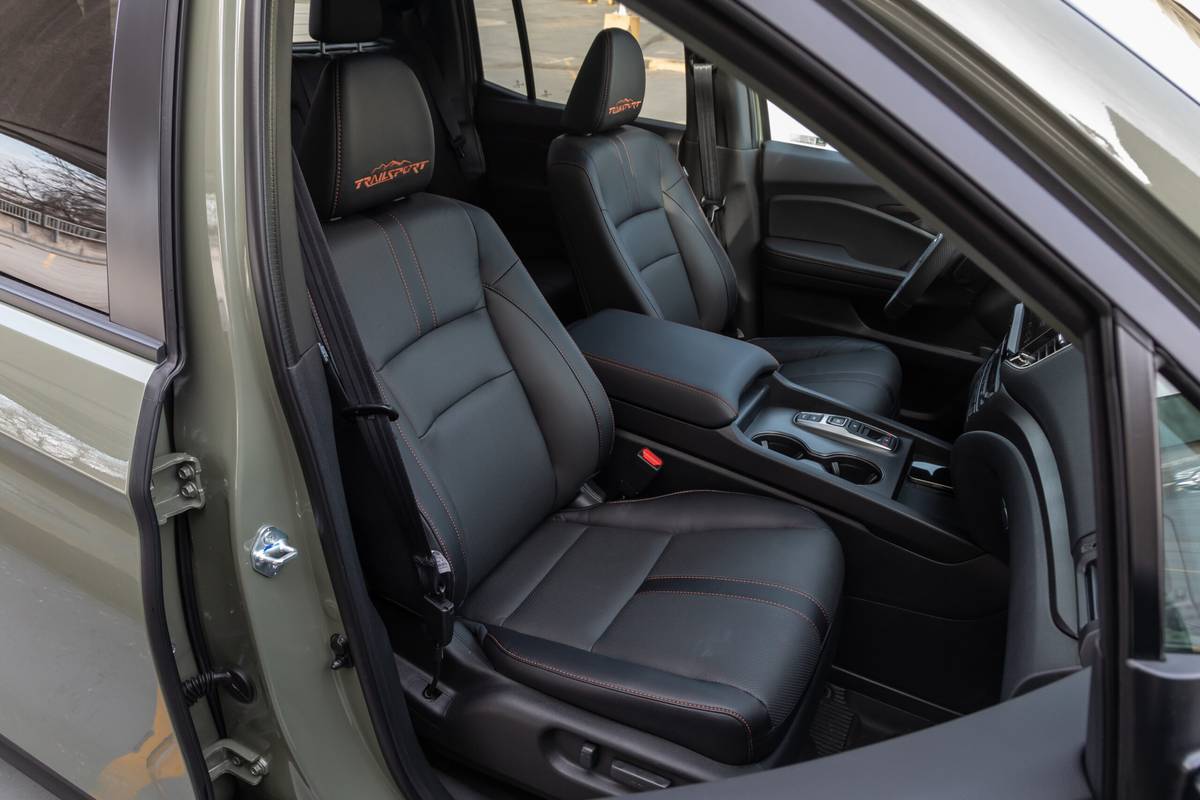
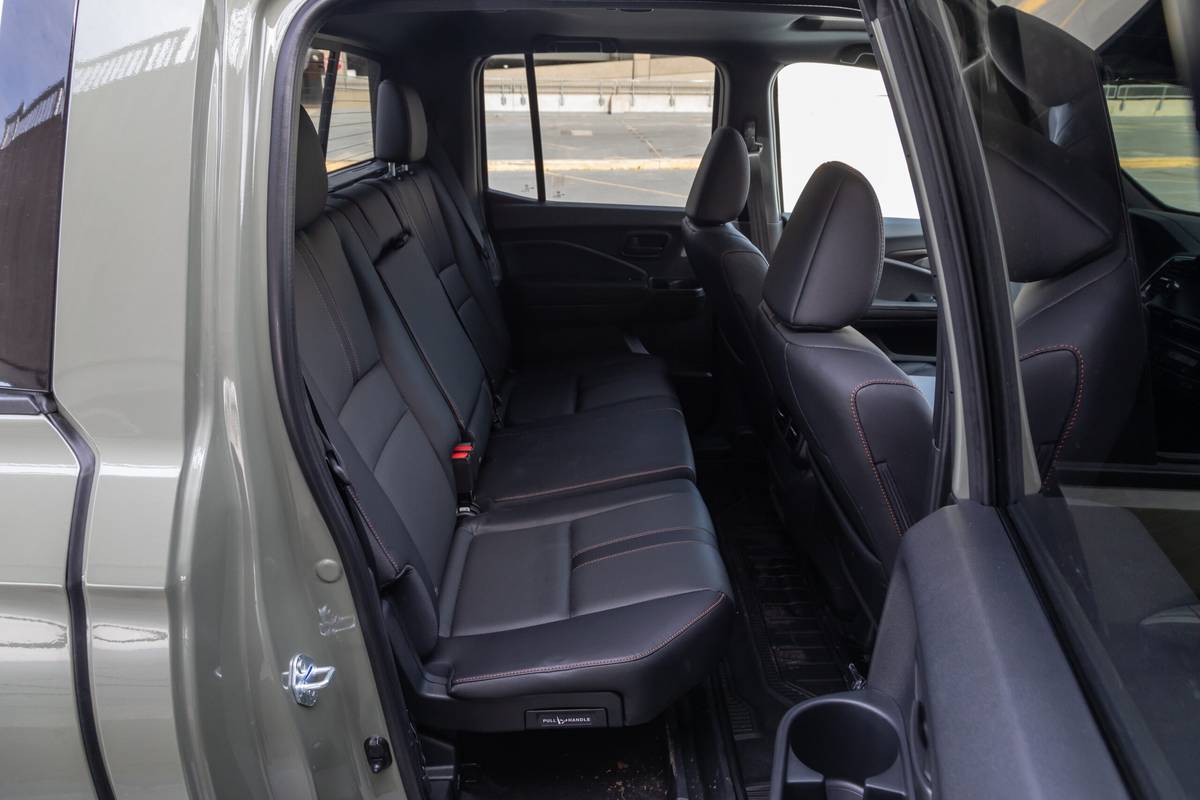
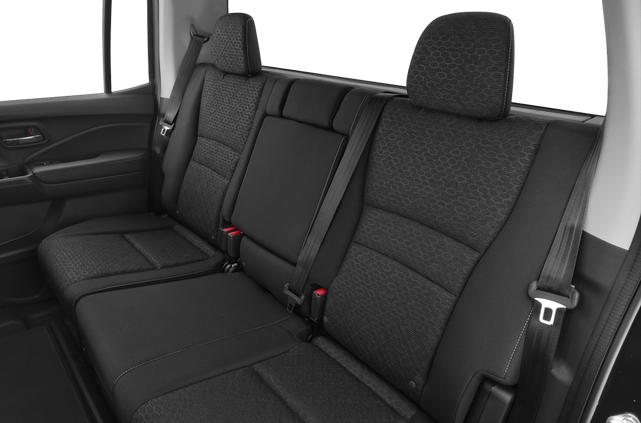
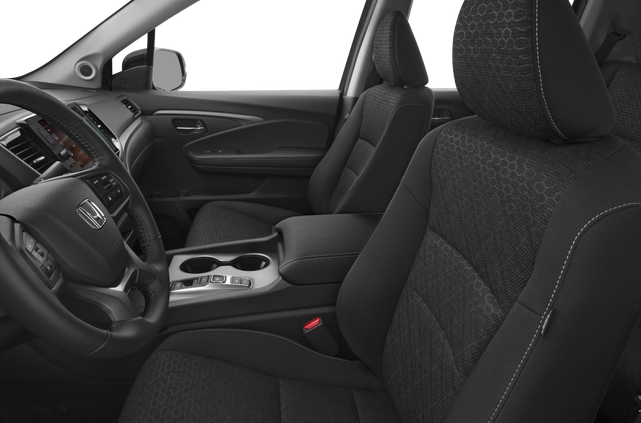
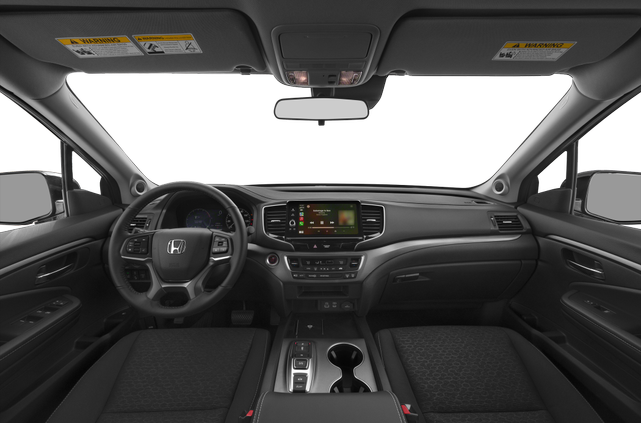
The Ridgeline’s unibody construction pays dividends in interior room, occupant comfort and driver ergonomics. It allows for a lower floor, which in turn lowers the truck’s step-in height to make entry and exit easier than it is in most pickups. Occupant space is also superior to other mid-size crew-cab pickups, particularly in the backseat; most average-size adults will be able to ride in comfort, which isn’t the case in other mid-size trucks. I’m 6 feet, 6 inches tall, and I fit OK in the Ridgeline’s backseat. I wouldn’t want to ride back there on a long trip, but I don’t really fit at all in the backseats of other mid-size trucks.
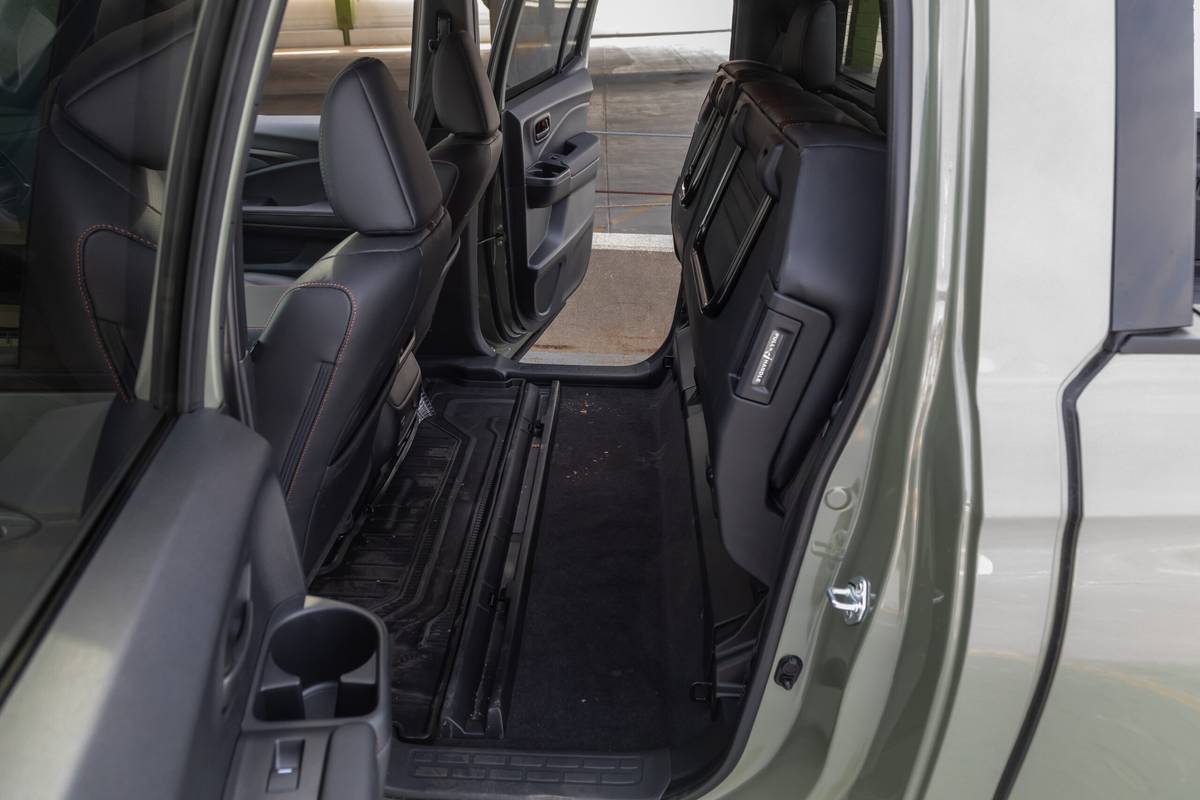
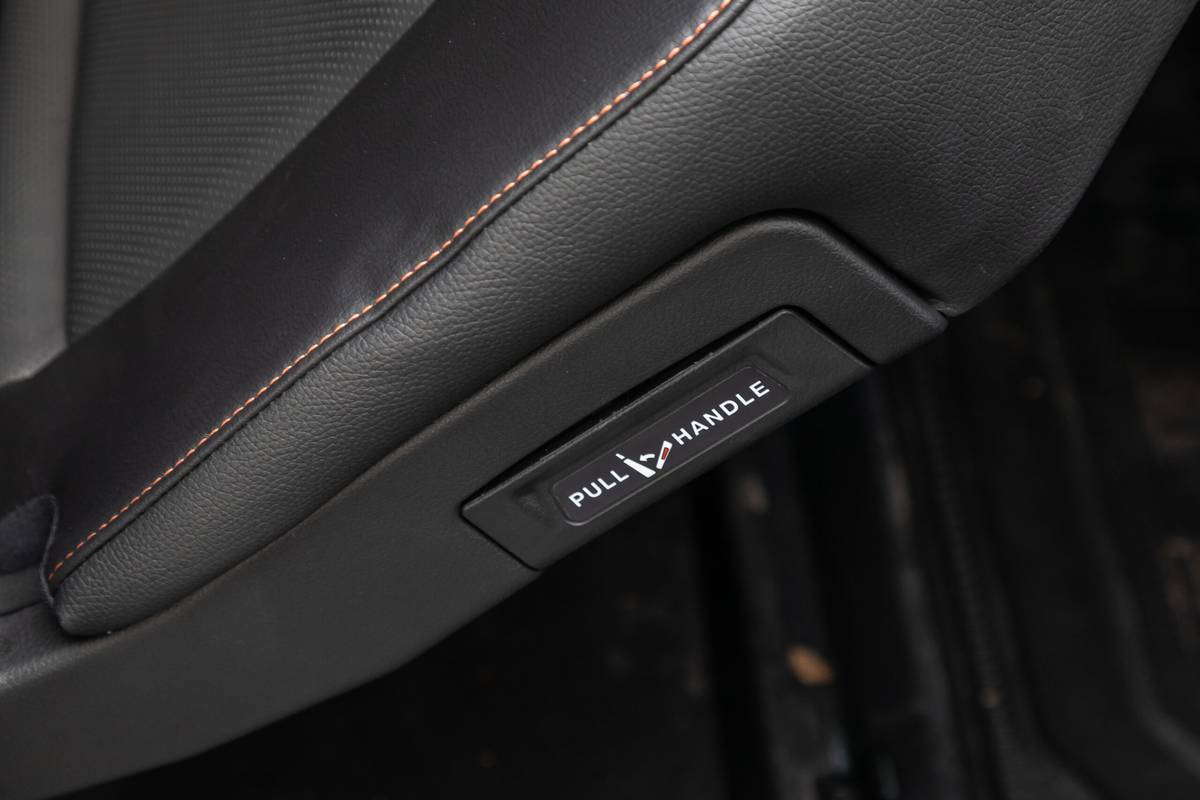
Along with the generously sized backseat, the Ridgeline comes standard with flip-up seat cushions that turn the rear of the cab into a capacious, protected storage area. The space is tall enough to easily fit a kid’s bike, and the flat floor makes it easy to carry bulky cargo, too. When I needed to haul a couple of medium-size boxes that I didn’t want exposed to the elements in the open pickup bed, I just flipped up the rear-seat bottom cushions, slid the front passenger seat all the way forward and stacked the boxes in the passenger-side backseat area. That left room to spare for a few smaller boxes behind the driver’s seat.
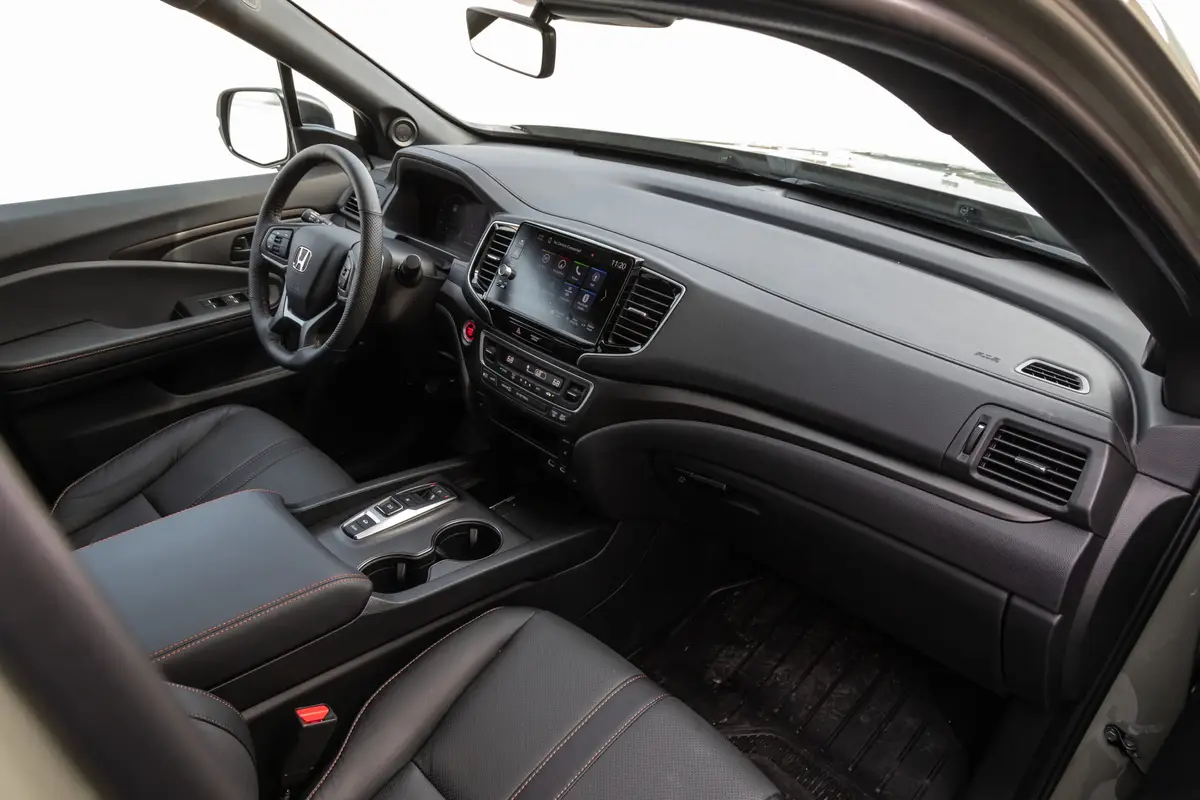
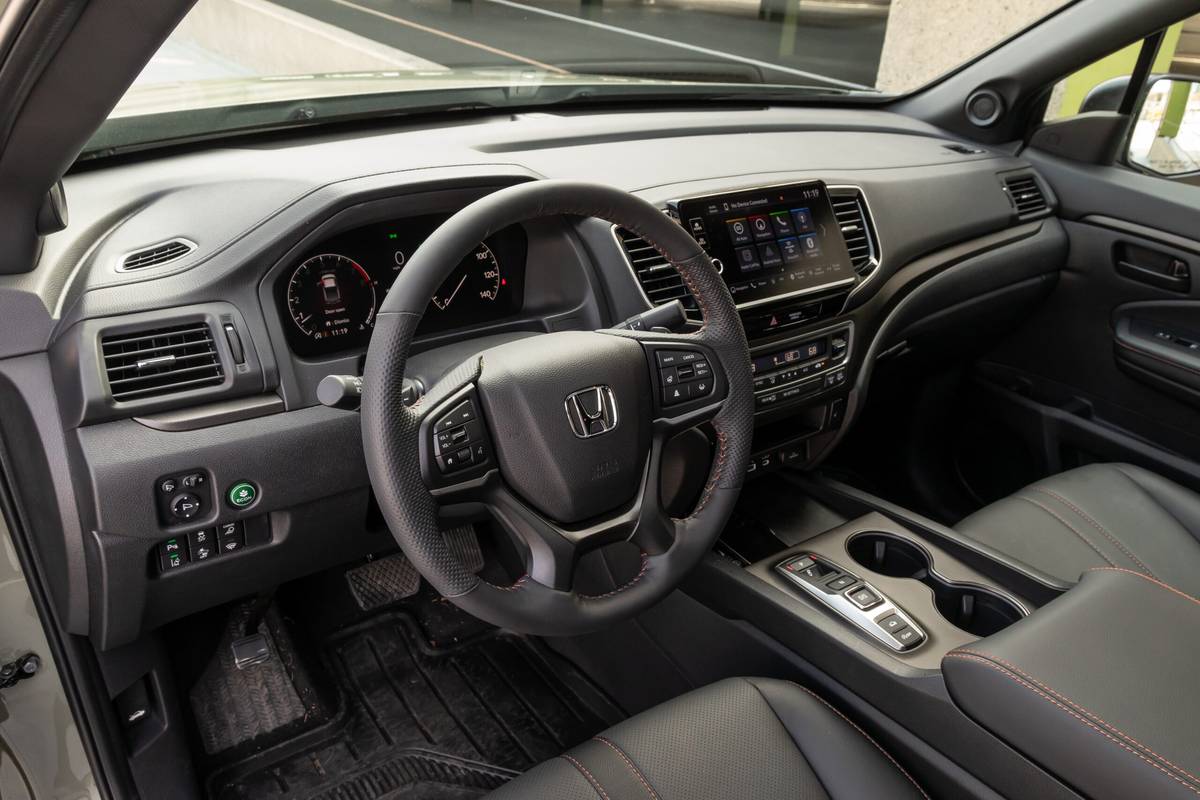
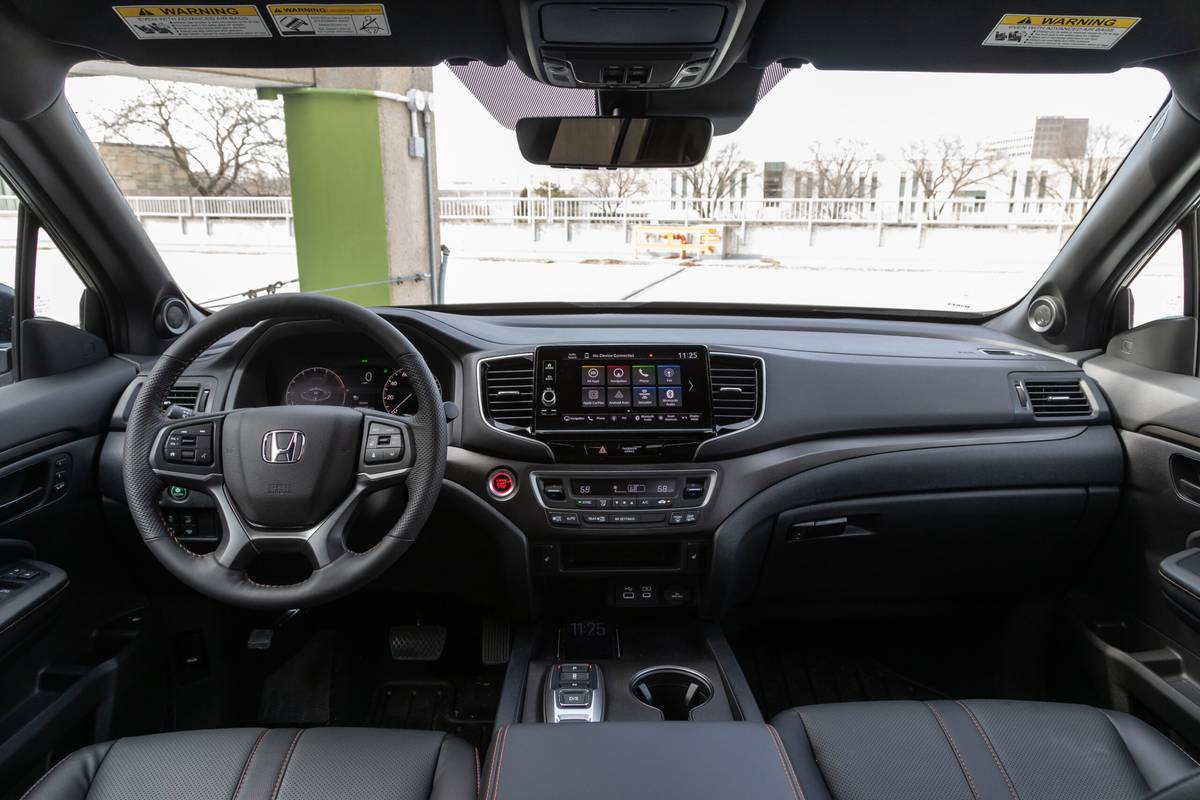
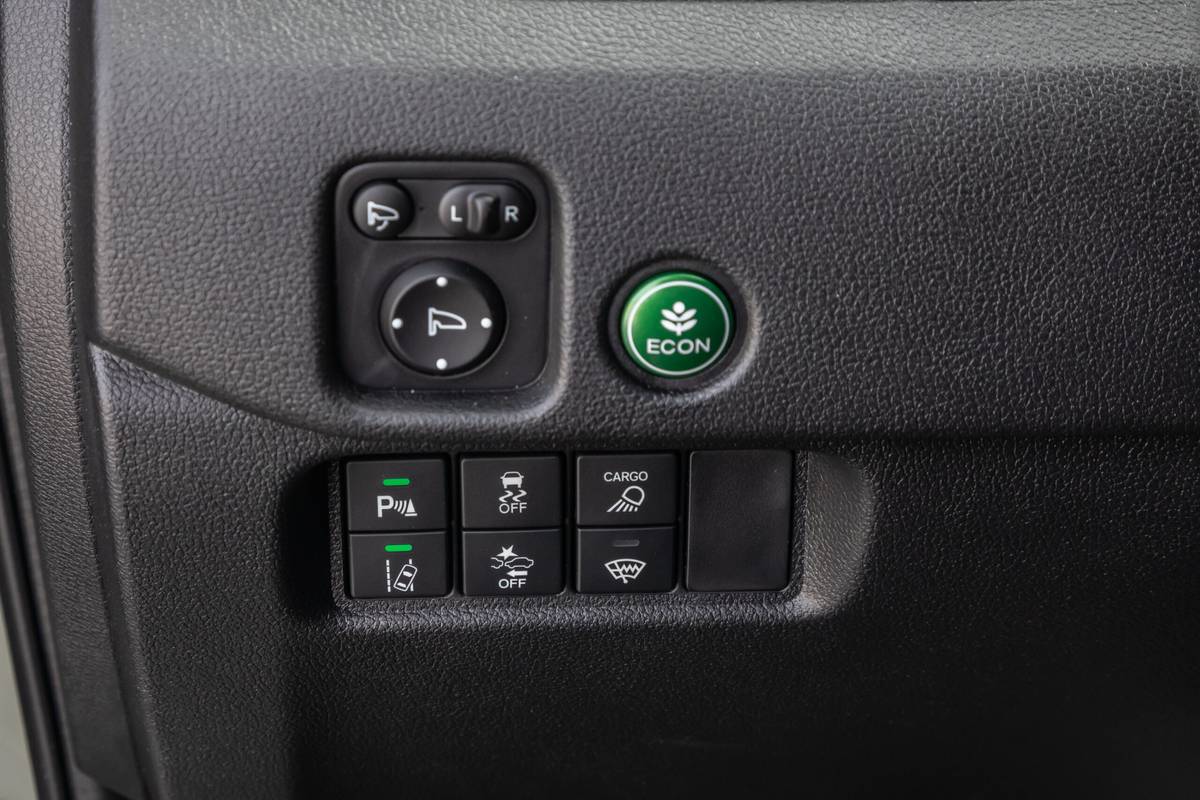
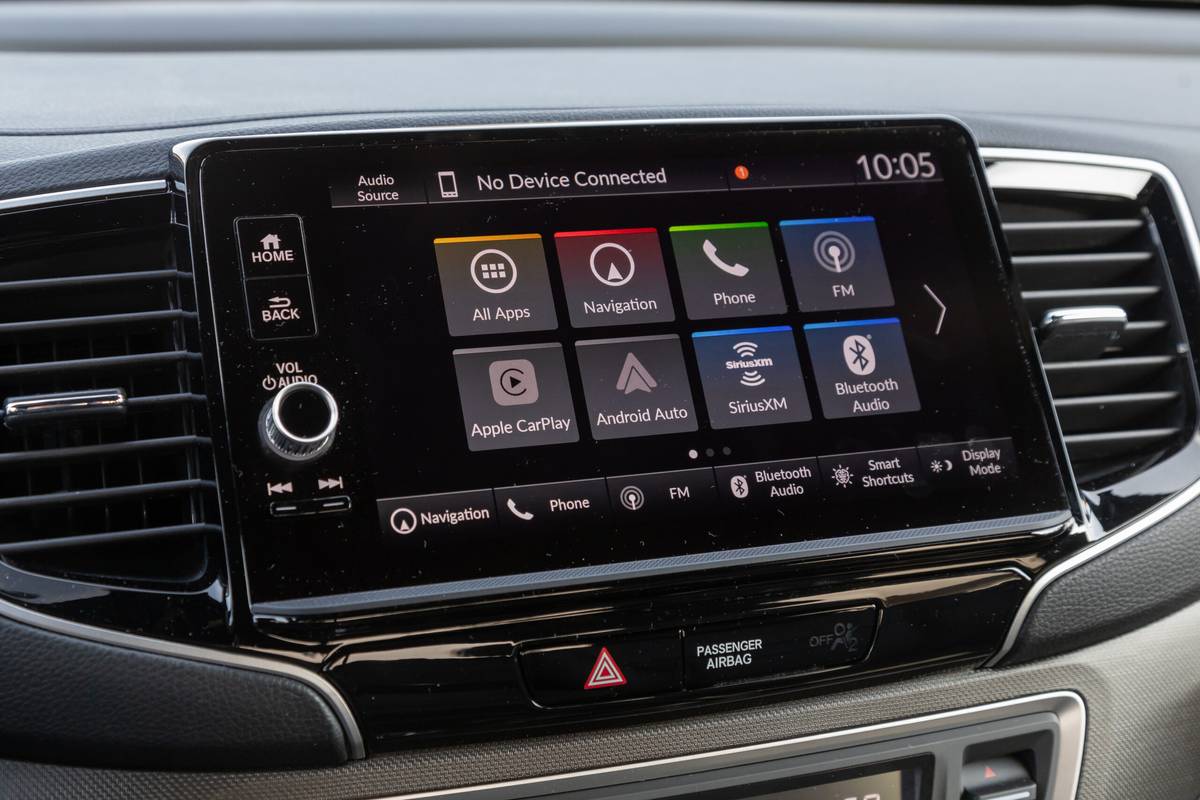
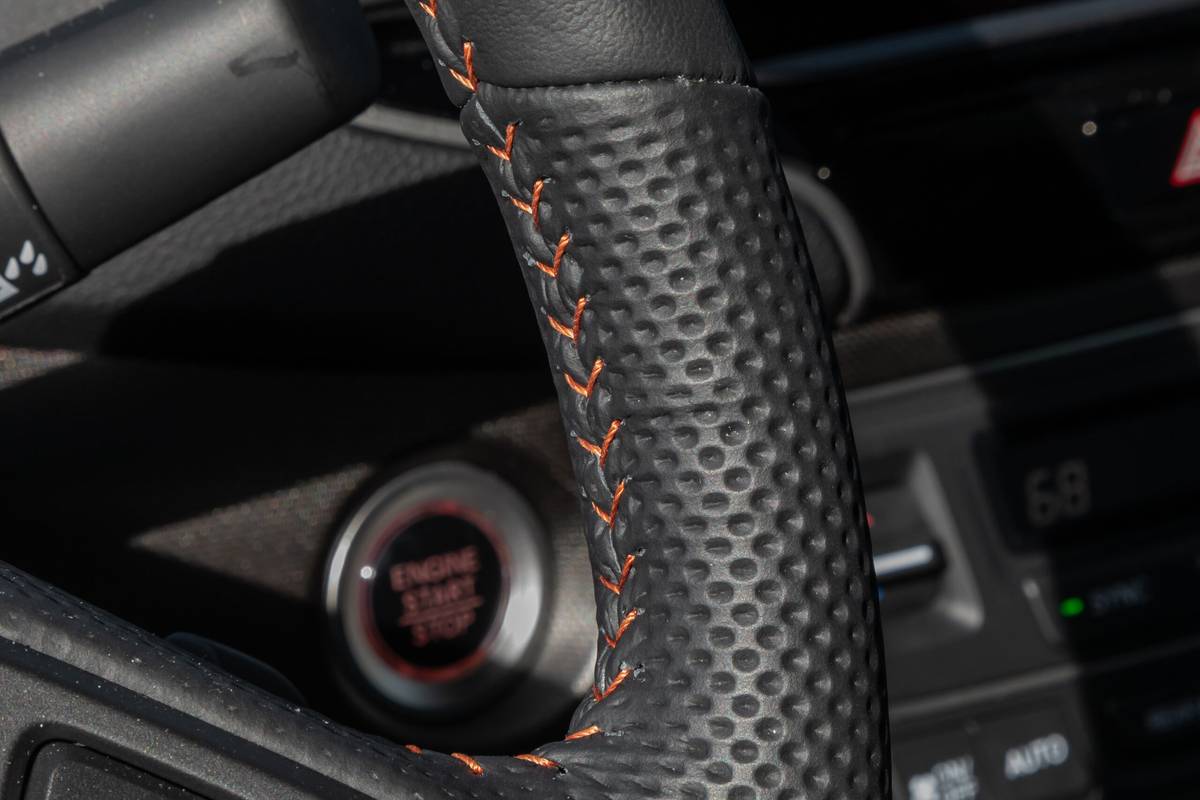
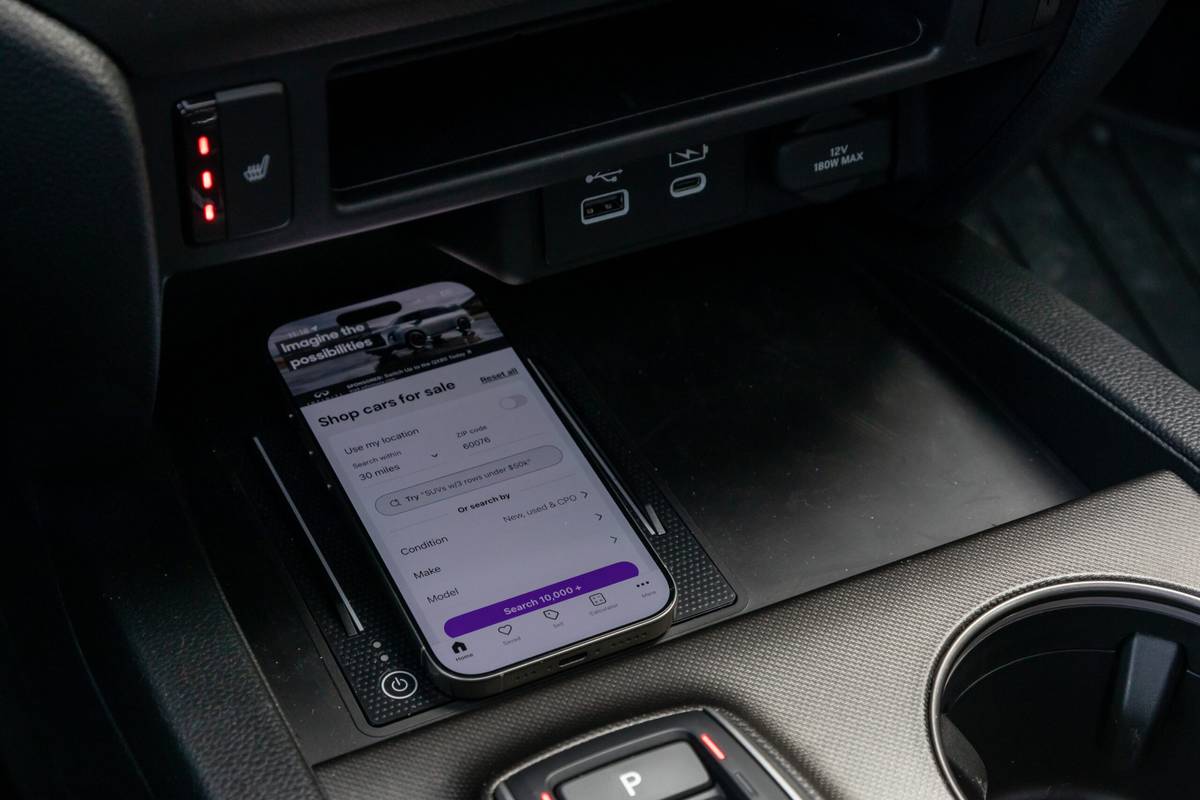
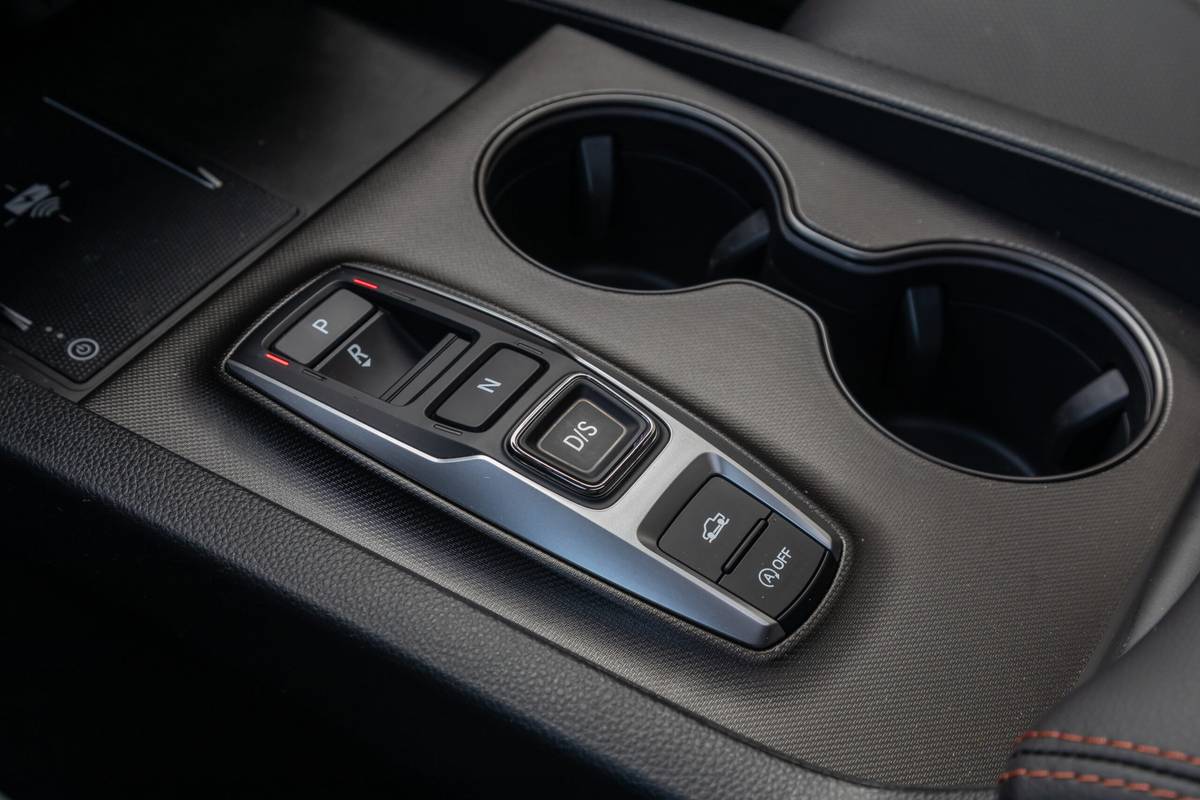
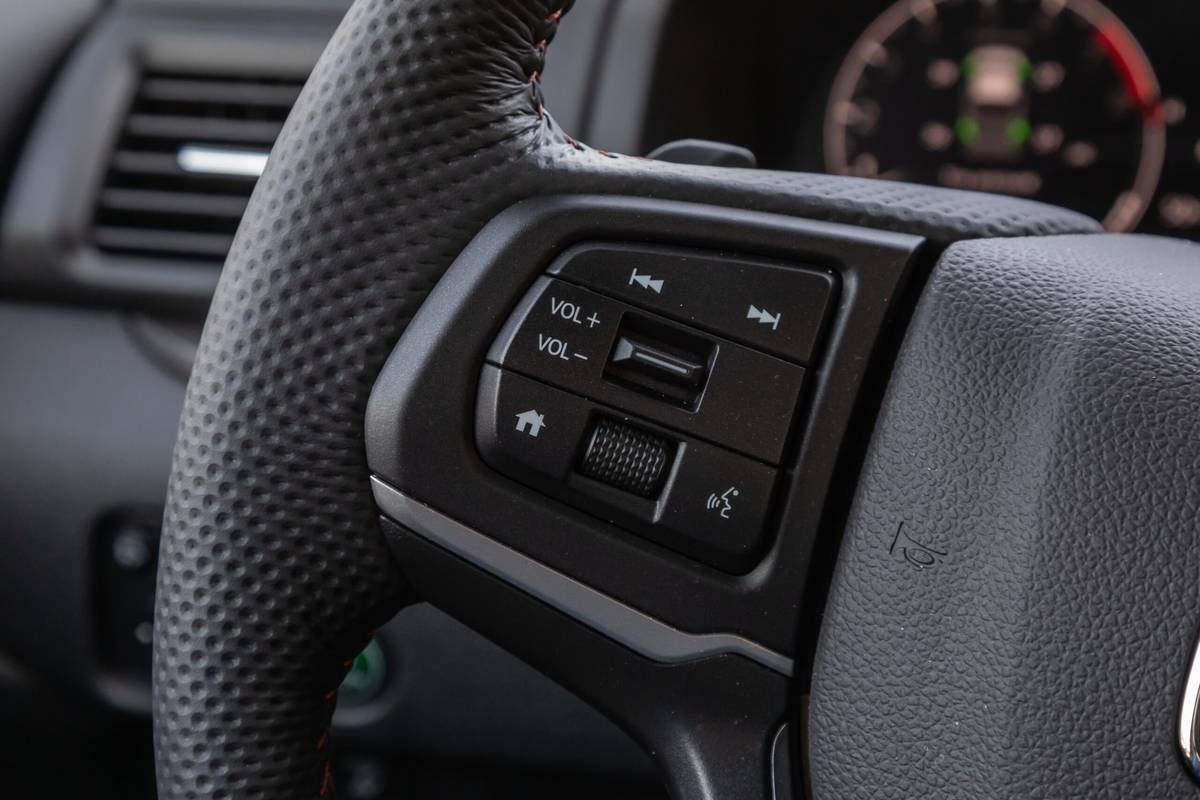
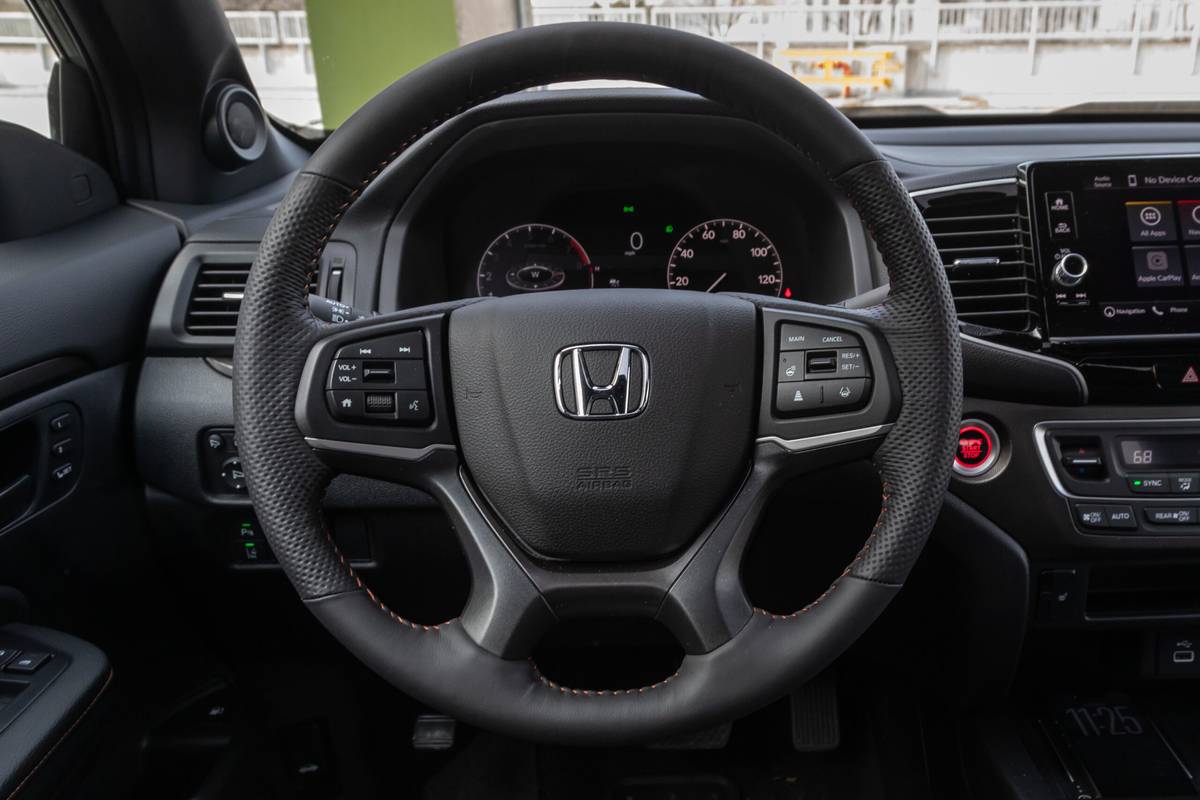
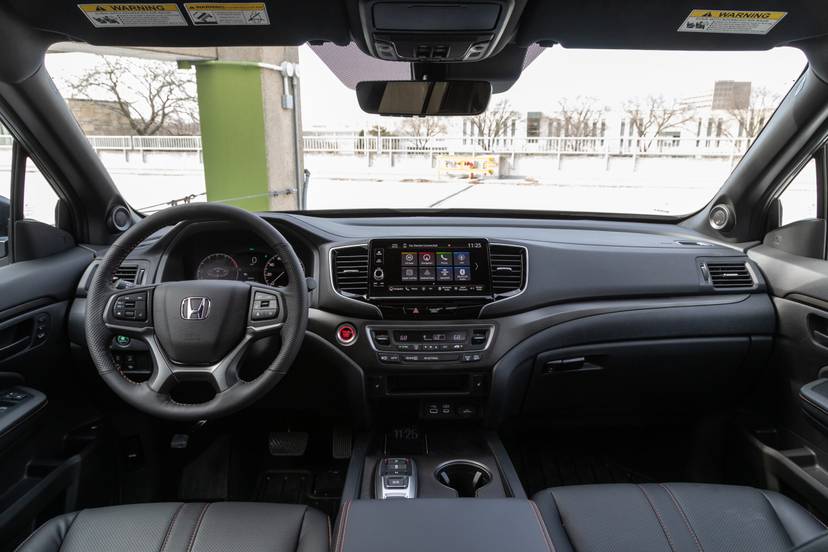
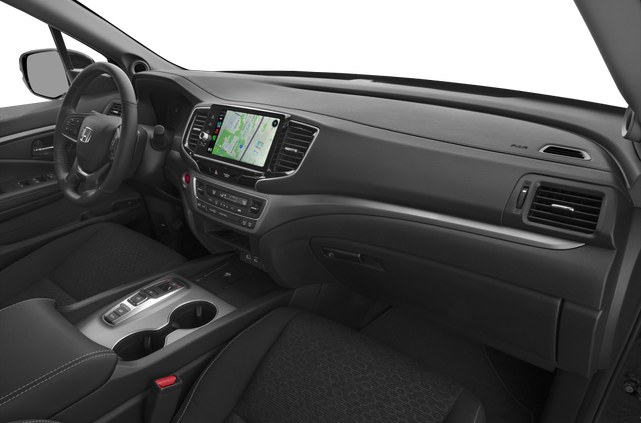
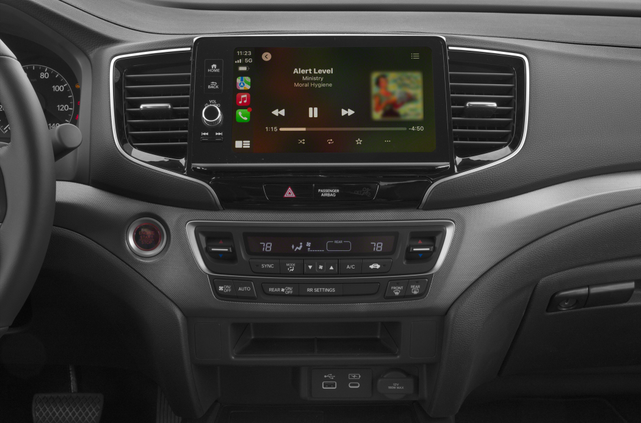
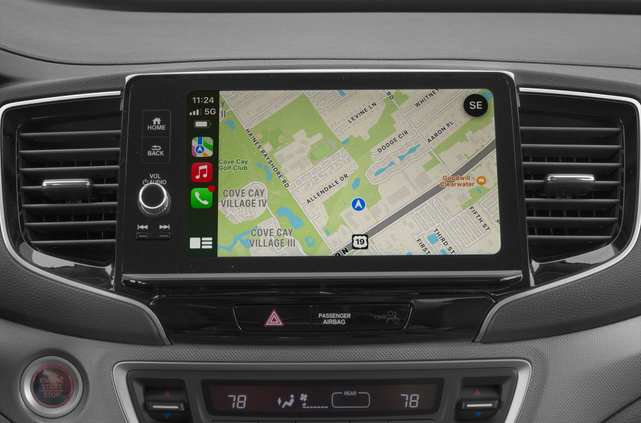
The Ridgeline’s control interface and infotainment system are less impressive. A 9-inch touchscreen is standard, but that’s the only offering; competitors in this class have available touchscreens that measure 12 inches or more, and the Chevrolet Colorado and GMC Canyon come standard with an 11.3-inch screen. Honda’s infotainment software isn’t cutting-edge, either; its graphics look dated and its features aren’t particularly robust compared with most rivals’ newer systems. Along the same lines, some of our editors (including me) aren’t fans of the Ridgeline’s push-button gear selector. In addition to it not being very trucklike, I find it unnatural to use, and it doesn’t save much space over a traditional shift lever.
Payload and Towing Capacities
- Takeaway: The Ridgeline can’t match the maximum towing capacities of most other mid-size pickups, but it has competitive payload capacity and a couple of standout features its rivals don’t offer.
Every Ridgeline trim level has a maximum towing capacity of just 5,000 pounds. That’s enough to comfortably handle a small pop-up camper or boat, or a couple of ATVs or jet skis. It trumps the Ford Maverick’s 4,000-pound towing capacity with either its hybrid powertrain or turbo four-cylinder (if the truck is equipped with an extra-cost 4K Tow Package), but most other mid-size pickups have higher capacities. The Toyota Tacoma’s base SR trim has a towing capacity of just 3,500 pounds regardless of drive wheels or body style, but a 4WD Toyota Tacoma Double Cab (Toyota’s name, confusingly, for a crew cab) can tow up to 6,400 pounds or up to 6,000 pounds with the hybrid powertrain. The rest of the class can tow in excess of 7,000 pounds when properly equipped; the Chevrolet Colorado, GMC Canyon and Jeep Gladiator top the class with a max capacity of 7,700 pounds when properly equipped.
The Ridgeline’s payload capacity ranges from 1,509-1,583 pounds depending on the trim (the TrailSport is rated at 1,521 pounds). Those are competitive numbers; the rest of the class ranges from roughly 1,200-1,700 pounds depending on powertrain, body style and equipment. The compact Maverick is something of an overachiever here: Even though its pickup bed is only 4.5 feet long, its maximum payload is 1,500 pounds with either engine.
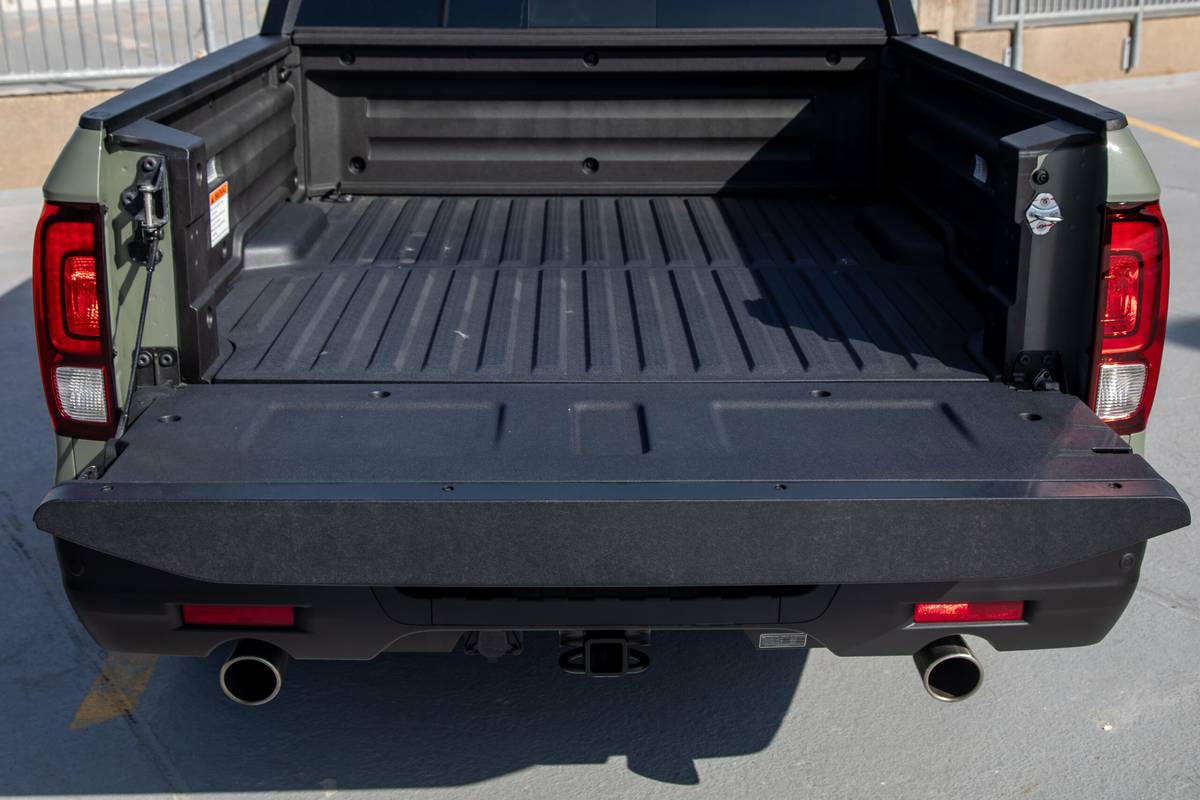
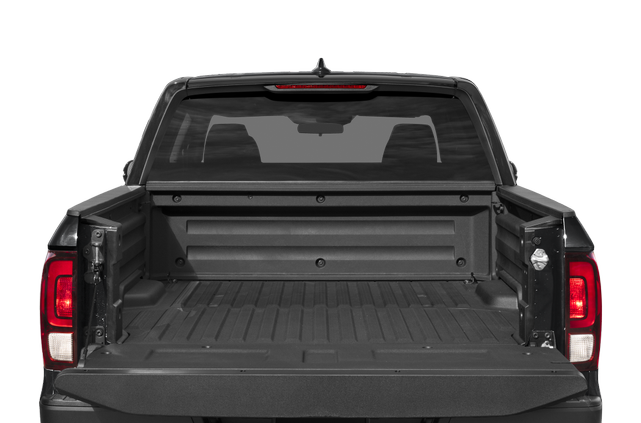
The second-gen Ridgeline’s bed dimensions haven’t changed appreciably since its introduction. When we measured a 2021 Ridgeline’s bed, it came in at 63 inches long, 58 inches wide and 16.75 inches tall. Other than its bed walls, which are shorter than other mid-size trucks’ walls, the Ridgeline’s other dimensions are on par with comparable rivals. Toyota’s factory measurements for the Tacoma’s 5-foot bed, for example, are 60.3 inches long, 53 inches wide (44.7 inches between the wheel wells) and 21.2 inches tall. (The Tacoma is also available with a 6-foot bed that’s 73.5 inches long.)
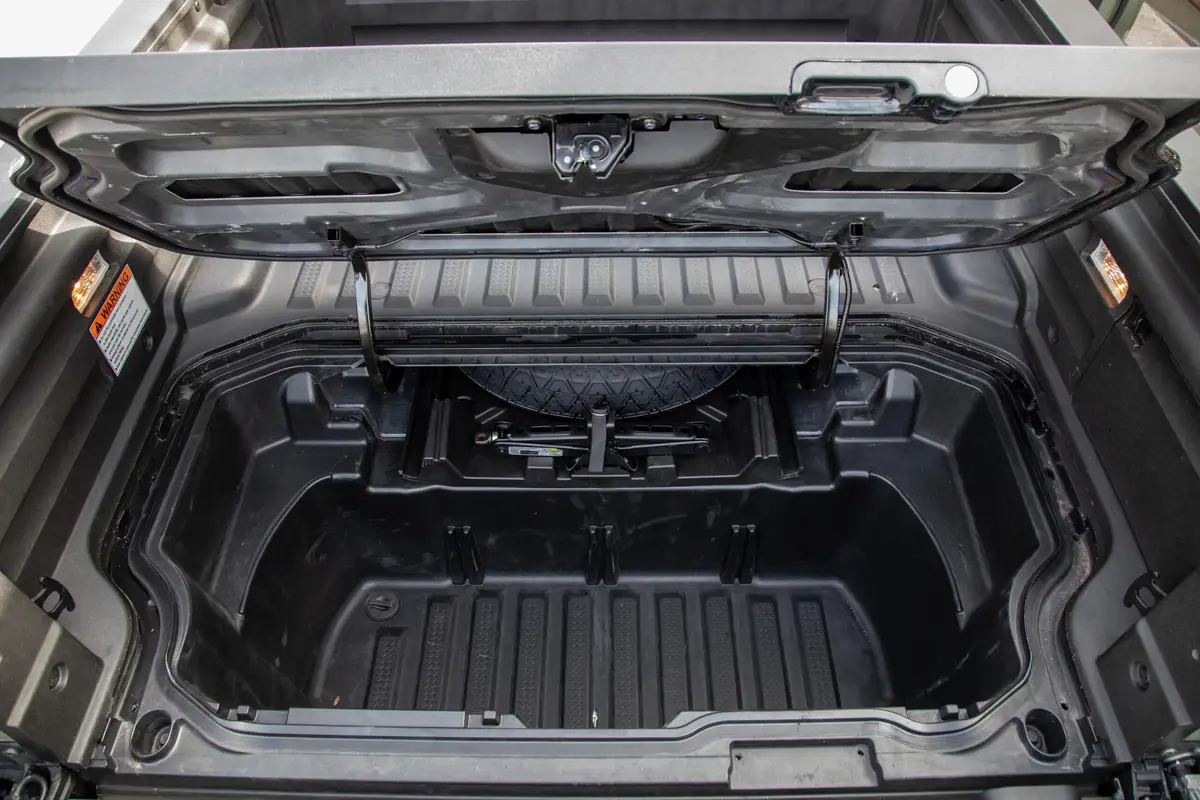
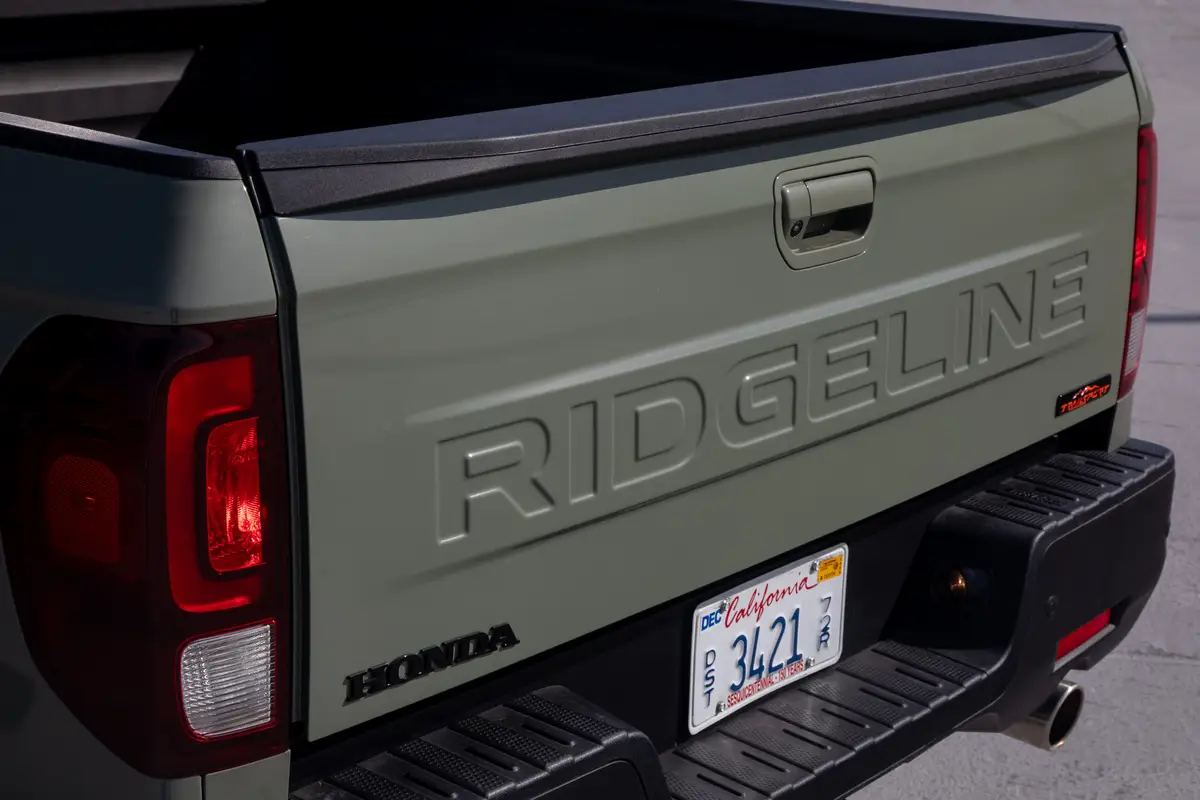
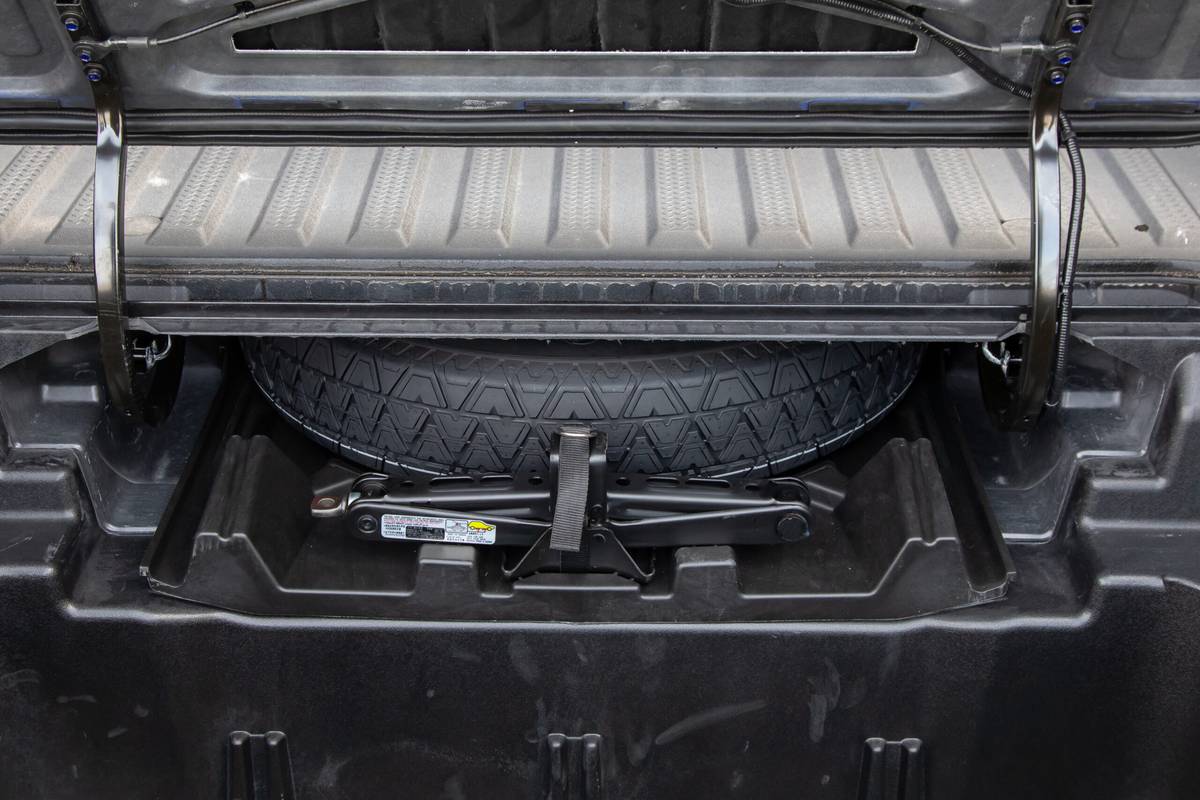
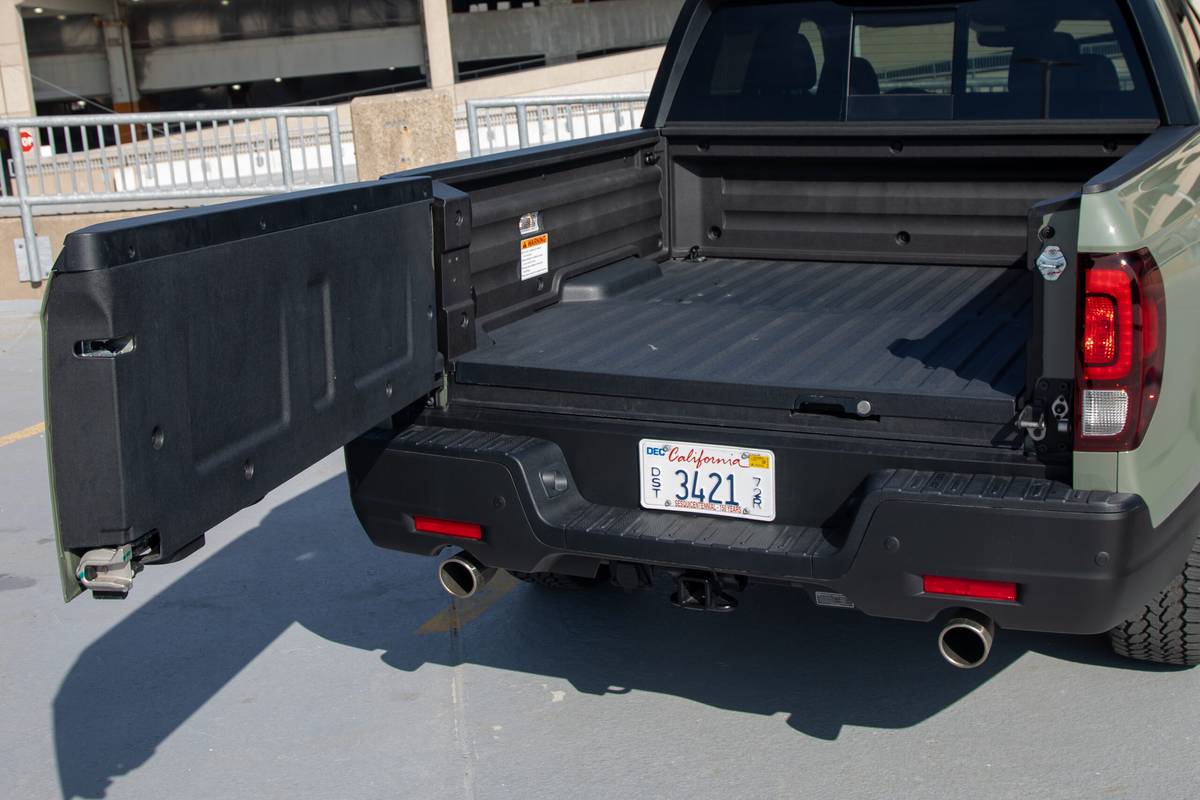
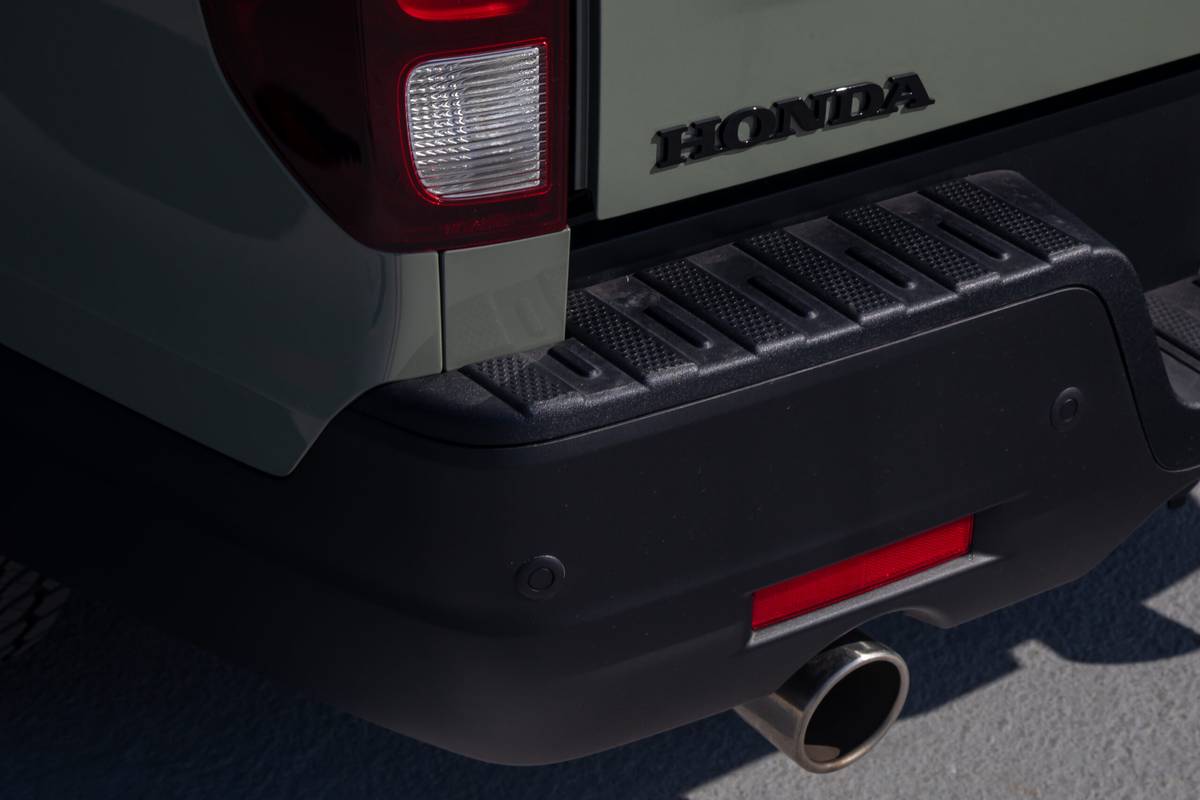
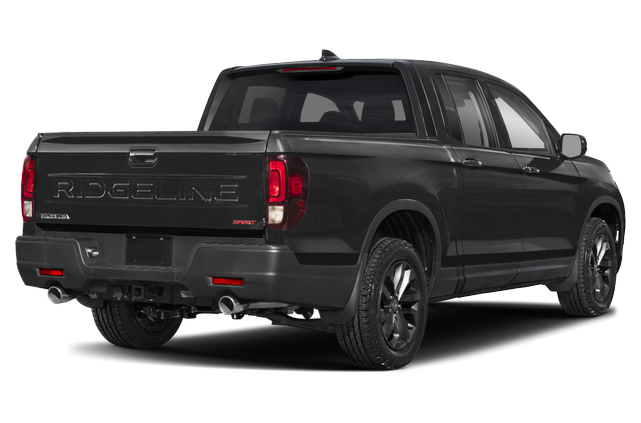
The Ridgeline’s rear wheel wells protrude only an inch or so into the pickup bed, so it’s easy to slide cargo over them. This Honda also has a couple of class-exclusive features, including a handy lockable trunk underneath the bed floor and a dual-hinged tailgate that can be opened like either a traditional tailgate or a door. Honda says the trunk has 7.3 cubic feet of cargo capacity, and it includes drains so it can carry wet cargo, or you can fill it with ice and use it as a cooler. Opening the driver’s-side-hinged tailgate like a door enables easy access to the underbed trunk or the bed itself since you don’t have to reach across the lowered tailgate.
Is a Ridgeline Worth It?
- Takeaway: The Ridgeline’s pricing compares well with its class rivals, making it a solid choice if you don’t plan to tow heavy things or tackle extra-challenging off-road terrain.
The 2026 Ridgeline starts at $42,290 in its entry-level Sport trim (all Ridgeline prices include a $1,495 destination fee). Our TrailSport test vehicle had a sticker price of $47,945, with Ash Green Metallic paint — a new, TrailSport-exclusive color for 2026 — tacking on $455. Though its starting price is notably higher than the entry-level trims of other mid-size pickups (most of which start in the low-to-mid-$30,000 range with destination), the Ridgeline is competitively priced with comparably equipped versions of those trucks. For example, a 2026 Toyota Tacoma SR5 Double Cab with 4WD and a 5-foot bed is priced at $42,200 (including $1,595 destination); that’s just $90 less than the base Ridgeline Sport.
If you won’t be towing things that weigh more than 5,000 pounds or tackling extra-challenging off-road terrain, a Ridgeline is a good choice. It would be more worth the money, though, if Honda saw fit to give the Ridgeline a full redesign that brought this rather long-in-the-tooth truck up to date with its Pilot and Passport siblings — the former was redesigned for 2023 and the latter followed suit for 2026. When Normile reviewed the 2024 TrailSport, he noted that the Ridgeline was starting to feel very dated overall, and that impression has only become more pronounced over the past two years. Though there’s no official word at this point, I wouldn’t be surprised to see a redesigned Ridgeline unveiled in the near future. If you ask me, a tweaked version of the new Passport’s boxy front-end styling would look great on a pickup truck.
Cars.com’s Editorial department is your source for automotive news and reviews. In line with Cars.com’s long-standing ethics policy, editors and reviewers don’t accept gifts or free trips from automakers. The Editorial department is independent of Cars.com’s advertising, sales and sponsored content departments.