








What Car Shoppers Need to Know
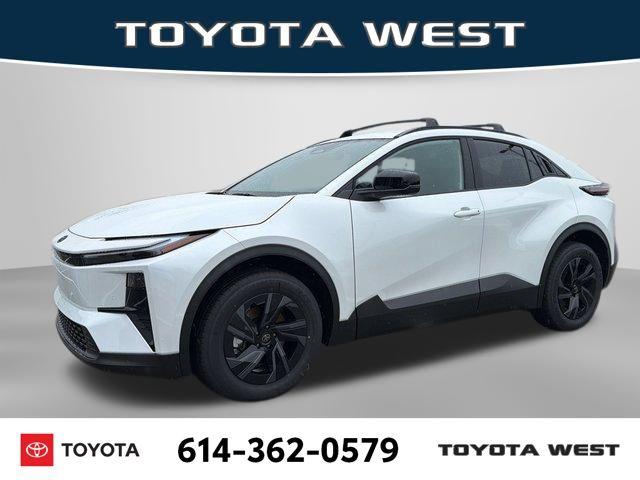
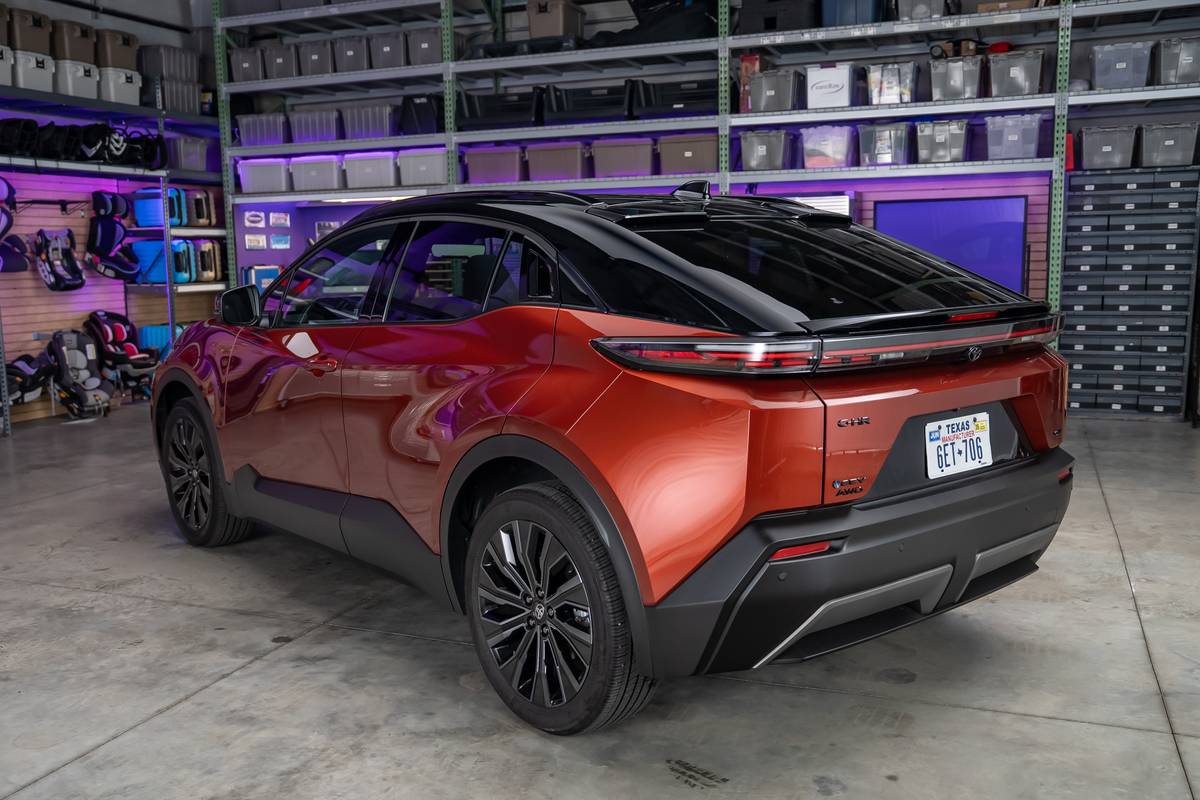
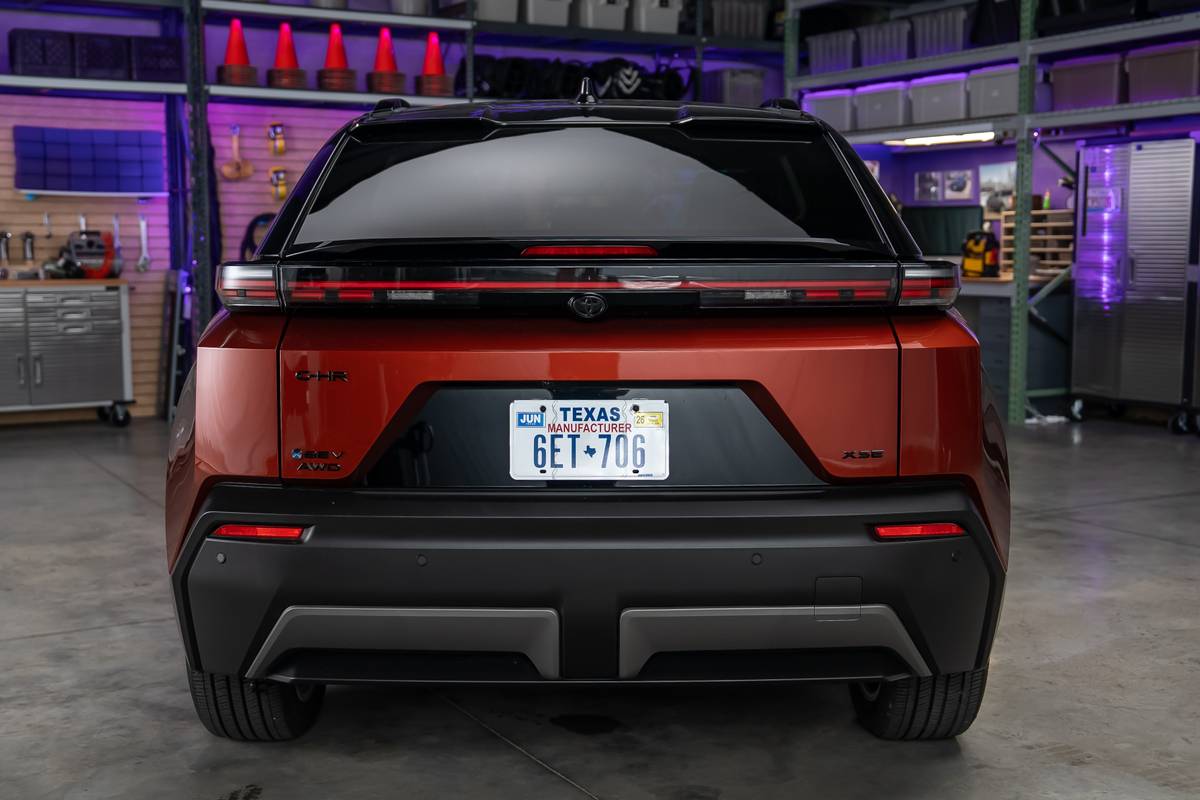
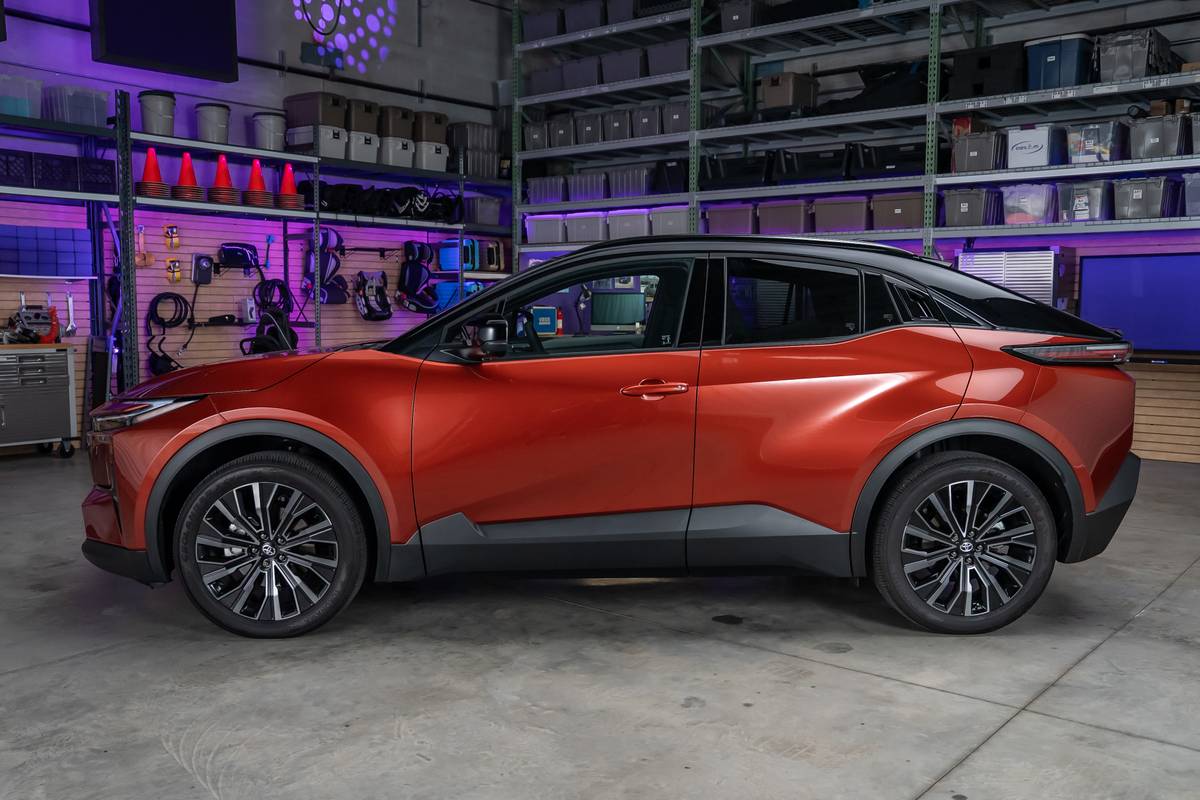
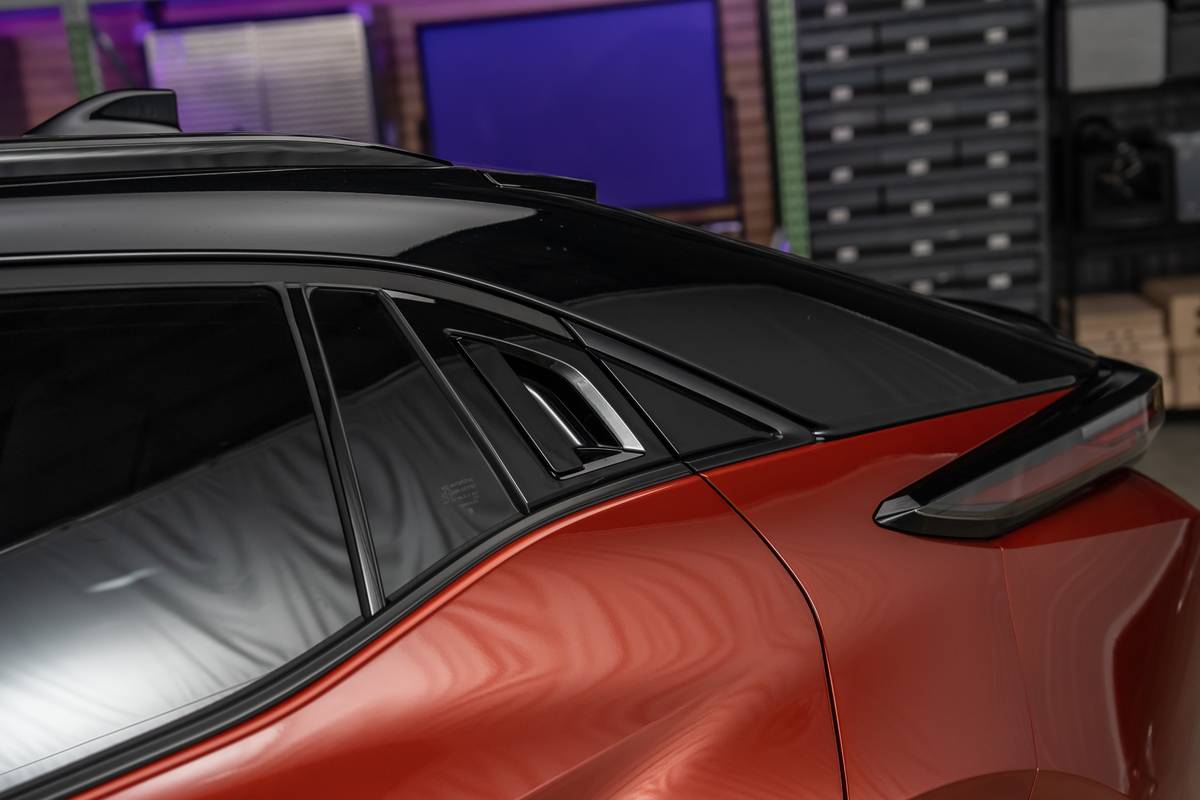
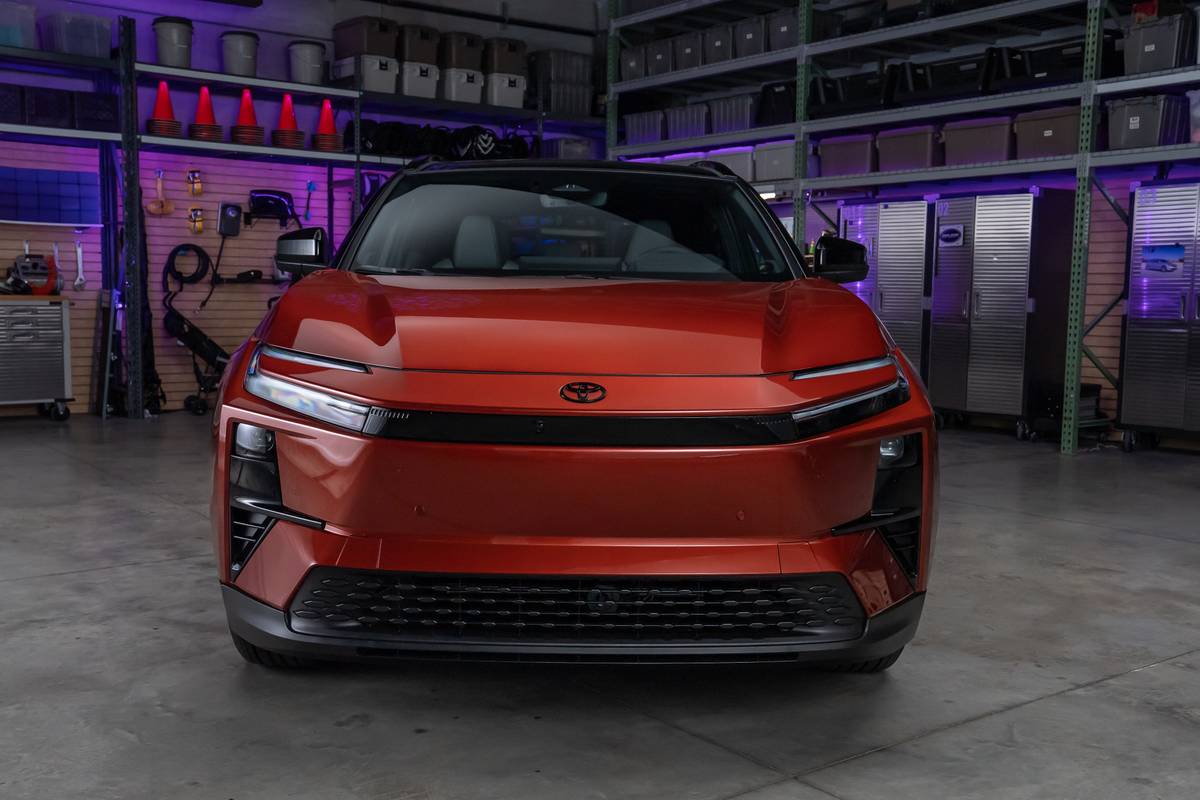
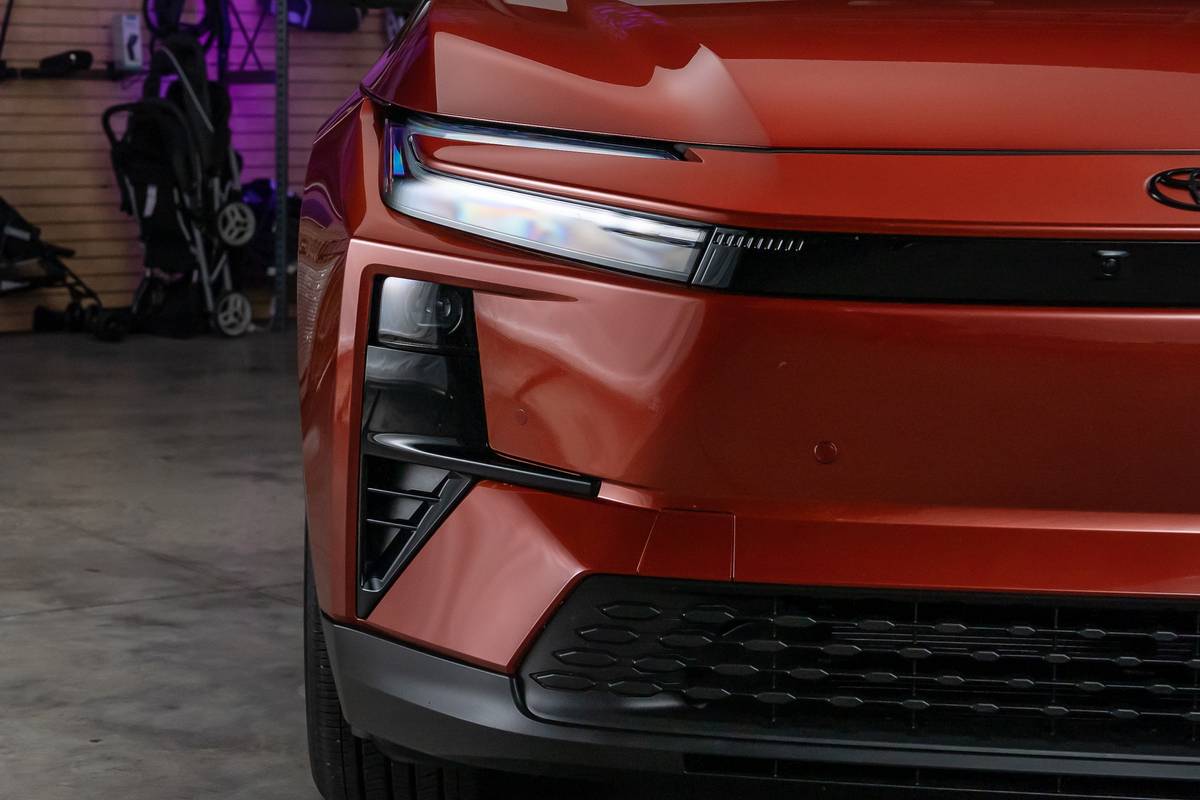
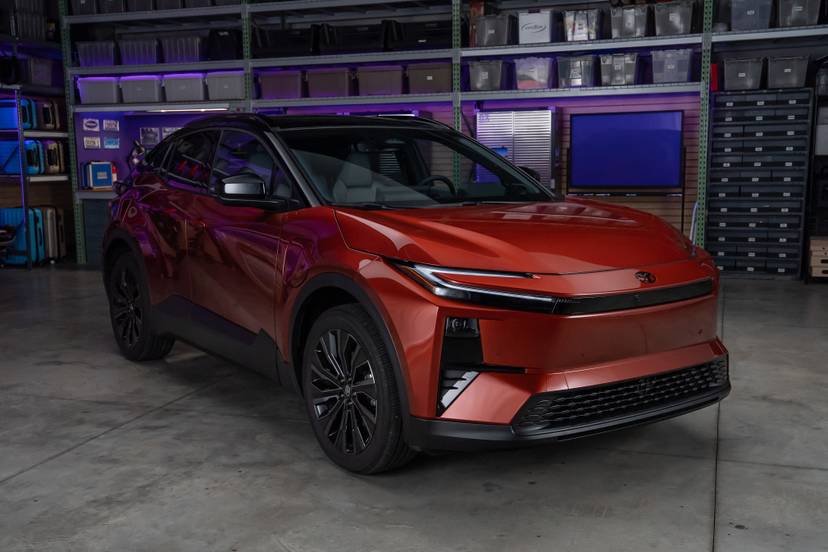
- Toyota has reinvented its C-HR small SUV for 2026 as an electric vehicle; it’s essentially a shortened, fastback-roof version of Toyota’s bZ EV.
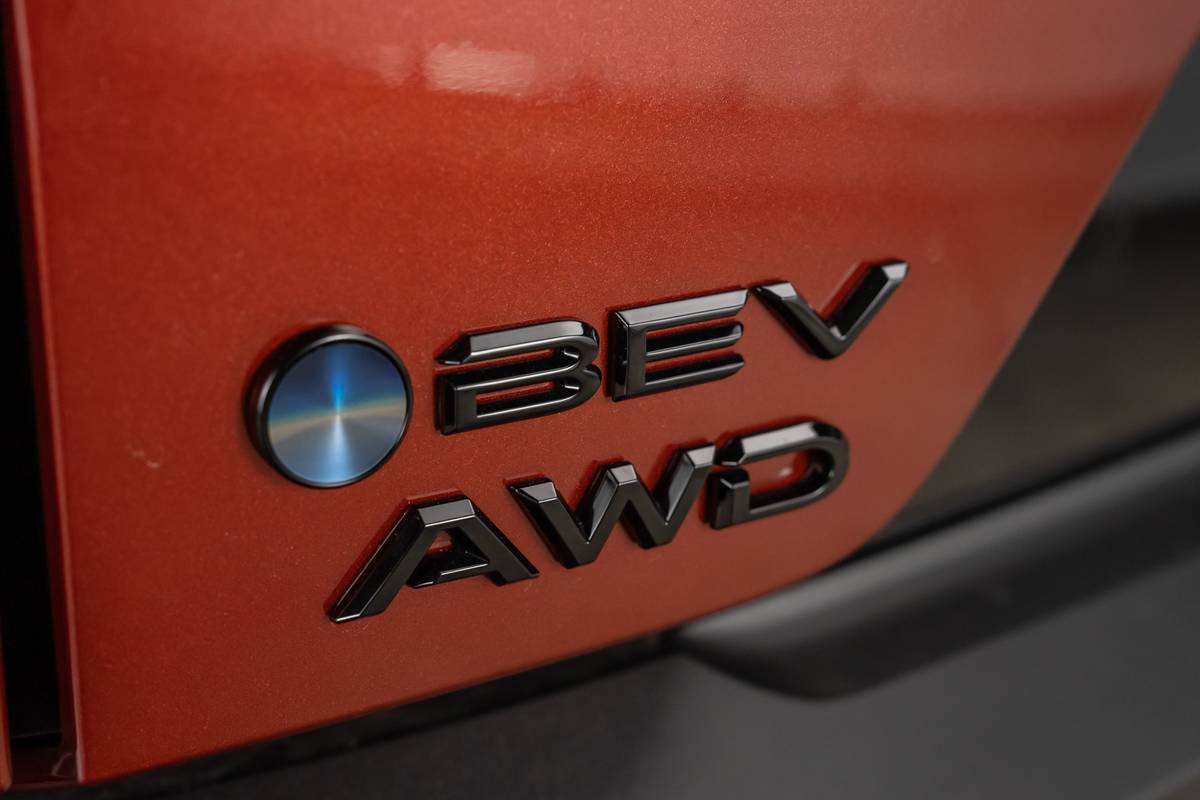
- The C-HR comes standard with a dual-motor all-wheel-drive powertrain that makes 338 horsepower and supplies zippy acceleration.
- The C-HR is more about style than spaciousness, so it’s not the best choice if you’re looking for a roomy backseat or cargo area.
Is the 2026 Toyota C-HR a Good EV?
Depending on what you’re looking for, yes. The C-HR is a quick, stylish small EV that delivers competitive driving range and a generous level of standard features for the money. The C-HR has a somewhat complex relationship to its platform mates (the bZ and bZ Woodland and the Subaru Uncharted, Solterra and Trailseeker); you can read more about that in our West Coast Bureau Chief Conner Golden’s original review of the C-HR by clicking the link below.
Related: The 2026 Toyota C-HR Is Unnecessarily Powerful — and That’s Fine by Us: Review
We’ve now tested a C-HR in our home-turf Chicagoland environs, and I have additional likes and dislikes.
With a base price of $38,595 (all prices include destination fee), the C-HR’s starting price is comfortably below $40,000. That’s still notably pricier than the value leader Chevrolet Bolt and Nissan Leaf (both of which are less powerful and come only with front-wheel drive), but generally on par with competitors like the Ford Mustang Mach-E, Tesla Model Y and Volvo EX30.
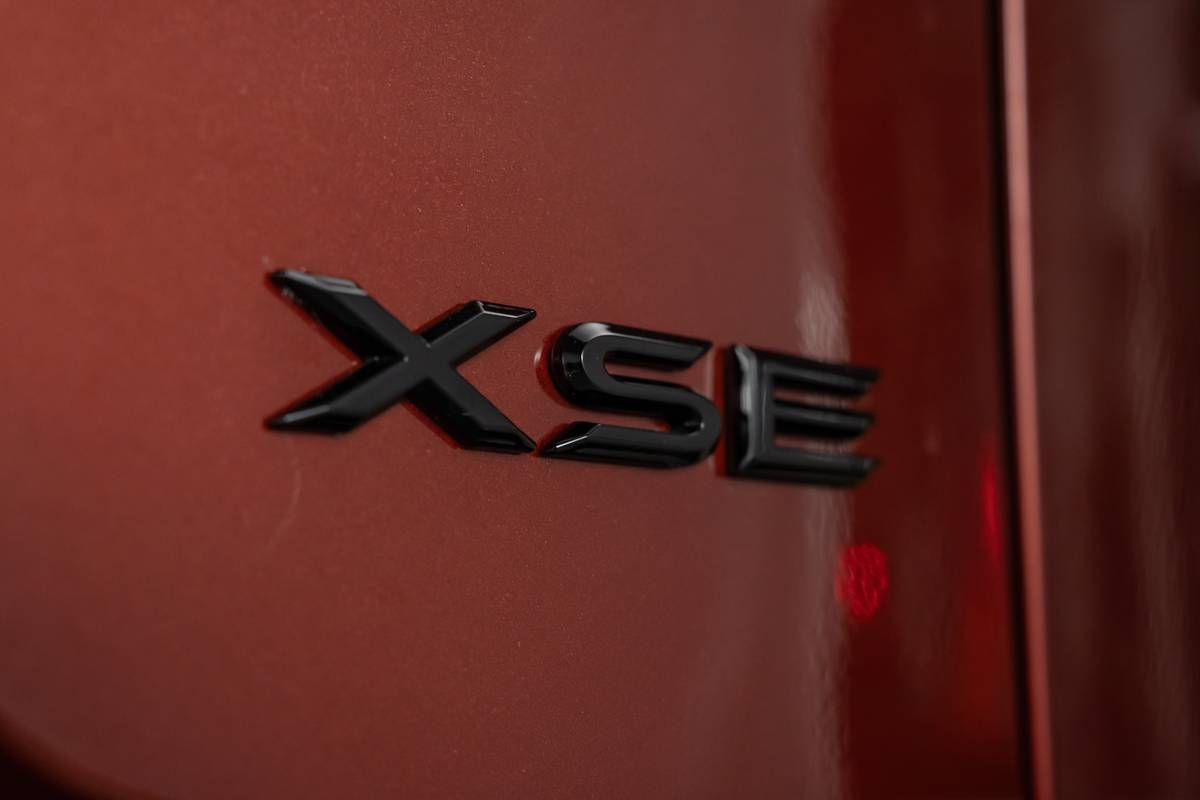
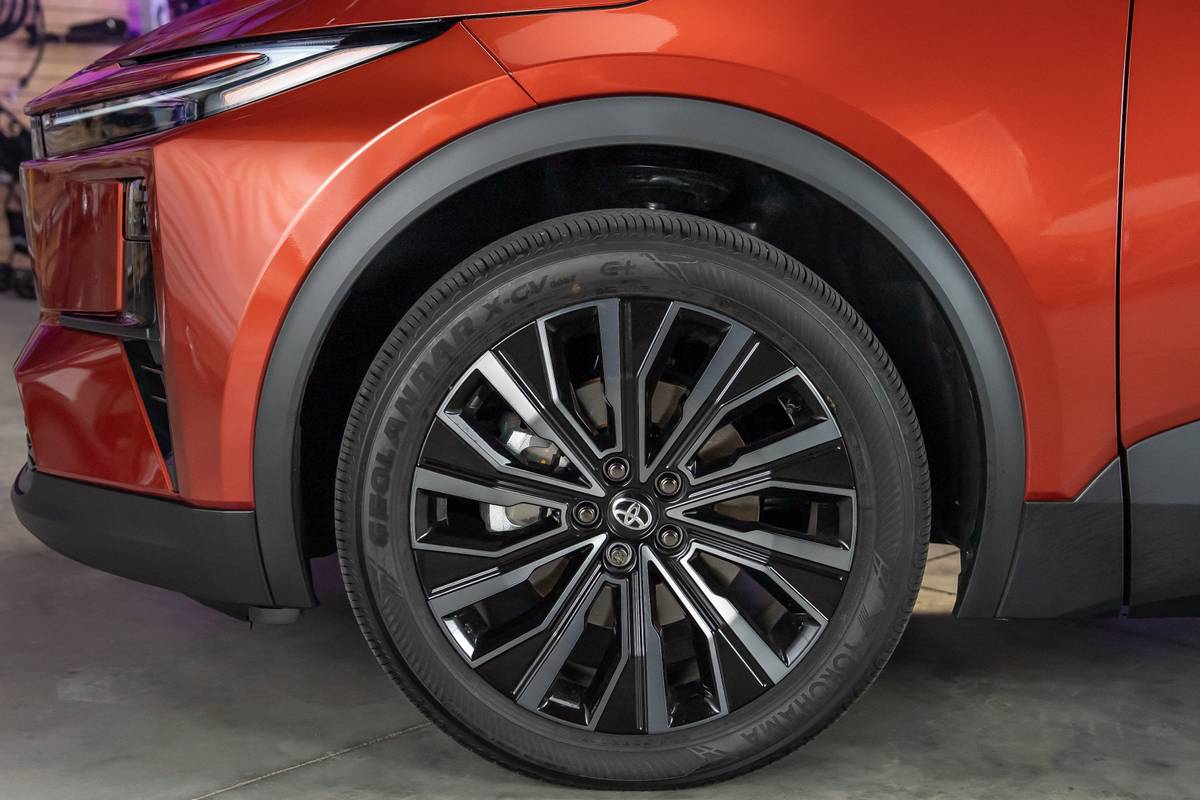
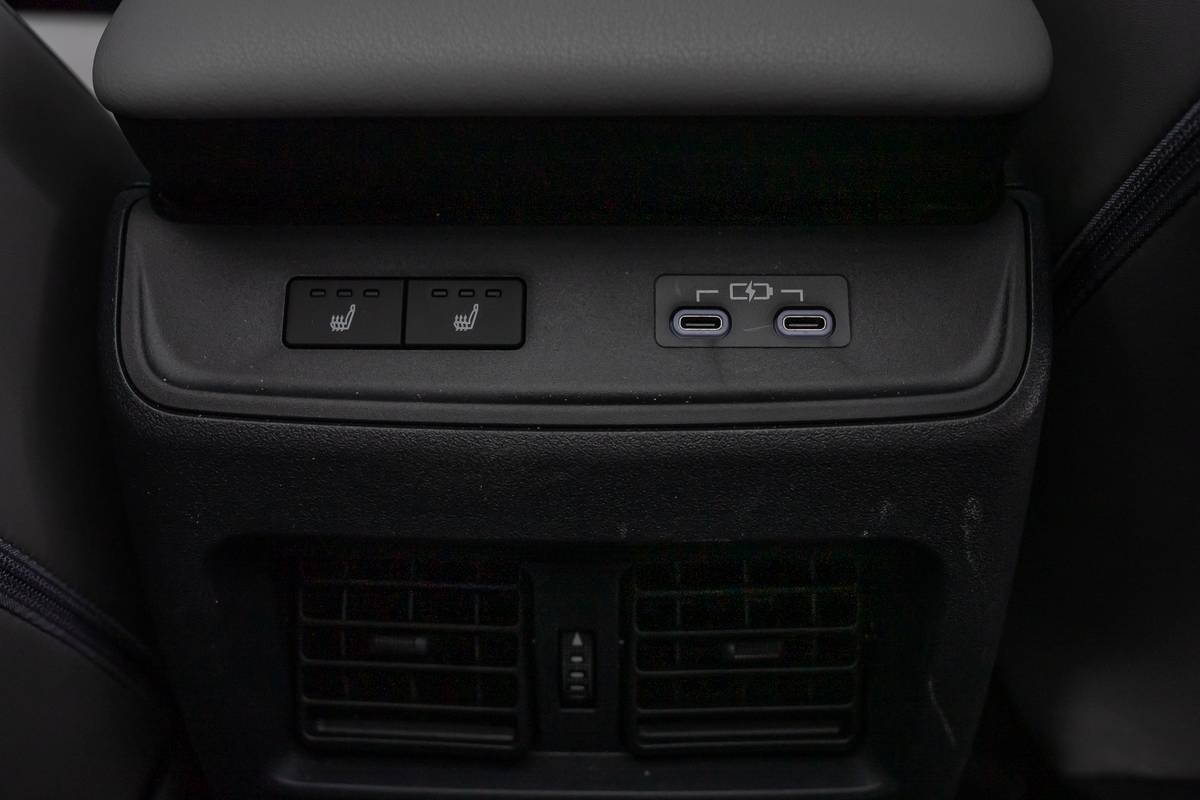
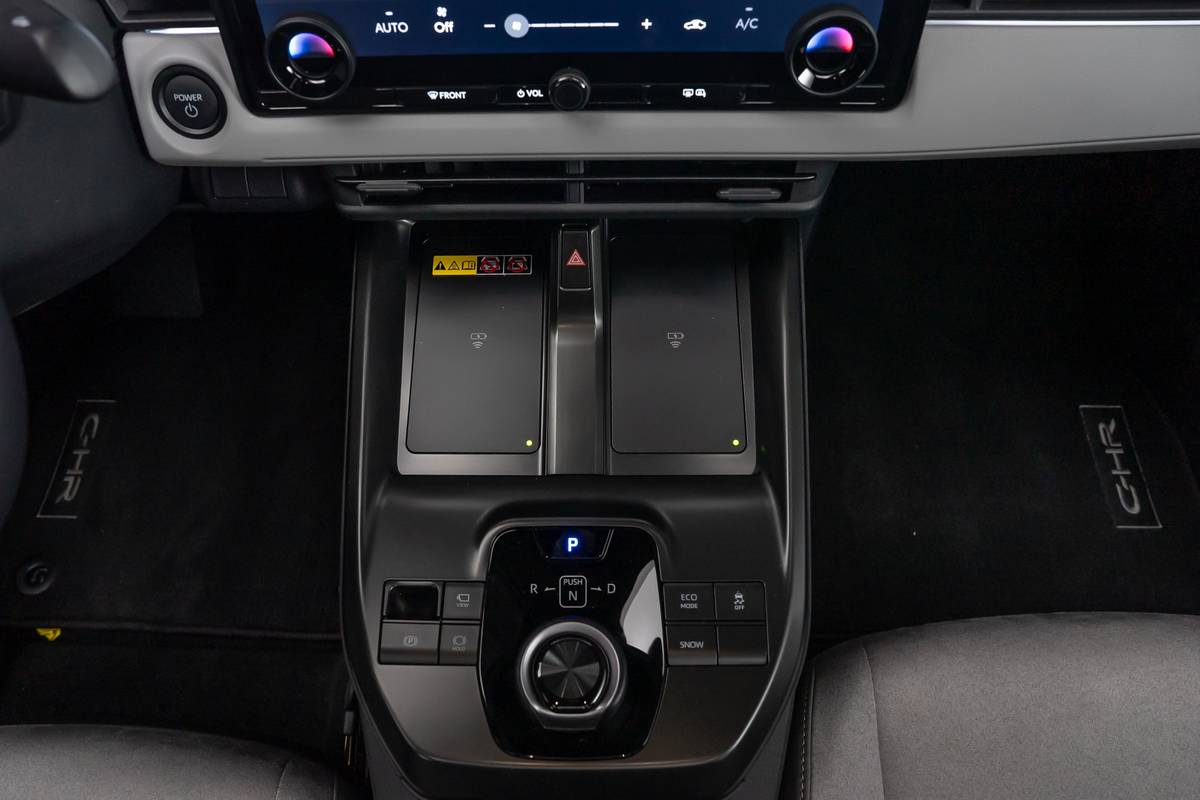
Just two trims are available; the entry-level SE trim comes standard with a power liftgate, keyless entry and starting, heated front seats and steering wheel, dual wireless device chargers, a 7-inch digital gauge cluster and a 14-inch infotainment touchscreen. The XSE adds features like a 360-degree camera system, automated lane change assist, traffic-jam assist, 20-inch wheels and synthetic-suede upholstery inserts instead of cloth. Stepping up to the XSE also unlocks optional features, namely a fixed panoramic glass roof ($1,000), two-tone paint schemes ($500 or $975, depending on the color), a JBL premium audio system ($600) and a cold-weather package that includes a headlight cleaner and heated outboard rear seats ($450).
- Our test vehicle: 2026 Toyota C-HR XSE
- Starting price: $40,595
- As-tested price: $43,574
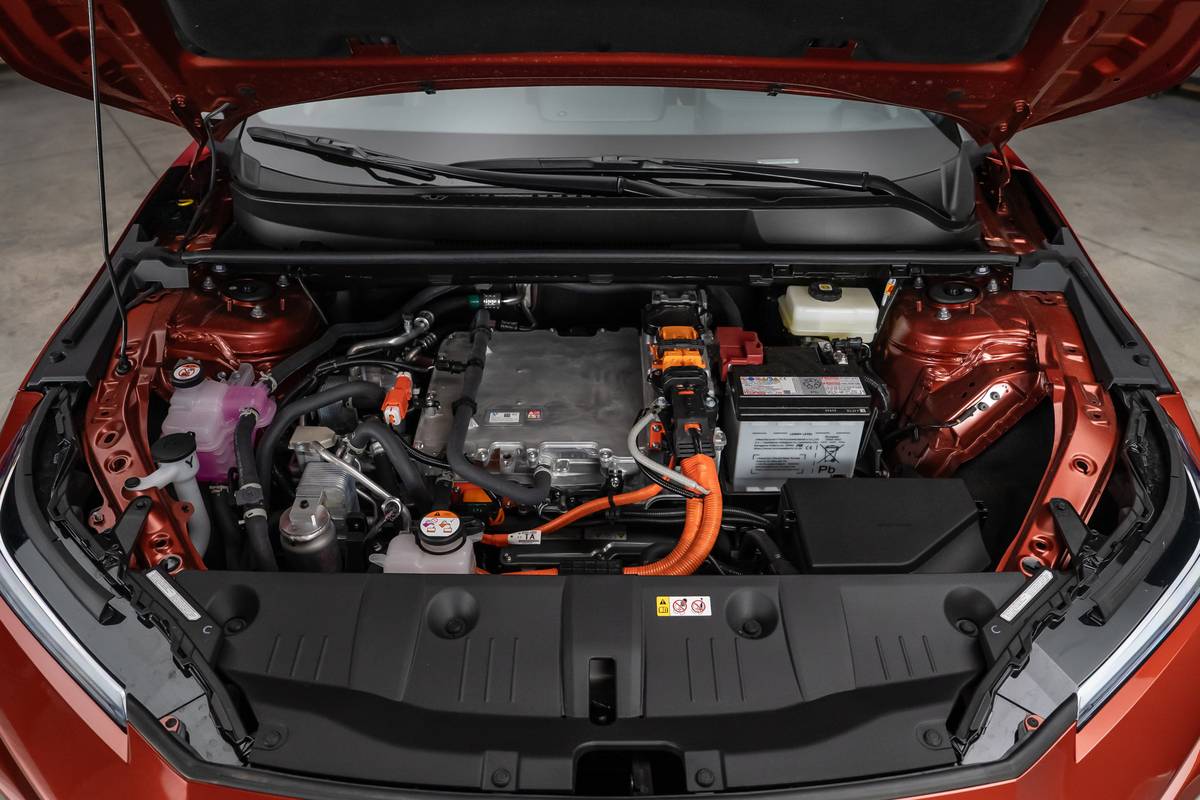
- Powertrain: dual electric motors, 338 hp, all-wheel drive
- EPA-estimated driving range: 273 miles (287 miles in SE trim)
What’s Good About the 2026 Toyota C-HR?
Zippy acceleration: The C-HR’s standard dual-motor powertrain makes it plenty fast. A healthy 338 hp and the instant torque of electric motors mean that you have more than enough acceleration in most every driving situation.
Smooth, pleasant driving experience: Even with its gutsy powertrain, the C-HR delivers a refined, pleasant driving experience. The powertrain and accelerator-pedal response are exceptionally smooth, and the ride is more comfortable than the Mustang Mach-E or Model Y.
Competitive range and pricing: The C-HR’s driving range isn’t class-leading, but it’s in the ballpark of most affordable AWD rivals, and the pricing is competitive, too — the SE and XSE trims both come with a generous level of equipment for the price.
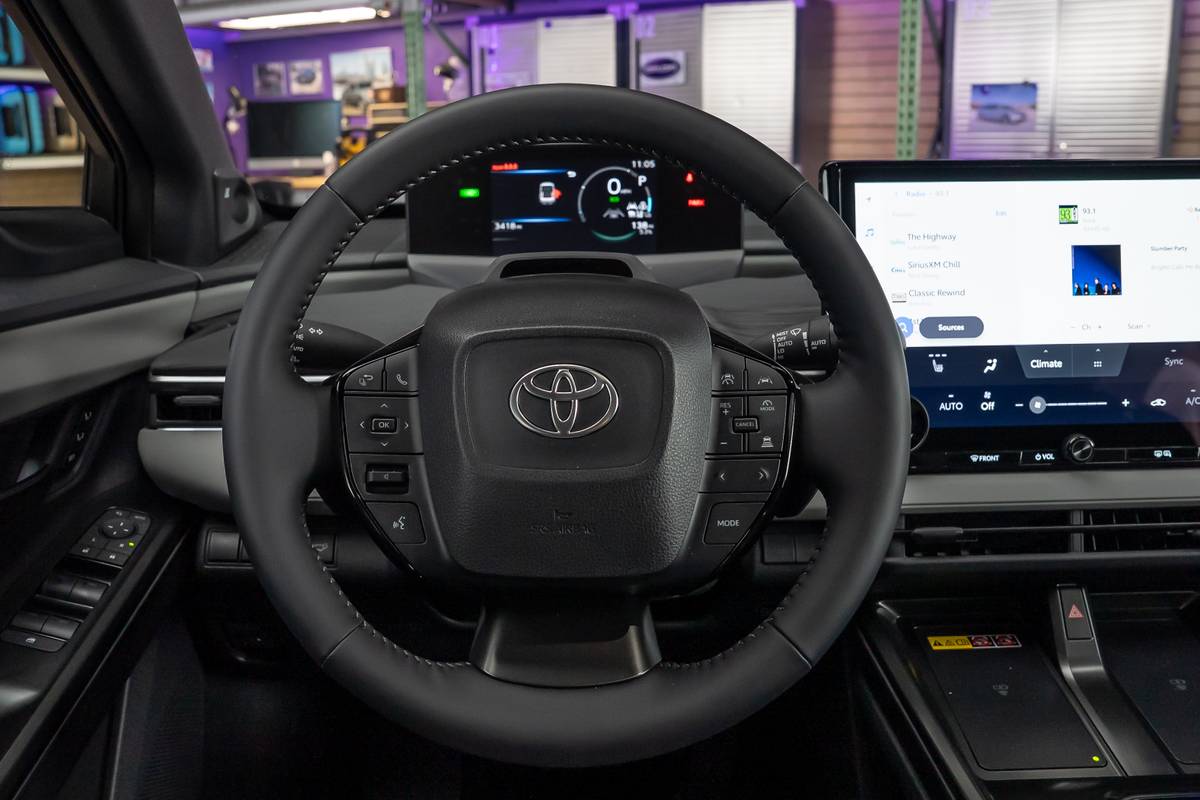
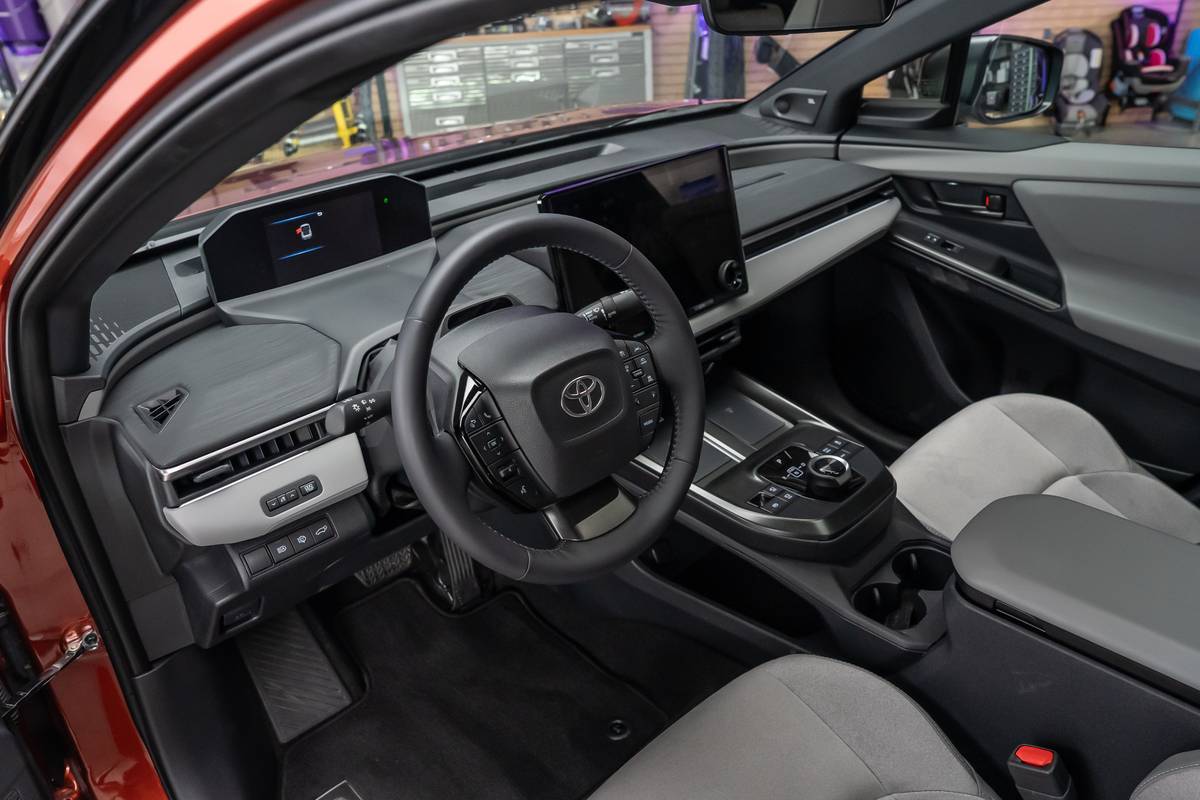
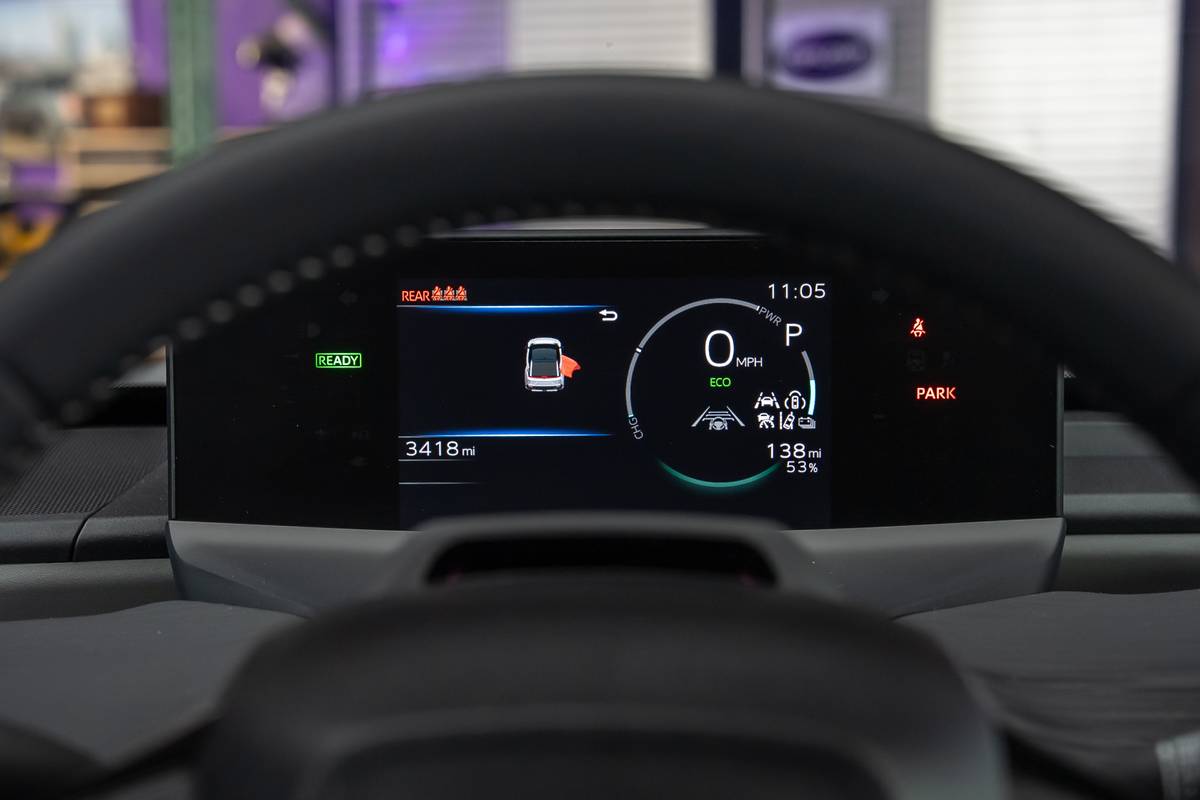
Normal round steering wheel: The C-HR and Subaru Uncharted are the same basic vehicle, but there are a number of differences between them. One of those is that the C-HR has a traditional round steering wheel in place of the Uncharted’s squared-off “squircle” wheel. I often find squircle steering wheels awkward to use and much prefer a normal round wheel. However, both the C-HR and the Uncharted have a forward-mounted gauge cluster that’s meant to be viewed over the top of the steering wheel; I didn’t have any visibility issues, but the C-HR’s round steering wheel may block the view of the gauge cluster for some drivers.
Related Video:
We cannot generate a video preview.
What’s Bad About the 2026 Toyota C-HR?
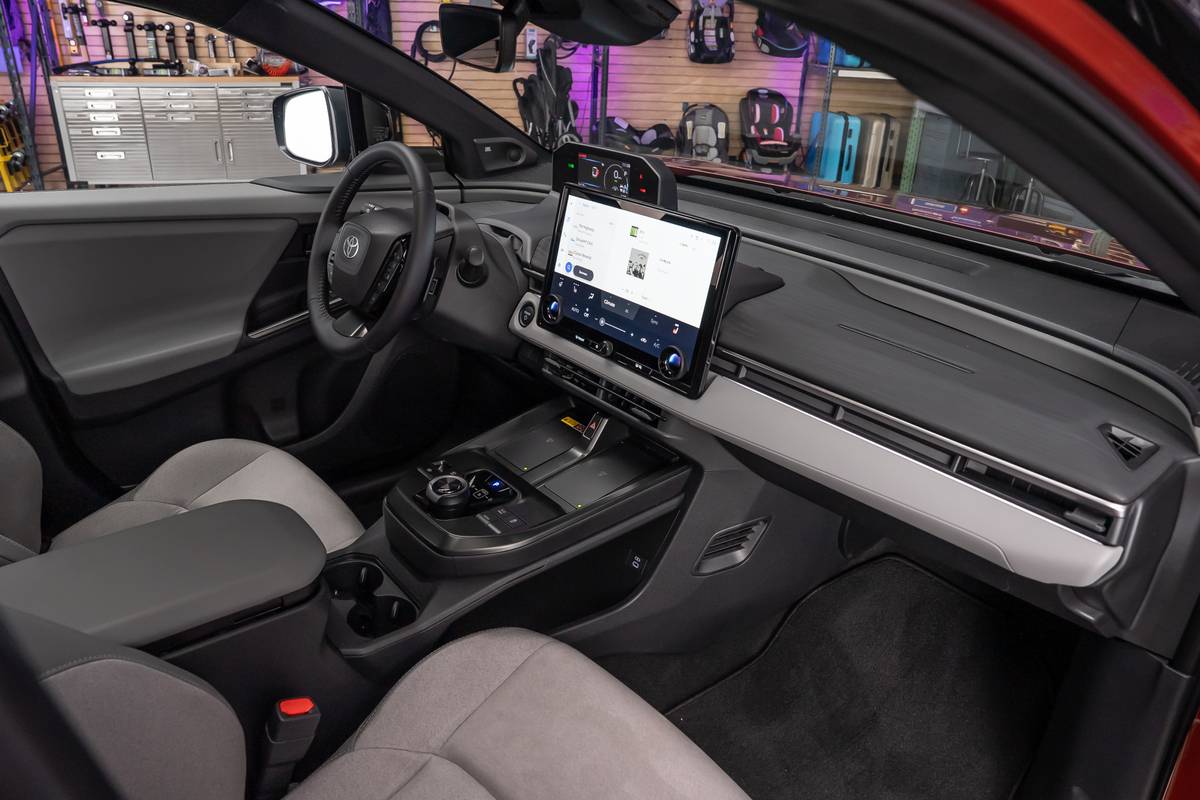
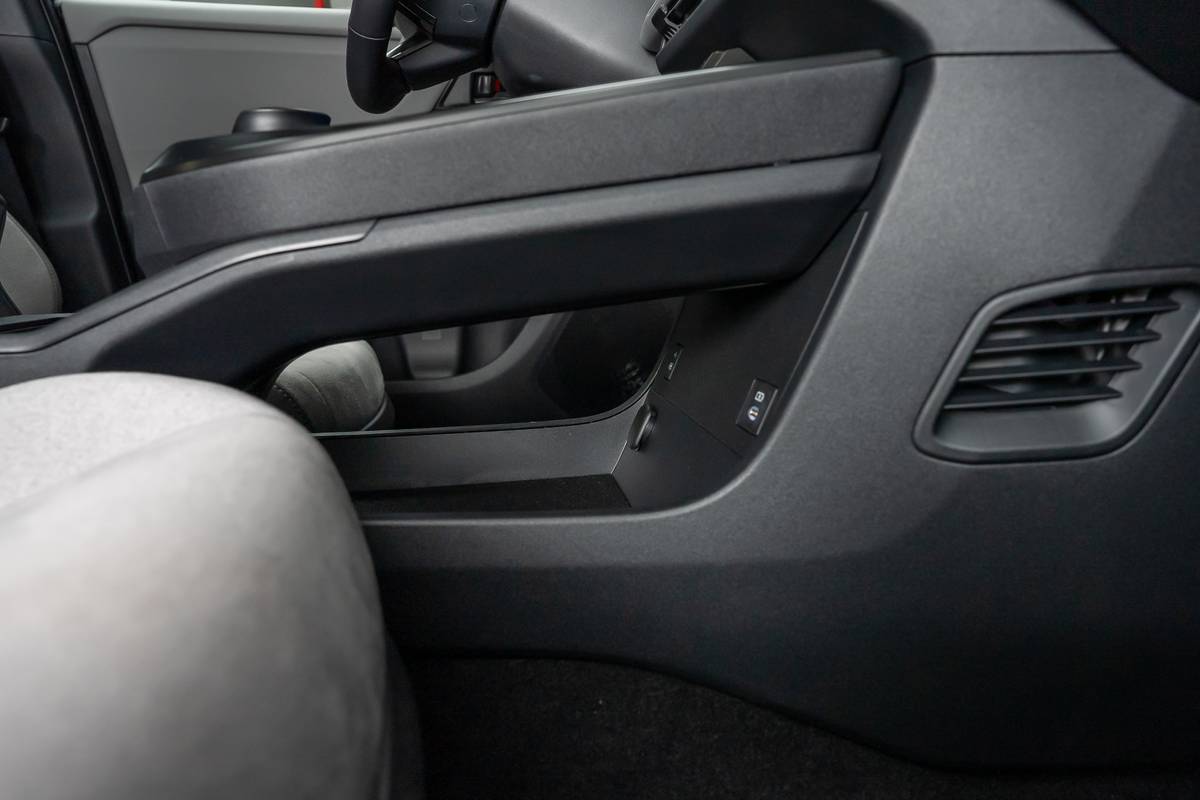
Subpar small-items storage: Like the Uncharted and Toyota’s similar bZ, the C-HR has its share of interior quirks. For one, there’s no glove box. An open area under the center console and a console storage bin with a dual-hinged lid compensate somewhat, but I missed having a traditional glove box. And unlike some EVs, the C-HR and its platform mates don’t have a front trunk under their hoods.
No one-pedal driving mode: Like most EVs, the C-HR has driver-selectable brake-regen modes that alter the level of deceleration when you take your foot off the accelerator pedal, but unfortunately it doesn’t have a one-pedal driving mode that enables you to bring the vehicle to a complete stop without using the brake pedal. Also, the system defaults to the lowest brake-regen setting every time you turn off the vehicle, so you have to manually select the higher regen levels every time you restart the car.
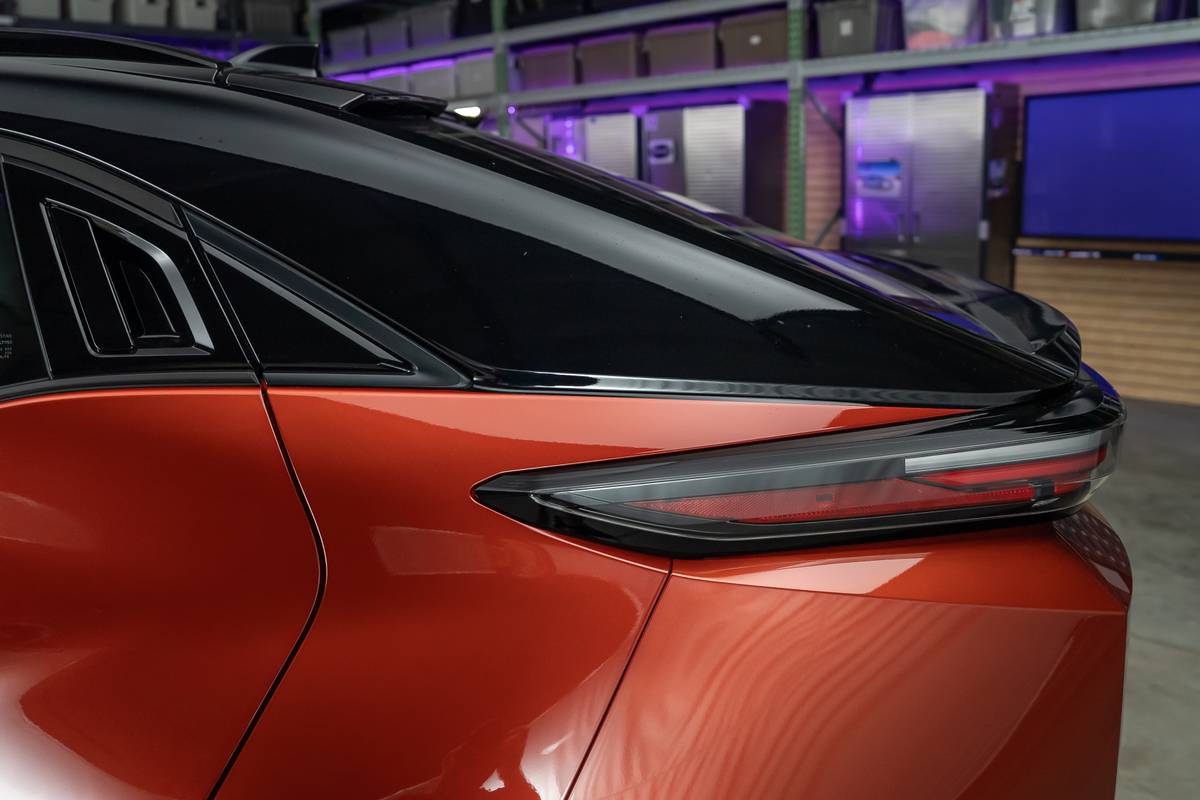
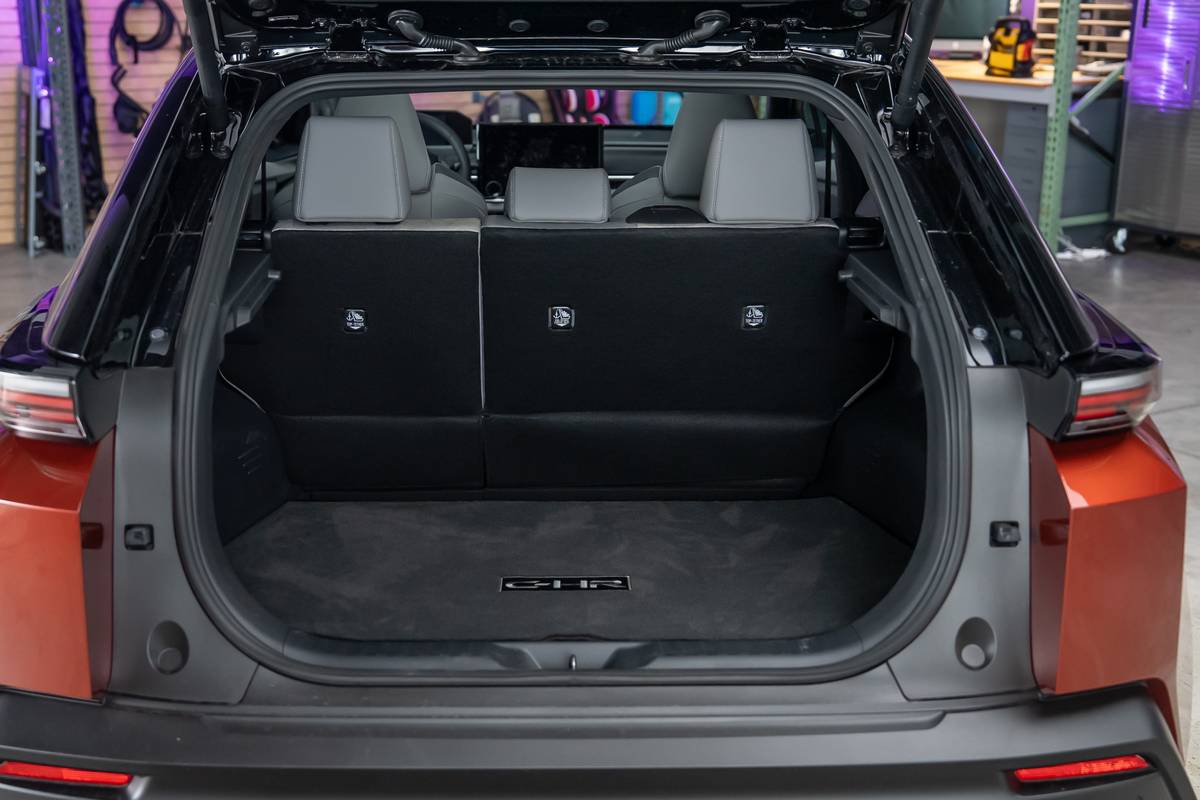
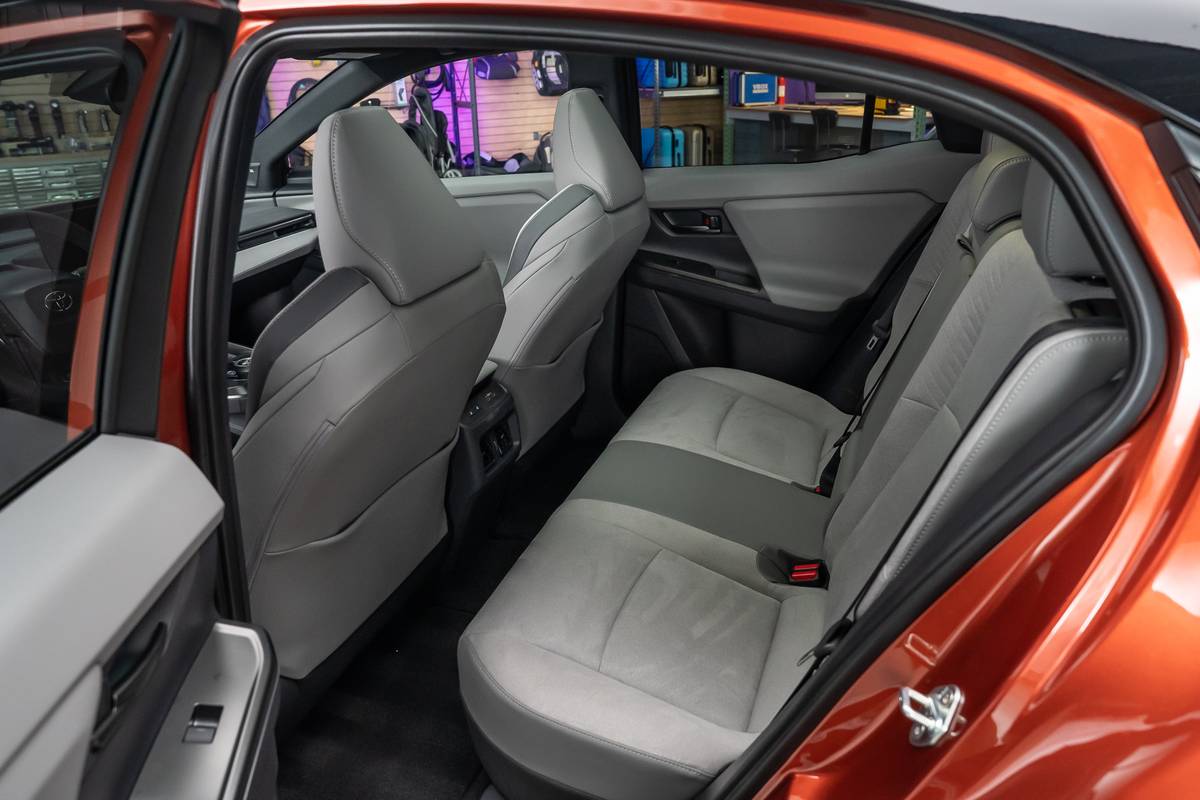
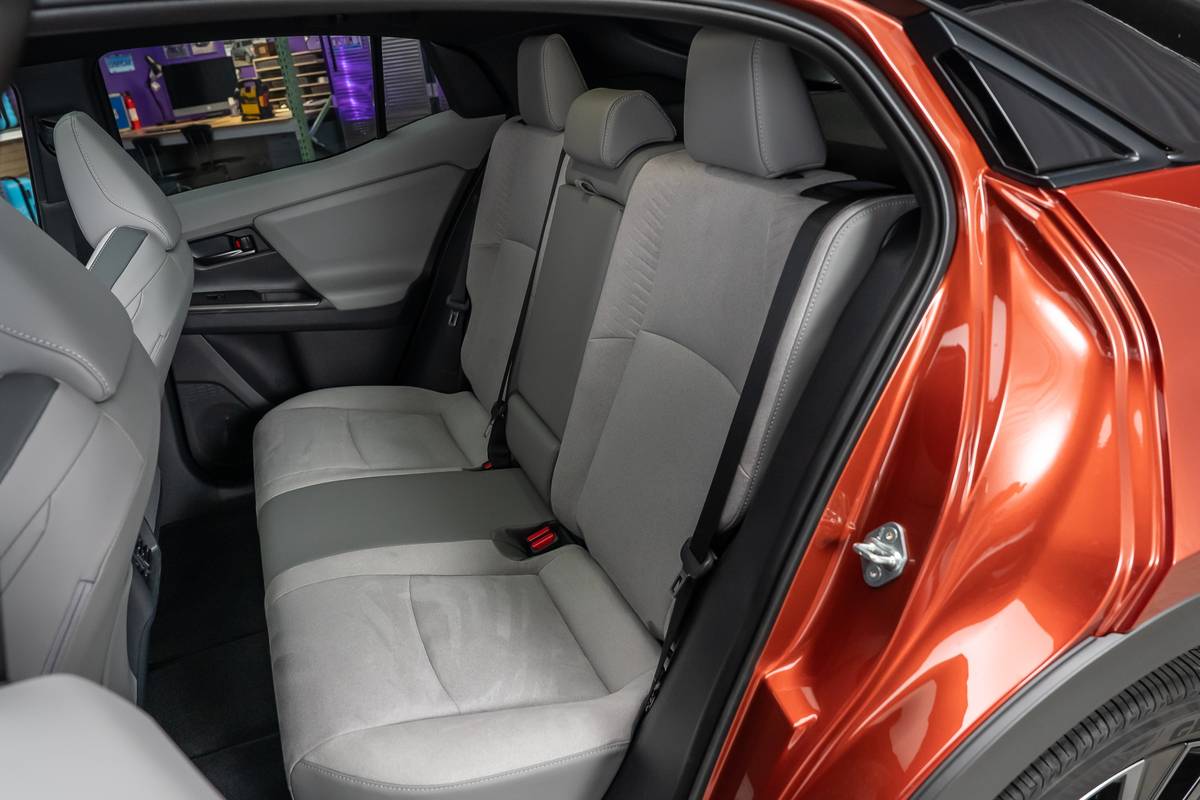
Stingy backseat room and limited cargo space: The C-HR is a shorter, fastback-roof version of the bZ, and it favors style over backseat space and cargo room. If you need a spacious EV, there are better options. I also found the cargo area’s separate positionable floor panels to be clunky and difficult to use.
XSE trim’s synthetic-suede seat upholstery gets uncomfortably warm in hot weather: Since I was driving the C-HR in the midst of a Chicago summer heatwave, I was not a fan of the XSE trim’s synthetic-suede seat upholstery — it gets uncomfortably warm on hot days, and ventilated seats aren’t available.
Should You Buy the 2026 Toyota C-HR?
If you’re looking for a quick, stylish, pleasant-to-drive EV and don’t need a lot of backseat space or cargo room, the C-HR is a fine choice. Just be sure you’re OK with its interior and control-layout quirks.
Read More About the Toyota C-HR on Cars.com:
- How Much Is the 2026 Toyota C-HR?
- Toyota Resurrects C-HR as Electric Compact SUV
- 2026 Toyota C-HR Up Close: Spunky Questions
- That Was Fast: Deals Aplenty on the Unnecessarily Powerful 2026 Toyota C-HR
- Why No Toyota SUV Earned an IIHS Top Safety Pick for 2026
Cars.com’s Editorial department is your source for automotive news and reviews. In line with Cars.com’s long-standing ethics policy, editors and reviewers don’t accept gifts or free trips from automakers. The Editorial department is independent of Cars.com’s advertising, sales and sponsored content departments.







.png)