










What Car Shoppers Need to Know
- Two powertrains are available in Honda’s compact CR-V — gasoline-only and hybrid — but the higher initial cost of the hybrid could take around seven years (on average) to recoup in fuel savings.
- The CR-V’s strengths are the same with either powertrain: great space, solid performance and excellent efficiency in an easy-to-use format.
- Our pick is also the lineup’s bestseller: a gas-only EX-L with all-wheel drive, which represents the best value for your money in the CR-V family.
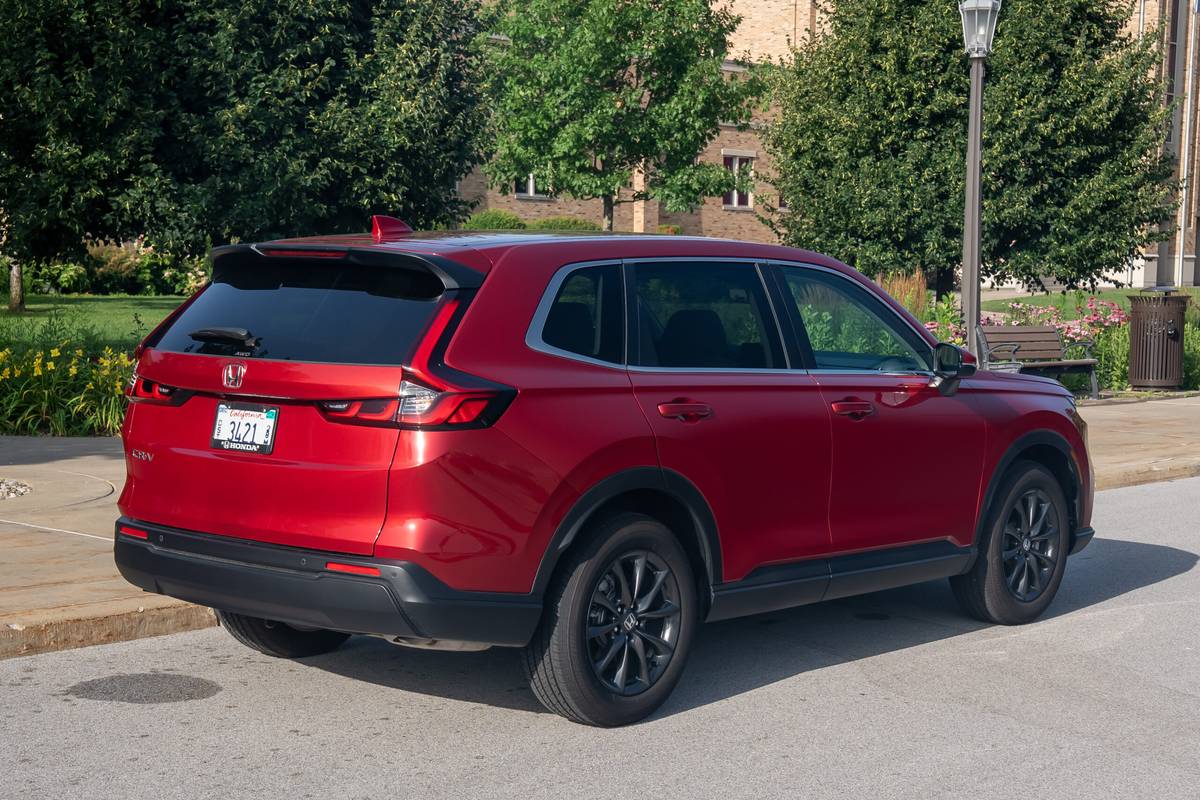
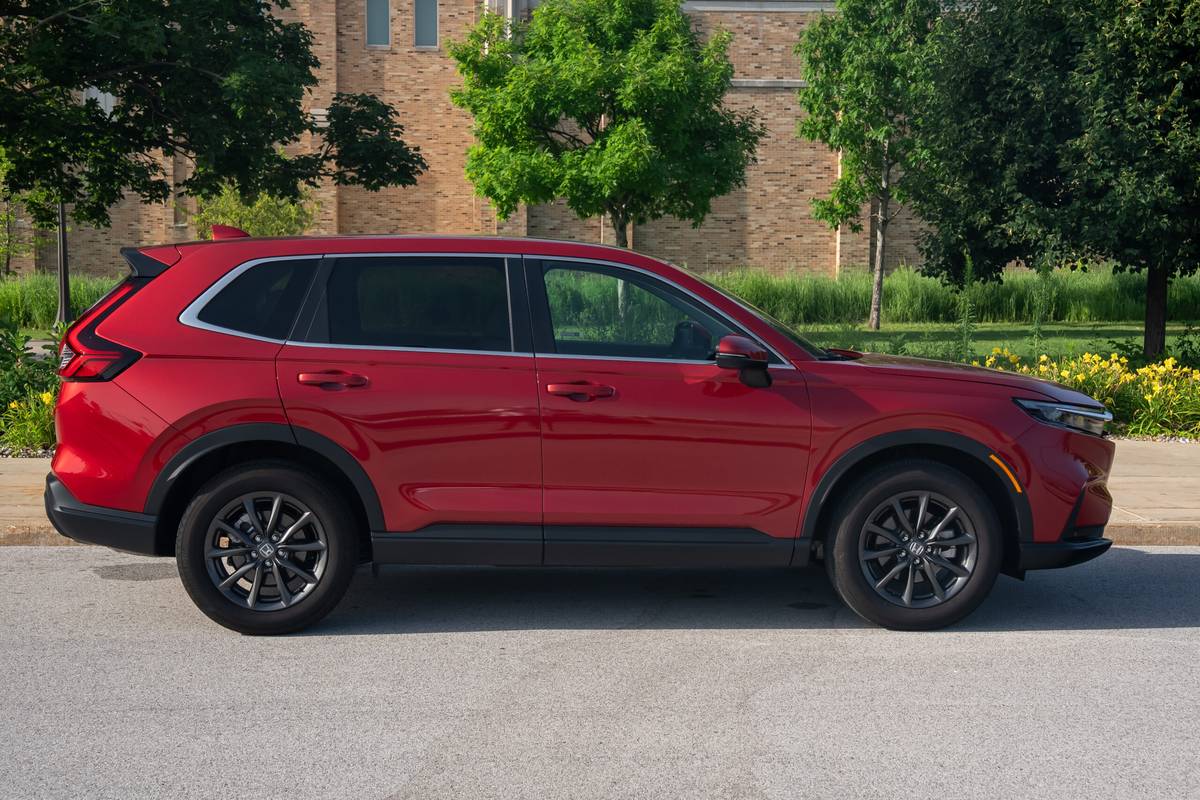
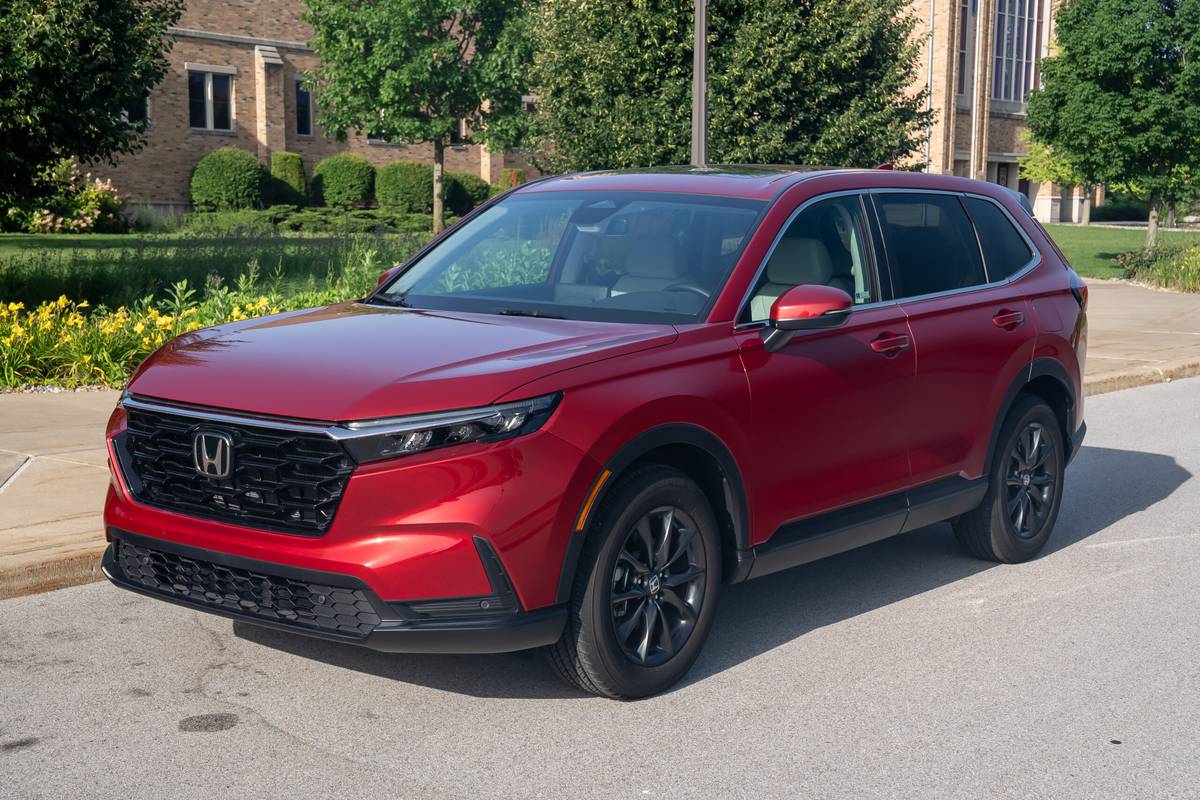
Thanks to a slow rollout of its new generation, the latest Toyota RAV4 just might lose its crown as the bestselling SUV to its longtime rival, the Honda CR-V. And of the many varieties of CR-V, this is the one Honda sells the most of: the EX-L. We included the latest CR-V hybrid in our most recent compact SUV comparison test, and it came in second to the overall winner, the 2026 Volkswagen Tiguan. But Honda sells more gas-only CR-Vs than hybrids, so we wanted to see what living with the fan favorite was like.
I’m happy to report that after a week behind the wheel, the EX-L is just as good as the hybrid — and cheaper, too.
Related: What’s the Best Compact SUV for 2026?
What Does the Honda CR-V Trim Range Look Like?
The CR-V is available in an impressive number of distinct configurations, but there are essentially two paths you can take: gas-only or hybrid. Fun fact: All the gas-powered models have an “X” somewhere in the trim name, while all the hybrids’ names include the word “Sport.” Every trim except the TrailSport Hybrid and Sport Touring Hybrid have standard front-wheel drive, and all prices listed below include a $1,450 destination fee.
| Trim | Starting Price |
| LX | $32,370 |
| EX | $34,600 |
| EX-L | $36,850 |
| Sport Hybrid | $37,080 |
| TrailSport Hybrid | $40,250 |
| Sport-L Hybrid | $40,175 |
| Sport Touring Hybrid | $44,000 |
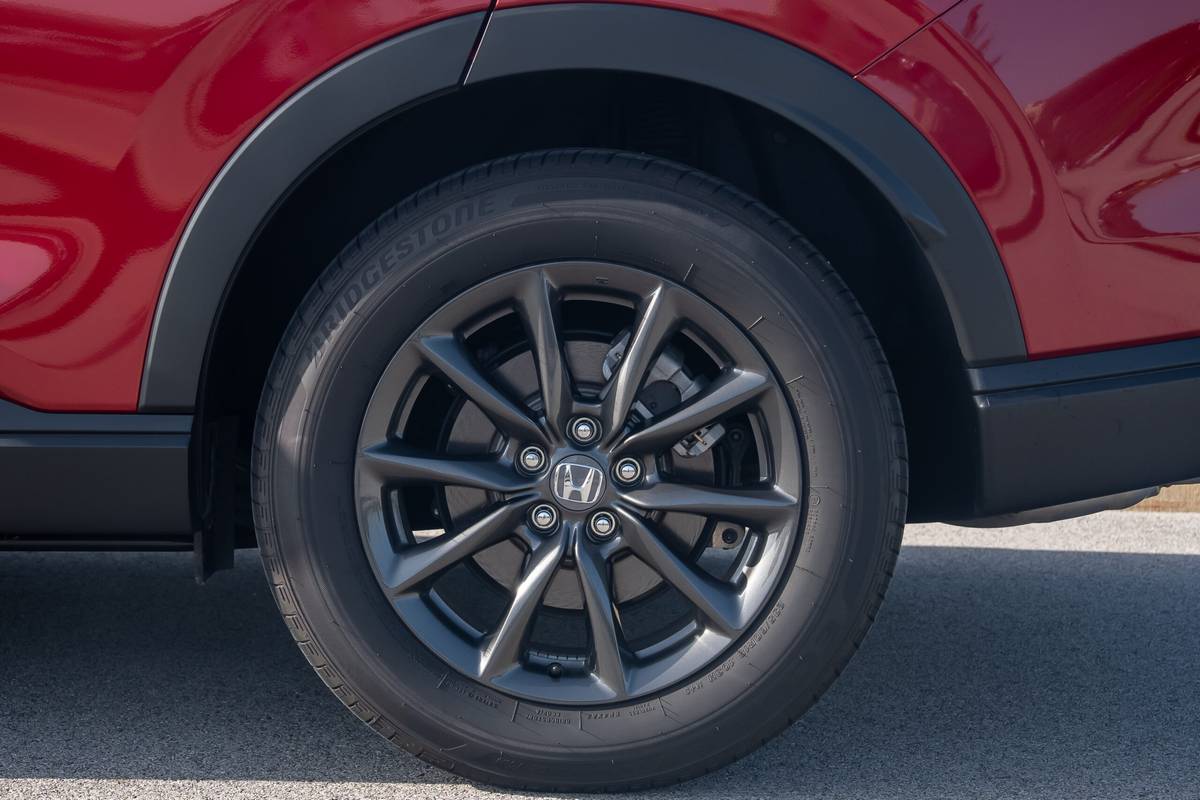
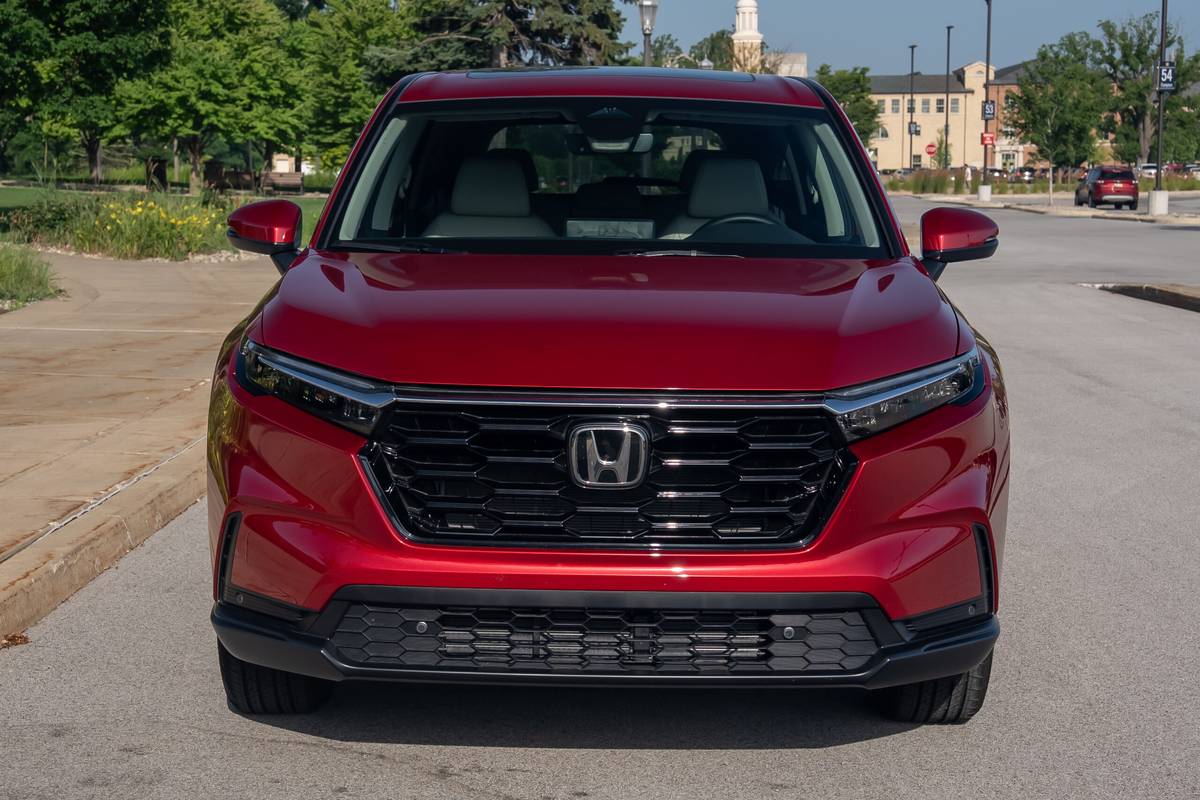
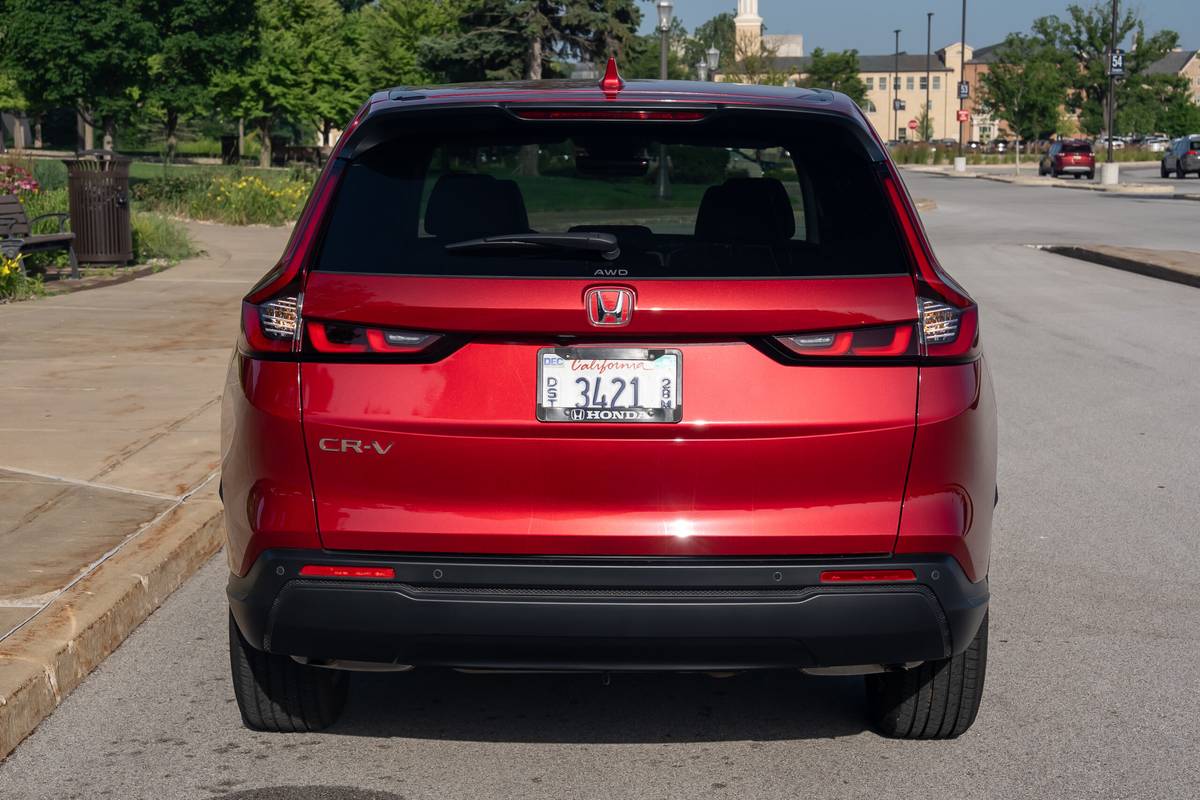
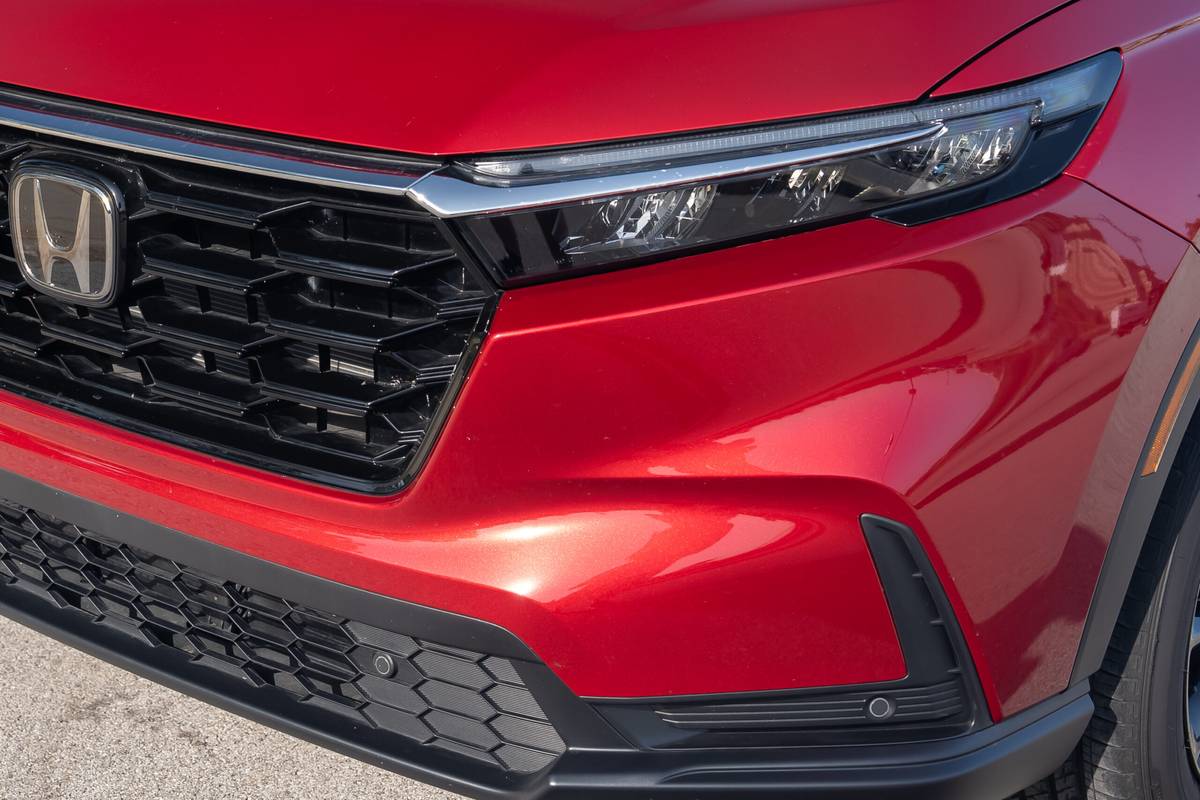
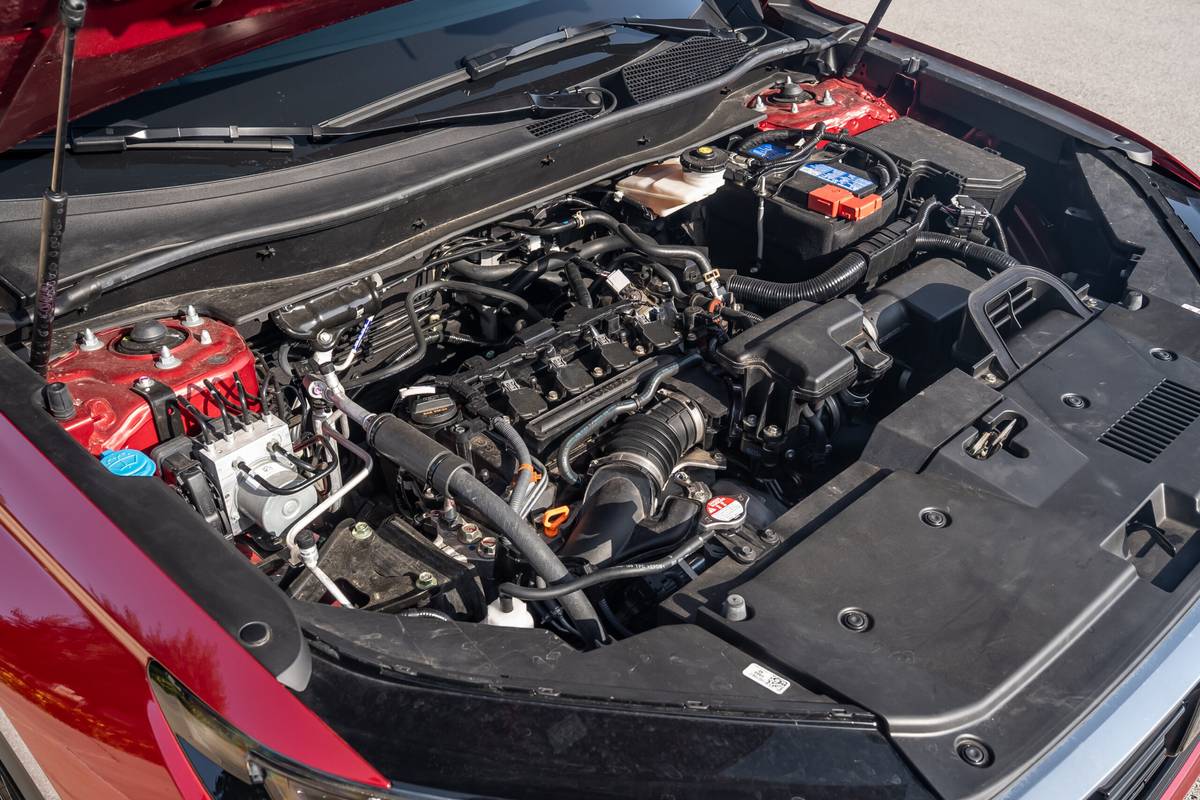
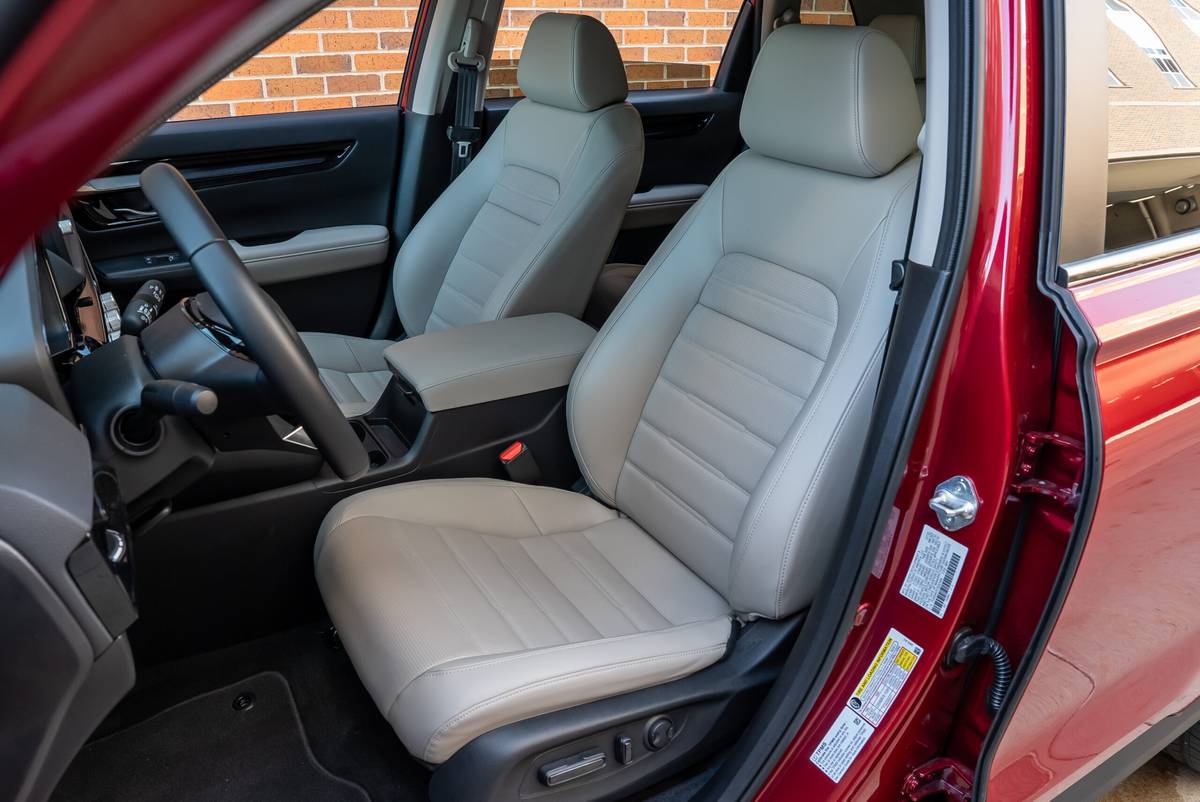
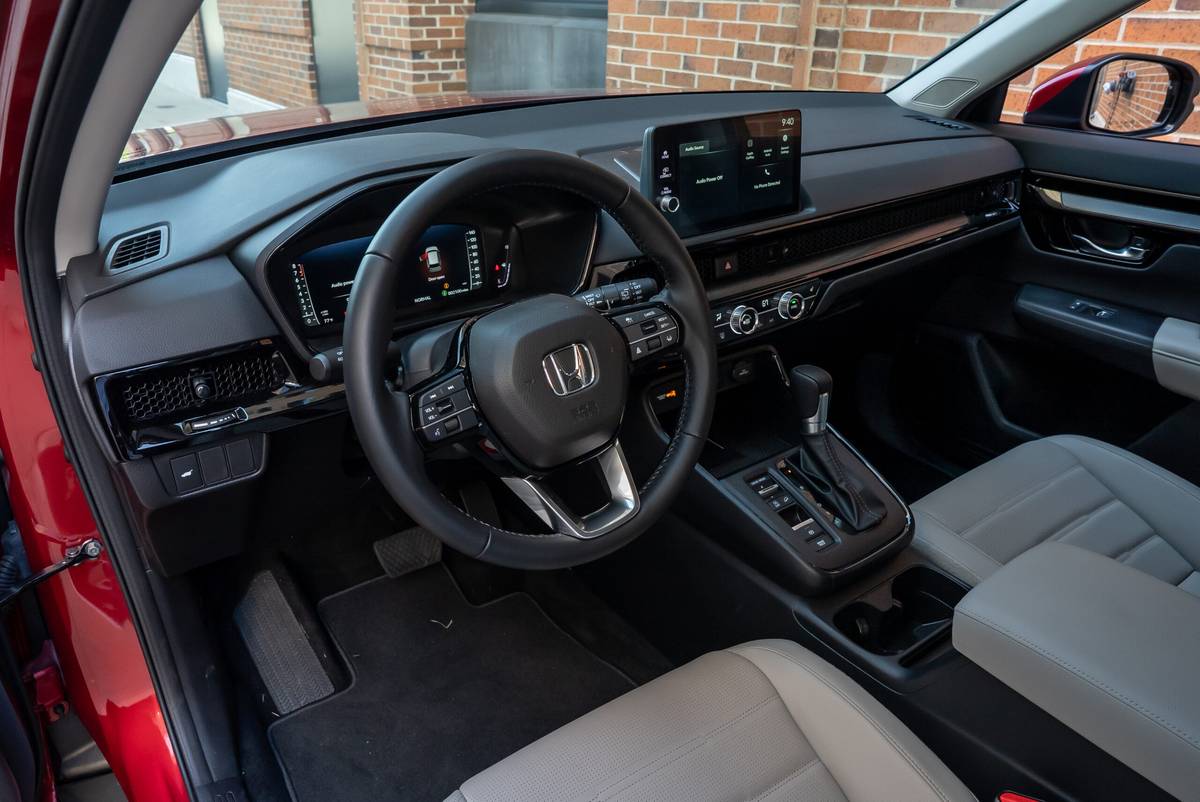
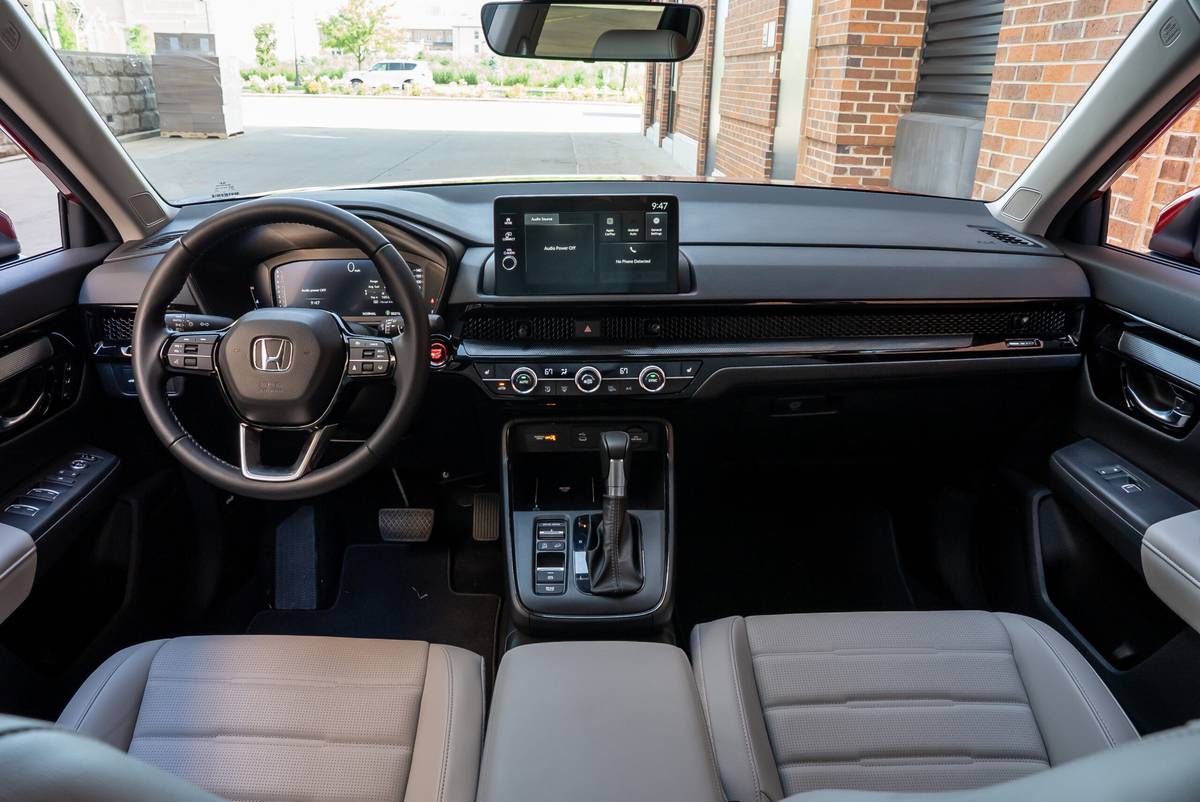
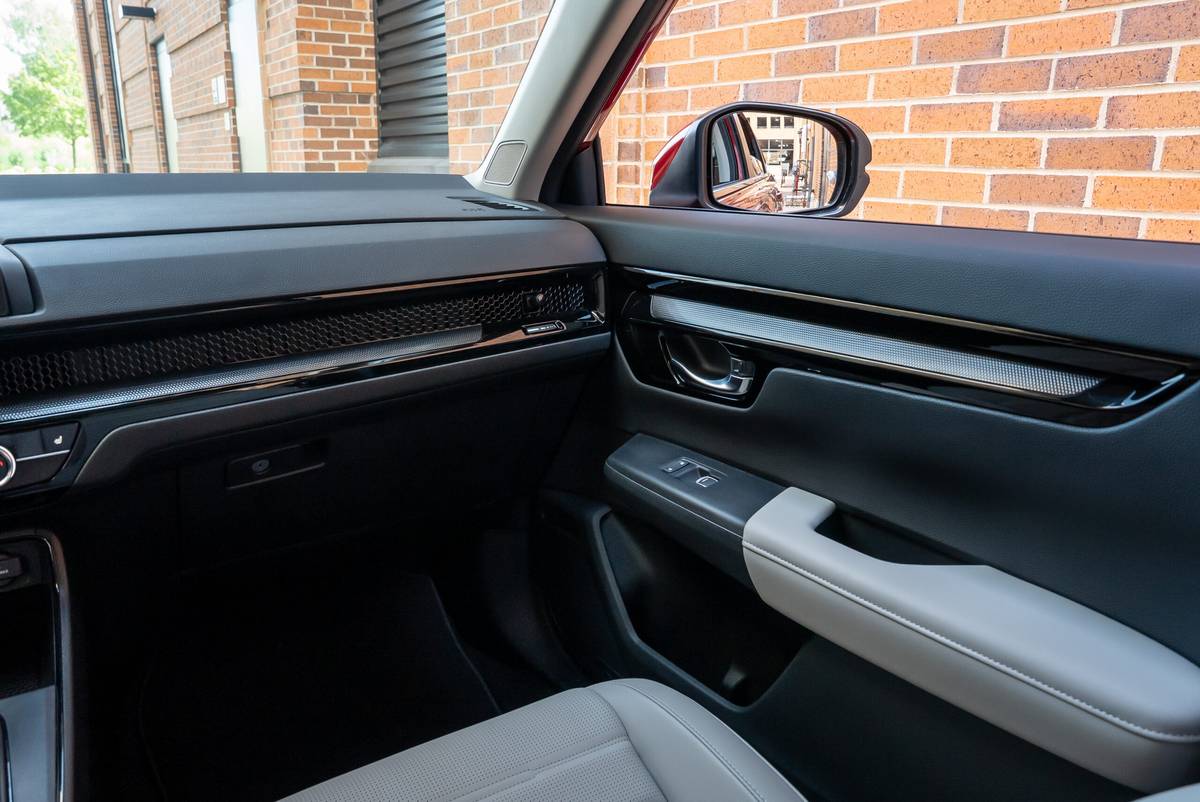
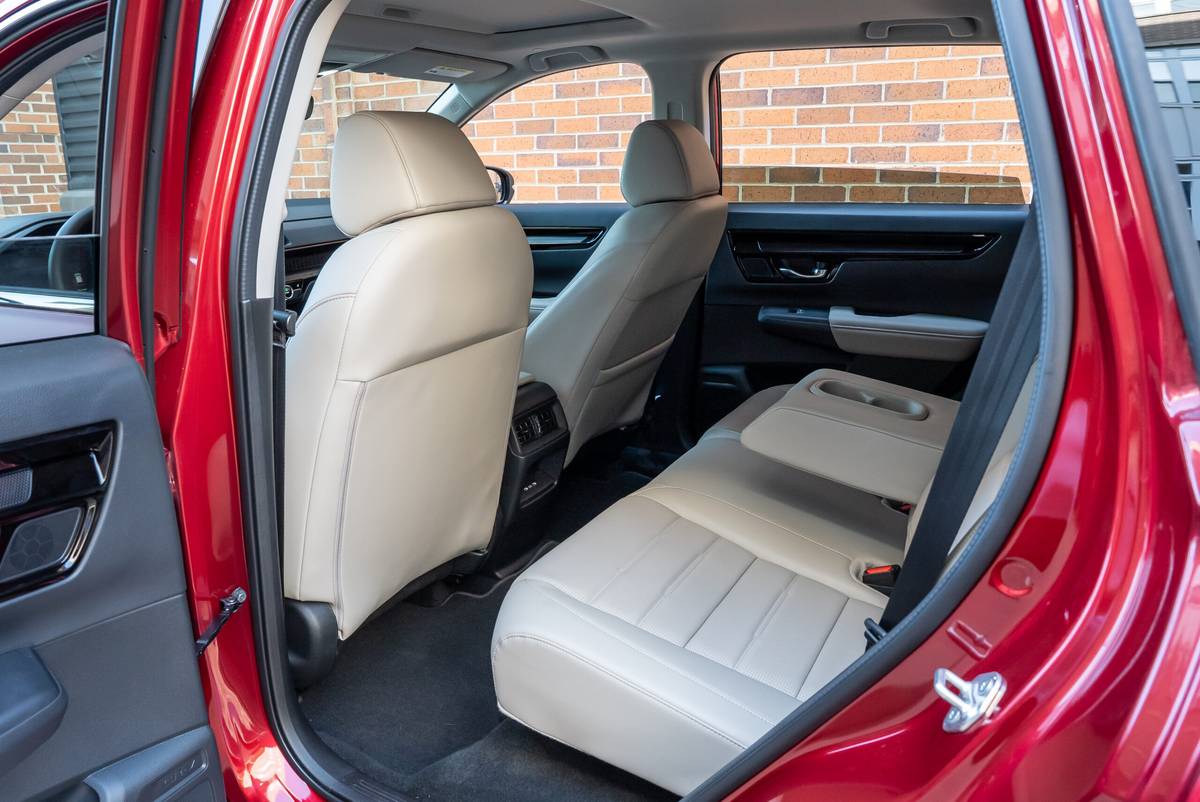
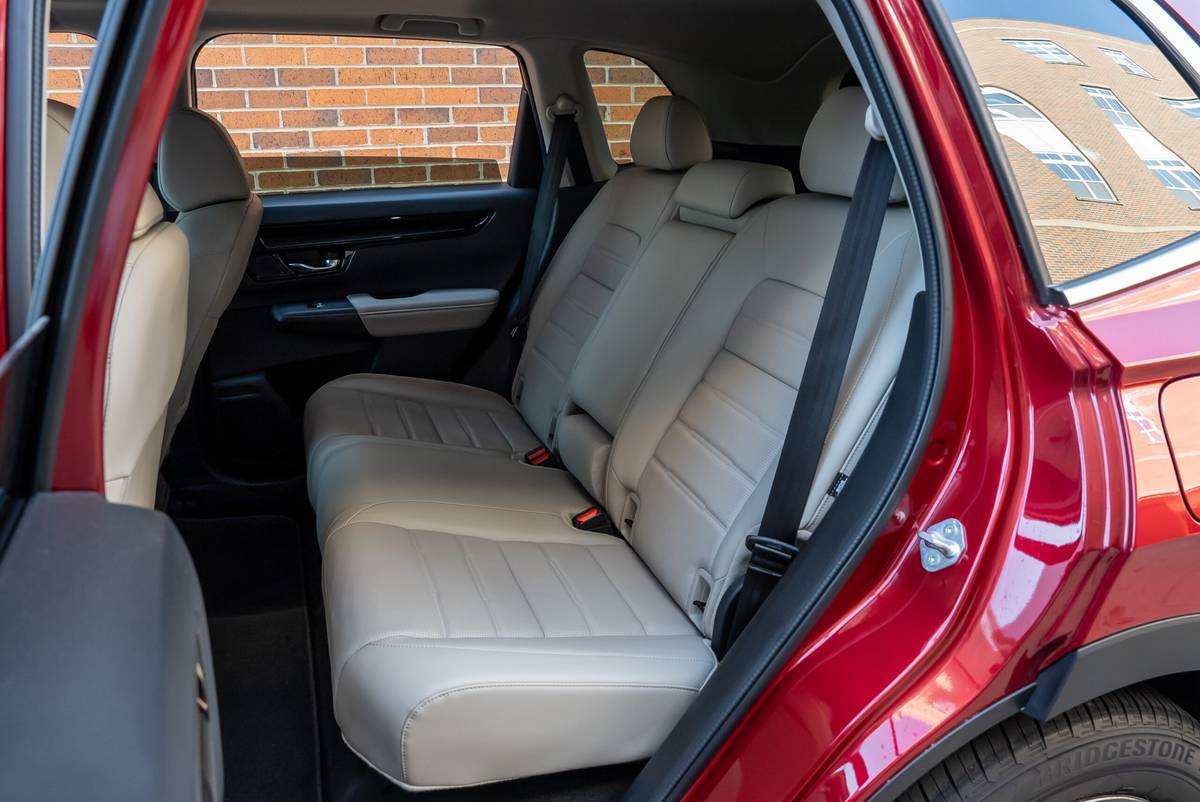
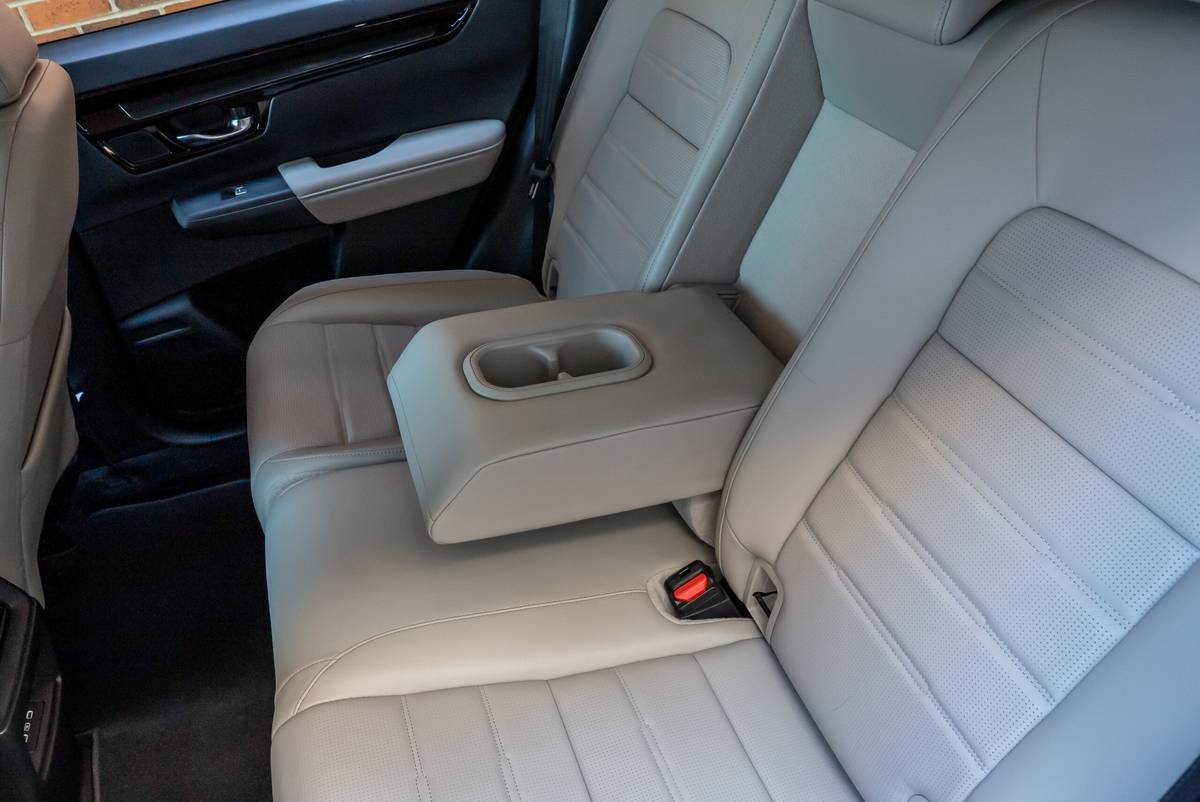
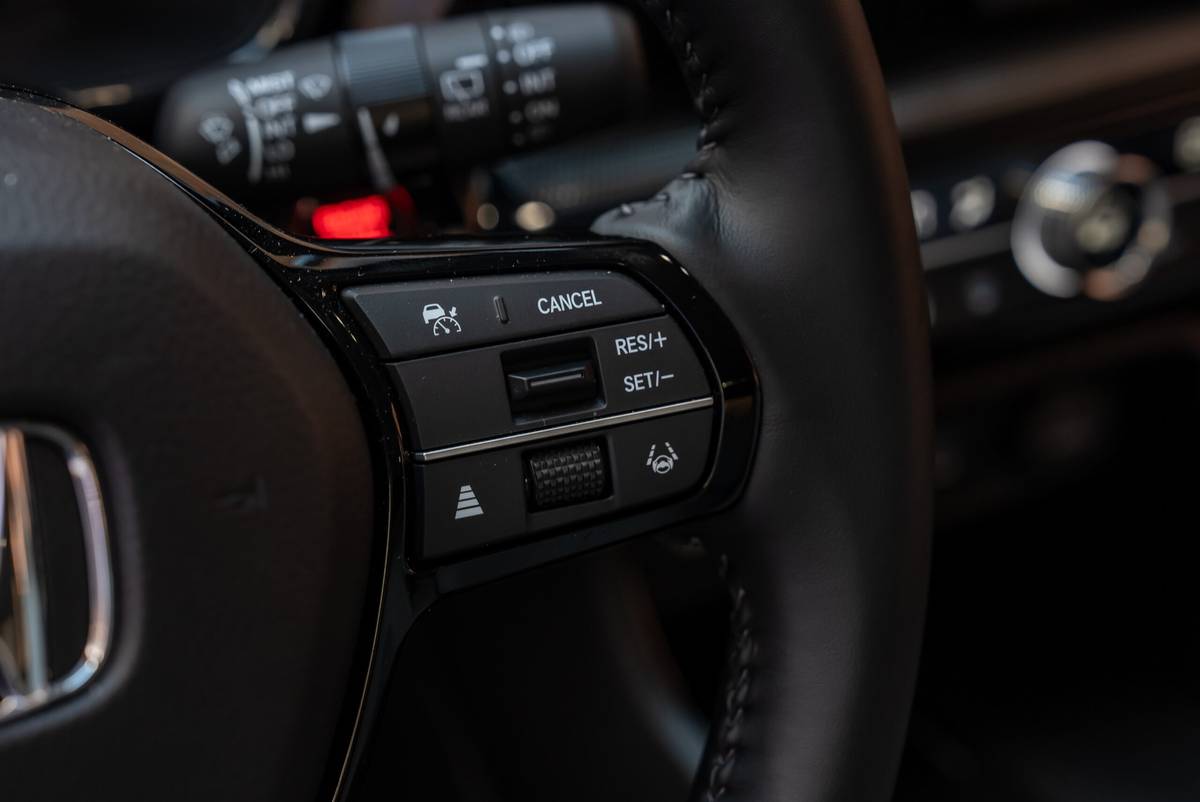
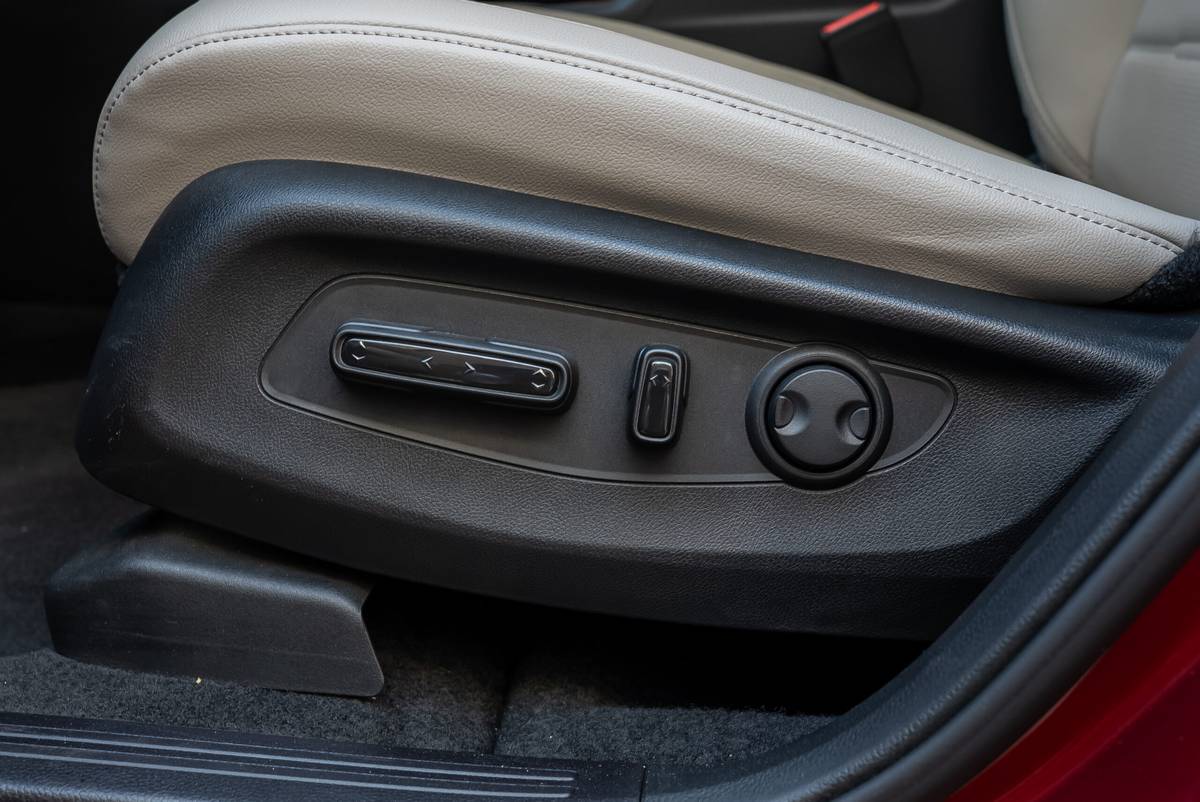
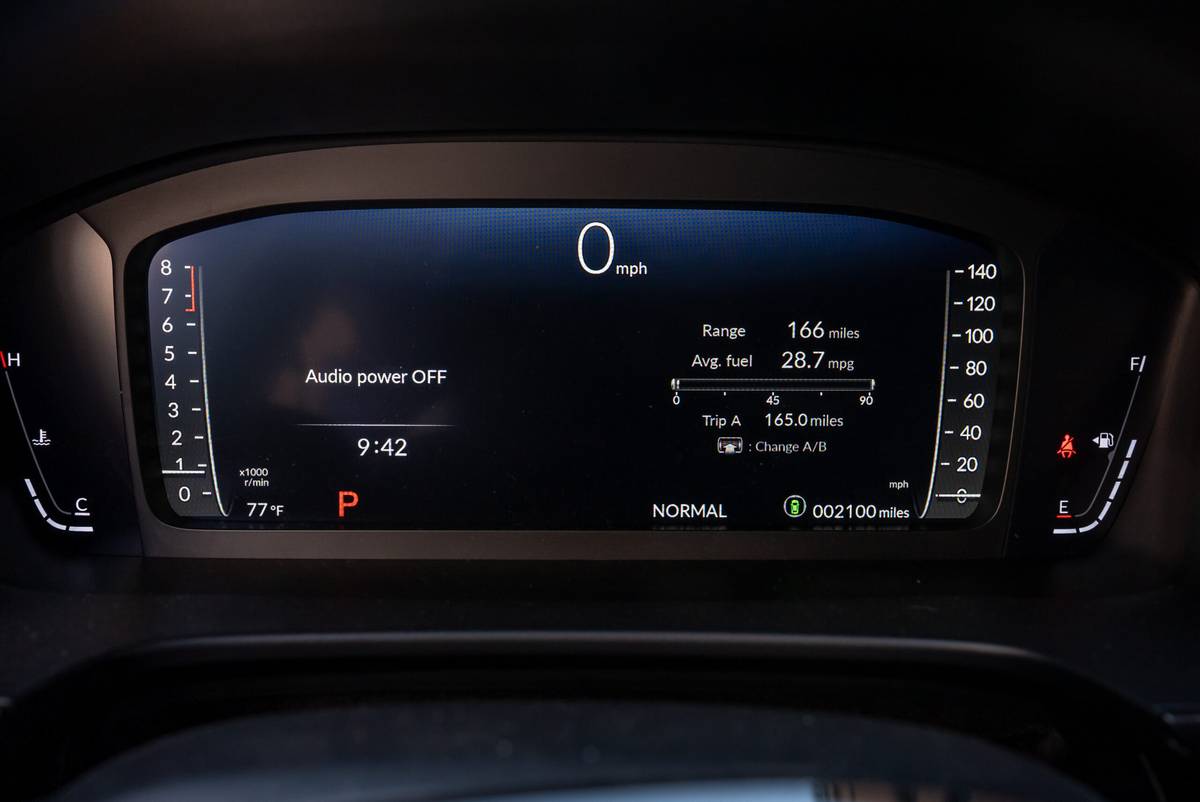
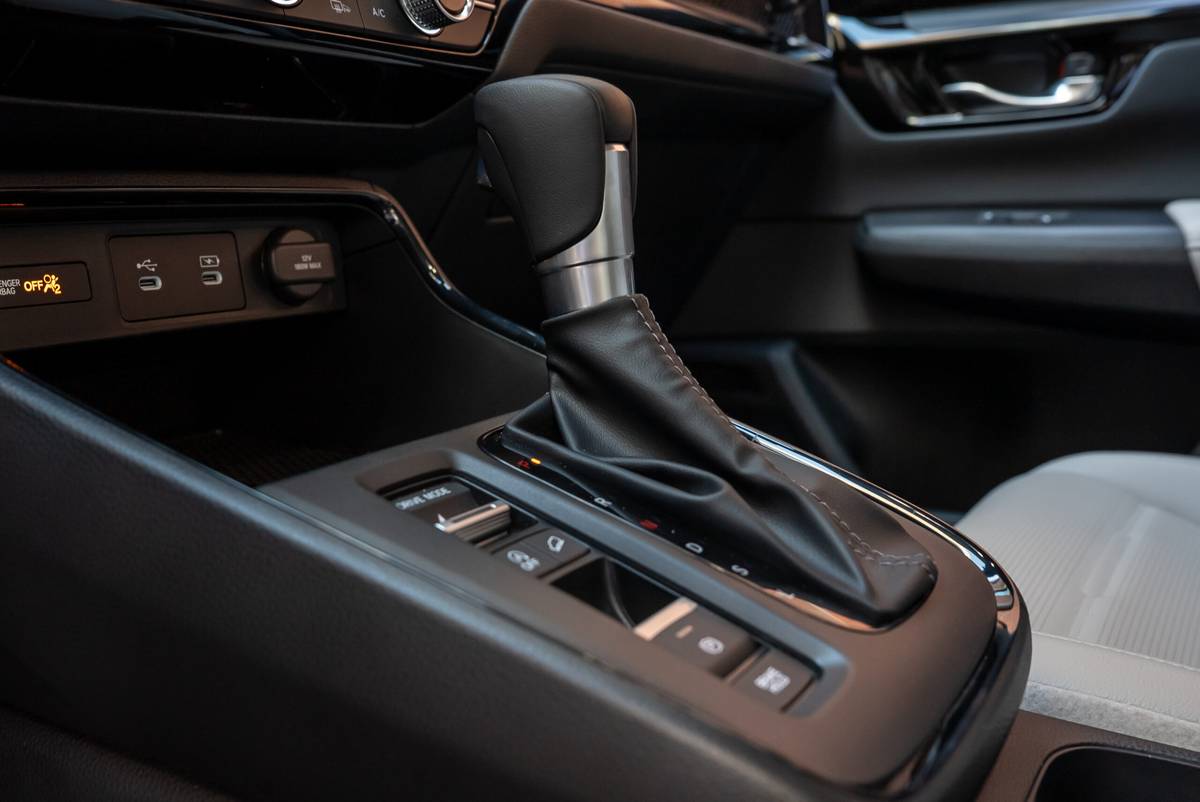
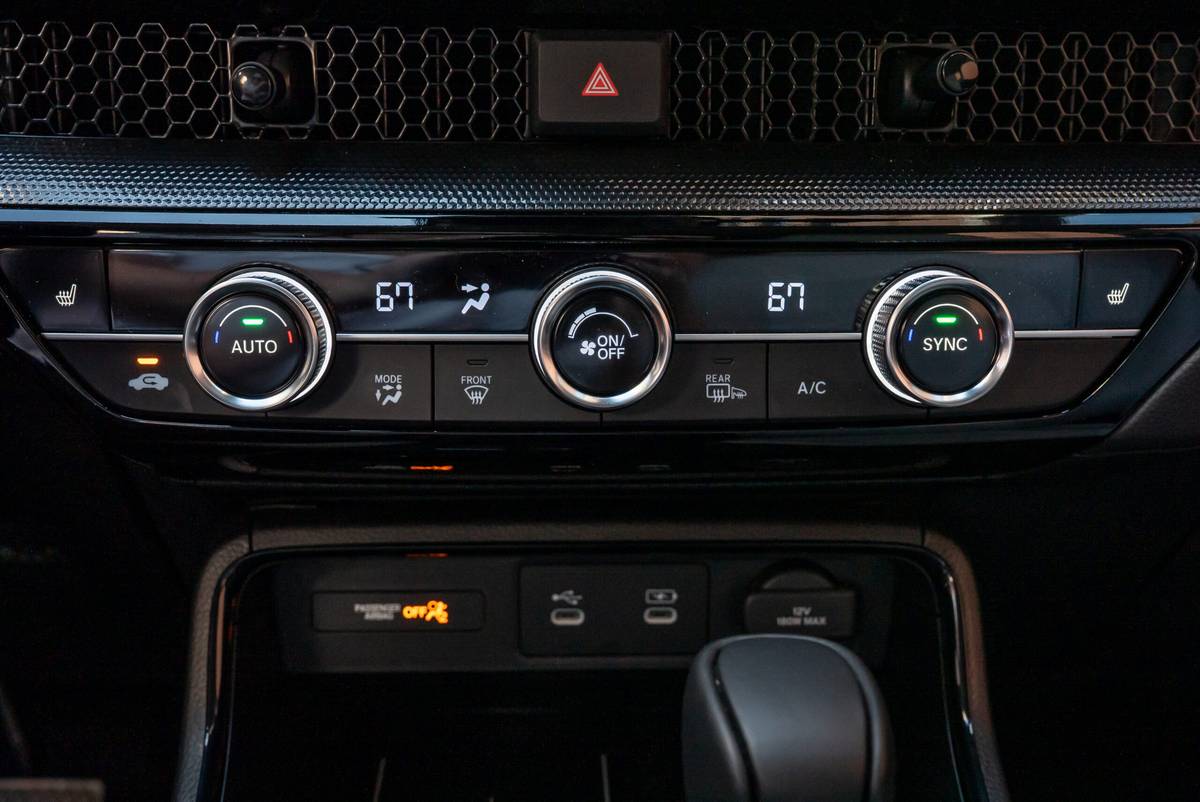
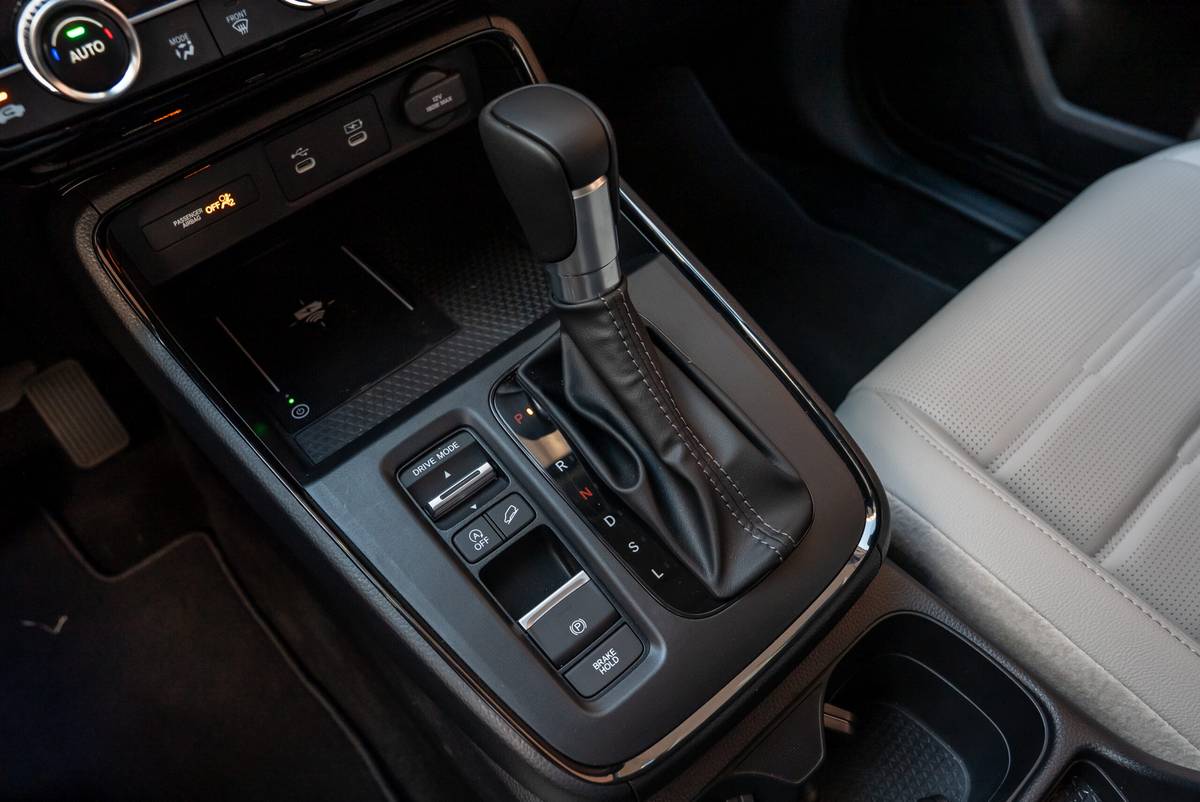
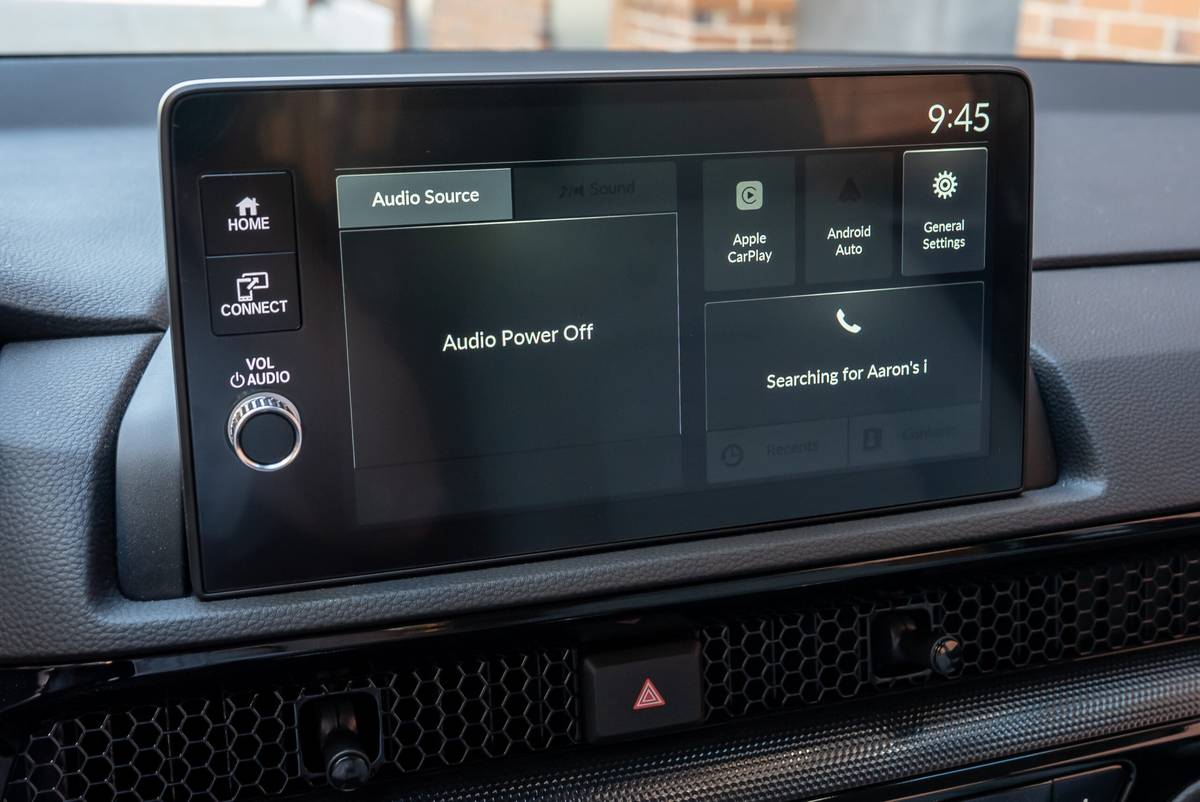
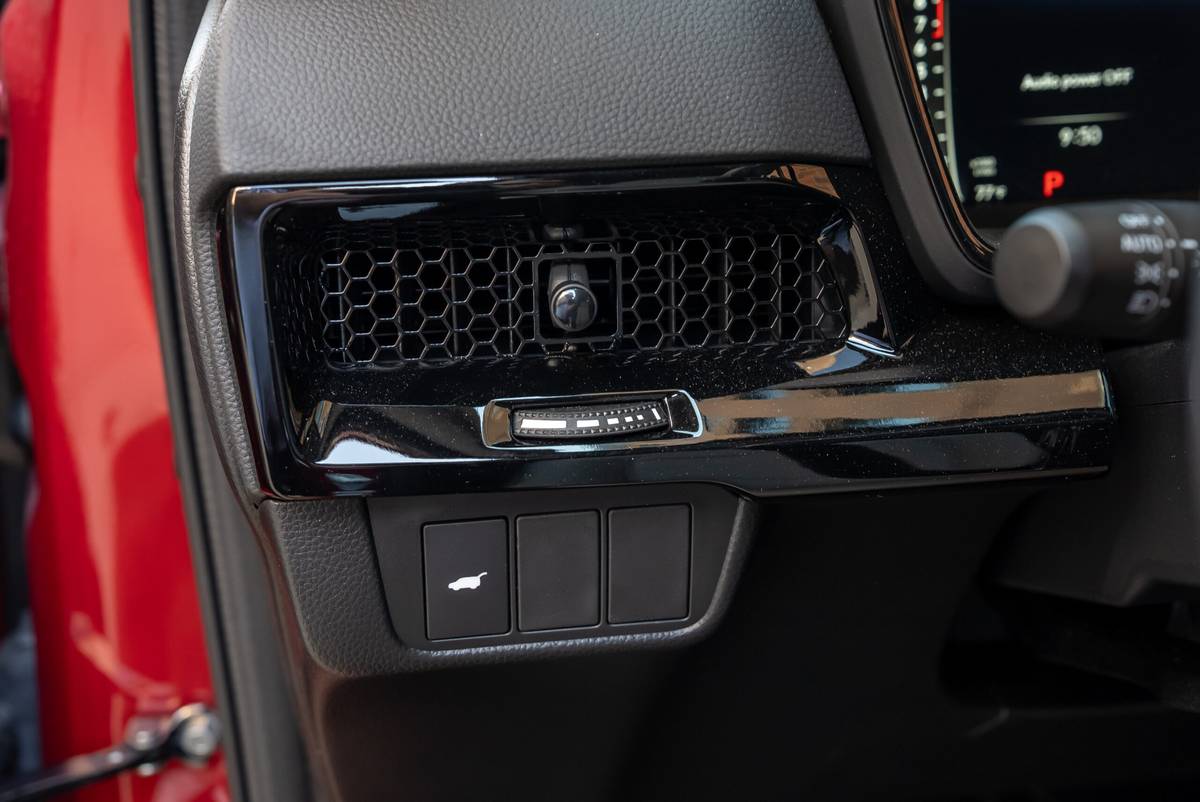
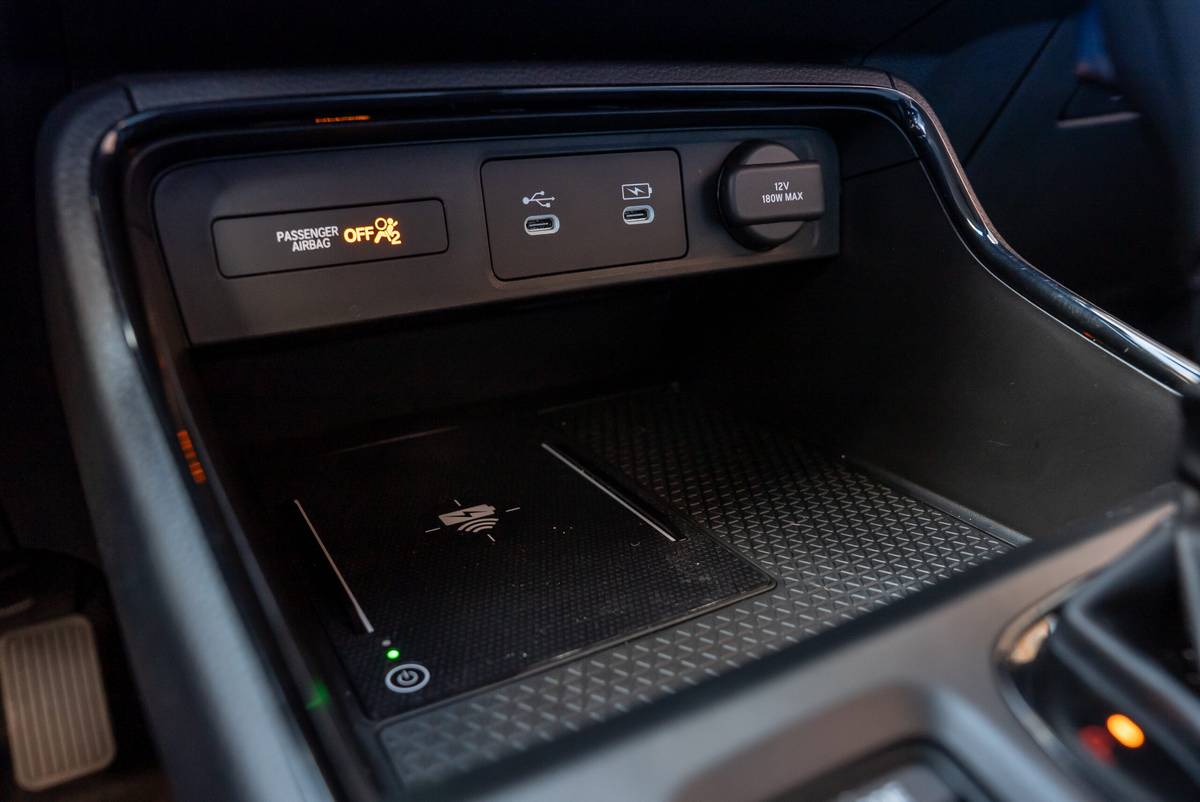
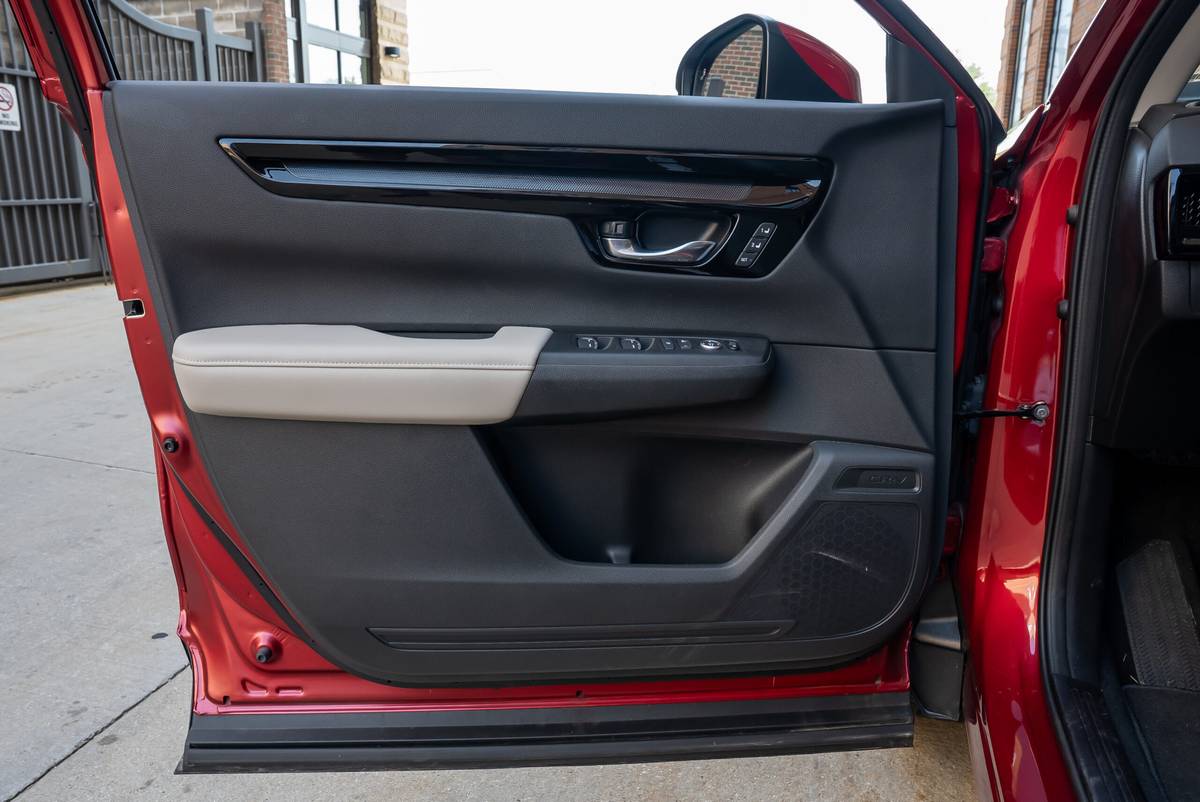
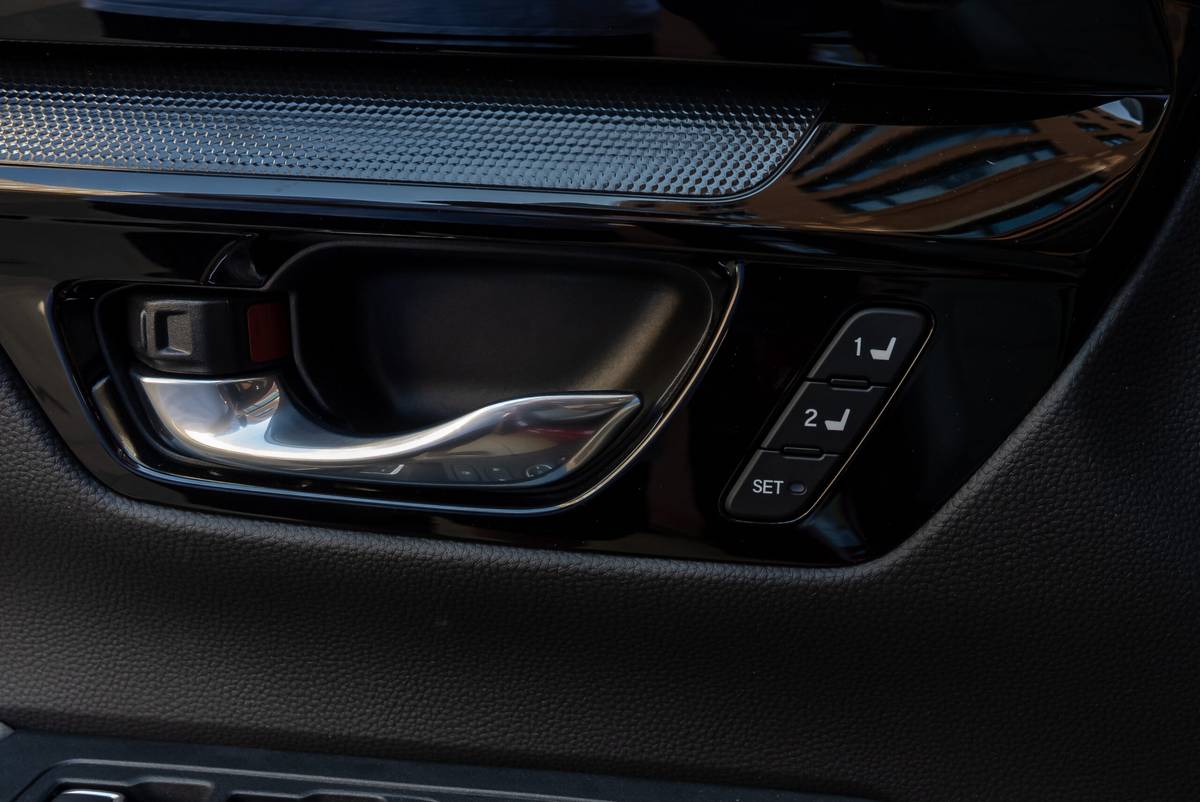
I drove a CR-V EX-L, which uses a turbocharged 1.5-liter four-cylinder gas engine making 190 horsepower, managed by a continuously variable automatic transmission. It was loaded with all the necessary creature comforts and features, including 18-inch wheels, optional AWD, wireless smartphone integration on a standard 9-inch touchscreen, a digital instrument cluster and — given you see an “L” in its name — leather-trimmed seats.
A comparable hybrid trim level to the EX-L is the Sport-L Hybrid. Optioned like my test car, with AWD and special paint, it would ring in at $42,130, which is $3,325 more than the $38,805 price tag of the EX-L I drove. The question is, is it worth that premium? And the answer is no, it isn’t.
Related Video:
We cannot generate a video preview.
The Hybrid Vs. Gas Cost Comparison
The AWD Sport-L Hybrid earns an EPA-rated 37 mpg combined, while an AWD gas-only EX-L is rated 29 mpg combined. Over 500 miles of mostly higher-speed highway miles between several far-flung destinations in both Michigan and Indiana, the trip computer reported an average of 30 mpg. According to the official government ratings, the average annual fuel cost for an AWD EX-L is $2,100, based on current fuel prices. With its hybrid powertrain, the AWD Sport-L’s EPA-rated annual fuel cost drops to $1,650. That means you’d save $450 a year in fuel if you bought the Sport-L Hybrid — but remember it costs $3,325 more upfront to buy, apples to apples. That means you’d have to keep the vehicle for more than seven years before financially breaking even, unless gas prices spike like never before.
That said, it’s worth noting that one of the CR-V’s major rivals, the redesigned RAV4, now comes standard with a highly efficient hybrid powertrain. It also costs more than a comparable CR-V; with similar equipment as the CR-V EX-L we drove, a RAV4 XLE Premium rings in at $41,795 — a little less than a hybrid CR-V but nearly $3,000 more than the gas-only CR-V EX-L.
According to EPA estimates, you should only spend $1,500 a year on fuel for the AWD RAV4, as it’s significantly more efficient than even the CR-V hybrid; it’s rated 41 mpg combined versus the CR-V hybrid’s 37 mpg and the gas-only CR-V’s 29 mpg. Even so, it’ll ostensibly take five years of ownership to break even on the extra cost of the RAV4 versus a gas CR-V EX-L. Not quite the seven-year gap between the two CR-Vs, but not immediate savings, either.
Either way, it will take a good chunk of time for the fuel-economy benefits of the Honda and Toyota hybrids to overcome their higher cost, at least at current gas prices. From a purely financial standpoint, you should stick with the CR-V’s standard gas engine.
Is the Gas Version of the CR-V Good to Drive?
It certainly is. The CR-V didn’t become one of the bestselling vehicles in the nation by being awful or unpleasant, and the gas-powered EX-L trim is perfectly lovely. In fact, I like it more than the latest CR-V Sport Touring Hybrid (the line’s top trim level) that participated in our last big comparison test. It might be a bit slower than the hybrid (that 190-hp engine isn’t going to win you any stoplight drag races), but the CVT is well tuned to the turbocharged 1.5-liter four-cylinder’s power band, and it feels reasonably quick enough around town and on the highway.
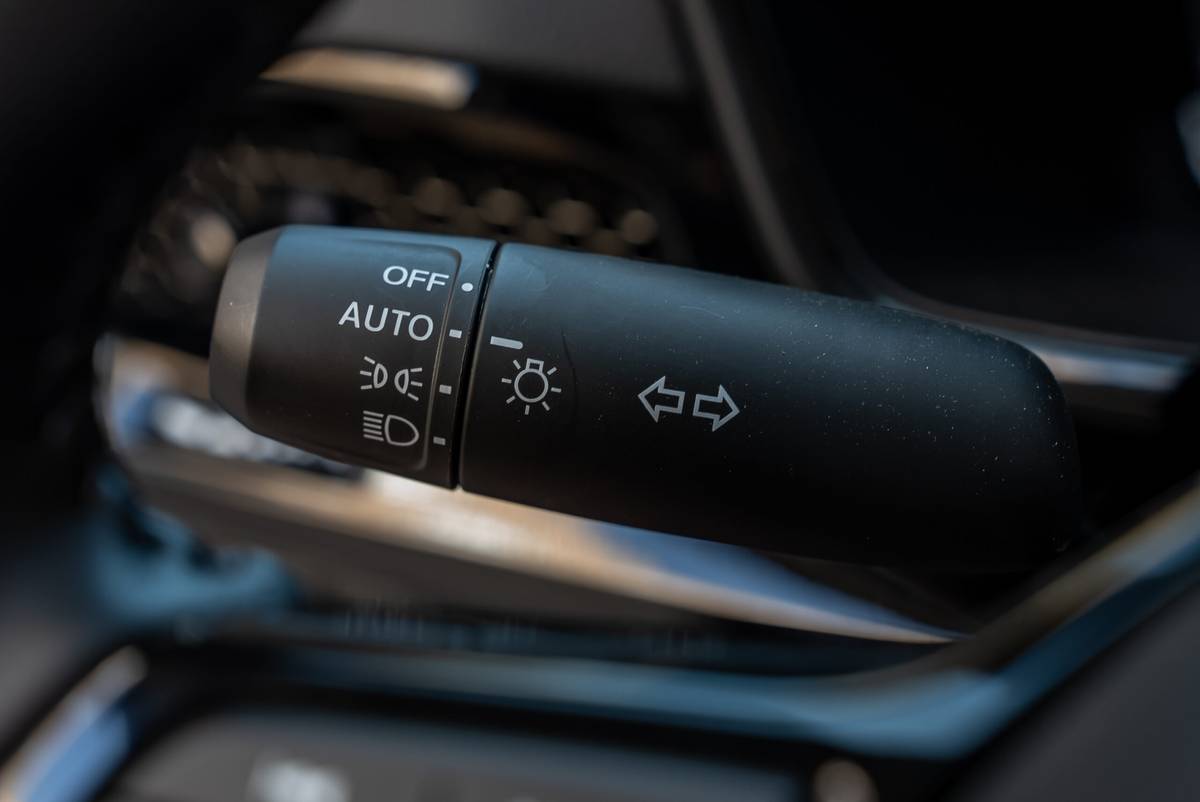
My preference for the EX-L over the Sport Touring has mainly to do with wheel choice: The EX-L uses 18-inch wheels and tires, while the Sport Touring uses 19-inch wheels and tires. That extra inch makes a difference, giving the EX-L more tire sidewall to soak up bumps and pavement blemishes, resulting in a quieter, plusher ride. It makes the CR-V just a smidge more comfortable, but it’s enough to be noticeable. And while it also dulls this SUV’s handling, that’s OK — nobody’s carving canyons in this family truckster. It’s a grocery getter, a carpool tool, a commuter car and a utility van; it is most definitely not a sports car or even a hot hatch, and nobody expects it to be. Its technology isn’t state of the art, either, given this is the fourth year of this CR-V generation, but it also doesn’t have touchscreen controls for everything, which earns it major kudos in our book.
For how the rest of the CR-V works, I refer you to the results and opinions from our 2026 Compact SUV Challenge, as most everything we said about that loaded Sport Touring Hybrid applies to this one, too. It’s spacious, it’s comfortable, it can swallow plenty of cargo, and it’s reasonably efficient in all its forms. The only thing that kept the CR-V from winning that test was that the Tiguan was just a little bit better in a number of different categories.
That doesn’t mean you should overlook the CR-V if you’re shopping for a new compact SUV. It does, however, mean that you should stick with the gas engine instead of splurging on the hybrid if minimizing your cash outlay is important to you.
out of 10
2026 Honda CR-V
Expert Rating by

More Honda CR-V News From Cars.com:
- 2026 Honda CR-V Adds New TrailSport Trim, More Standard Equipment
- How Does the All-New 2026 Toyota RAV4 Compare to the 2026 Honda CR-V?
- 2025 Honda CR-V Hybrid Review: Popular for Good Reason
- 2026 Honda CR-V Hybrid TrailSport Review: A Compromise Against Compromises
- Research the Honda CR-V
Cars.com’s Editorial department is your source for automotive news and reviews. In line with Cars.com’s long-standing ethics policy, editors and reviewers don’t accept gifts or free trips from automakers. The Editorial department is independent of Cars.com’s advertising, sales and sponsored content departments.