









What Car Shoppers Need to Know
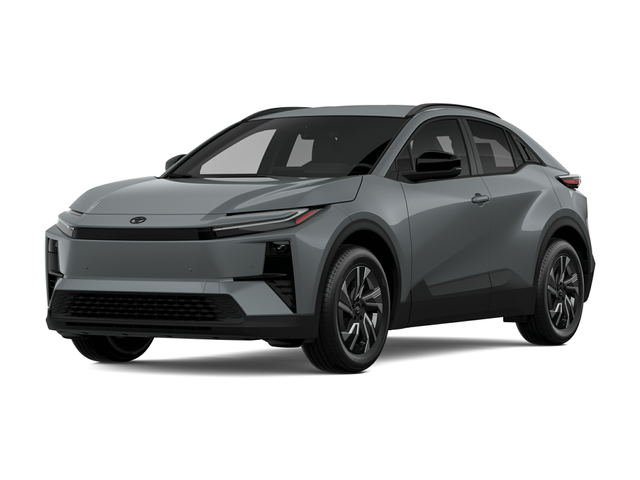
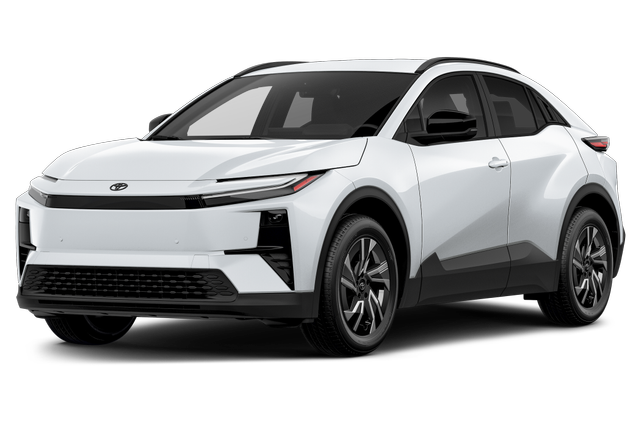
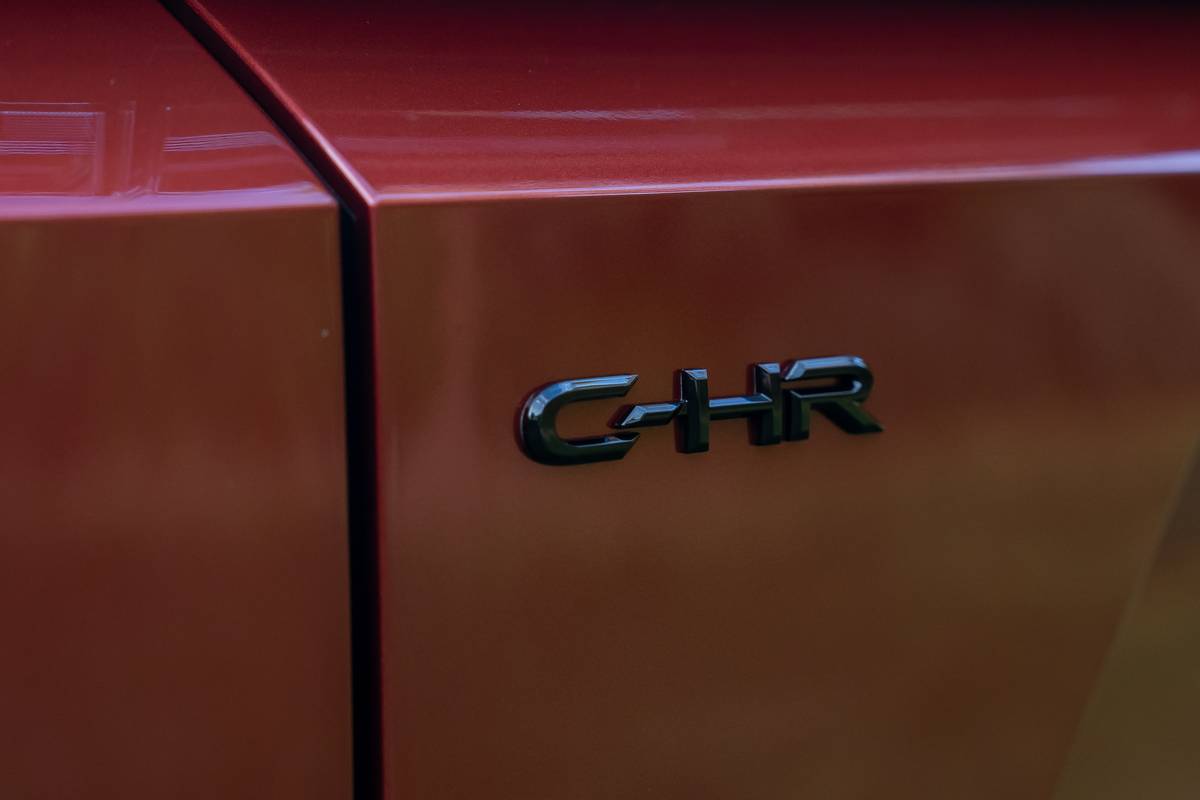
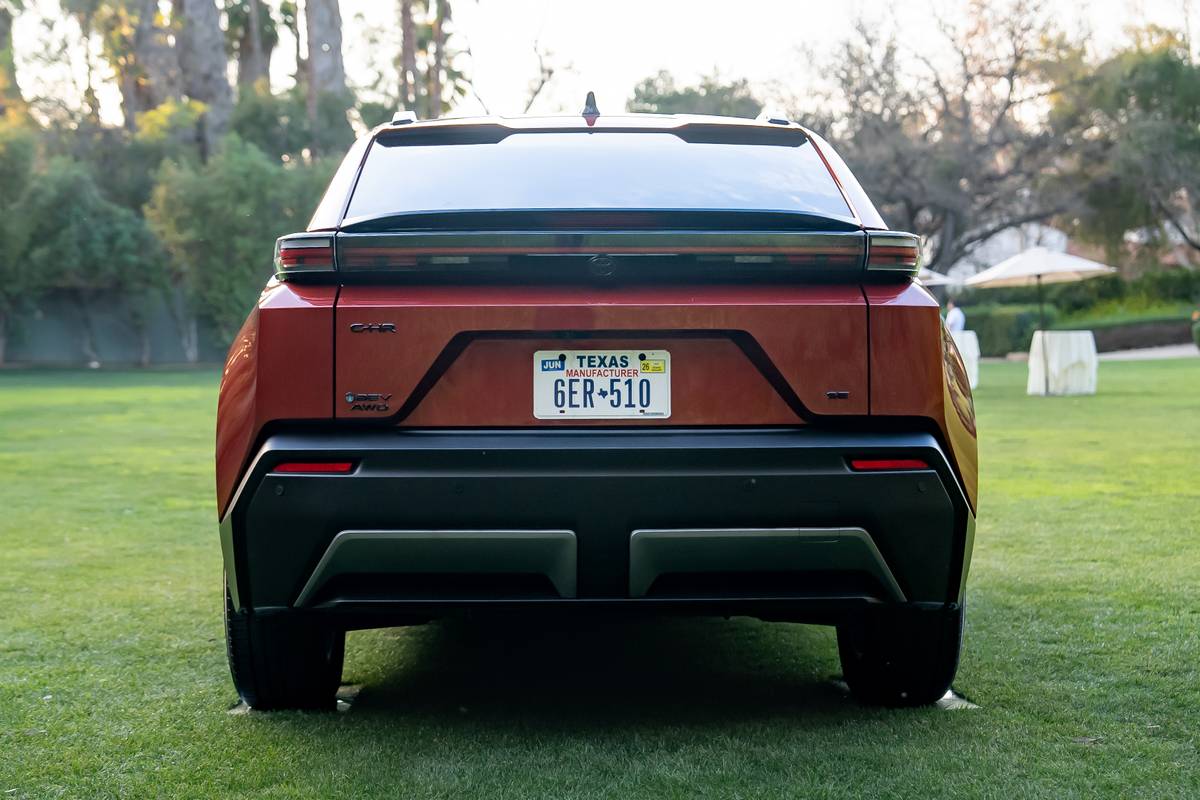
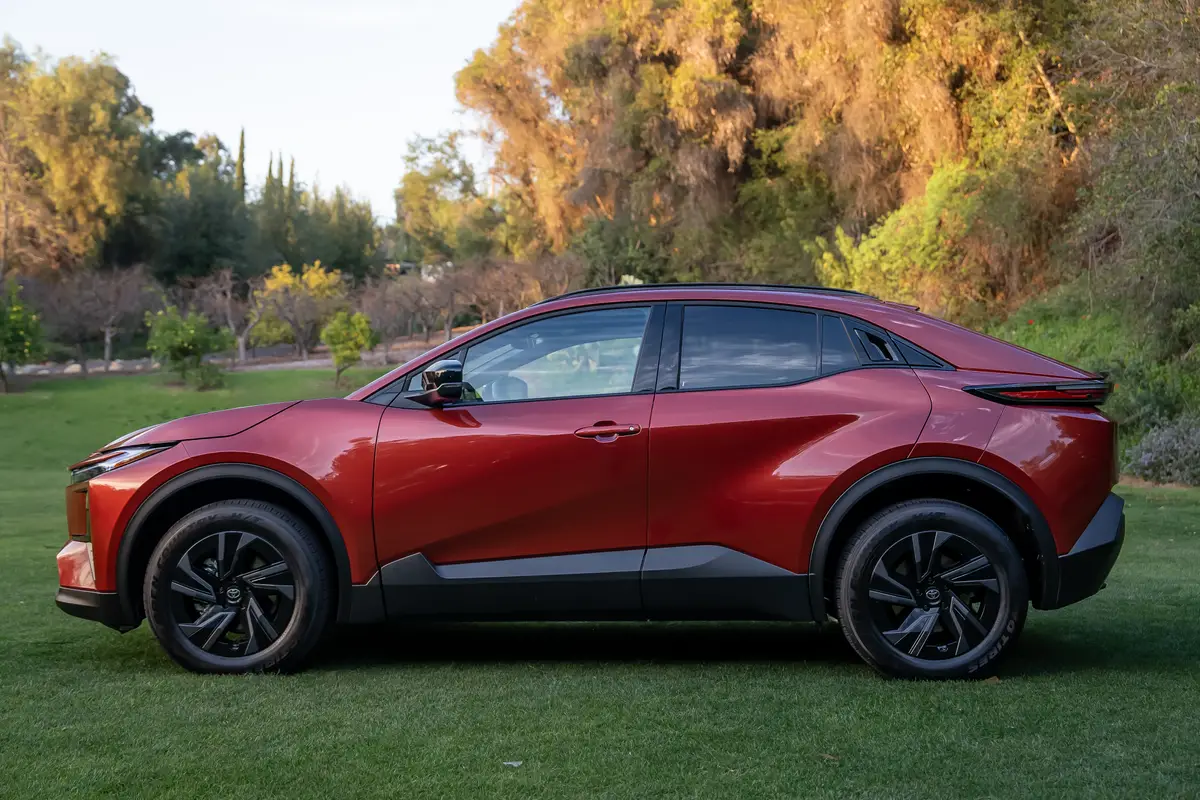
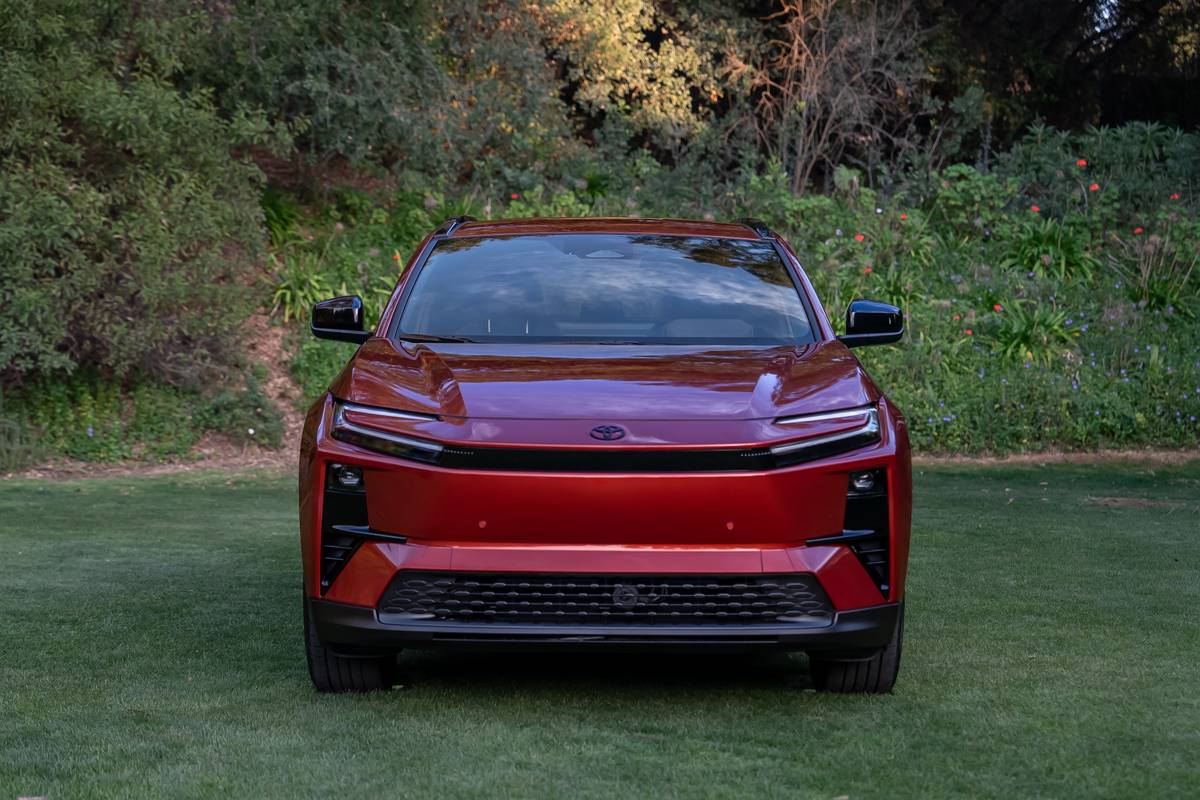
- The Toyota C-HR is an all-wheel-drive-only, coupelike electric SUV.
- It’s less expensive than a dual-motor Toyota bZ, with a starting price of $38,450 (including $1,450 destination fee).
- It’s not necessarily fun to drive despite Toyota’s messaging.
This is one of the oddest Toyota-Subaru mashups yet. I’ve no problem with the car itself — the 2026 Toyota C-HR is a fine iteration of the existing all-electric bZ — but rather how it’s positioned counter to Subaru’s corresponding Uncharted. Where the all-electric C-HR is dual-motor (and thus AWD) only and priced a step above the front-wheel-drive BZ, the Uncharted arrives with standard FWD and is still priced above the larger, single-motor bZ.
Related: Toyota Resurrects C-HR as Electric Compact SUV
The Uncharted is the first Subaru to offer FWD since the mid-1990s, whereas the C-HR undercuts the dual-motor bZ by nearly $3,000 — a roundly goofy situation agnostic of badge. The best I can make out is this is the result of complex give-and-take product planning; the bZ-equivalent Subaru Solterra is dual-motor (AWD) only, and the bZ Woodland is more than $5,000 pricier than the related Subaru Trailseeker. The AWD-only C-HR, then, is here to balance the scales away from Subaru’s clear advantage.
Related Video:
We cannot generate a video preview.
Where Does the 2026 Toyota C-HR Fit in the Lineup?
- Takeaway: It’s a compact electric crossover, slotted under the bZ.
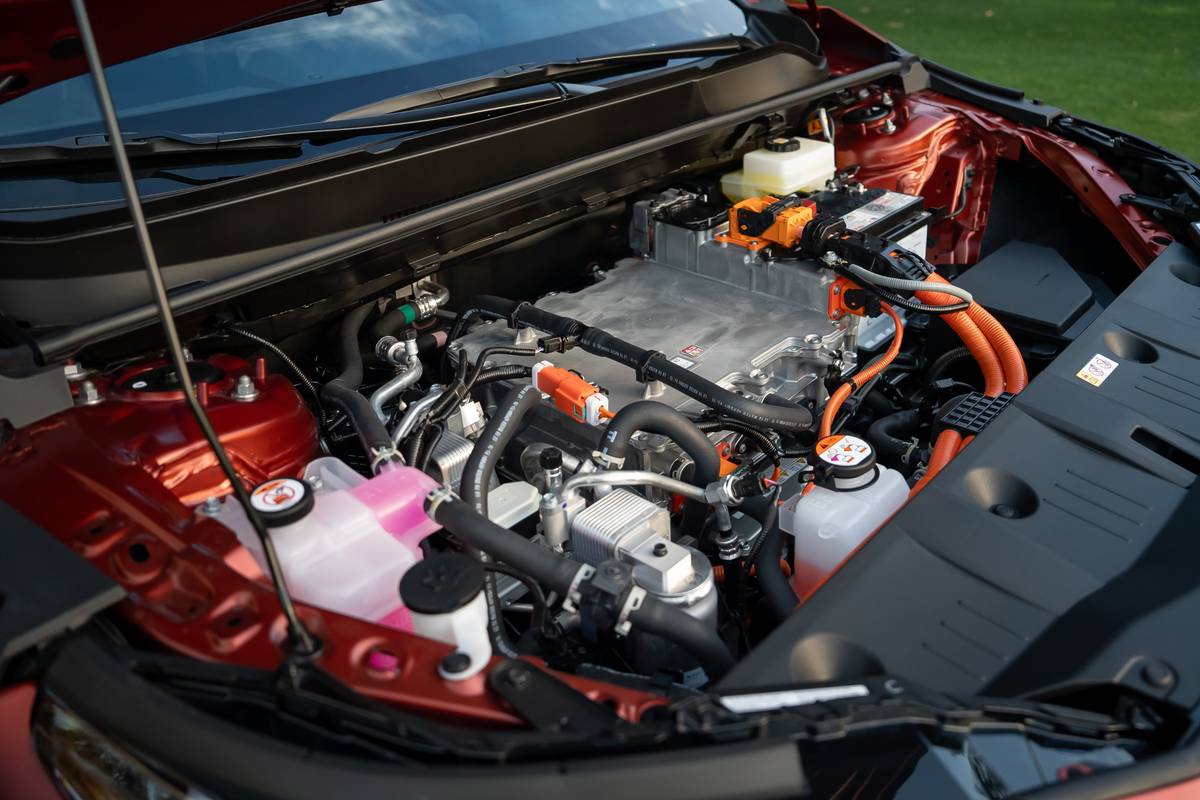
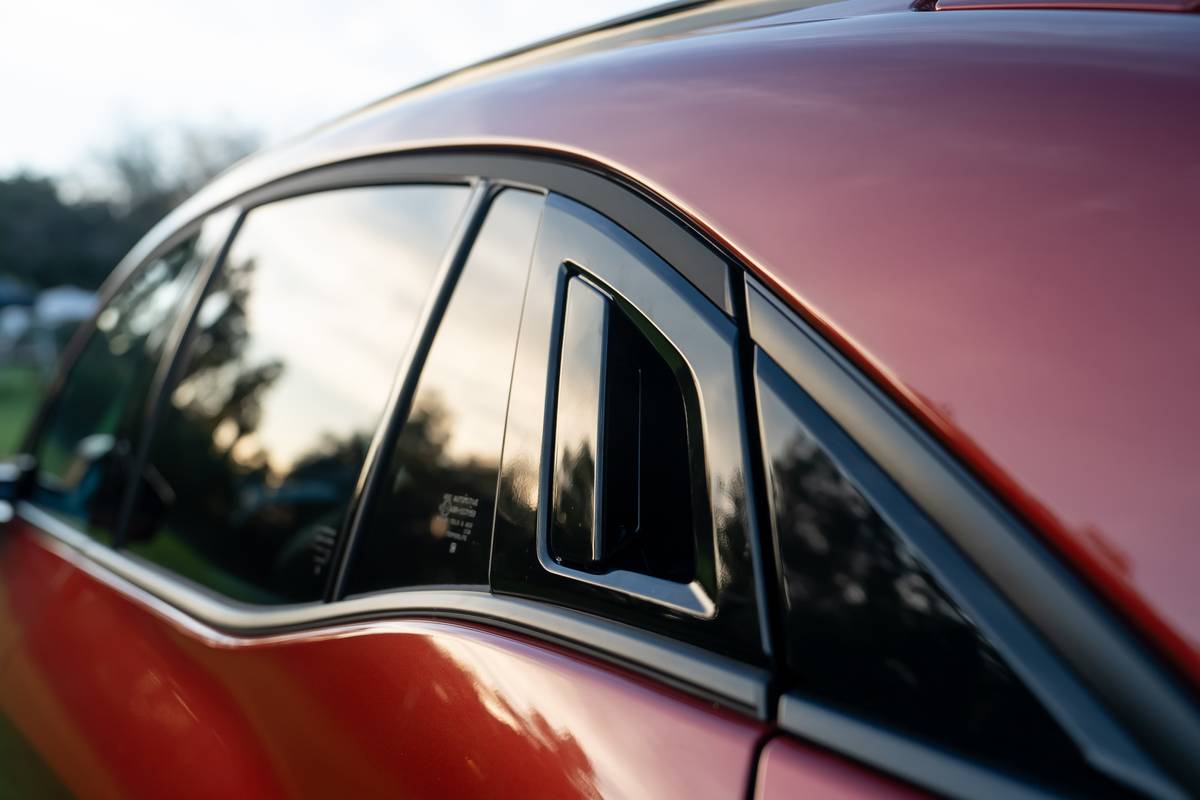
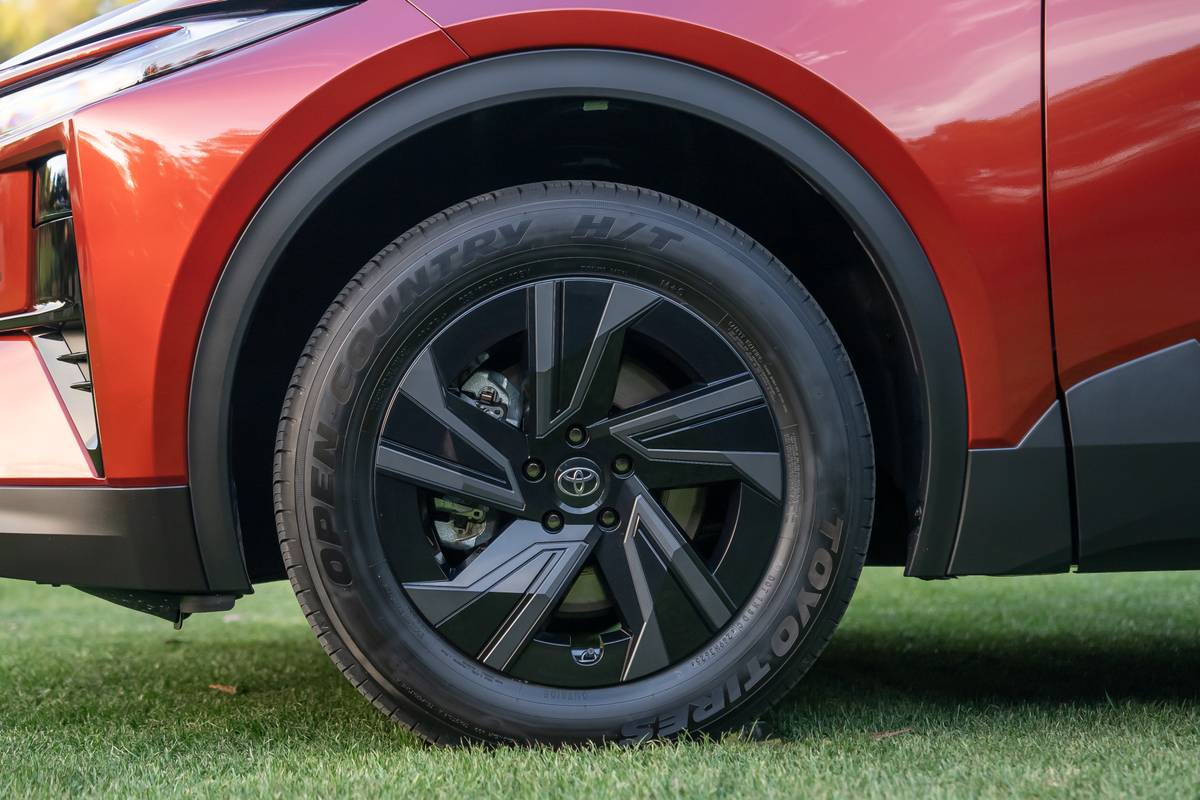
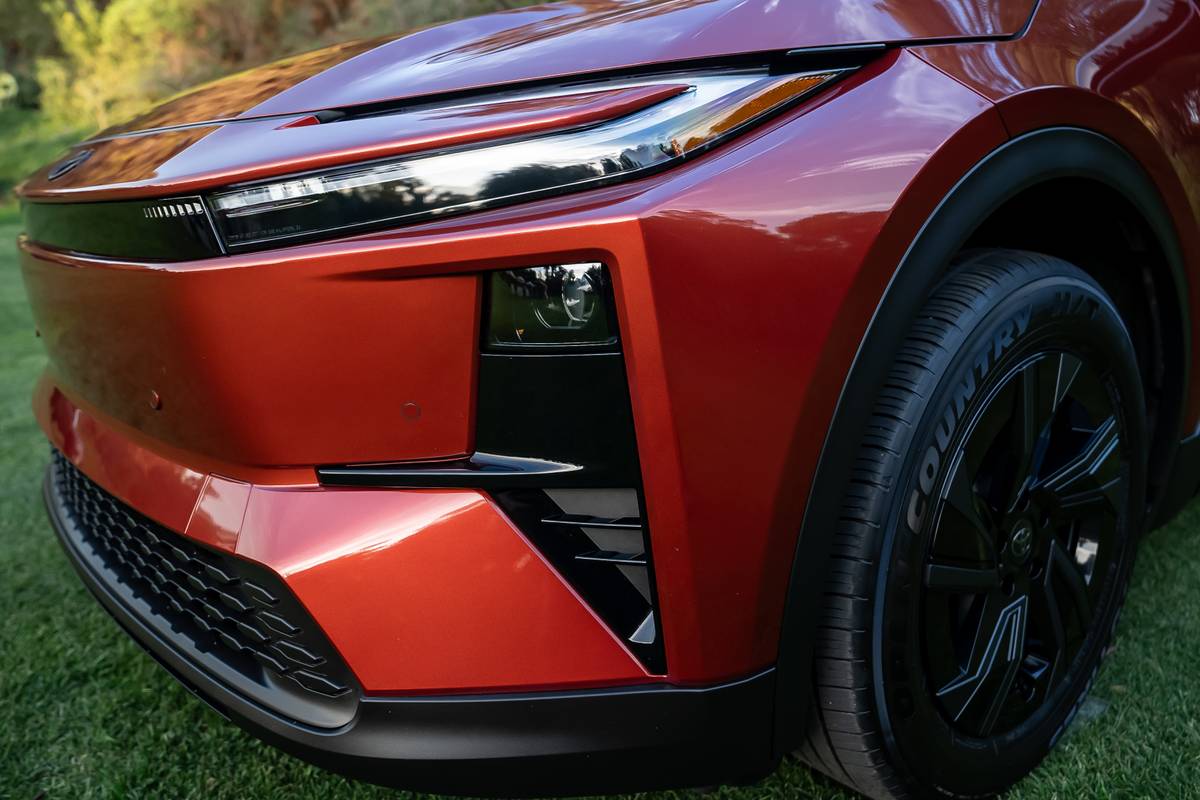
So what is the C-HR, and why the heck would you buy this smaller, more expensive bZ? There are a few threads to tug here. The C-HR is best considered a scaled-down bZ with one of those fastback, coupe-esque profiles that in conjunction with 338 horsepower render it a fun and sporty crossover to drive, according to Toyota. In reality? Eh, not really. Speed is very much a side effect of the electric drivetrain and not a feature here, as this healthy power is not accompanied by any holistic performance upgrades save an ostensibly massaged suspension that, according to Toyota, has “been precisely tuned for the new C-HR, including spring and damper performance and the stiffness of the anti-roll bars.”
Who cares, right? This is clearly not a performance-oriented vehicle, but hey, I’m just doing my due diligence. I’m a devotee to the concept of “Performance of Intended Function,” and the baseline of that is set by the automaker’s messaging. Aside from the merits of the C-HR’s 3.9-inch wheelbase reduction and 4.9-second 0-60 mph scoot, the C-HR is nothing more than a sprightly compact electric crossover that will likely overwhelmingly be used in suburban and urban environments.
In that regard, it’s a perfectly lovely bit of daily transportation. That power makes quick work of any on-ramps and passing zones and ensures you won’t feel as though you’re draggin’ ass with a full crew aboard, while the smartly tuned regenerative-brake blend is well balanced and near equivalent in feel to conventional physical brakes. Other than that slight uptick in agility, there’s not much differentiating the drive experience from a dual-motor bZ, particularly since the C-HR’s interior is a close copy of its sibling’s.
Is the Interior of the 2026 Toyota C-HR Nice?
- Takeaway: It’s nice enough thanks to a fair bit of standard equipment.
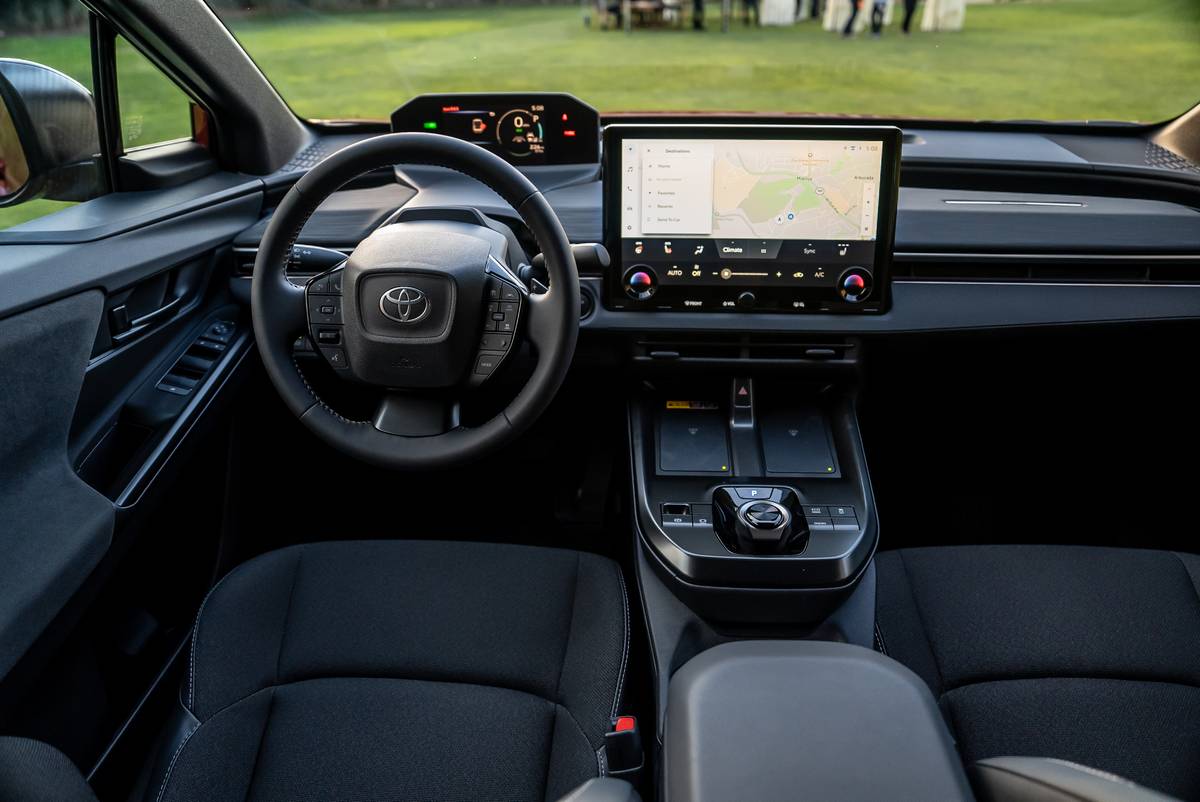
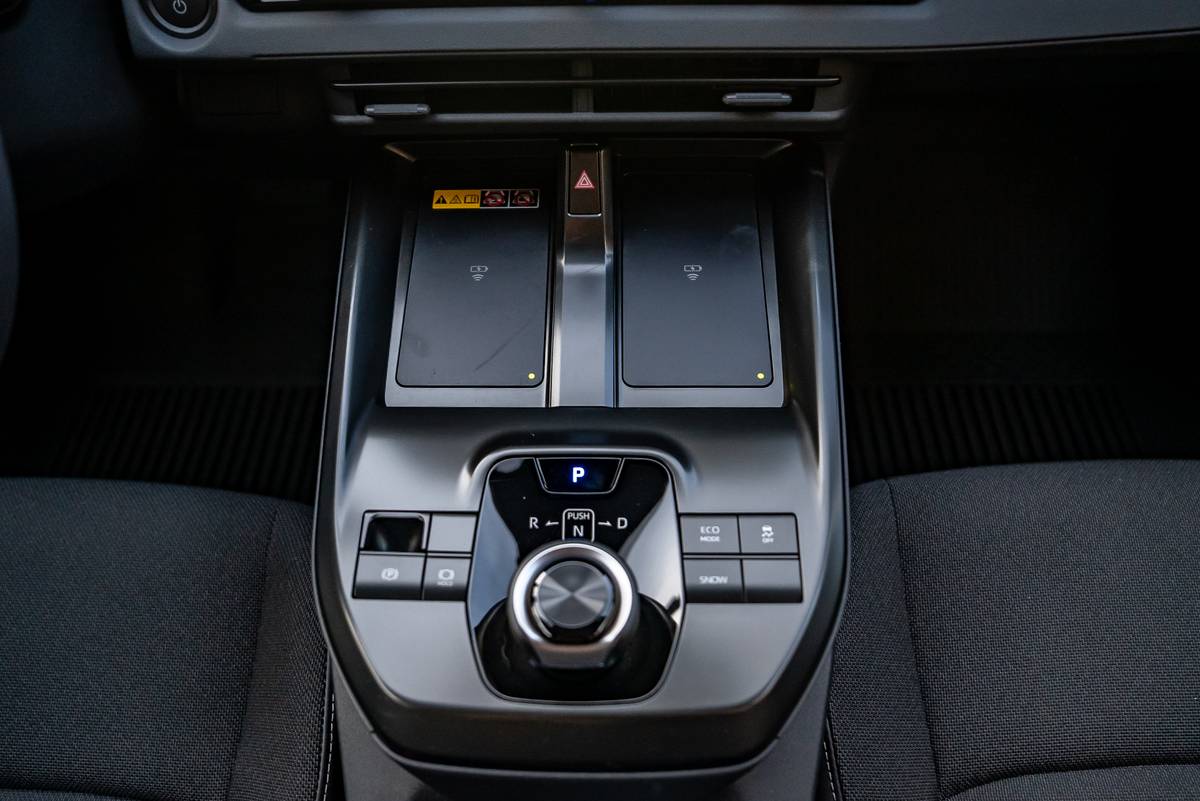
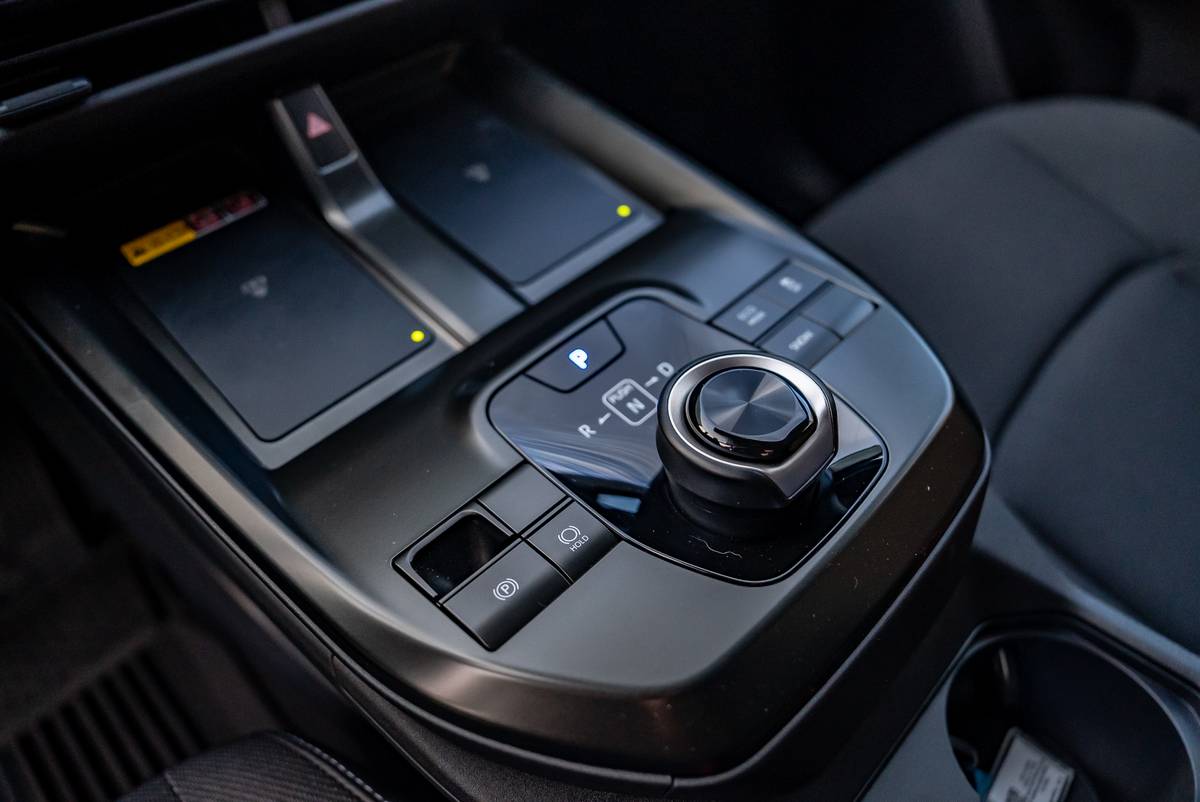
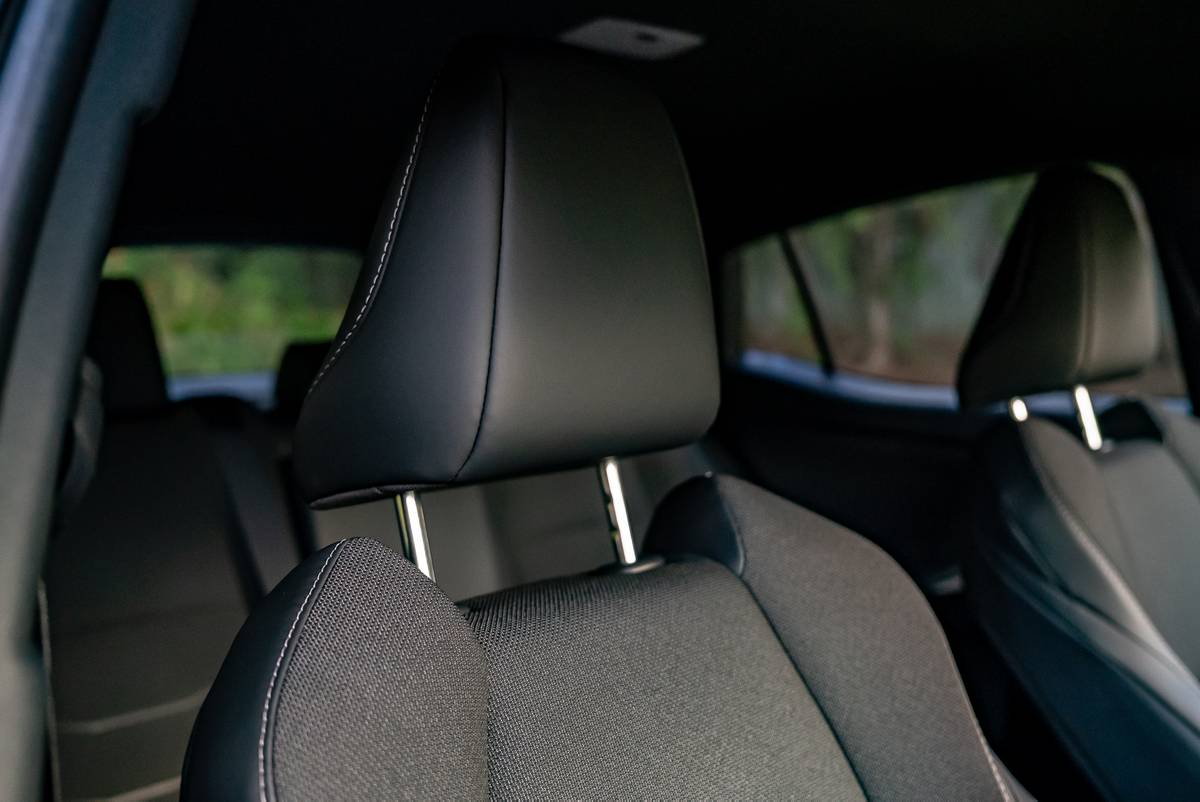
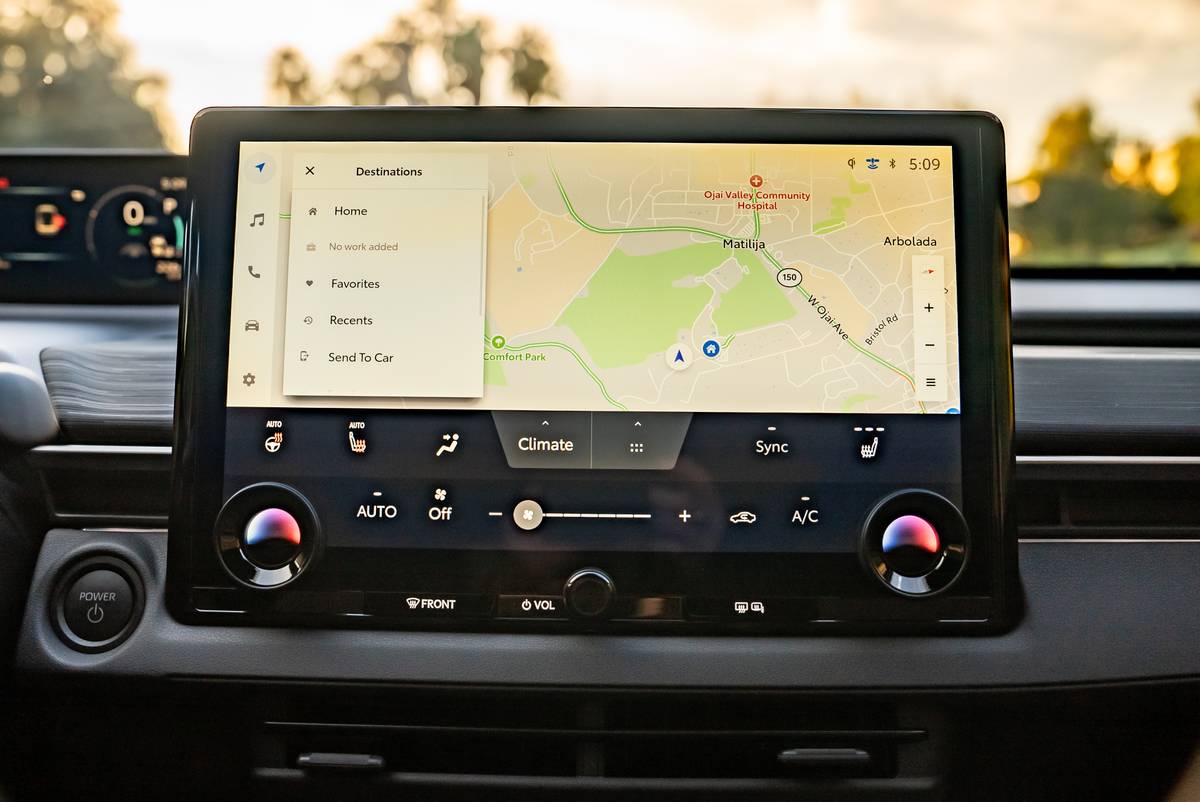
Inside, it’s the same steering wheel, same center console design and same 14-inch touchscreen infotainment system. The two-trim hierarchy begins with the SE and includes a raft of juicy standard features, such as heated front seats, a leather-trimmed heated steering wheel, a power-adjustable driver’s seat, dual wireless charge pads and a power liftgate. Step up to the XSE, and things like a 360-degree camera system and upgraded upholstery make for one of the stronger features lists at just over $40,000.
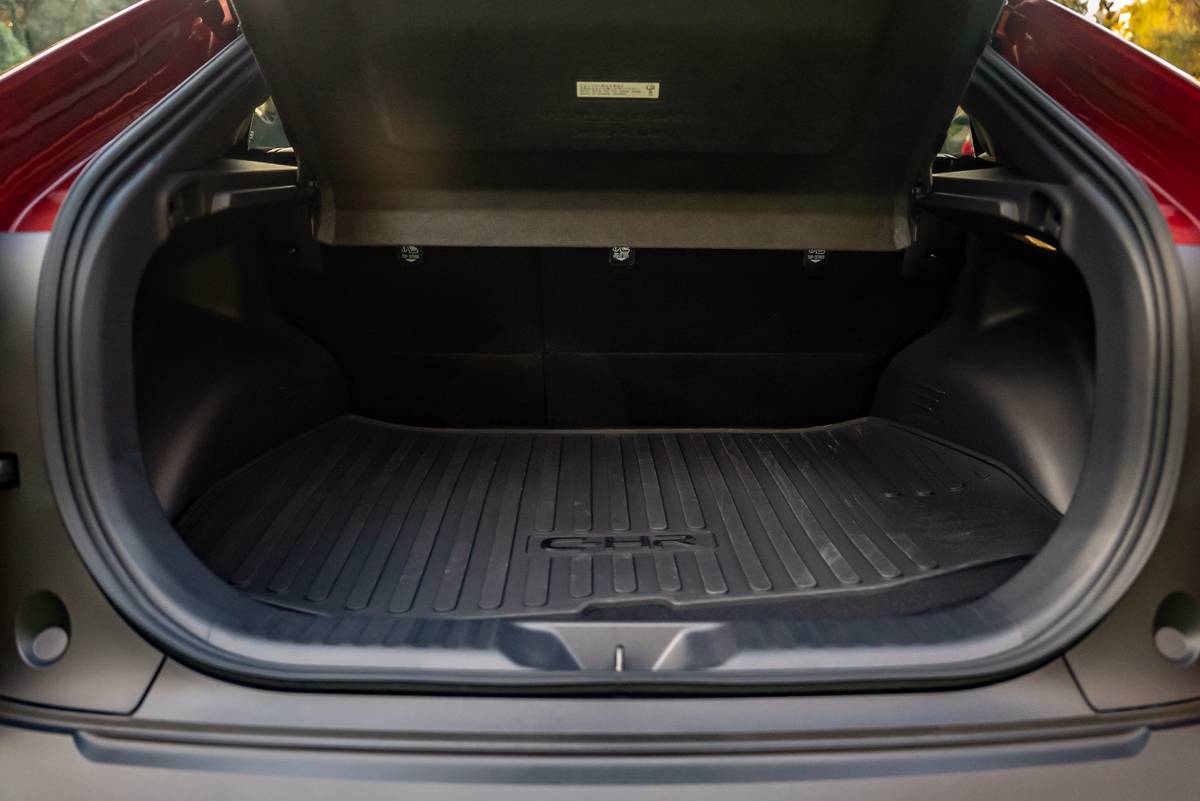
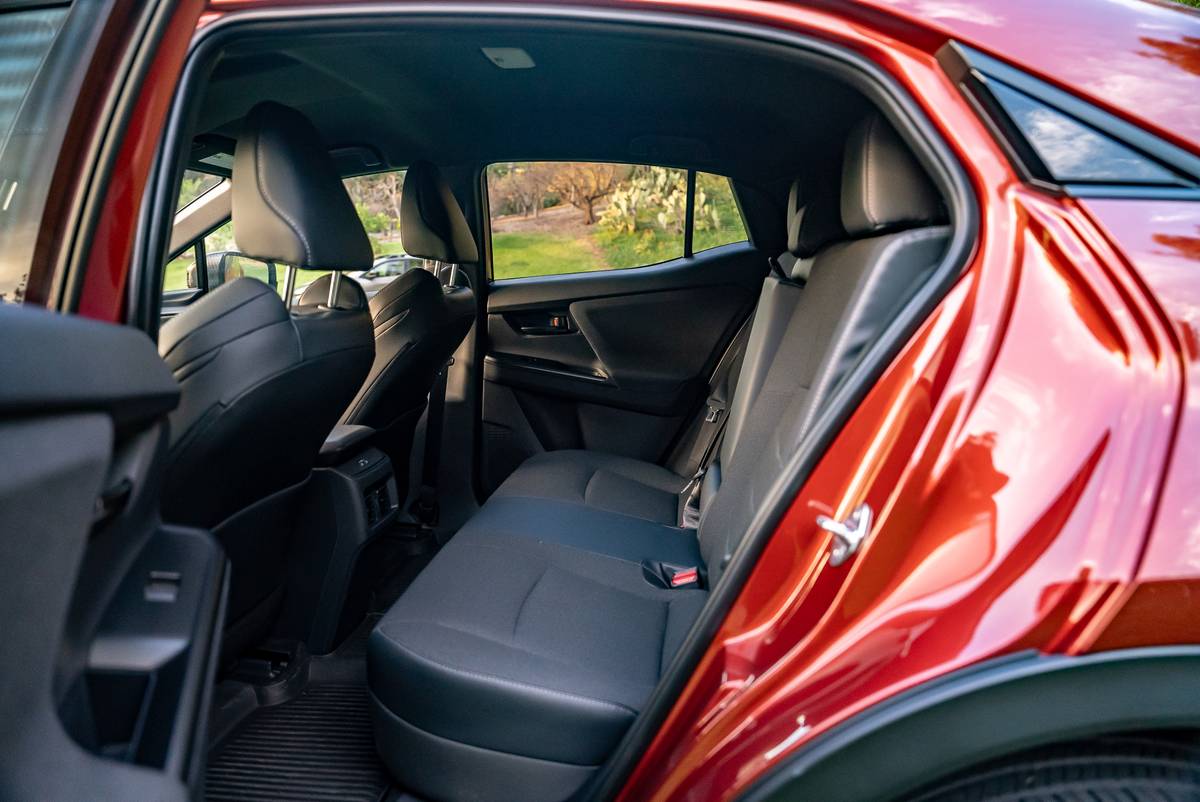
Dimensionally, occupant space is a game of priorities between the C-HR and bZ. Headroom both front and rear is better in the C-HR, but the bZ is ultimately best for rear passengers with more than 3 inches of additional rear legroom and an extra inch of rear shoulder room. A full-size adult — a 5-foot-11-inch dude, in the case of this author — fits behind himself in the rear seat, though it wouldn’t be the best for a road trip.
How Much Range Does the 2026 Toyota C-HR Have?
- Takeaway: It has either 273 or 287 miles of rated range, depending on the trim level.
No worries, its 273 or 287 miles of range ensures road trips remain mostly regional. It’s enough for a well-organized trip in a pinch, but perfect for the C-HR’s most common use case of ‘round-town runabout. The 74.7-kilowatt-hour battery can DC fast-charge at up to 150 kilowatts, which allows for a 10%-80% fast-charge in around 30 minutes, according to Toyota.
So, who’s this for? As far as I can make out, snap up a 2026 C-HR if you want an electric Toyota, need AWD and cannot manage the extra $3,000 for the dual-motor bZ. Otherwise, stick with the single-motor bZ to save a few bucks and make use of the extra space.
More on the Toyota C-HR From Cars.com:
- How Much Is the 2026 Toyota C-HR?
- These SUVs Are All-New or Redesigned for 2026
- Which Toyota SUV Should You Buy?
- Here Are the 11 Cheapest Electric Vehicles You Can Buy
- Add Cars.com as a Preferred Source on Google
Cars.com’s Editorial department is your source for automotive news and reviews. In line with Cars.com’s long-standing ethics policy, editors and reviewers don’t accept gifts or free trips from automakers. The Editorial department is independent of Cars.com’s advertising, sales and sponsored content departments.







.png)