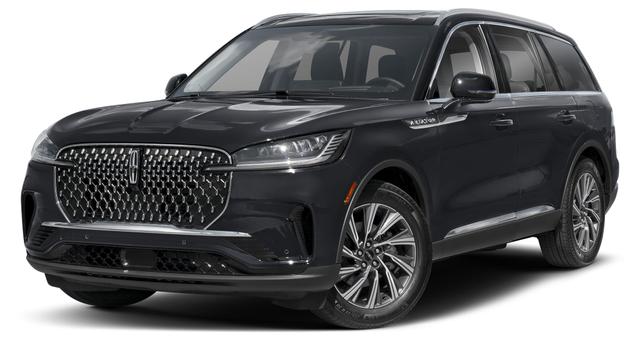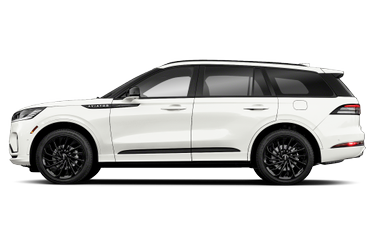








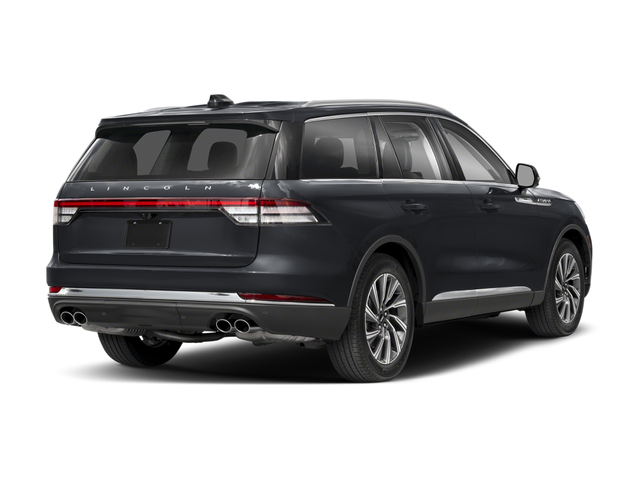
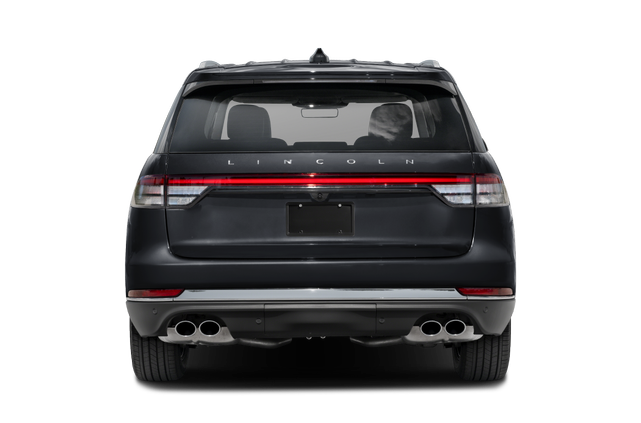








What Car Shoppers Need to Know
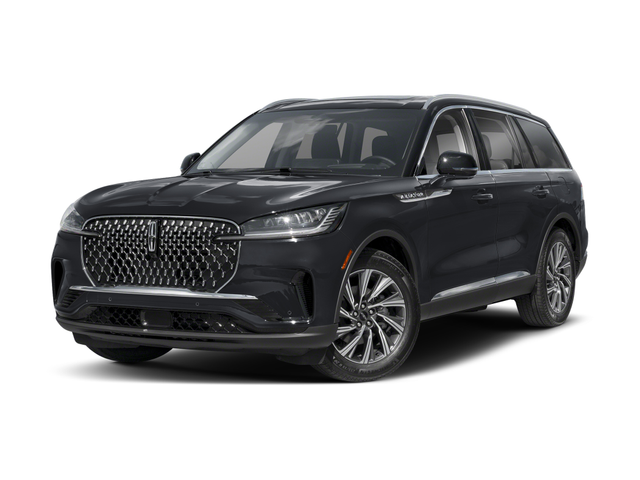
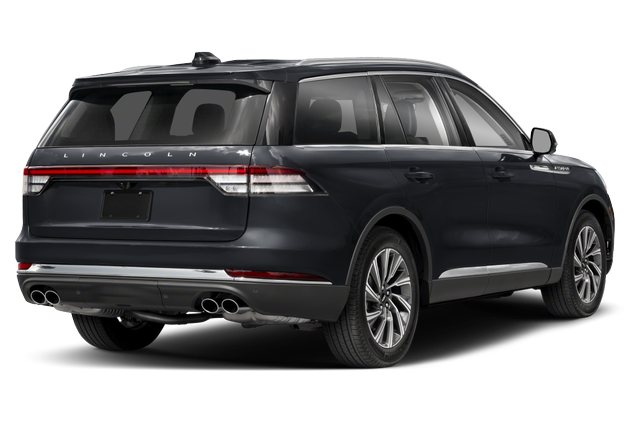
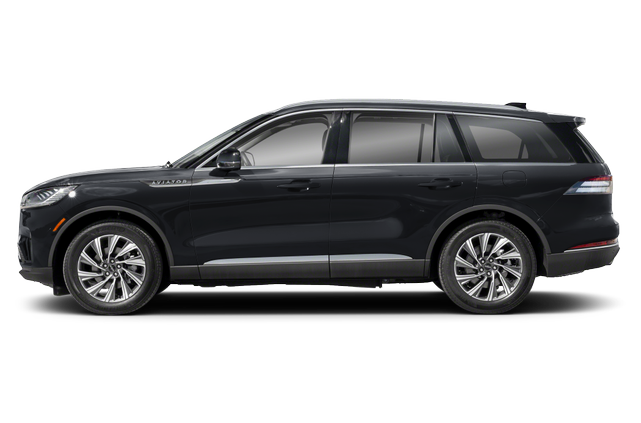
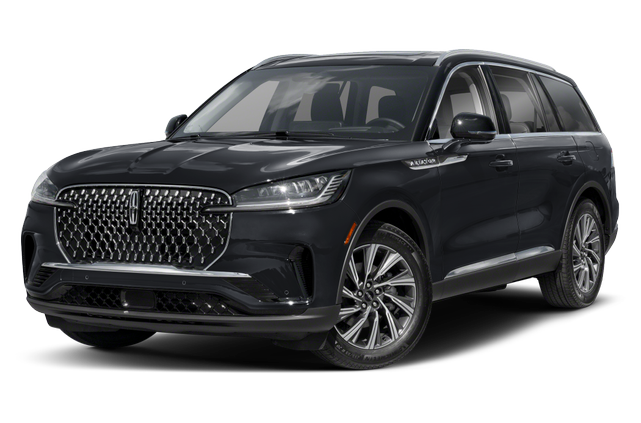
- The Lincoln Aviator is a mid-size luxury SUV with three rows of seats.
- The Aviator’s standard twin-turbocharged V-6 engine makes 400 horsepower and is shared with the Ford Explorer ST.
- Pricing starts at $58,605 (all prices include $1,695 destination).
The Lincoln Aviator is a mid-size three-row SUV based on the Ford Explorer, but with distinctive styling and luxury features inside and out. The two SUVs share a rear-wheel-drive platform (with all-wheel drive optional), making the Aviator something of a rarity among its front-drive-based competitive set. Its suspension tuning is heavily biased in favor of ride comfort over handling, but the sole engine offering ensures a driver will never want for power.
What’s New for 2026?
The Aviator was significantly refreshed for 2025 and sees no significant changes for 2026.
Pricing
Nearly as big as the BMW X7 and Mercedes-Benz GLS, the Aviator undercuts both significantly on price. Against other mid-size luxury SUVs, the Lincoln is priced mid-pack, costing less than the Audi Q7 and Volvo XC90 but more than the Acura MDX, Infiniti QX60 and Lexus TX. The following prices are correct as of June 2026 (manufacturers sometimes change a vehicle’s pricing over the course of a model year):
- Premiere: $58,605
- Reserve: $68,425
- Black Label: $87,605
Trims and Features
As Ford’s luxury brand, Lincoln has access to the company’s excellent BlueCruise hands-free driving technology, which comes standard on the Aviator. The system’s army of sensors and cameras also enable a number of other safety technologies, which Lincoln dubs Lincoln Co-Pilot360 Drive 2.0. Standard elements in the suite include forward collision warning with automatic emergency braking, adaptive cruise control, blind spot warning, rear cross-traffic alert with automatic braking, lane departure steering assist, emergency steering assist, a 360-degree camera system, and front and rear parking sensors.
Premiere
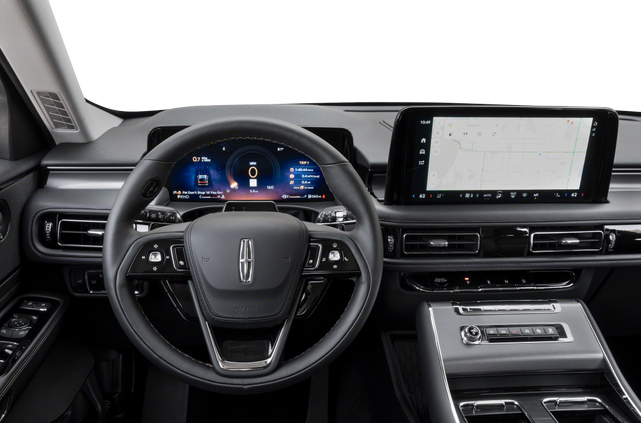
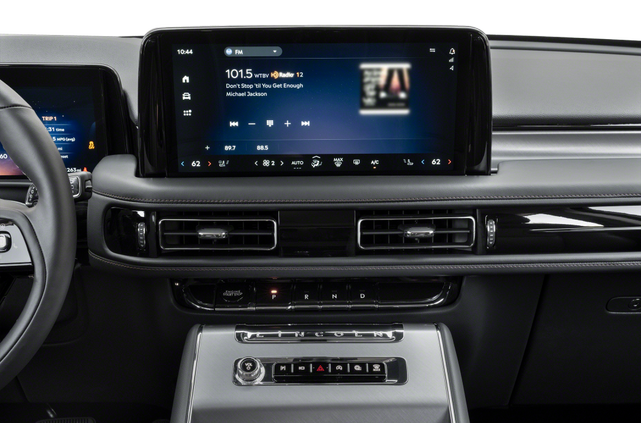
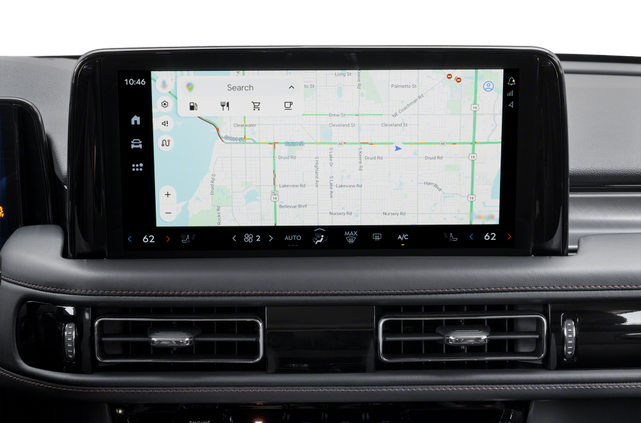
The entry-level Aviator Premiere rides on adaptive dampers and 20-inch wheels. Other exterior features include LED headlights, rain-sensing windshield wipers with heated rests, a hands-free power liftgate, keyless entry and start, and remote start. Inside you’ll find synthetic leather upholstery, power-adjustable front seats, a heated steering wheel with a tilt/telescoping column and three-zone automatic climate control. Cabin tech includes a digital instrument cluster, a 13.2-inch touchscreen and 10 speakers.
Reserve
Stepping up to the Reserve nets buyers a panoramic moonroof, genuine leather upholstery, four-zone climate control, a power-adjustable steering column and ambient lighting. Tech upgrades for the Reserve include a head-up display, wireless phone charging and a 14-speaker Revel sound system.
Black Label
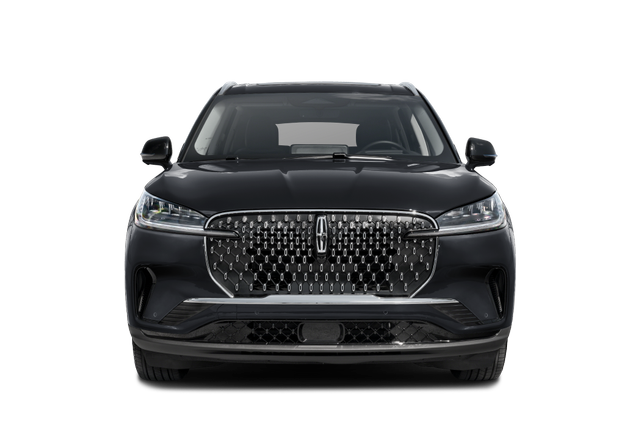
At the top of the Aviator lineup, the Black Label is only available with AWD. It’s distinguished by its 22-inch wheels, adaptive headlights that turn with the steering wheel, a unique grille and body-colored exterior trim. The Black Label’s cabin is spiffed up with exclusive leather colors, 30-way adjustable front seats, heated and ventilated first- and second-row seats, and a 28-speaker Revel audio system.
Powertrains and Fuel Economy
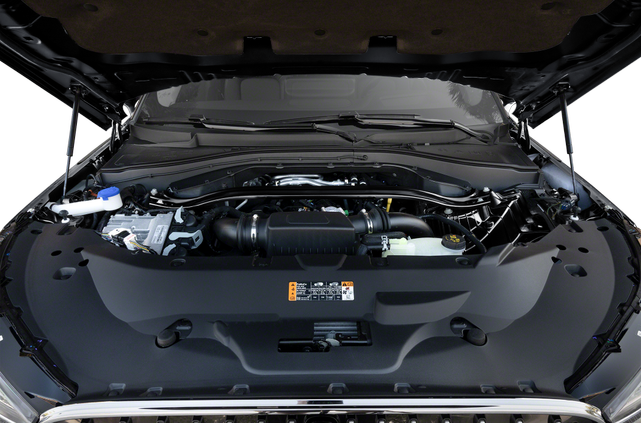
The only powertrain available in the Aviator is a twin-turbocharged 3.0-liter V-6 making 400 horsepower and 415 pounds-feet of torque. It’s mated to a 10-speed automatic transmission. RWD is standard on the Premiere and Reserve trim levels, with AWD available. The top Black Label trim comes standard with AWD.
While the Aviator boasts more standard horsepower than even its competitors’ optional engines, the trade-off is the typical one: The Lincoln’s fuel economy lags behind that of rivals like the Acura MDX, Infiniti QX60 and Lexus TX 350.
| Drivetrain | Powertrain | City MPG | Highway MPG | Combined MPG |
| RWD | 400-hp, twin-turbocharged 3.0-liter V-6 | 18 | 25 | 21 |
| AWD | 400-hp, twin-turbocharged 3.0-liter V-6 | 17 | 25 | 20 |
Interior
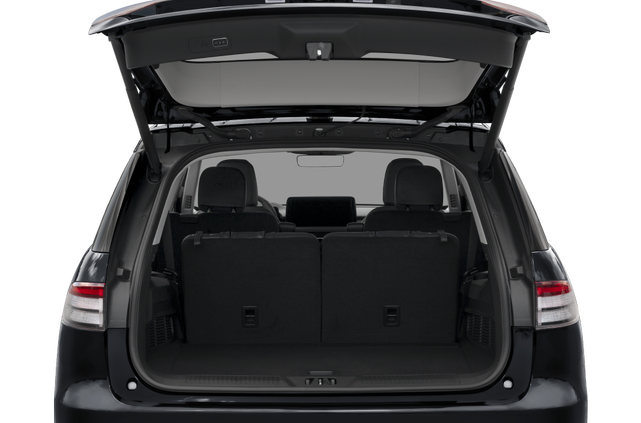
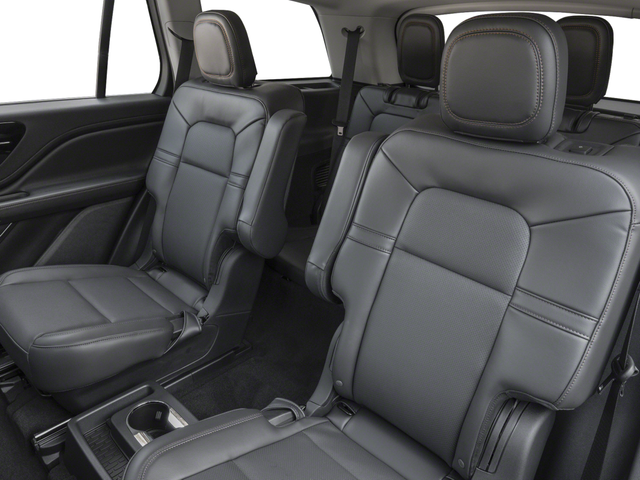
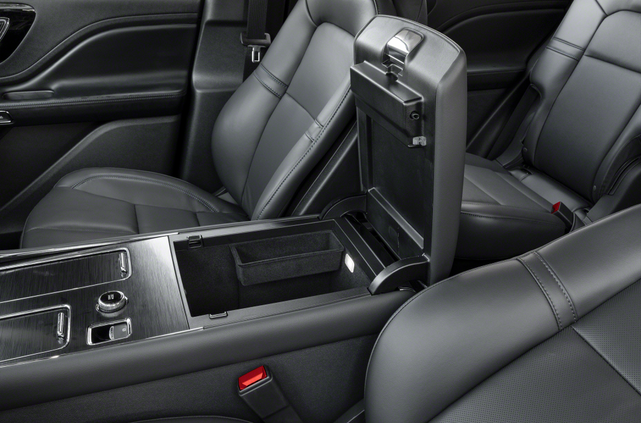
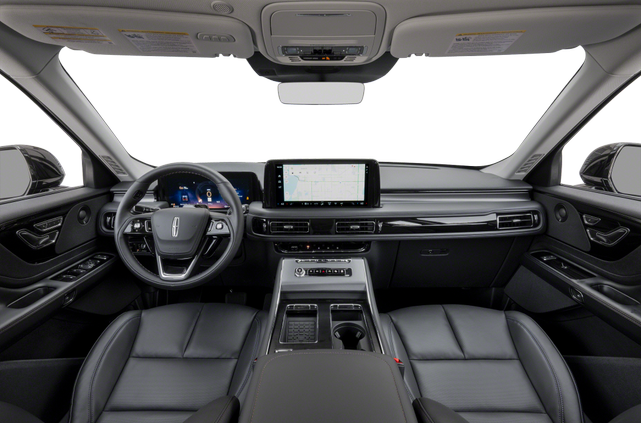
The Aviator’s cabin is beautifully designed, and the quality of the materials inside is immediately apparent thanks to a heady leather aroma the moment you open the door. On paper, its size is similar to that of its primary competitors, but the Aviator’s interior looks better than it works. Oddly sized seats (too wide up front, too narrow in the middle, just plain snug in the third row) make it hard to get comfortable. An odd relationship between the steering wheel and instrument panel means some drivers will never get a full view of the gauges, and the infotainment touchscreen is awkwardly positioned, making it particularly distracting to look at.
Versus the Competition
About the only thing the Aviator does better than any of its similarly priced rivals is go fast in a straight line. If your top priority is something else, another SUV will better suit your needs. The Acura MDX has a more comfortable and flexible interior, combined with nimble handling that makes it more fun to drive than the Lincoln. The Lexus TX is more spacious — particularly in the third row — and has a significantly larger cargo hold once you start folding the seats. With its available hybrid powertrain, the TX is nearly as quick as the Aviator and vastly more efficient.
Although they don’t wear luxury-brand badges, the Hyundai Palisade and Kia Telluride match the Aviator’s luxuriousness in their top trim levels. Both also offer superior interior volume and, with their available hybrid powertrains, top even the Lexus TX hybrid’s fuel economy.
Do We Like the Lincoln Aviator?
As lovely as the Aviator’s new interior is, and as much as we appreciate its standard BlueCruise, there are numerous alternatives to the Lincoln’s Explorer-based SUV that are better to drive or offer a more luxurious experience.