









What Car Shoppers Need to Know
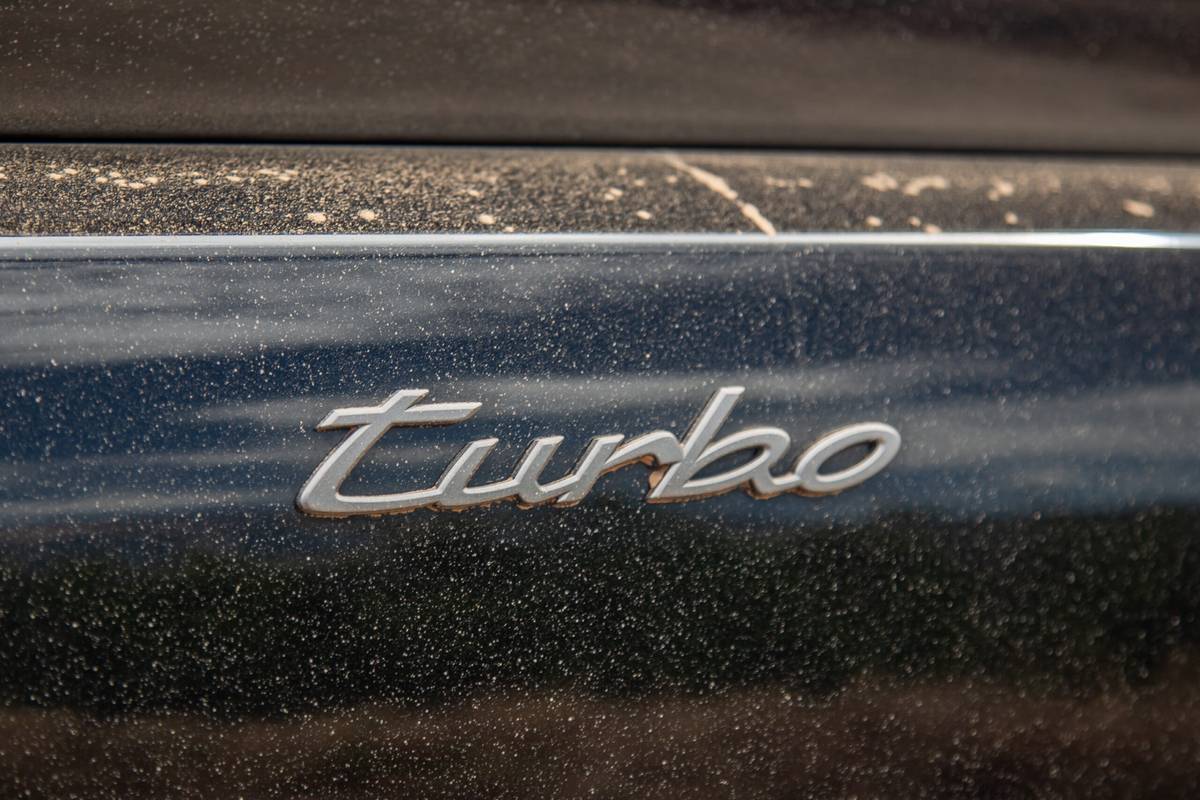
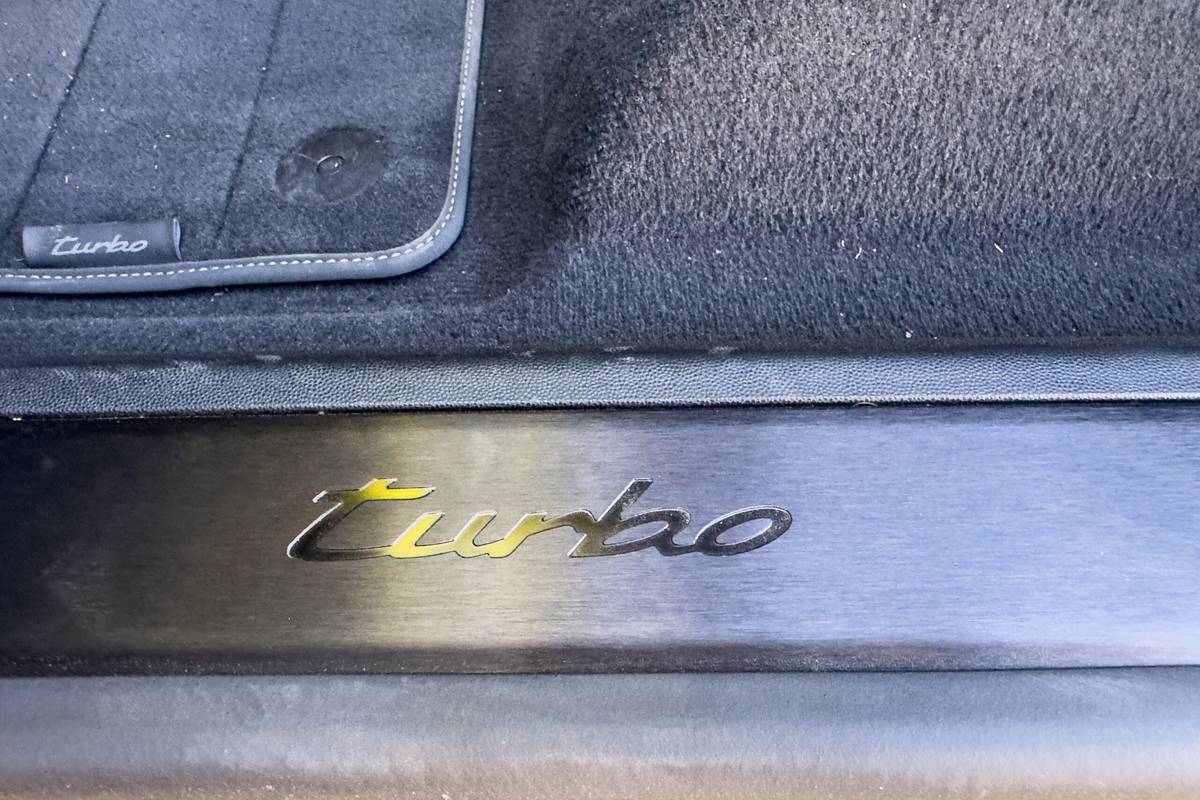
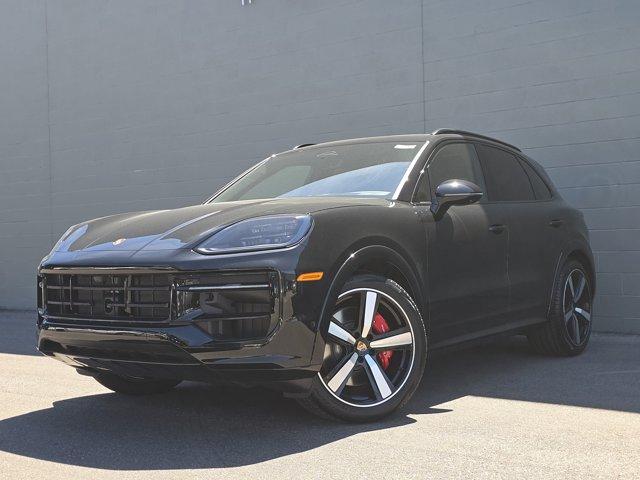
- The all-new Porsche Cayenne Turbo Electric is the most powerful production Porsche in history.
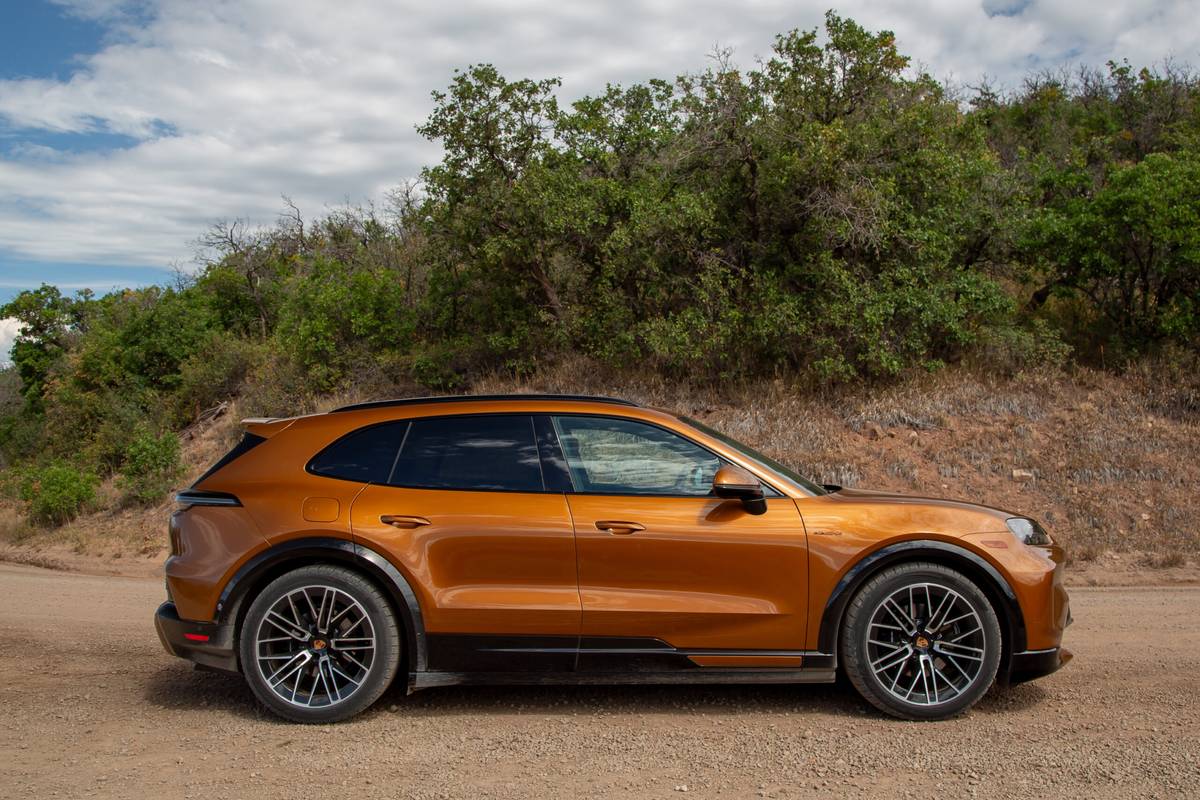
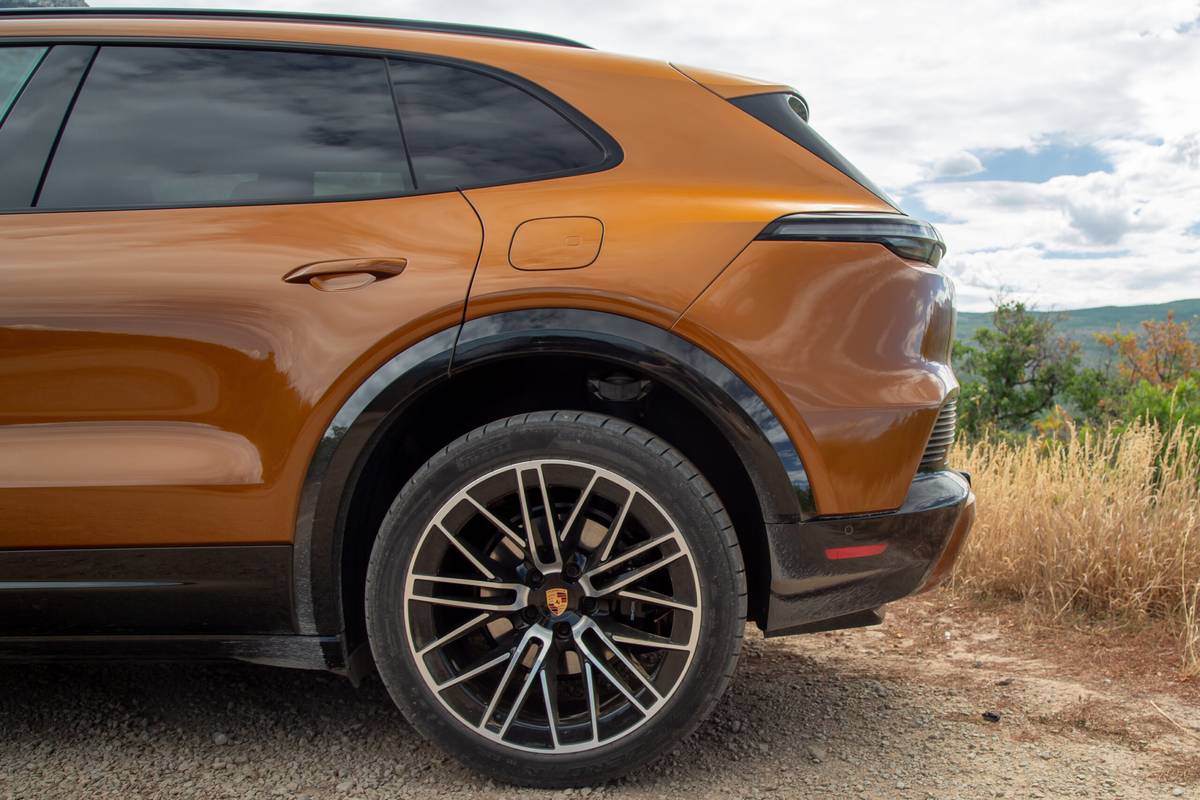
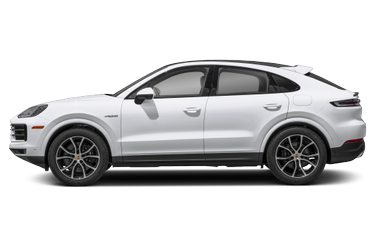
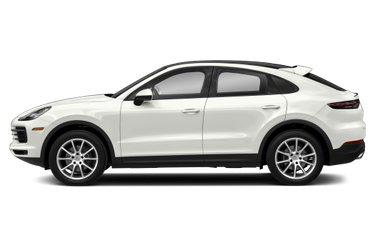
- It’s available as both a regular SUV and coupe-style SUV.
- Porsche says the Cayenne Turbo Electric makes 1,139 horsepower and can go from 0-60 mph in 2.4 seconds.
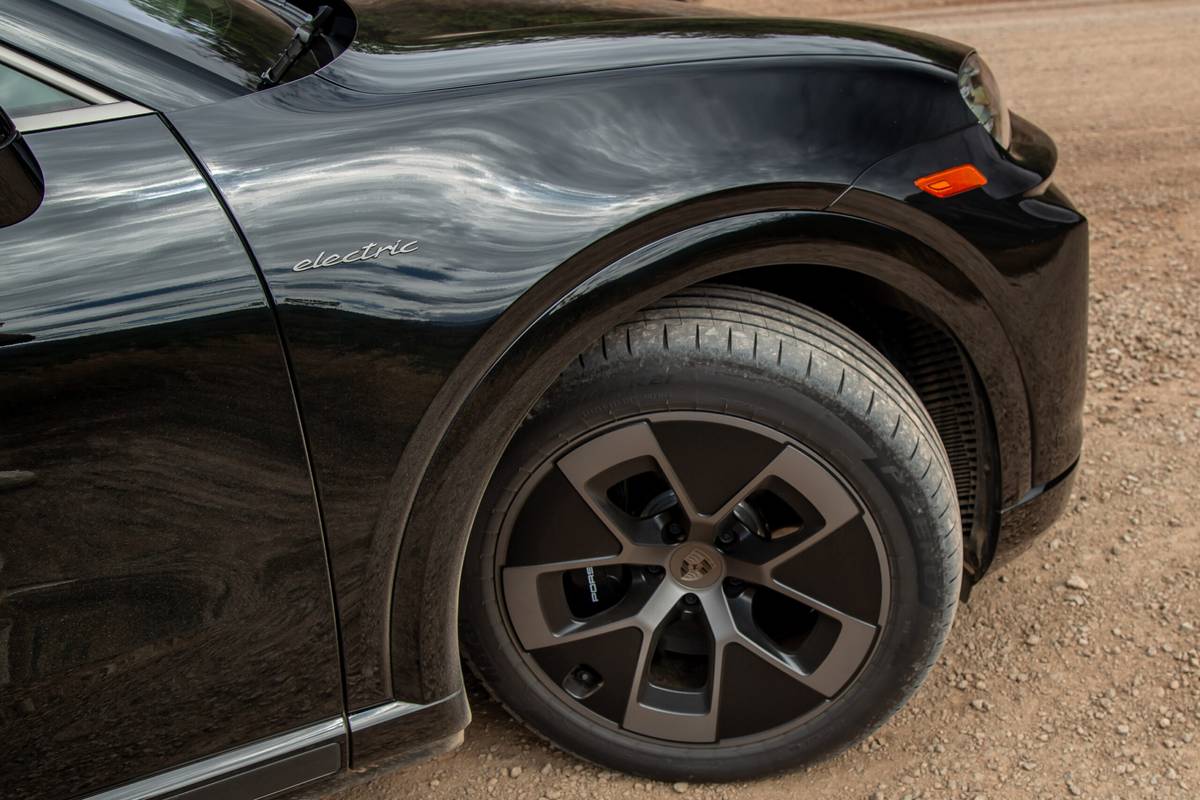
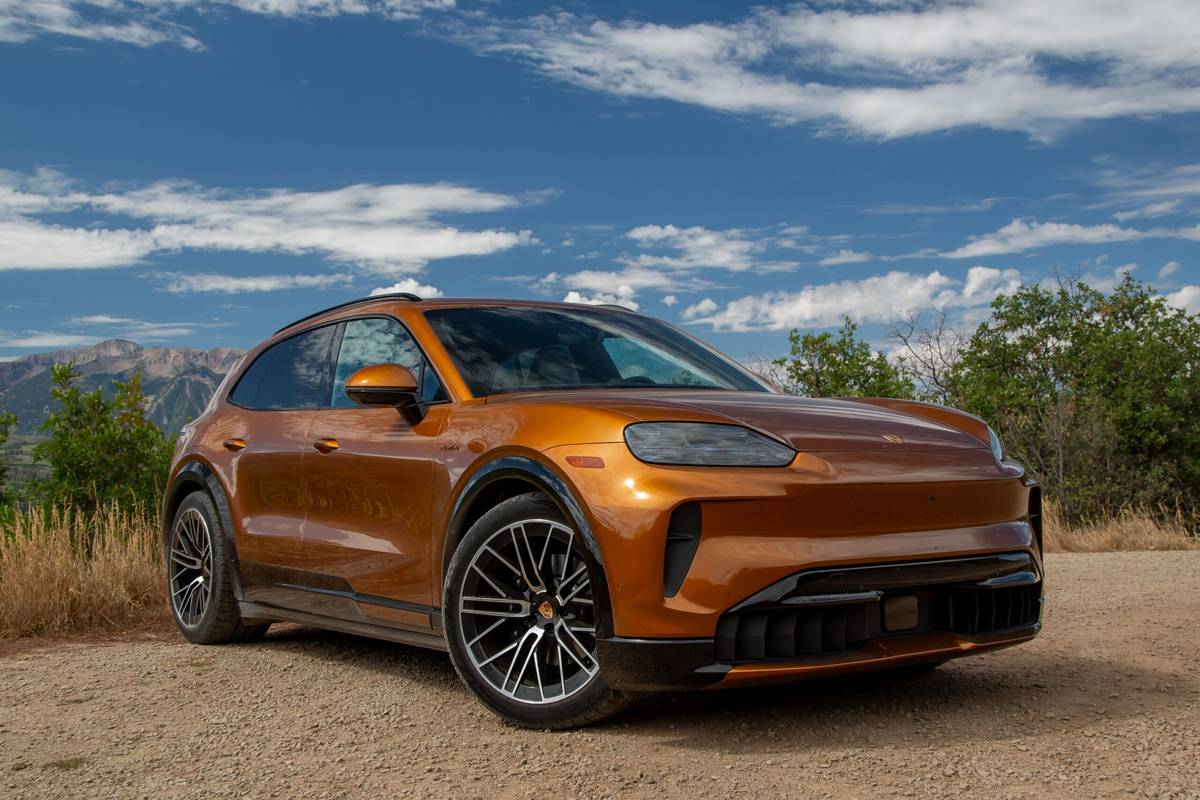
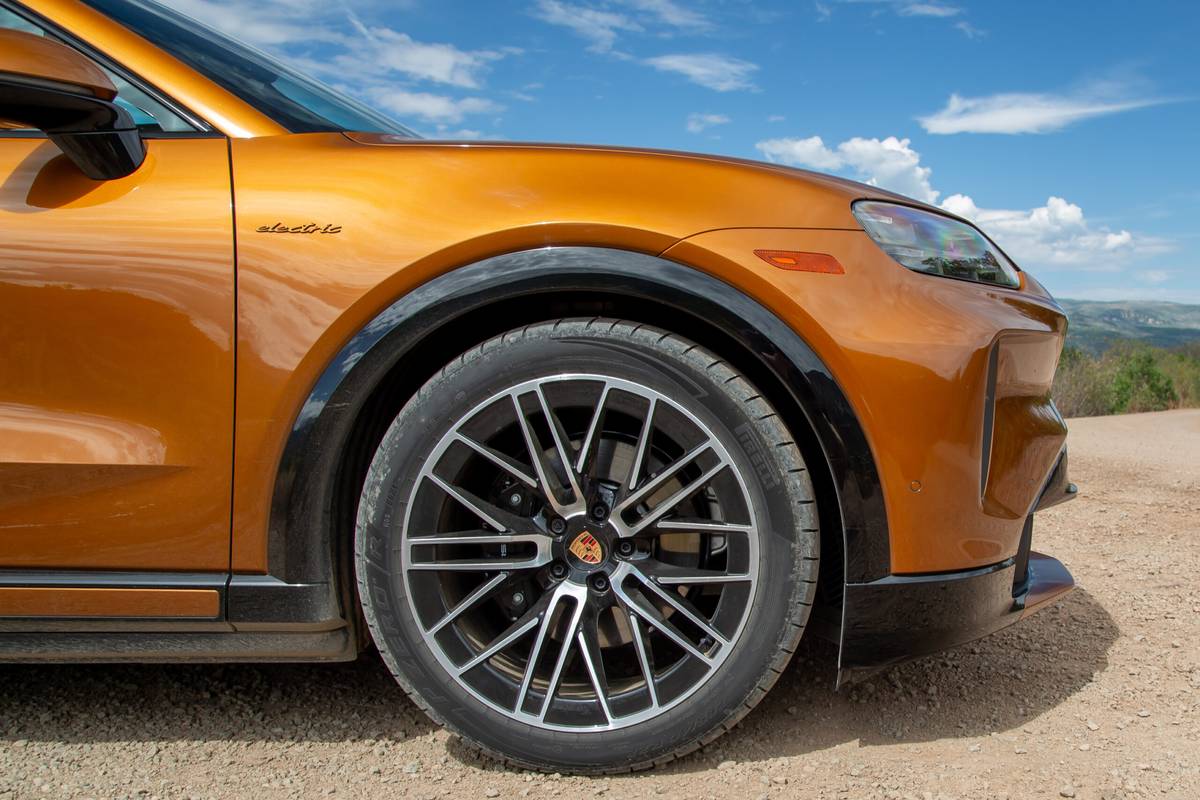
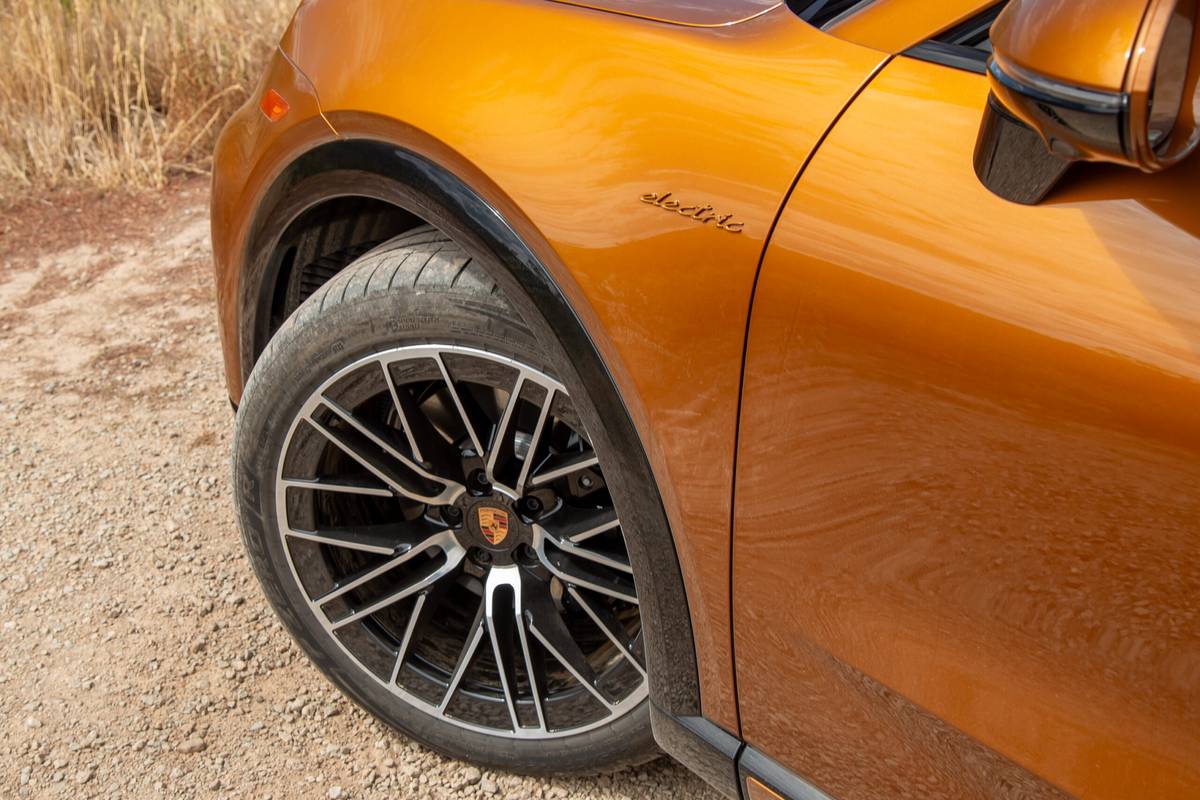
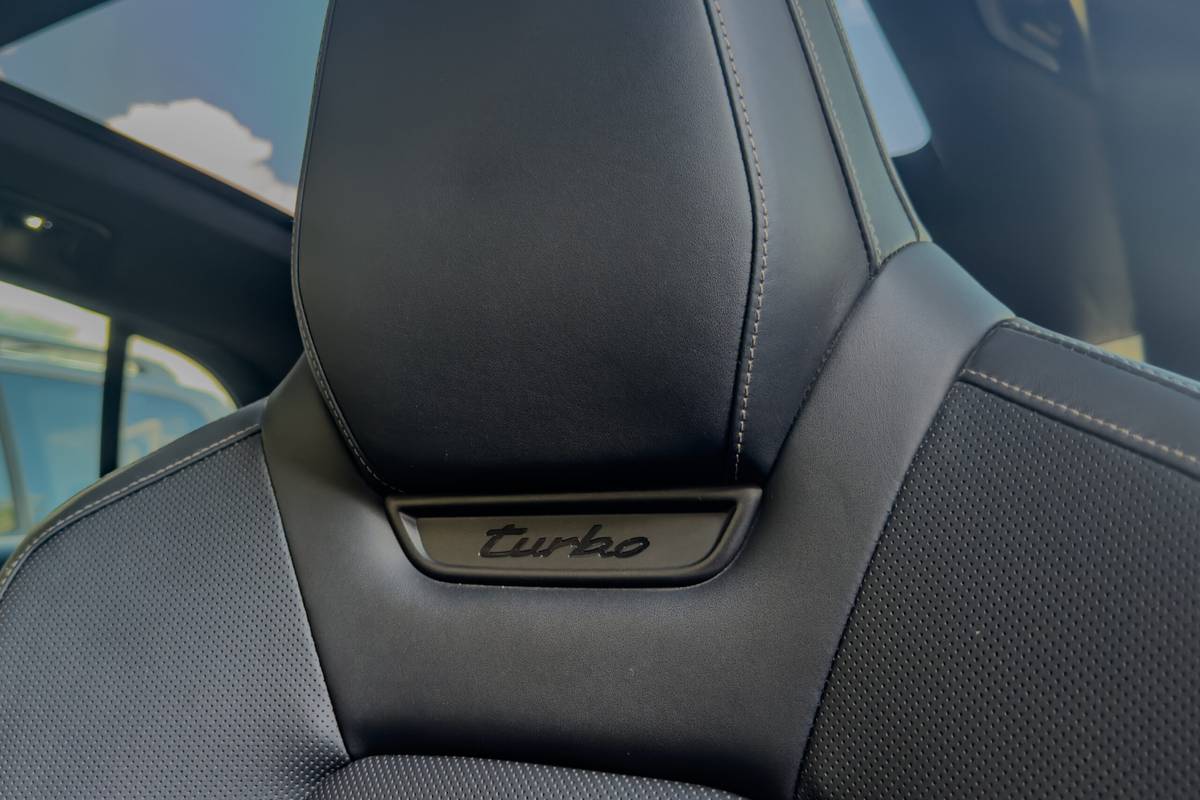
The gang’s all here. With the launch of the all-new 2026 Porsche Cayenne Electric, every gas-powered four-door model in Porsche’s 2026 lineup now offers an all-electric variant. In typical Porsche fashion, the Cayenne Electric offers quite the range of performance (and price tags), starting with a capable daily commuter and topping out with an 1,100-hp gigasled — 1,139 hp and 1,106 pounds-feet of torque in the top-dawg Cayenne Turbo Electric, to be precise. Related: Shop for a New Porsche Cayenne
How Much Does a 2026 Porsche Cayenne Electric Cost?
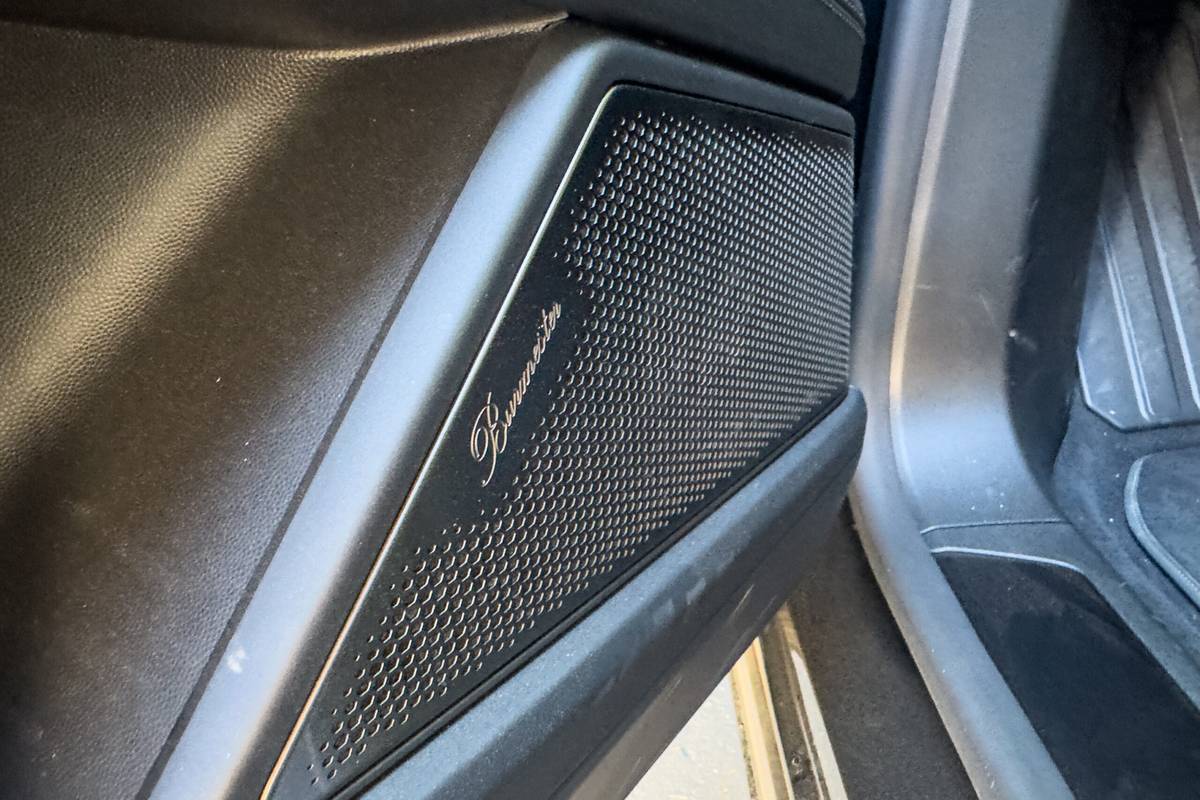
You can spin the Cayenne Turbo Electric’s $165,350 base price (or $170,350 for the coupelike SUV version; all prices include a $2,350 destination fee) to ridiculous heights via an options list teeming with both the serious and the silly. Silly: an available $7,560 exterior SportDesign Package in Carbon Fiber, as well as an $890 bespoke owner’s manual wallet. Serious: $7,790 Active Ride tech and $9,950 carbon-ceramic brakes. A dizzying breadth of customization and Exclusive Manufaktur options make it tricky to quote a definitive configurator high score, but the well-equipped Cayenne Turbo test cars at a recent media drive ranged between $196,010 and $198,200. Well done, $6,120 Burmester sound system and $2,910 augmented reality head-up display. But if build-sheet exorbitancy is ever to be outright forgiven, it’s on the window stickers of Bentleys, Rolls-Royces, Lamborghinis and Porsche Turbos. These are excessive, superlative cars in every regard, and the Cayenne Turbo Electric continues that tradition with killer tech and overwhelming, otherworldly performance. Its 1,139 hp is enough to disrupt both planetary orbit and Newtonian mechanics, with a Porsche-stated 0-60 mph time of 2.4 seconds. That’s cracking stuff for a 5,860-pound SUV, and it gets even better when you consider Porsche legendarily underrates its vehicles’ performance: I managed a very, very roughly recorded 2.6-second 0-60 mph scramble with the battery at half charge, so I imagine 2.2 seconds is realistic under the right conditions.
Expert Rating: 7.3/10
- Powertrain: 9/10
- Ride quality: 8/10
- Driver comfort: 7/10
- Passenger comfort: 7/10
- Interior quality: 9/10
- User interface: 8/10
- Cargo space: 7/10
- Value: 5/10
- Overall appeal: 8/10
- Driving range: 6/10
- Charging speed: 7/10
- Efficiency: 7/10
The Cayenne Turbo Electric feels exactly as you expect it to. You know those hydraulic press videos? That, but the press engages your lower torso with bullet speed. Or maybe you’ve tripped over the rim of the Grand Canyon, and then your barrel went over Niagara Falls. It’s a physical pressure reserved for these four-figure-output electric vehicles, hypercars and nutso cars tuned within an inch of their life, and it’s one you absolutely, positively do not need for the school carpool lane or a 5-mile commute between your home, gym and office.
How Much Power Does the Base Porsche Cayenne Electric Have?
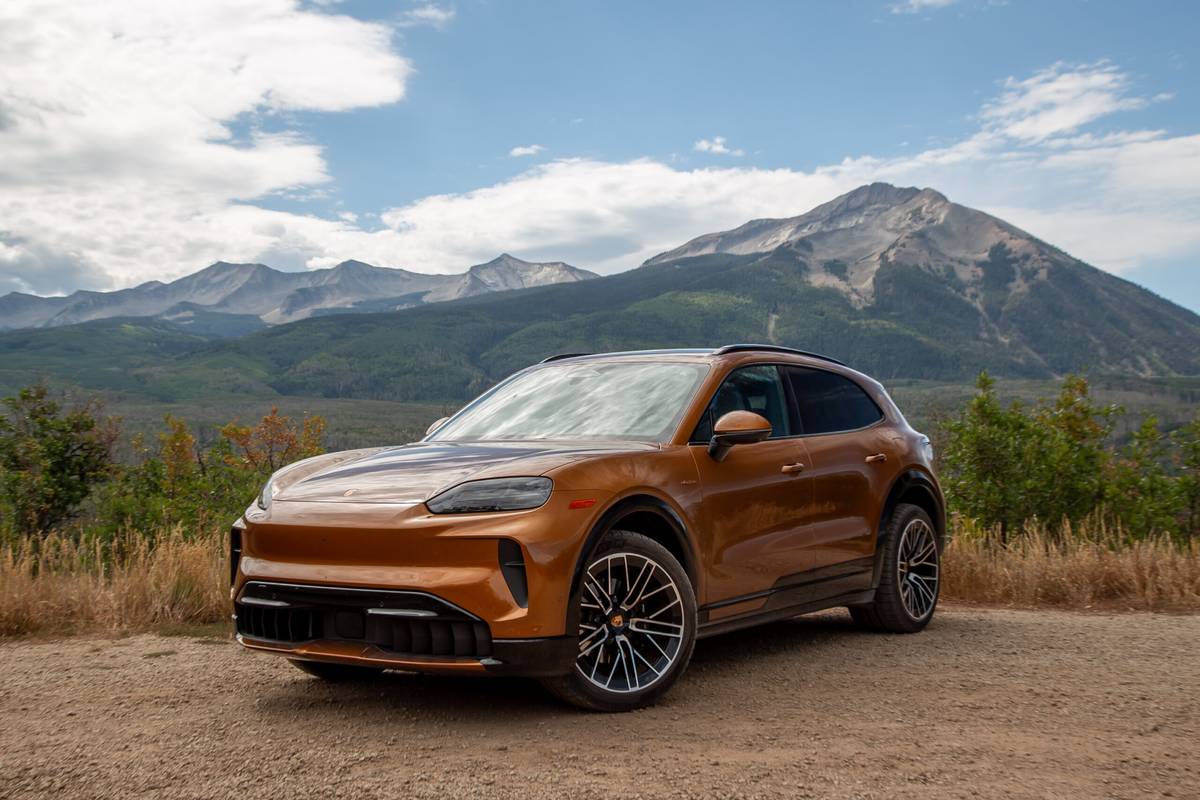
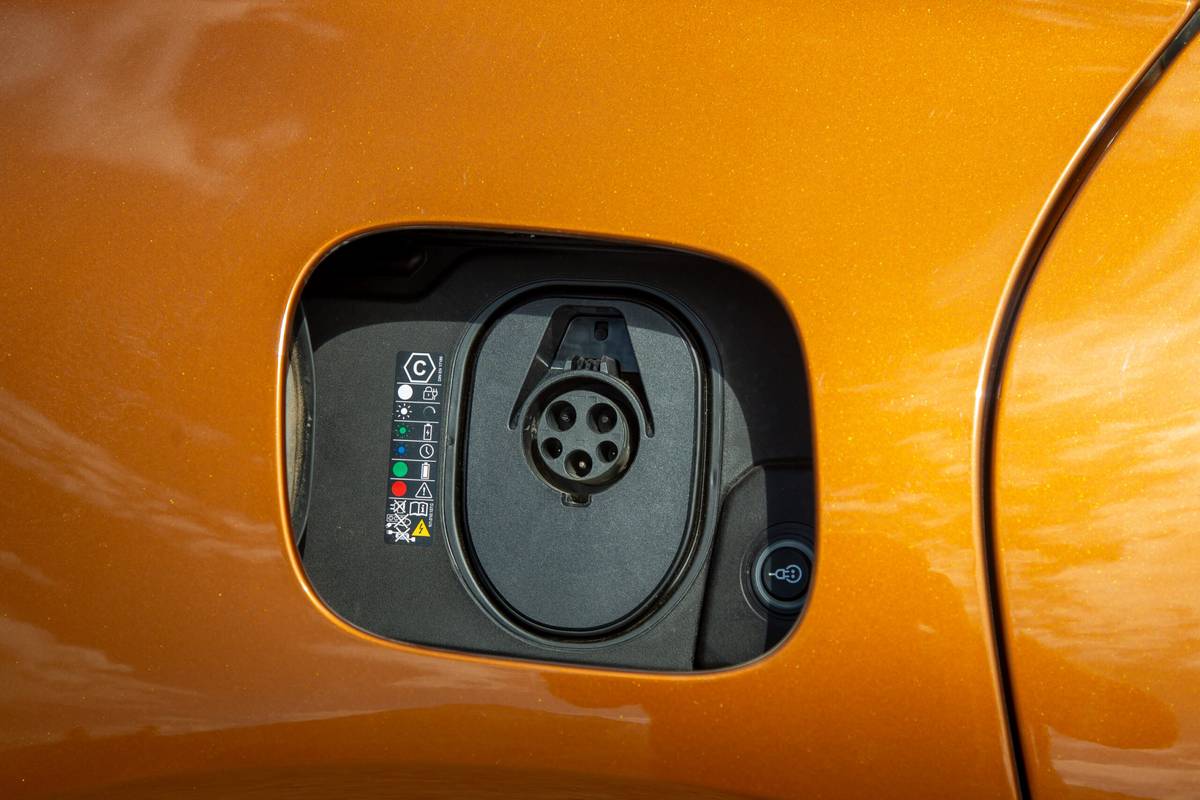
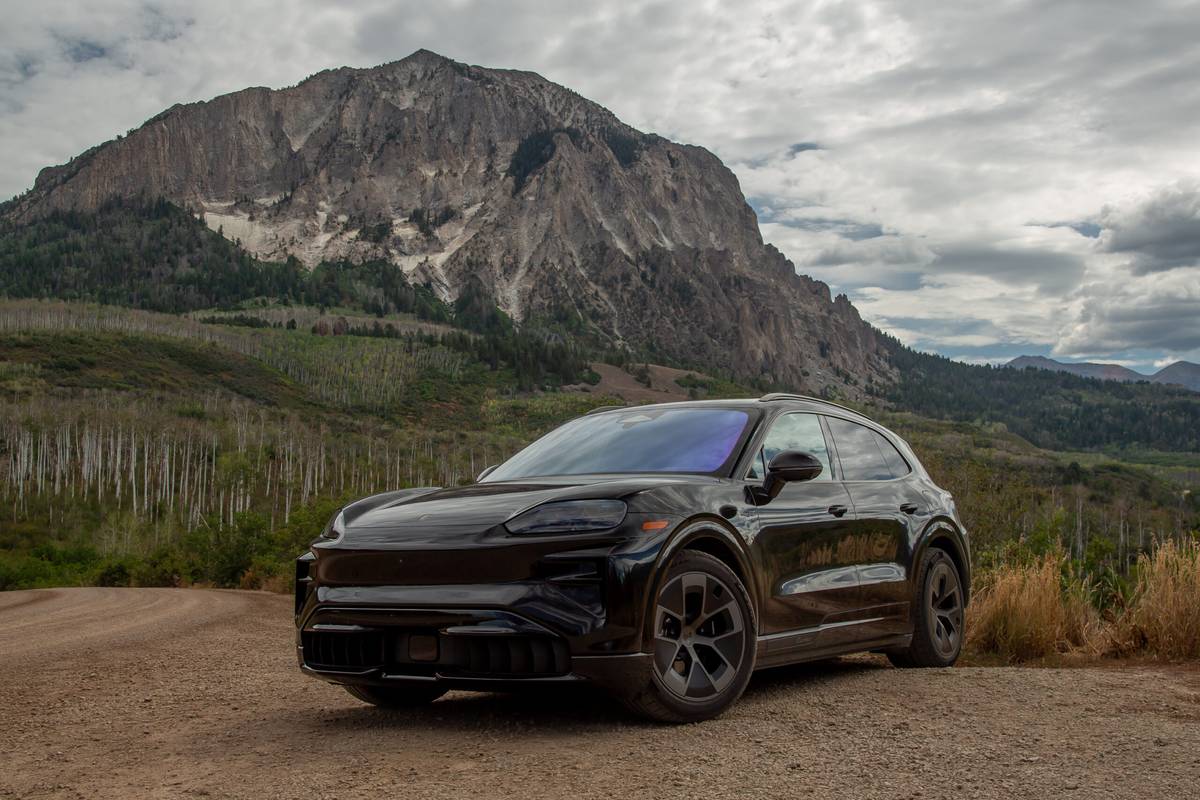
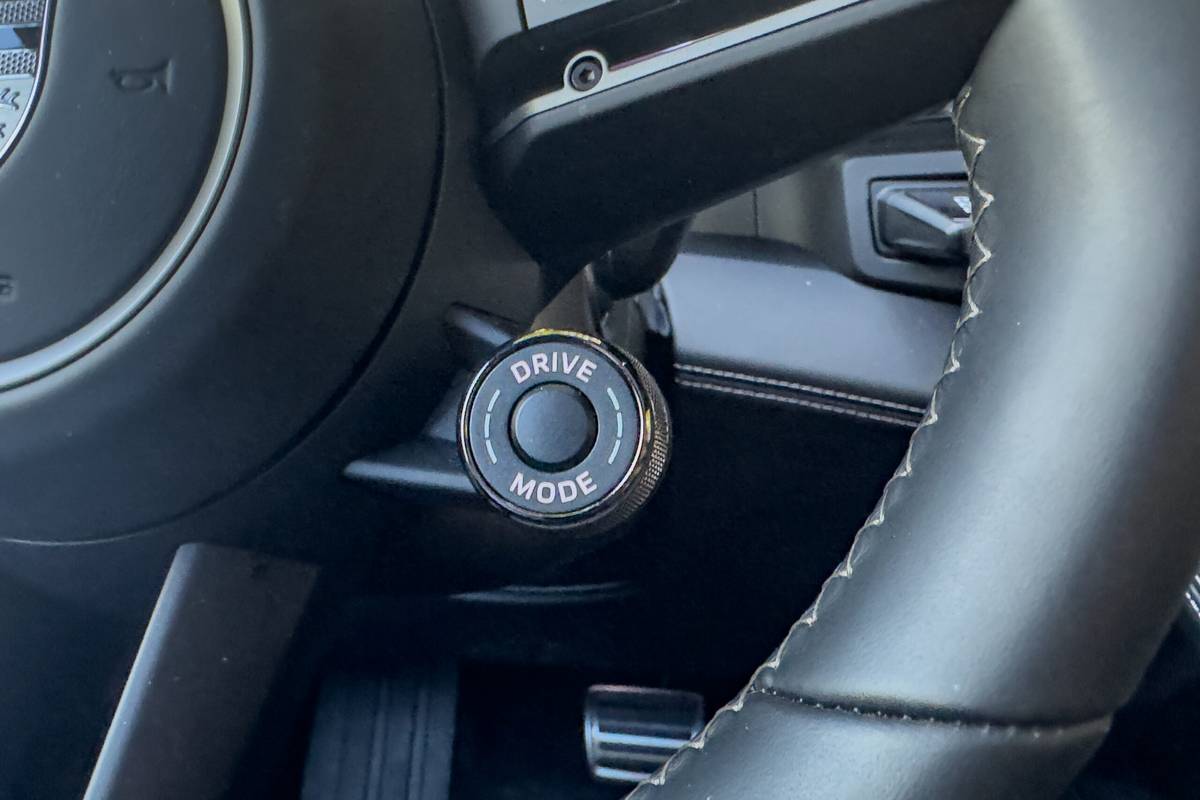
I heartily recommend the standard Cayenne Electric, which peaks at 435 hp. You still get twin electric motors (and, thus, all-wheel drive) and a strong 0-60 mph time of 4.5 seconds, but you save a cool $54,000 on the baseline. Its range is better, too: The Cayenne Electric is good for 317-339 miles, depending on configuration, while the Turbo is rated from 298-307 miles. Batteries and charge speeds are unchanged between grades, with the Cayenne’s 113-kilowatt-hour pack capable of DC fast charging at up to a mighty 400 kilowatts in ideal conditions. You’re still going for the Big T, aren’t you? Well, I can hardly blame you; that’s what I chose for an approximately 250-mile round-trip cruise through the Rocky Mountains in Colorado, where I blew the doors off 150-hp Subaru Foresters and 1980s Toyota Pickups through the famed Independence Pass. (Come on, I needed that power to get me there, a la the world’s most hamfisted Pikes Peak attempt.) Also necessary was my Cayenne’s Active Ride, which is a shockingly clever Porsche suspension that I’m on record calling “one of the most remarkable, novel evolutions of suspension tech I’ve ever experienced.”
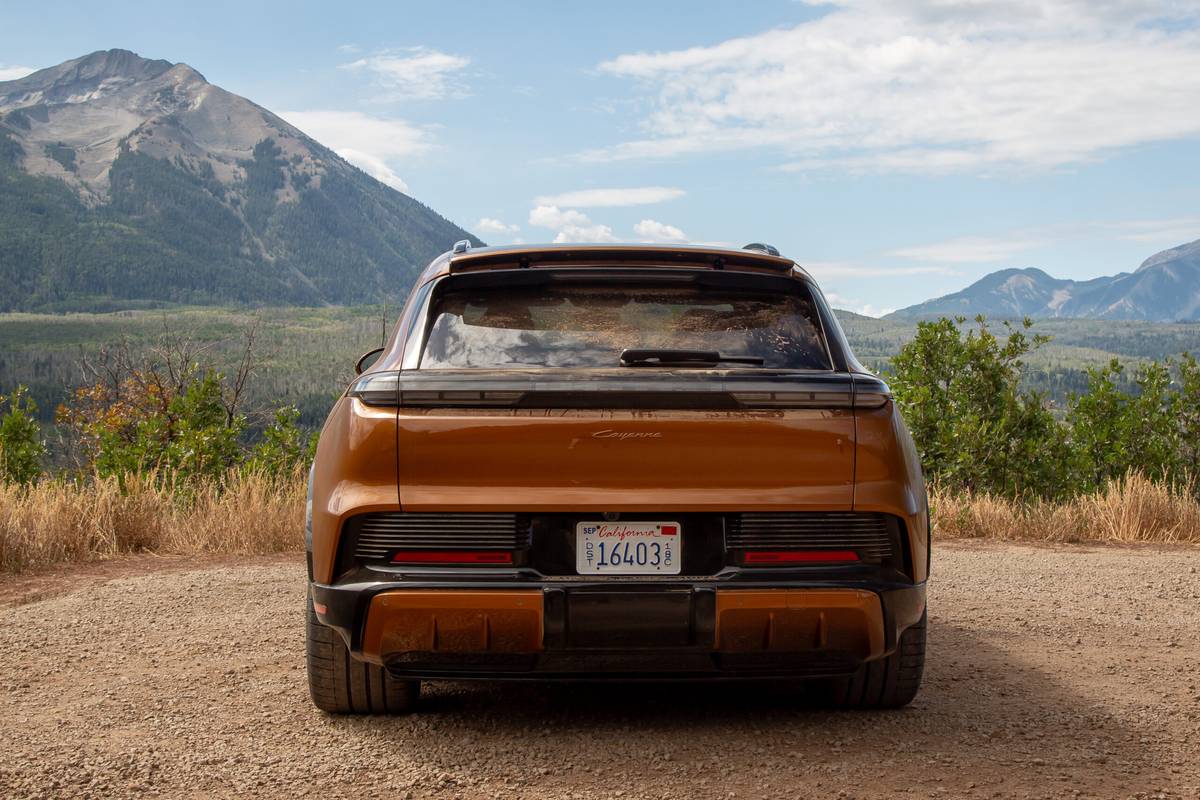
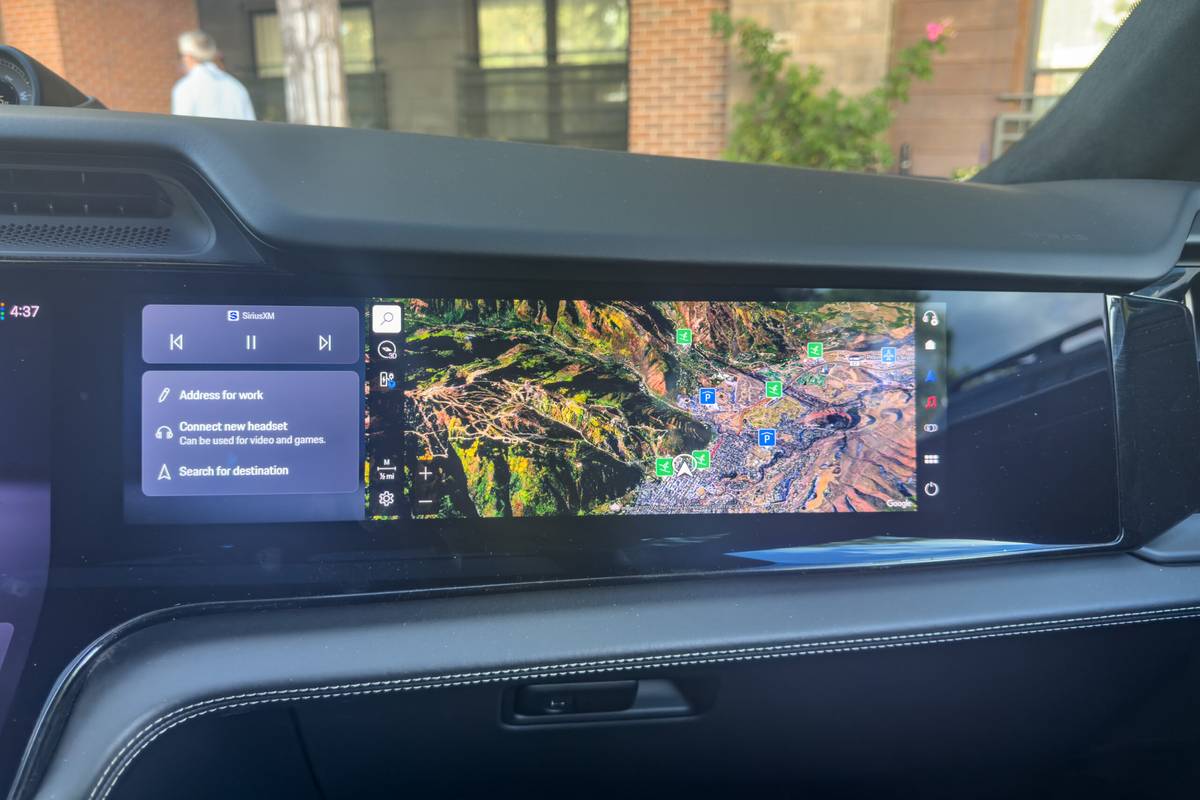
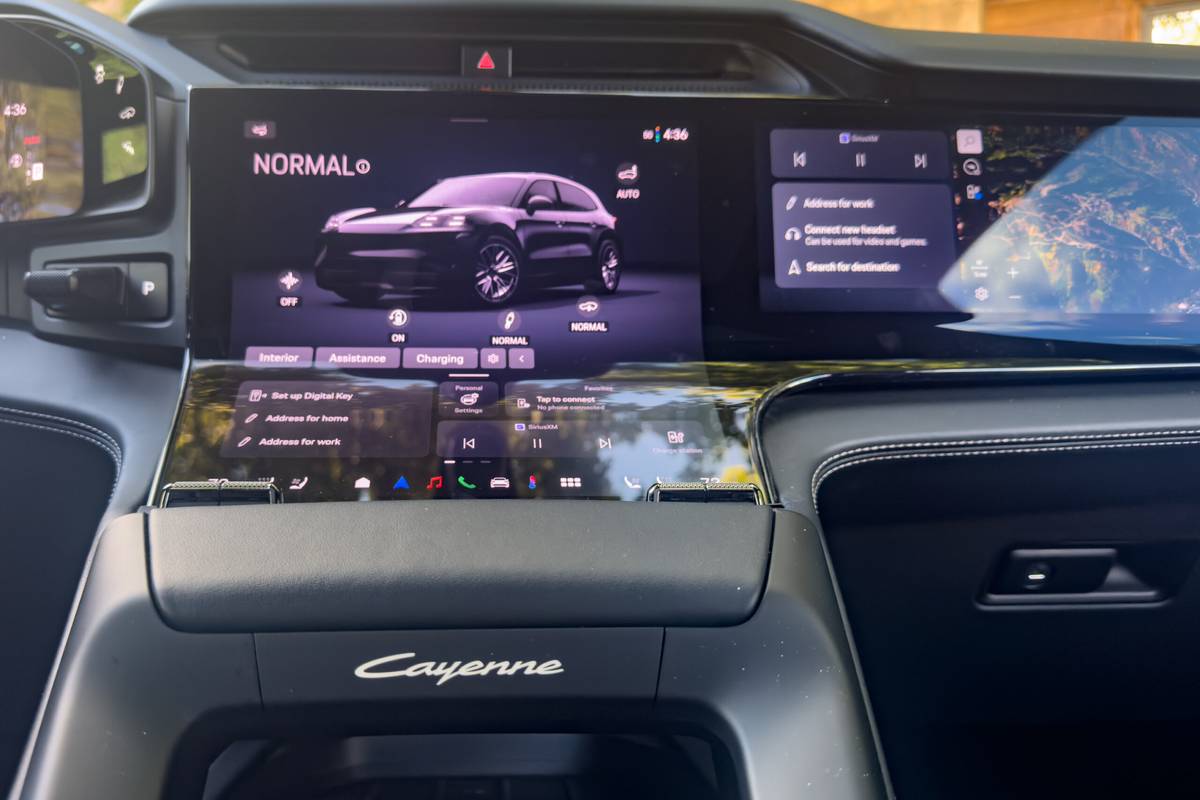
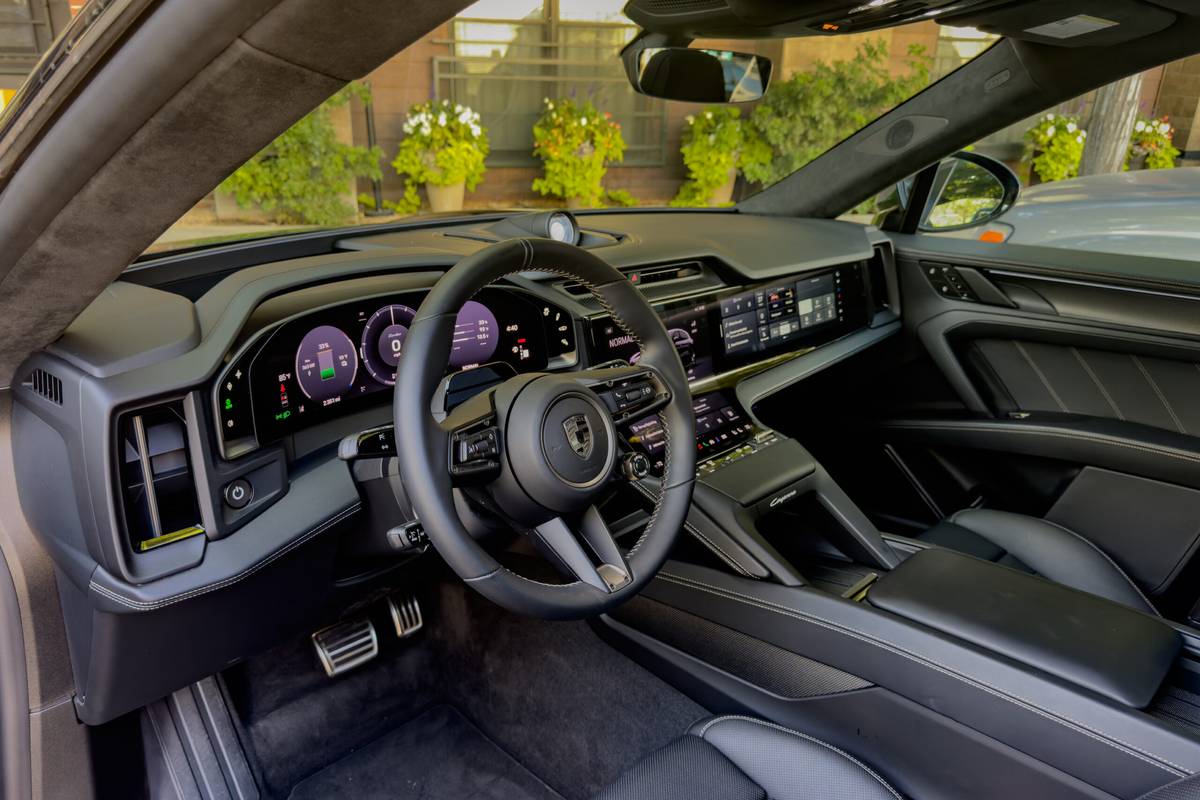
For day-to-day comfort, Active Ride nearly eliminates jolts from craggy pavement, and it irons out undulations to a spooky degree. In Sport and Sport Plus modes, Active Ride significantly cuts body roll during aggressive cornering, ensuring the Cayenne Electric never feels its size or weight. Compared with the same system in the smaller Panamera, however, Active Ride’s preternatural effect is notably muffled in the Cayenne, presenting as an incredibly well-composed adaptive suspension rather than the quantum leap it felt like in the gas-powered sedan. This scaled-up similarity is a bit of a theme with the Cayenne Electric. Both at speed and at slow(?), it feels very much like a larger, more powerful and more luxurious Macan Electric — or perhaps a triple-scale Taycan. These are driver interfaces I’ve felt in Porsche’s other EVs down to excellent steering weight, regenerative brake blend and drivetrain tuning. As I’ve effused before, it’s about as good as it gets in the EV class if range isn’t a top priority. What hasn’t been seen before is the Cayenne’s 12.25-inch curved organic light-emitting diode infotainment touchscreen, nor the rear aero blades that extend and retract depending on speed. I can’t speak too much about those, as the process is entirely automated and out of sight, but that so-called “Flow Display” is as underwhelming to use in motion as it was during a studio preview late in 2025. There’s nothing particularly wrong with it — it’s just as easy and intuitive to operate as a standard display — but it’s not clear what its purpose is beyond a minor “wow” factor.
Does the 2026 Porsche Cayenne Electric Have Physical Controls?
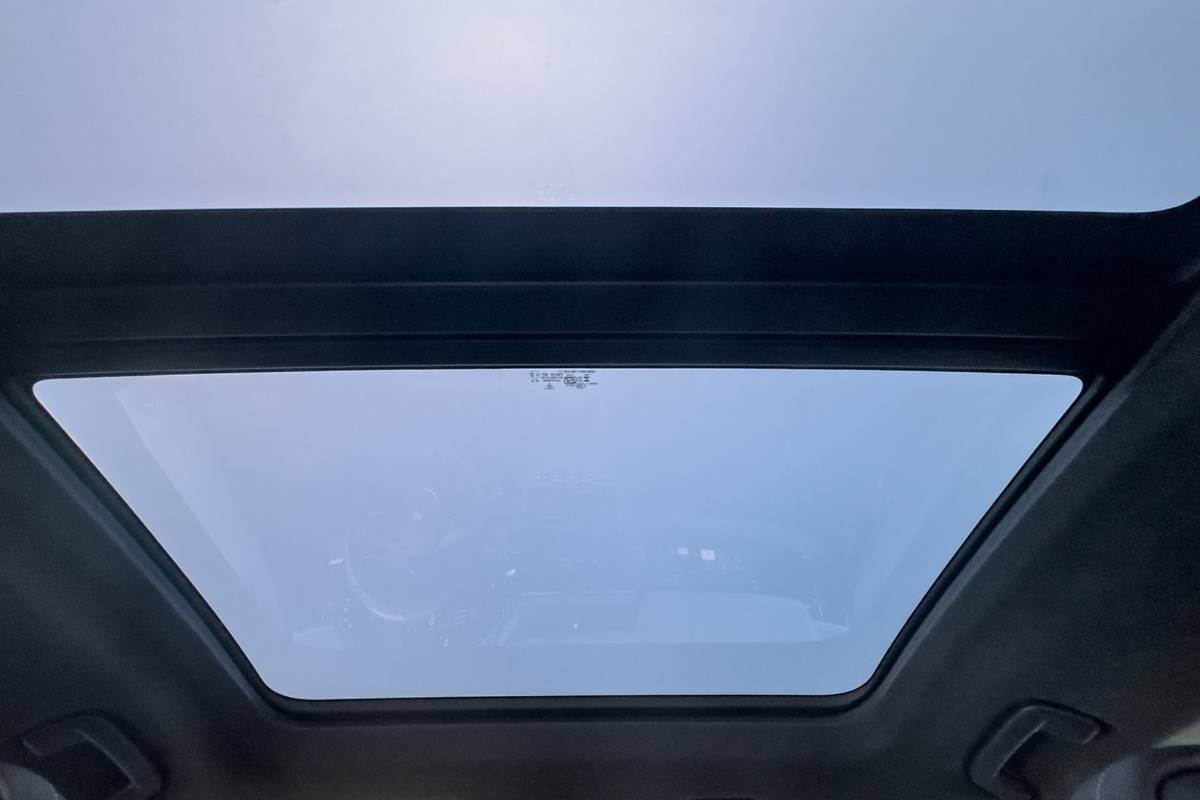
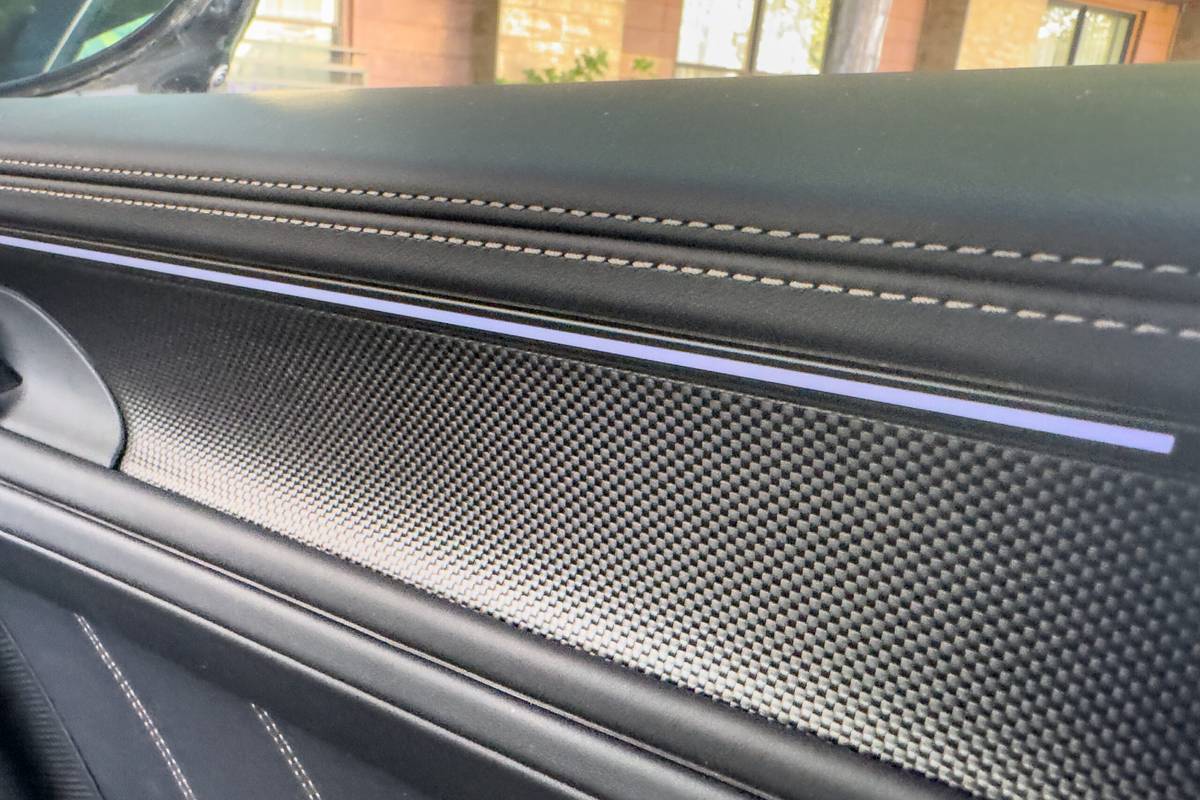
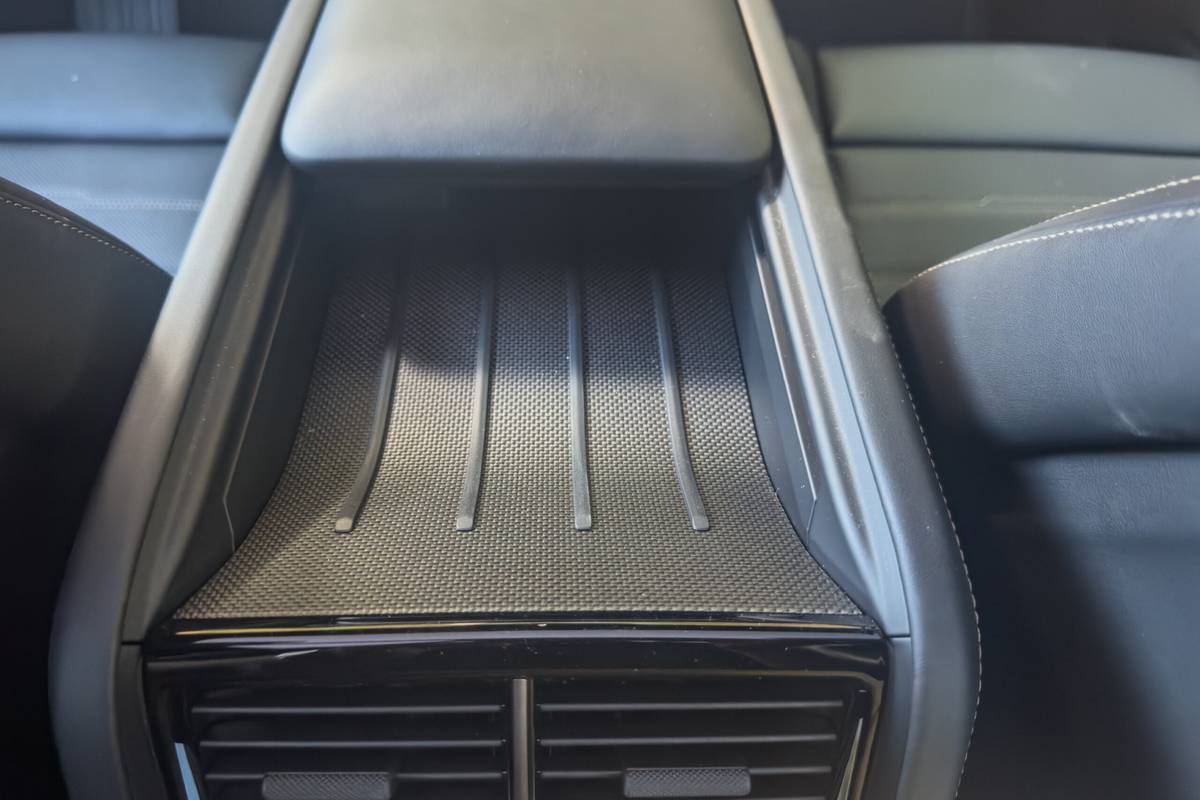
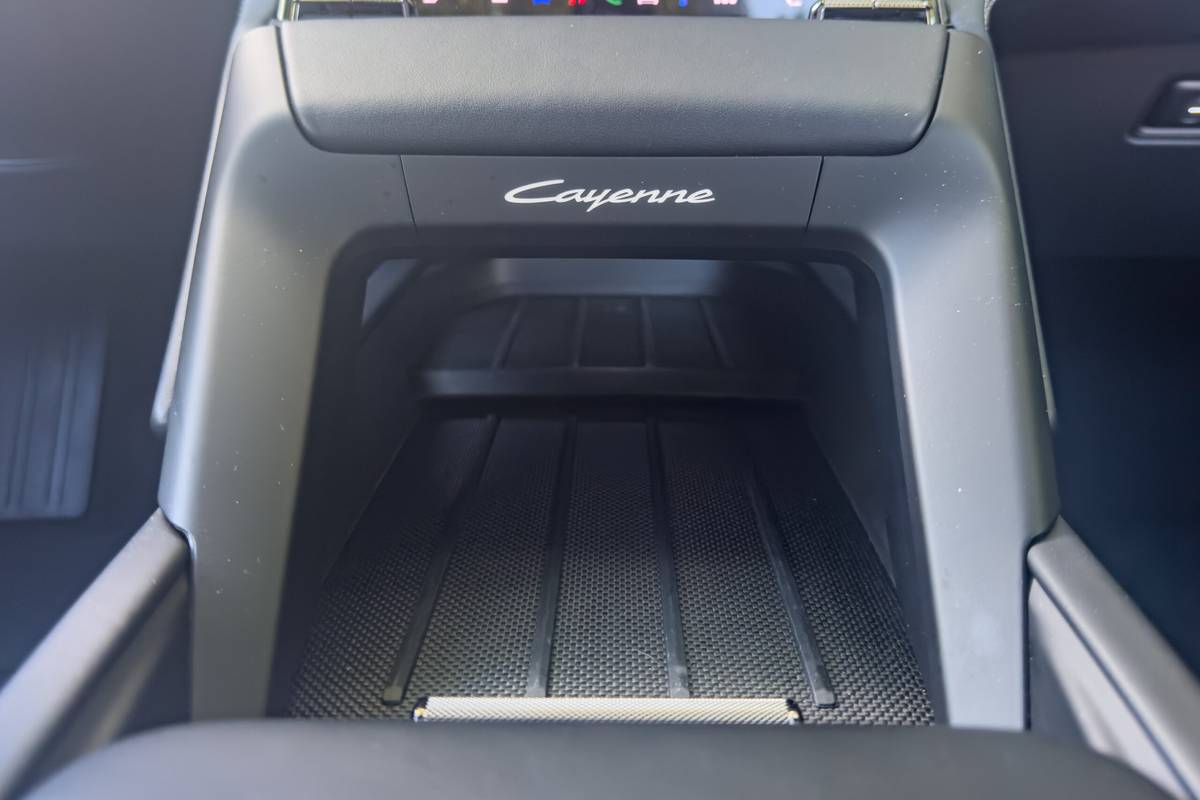
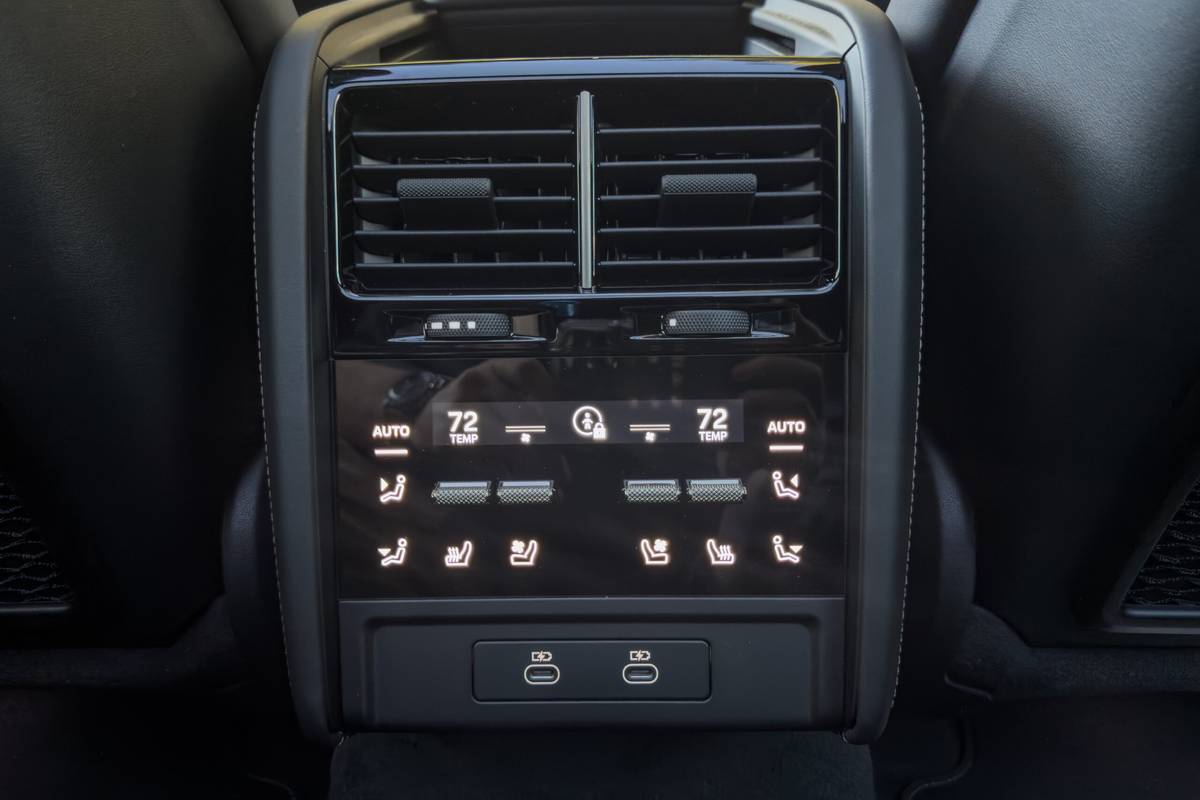
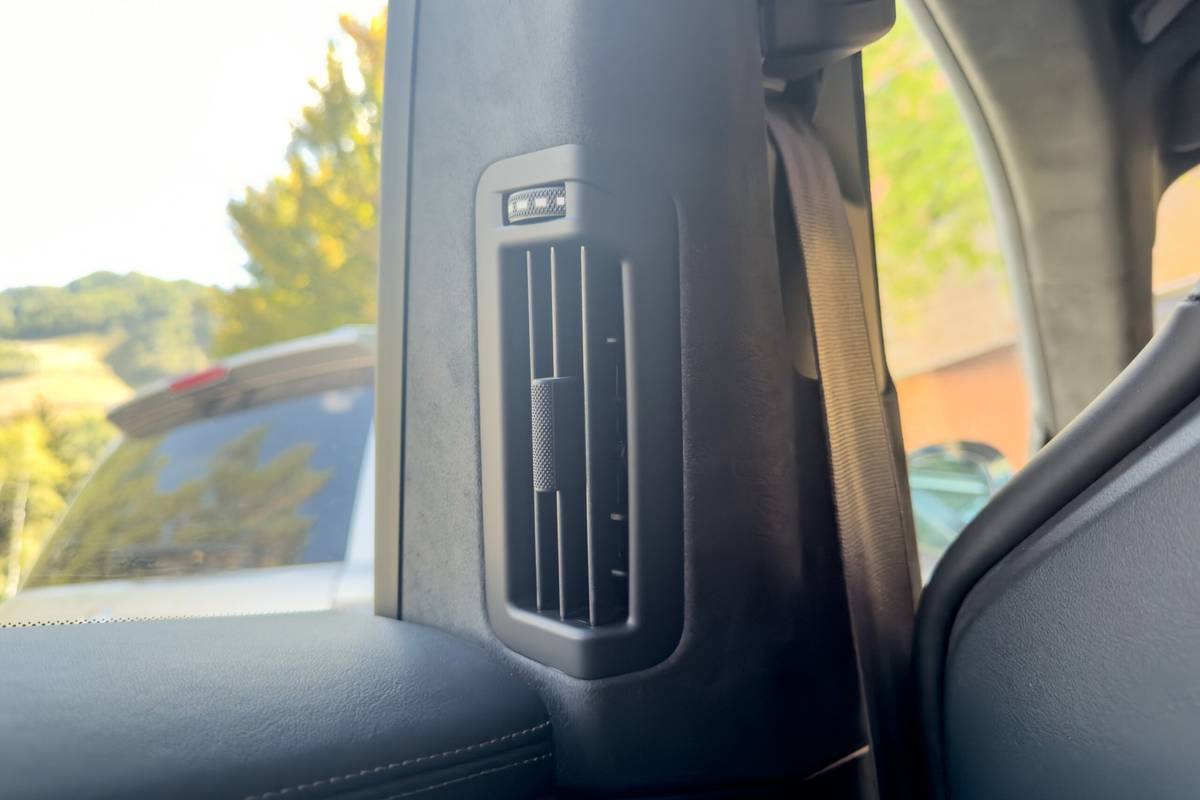
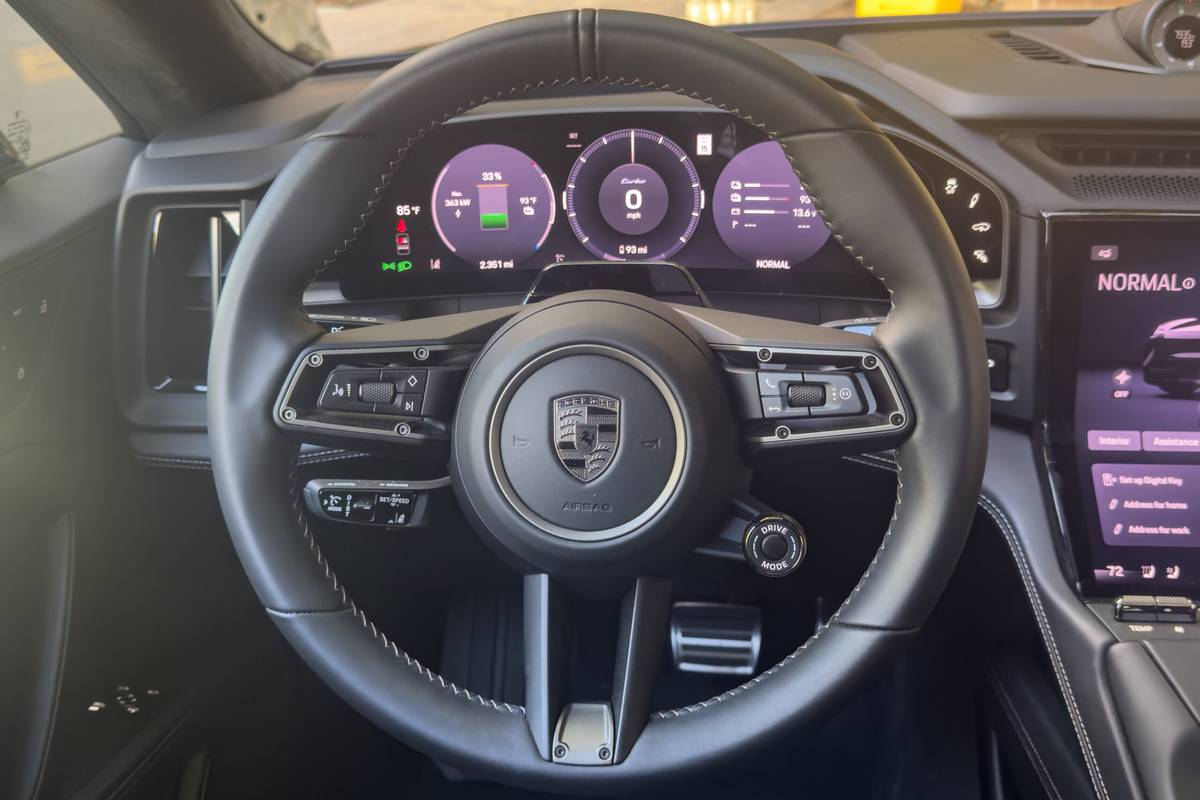
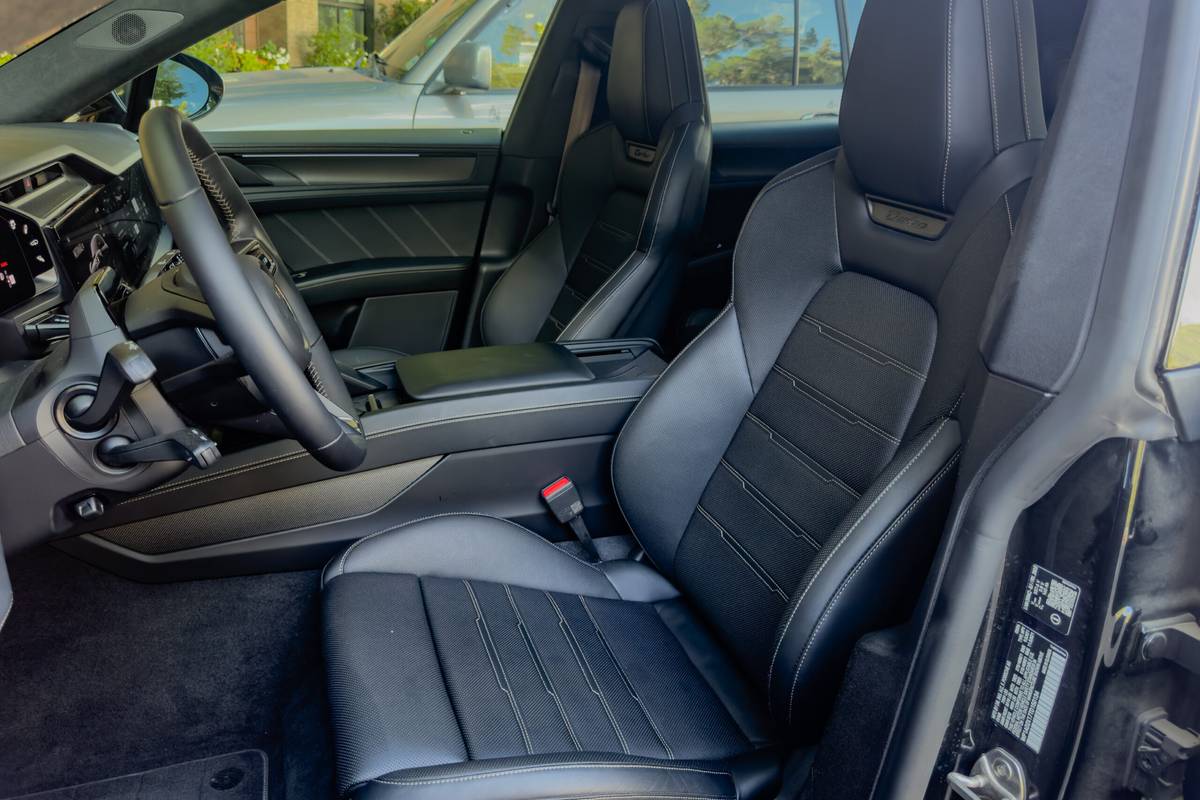
The rest of the cabin is more scrutable. Basic climate and audio functions are still toggled via physical controls on the center of the dashboard and steering wheel, while most other controls are digital. I dig the Cayenne’s floating center console design, with its clever use of sliding compartment doors and rubber lining to grip a smartphone, along with the cabin’s general fit, finish and presentation. Though I’ve yet to spend any amount of time in a base, base Cayenne, I’ve been told the synthetic material used for the standard dash and console is superior to what’s in base versions of other electric Porsches. I find it unlikely, however, that a significant number of Cayenne Electrics of any grade will be ordered free of options; a regular leather interior package adds just a (relatively) paltry $5,330 to the final tally. Occupant space is generally great, with the impressive merits of EV packaging obvious in its footwells and headroom. Good materials quality extends to the rear passenger area, where I (briefly) enjoyed the heated and ventilated backseat. The trick electrochromic Variable Light Control panoramic roof and its handful of pattern settings is fun to futz with, though you can only do so through front-row controls.
Overall, the Cayenne Electric is another impressive all-electric translation of a successful existing formula. If that seems like exactly the type of hyper electric crossover you’ve waited for, it’ll be exactly as you expected it to be. In short, the 2026 Porsche Cayenne Electric is a Taycanified Cayenne, or maybe a Cayenneified Taycan. It’s whichever you prefer, in any flavor you want — not need, want. And why would you want anything but the Turbo? Related Video:
We cannot generate a video preview.
Cars.com’s Editorial department is your source for automotive news and reviews. In line with Cars.com’s long-standing ethics policy, editors and reviewers don’t accept gifts or free trips from automakers. The Editorial department is independent of Cars.com’s advertising, sales and sponsored content departments.