









 Latch
 Infant
 Rear-facing Convertible
 Front-facing Convertible
 Booster


What Pickup Truck Shoppers Need to Know |
||
| Expert Rating: 6.4/10 | Quick Specs | |
| Cars.com says: The 2026 Toyota Tacoma Limited is comfortable, powerful and capable, but it suffers from tight backseat room, mediocre fuel economy and an eye-popping price. | Test vehicle: | 2026 Toyota Tacoma Limited 4×4 Double Cab |
| As-tested price: | $63,333 | |
| Engine: | Turbocharged 2.4-liter four-cylinder i-Force Max Hybrid | |
| Horsepower / torque | 326 horsepower / 465 pounds-feet (system combined) | |
| Transmission and driveline: | Eight-speed automatic, full-time four-wheel drive | |
The Toyota Tacoma is the most popular mid-size truck in the land. It’s a perennial favorite of Americans seeking truck capabilities in a rig that fits in a standard garage, but after driving one for several hundred miles over the span of a week, we have thoughts about just how deserved that popularity is. Is the Tacoma so much better than its competitors that it deserves its top-seller title? Or is Toyota selling Tacos based more on reputation, hype and inertia than on its actual merits?

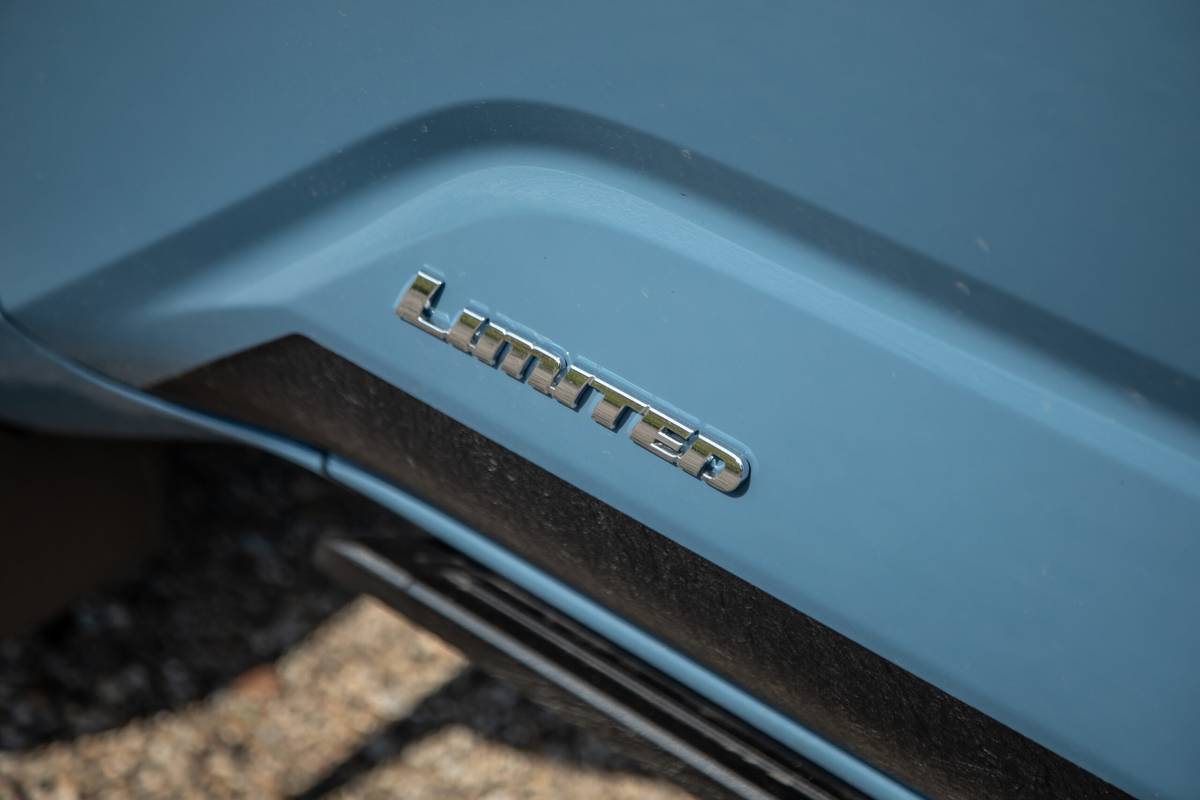
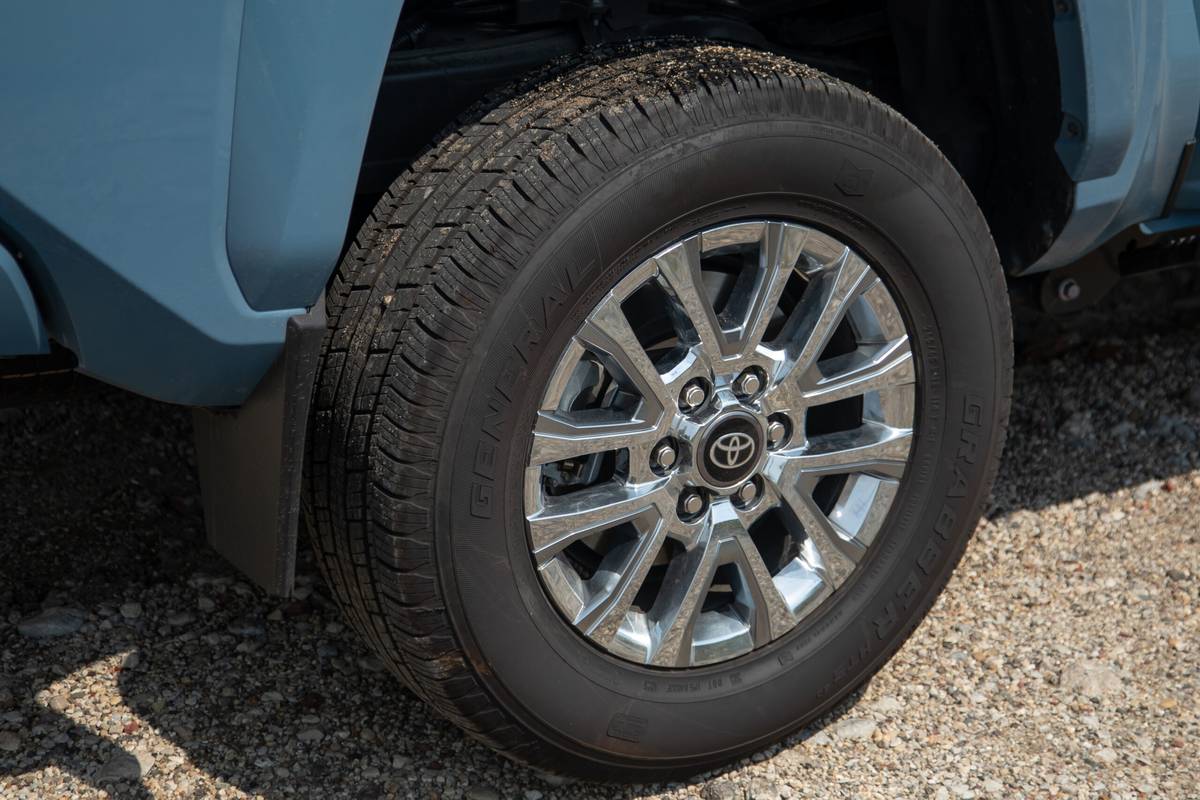
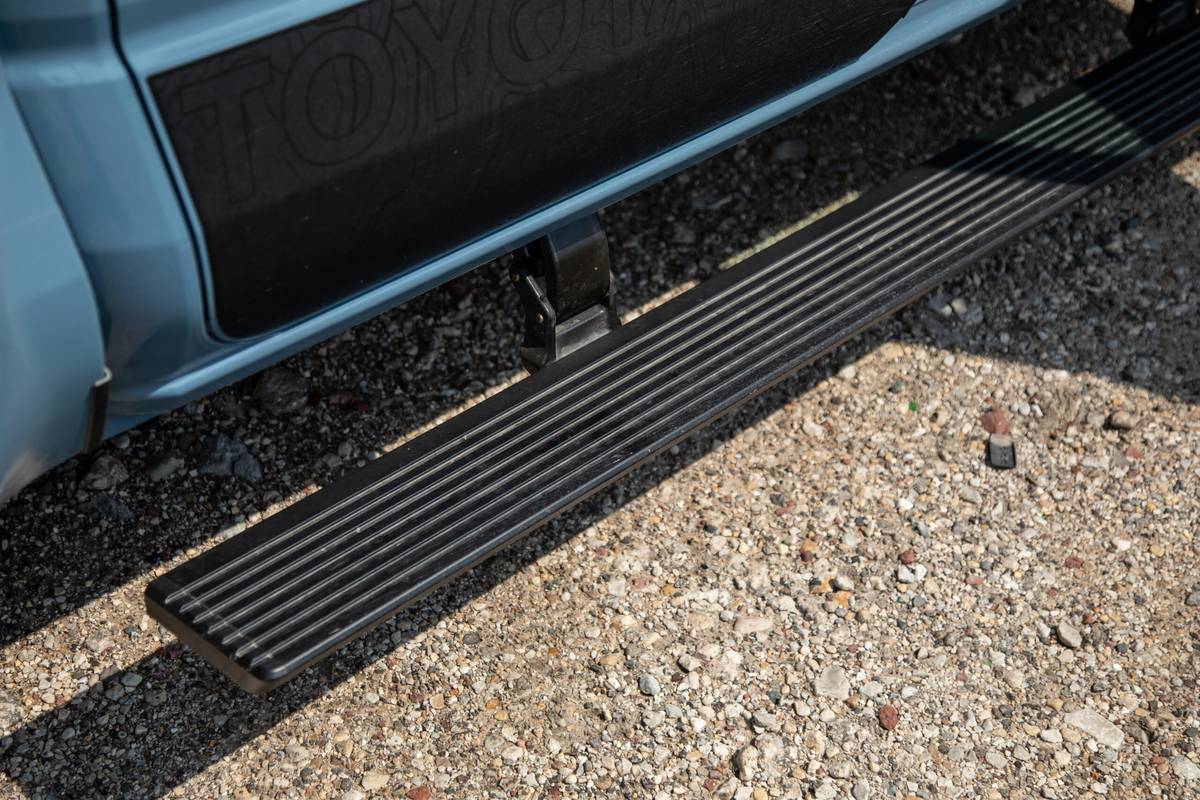
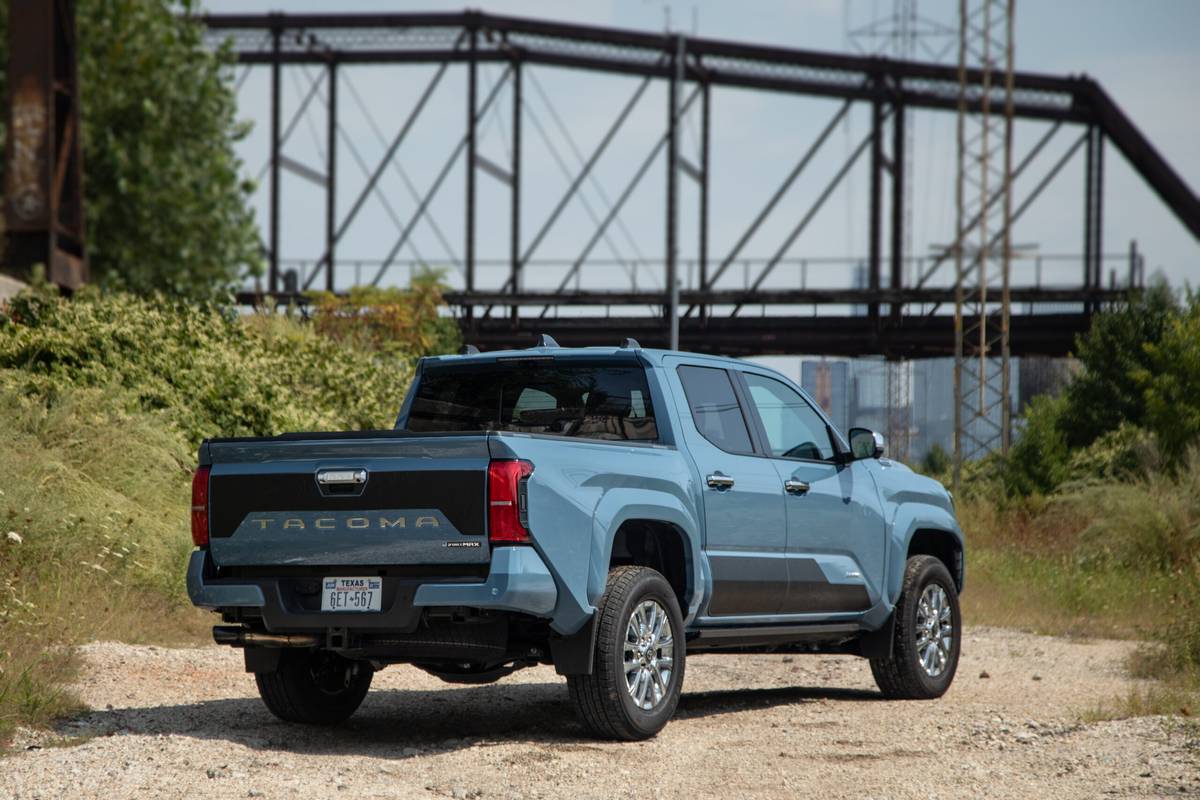
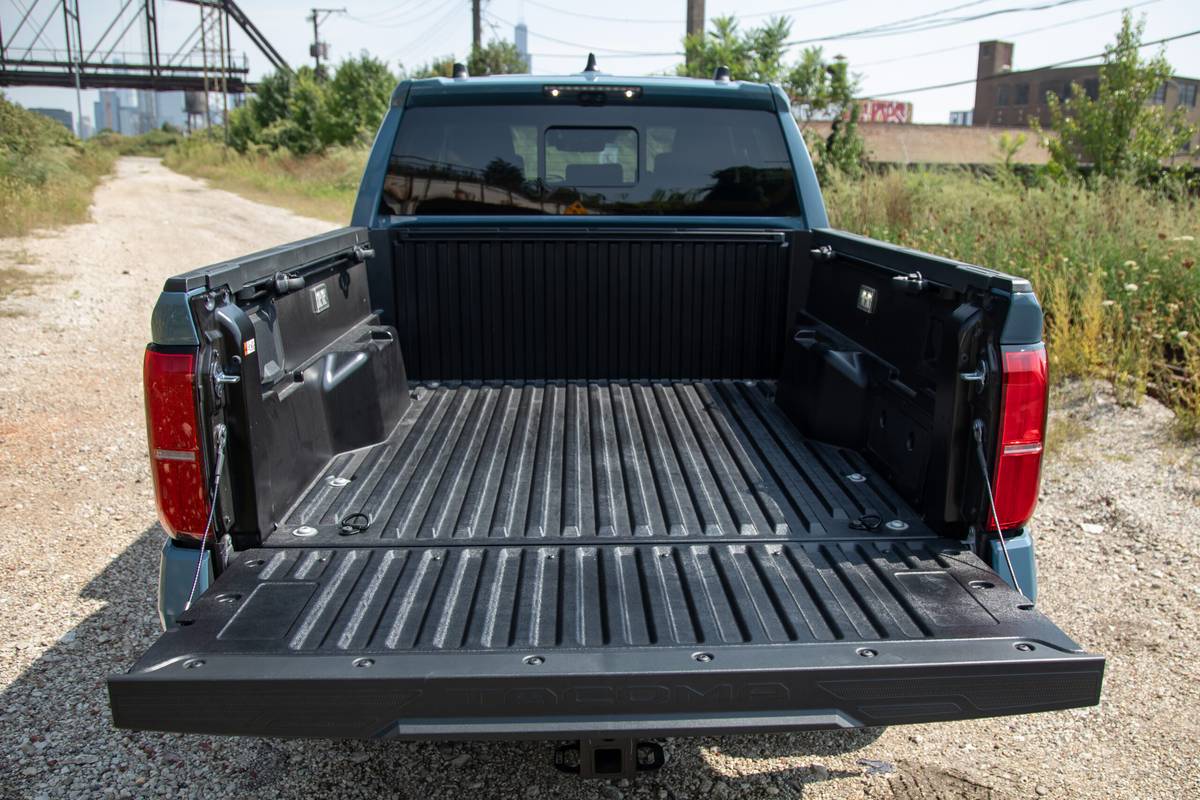
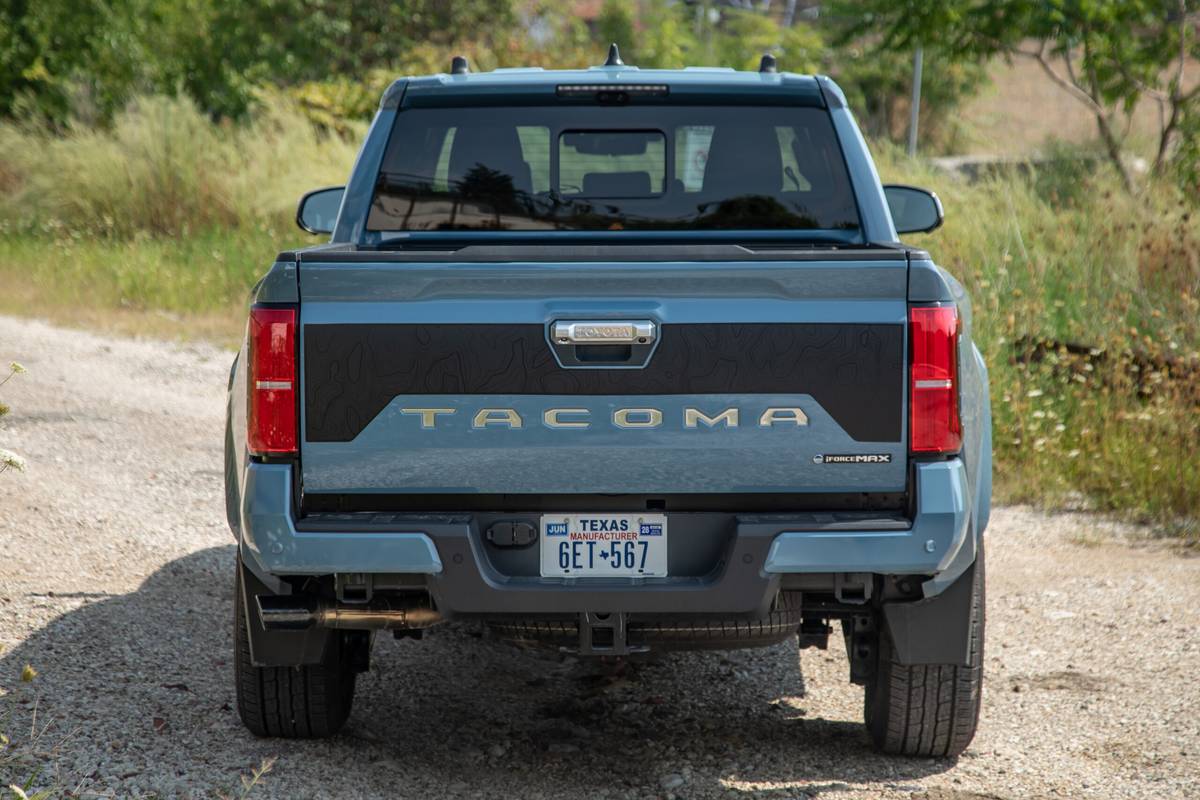
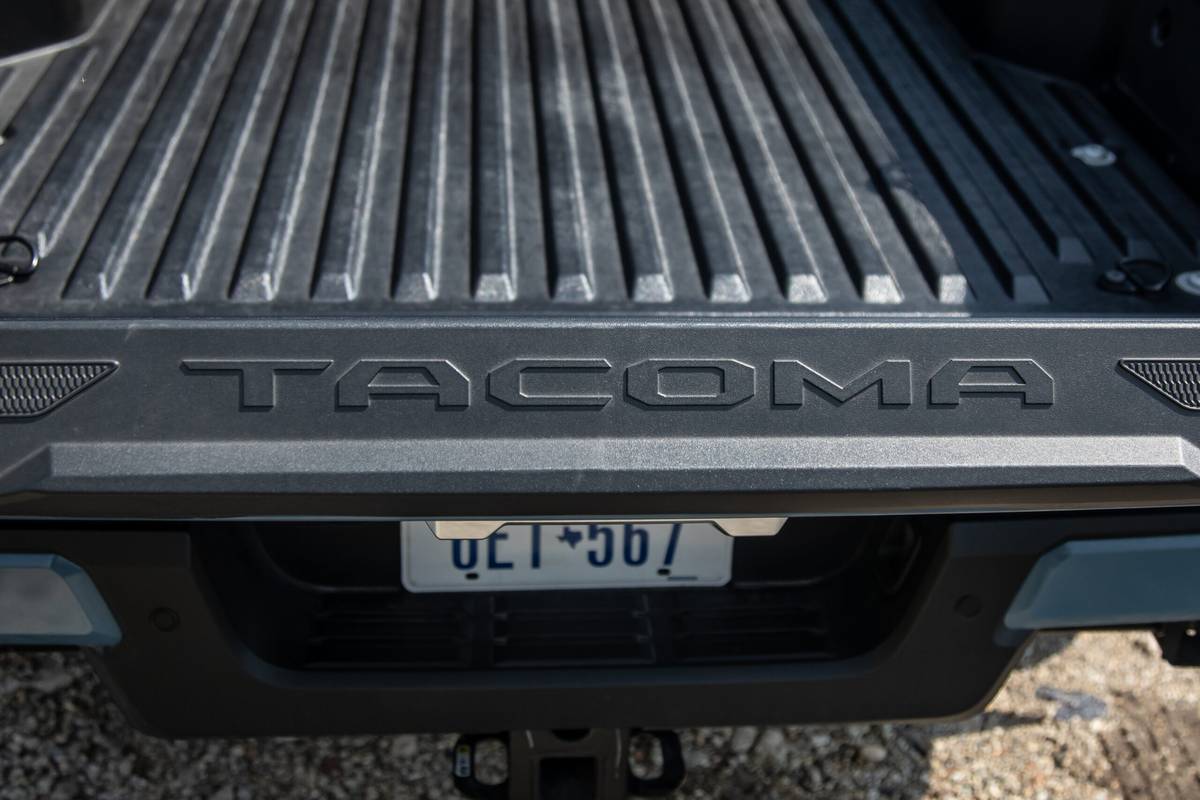
Our test revealed a little of both: The Tacoma is dynamically excellent, with a strong, solid powertrain and excellent driving manners, but it has a tight backseat, some questionable onboard technology integration and real-world fuel economy that doesn’t quite meet expectations. And that price tag — yikes. Roughly $63,000 is a lot of money for a mid-size pickup with mediocre interior materials quality.
So, is the Tacoma Limited worth it?
Related: Shop for a New Toyota Tacoma Near Me
The answer is: Maybe. For some people, only a Tacoma will do because they’re already on their third … or seventh … or ninth. Others, however, may look at the Tacoma’s only slightly better fuel economy than its competitors’ (on paper anyway; your mileage may vary, as ours did), its eye-watering price tag and its clunky onboard tech and decide to see what’s available at their local Nissan, Ford or Chevrolet dealer.
Related Video:
out of 10
2026 Toyota Tacoma
Expert Rating by

What Do We Like About the 2026 Toyota Tacoma Limited?
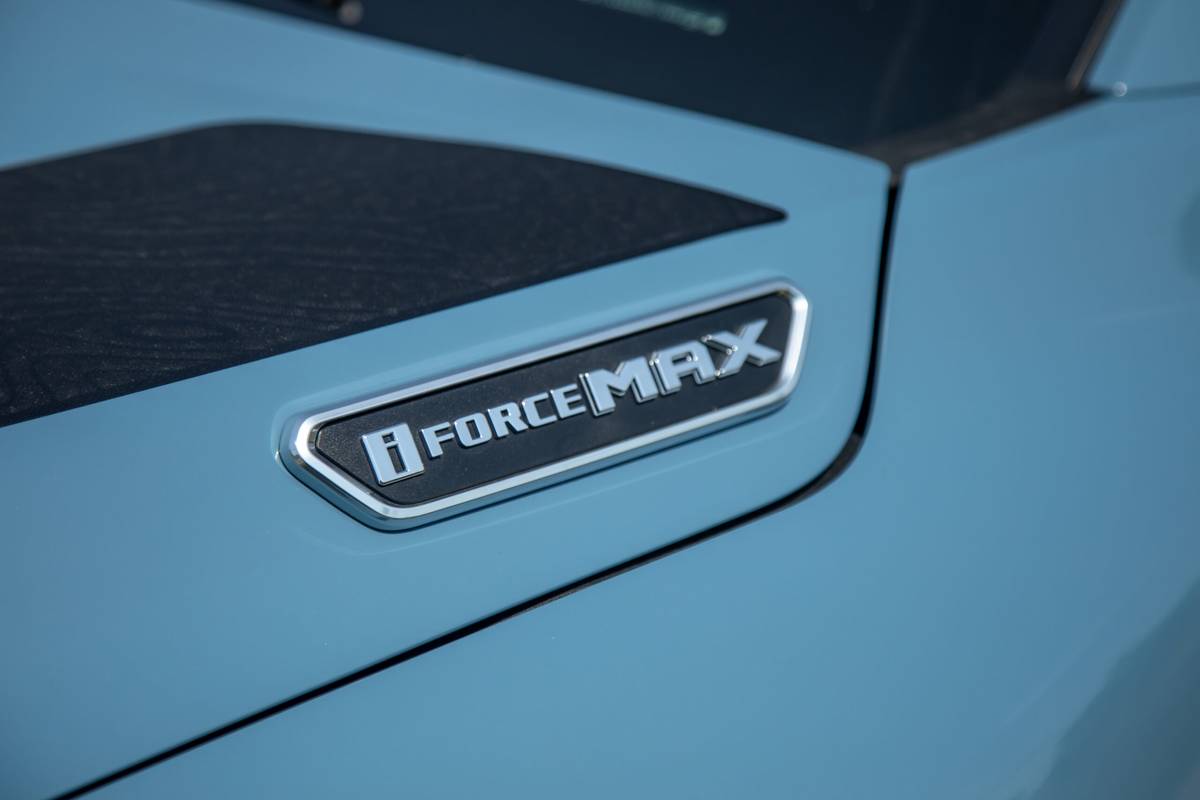
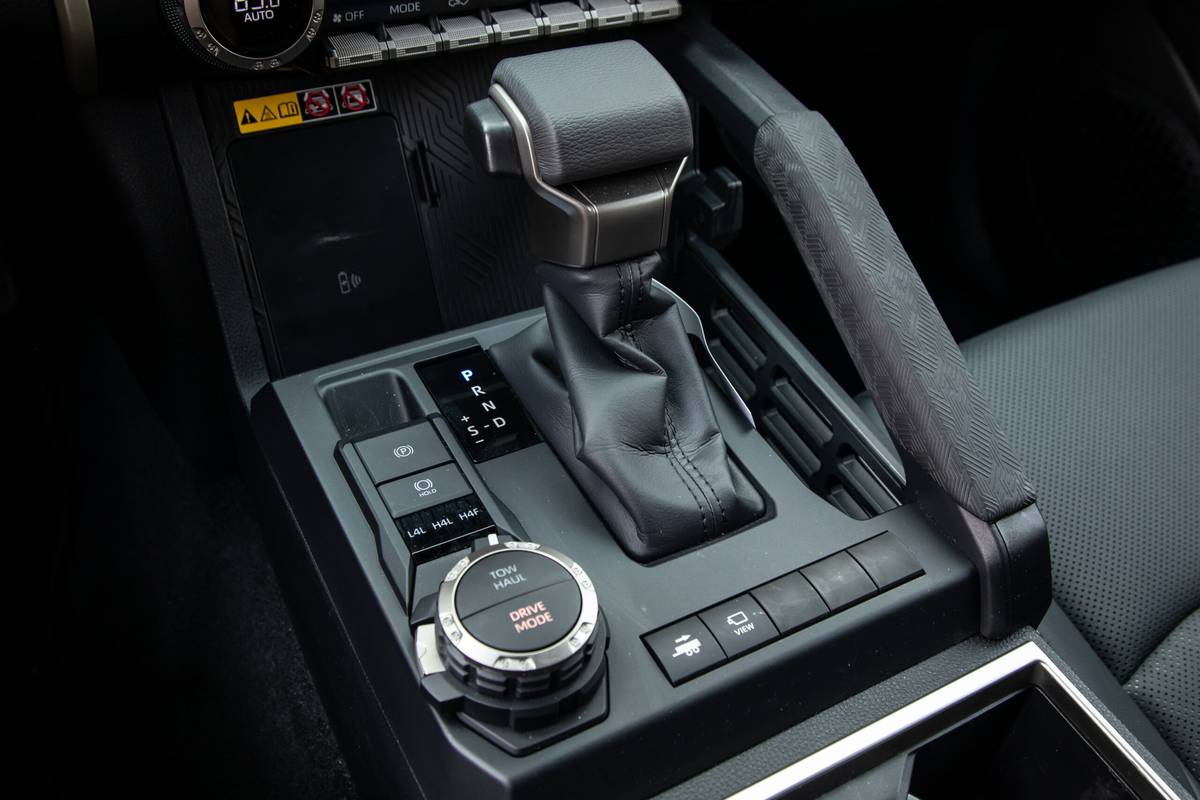
1. The turbocharged hybrid i-Force Max powertrain has plenty of grunt. There are two powertrain choices for the Tacoma: a standard turbocharged 2.4-liter four-cylinder and a more expensive gas-electric hybrid system that incorporates that same engine. My Tacoma Limited test truck had the hybridized i-Force Max powertrain, which has a combined system output of 326 horsepower and 465 pound-feet of torque. Delivery of that power and torque is fantastic; the Tacoma hybrid isn’t jumpy, and the electricity-to-gas transitions are relatively smooth. Plant your right foot, and the Tacoma rockets away on a wave of electric-assisted, engine-roaring torque. The Tacoma’s eight-speed automatic transmission is not how Toyota usually does hybrids (typically opting for a continuously variable automatic), so it’s not quite as seamless and smooth as the Prius’ hybrid system, but the Tacoma hybrid is meant more for power and towing assist than for maximum fuel economy. If you accept that the hybrid you’re driving is still a truck — which needs to be more robust due to the typical truck demands of towing and off-roading — then this powertrain will be a strong mark in the positive column.
2. Civilized on-road driving experience. The thing about nearly all Toyotas is that they’re excellent to drive. Quiet, refined and smooth, more often than not they feel like well-developed, sophisticated machines. The Tacoma is no different, featuring nicely controlled body motions (especially for a body-on-frame pickup with a solid rear axle), an acceptable balance between ride quality and handling capability, steering that’s decent in both feel and feedback, and brakes that feel confident and strong. Yes, it’s still a body-on-frame pickup truck — you won’t confuse it for a Camry. But the engineers at Toyota generally do a smashing job with development and testing, and the result is a driving experience that feels solid and buttoned-down.
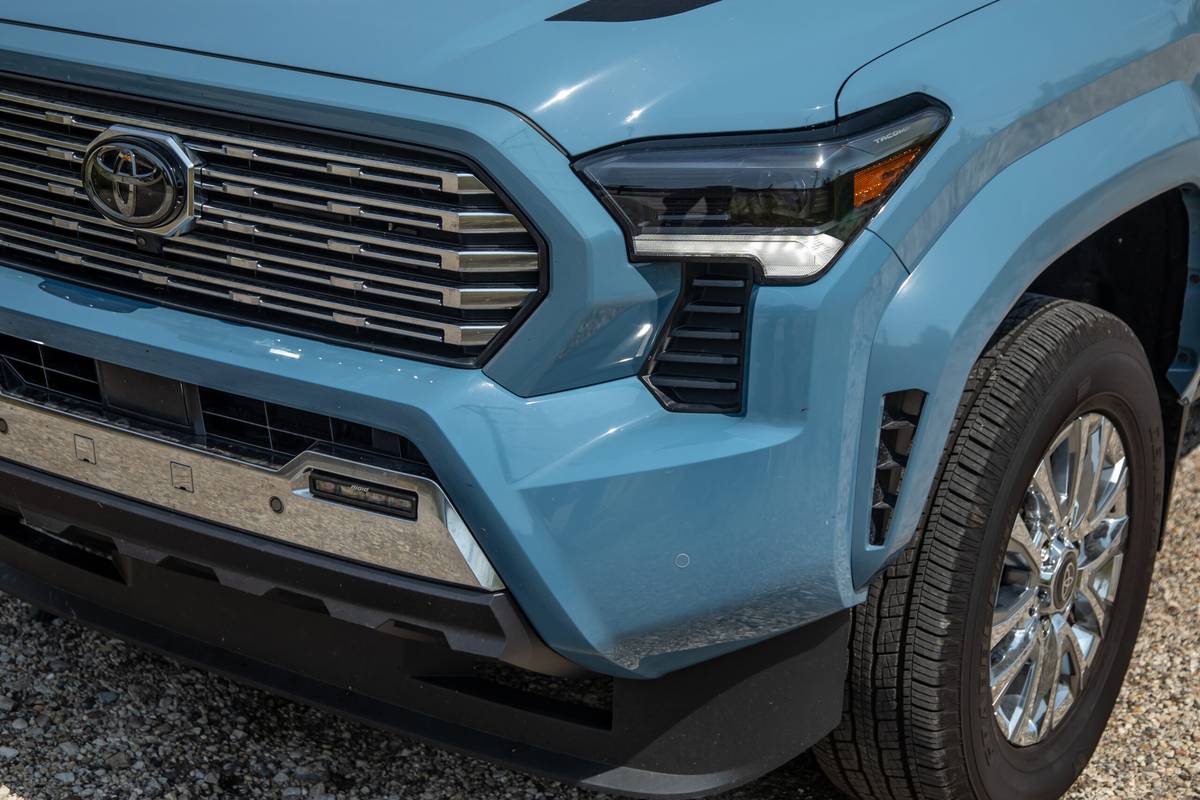
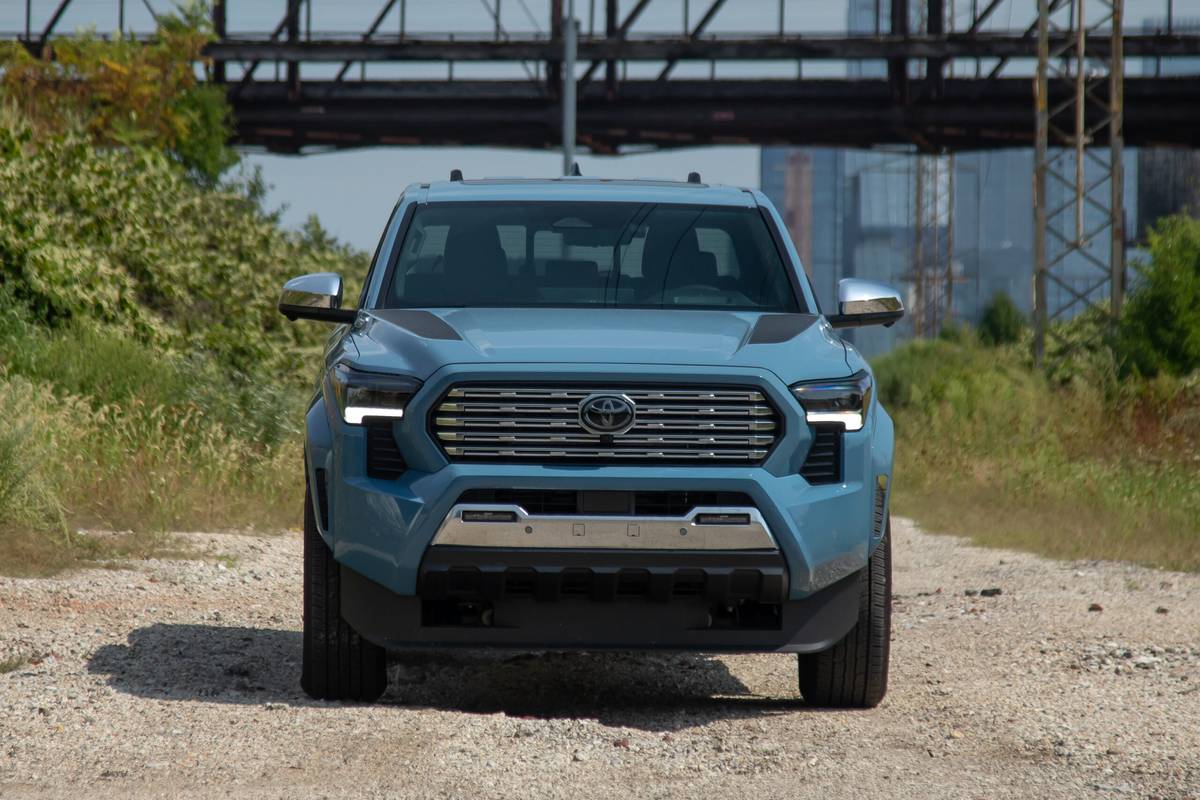
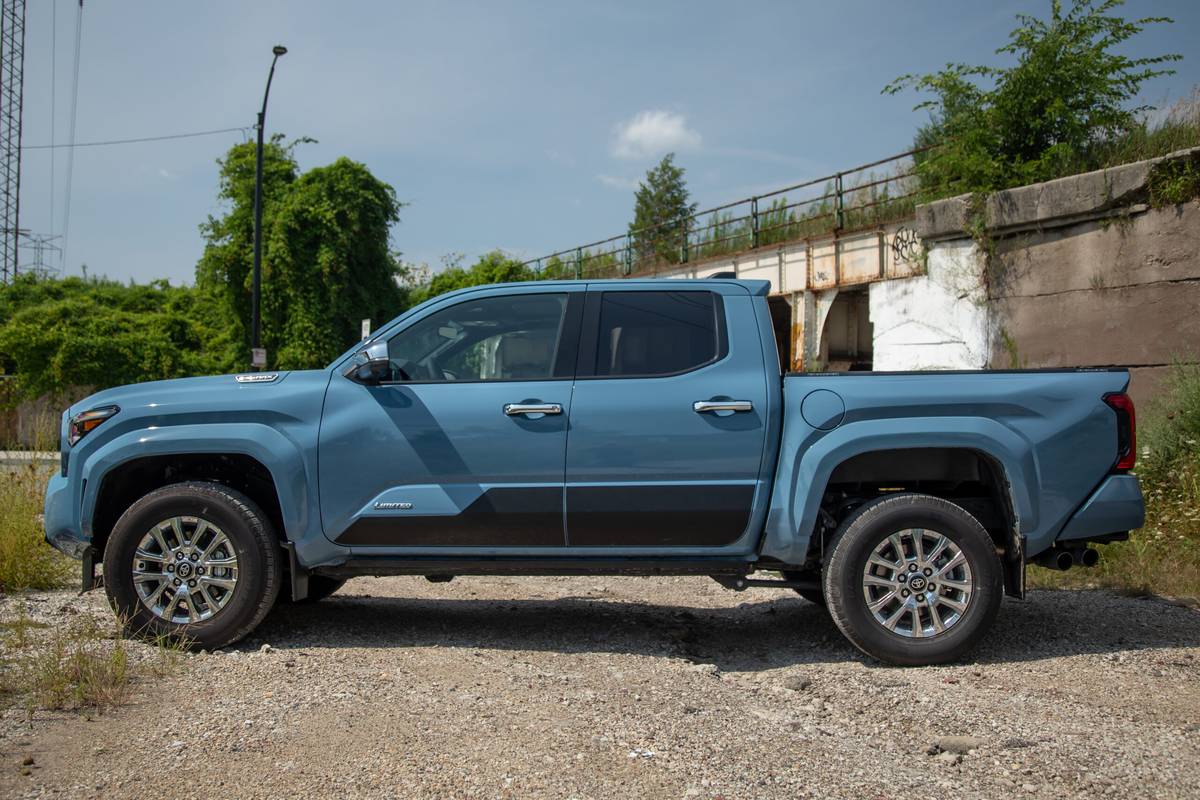
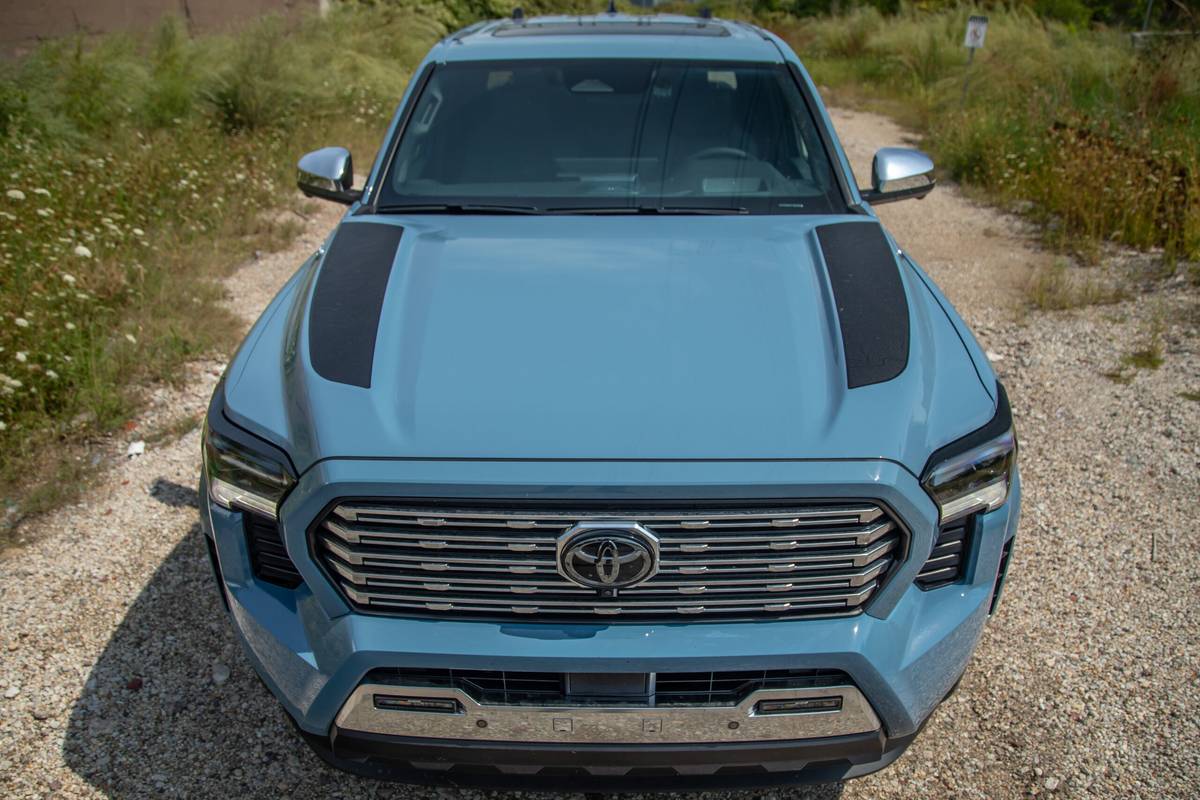
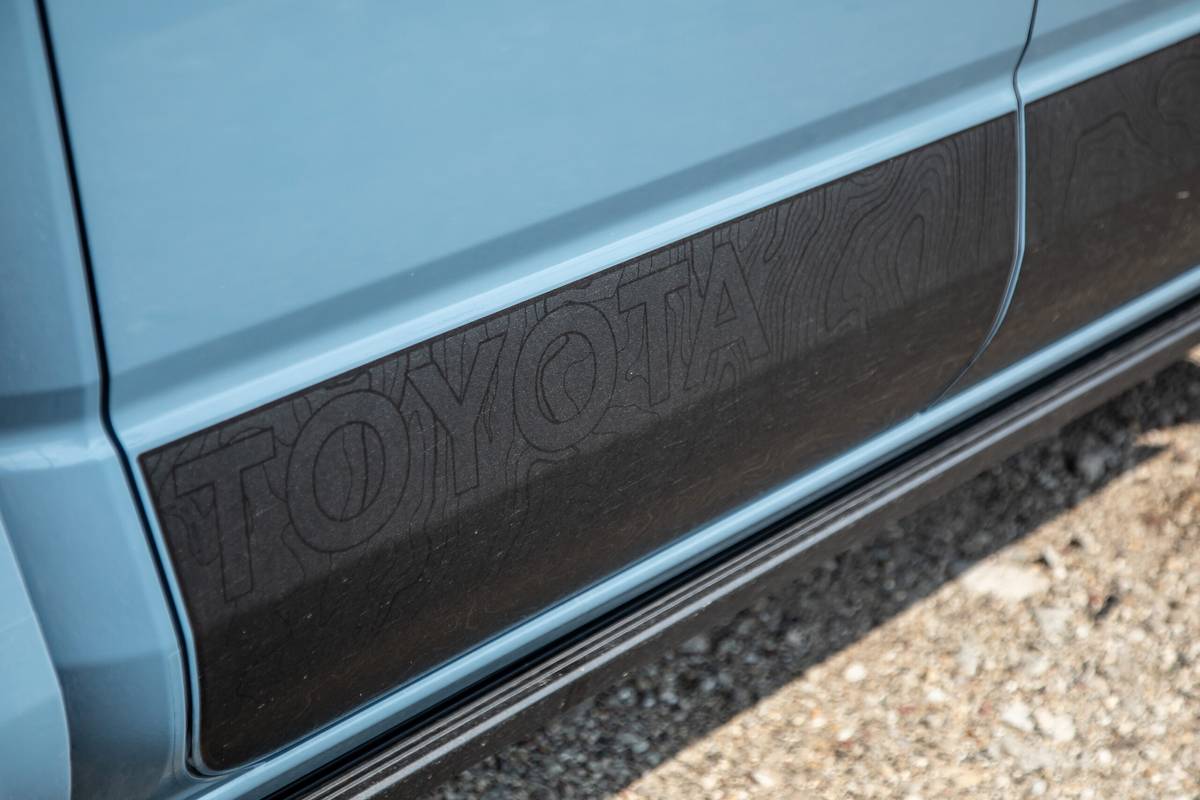
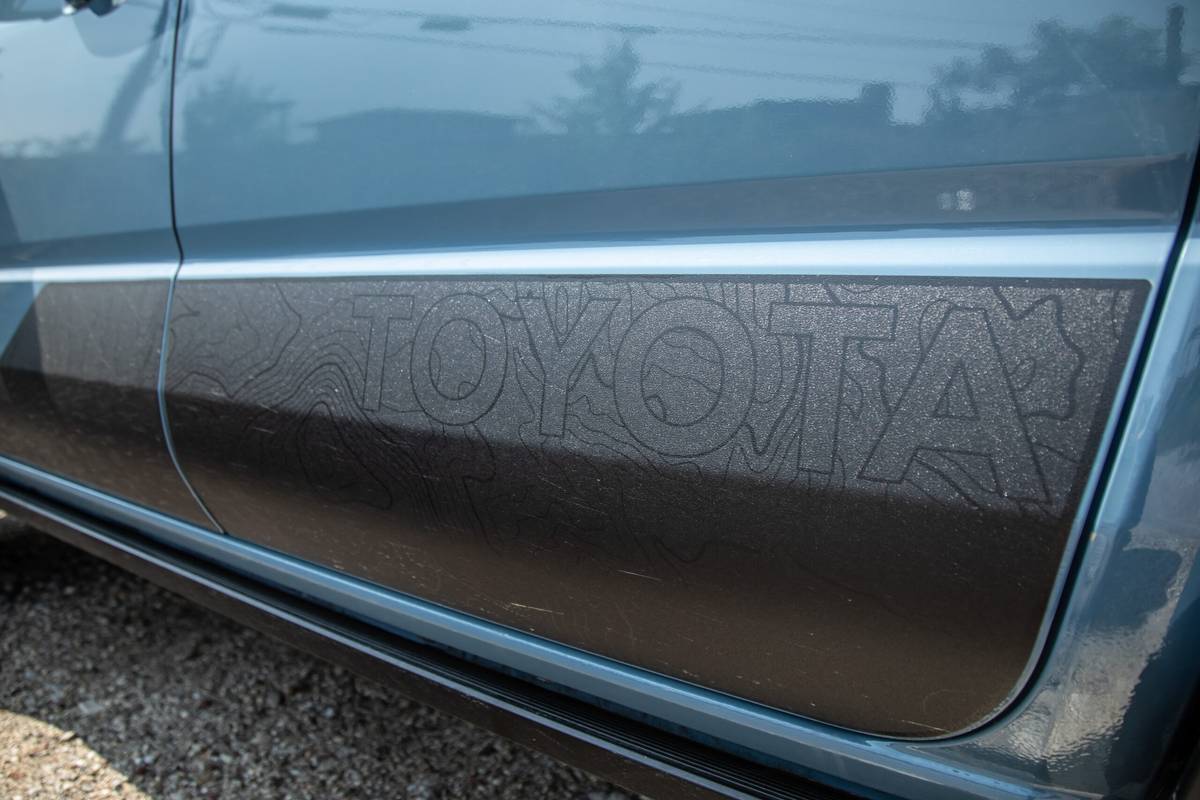
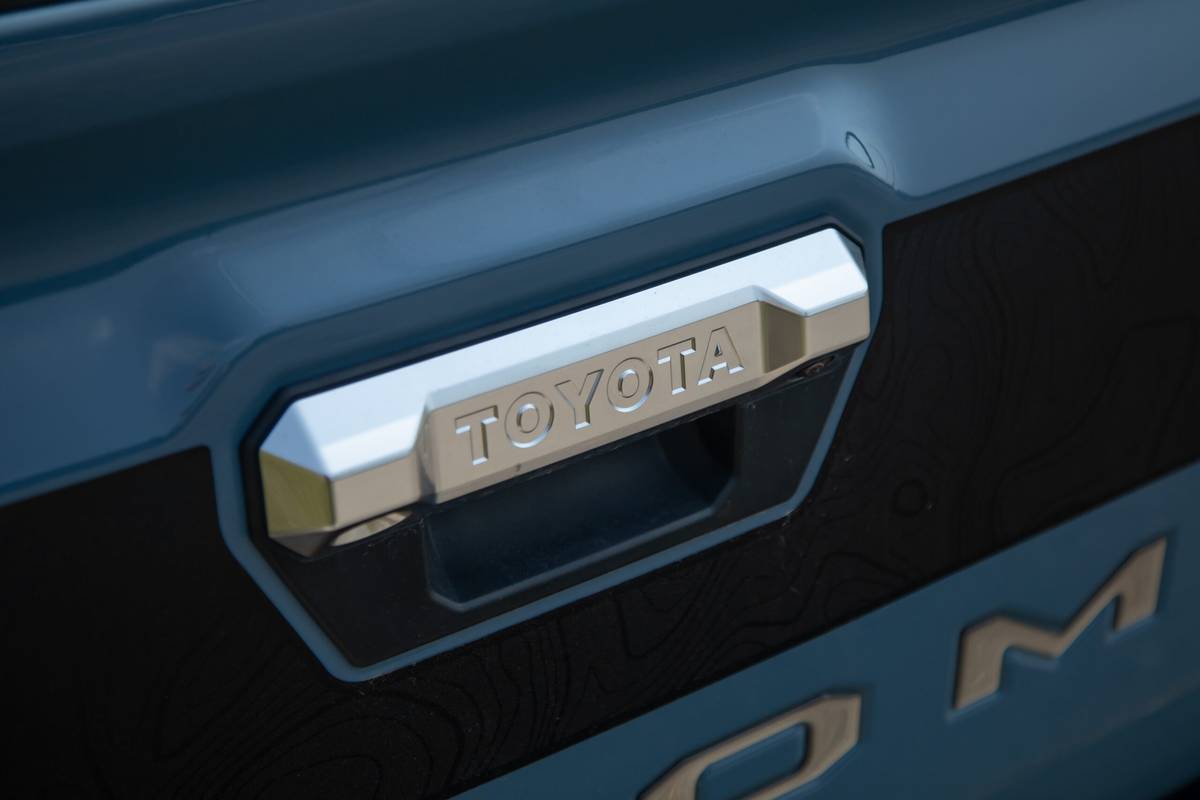
3. It looks good, mostly. The Tacoma’s styling has evolved from iteration to iteration, and the latest one is more of the same: This generation of the Tacoma features chunky, blocky looks that suggest toughness and rugged capability. My test vehicle came with some questionable color and sticker choices, however, showcasing some options you might want to pass on — particularly the odd topographical map stickers all over the exterior. These might feel more appropriate on an off-road trim level, but the Limited I drove is more of a luxury-oriented trim. They felt out of place. The dark-chrome illuminated front emblem might be another item you’d like to skip as well, as it feels more appropriate for a luxury SUV than a mid-size pickup. All these little extras added unnecessarily to the sticker price, too.
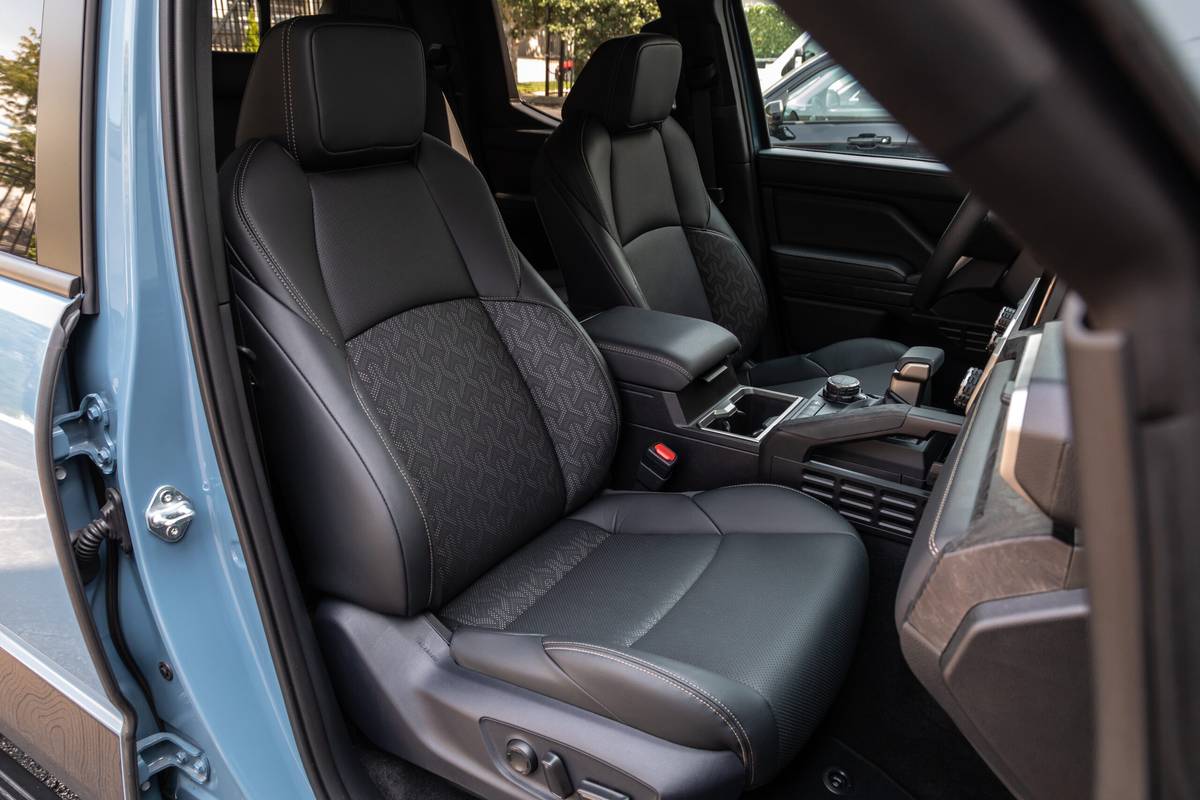
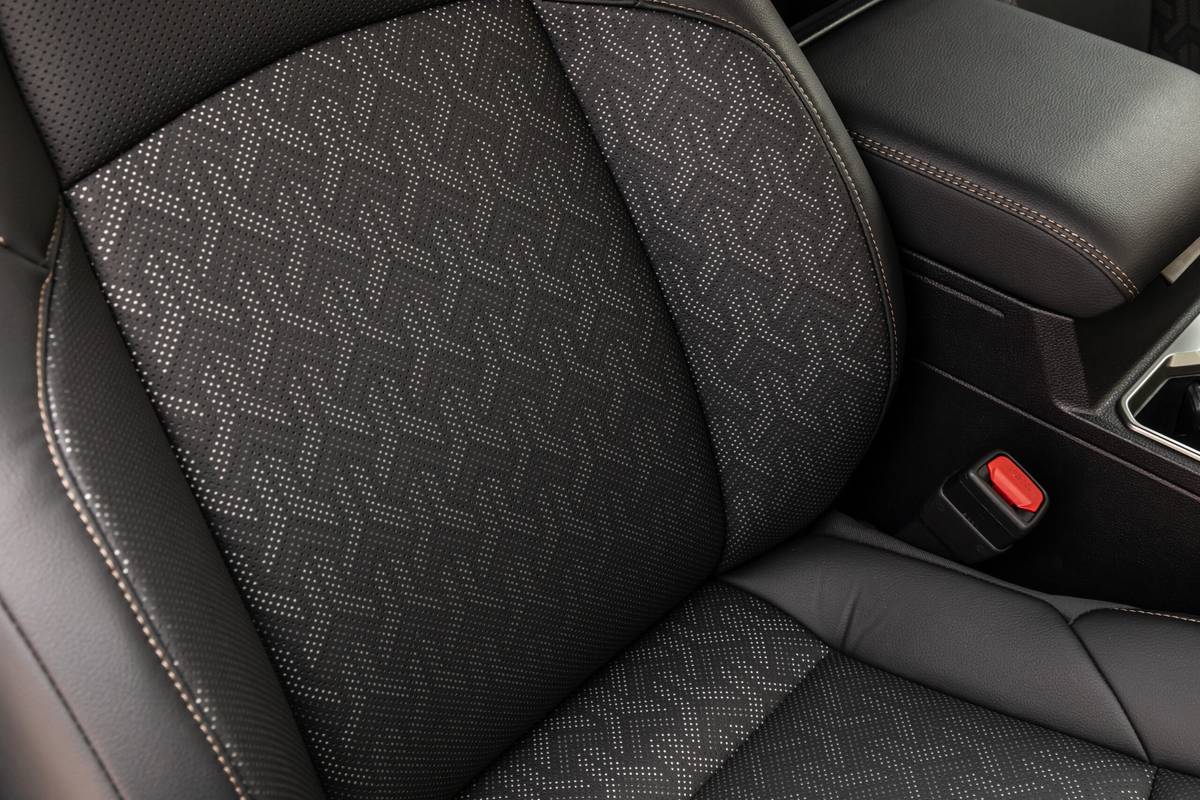
4. Front-seat comfort is great for long-haul trips. Passenger comfort in the Tacoma is quite good up front. Large, well-constructed seats mean you won’t have to fight to find a good driving position, and the Tacoma’s redesign a few years ago eliminated the cramped, low-roof design and awkward legs-out seating position that plagued older models. This Tacoma has a fully modern, American-sized cabin up front, with decent visibility through the tall windows.
What Do We Dislike About the 2026 Toyota Tacoma Limited?
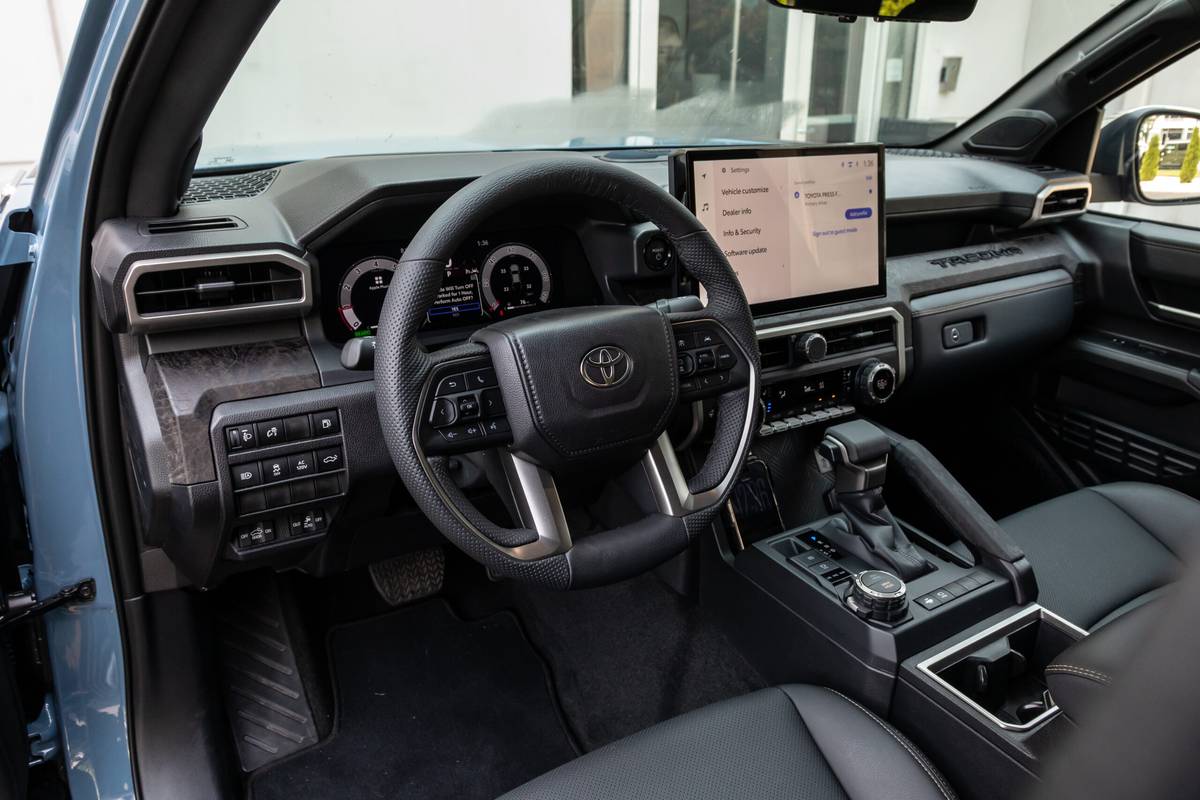
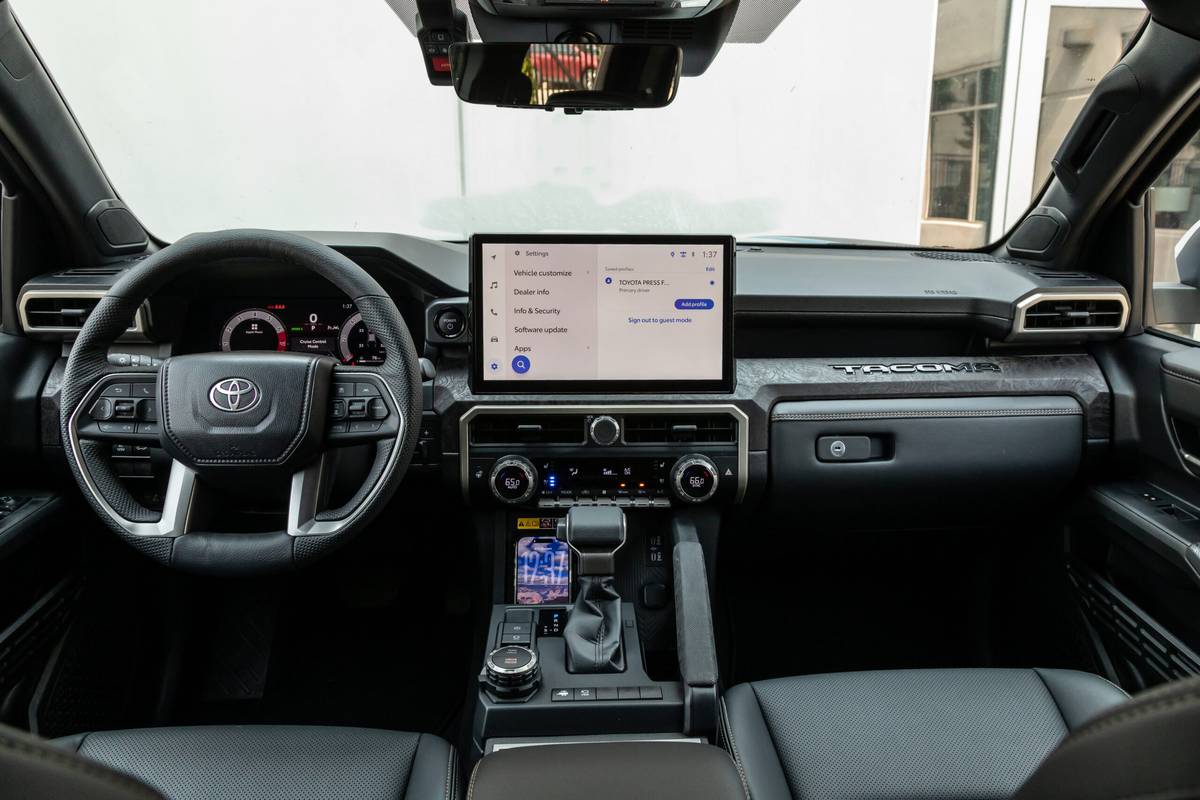
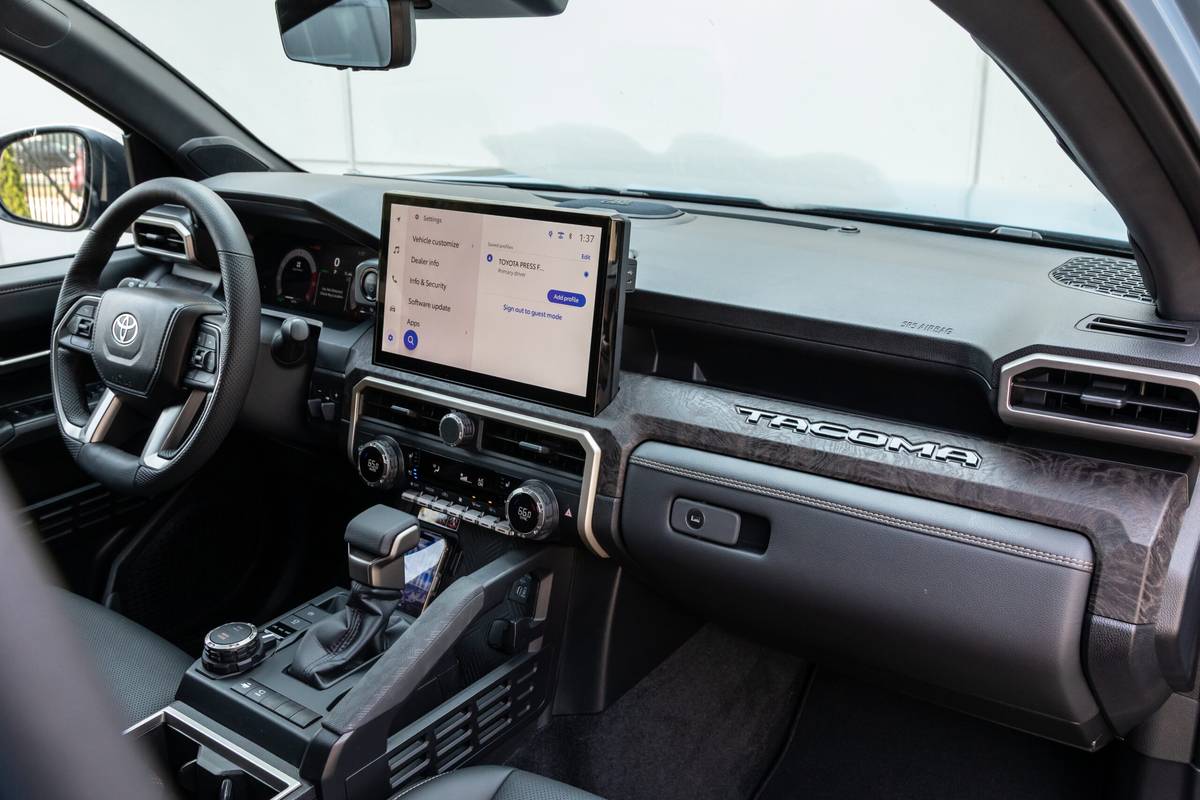
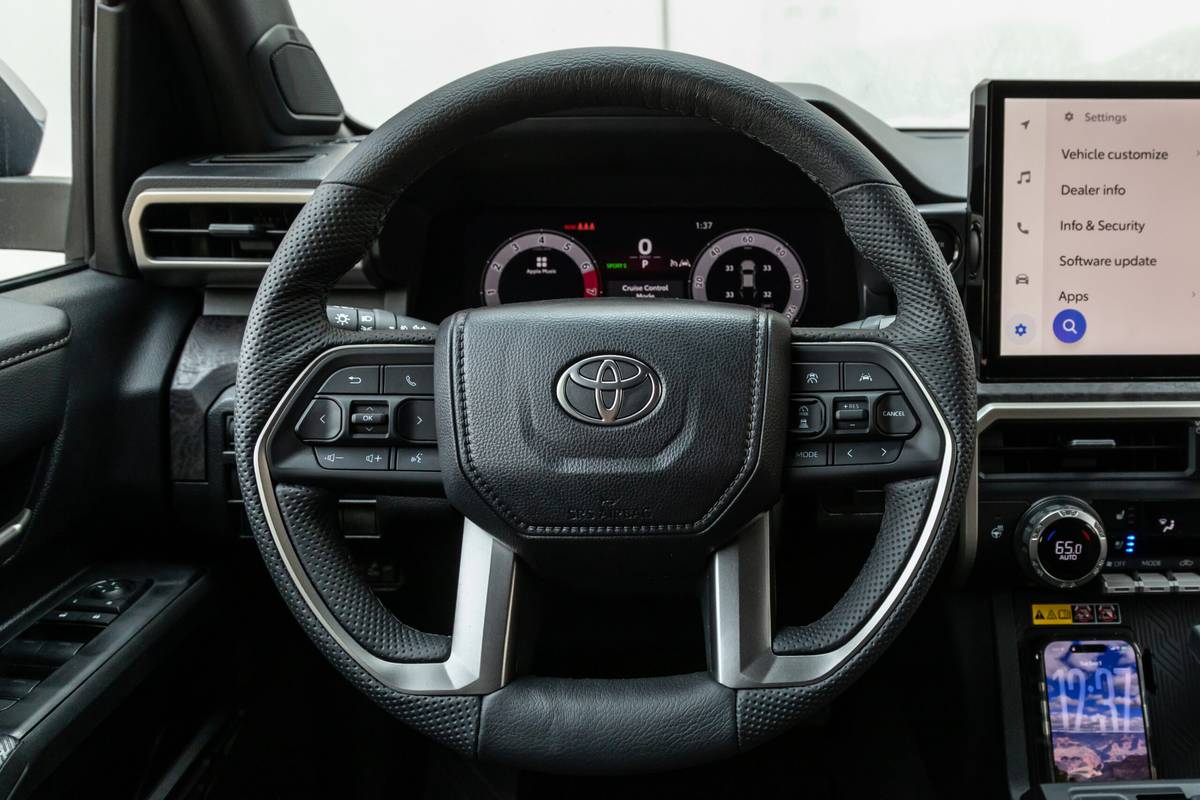
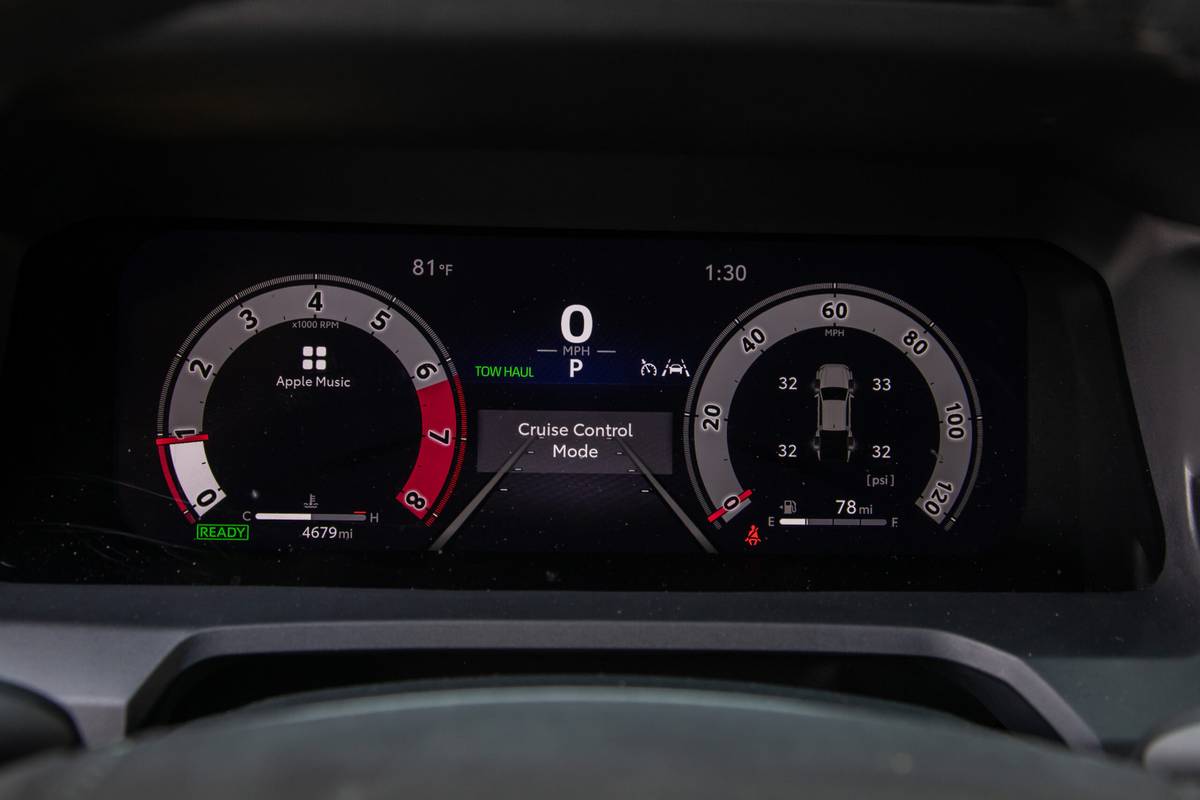
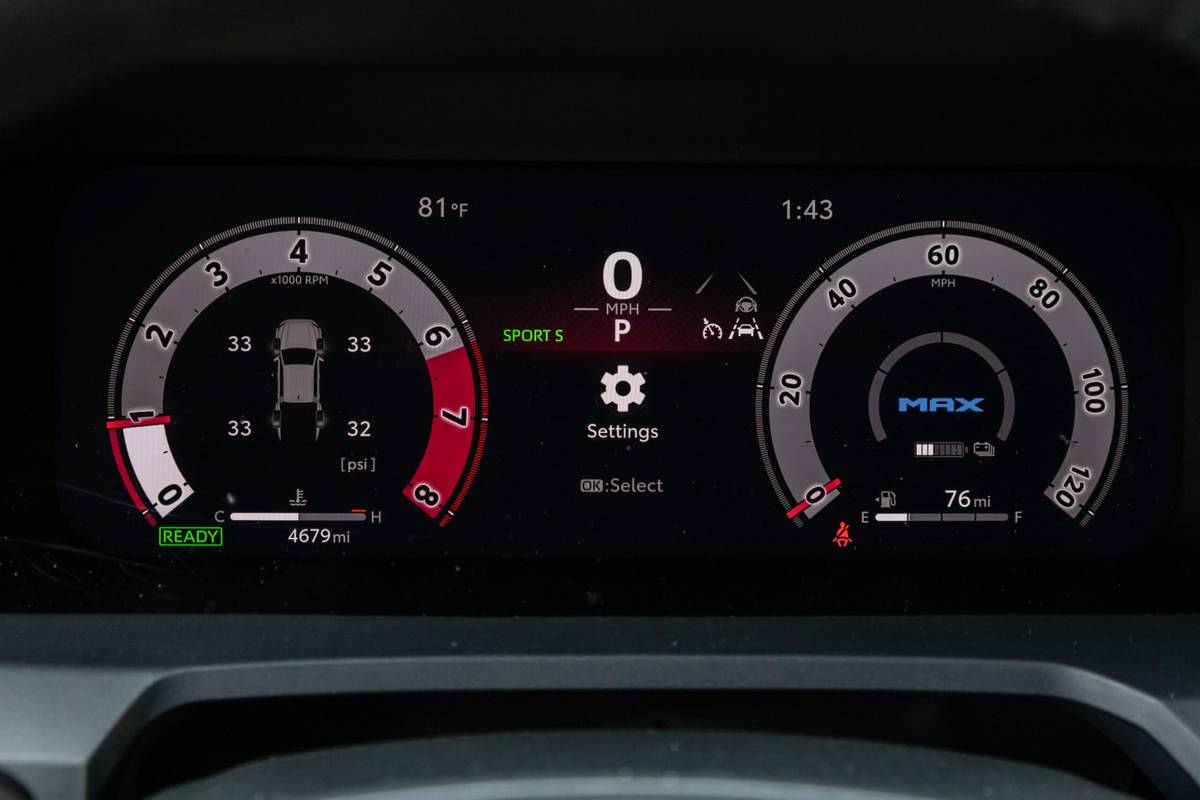
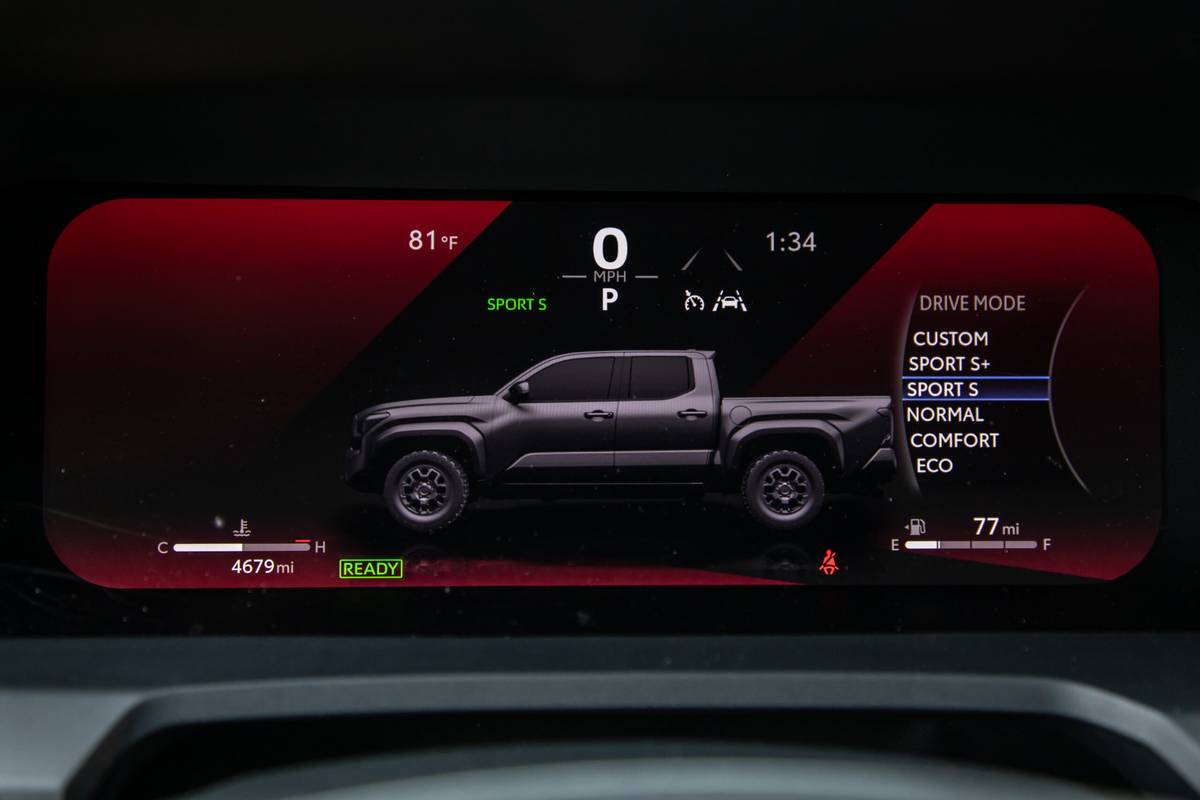
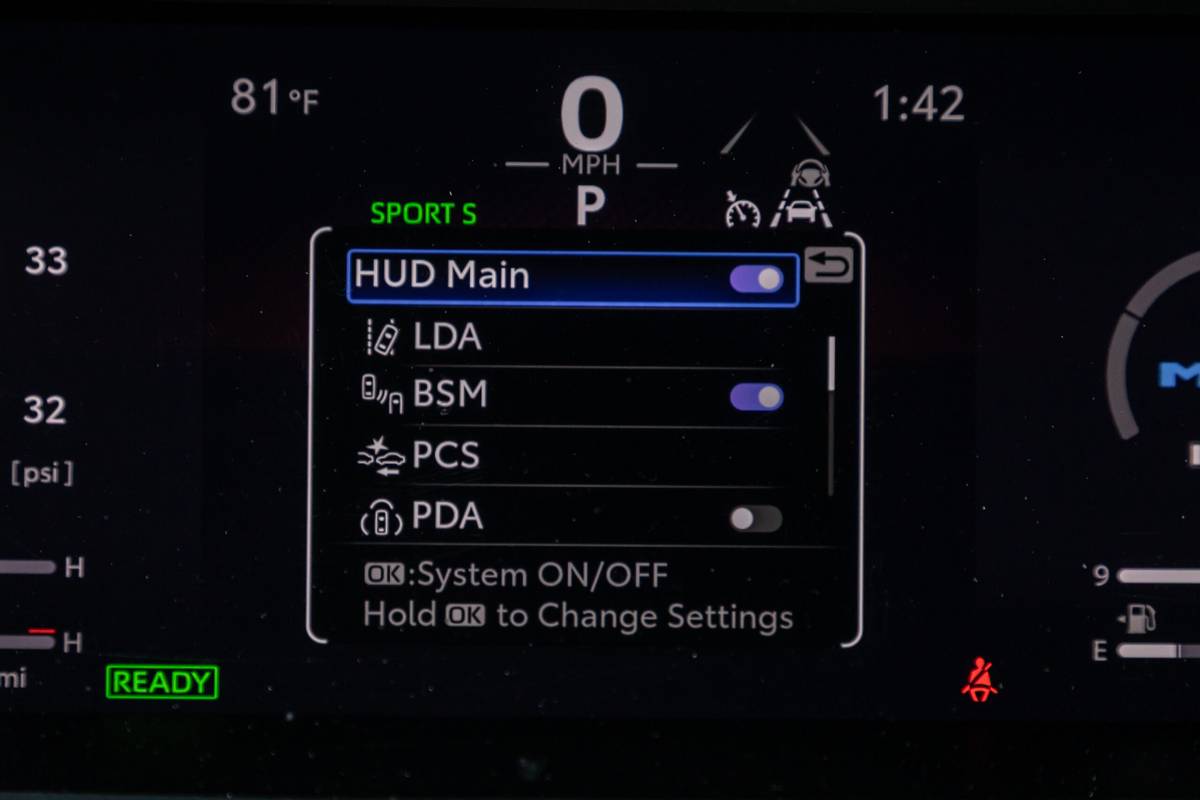
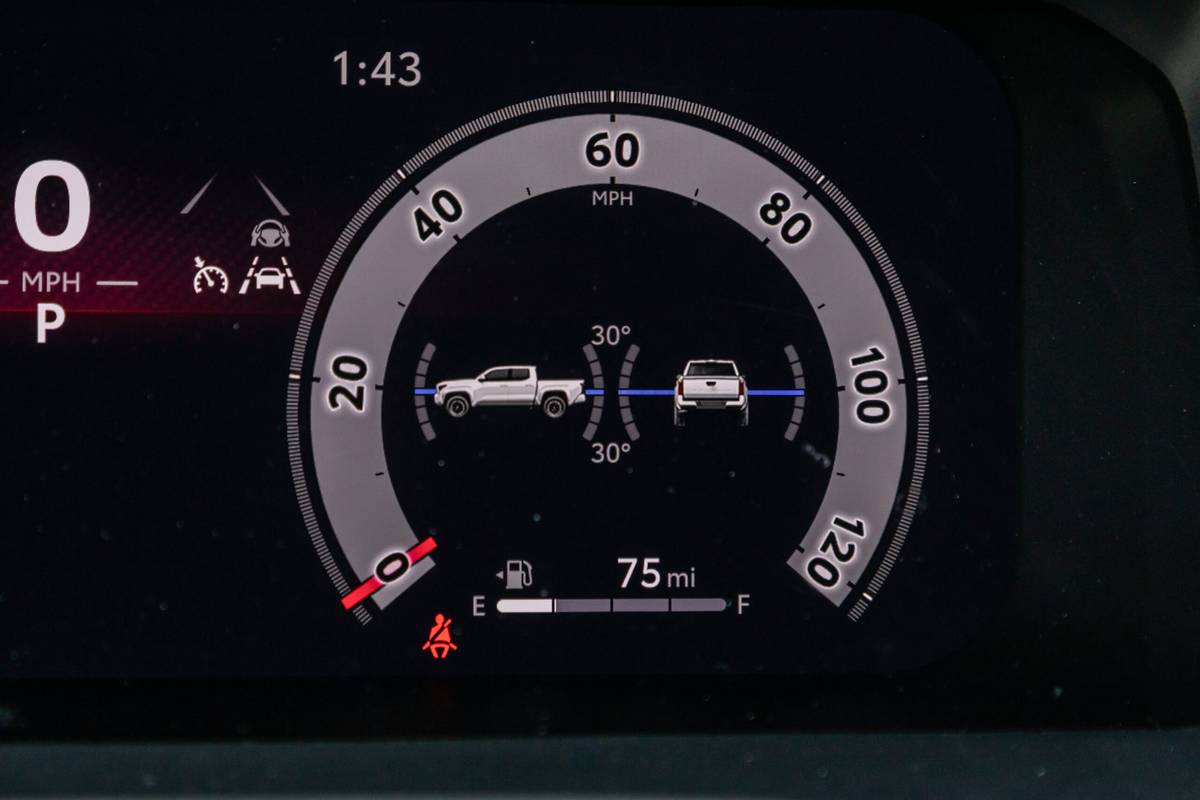
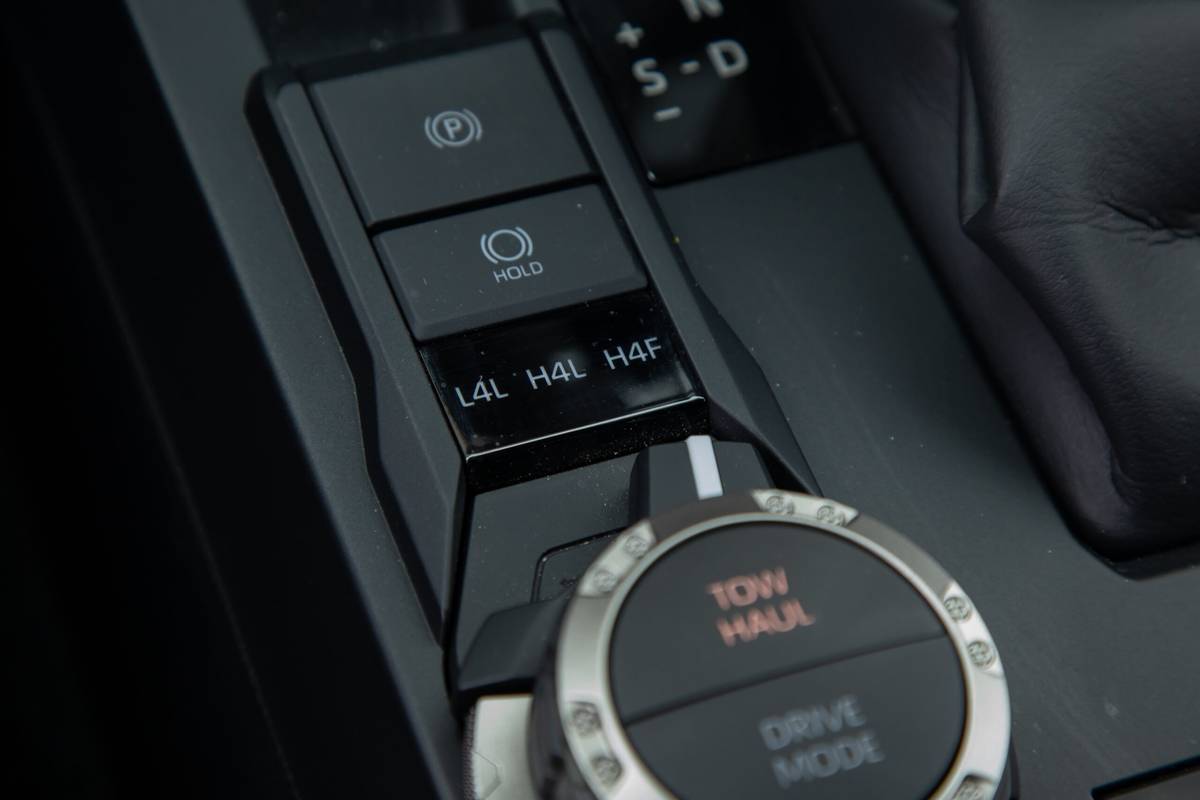
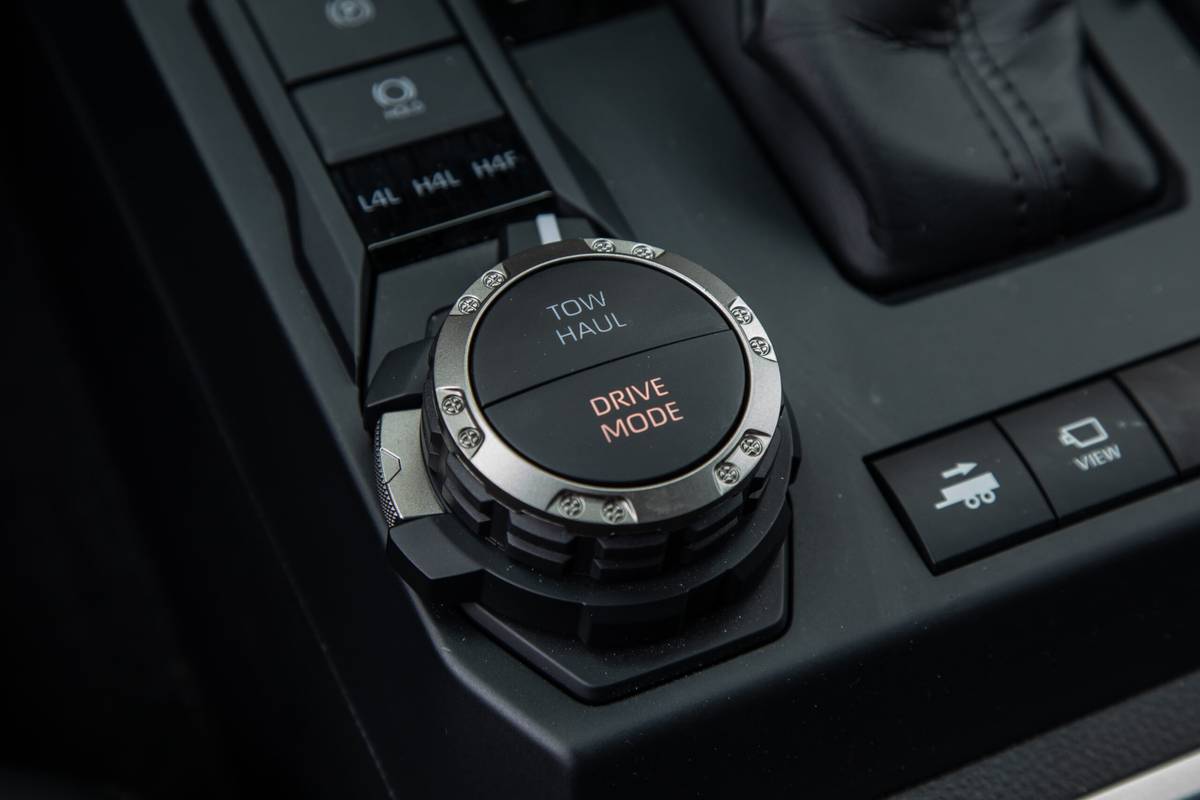
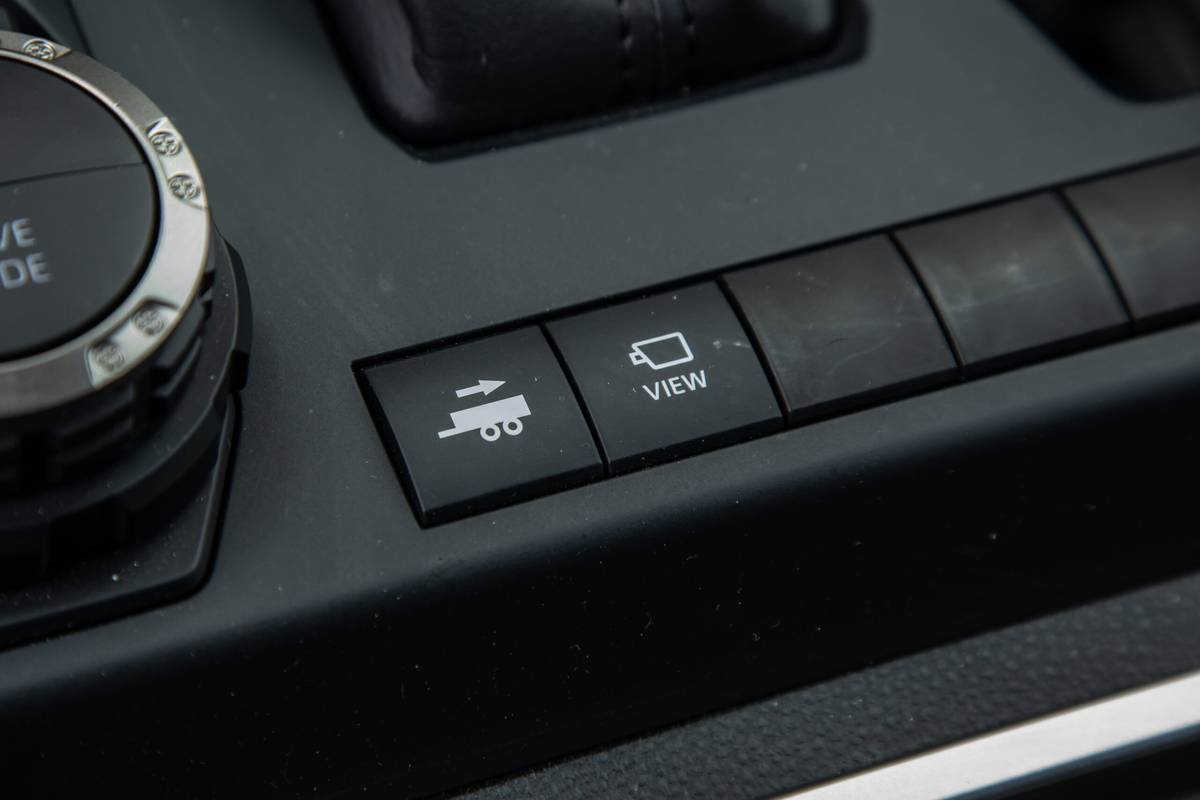
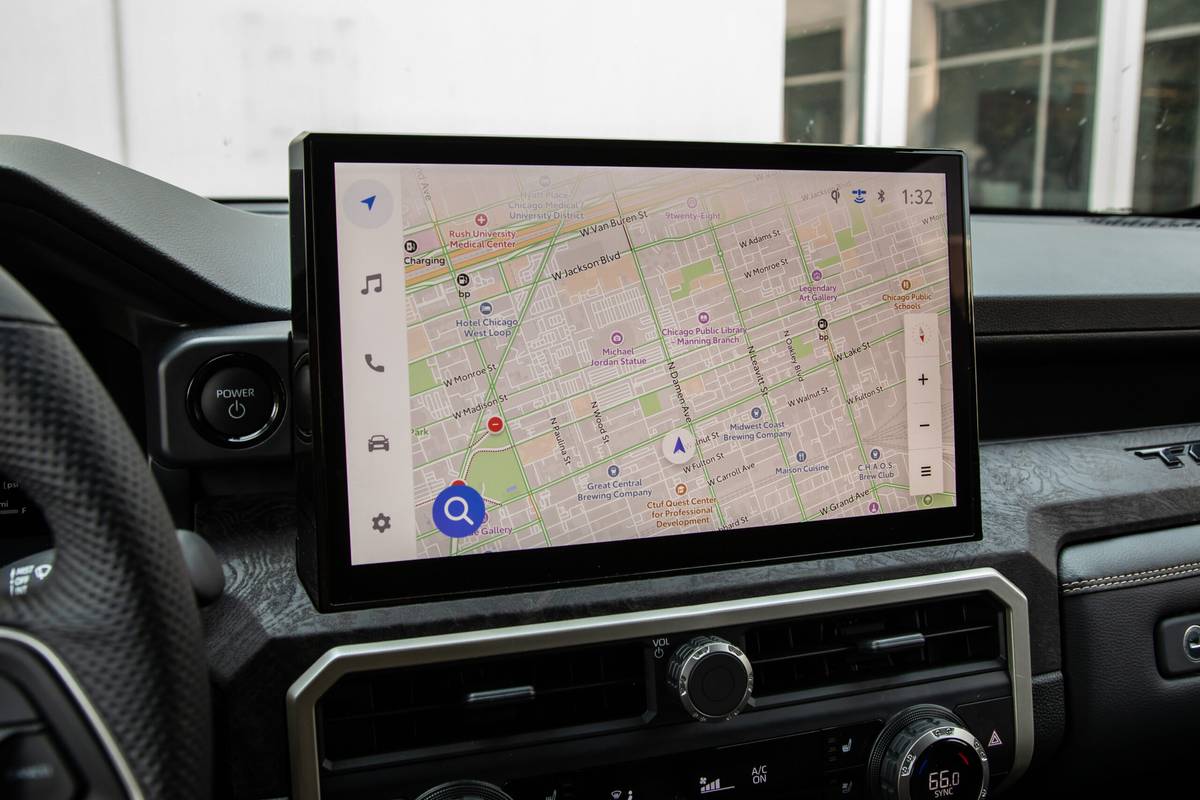
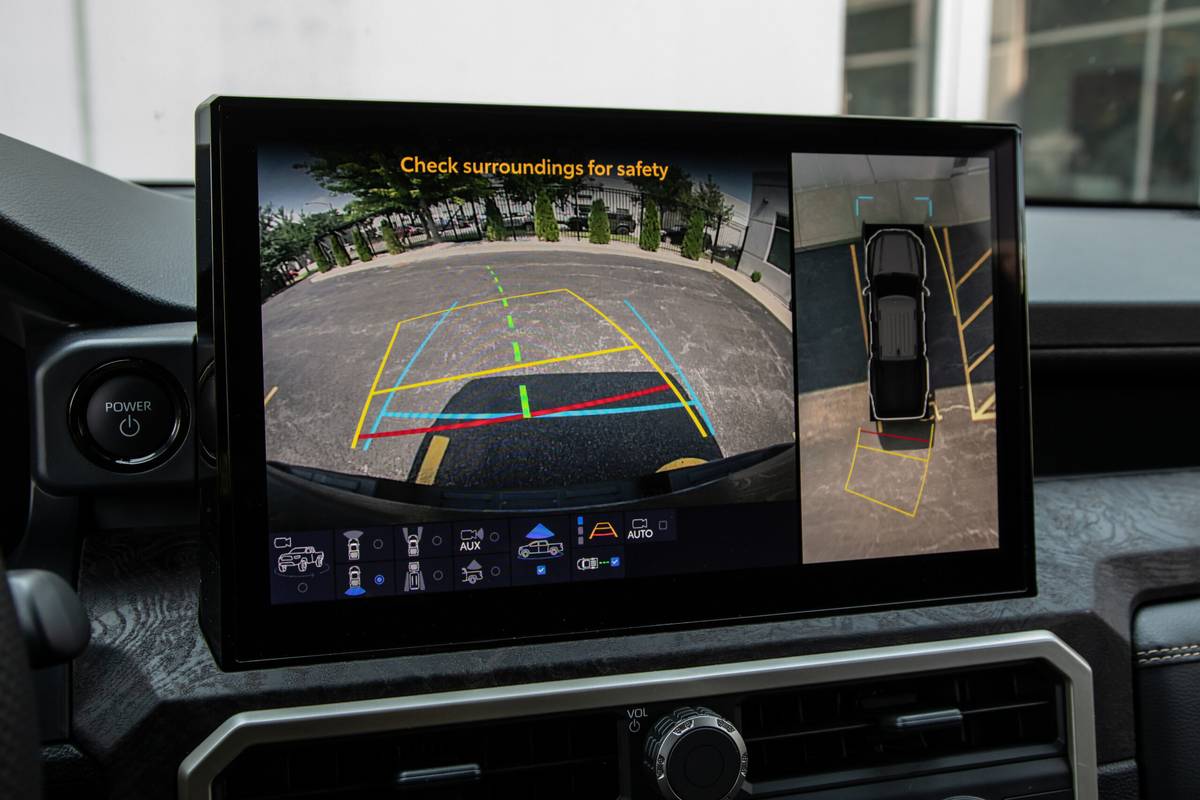
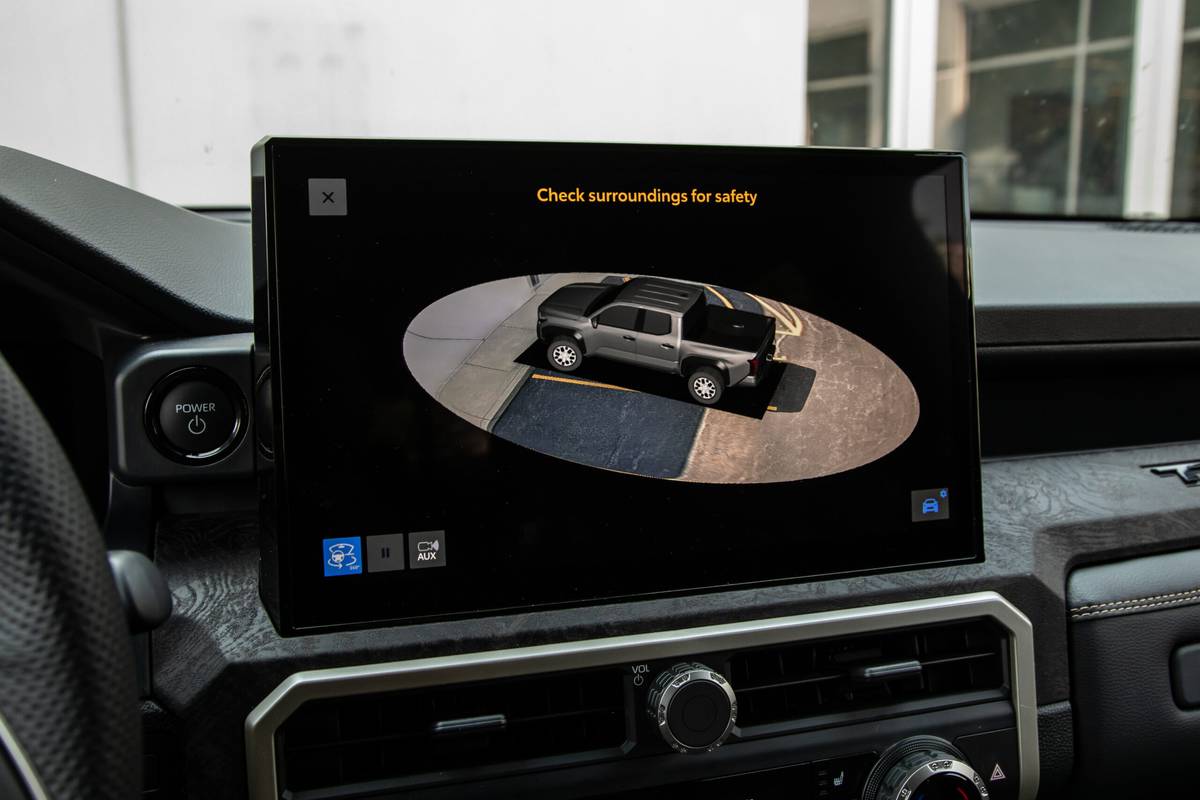
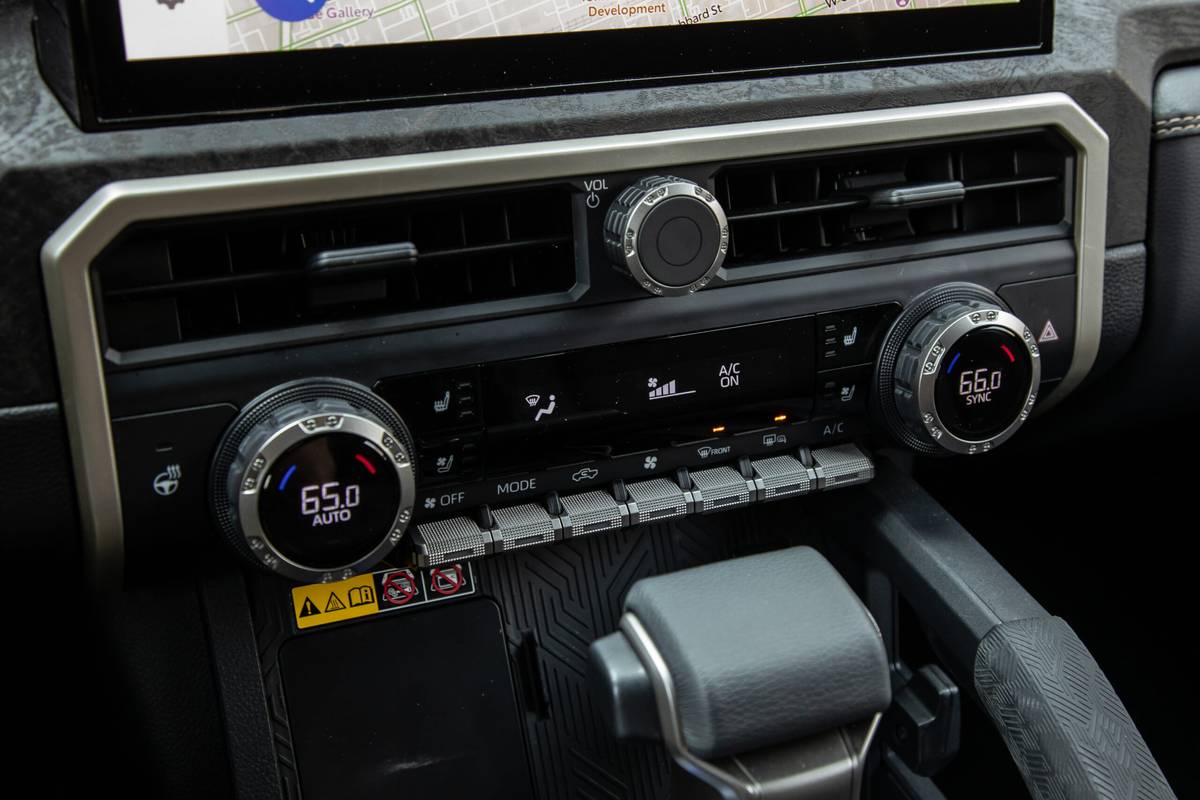
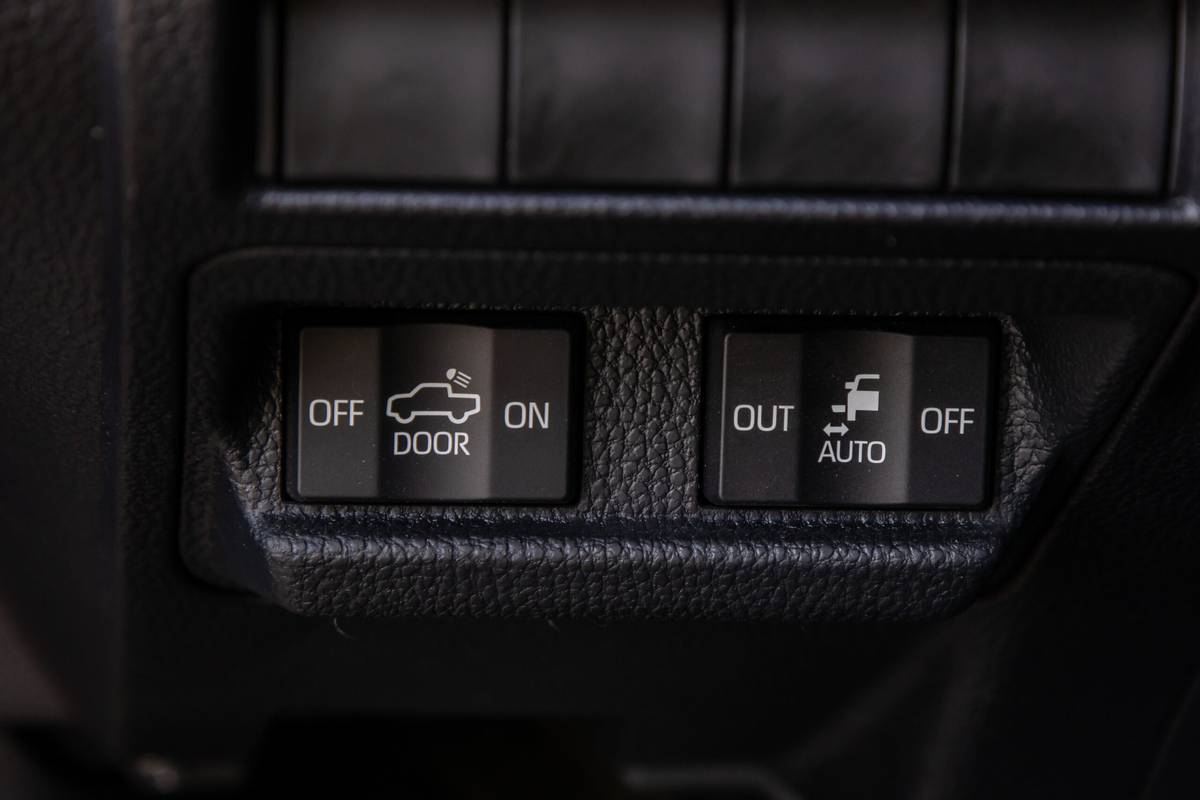
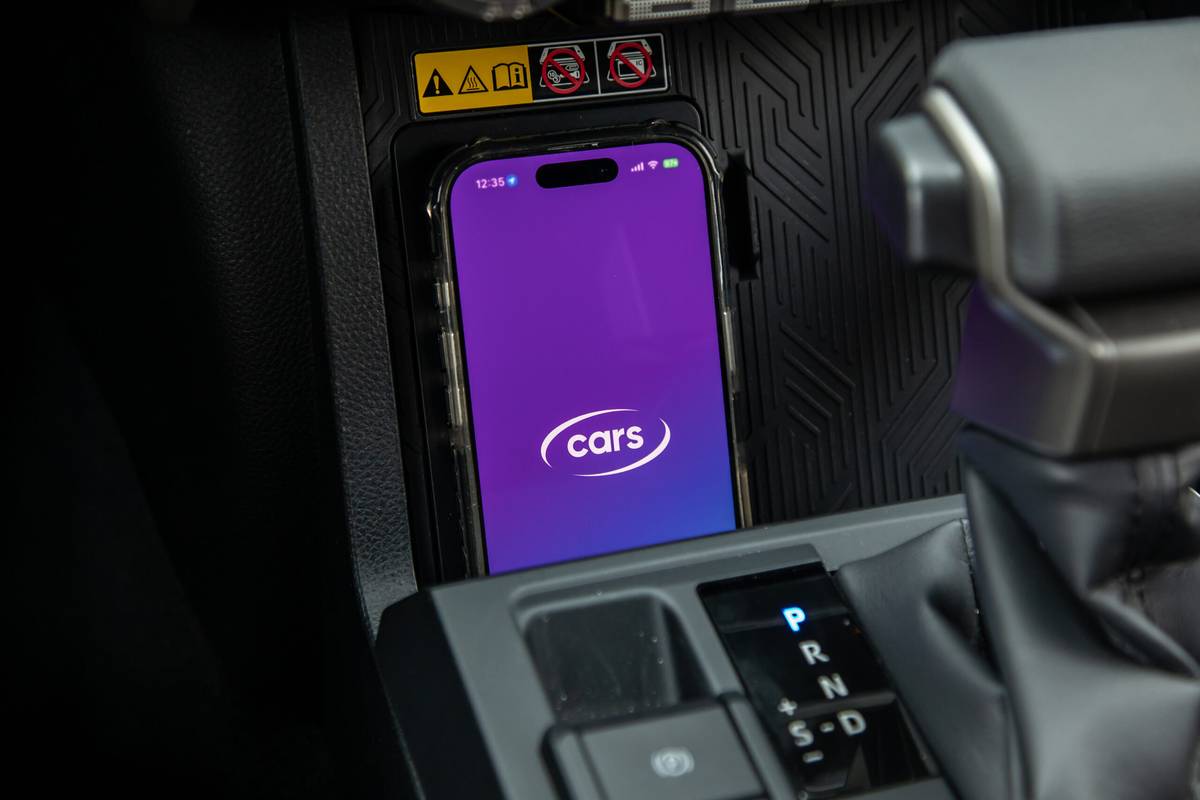
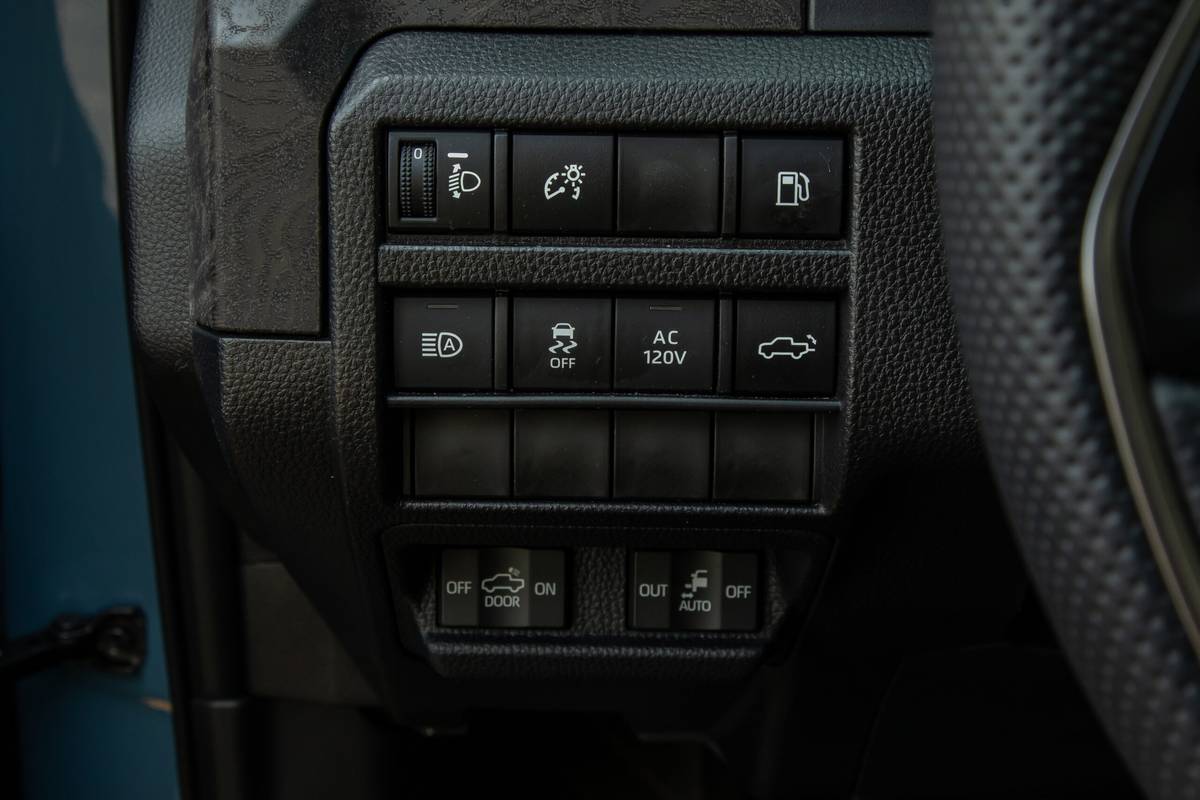
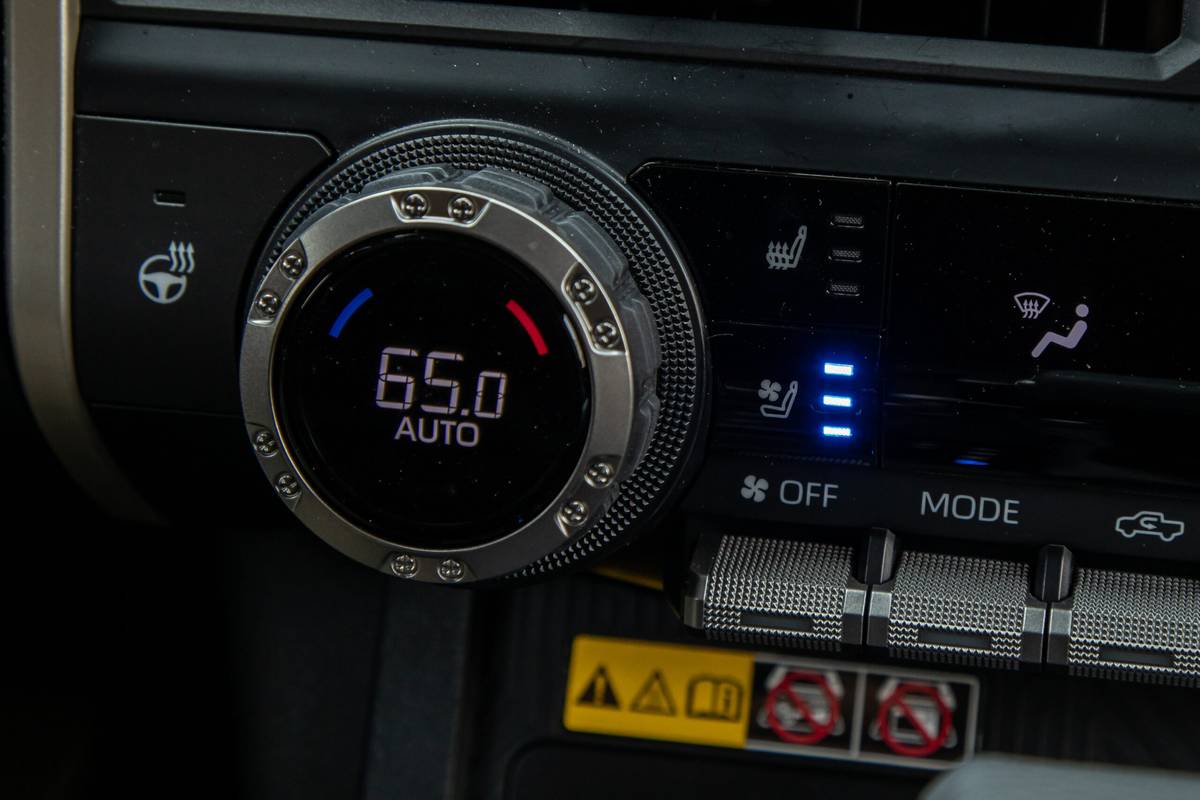
1. The electronics are a mess. Toyota’s multimedia system is just OK. It isn’t well-integrated into the truck’s overall systems; there are still a ton of settings you’ll have to change using the steering-wheel controls and gauge cluster. It’s as if the truck’s electronics were designed by a different committee than the one that designed the multimedia system. Thankfully, the Limited’s touchscreen is enormous, so pressing the right spot on the screen for various functions doesn’t require too much finesse, and there are still hard buttons for some functions.
2. The backseat is tight. While there’s decent front-seat room in the Tacoma, the backseat is not a pleasant place to spend much time. Legroom is at a premium back there, and the seat feels low to the cabin floor, making passengers sit in a knees-up position. Fitting two back there will be tight, and three would be extremely unpleasant. Given the overall size of the truck, the lack of backseat legroom in particular is surprising.
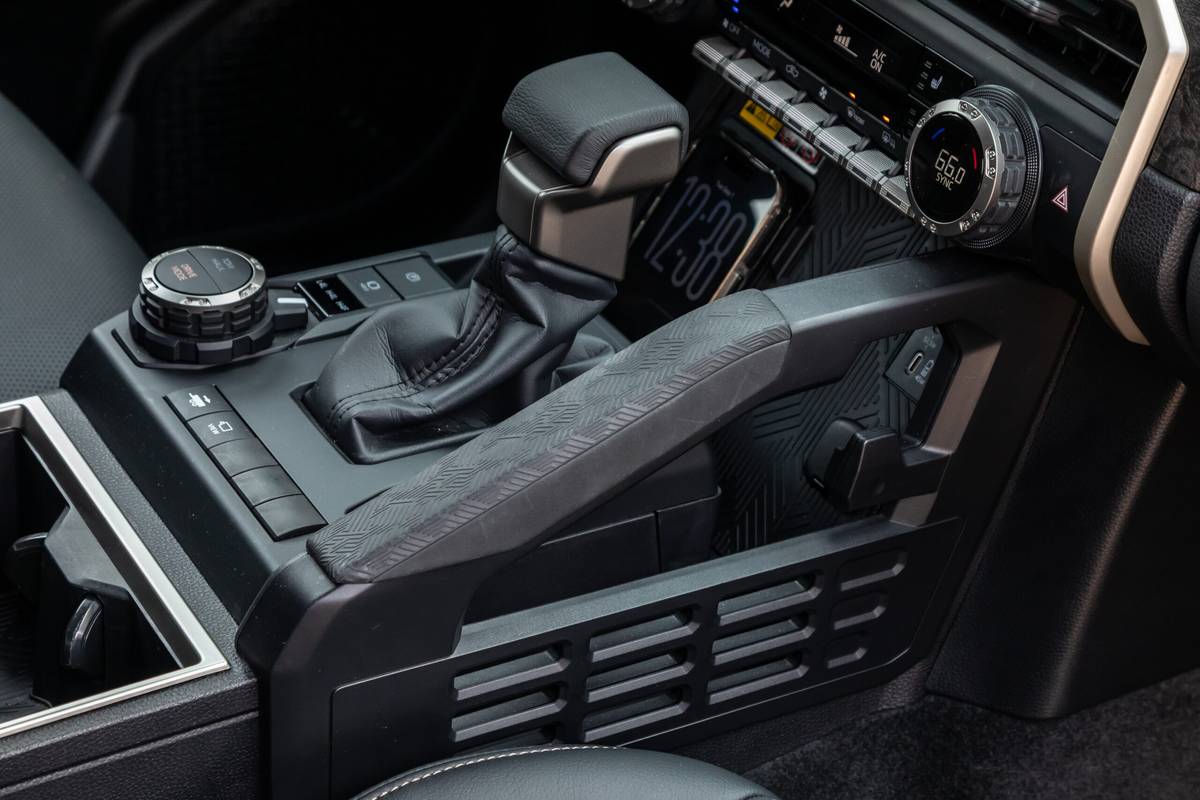
3. Interior quality is iffy for the price. The Tacoma’s interior is perfectly acceptable for a $40,000 truck. The problem is that Toyota wants more than $63,000 for the one I drove, making its interior quality a questionable area — and that’s not uncommon among Toyota’s trucks and SUVs. From this Tacoma Limited’s dour gray colors to controls that felt decent but not premium, it’s clear this interior didn’t get much of a visible upgrade for the Limited trim level and the price associated with it. Compared with other premium mid-size pickups, like the 2026 GMC Canyon Denali, it feels overpriced and underwhelming. If you want a true premium experience in a mid-size pickup, the Canyon Denali is the benchmark.
4. Gas mileage isn’t great for a hybrid. On paper, the Toyota Tacoma’s i-Force Max hybrid powertrain beats all other mid-size trucks for fuel economy. Its EPA rating of 22/24/23 mpg city/highway/combined is several mpg higher than anything else in its class. But after 525 miles of mostly highway driving, my real-world average of 20.7 mpg was much closer to the ratings of competing trucks. Granted, hybrids are not at their most efficient on the highway, and the i-Force Max powertrain is tuned more for supplemental grunt than for maximizing fuel economy, but given the amount of time the Tacoma hybrid likes to spend in electric mode at lower speeds, I expected to at least match the EPA ratings.
How Does the 2026 Toyota Tacoma Compare With Prior Models?
This latest version of the Tacoma — last redesigned for the 2024 model year — sits on a totally different chassis than the prior one; the current design is shared with the larger Tundra pickup. Featuring more power, a bigger cabin, better driving dynamics, more onboard electronics and better fuel economy — as well as off-road trims that are just as capable as ever — Toyota’s latest Tacoma only improves upon prior versions of this best-selling truck. This helps explain why it continues to be as popular as it is.
2026 Toyota Tacoma Limited Versus the Competition
There are several big players vying for attention in the mid-size pickup truck segment, and they’re all strong contenders in their own way. For the purposes of the chart below, we’ll consider the top on-road trims of top competitors, all of which offer higher-priced off-road trims, as well (as that seems to be what everyone wants these days). But with my Toyota being a Limited 4×4 Double Cab, I picked the nearest trim you can get in competitor showrooms.
The Tacoma’s closest competitors are the Chevrolet Colorado/GMC Canyon (essentially the same truck with different styling and trim packages), Ford Ranger, Nissan Frontier and Jeep Gladiator. For the purposes of this comparison, we’ll use the GMC Canyon Denali, as Chevrolet does not offer a “premium” on-road trim of the Colorado. Some might also throw the Honda Ridgeline into this mix, but it’s different enough in its construction and equipment that it feels more like a modern front-wheel-drive SUV than a traditional mid-size pickup.
| 2026 Toyota Tacoma Hybrid Limited | 2026 GMC Canyon Denali | 2026 Ford Ranger Lariat 4×4 | 2026 Jeep Gladiator Sahara | 2027 Nissan Frontier SV 4×4 | |
|---|---|---|---|---|---|
| Starting price | $58,640 | $55,395 | $51,645 | $50,110 | $41,565 |
| Top engine | Gas-electric turbo 2.4-liter four-cylinder hybrid | Turbo 2.7-liter four-cylinder | Twin-turbo 2.7-liter V-6 | 3.6-liter V-6 | 3.8-liter V-6 |
| Horsepower | 326 | 310 | 315 | 285 | 310 |
| Torque (pounds-feet) | 465 | 430 | 400 | 260 | 281 |
| Drivetrain | Standard full-time 4×4 | Standard full-time 4×4 | Optional part-time 4×4 | Standard part-time 4×4 | Optional part-time 4×4 |
| Transmission | Eight-speed automatic | Eight-speed automatic | 10-speed automatic | Eight-speed automatic | Nine-speed automatic |
Frequently Asked Questions (FAQs): 2026 Toyota Tacoma Limited
How much horsepower and torque does the hybrid Tacoma Limited make?
The combined system output is 326 horsepower and 465 pounds-feet of torque, sent through an eight-speed automatic transmission and full-time four-wheel drive.
What is the fuel economy of the hybrid Tacoma Limited?
The EPA rates it at 22 mpg city, 24 mpg highway and 23 mpg combined. That’s several mpg better than any other mid-size truck. We did, however, average 20.7 mpg over 525 miles of mostly highway driving, which is closer to what competitors are rated.
Is the Tacoma hybrid designed for maximum fuel economy?
No. The i-Force Max system is tuned more for power and towing assist than for efficiency. It also uses an eight-speed automatic rather than a CVT, which is found in most Toyota hybrids, so it isn’t as seamless as a Prius-style hybrid system.
How much does the hybrid 2026 Toyota Tacoma Limited cost?
The starting price is $58,640. Our test vehicle, a Limited 4×4 Double Cab with options such as topographical map stickers and an illuminated dark chrome front emblem, cost $63,333 as-tested.
What competes with the Tacoma?
Its closest rivals are the Chevrolet Colorado/GMC Canyon, Ford Ranger, Nissan Frontier and Jeep Gladiator. The Honda Ridgeline is sometimes included in that list, but it’s built more like a front-wheel-drive SUV than a traditional pickup.
Why is the Tacoma so popular?
It’s status as the best-selling mid-size truck in America is helped by its reputation, its ability to fit in a standard garage and strong loyalty from repeat buyers.
More Toyota Tacoma News From Cars.com:
- How Much Is the 2026 Toyota Tacoma?
- Which Toyota TRD Off-Road Premium Is Better: 4Runner SUV or Tacoma Pickup?
- Which Gets Better Gas Mileage, the Toyota 4Runner Hybrid or Tacoma Hybrid?
- How Do Car Seats Fit in a 2026 Toyota Tacoma?
- View All 2026 Toyota Tacomas for Sale Near Me
Cars.com’s Editorial department is your source for automotive news and reviews. In line with Cars.com’s long-standing ethics policy, editors and reviewers don’t accept gifts or free trips from automakers. The Editorial department is independent of Cars.com’s advertising, sales and sponsored content departments.