








What Truck Shoppers Need to Know
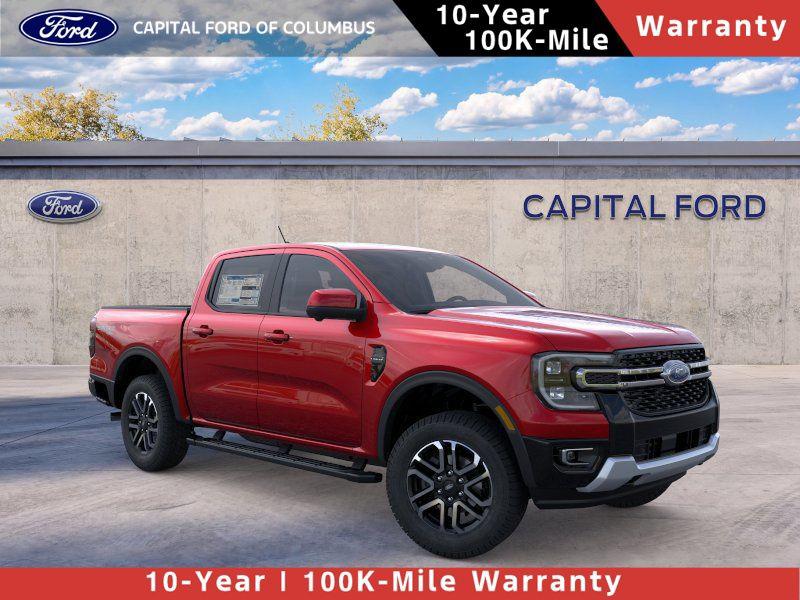
- The Ranger is Ford’s mid-size pickup truck, slotted between the compact Maverick and full-size F-150.
- Redesigned for 2024, the Ranger receives only minor tweaks to available equipment and cosmetic features for 2026.
- The Ranger’s relatively comfortable ride, easy maneuverability and unique available features are appealing, but prices get steep quickly.
Is the 2026 Ford Ranger a Good Mid-Size Pickup?
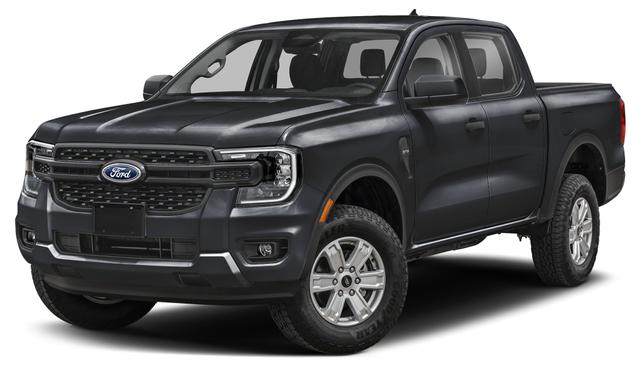
The Ranger is a well-rounded mid-size pickup with strong powertrains and an array of desirable features — some of which aren’t available on rival pickups. The top-of-the-line Ranger Raptor is a high-performance off-roader with more power, capability and trail-ready hardware than comparable off-road mid-size trucks, powered by a 405-horsepower, turbocharged 3.0-liter V-6 engine. As with other trucks, you’ll pay for the Ranger Raptor’s capabilities: Its pricing starts close to $60,000 (including destination), but even lesser Ranger trims get spendy in a hurry when options are added.
Related: How Much Is the 2026 Ford Ranger?
Redesigned for 2024, the Ranger competes in a robust class of mid-size pickups that also includes the Chevrolet Colorado, GMC Canyon, Honda Ridgeline, Nissan Frontier and Toyota Tacoma. All but the Ridgeline benefit from recent redesigns — the Colorado and Canyon for 2023, the Frontier for 2022 and the Tacoma for 2024. Honda recently confirmed a new Ridgeline is on the horizon, but as of now, its last full redesign was for the 2017 model year. Even with a pending update, the Ridgeline is likely to remain an outlier in other ways, as it’s built on a front-wheel-drive unibody platform instead of the segment’s standard rear-wheel-drive body-on-frame construction. The Ranger is also often cross-shopped with the Jeep Gladiator and the smaller, unibody-based Maverick and Hyundai Santa Cruz.
Expert Rating: 6.6/10
- Powertrain: 7/10
- Ride quality: 7/10
- Driver comfort: 7/10
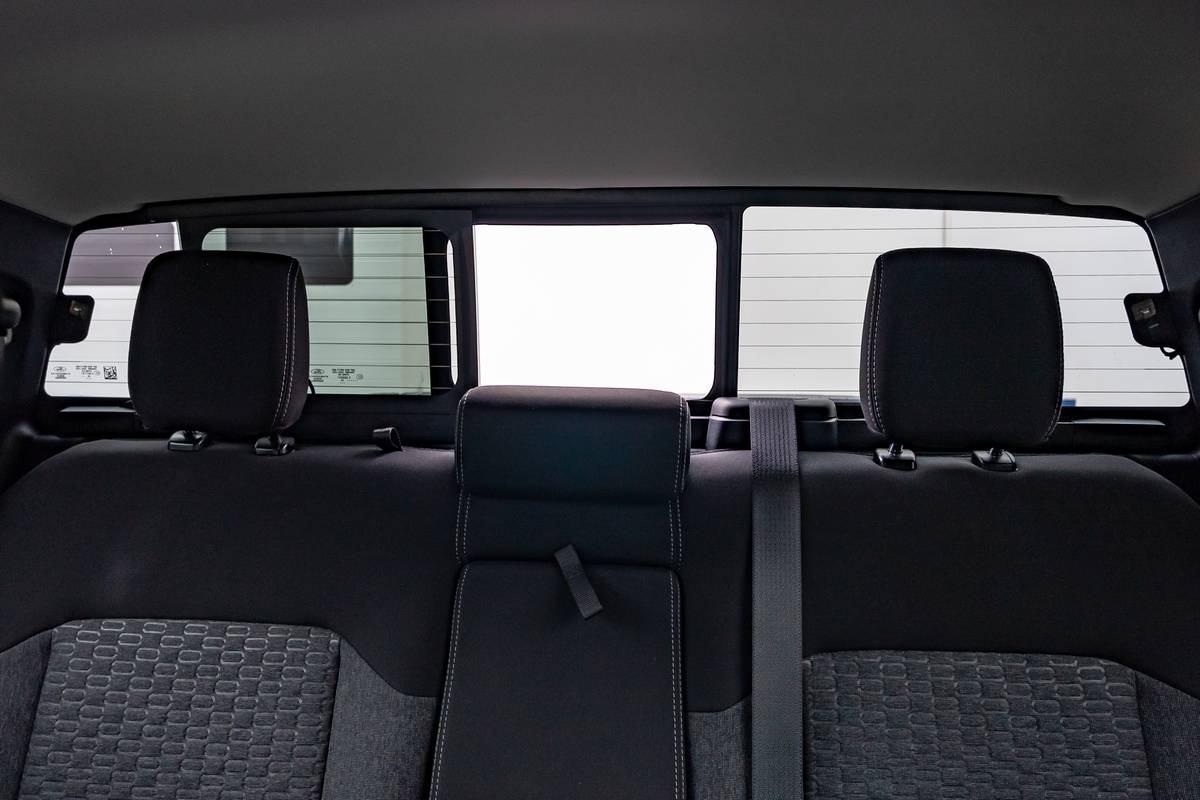
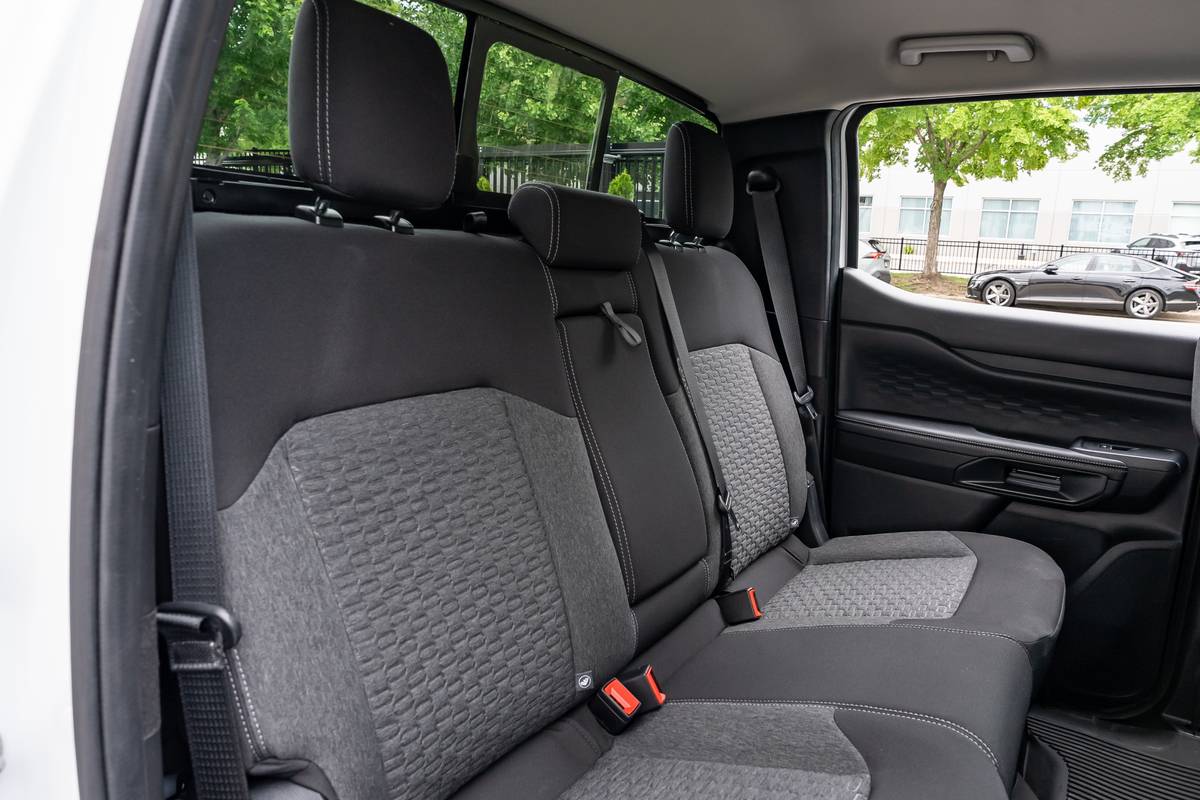
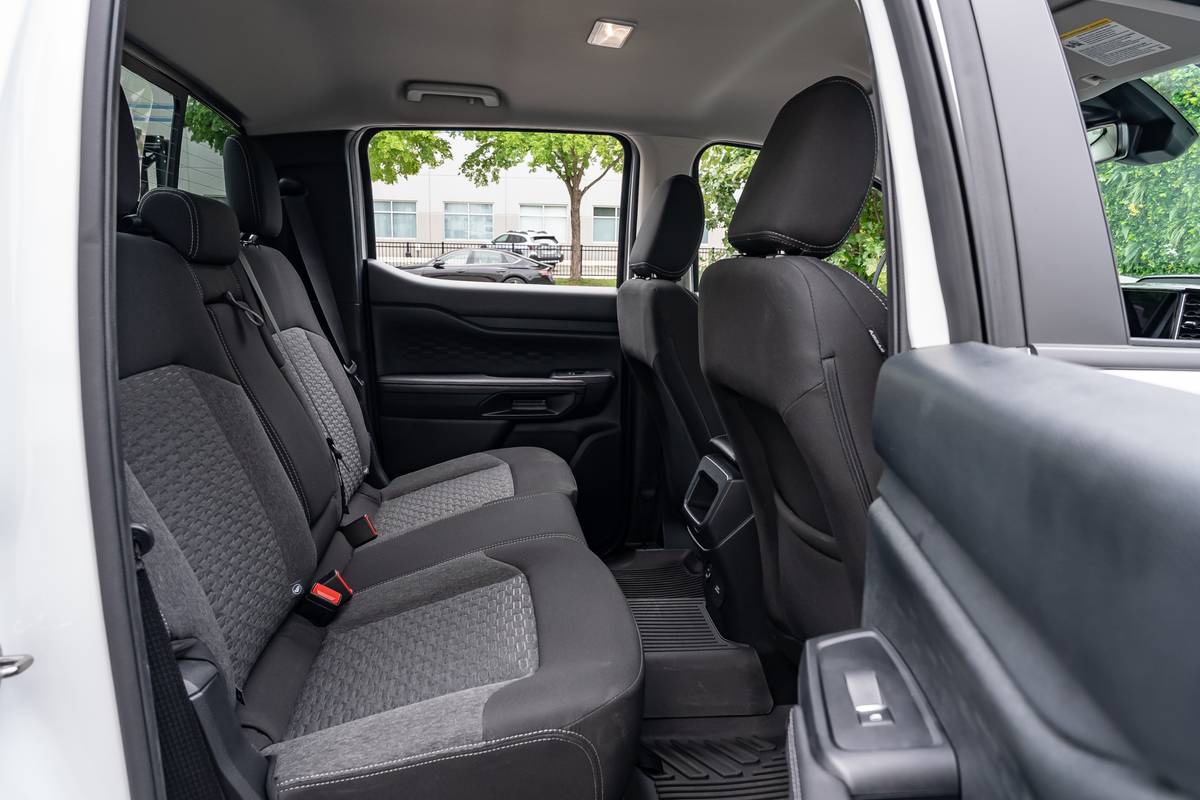
- Passenger comfort: 7/10
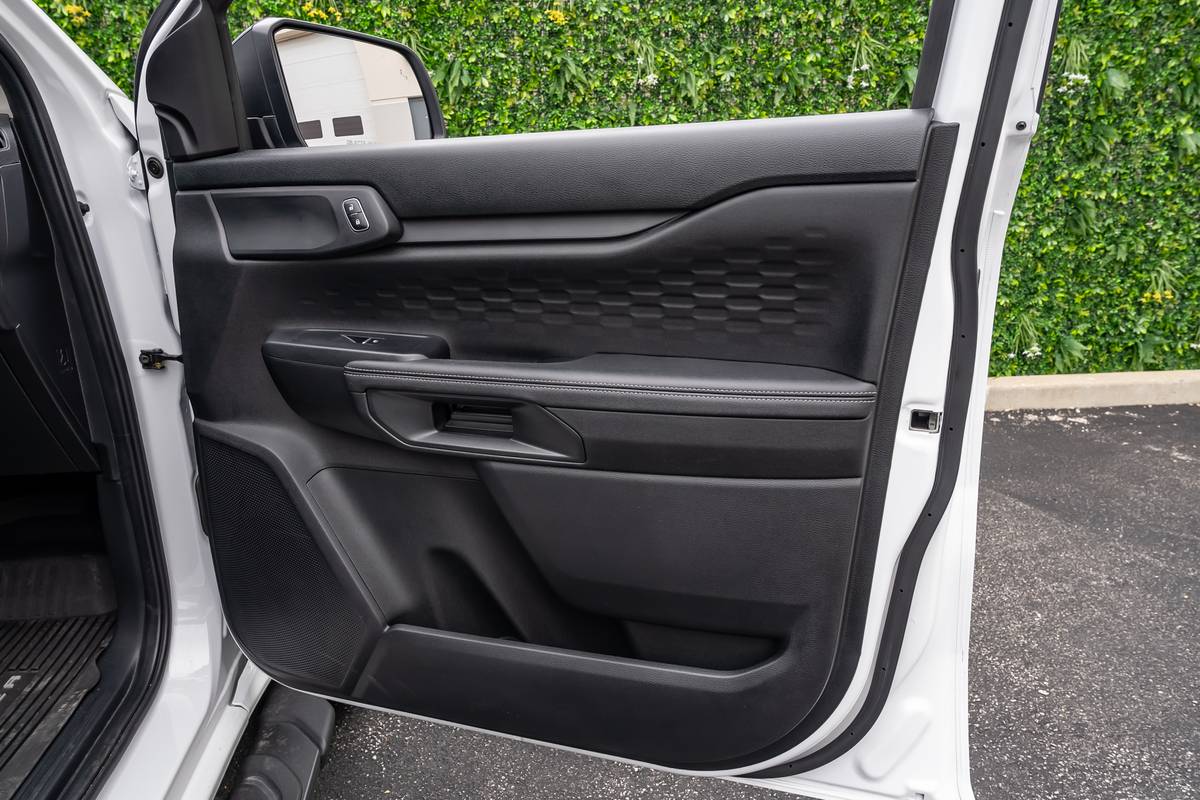
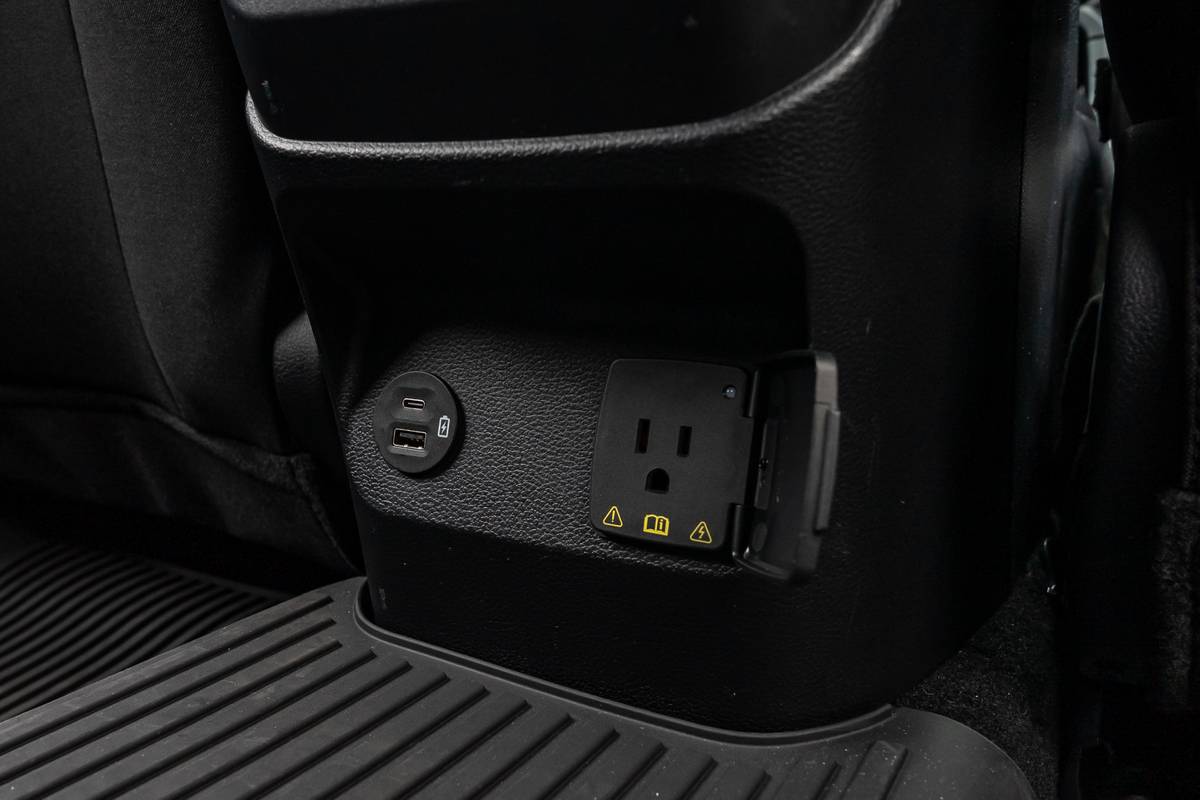
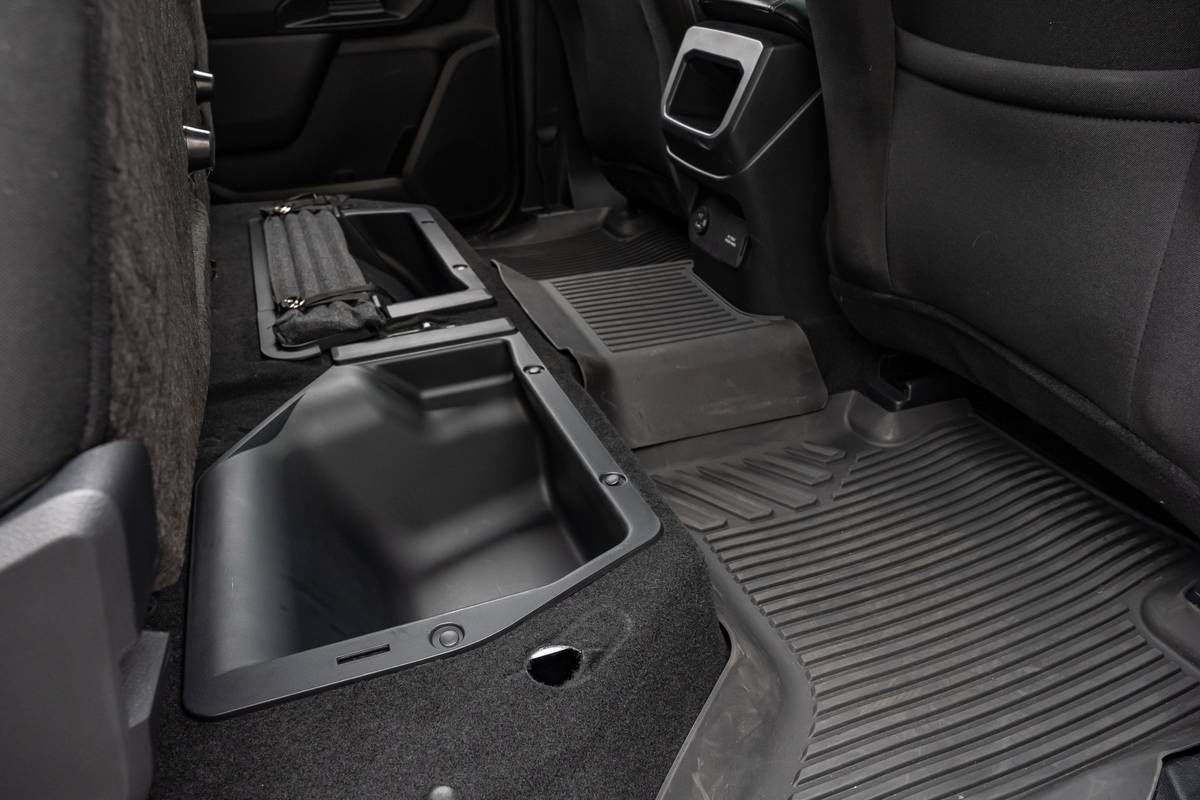
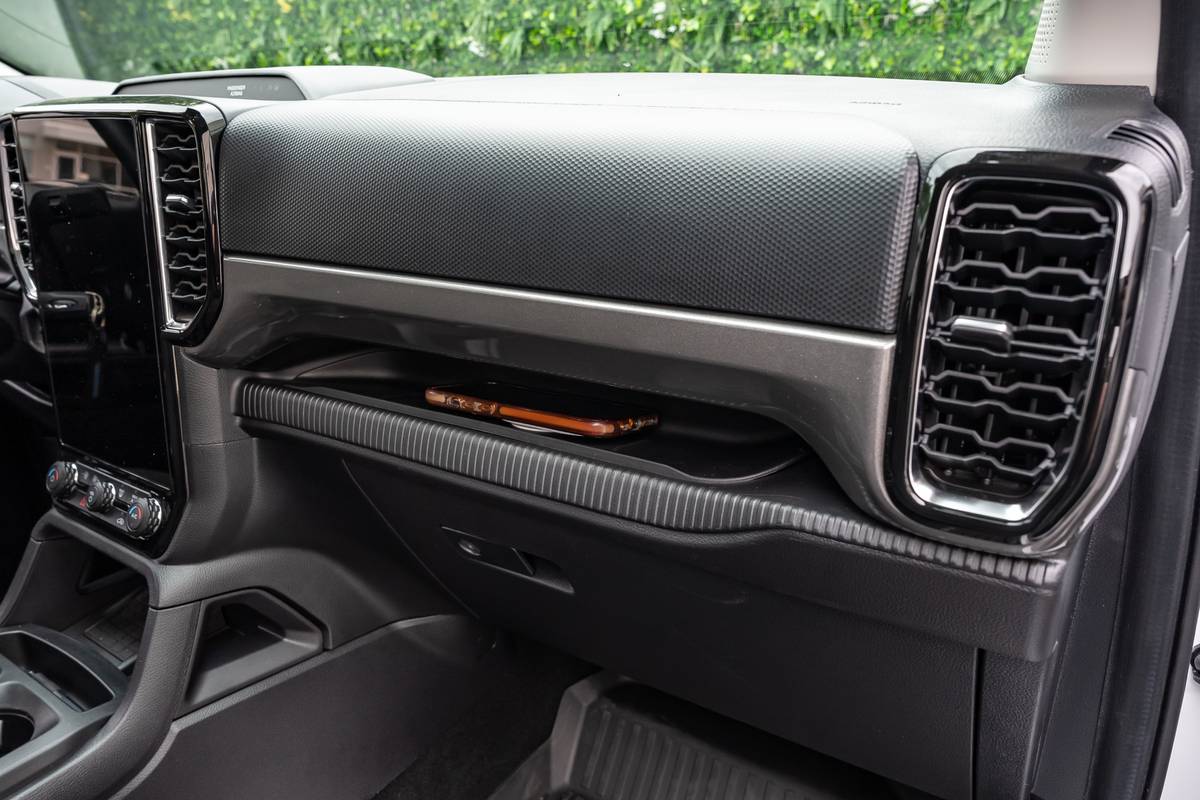
- Interior quality: 7/10
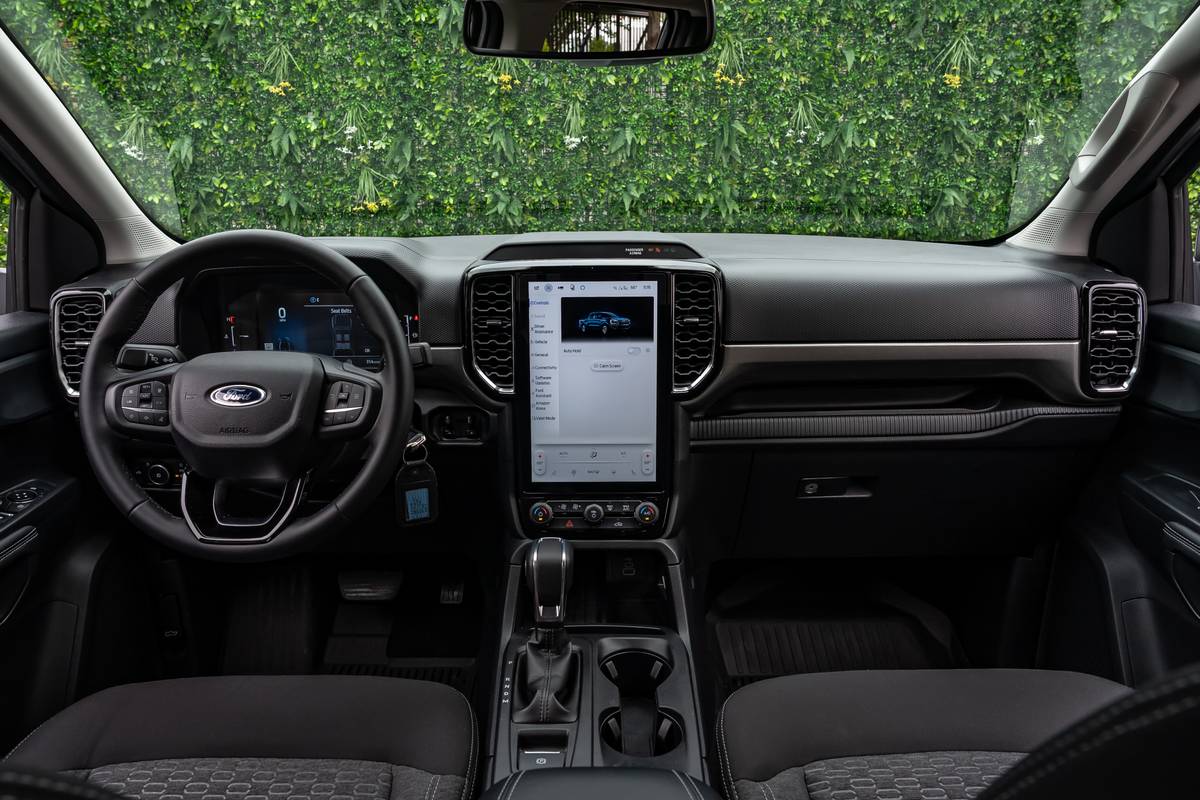
- User interface: 6/10
- Capability: 9/10
- Value: 5/10
- Overall appeal: 7/10
- Fuel economy: 4/10
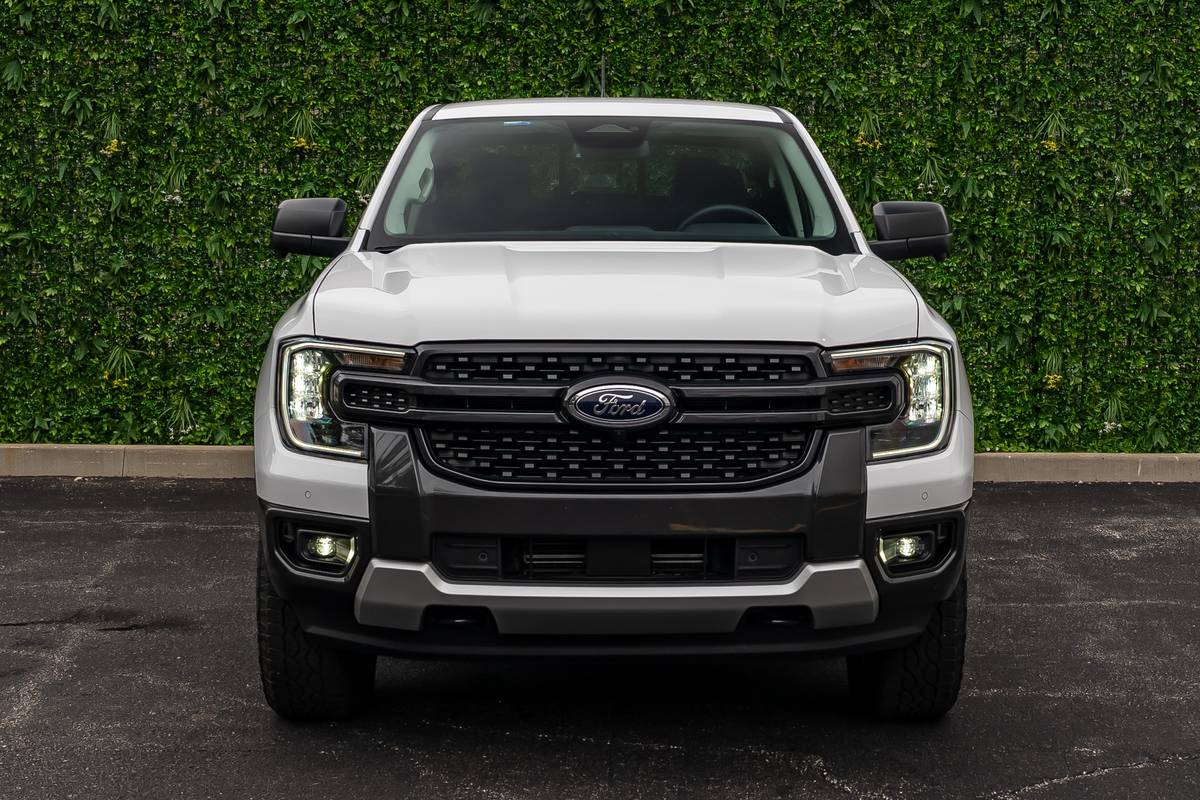
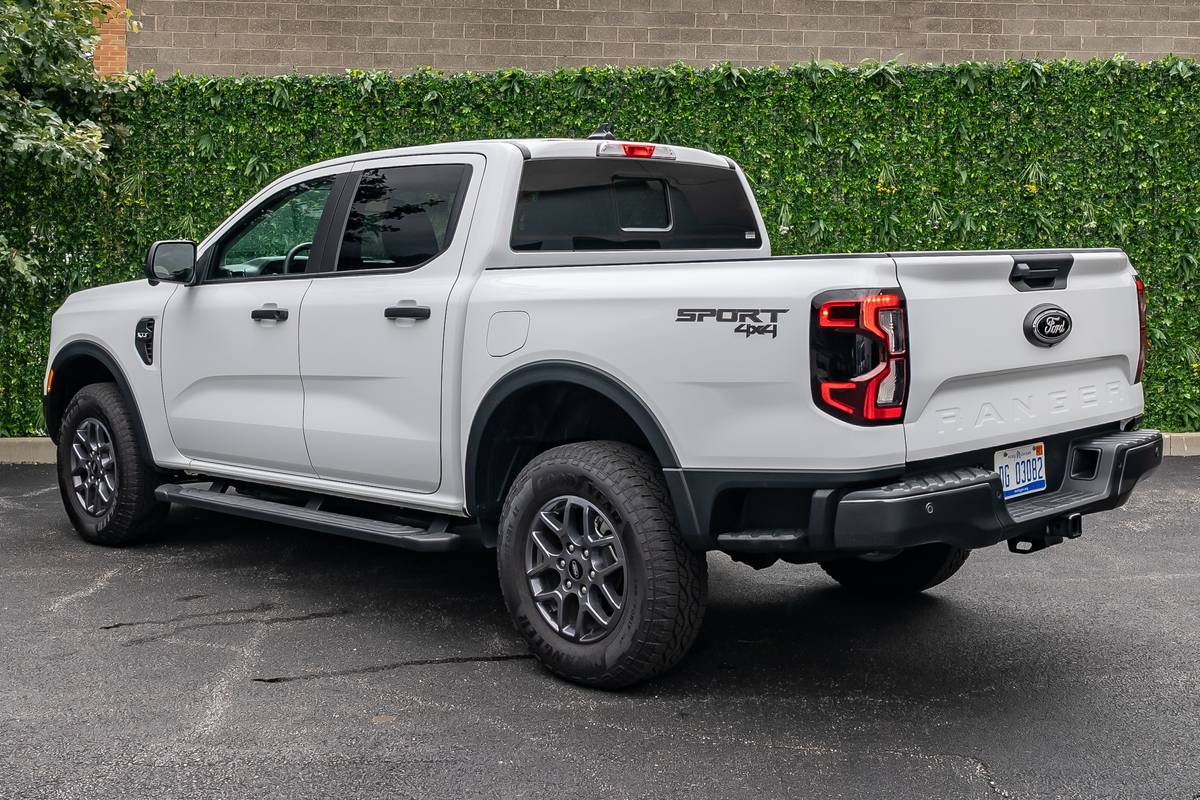
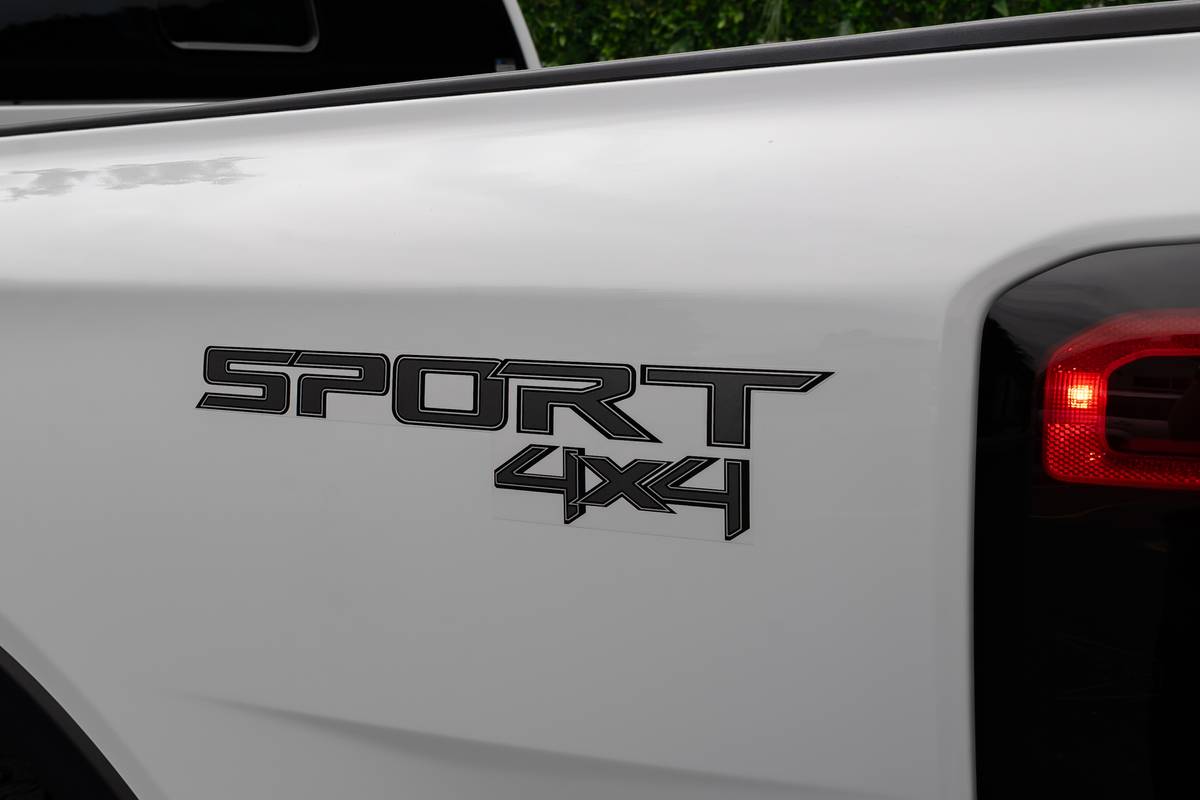
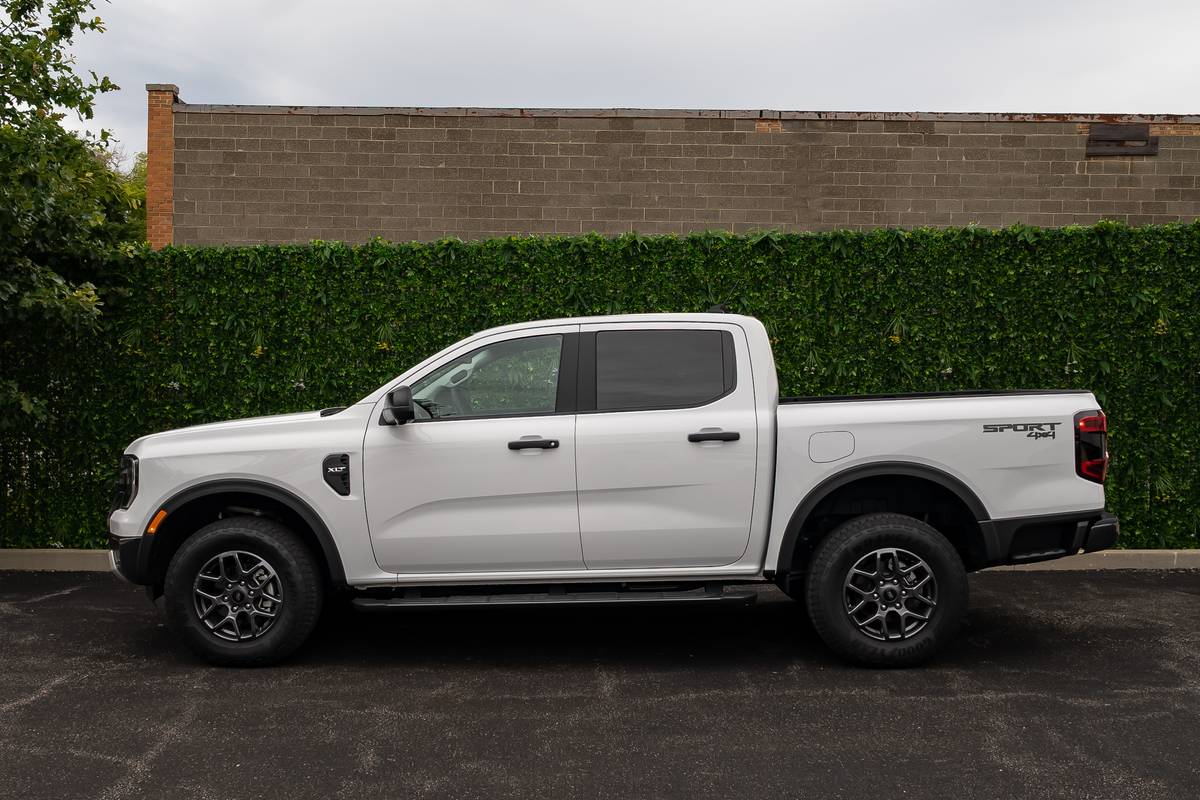
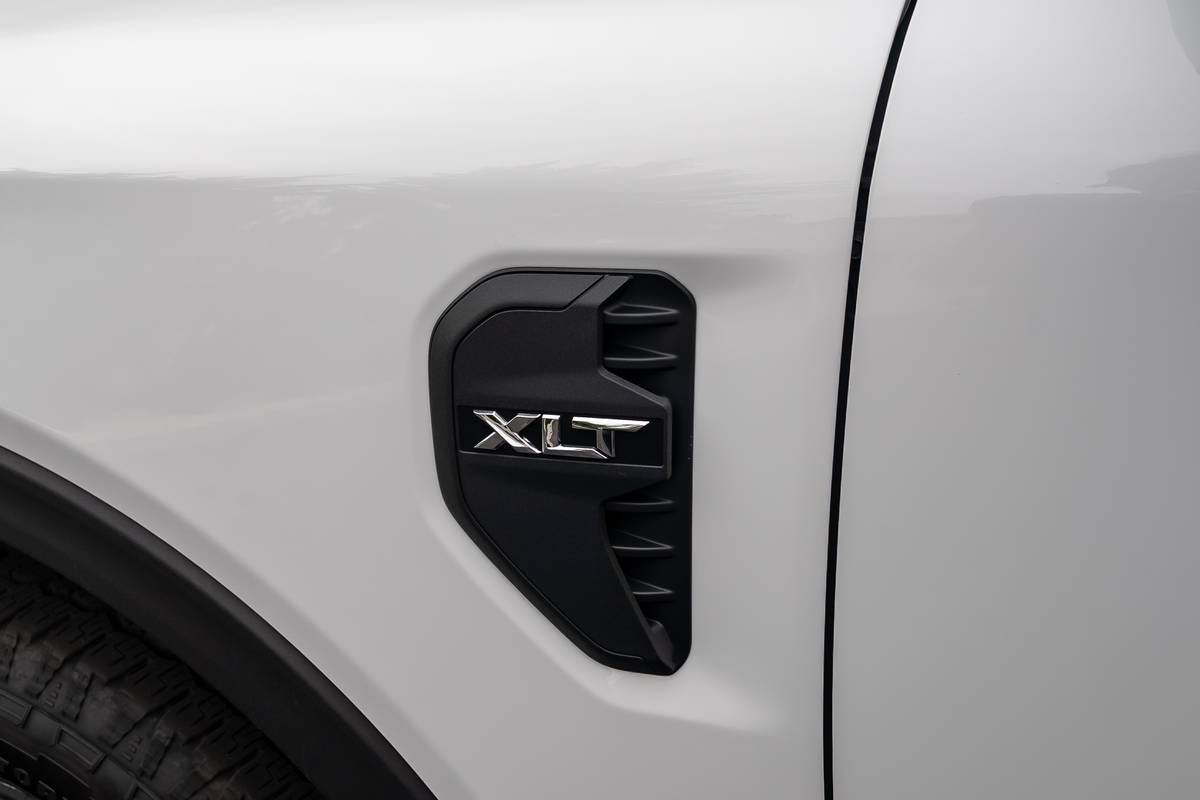
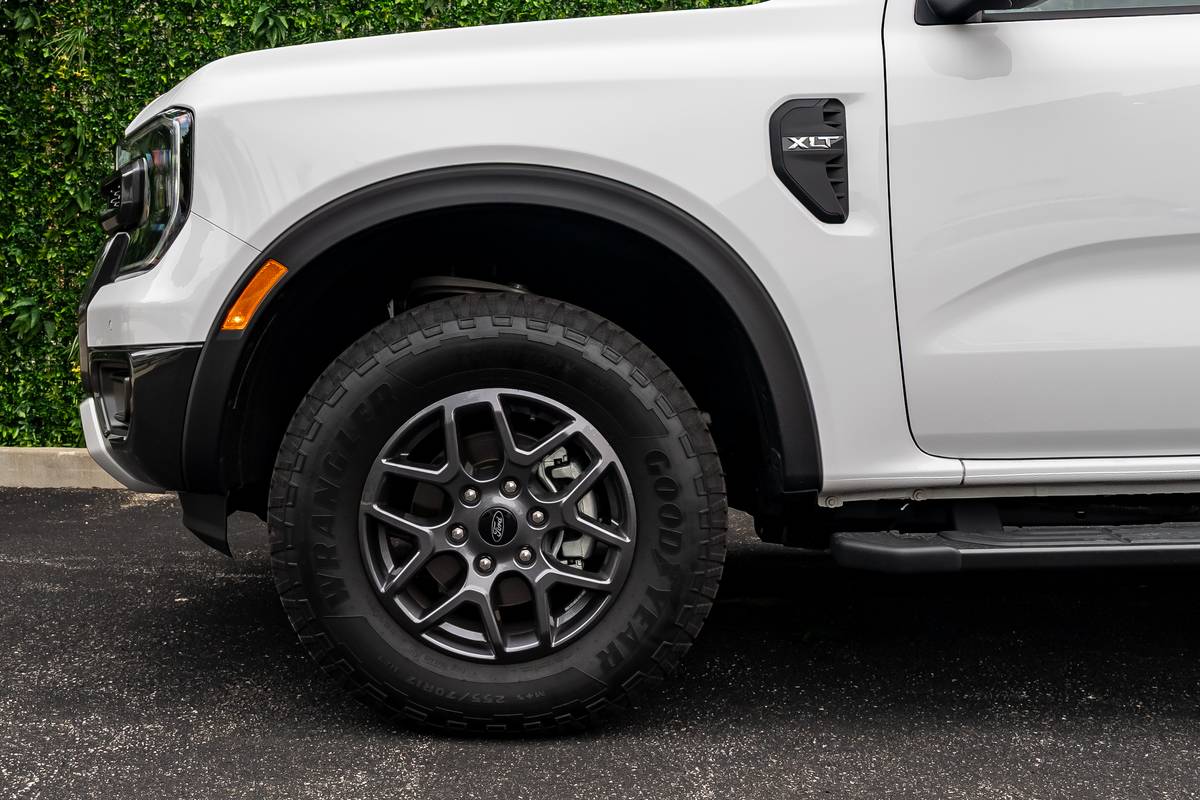
Our test vehicle: 2026 Ford Ranger XLT 4×4
Starting price (all prices include destination fee): $41,470
As-tested price: $50,195
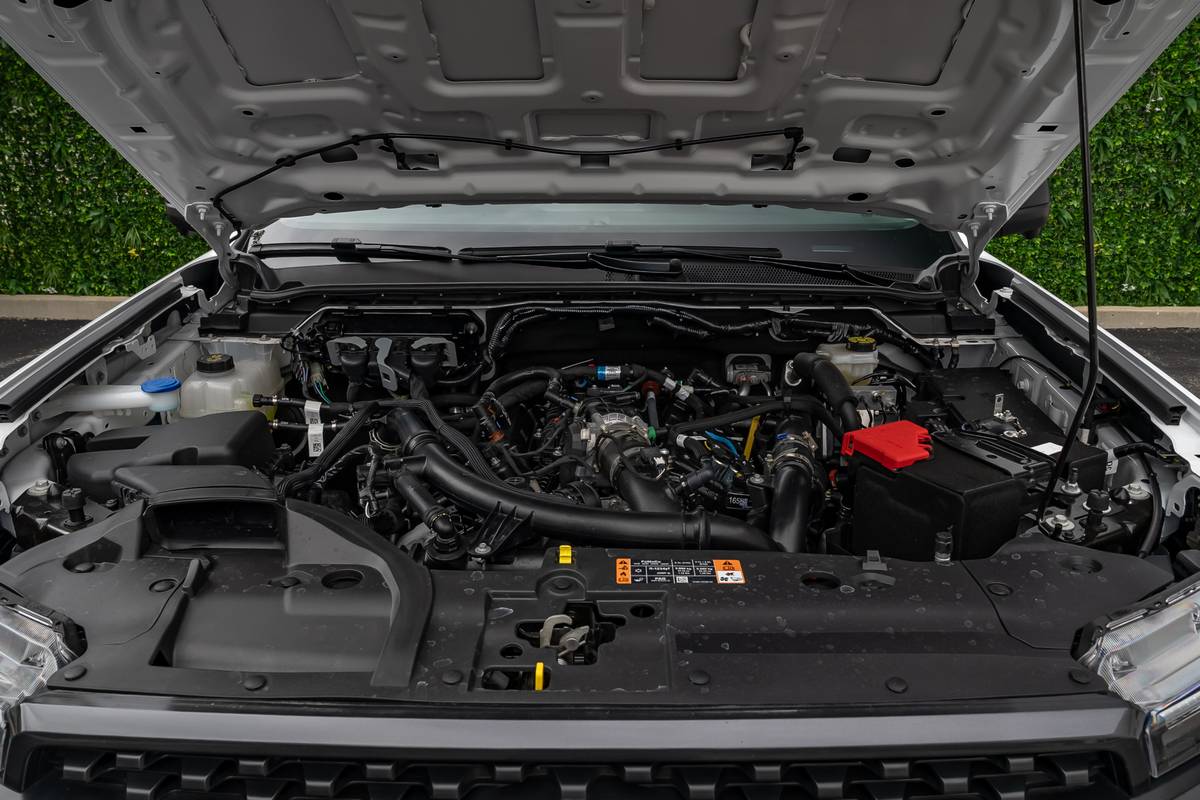
Powertrain: 315-horsepower, 2.7-liter V-6; four-wheel drive; 10-speed automatic transmission
EPA fuel-economy ratings: 18/23/20 mpg city/highway/combined
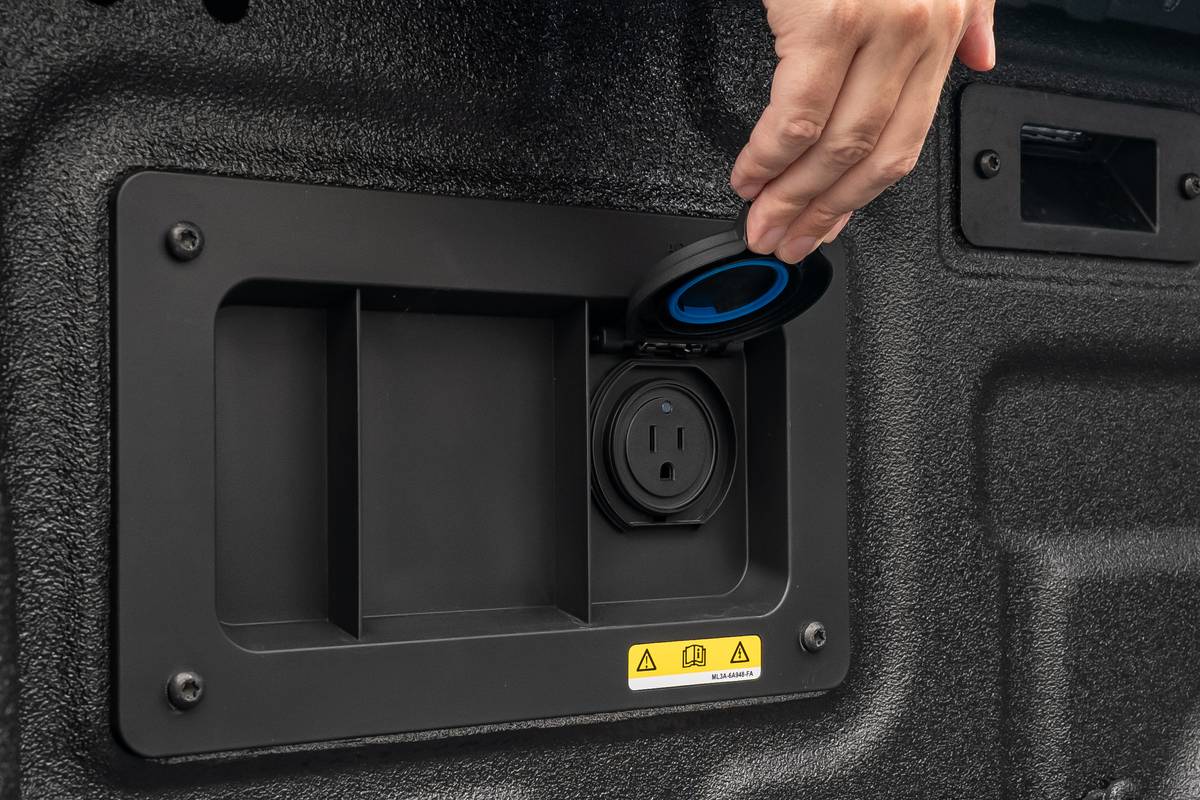
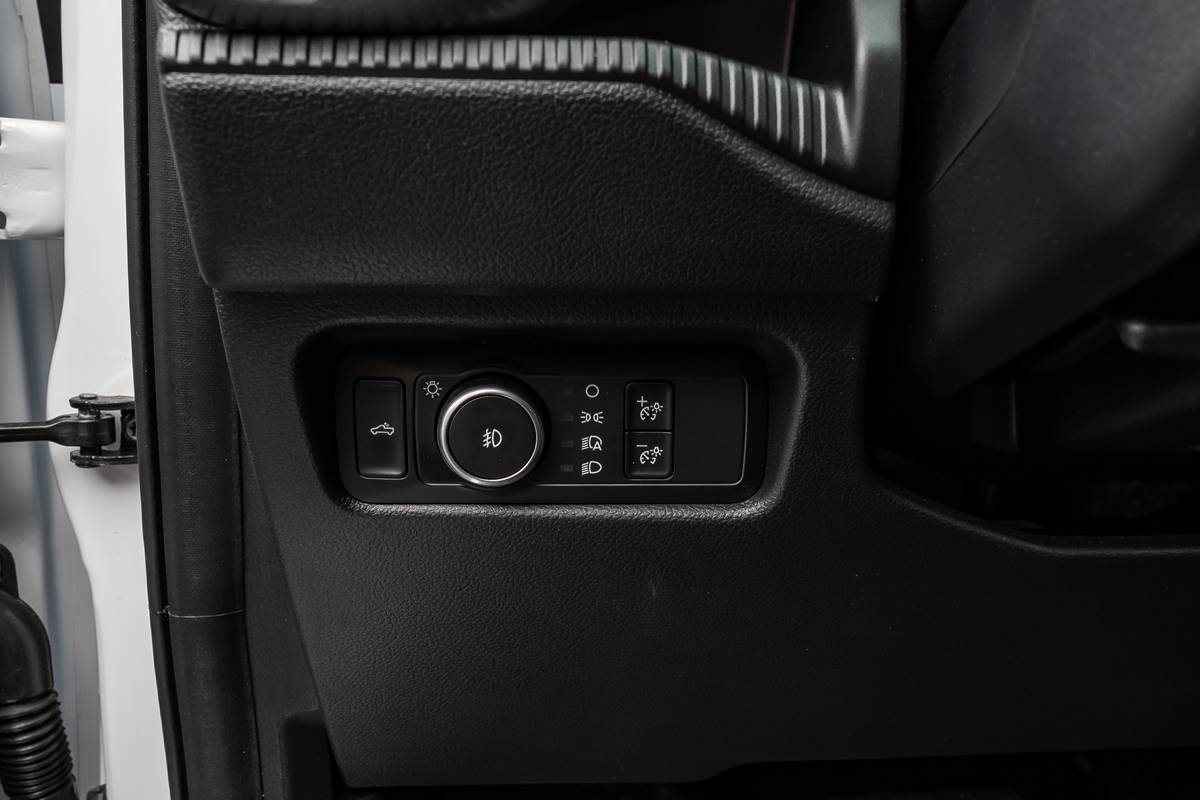
The Ranger’s nicely executed 2024 redesign brought it fresh, desirable features like upsized infotainment screens, an optional V-6 engine in addition to the standard four-cylinder and a trio of excellent available accessory systems borrowed from the full-size Ford F-150: a Pro Power Onboard 400-watt generator, Zone Lighting exterior lighting controls and a Pro Trailer Backup Assist system. It’s seen no significant updates for the 2025 and 2026 model years.
What’s Good About the 2026 Ford Ranger?
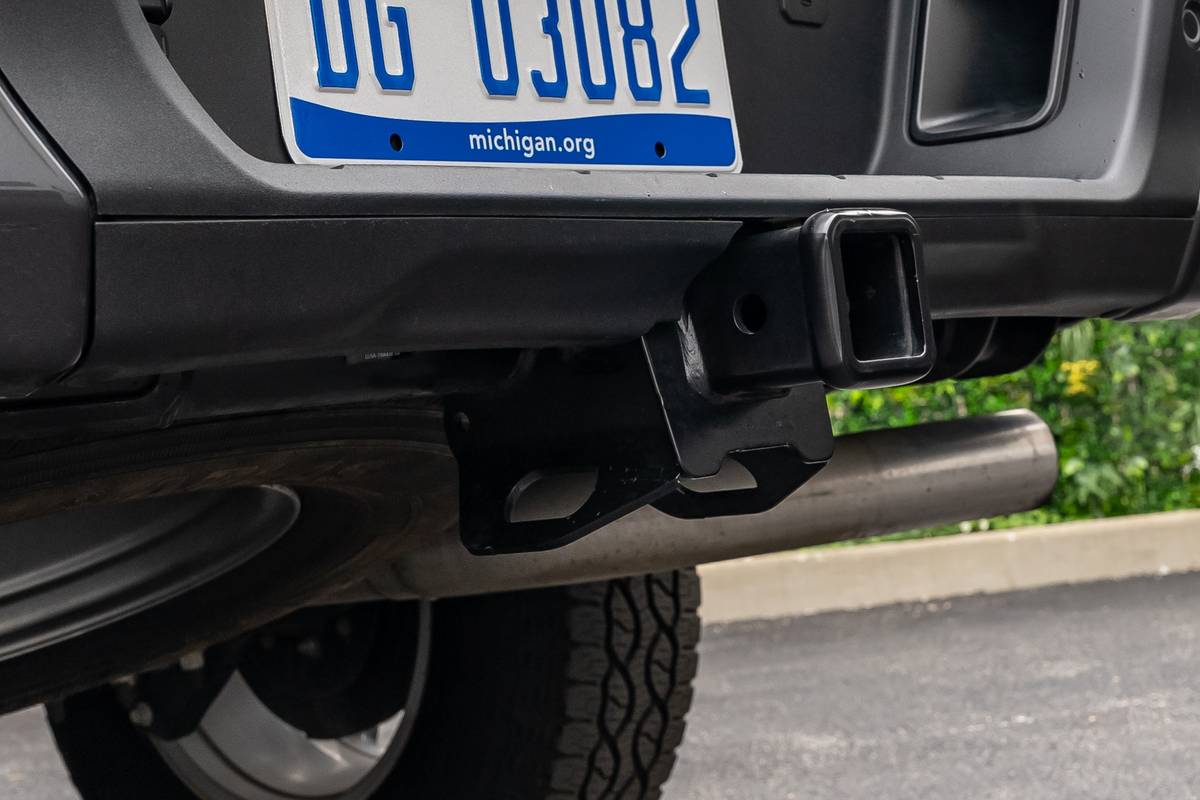
Gutsy V-6 engine: The Ranger’s standard 270-hp, turbo 2.3-liter four-cylinder engine is no slouch, but its optional 315-hp V-6 delivers impressive power via the Ranger’s smooth-shifting 10-speed automatic transmission. Both engines are capable of towing up to 7,500 pounds when equipped with an optional Trailer Tow Package.
Good handling and ride quality for a body-on-frame pickup: No mid-size pickup matches the composed ride of the Ridgeline, but the Ranger gets decently close. Its ride is comfortably absorbent overall — especially on the highway — and steering is both nicely weighted and reasonably communicative, giving added cornering confidence.
Easy close-quarters maneuverability: The Ranger’s mid-size dimensions are an obvious aid here, but its relatively tight turning radius also pays dividends when navigating tight parking spots and garages. If you need genuine pickup-truck capability but often navigate congested areas, the Ranger is a great choice.
Quiet cabin: The Ranger’s overall refinement is enhanced by its quiet cabin. Road, wind and tire noise are all nicely muted for a body-on-frame pickup truck.
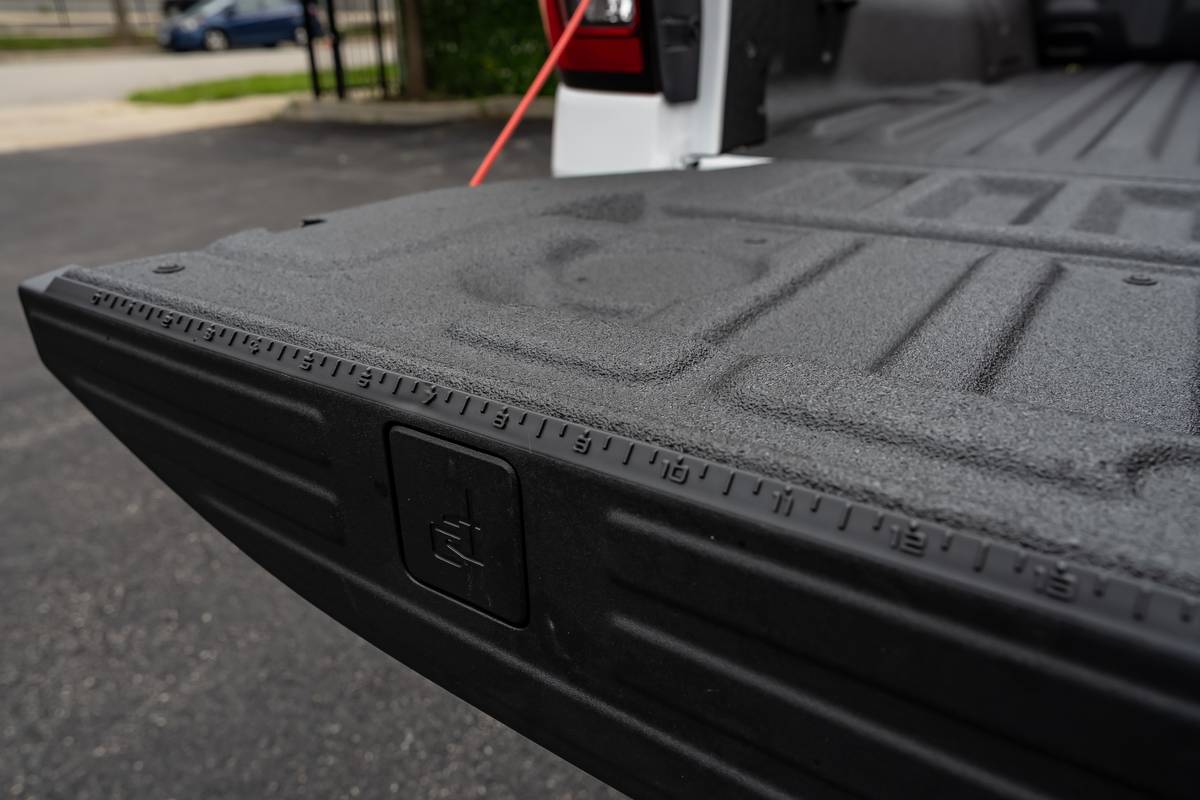
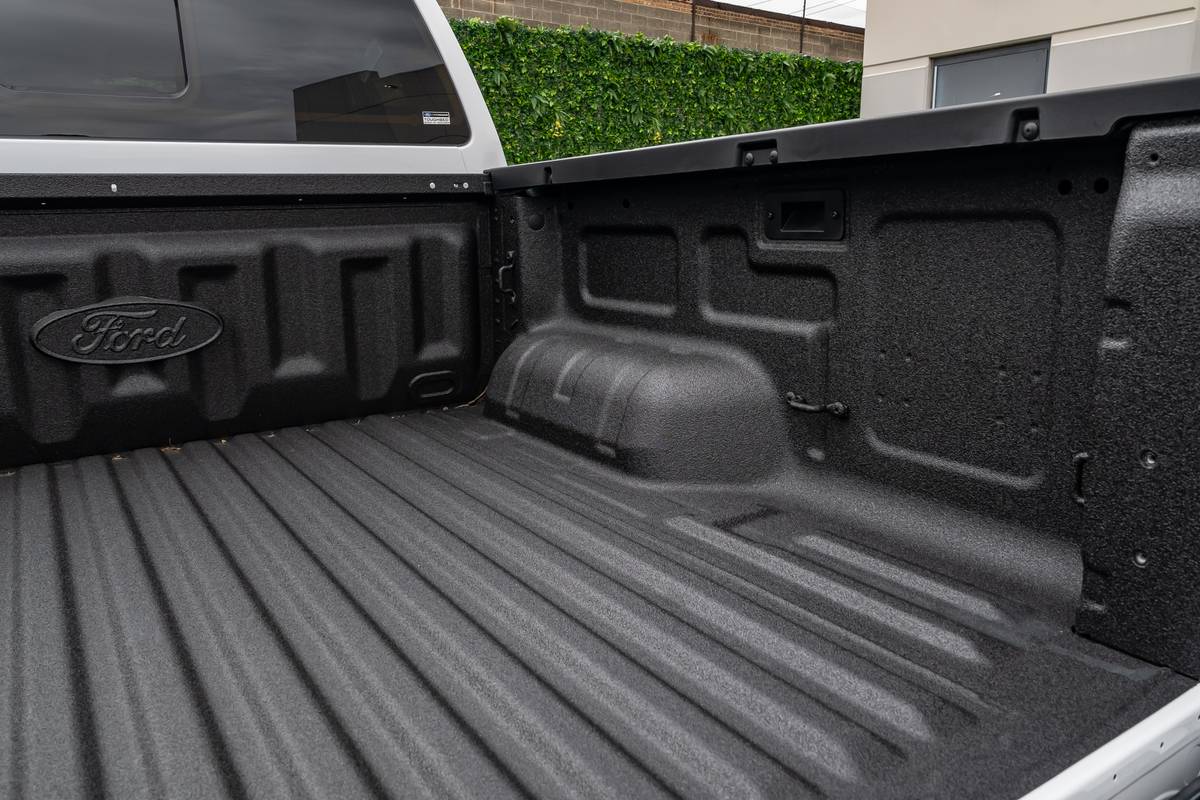
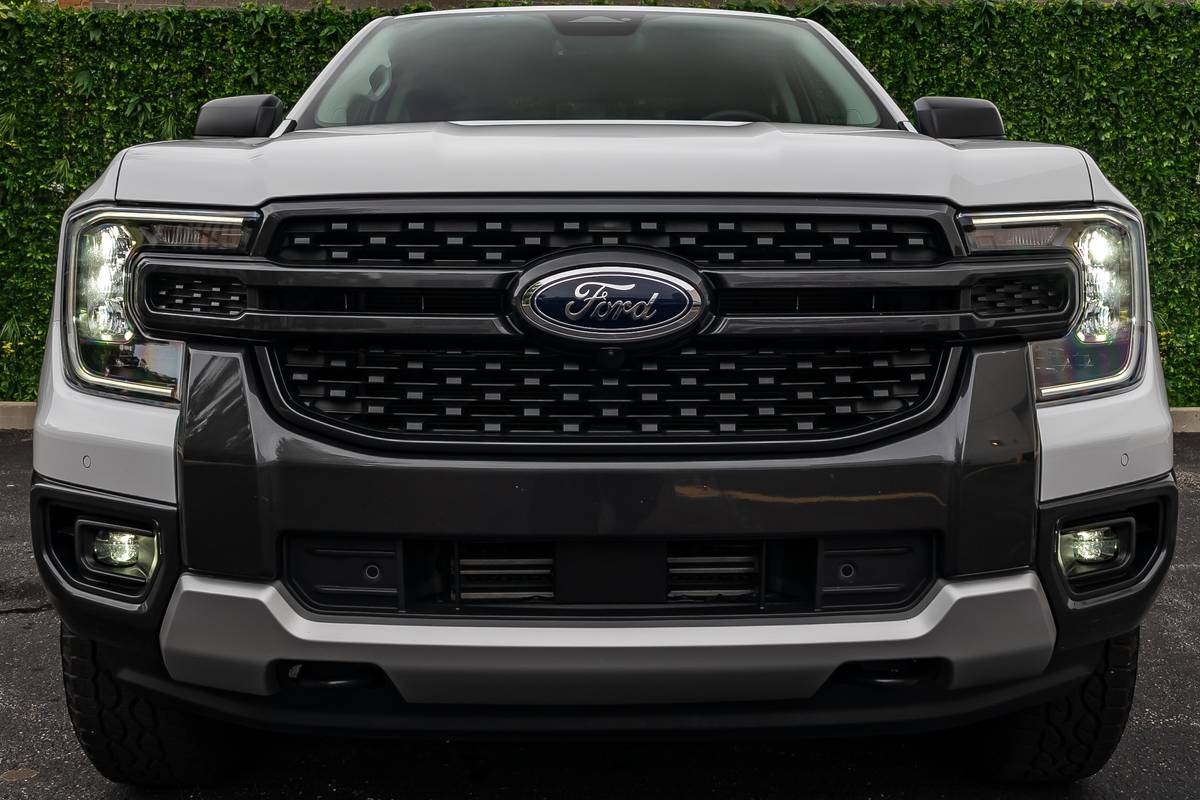
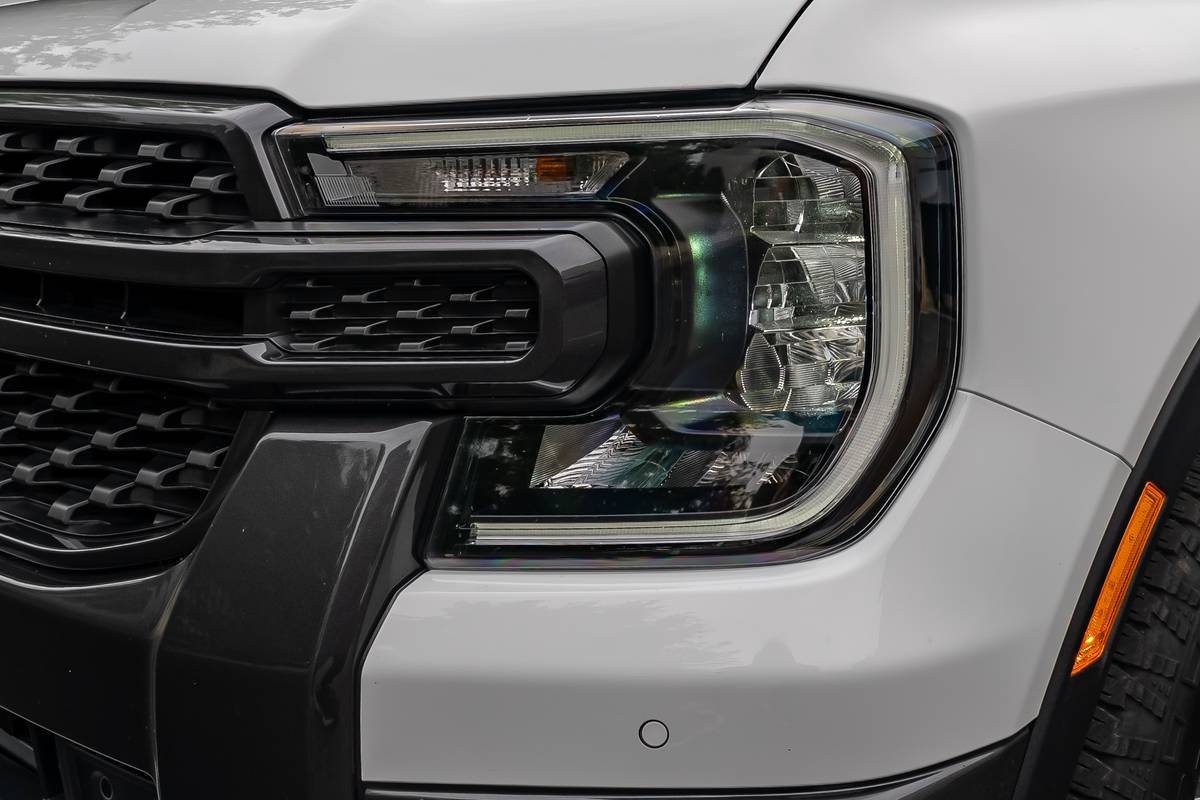
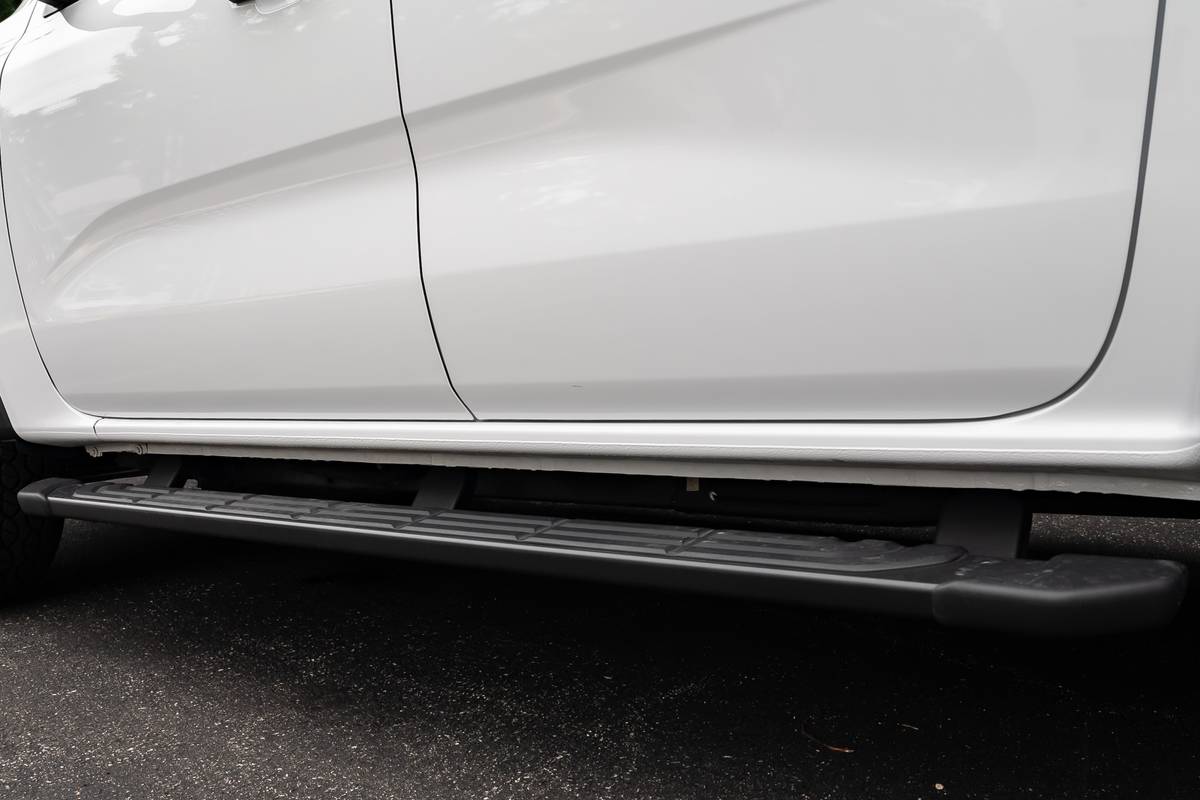
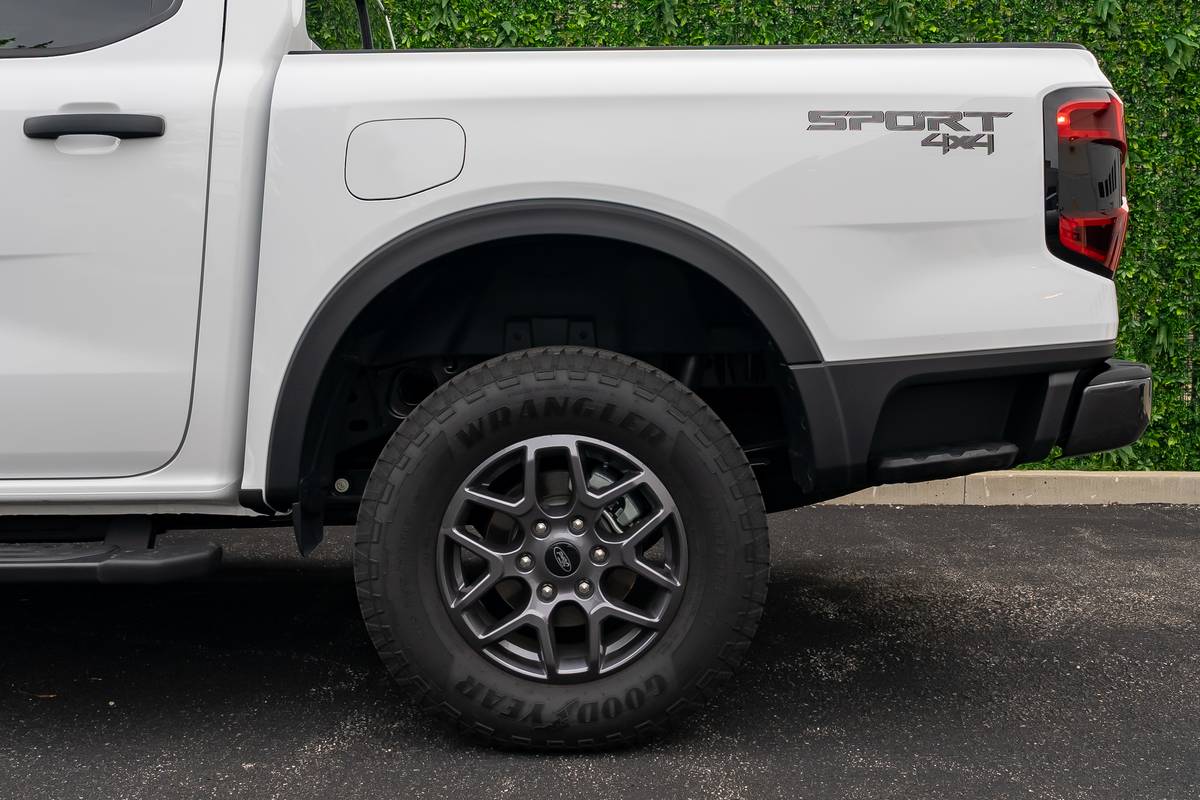
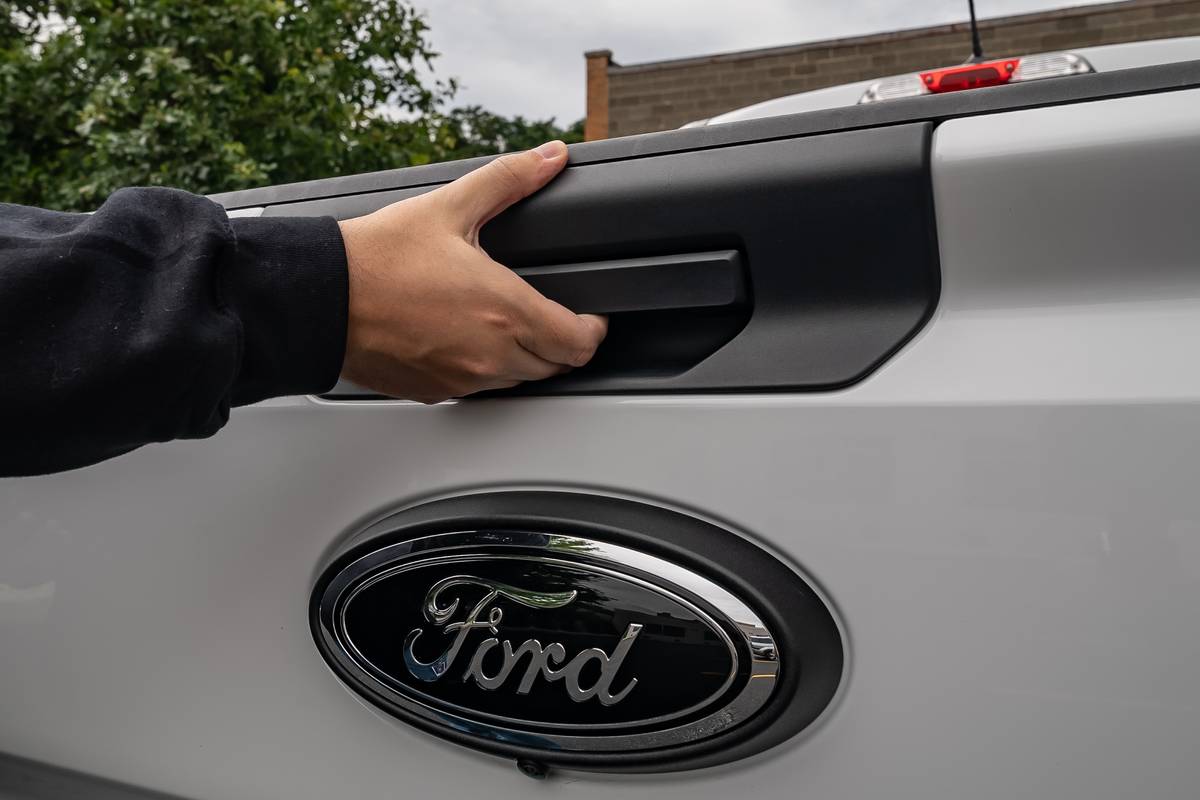
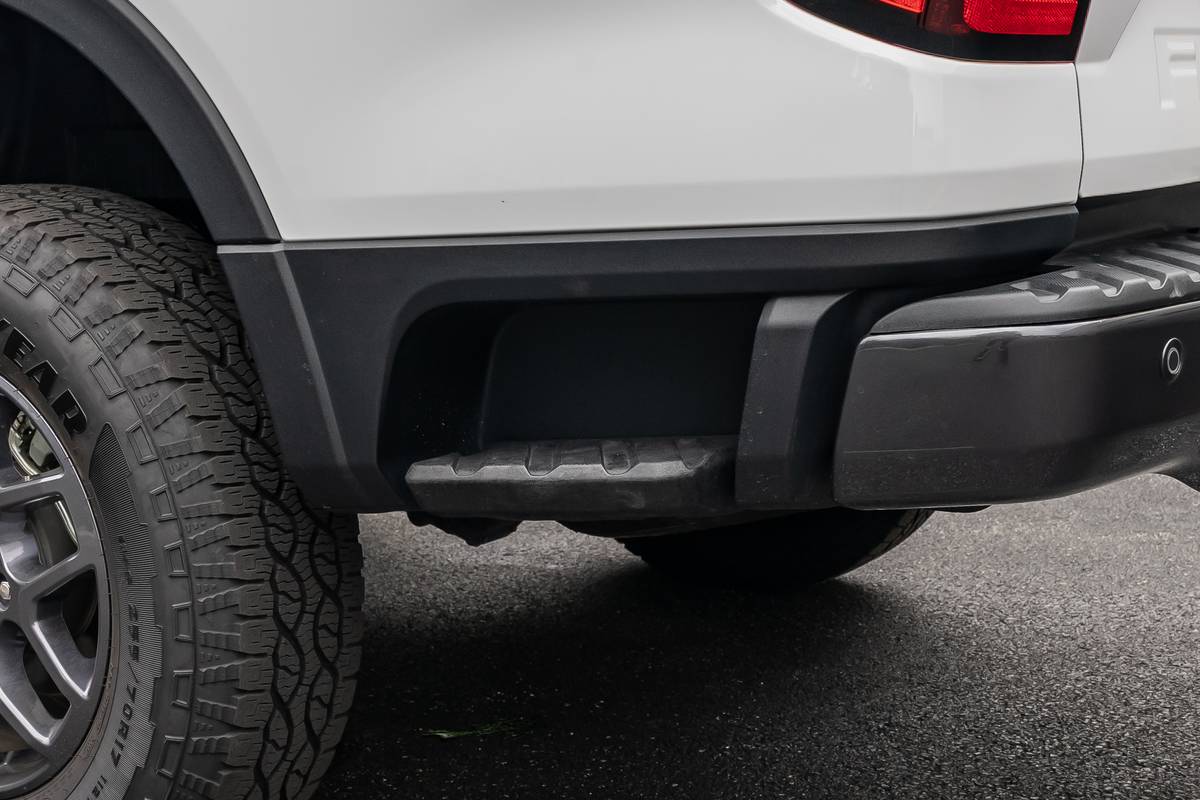
Unique available features: The Ranger can be equipped with a number of thoughtful available features that aren’t available on its competitors. Its integrated box-side steps (a $215 option) are notably larger than the integrated bumper steps and bumper-mounted fold-down steps of other mid-size trucks (which is especially important if you have size-13 feet like I do). An available zone lighting feature allows you to turn on sections of the Ranger’s exterior lights, which is handy while camping or working at a jobsite after dark. Though I didn’t get a chance to do any towing with the Ranger XLT we tested, a fellow Cars.com editor did when she attended a press drive event for the 2024 Ranger, and she found the available Pro Trailer Backup Assist feature to be highly impressive and useful.
What’s Bad About the 2026 Ford Ranger?
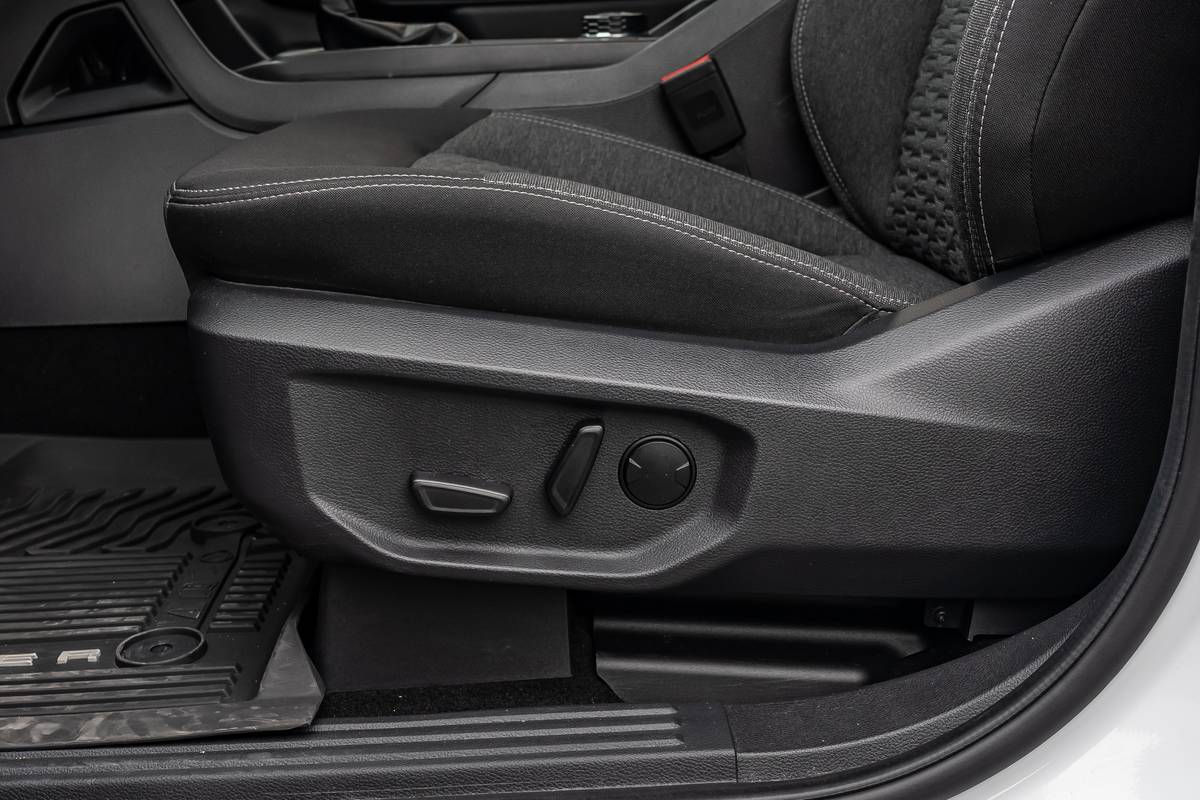
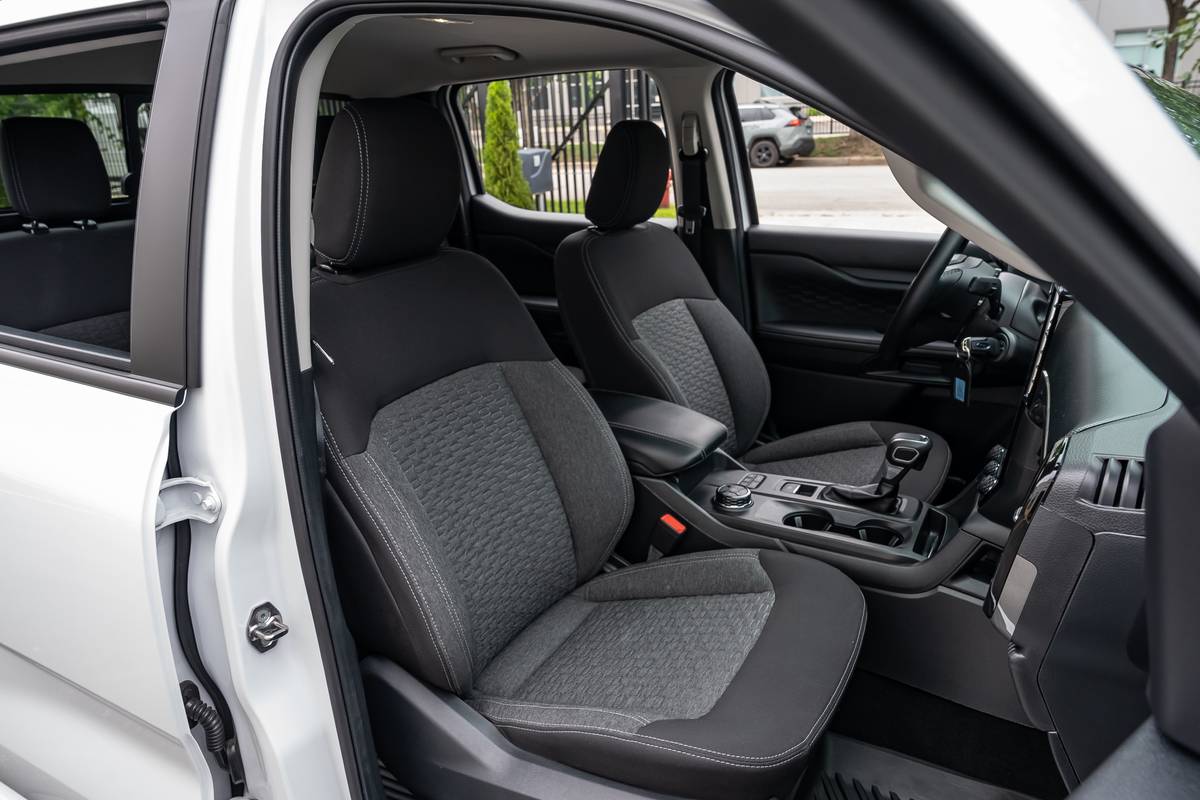
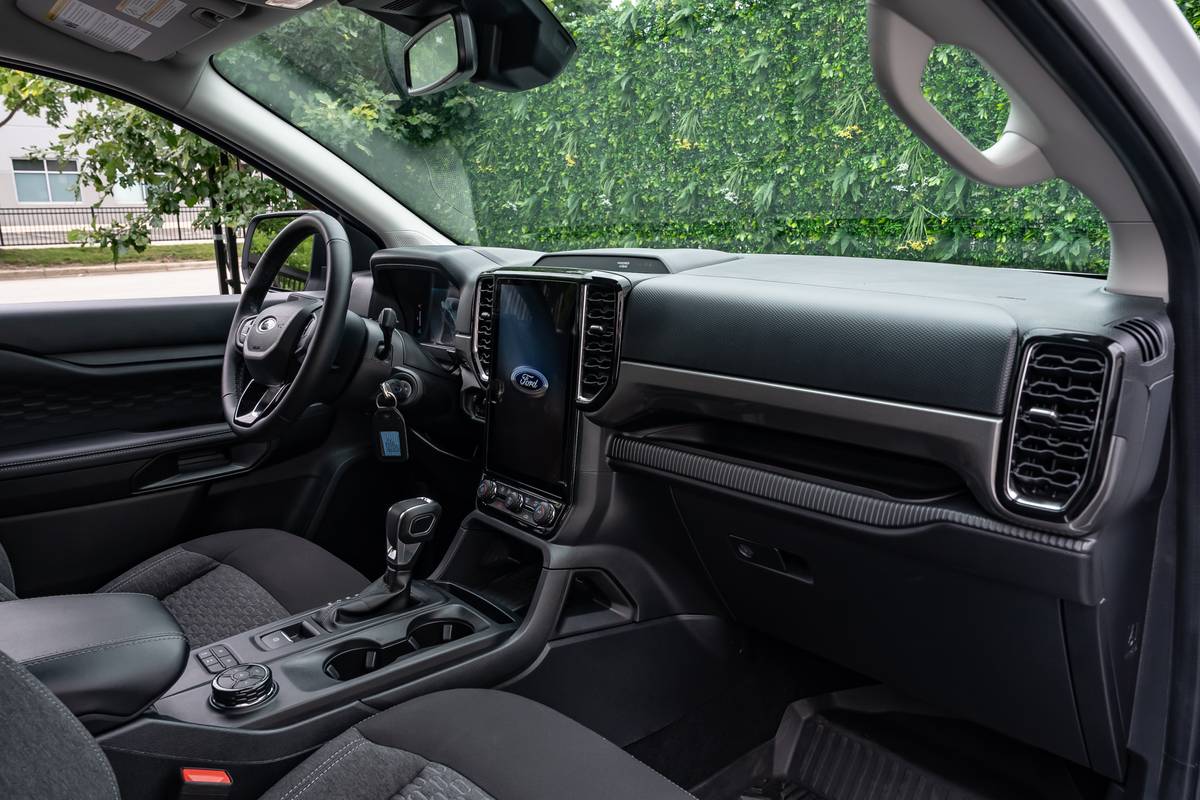
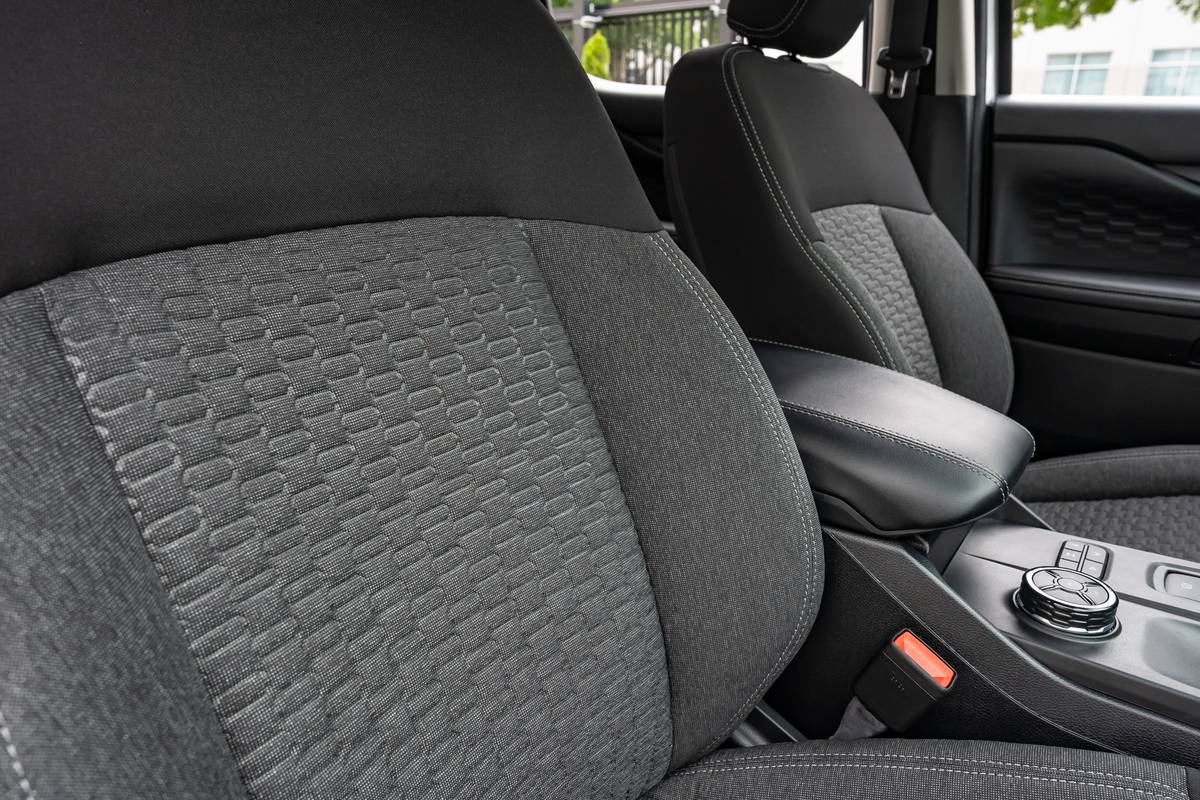
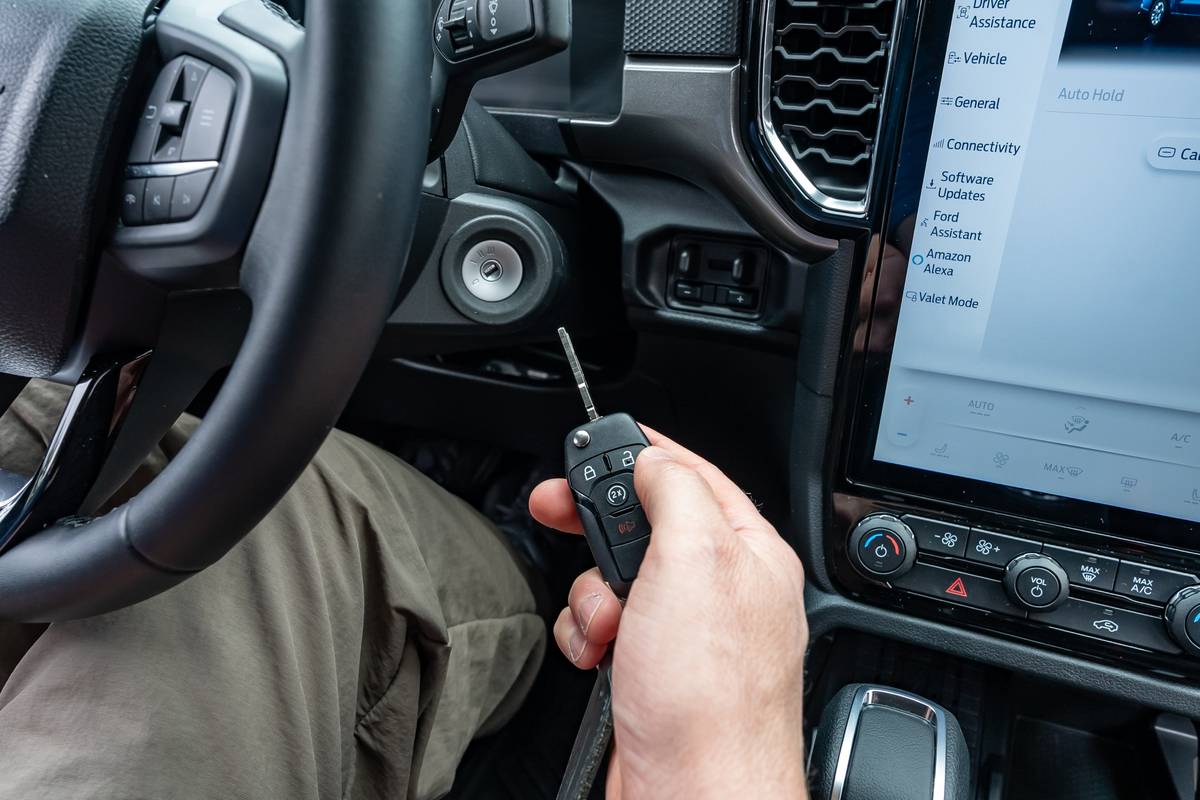
Pricey, and some commonplace features are absent: The Ranger’s XLT trim is the bestseller in the lineup, and it sits one step up from the base XL trim. It can be outfitted with a host of options, but a few commonplace standard features aren’t even available: A 4WD XLT starts above $40,000, yet it isn’t available with push-button start or upgraded upholstery; you’re stuck with an old-fashioned physical key and cloth seats. If you want push-button start or synthetic leather upholstery, you’ll have to step up to the Lariat trim, which starts around $50,000 with 4WD
A little quivery over sharp bumps: Though the Ranger’s ride quality is impressive overall, hitting sharp bumps and potholes unsettles the ride, sending quivers through the body structure — a shortcoming that’s typical of body-on-frame pickup trucks.
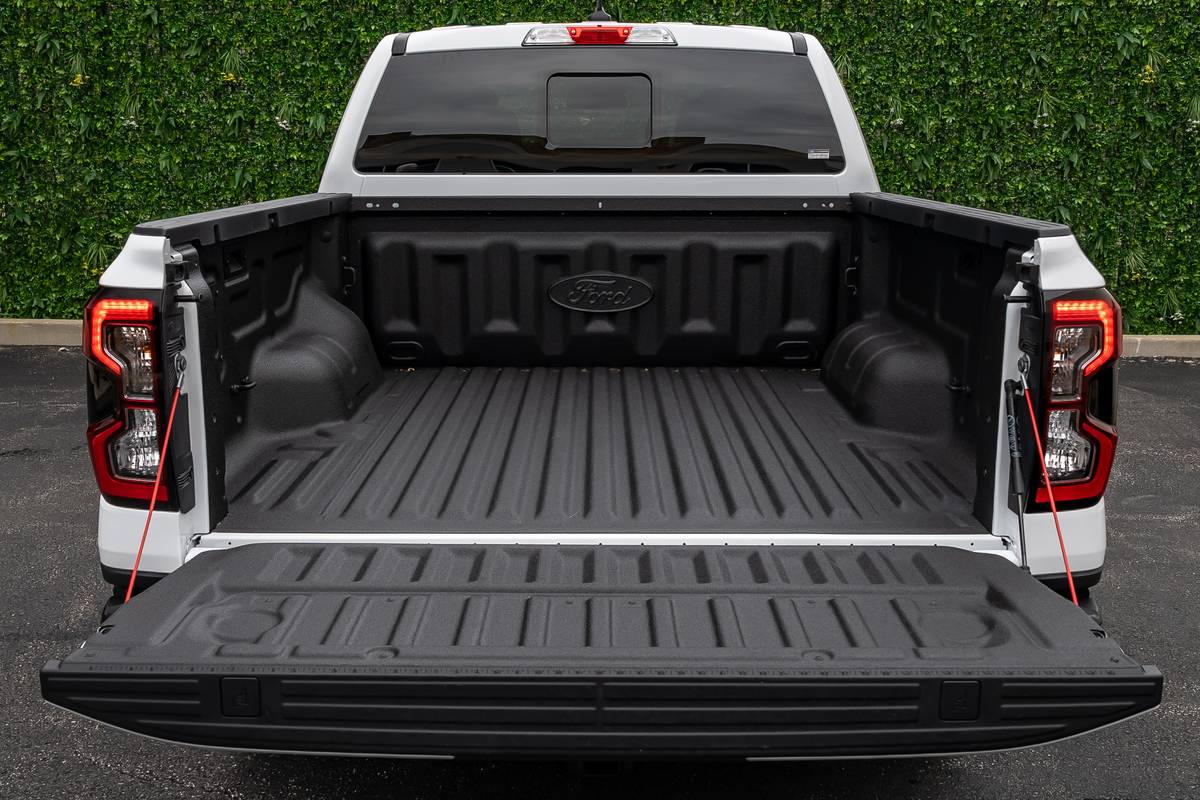
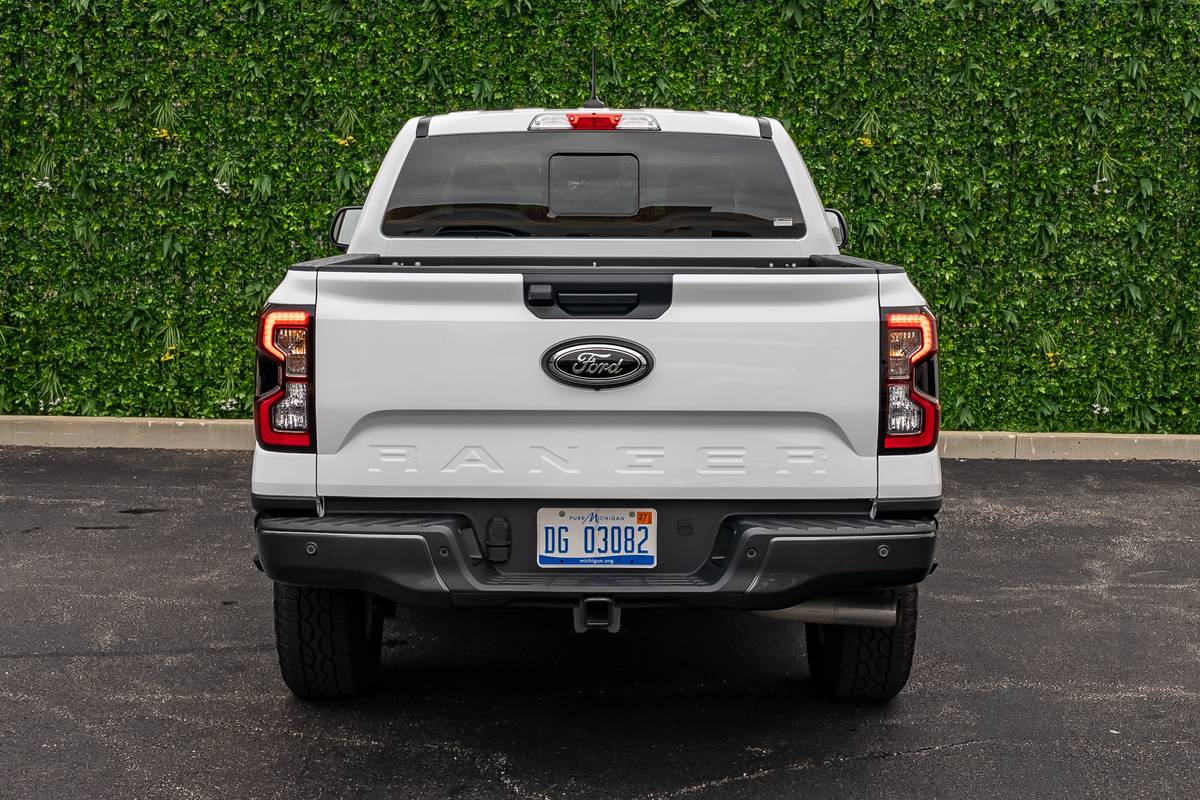
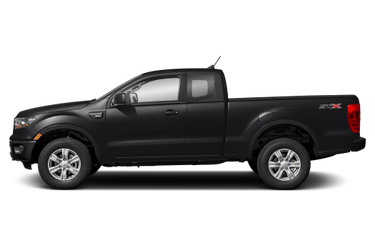
Only one body style available: Though the previous-generation Ranger offered an extended-cab configuration with a 6-foot bed in addition to a crew cab with a 5-foot bed, the current Ranger is available only as the latter. If you want a new mid-size pickup with an extended cab and 6-foot bed, or a crew cab with the option of a 6-foot bed, you’ll have to go with a Frontier or Tacoma.
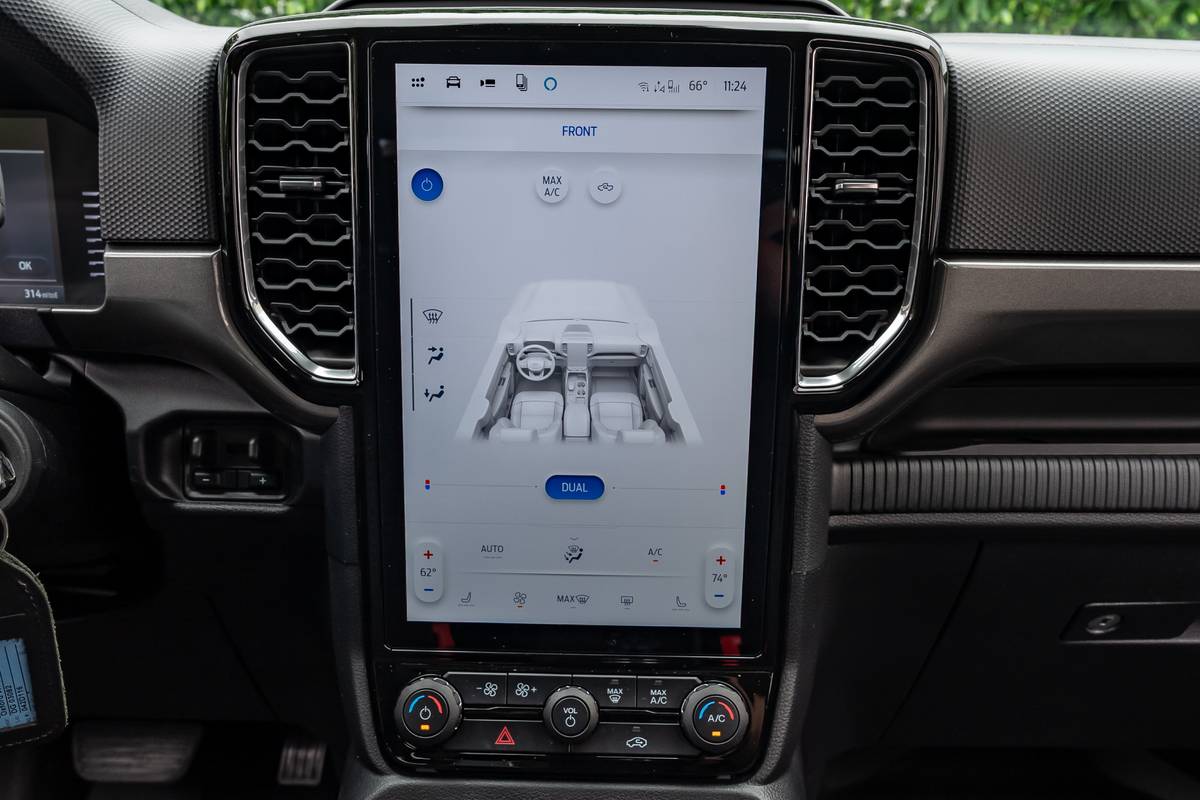
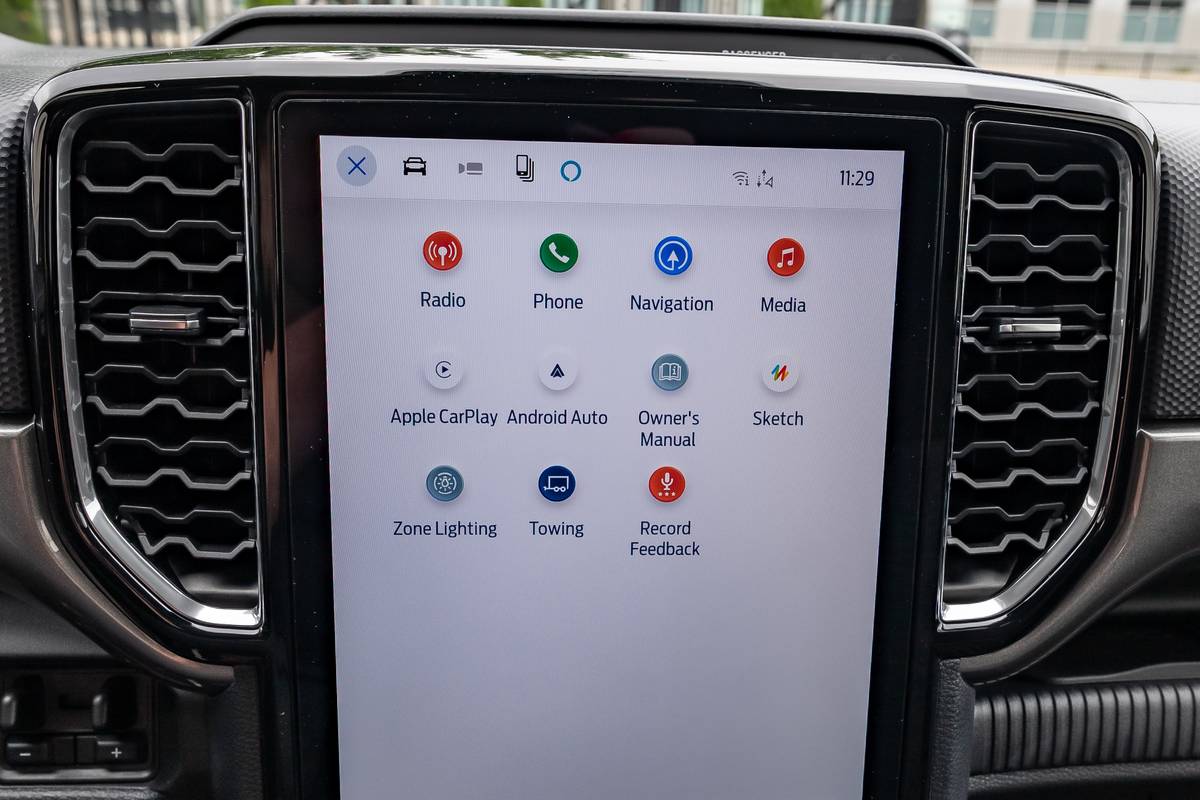
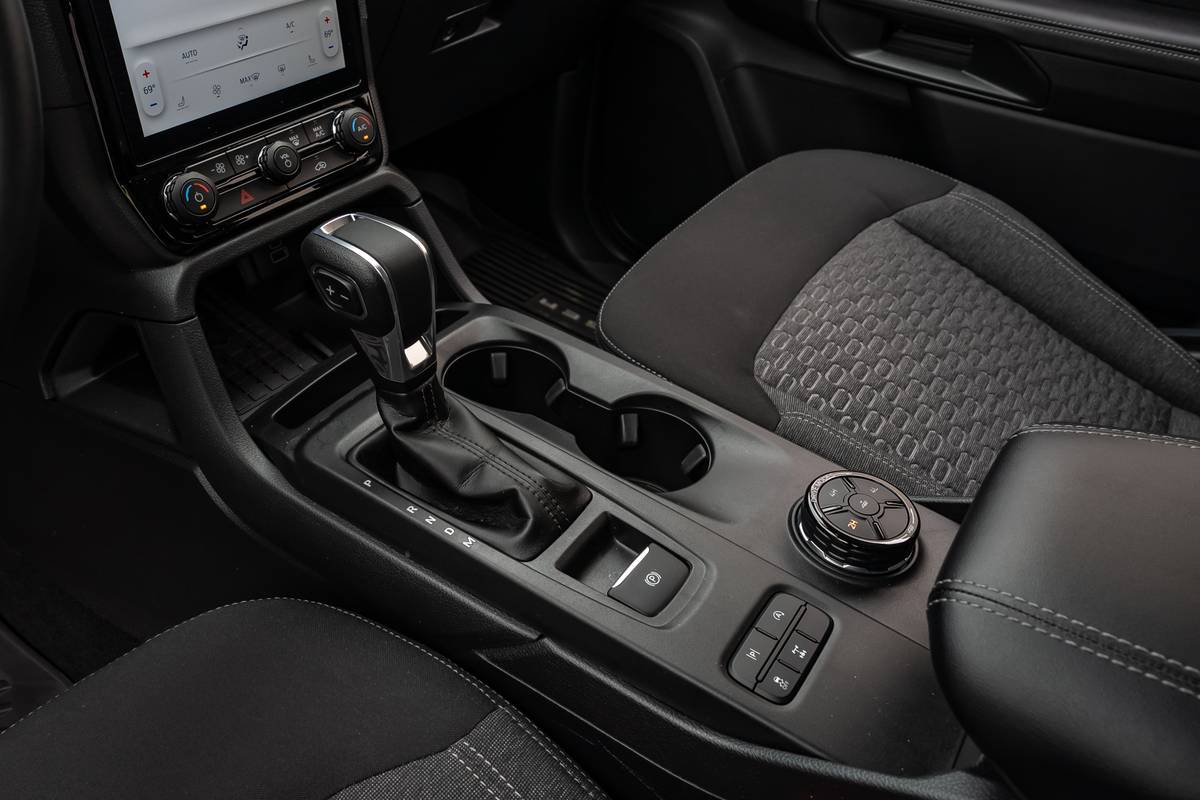
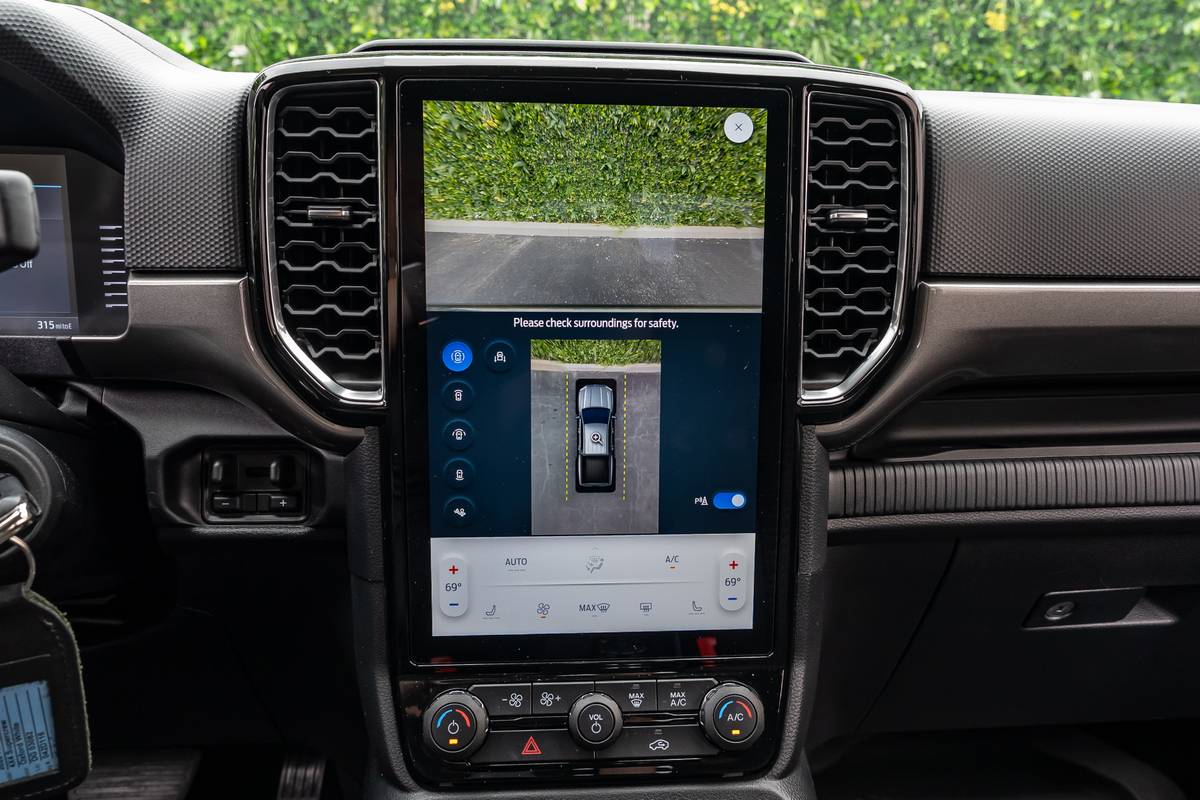
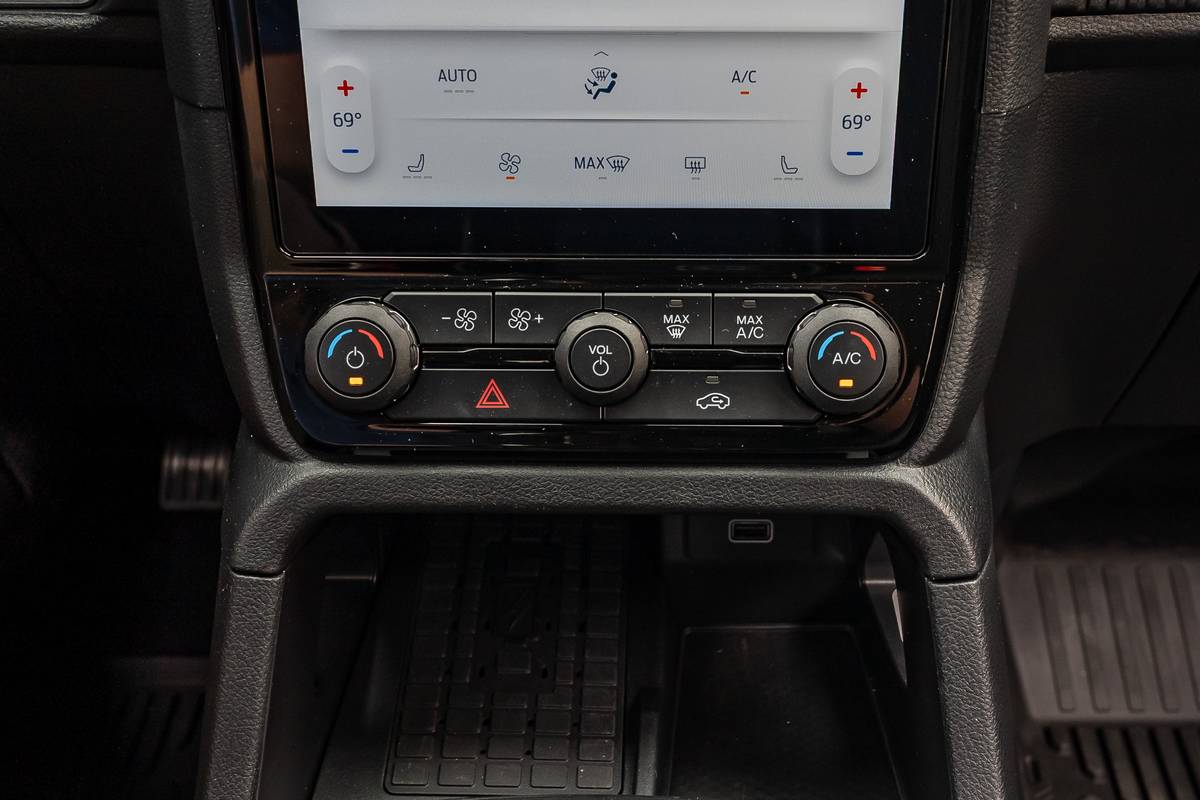
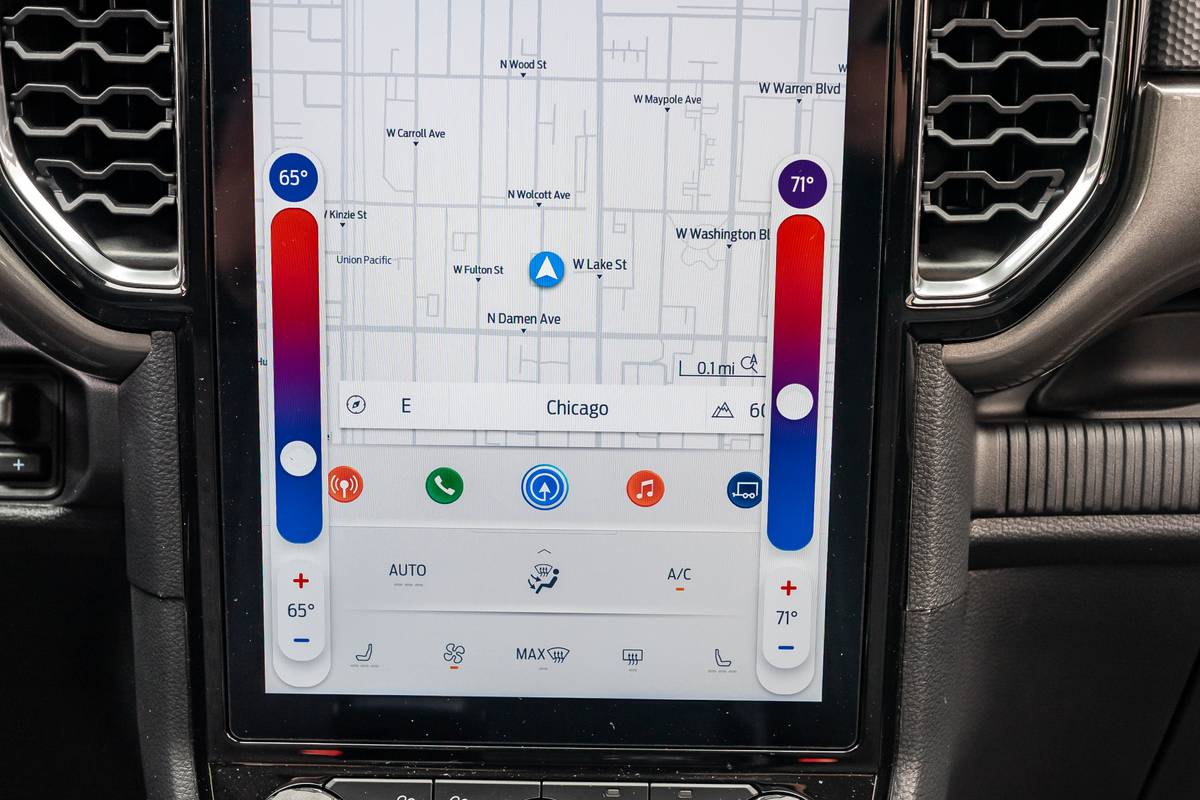
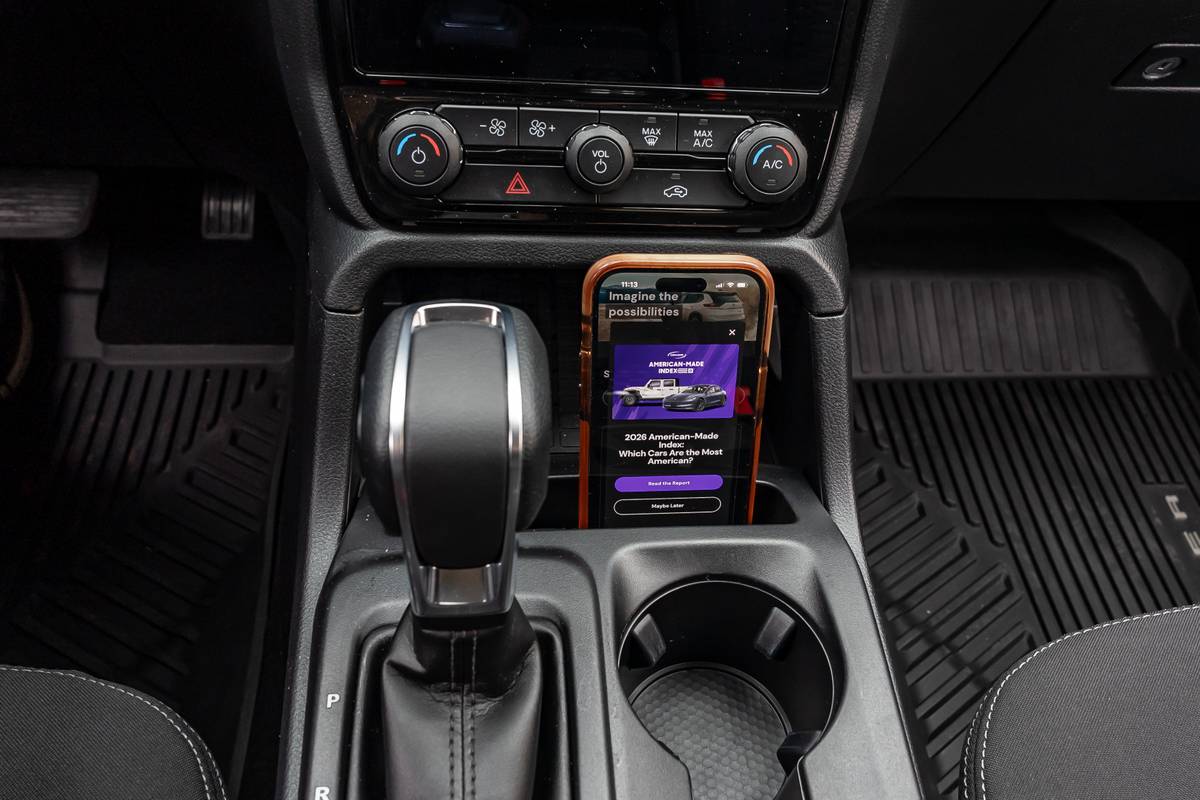
Some infotainment annoyances: The Ranger’s available 12-inch infotainment touchscreen is generously sized, but it suffers from a few quirks. The screen is vertically oriented, which places some controls too low on the dashboard for easy access, and some of the virtual buttons are too small to easily touch while driving. And while the lower portion of the screen is taken up by climate-control buttons, there’s a physical panel of climate controls just below the screen that renders them redundant. Additionally, accessing some oft-used functions like the heated seats and heated steering wheel requires two menu selections and a glance away from the road.
Should You Buy the 2026 Ford Ranger?
The Ranger’s blend of ride quality, refinement, power and available features make it a compelling choice among mid-size (and even full-size) pickups. Just make sure you truly need the towing and hauling capacities it offers, as well as the rough-terrain ruggedness of a body-on-frame pickup, because you’ll pay for them: The Ranger XLT doesn’t offer all of the creature comforts and convenience features you’d expect in an everyday passenger vehicle that costs around $40,000. If you don’t need the Ranger’s capabilities, Ford’s own Maverick delivers surprisingly useful pickup functionality in a smaller, more affordable package, and the Honda Ridgeline offers better comfort and more features for the money than the Ranger.
More on the Ford Ranger From Cars.com:
- What Are the Best MPG Pickup Trucks?
- Here Are the 10 Cheapest Pickup Trucks You Can Buy Right Now
- Best Pickup Truck of 2026
- What’s the Best Mid-Size Off-Road Truck for 2025?
- Is the 2024 Ford Ranger Raptor a Good Pickup Truck? 4 Pros, 3 Cons
Related Video:
We cannot generate a video preview.
Cars.com’s Editorial department is your source for automotive news and reviews. In line with Cars.com’s long-standing ethics policy, editors and reviewers don’t accept gifts or free trips from automakers. The Editorial department is independent of Cars.com’s advertising, sales and sponsored content departments.