








What Shoppers Need to Know
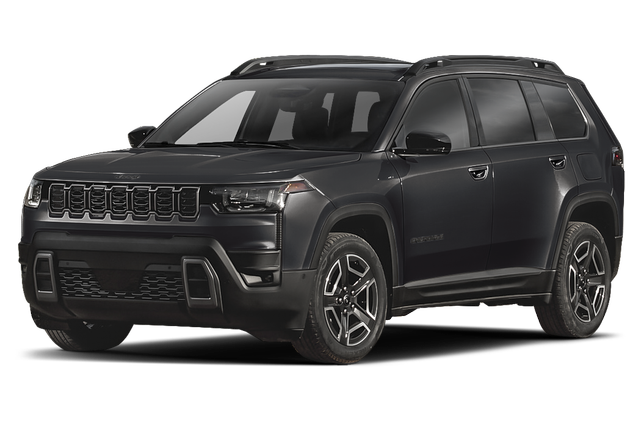
- Jeep returns the storied Cherokee name to the lineup for 2026 with a fully redesigned compact SUV featuring the brand’s first full-time all-wheel-drive hybrid powertrain as standard.
- Available in four trim levels, prices range from about $37,000 to $45,000 (including destination).
- Bigger than the old model inside and out, the new Cherokee is competitively sized, competitively priced and surprisingly good to drive.
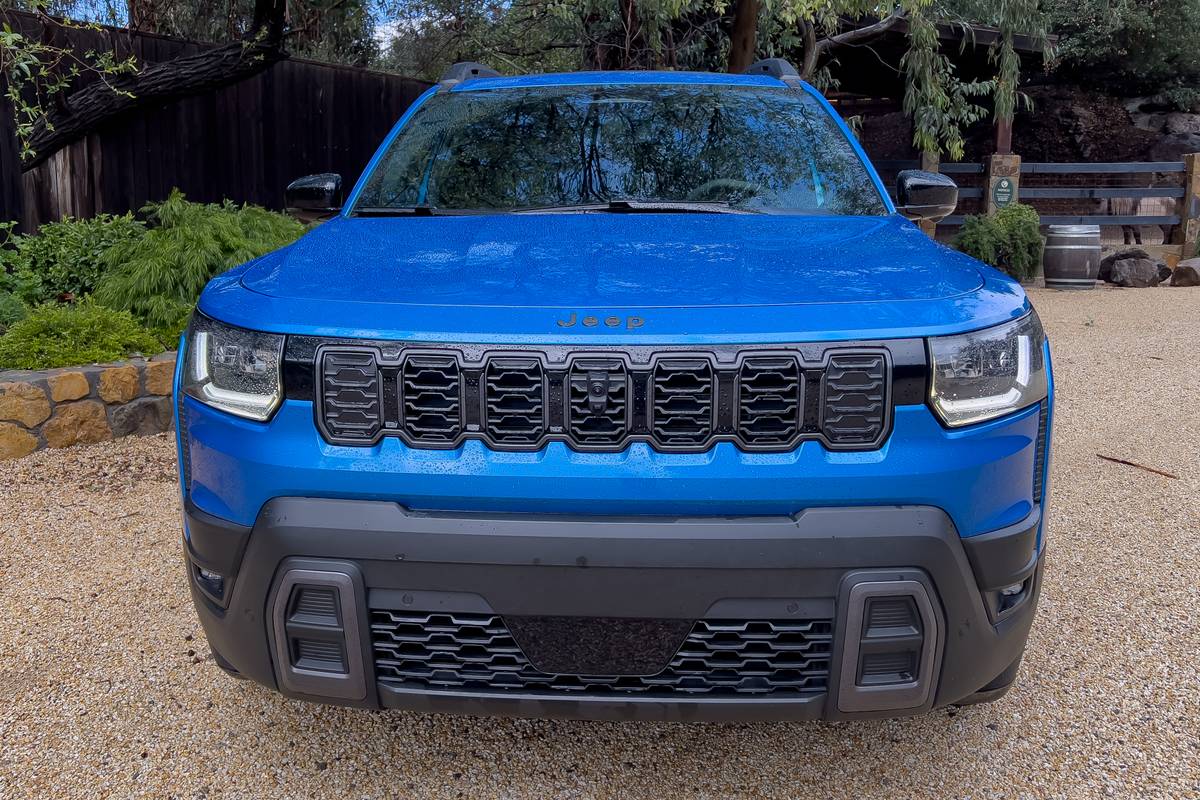
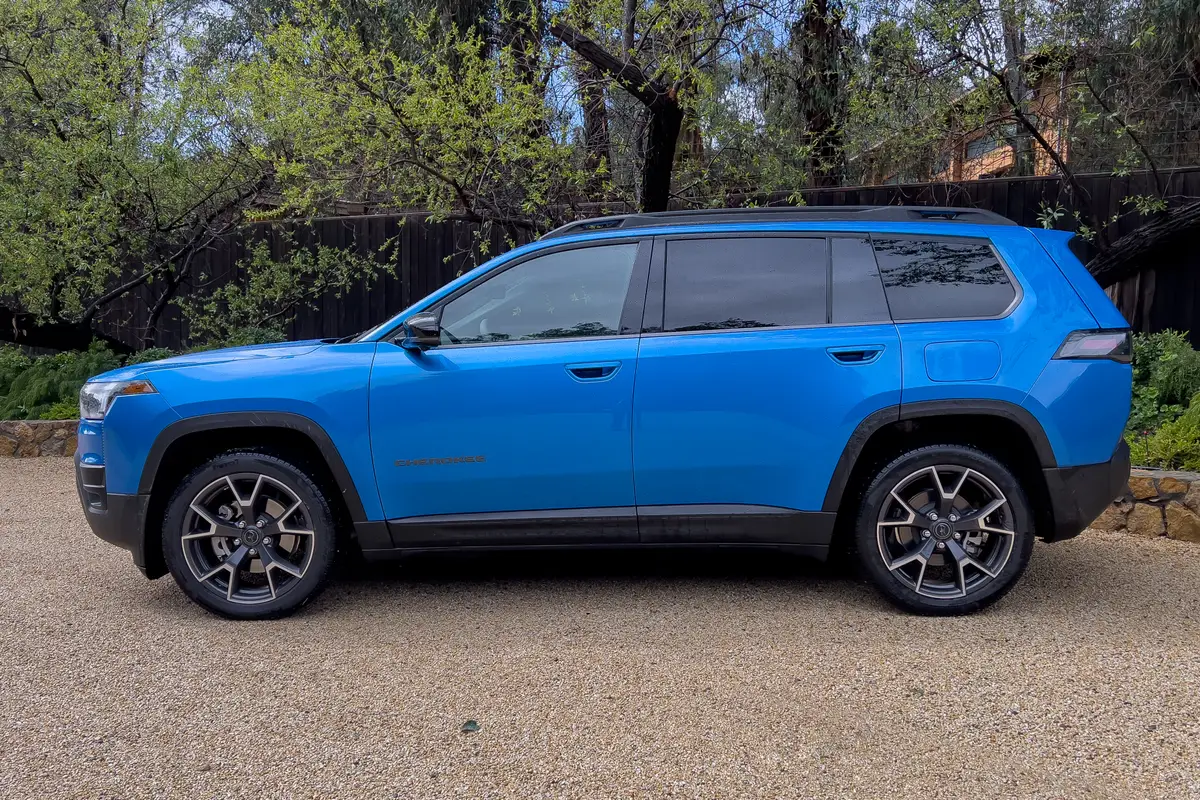
The revamping of the Jeep lineup has its next big player, and here it is: the 2026 Cherokee. Marrying an iconic name to a completely new platform, the new Cherokee is built off the same underbits (parent automaker Stellantis’ STLA Large platform) that form the basis for the Recon and Wagoneer S electric SUVs, as well as the new electric- and gas-powered Dodge Charger coupe and sedan. We’ve driven the Wagoneer S and both types of Chargers, and we haven’t been entirely thrilled with any of them. That’s why we went into a recent event in Los Angeles to drive the new 2026 Cherokee with a lot of reservations and low expectations — and why we came away nothing short of stunned at what Jeep has created. The new Cherokee is fantastic, a fully competitive new entry into the compact SUV class, and it provides a surprisingly capable, spacious, comfortable and efficient alternative to the segment favorites.
Related: 2026 Jeep Cherokee Returns as High-Mileage Hybrid
How Much Does a 2026 Jeep Cherokee Cost?
The Toluca, Mexico-built ‘26 Cherokee returns to the lineup with a simplified trim and option structure. Jeep is taking a page from every other automaker’s sales playbook and lumping options into trim levels in order to simplify the number of combinations it builds for ease of manufacturing and reduced cost and complexity; as such, there are four trim levels of Jeep Cherokee and very few stand-alone options or packages. All prices below include a rather staggering (and mandatory) $1,995 destination fee. Ouch:
- Base: $36,995
- Laredo: $39,995
- Limited: $41,995
- Overland: $44,995
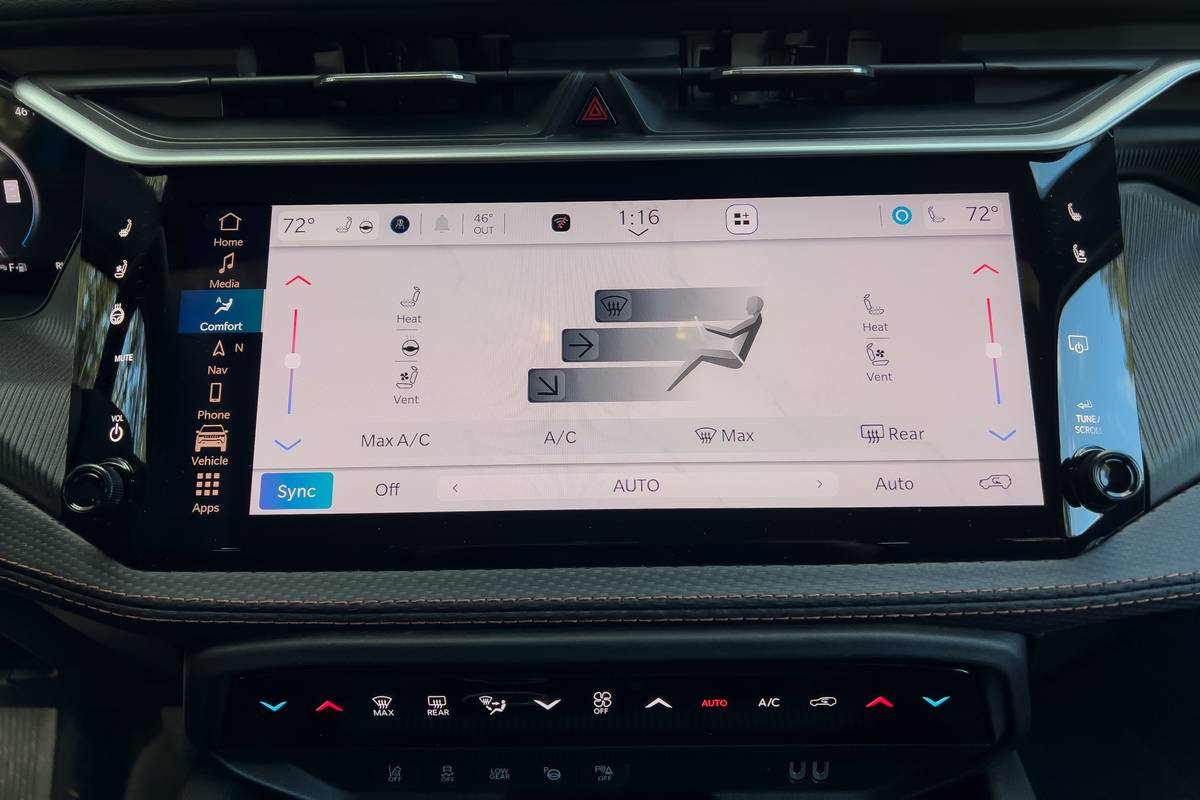
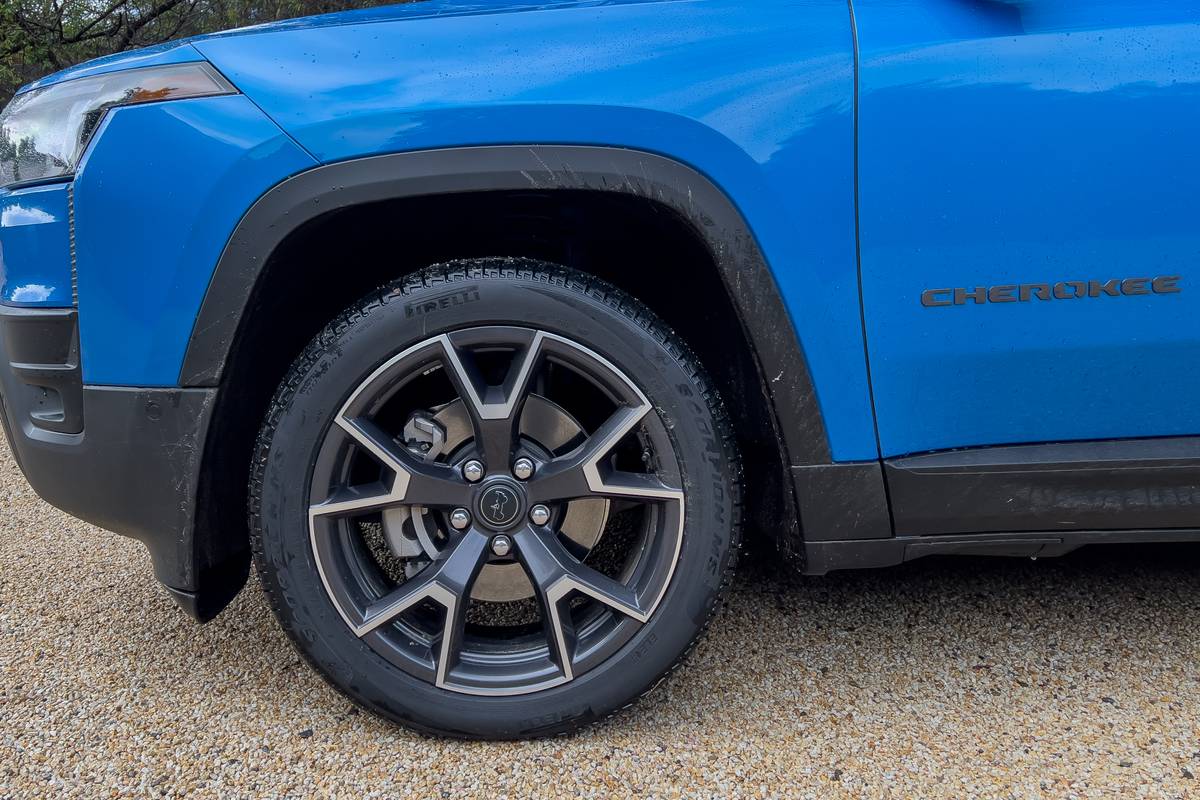
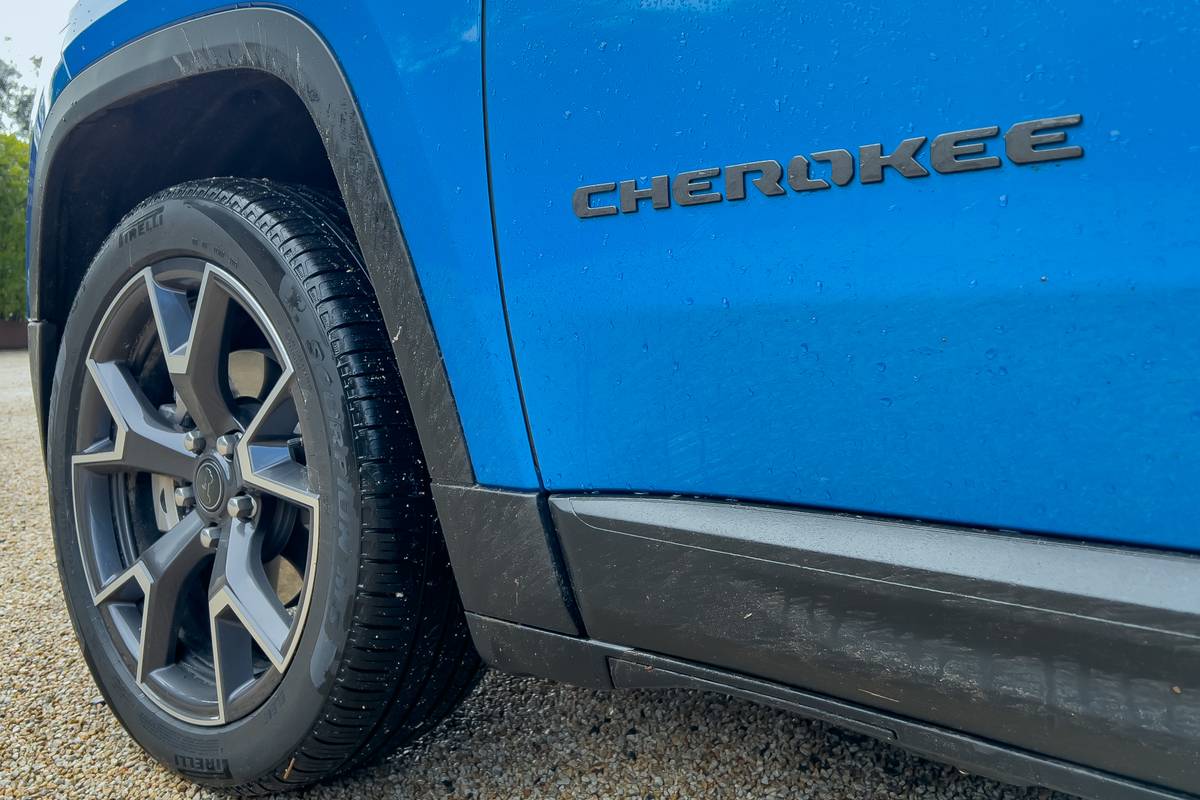
All Cherokees feature the same powertrain, a new hybrid system with standard AWD. The starting price for the Cherokee is above many competitors in the class, but it also includes a number of standard features, like a 12.3-inch multimedia touchscreen, 18-inch wheels and active-safety technology, that aren’t included on many competitors’ less expensive models, making it pretty much spot on in terms of its competitive pricing.
Related Video:
We cannot generate a video preview.
Bigger and Better Inside in Every Way
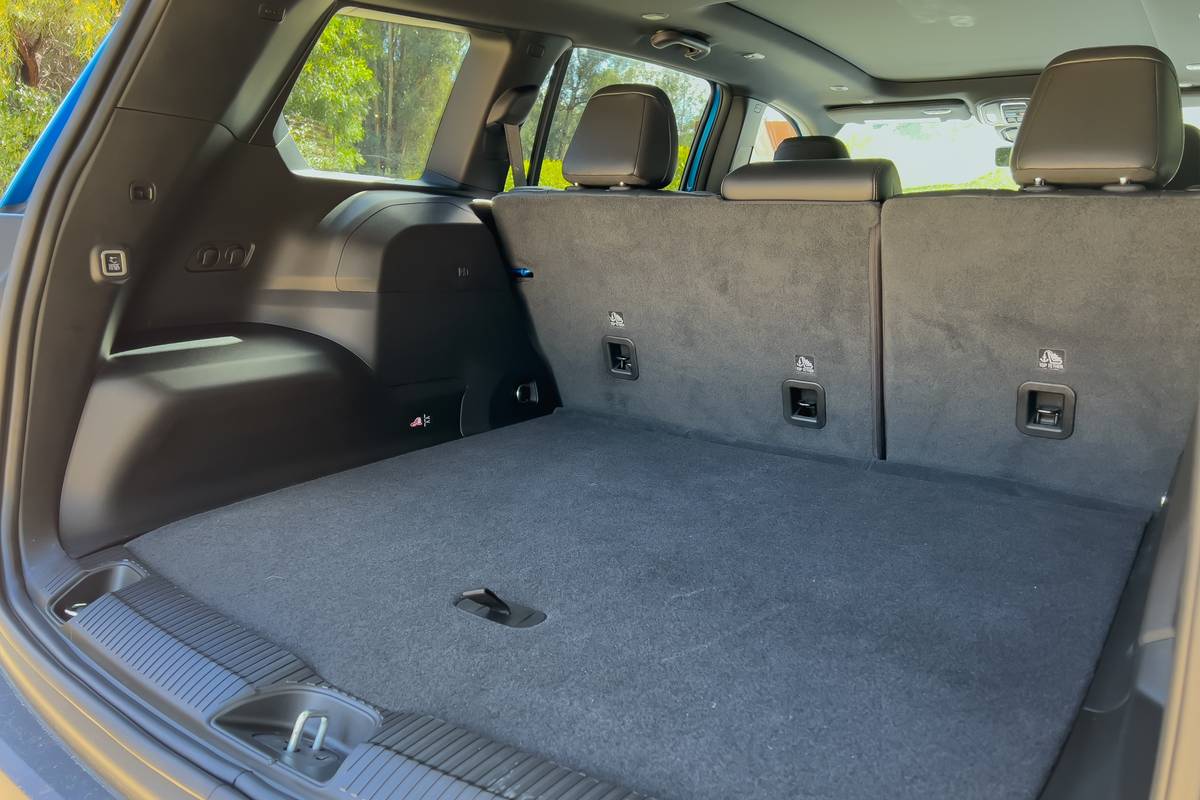
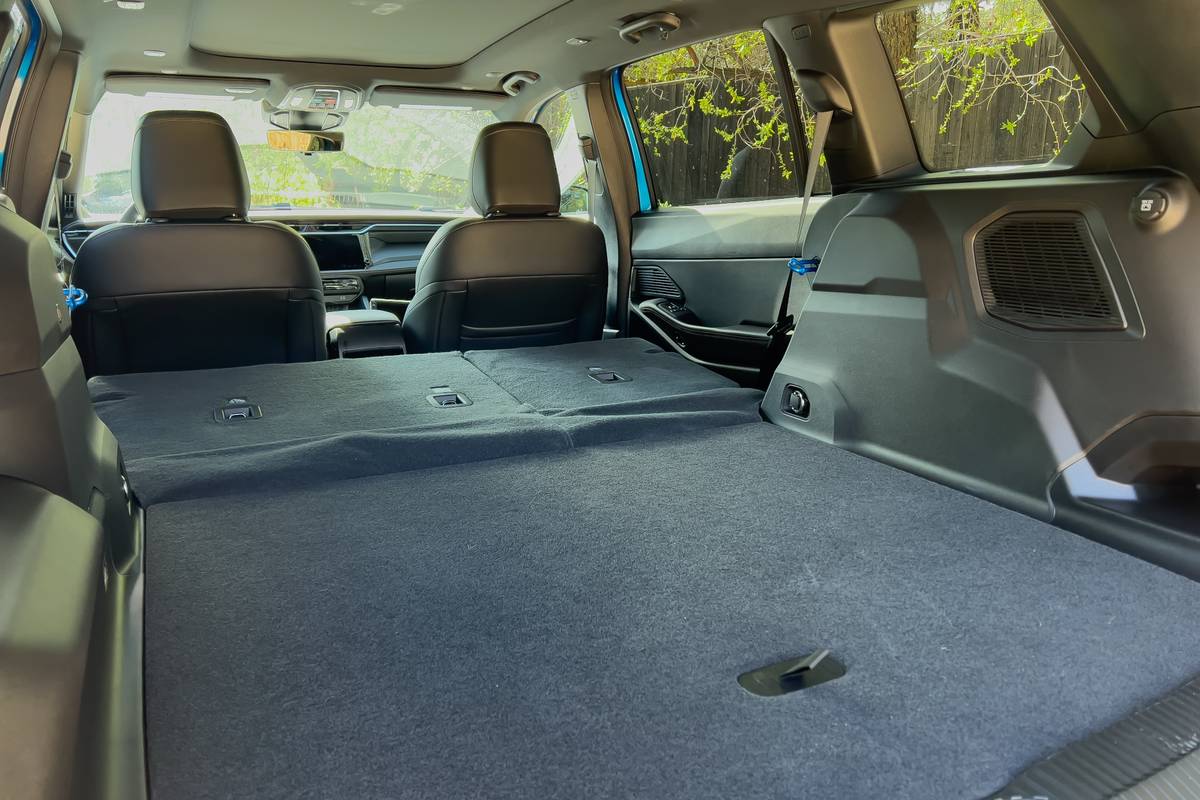
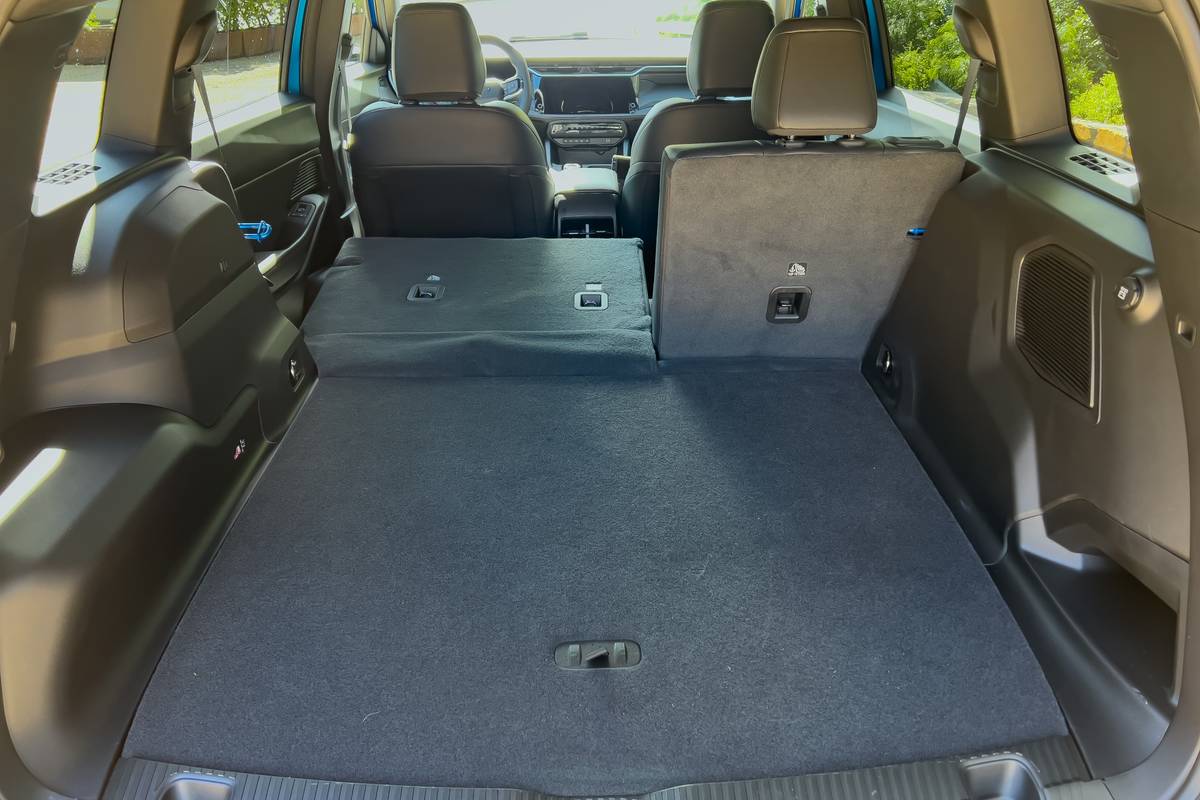
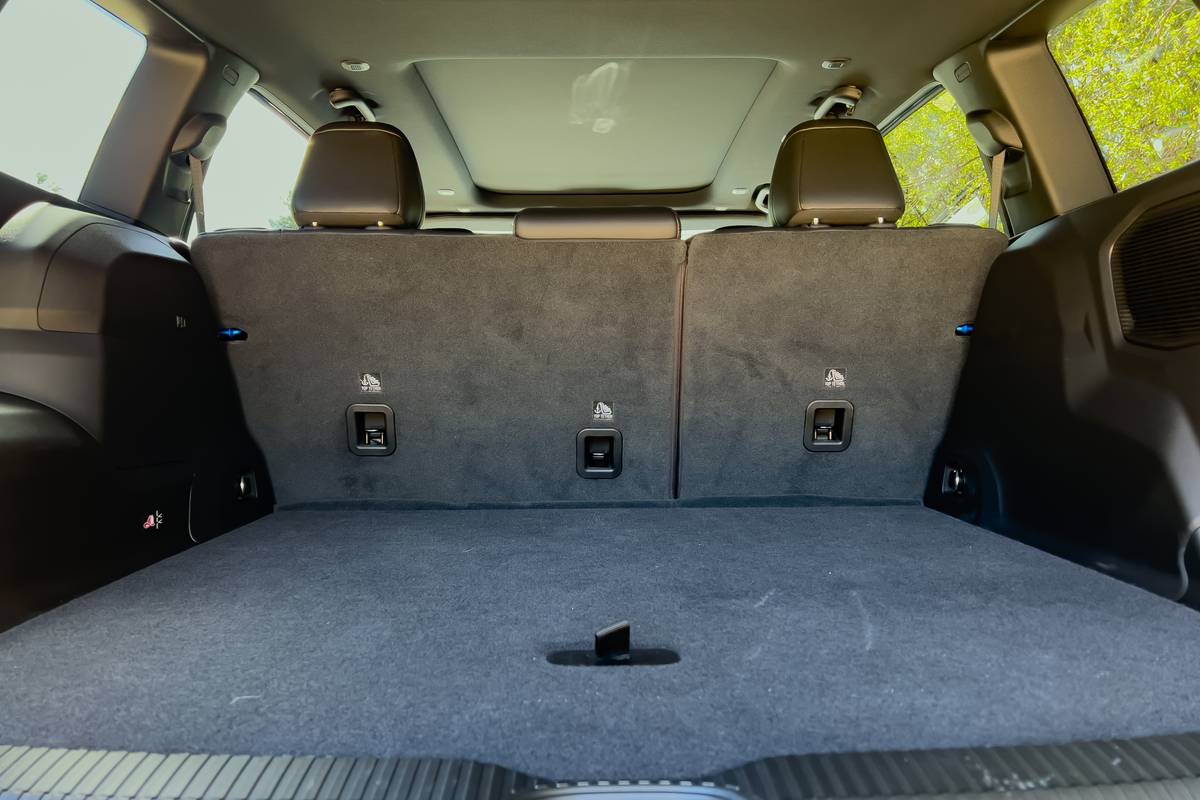
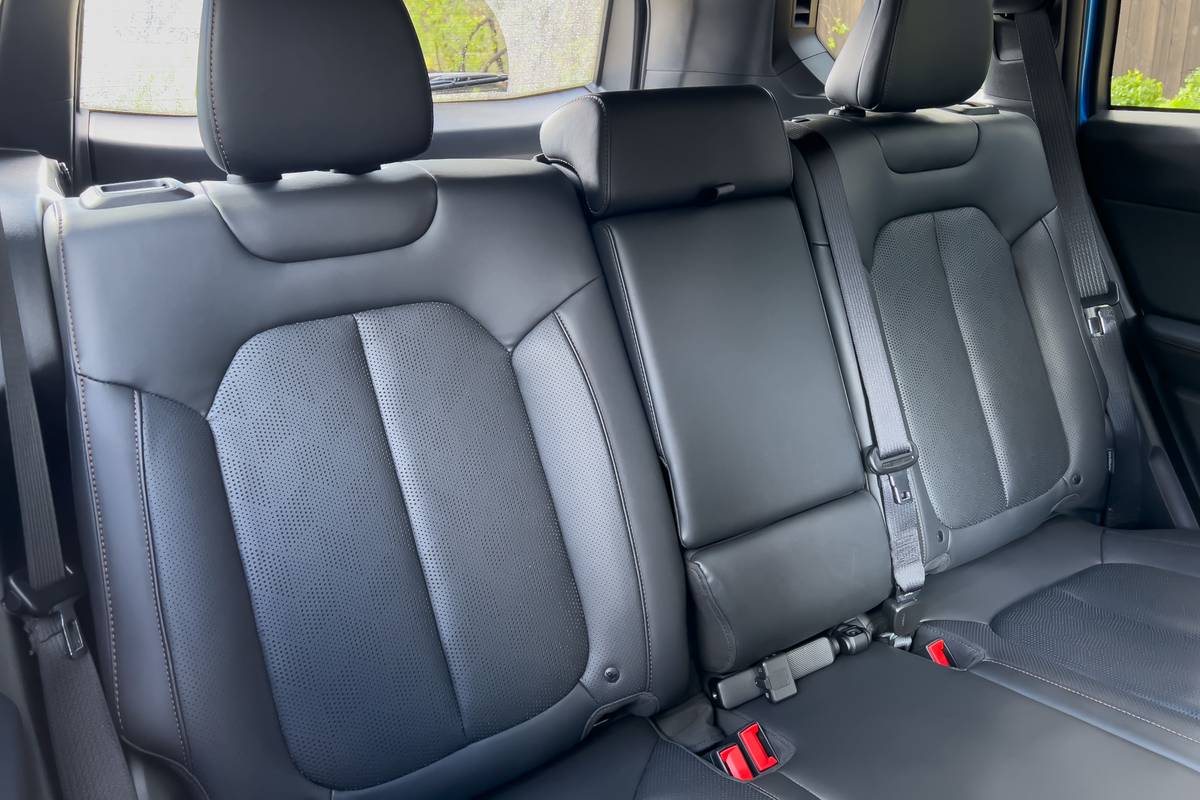
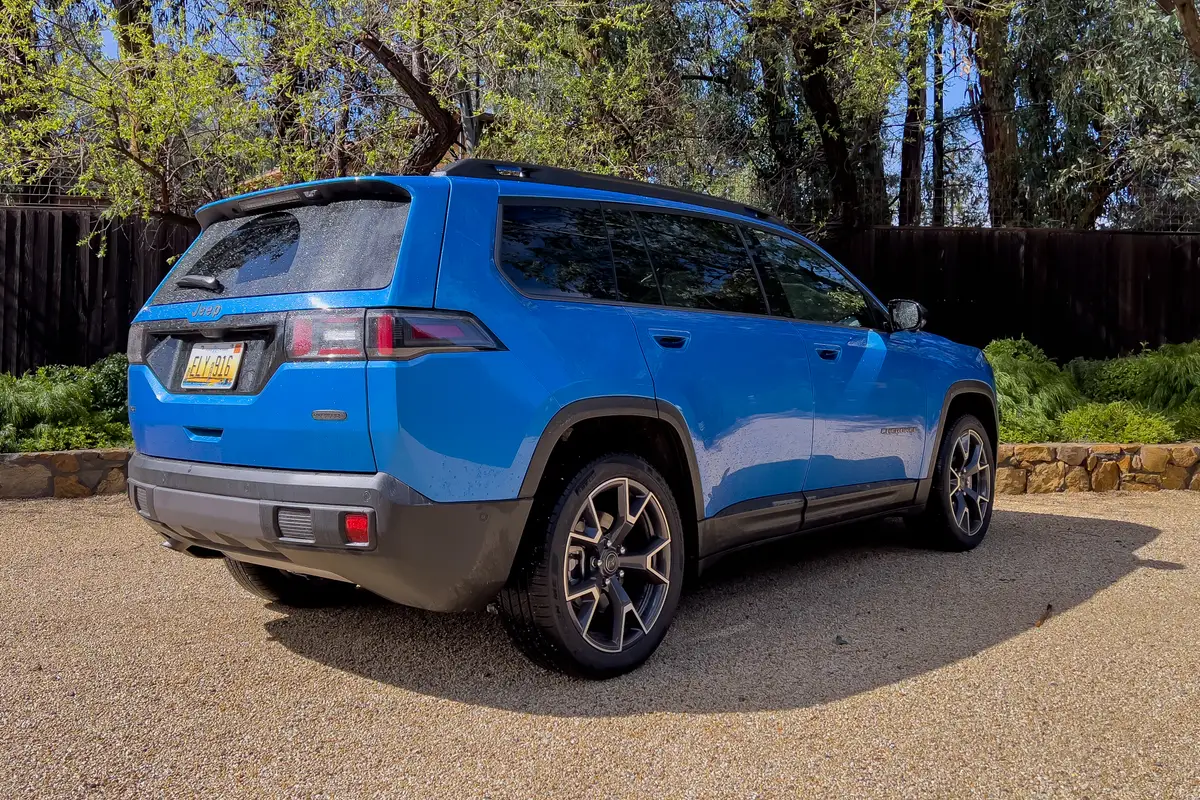
There hasn’t been a compact Cherokee in the Jeep showroom since it was discontinued for 2024, leaving a glaring gap in the lineup between the subcompact Compass and the mid-size Grand Cherokee. But it’s back in a big way, and big is the operative word — the ‘26 model sits on a platform that makes it considerably larger than the outgoing model, with a wheelbase that’s 6.4 inches longer and a body that’s 10.4 inches wider and 1.3 inches taller than before. That means it has a ton more space inside for people and cargo: as much as 30% more cargo space, according to Jeep, and a lot of that space also translates into backseat room for passengers.
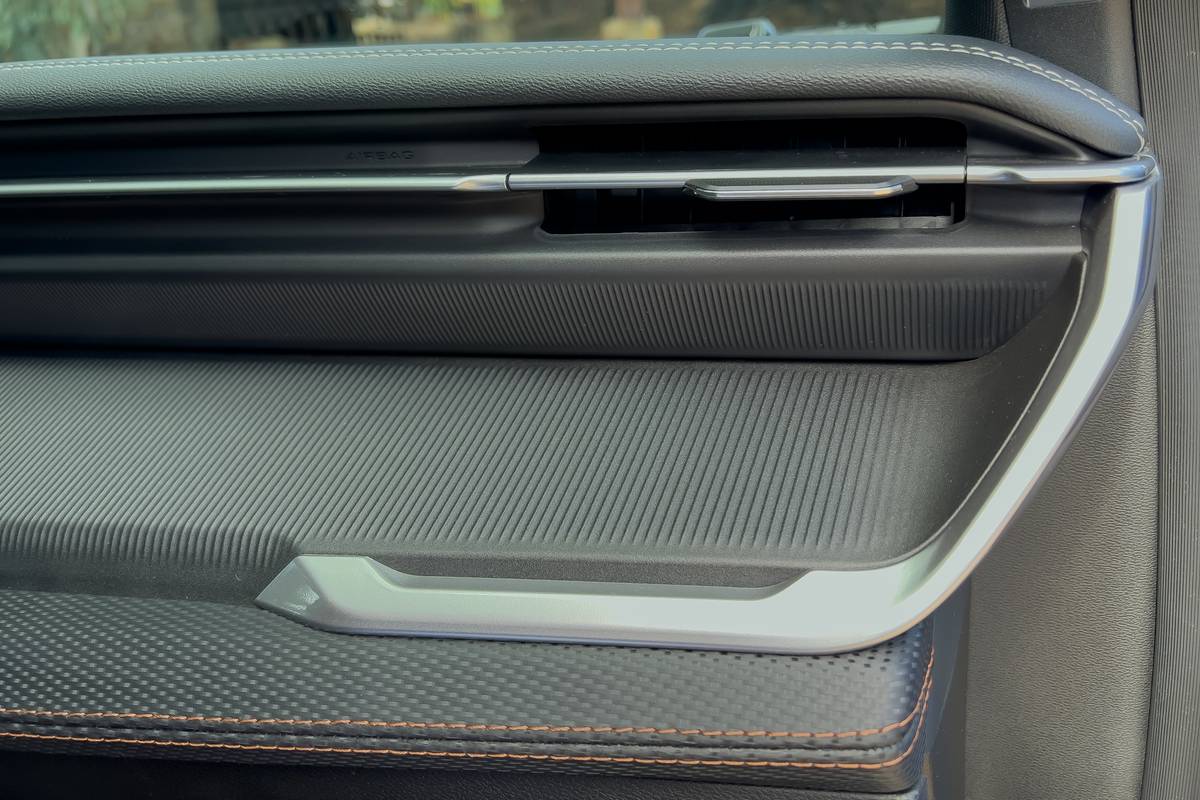
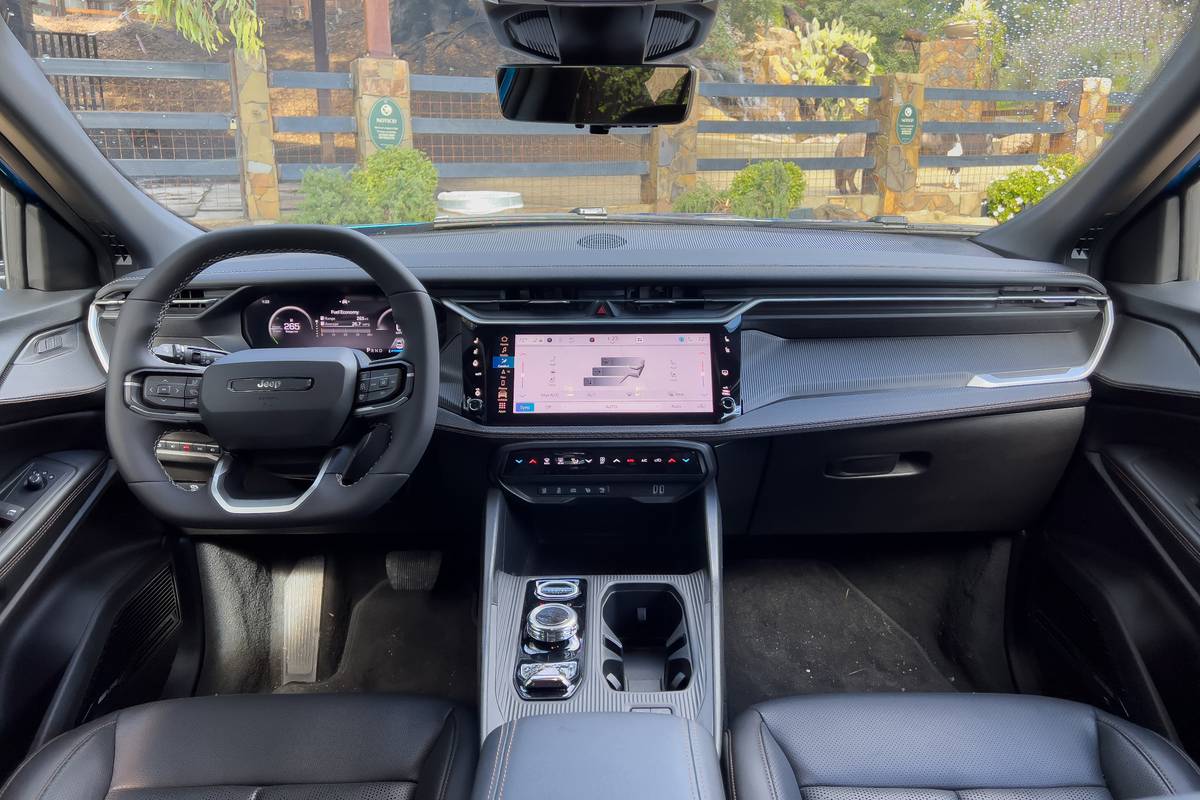
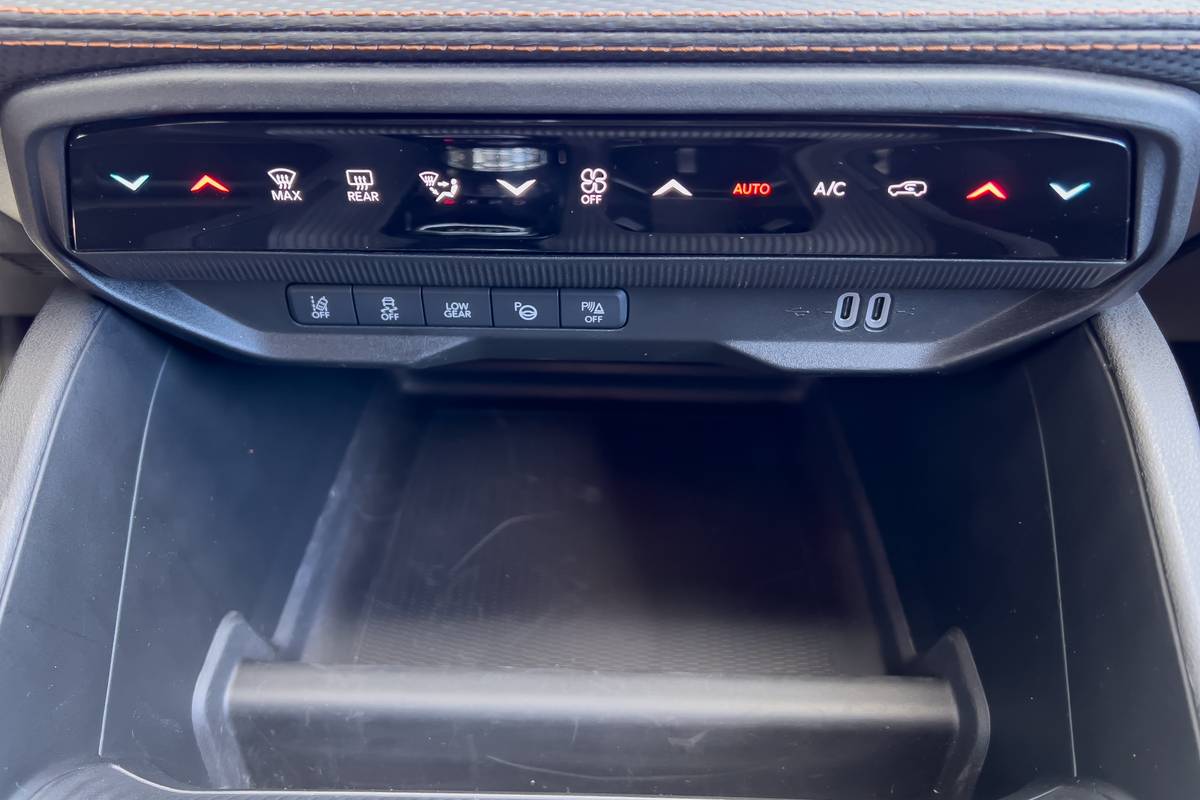
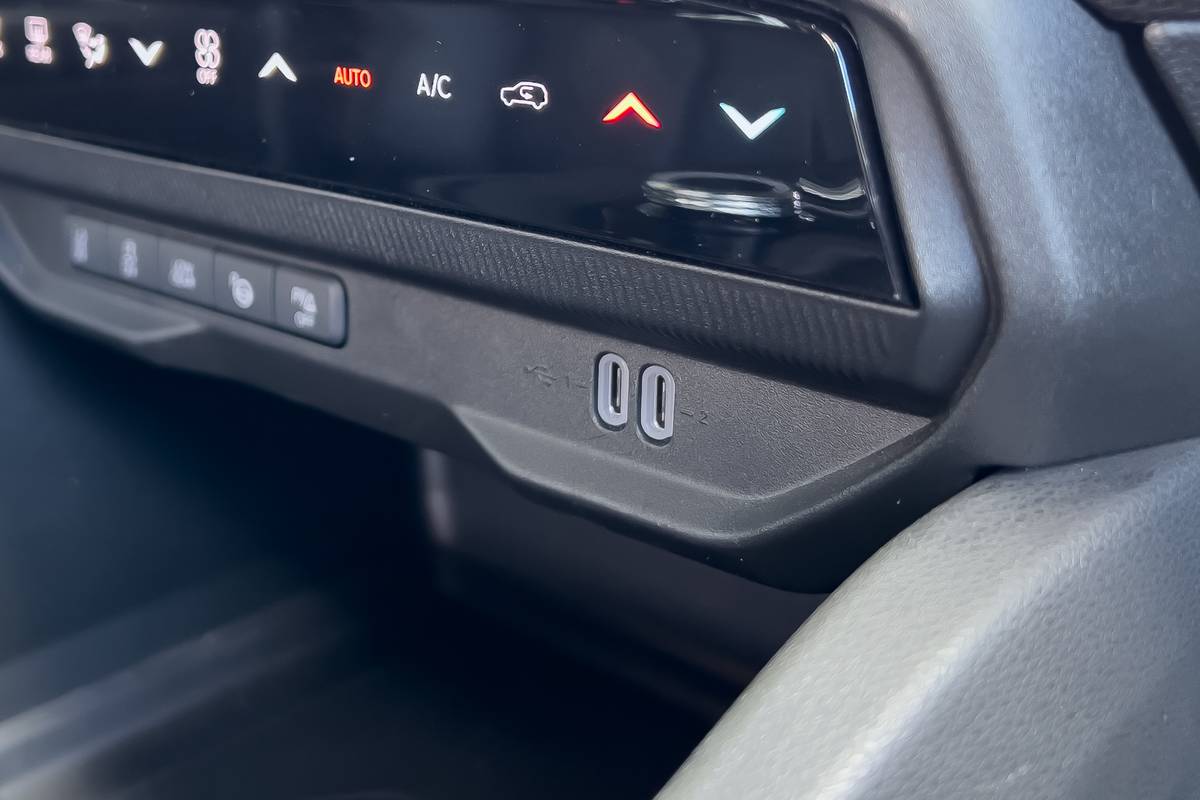
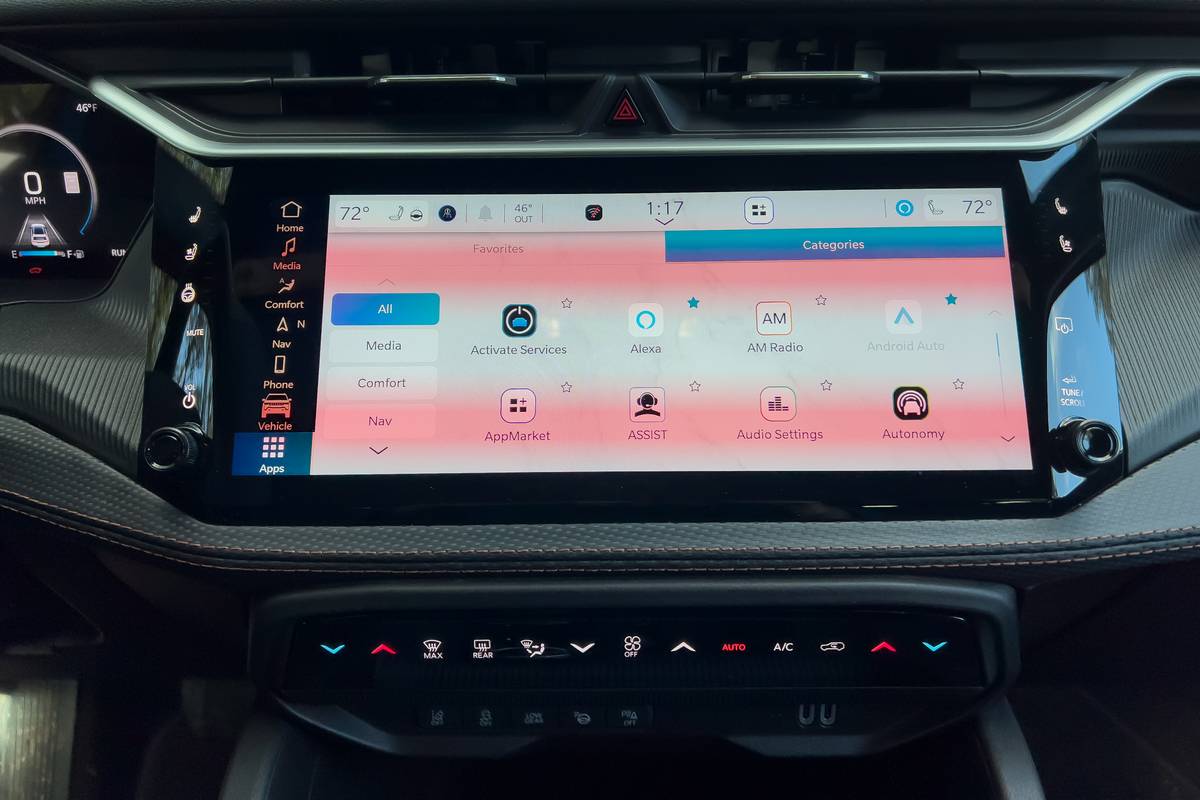
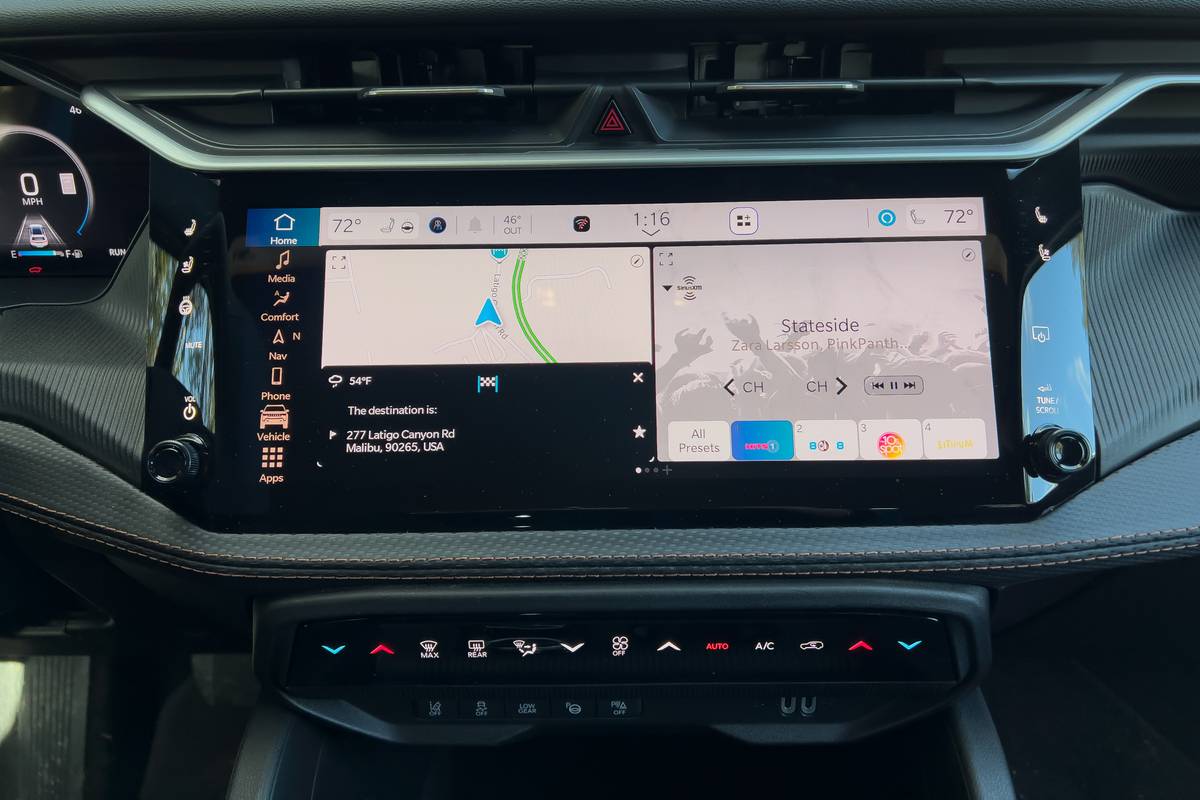
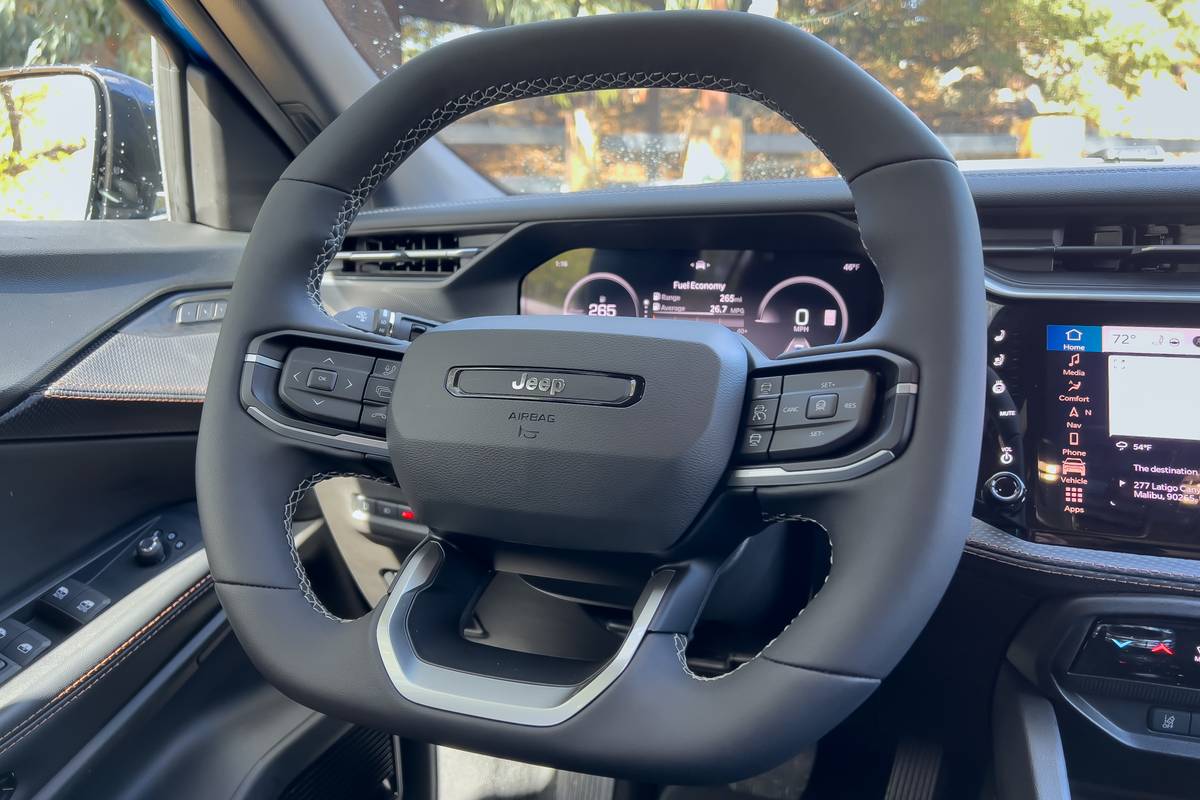
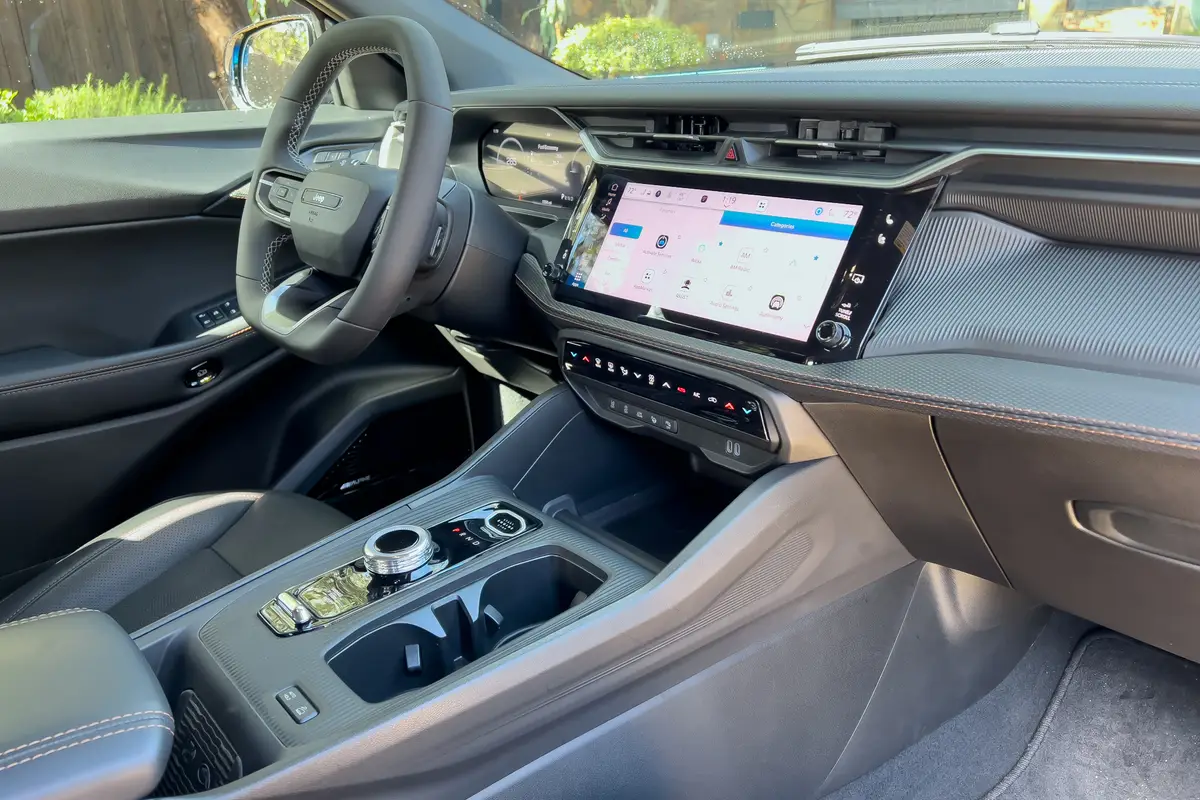
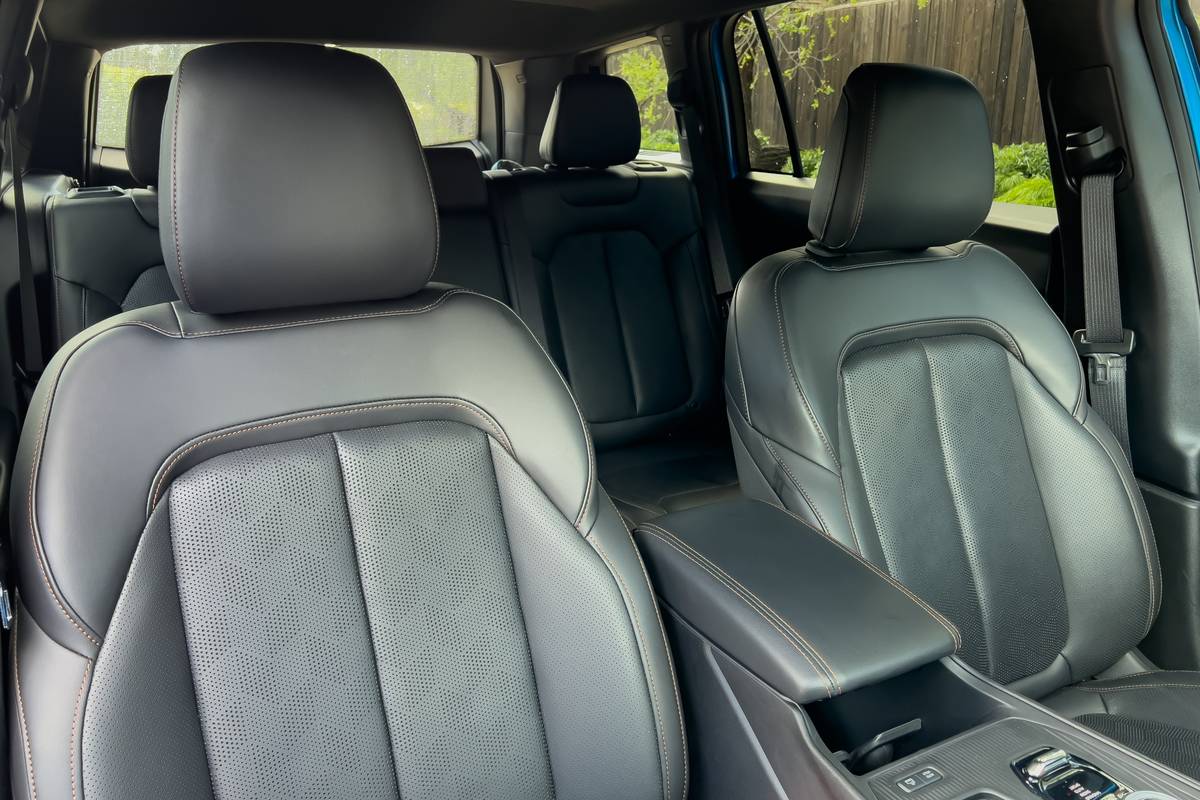
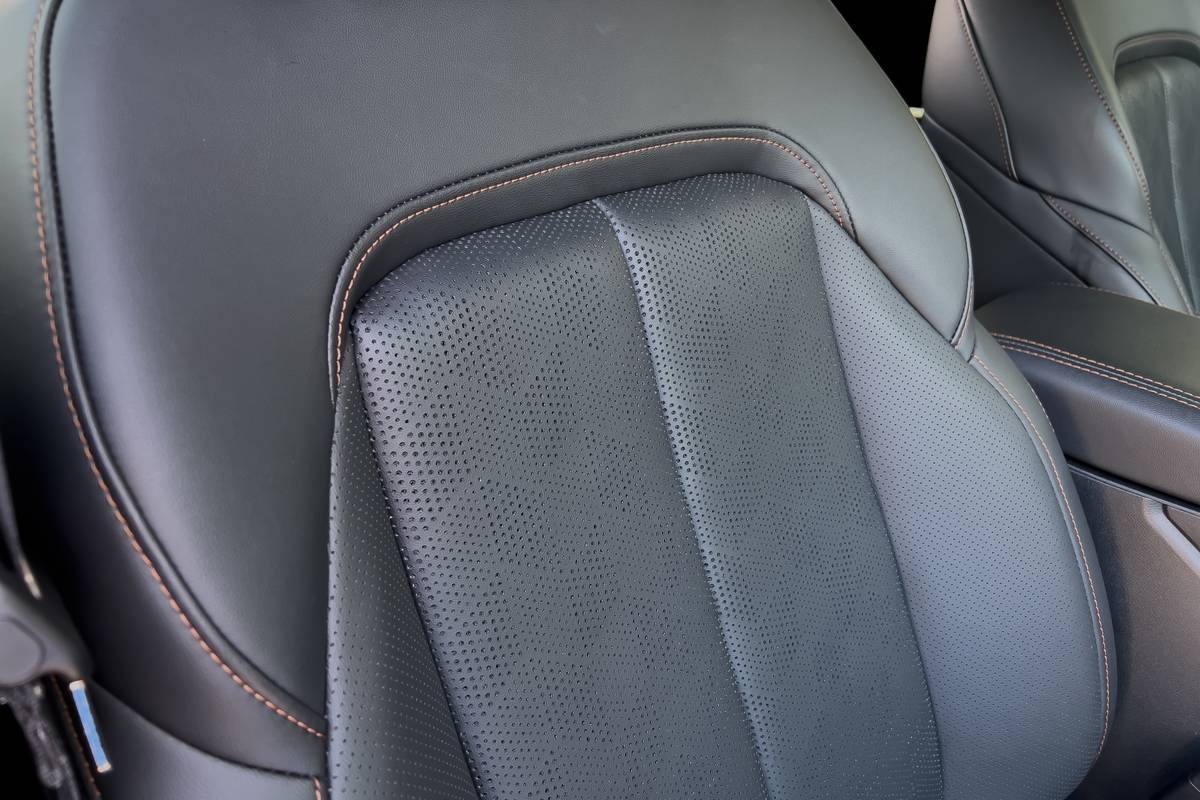
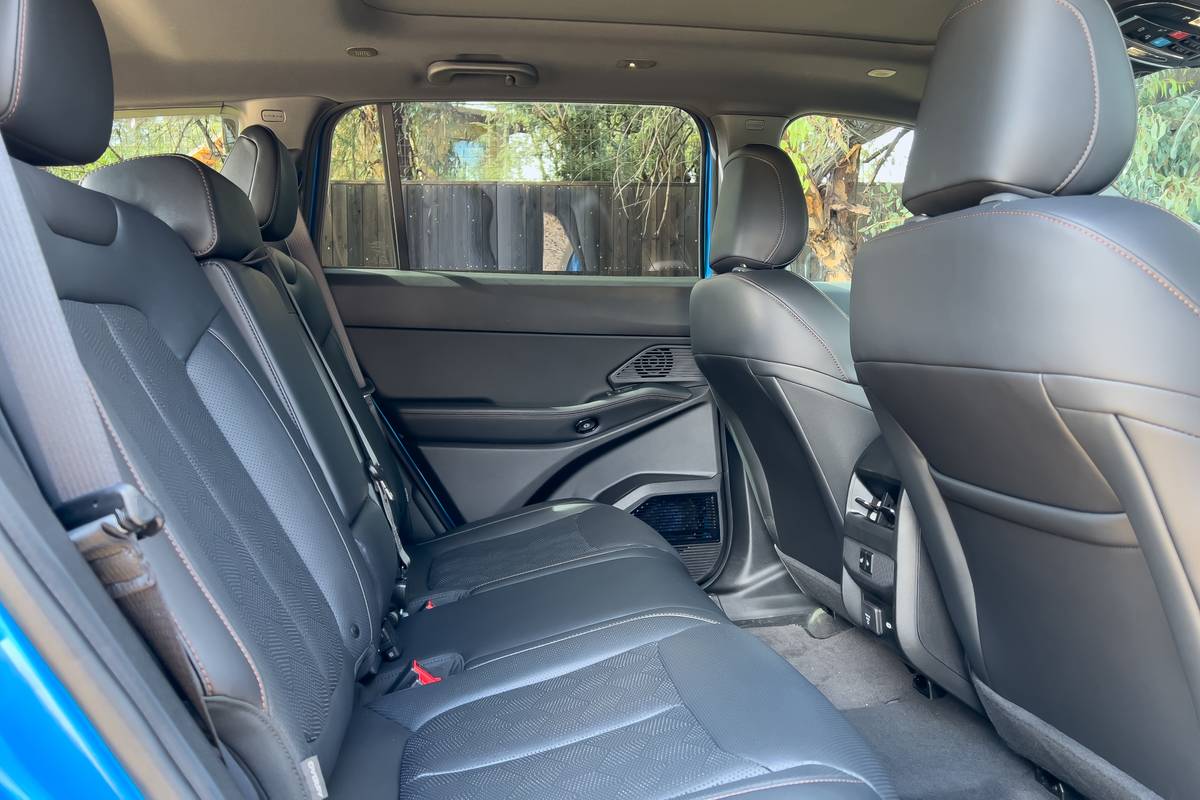
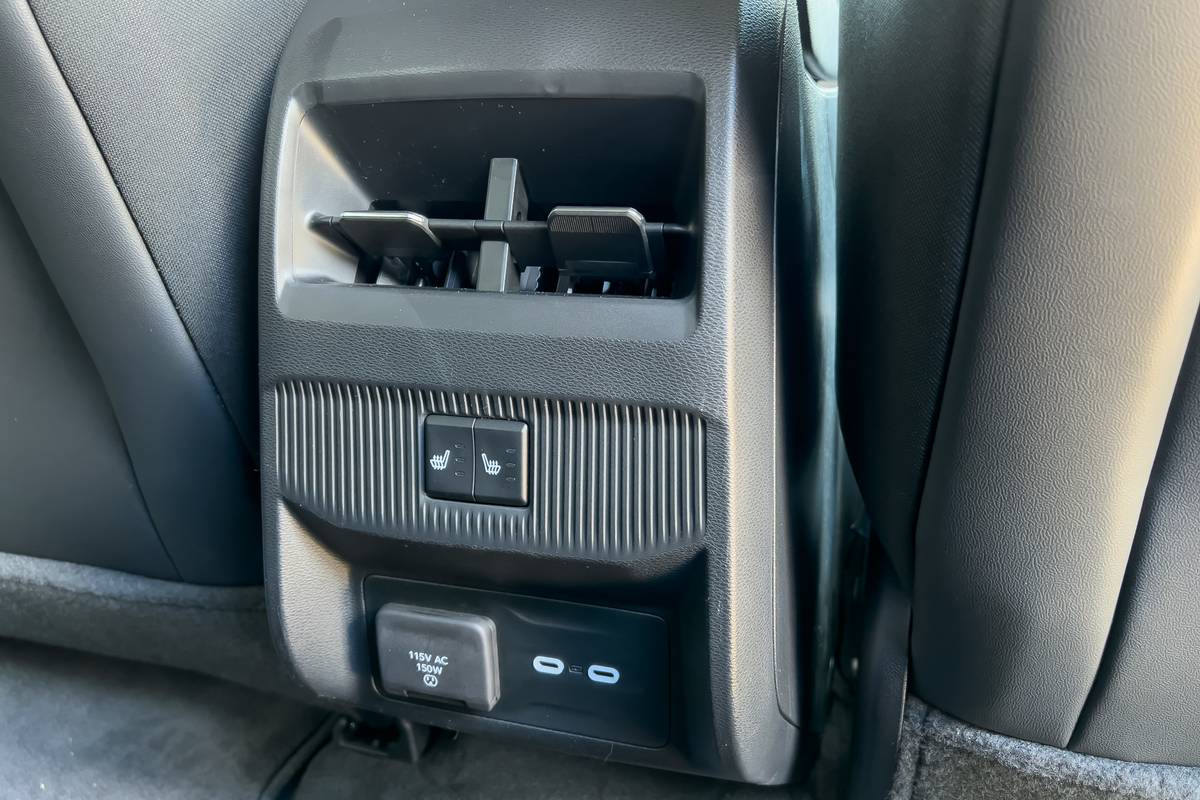
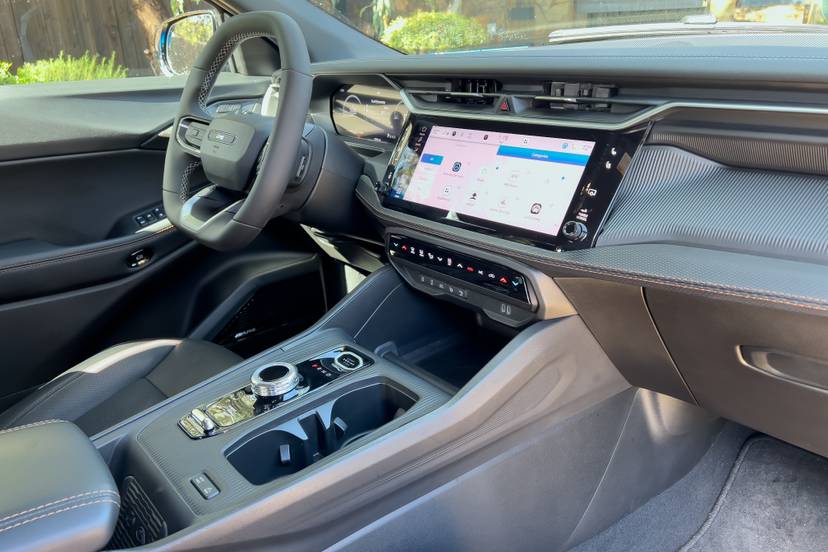
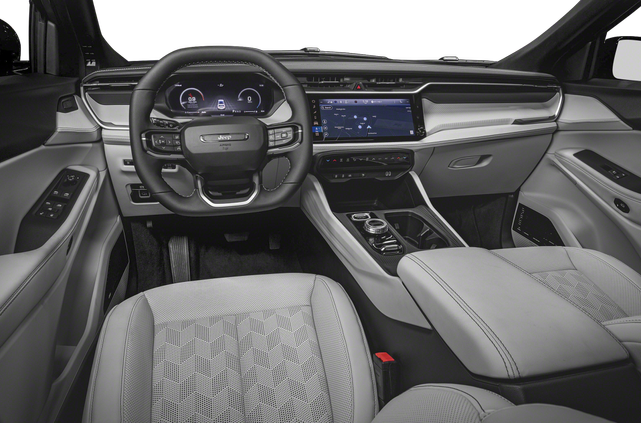
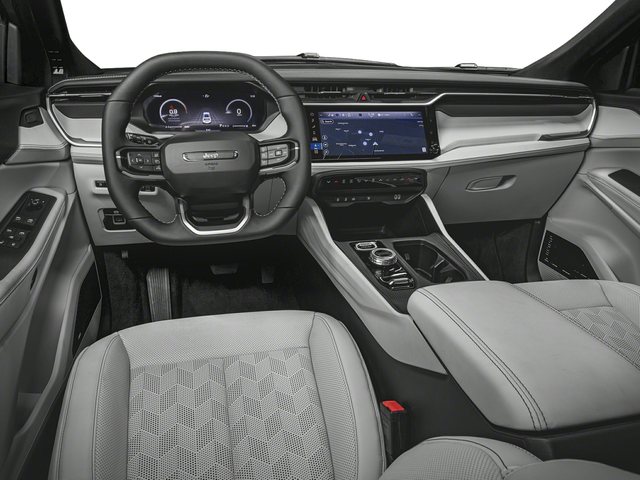
It definitely shows. Rear-seat space is far more accommodating in the ‘26 Cherokee than in the prior model, with backseat legroom rivaling segment leaders like the Toyota RAV4, Nissan Rogue and Honda CR-V. Those models were clearly the targets for the new Cherokee, which leans much more into taking the fight to those models than simply reveling in its off-road heritage or dirt-crawling abilities. Up front, the low, horizontal dash is more stylish and functional than just about anything in the class. Its standard 12.3-inch screen is nicely integrated into the panel instead of sticking out of it like a tablet computer afterthought as it is in so many other competitors. There’s a smoother, slicker artistry to the Cherokee’s interior design that’s missing from vehicles like the RAV4 or CR-V, marked by materials that look and feel premium to the touch.
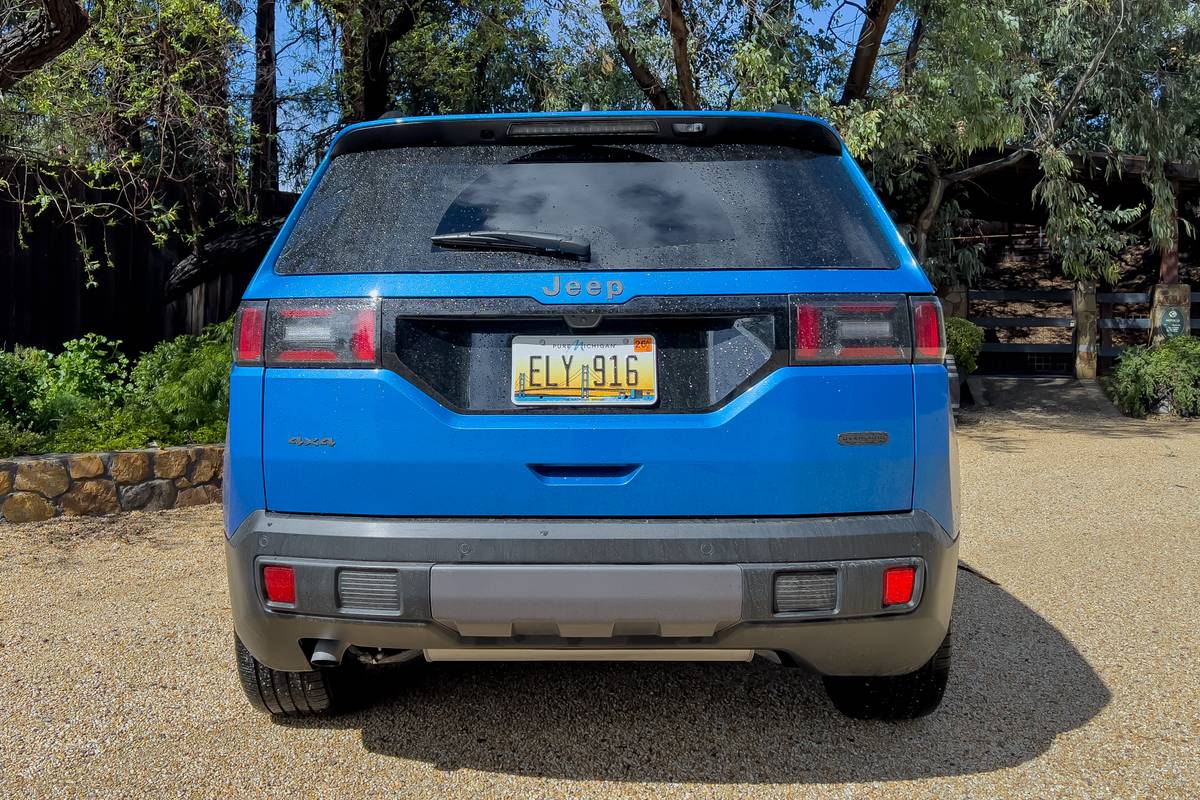
The cargo space shows off its newfound room, as well, with a 60/40-split bench that lowers to create a highly useful area. The Cherokee’s new boxier shape harkens back to the truck that truly started the SUV craze, the XJ of 1984, but the ‘26’s updated “two-box” styling theme also allows for a taller roofline and a more squared-off rear hatch, creating a tall opening for easier loading of bulky items. The structural and packaging changes Jeep has made to create the new Cherokee have placed it solidly in the hunt for compact SUV buyers.
That Surprising Hybrid Powertrain
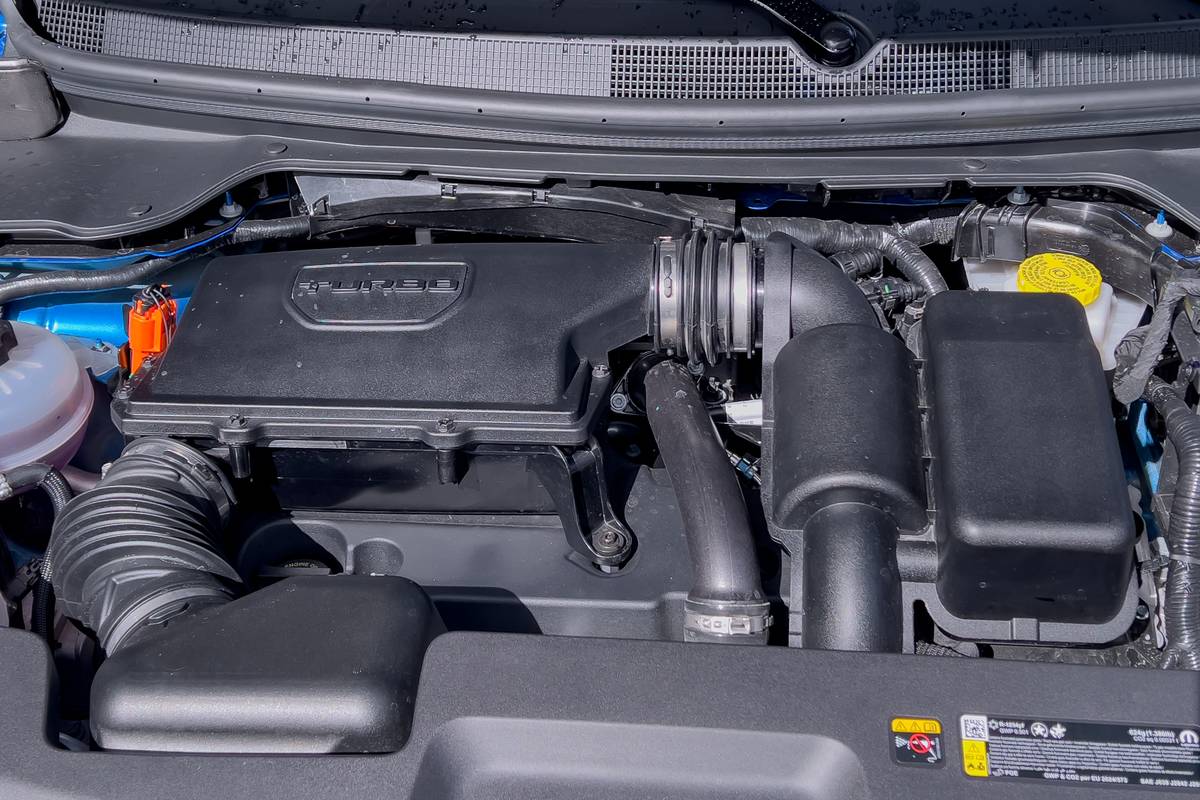
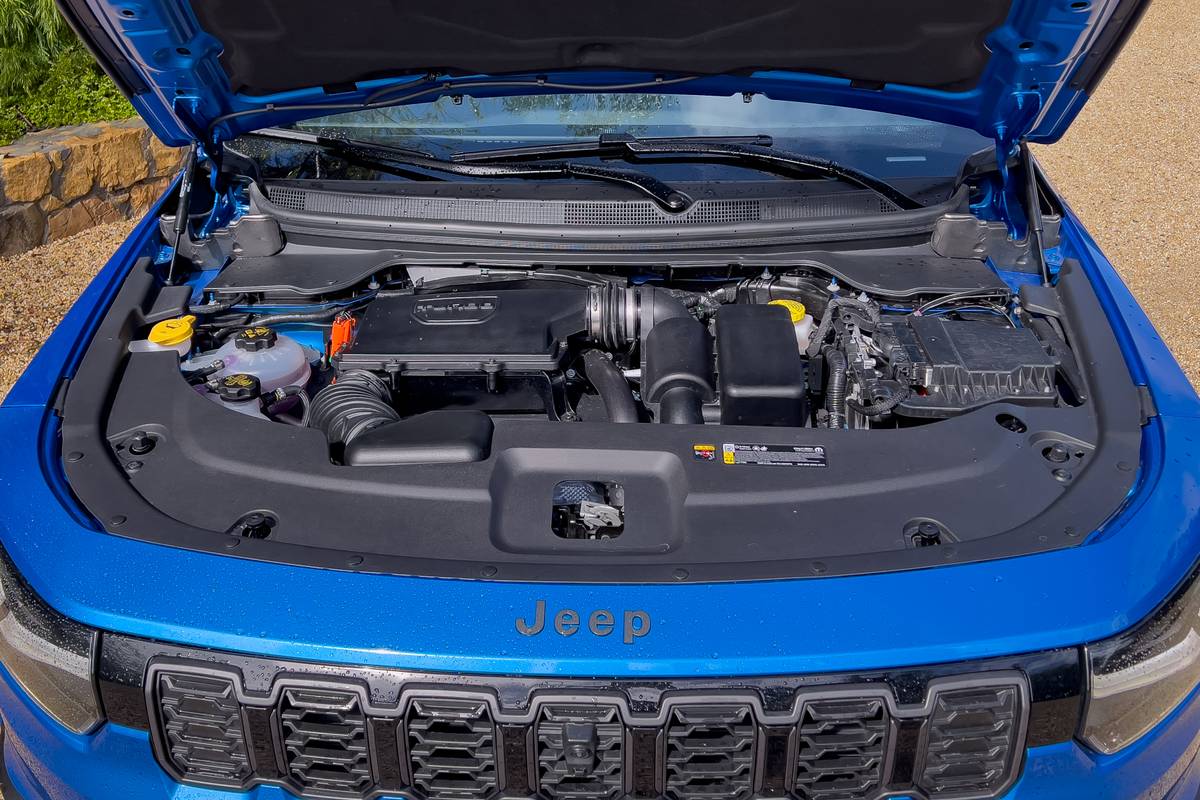
But space is just part of the new Cherokee’s story. The other part is what’s powering this new SUV: Under the hood is Jeep’s first true hybrid system (not counting the 4xe plug-in hybrid Wrangler and Grand Cherokee). Debuting in the Cherokee but sure to proliferate beyond it is the combination of a turbocharged 1.6-liter four-cylinder gasoline engine and hybrid transmission that melds two electric motors with a continuously variable automatic transmission and a small lithium-ion battery. This system drives all four wheels with standard AWD, and it produces 210 horsepower and 230 pounds-feet of torque. That doesn’t sound like much, but it’s competitive with its rivals, and perhaps most surprisingly, works to move the Cherokee smartly and with astonishing eagerness. The electric motors provide some additional torque down low in the rev range, so pulling away from a stoplight or merging onto a highway is a drama-free affair — just drop the throttle and go.
But whereas other hybrid systems employing a CVT tend to be annoying by raising and holding engine revs to an ear-busting drone, the refinement of the Cherokee’s hybrid powertrain — combined with what must be copious amounts of sound-deadening material — creates a perfectly acceptable experience. Yes, the engine will rev a lot when you call for power, but it’s not intrusive or cringey at all; in fact, the whole driving experience is one of a refined, quiet, comfortable and surprisingly polished system. For being Jeep’s first pure-hybrid powertrain, it shows an astonishing level of sophistication in its operation and works as well as any Toyota system that’s been through two decades of redesigns. And its hushed operation is actually significantly better than a lot of competitors’ hybrids, too. Well done, Jeep.
It’s Efficient and Good to Drive
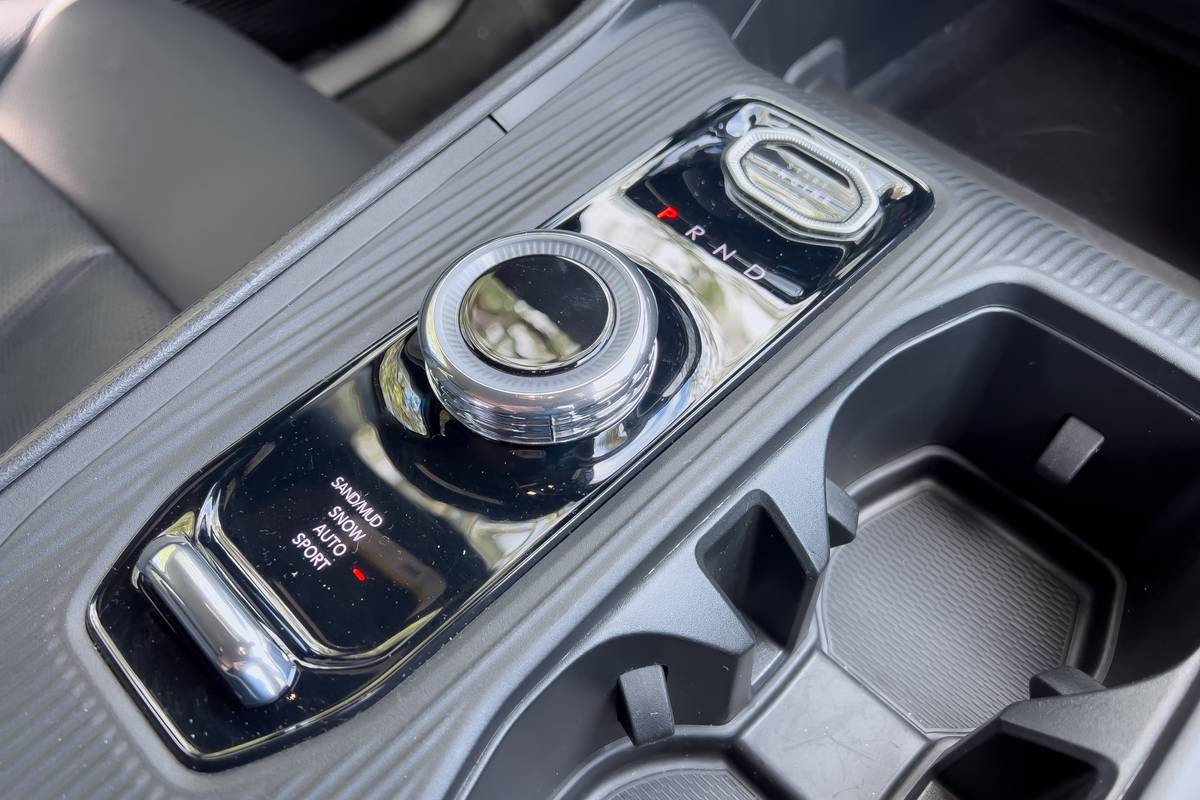
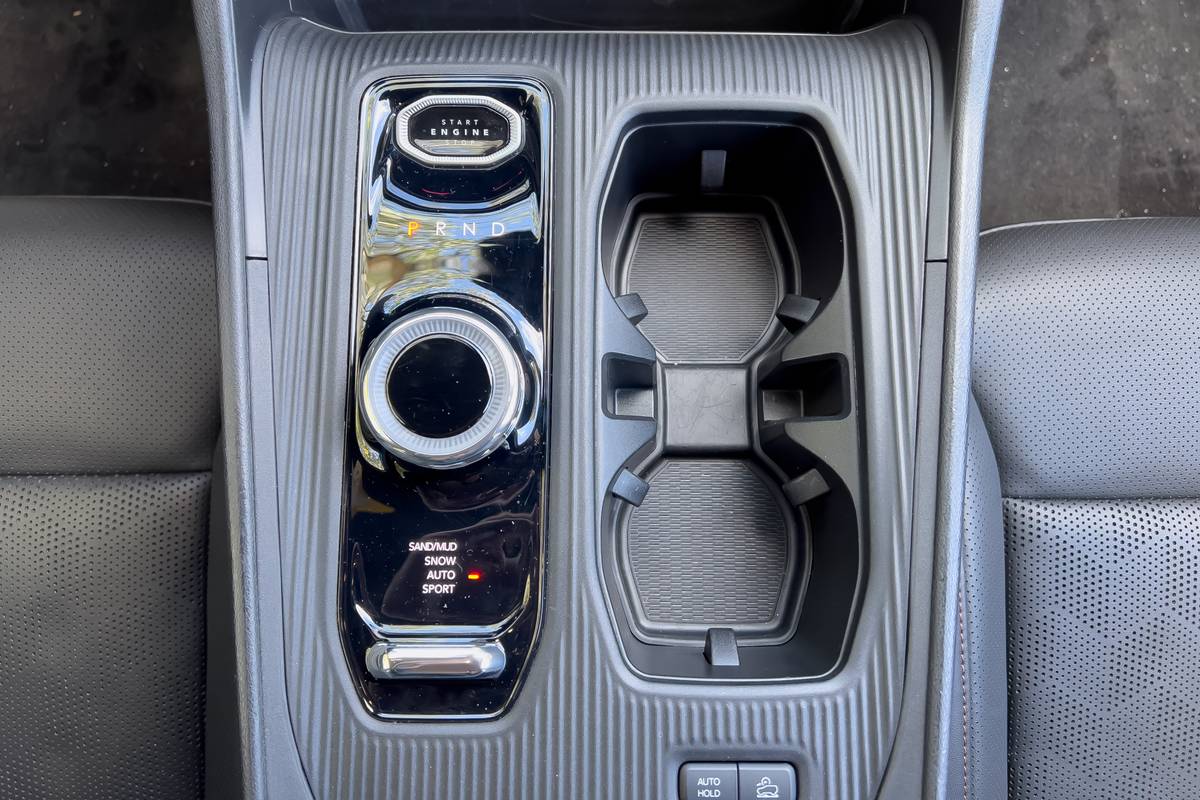
The rest of the ‘26 Cherokee driving experience is also mostly positive. The ride quality stands out as a high point — even in the top Overland model I tested with its 20-inch wheels and tires. The body motions can feel a bit floaty at times, but it is undeniably comfortable, with a hushed ride quality that again hints at a premium experience. The steering feel is as numb as it is in every other Stellantis product I’ve tried on this platform, from the Charger to the Wagoneer S. It’s extremely light and overboosted, but it can be improved a bit if you slip the drive mode selector into Sport mode, which increases the required steering effort and feedback. This also makes the hybrid powertrain a bit more aggressive in its acceleration and throttle responses. But leaving the selector in Auto mode is perfectly adequate for around-town driving, reserving Sport mode for twisty canyon roads.
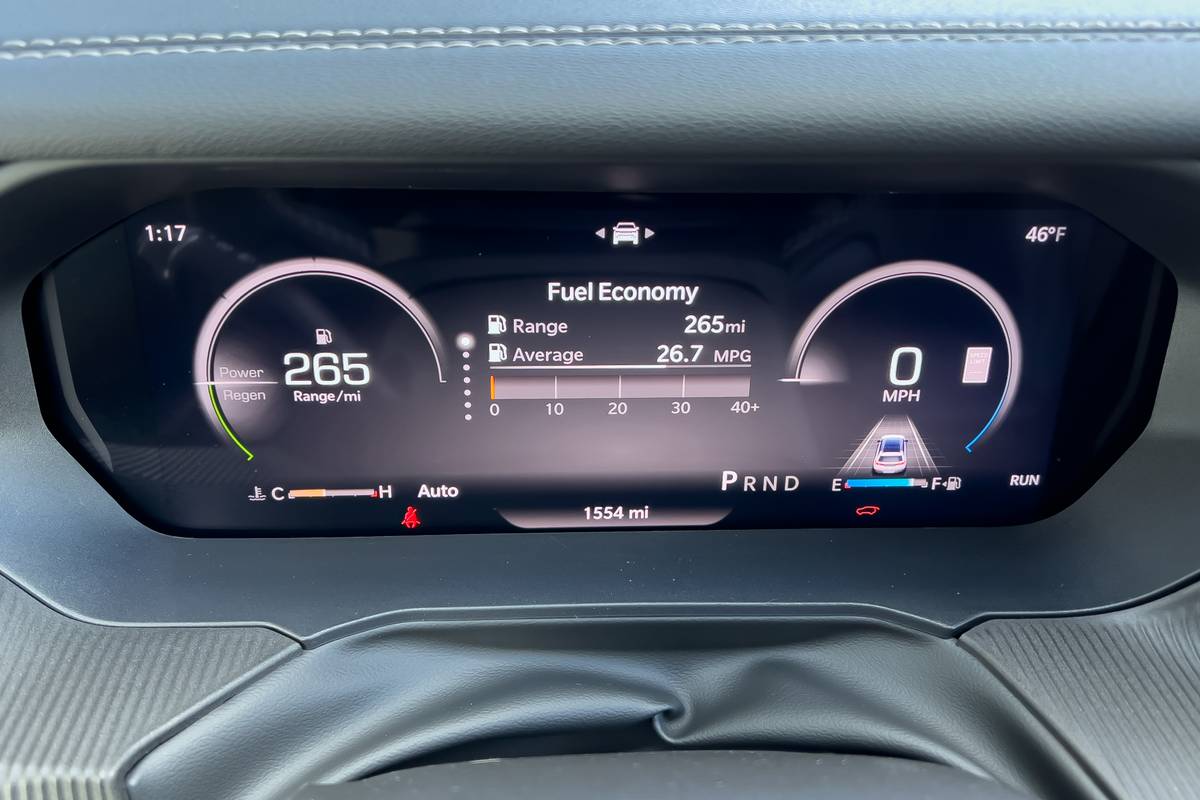
The point of a hybrid is efficiency, however, and the Cherokee delivers here, too. The SUV is manufacturer-rated at 39/35/37 mpg city/highway/combined (official EPA figures are not yet available as of this writing), and my testing during a morning that alternated between the steep hills of Malibu, Calif., and driving rainstorms netted about 32 mpg combined; a more thorough mileage test will be coming soon. With the Cherokee’s predicted mileage and 13.7-gallon fuel tank, Jeep says that a 500-mile range is easily achievable, and I believe it. The Cherokee’s mileage is mid-pack in the segment — higher than the Hyundai Tucson (36/37/36 mpg city/hwy/combined) and Subaru Forester Hybrid (35/34/35 mpg), but coming in shy of the RAV4 AWD (45/38/42 mpg) and CR-V AWD (40/34/37 mpg) ratings.
More on the Jeep Cherokee From Cars.com:
- 2026 Jeep Cherokee Up Close: Boxier Should Be Better
- How Do Car Seats Fit in a 2020 Jeep Cherokee?
- Making Crossovers Into Rock Crawlers? Rounding Up the New Rough-Road SUV Trims
- 2019 Jeep Cherokee: 8 Things We Like (and 4 Not So Much)
- Research the Jeep Cherokee
- Add Cars.com as a Preferred Source on Google
Is the 2026 Jeep Cherokee a Good SUV?
We’re frankly stunned at what Jeep has wrought with the new Cherokee. It’s far better than we expected it to be given the Stellantis’ current hybrid and electric-platform vehicle offerings to date. This is by far the best example of the STLA Large siblings we’ve driven thus far. Beyond that, it’s a fully competitive compact SUV that holds up well against class leaders in terms of efficiency, driving dynamics, value, equipment and execution. It’s not trying to be something that zigs when everyone else zags, and it’s not leaning on an off-road crutch to differentiate itself while trying to mask some shortcomings as with past Cherokees. It’s eminently comfortable, rides beautifully, has plenty of space, a super-luxe cabin and all the amenities one could possibly want. If Jeep can nail a glitch-free launch without quality issues, it should have a hit on their hands.
Cars.com’s Editorial department is your source for automotive news and reviews. In line with Cars.com’s long-standing ethics policy, editors and reviewers don’t accept gifts or free trips from automakers. The Editorial department is independent of Cars.com’s advertising, sales and sponsored content departments.